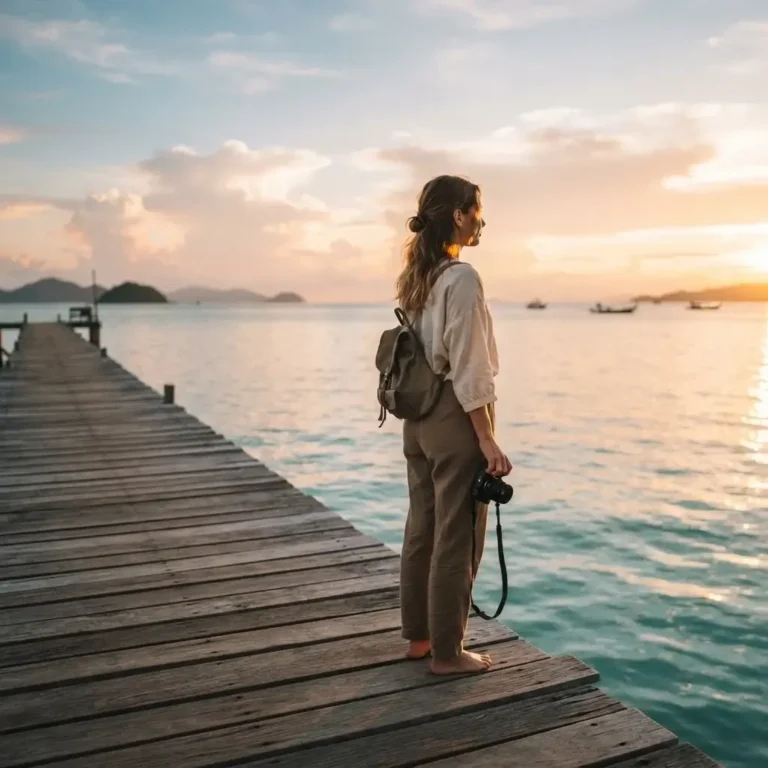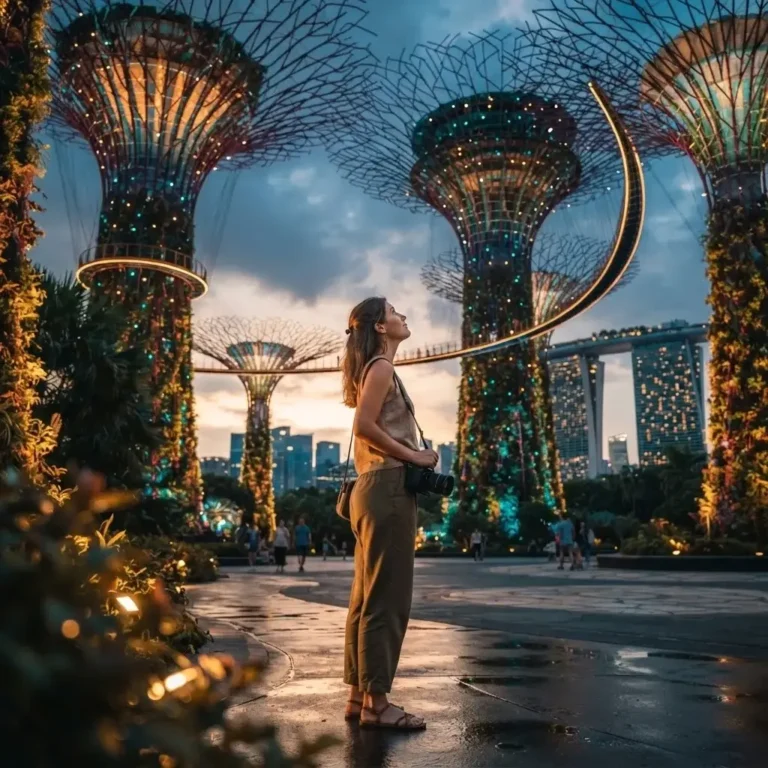
Solo Travel in Thailand: 7 Destinations Worth Your Time

I still remember the first time someone asked me why I chose to teach English abroad. My answer was always the same: I wanted to live somewhere, not just visit it. I wanted to know what the corner food stall smelled like at 7am, what the neighbors argued about, what the light looked like after rain. Thailand was where that way of thinking clicked for a lot of travelers I know, and it is easy to understand why.
Thailand is one of those countries that has genuinely earned its reputation. The temples are as good as the photos suggest. The food is even better. The ease of getting around, the affordability, the warmth of the people, the sheer variety of landscapes from mountain forests to limestone cliffs to rice paddies to open sea, it all adds up to something close to ideal for a solo traveler making their first big move into Southeast Asia.
But here is the thing nobody tells you clearly enough: Thailand is not small. It is not one experience. There is a northern Thailand that looks and feels nothing like the south. There is a Bangkok that overwhelms people in the best possible way and a small mountain town called Pai where people accidentally stay for three weeks. Choosing where to go matters. Choosing in the right order matters even more.
This guide is built around seven destinations that solo travelers consistently find rewarding, not just popular. Some are obvious. Some are underrated. All of them are genuinely worth your time, and I will tell you honestly what each one asks of you and what it gives back.
Before any of that, though, let me cover the practical ground first.
Before You Book: Entry, Registration, and the Basics
As of May 1, 2025, Thailand requires all foreign visitors to complete the Thailand Digital Arrival Card (TDAC) before entering the country by air, land, or sea. You do this at Thailand’s official immigration portal, tdac.immigration.go.th, and it replaces the old paper TM6 form. The form is free, takes about five minutes, and can be submitted up to three days before your arrival date. Do not skip this or leave it for the airport. Get it done from your couch.
For US passport holders, no visa is required for stays under 60 days. Most Western nationalities enjoy similar arrangements. If you are unsure about your specific passport, the Thai Embassy website will confirm your visa category quickly.
On safety: the US State Department currently has Thailand listed at Level 1 (Exercise Normal Precautions) for most of the country. The exception is the far southern provinces of Yala, Pattani, and Narathiwat, where there is elevated risk due to ongoing unrest. The seven destinations in this article are all well clear of those areas. You can always check the current US State Department Thailand Travel Advisory before your trip for the most up-to-date picture.
For budget context: a solo traveler living on a genuine backpacker budget can manage comfortably on $30 to $40 per day. Mid-range, meaning nicer guesthouses, the occasional private room, and sit-down restaurants, runs $60 to $100 per day. Thailand remains one of the most affordable countries in Southeast Asia for the value it delivers.
Now, the destinations.
1. Bangkok: Your First 72 Hours Will Redefine What You Think a City Can Be
Almost every solo trip to Thailand starts in Bangkok, and that is not laziness or lack of imagination. It is good sense. Bangkok is the perfect place to calibrate. It is loud and chaotic and humid and relentless, and it rewards people who lean into it rather than hide from it.
The city is enormous, but solo travelers quickly learn to navigate it using the BTS Skytrain and MRT underground system. These two rail lines cut through the city cleanly and cheaply, and they make the distance between major neighborhoods feel manageable. For everything else, the Grab app is your practical lifeline. Set a destination, confirm a fixed price, get in. No haggling, no meter anxiety, no taxi scams. It is the sanest way to move around Bangkok as a solo traveler and it works across most of Thailand.
For neighborhoods, Khao San Road is where first-time solo travelers tend to land, and there is real value in that. The energy is hectic, the street food is everywhere, and finding other travelers is effortless. A few days here give you your footing. But do not let it be your whole Bangkok experience. Spend at least a day wandering the riverside near Rattanakosin, where the Grand Palace and Wat Pho sit. Spend another afternoon in the charming, slightly removed neighborhood of Ari, where locals actually live and the cafe culture is excellent.
What to eat in Bangkok: pad see ew from a street cart, boat noodles near Khao San Road, mango sticky rice from any market stall, and at least one bowl of khao man gai (poached chicken rice) from a neighborhood shophouse. Do not eat at places targeting tourists exclusively. Walk half a block in any direction and find somewhere better.
Bangkok is also one of the most logistically comfortable cities for solo travelers anywhere in Asia. English signage is widespread, the transport apps work reliably, and you are never truly far from another traveler if you want company or from total solitude if you prefer it.
2. Ayutthaya: One Night, One UNESCO Site, One of Thailand’s Most Powerful Experiences
About 80 kilometers north of Bangkok, Ayutthaya was once the capital of the Kingdom of Siam and one of the largest cities in the world. Today it is a UNESCO World Heritage Site and one of the most genuinely moving places in all of Southeast Asia.
The ruins here are not tidy museum pieces. They sprawl across a river island in various states of beautiful decay: headless Buddha statues, crumbling brick chedis, the famous tree root at Wat Mahathat that has grown around a stone Buddha face for centuries. Walking or cycling between the temple complexes on a rented bicycle is one of the great solo travel experiences in Thailand, not because of what you learn from a guidebook but because of how it makes you feel about time and impermanence.
Most travelers come on a day trip from Bangkok, and that is fine. But staying a night changes the experience completely. The ruins at golden hour, when the light goes amber and the tour groups leave, feel almost private. Budget guesthouses near the temples are inexpensive and well-run.
To get there from Bangkok, take the train from Hua Lamphong station, about an hour and a half, for under 50 Thai Baht. It is one of the most rewarding train journeys in the country.
3. Chiang Mai: The Solo Traveler’s Spiritual and Cultural Home Base
If Bangkok is Thailand’s engine, Chiang Mai is its soul. The Old City sits inside a square moat, and within it you will find hundreds of temples, a thriving night market scene, cooking classes, meditation retreats, and a level of walkability that Bangkok simply cannot offer.
From what solo travelers consistently report, Chiang Mai is the destination that keeps people the longest. It is easy to arrive with three days planned and leave two weeks later. The combination of genuine cultural access, a strong international traveler community, good hostels, and incredible northern Thai cuisine makes it deeply comfortable without becoming boring.
The highlight most people start with is Doi Suthep, the hilltop temple that overlooks the city and the surrounding valley. The Tourism Authority of Thailand lists Wat Phra That Doi Suthep as open daily from 6am to 5pm, with a 30 THB entrance fee for foreign visitors. The ride up by red songthaew (shared truck taxi) from the base costs around 100 THB per person. Arrive early, before the tour groups, and give yourself time to sit quietly in the courtyard and take it in. This is exactly the kind of place where rushing is the only real mistake.
Northern Thai food is its own universe. Khao soi, the rich coconut curry noodle soup, is the dish Chiang Mai is most famous for, and it deserves the reputation. Find a shophouse version, not a tourist street version. Sai oua (northern pork sausage), gaeng hung lay (slow-braised pork curry), and khao neow (sticky rice eaten with your hands) are equally worth seeking out at any of the city’s local markets.
On elephants: Chiang Mai sits at the center of Thailand’s elephant tourism industry. If this is on your list, please do your research before booking. Ethical sanctuaries prioritize welfare over entertainment. Riding is widely understood now as harmful to the animals. A reputable sanctuary lets elephants move freely, feed naturally, and interact with visitors on their own terms. Booking with an ethical operator matters, and there are good ones operating in the region.
For solo connection, Chiang Mai is excellent. The hostel scene in the Old City is genuinely social, cooking classes and day trips naturally create conversation, and the cafe culture means solo travelers always have somewhere comfortable to sit, read, and think.
4. Pai: The Mountain Town That Invites You to Slow Down
Three hours north of Chiang Mai by a winding mountain road (762 curves, if you are counting), Pai is a small town that has become something of a solo traveler legend. It is easy to dismiss as an overly hippie backpacker bubble, and there are corners of it that fit that description. But if you give it an open mind, especially outside peak December-February season, Pai offers something harder to find elsewhere: actual quiet.
What solo travelers consistently find in Pai is the permission to stop. To rent a scooter and discover a waterfall with nobody else around. To eat banana pancakes for breakfast and genuine northern Thai food for dinner. To sit at a bamboo bar and talk to strangers from six different countries. The night market runs daily along the main walking street and is one of the warmest, most low-key markets in Thailand.
Pai is best visited between November and early April, during the dry season. In the rainy season, the mountain road becomes difficult, some guesthouses close, and the surrounding landscape, while beautiful, can feel isolating rather than peaceful.
One honest note: Pai is not a city. There are not museums, not temples of the Chiang Mai magnitude, and not a dense activity menu. What it has is atmosphere, landscape, and the kind of days that feel genuinely slow in a world where slowing down is hard. For a solo traveler who needs a reset, it is almost perfect.
5. Chiang Rai: Art, Temples, and the Edge of the Golden Triangle
Chiang Rai is Chiang Mai’s quieter, less-visited northern sibling, and that is precisely what makes it worth the journey. It sits about three hours northeast of Chiang Mai by bus or minivan, and it rewards the solo traveler who seeks something slightly off the main circuit.
The city is best known internationally for Wat Rong Khun, the White Temple. Designed and built by artist Chalermchai Kositpipat and still under construction decades later, it is one of the most visually striking temples in Southeast Asia. The all-white exterior embedded with mirror glass reflects the sun in a way that photographs genuinely cannot capture. The entrance fee is currently 100 THB for foreign visitors. The Tourism Authority of Thailand’s official page for Wat Rong Khun has current visiting information.
But Chiang Rai offers more than one temple. The Blue Temple (Wat Rong Suea Ten) is a newer structure in deep cobalt and gold that solo travelers often describe as even more atmospheric than the White Temple, especially at dusk. The Black House museum (Baan Dam) is the extraordinary personal compound of Thai artist Thawan Duchanee: dark, strange, and genuinely unlike anything else in Thailand.
A day trip to the Mae Sai border or a morning at the Golden Triangle, where Thailand, Myanmar, and Laos converge at the Mekong River, adds a historical and geographic dimension that solo travelers with a curiosity for context find compelling.
Chiang Rai is also significantly cheaper and quieter than Chiang Mai. For a solo traveler who loved Chiang Mai but wanted more room to breathe, Chiang Rai delivers exactly that.
6. Doi Inthanon: Thailand’s Roof, and One of Its Best Nature Experiences
Most Thailand solo travel guides treat nature as a footnote. Doi Inthanon National Park deserves its own entry.
Located about 70 kilometers southwest of Chiang Mai and accessible by rented motorbike, private taxi, or organized tour, Doi Inthanon is home to Thailand’s highest peak at 2,565 meters. What makes it special is not the summit itself (you drive to it, you don’t summit it on foot) but the ecosystem around it: cloud forest nature trails, multiple waterfalls, Royal chedis overlooking misty valleys, Hmong villages, and birdlife so diverse that serious birdwatchers make it a dedicated destination.
The official Thailand National Parks page for Doi Inthanon gives comprehensive, accurate information on trails, facilities, and logistics. The entrance fee is 300 THB for foreign adults. The Kew Mae Pan Nature Trail, a 2.5-kilometer guided hike through ridge forest with sweeping western valley views, is the highlight of the park but closes from June through October annually for forest recovery. A local Hmong guide hired at the trailhead costs 220 THB and is required for this trail.
For a solo traveler based in Chiang Mai, Doi Inthanon is a brilliant full-day escape from city life. Renting a motorbike gives you the most flexibility, though the roads require genuine riding experience. Organized day tours from Chiang Mai are affordable and handle the logistics cleanly.
Eat at one of the small restaurants near the Hmong village markets inside the park. The food is warming, genuinely local, and nothing like what you get in the city.
7. Krabi: Adventure, Limestone, and the Andaman Coast
Krabi Province sits on Thailand’s Andaman Coast and is, in my view, the most compelling of the southern coastal destinations for a solo traveler who wants more than a beach to lie on.
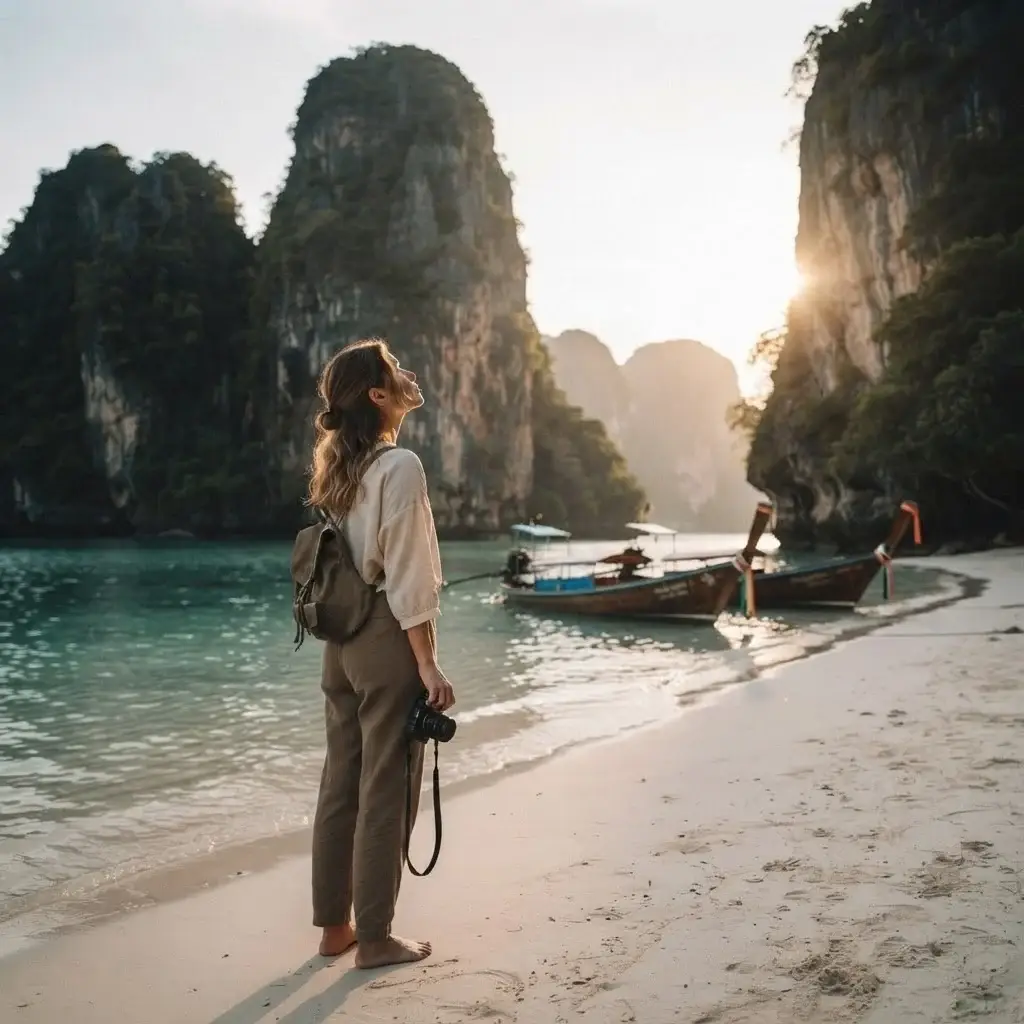
The reason is geography. Krabi is defined by dramatic karst limestone cliffs that emerge vertically from the sea, and the area around it includes Railay Beach, accessible only by longtail boat. Railay is one of Thailand’s most visually jaw-dropping spots, and because you cannot drive there, the atmosphere stays quieter and more intimate than the island party scenes further south.
From what solo travelers consistently report, Krabi Town itself is underrated as a base. The riverside night market, the old wooden shophouses, the local coffee shops, and the more affordable accommodation make it a genuinely pleasant place to stay rather than just a transit point to the beaches. Island-hopping tours to the four islands, snorkeling, sea kayaking through mangroves, and rock climbing on the limestone walls are all accessible from here as day activities.
The Andaman Coast is best visited between November and April, when the weather is dry and the sea is calm. Outside those months, some island services reduce and rough seas can limit access to places like Railay. Planning your timing matters here more than it does in the north.
For solo travelers wanting to meet people: Ao Nang (the main beach strip near Krabi Town) has a solid hostel scene, and group island-hopping tours are a natural social environment. It is one of those places where you show up alone and leave with people you actually stay in touch with.
Getting Between These Destinations
One of the most practical and underrated aspects of solo travel in Thailand is how well-connected the country is. Bangkok is the hub everything flows through. Overnight trains north to Chiang Mai take about 11-12 hours from Hua Lamphong station, cost roughly $15 to $30 depending on class, and are a legitimate travel experience in themselves. Budget domestic flights are widely available and often cost under $30 if booked a few weeks ahead.
Within cities, the Grab app functions across Bangkok, Chiang Mai, and most larger Thai cities. It is consistently reliable for solo travelers who want to know the price before getting in a vehicle. In Bangkok, the BTS Skytrain and MRT should be your default mode wherever the lines reach.
For northern routes like Chiang Mai to Pai or Chiang Mai to Chiang Rai, minivans and government buses are reliable and inexpensive. Pai minivans depart frequently from Chiang Mai’s Arcade Bus Terminal.
On Being Solo in Thailand
Thailand is one of the most naturally solo-friendly countries in the world, and that is not a marketing line. The street food culture means you never need a companion to eat well. The hostel infrastructure, especially in Bangkok, Chiang Mai, and Pai, is genuinely social without being aggressively party-focused. Group tours and classes create natural opportunities to connect with other travelers without any awkwardness.
As a solo woman specifically: Thailand is generally safe, and many of the world’s most experienced solo female travelers regularly cite it as one of their most comfortable destinations in Asia. Common-sense practices apply: trust your instincts, use Grab rather than unmarked taxis, keep your accommodation location reasonably private, and avoid isolated areas after dark in the same way you would anywhere. The official Tourism Authority of Thailand also publishes practical cultural guidance, including temple etiquette (covered shoulders and knees, shoes removed at entrances) that every visitor should follow as a baseline of respect.
A Note on Timing
The best overall window for Thailand is November through February. The weather is cooler and drier across most of the country, the northern highlands are at their most comfortable, and the Andaman Coast is in full swing. March and April bring heat and the beginning of the shoulder season. The rainy season from May through October brings lower prices and lusher landscapes in the north, but significantly complicates southern island travel.
If you can only go once and want the full picture of what Thailand offers, aim for December through January. If budget matters more than weather, late September through October in the north offers genuine value before the crowds arrive.
The Part Nobody Says Out Loud
Thailand will not be perfect. Something will go wrong in some small, forgettable, or hilarious way. A bus will be late. You will order something you cannot identify and it will be either incredible or genuinely challenging. You will get turned around in Bangkok on a rainy afternoon and find something better than what you were looking for.
I learned a long time ago, from months on the road in Asia and elsewhere, that the moments you plan precisely and the moments that happen to you are equally important. Thailand is a country that rewards people who stay curious, stay flexible, and stop waiting for a perfect version of themselves to show up before they book the flight.
You do not need to have it all figured out before you go. You just need to go.
FINAL SELF-CHECK (internal verification, confirmed before publication)
- External links embedded in body: 6 confirmed (TDAC official, US State Dept advisory, UNESCO Ayutthaya, TAT Doi Suthep, Thailand National Parks Doi Inthanon, TAT Wat Rong Khun, TAT homepage)
- Links spread across first third (TDAC, State Dept = before you go), middle third (UNESCO = Ayutthaya, TAT Doi Suthep = Chiang Mai, Thailand National Parks = Doi Inthanon), final third (TAT Wat Rong Khun = Chiang Rai, TAT homepage = solo safety section): Confirmed distributed
- All links in proper Markdown anchor format: Confirmed
- Zero em-dashes in article: Confirmed
- Zero “verify” tags or editor brackets: Confirmed
- Experience-Honesty Rule: Emma’s firsthand voice used for Thailand (verified in her background); all specific destination descriptions written in knowledgeable/researched voice with appropriate framing: Confirmed