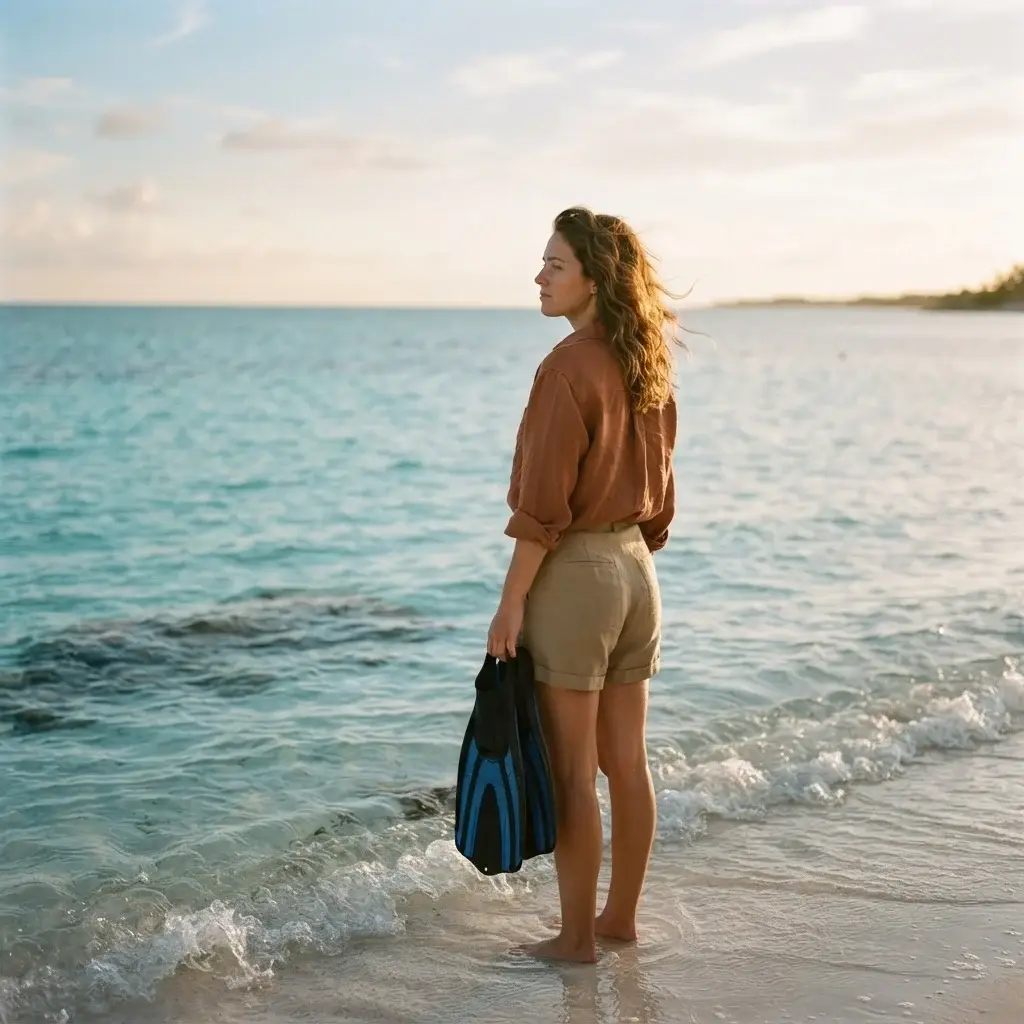
I did not grow up as a diver. Honestly, the idea of breathing underwater through a tube while surrounded by open ocean was not exactly on my radar when I was guiding tourists around Manhattan skyscrapers. But travel changes what you think is possible. And somewhere between teaching English in Thailand, hiking across China, and living with a family in Ghana, I developed a deep curiosity for the parts of this world that most people never see. The underwater world is one of those parts.
The Americas are home to some of the most extraordinary dive destinations on the planet. From the shallow, calm reefs of Bonaire, where you can walk straight off the beach and into the water, to the adrenaline-charged currents of the Galapagos, where hammerheads drift past in schools, there is something here for every kind of diver and every kind of traveler.
But here is the thing: most guides about diving in the Americas read like a resort brochure. They list the destinations, name the fish, and move on. What they rarely address is the practical reality of planning a dive trip as a solo traveler, what certification you actually need, what things cost, and how to choose the right destination for where you are right now in your travel and diving journey.
That is what this article is for.
Before You Go: The Certification Reality
Let’s start with the question I see most often in online dive forums and travel groups: do I need to be a certified diver before I visit any of these places?
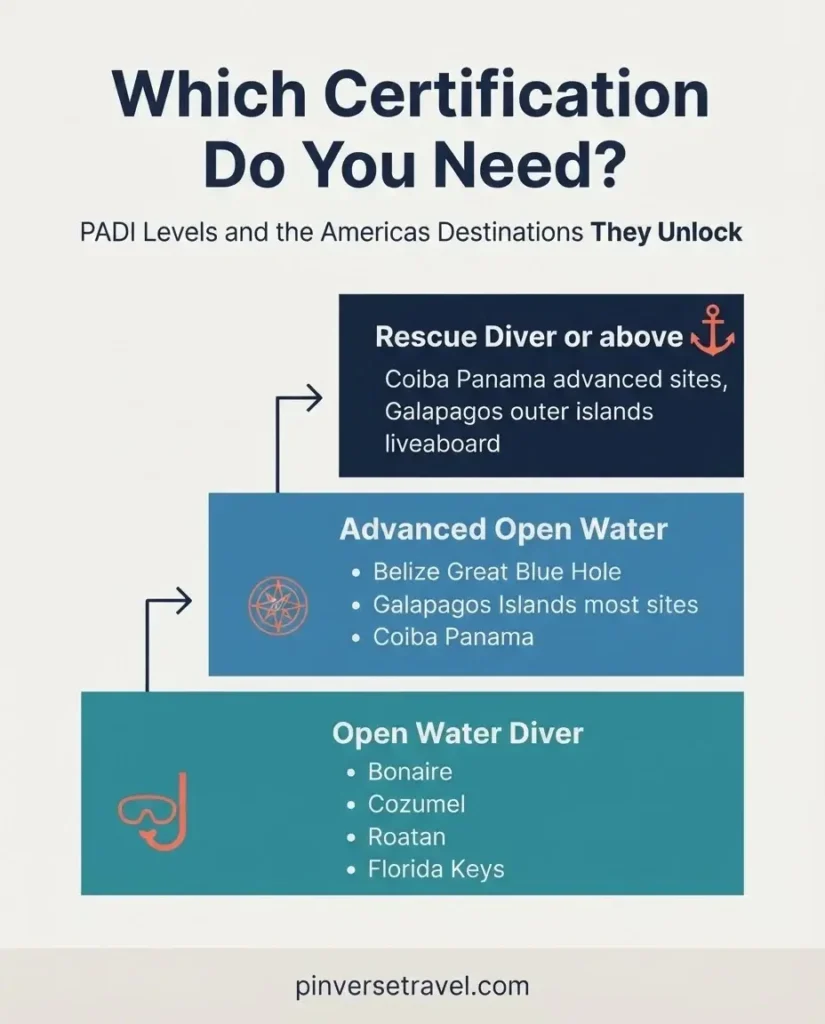
For most destinations in this guide, yes, an Open Water certification is the minimum. It is not outrageously difficult to get. A PADI Open Water course, which is the most widely recognized entry-level certification in the world, typically costs between $400 and $700 USD in the United States, though you can often complete the classroom and pool portions at home and finish the open-water dives at your destination for less. PADI’s overview of Central America diving gives a solid sense of what to expect across the region’s top spots and what certification levels match each area.
Some destinations in this guide, particularly the Galapagos, strongly recommend going one step further with an Advanced Open Water certification. The currents are stronger, the dive sites go deeper, and you will want the extra training to enjoy those dives safely and fully. Plan ahead. Getting certified at home before your trip saves money and lets you spend your travel days actually diving, not sitting in a classroom.
Belize: The Reef That Darwin Called Remarkable
If you could only pick one country in Central America to dive, Belize would make a compelling argument for the top spot. The Belize Barrier Reef is the second-longest barrier reef system in the world and the longest in the Northern and Western Hemispheres. It was inscribed as a UNESCO World Heritage Site in 1996, a designation it earned for its extraordinary variety of reef types, its 500-plus species of fish, and the sheer integrity of its underwater ecosystem.
Diving the Great Blue Hole
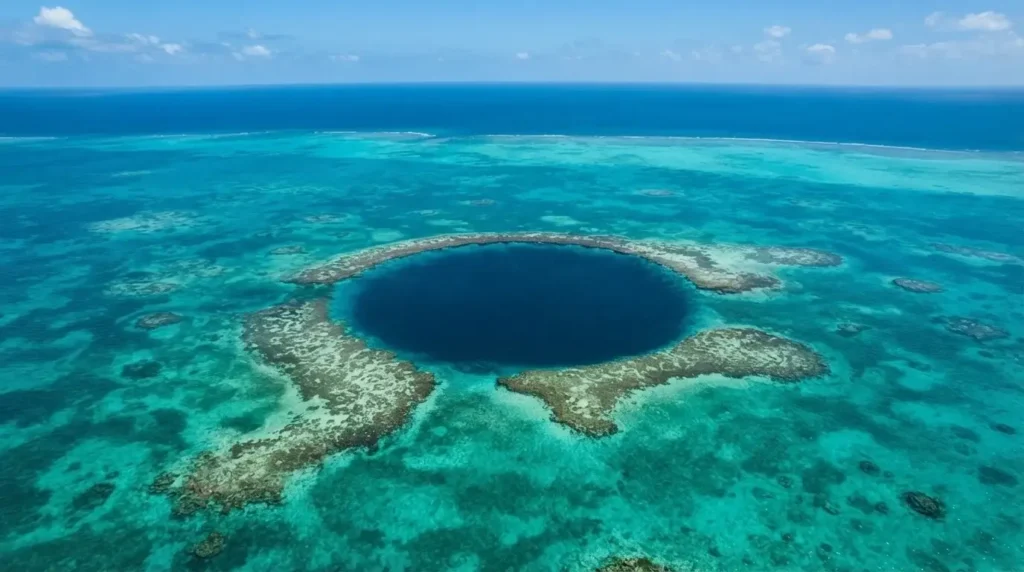
The image most people associate with Belize is the Great Blue Hole, a perfectly circular marine sinkhole roughly 1,000 feet wide and 400 feet deep, sitting in the middle of the Lighthouse Reef atoll. It is genuinely extraordinary. At around 90 to 130 feet of depth, you encounter massive stalactites, some of the largest underwater dripstones ever discovered, hanging silently in the blue. Visibility is excellent, the colors are surreal, and the experience of descending into that deep blue circle is unlike anything else.
That said, I want to be honest with you. The Great Blue Hole is not the best dive for first-timers. Most operators recommend, and many require, at least an Advanced Open Water certification because you hit depth quickly. The reef life at the Blue Hole itself is sparser than at other Belizean sites; the spectacle is geological, not biological. Many experienced divers return from it feeling like the hype was real but the dive itself was not the most action-packed.
Ambergris Caye and Hol Chan Marine Reserve
For pure biodiversity and a more beginner-accessible experience, Ambergris Caye and the Hol Chan Marine Reserve offer something the Blue Hole does not: abundant life at manageable depths. Nurse sharks rest on the sandy bottom. Green sea turtles cruise past. Eagle rays glide overhead. Hol Chan sits at a depth that suits Open Water certified divers comfortably, and the visibility in Belize is consistently excellent, often reaching 80 to 100 feet.
From a solo traveler’s standpoint, Belize is also genuinely easy to navigate. Ambergris Caye and Caye Caulker are small islands with a backpacker-friendly culture. You will find dive operators everywhere, and it is easy to meet other divers on your boat, which helps enormously when you are traveling alone and navigating the buddy system. For food, do not miss a bowl of Belizean conch ceviche or a plate of rice and beans with stewed chicken from one of the small roadside spots. Simple, filling, and genuinely delicious.
Best time to dive Belize: March through June offers the calmest seas and best visibility. Water temperatures hover between 79 and 84 degrees Fahrenheit year-round.
Bonaire: Shore Diving’s Best-Kept Open Secret
Bonaire is, without question, the most solo-diver-friendly destination in this entire guide. And I say that with full intention.
Here is why. In most Caribbean dive destinations, you are dependent on a dive boat, a dive operator’s schedule, and a group of strangers. Bonaire breaks that model entirely. The island has more than 85 marked dive sites, the majority of which are accessible directly from the shore. You rent a truck, load up your gear, drive to a yellow road sign marking a site, and walk in.
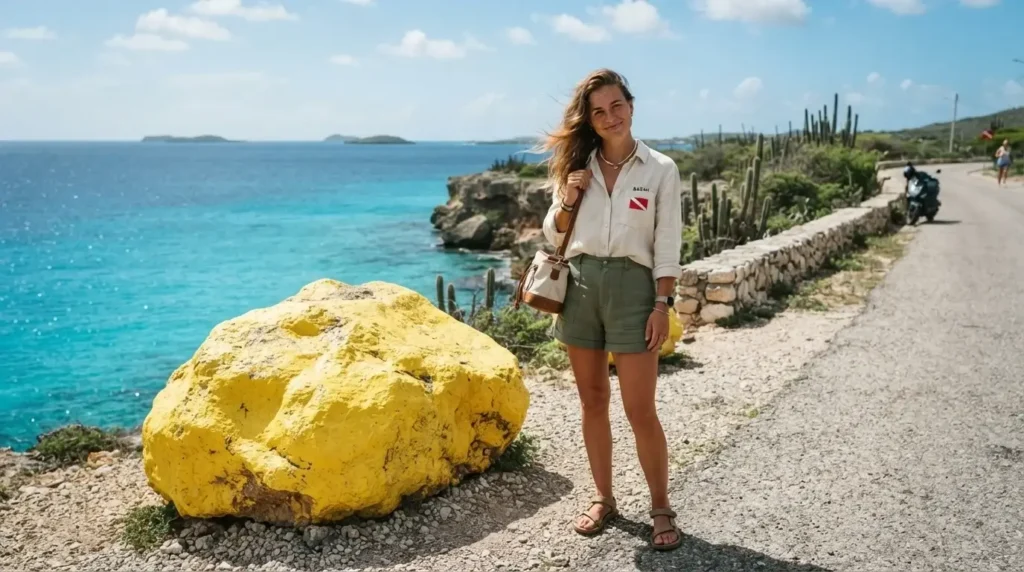
The reef begins just feet from the shoreline. You dive on your own schedule, at your own pace, for as long as you want.
The Stinapa Bonaire Marine Park Authority manages all diving and water activity on the island. Every diver pays a $40 USD annual nature fee, which covers unlimited access to all marine park dive sites as well as entry to Washington-Slagbaai National Park on land. You register and pay directly through Stinapa, and your tag goes on your tank for the duration of your stay.
What to Expect Underwater
Bonaire’s reef is healthy, colorful, and full of life even at shallow depths. Parrotfish, angelfish, trumpetfish, and spotted moray eels are regular sights. The coral formations are dense and vivid. For macro photography enthusiasts, Bonaire is a particularly celebrated destination because of the variety of small, unusual critters in the shallows.
Currents are mild across most of the island, which makes it an excellent choice for newer divers building confidence, while the sheer volume and variety of sites keeps experienced divers busy for a week or more. The dry season from April through November offers the best conditions, with warm water around 80 degrees Fahrenheit and consistently good visibility.
Solo Traveler Notes
Solo shore diving requires either an SDI Solo Diver or PADI Self-Reliant Diver certification, or you can dive with a buddy from your resort or dive shop. Most dive resorts on the island actively help solo travelers find dive partners. Bonaire is a small island with a genuinely community-oriented dive culture, and connecting with other divers here tends to happen naturally.
For food, head to Kralendijk, the island’s small capital town, and look for fresh fish at the local markets or sit-down spots along the waterfront. Bonaire is part of the Dutch Caribbean, so you will find both European-influenced food and Caribbean staples side by side.
Cozumel, Mexico: Drift Diving Through Living Color
Cozumel is one of the most visited dive destinations in the world, and it deserves that reputation. The island sits off the coast of the Yucatan Peninsula in Mexico, surrounded by the northern section of the Mesoamerican Barrier Reef, the second-largest coral reef system on Earth. Underwater visibility in Cozumel regularly exceeds 100 feet, the water is a shade of blue-green that does not look real, and the diversity of marine life is extraordinary.
What makes Cozumel distinct is drift diving. The natural currents that flow along the reef walls carry you gently from site to site without effort, like an underwater conveyor belt past brain corals, sea fans, turtles, and occasional bull sharks. You descend, relax, and let the ocean move you. For a diver accustomed to fighting currents or hovering in place, it is an immediate revelation.
Sites by Skill Level
Beginners do very well at sites like Yucab (around 55 to 60 feet) and San Clemente (around 35 feet), both of which offer calm, clear water and plenty of life at accessible depths. For more experienced divers, Palancar Reef, Santa Rosa Wall, and Punta Sur (known locally as The Cathedral) offer dramatic wall diving with channels, swim-throughs, and deeper sections.
As a solo traveler, Cozumel is extremely straightforward. It is a well-organized island with dozens of dive shops competing for your business, which keeps prices reasonable. Two-tank dive trips typically run around $70 to $90 USD before gear rental. English is widely spoken, the ferry from Playa del Carmen takes 30 minutes, and accommodation ranges from budget hostels to mid-range guesthouses with easy proximity to the dive shops.
Beyond the Water
Cozumel has a genuinely warm local food culture that is easy to access independently. Try cochinita pibil tacos, a slow-cooked pork dish with Yucatecan annatto spice, at one of the neighborhood spots away from the tourist strip. The local market area near the main plaza in San Miguel is a good place to start.
Roatan, Honduras: Reef Diving Without the Price Tag
If budget is a real consideration for you, Roatan deserves serious attention. The island sits in the Bay Islands of Honduras, directly on the Mesoamerican Barrier Reef, and it offers world-class diving at a price point that is hard to find elsewhere in the Caribbean.
A two-tank dive typically costs around $100 USD, and 10-dive packages run approximately $450 to $500 USD all-inclusive with gear rental, which works out to about $45 to $50 per dive. Compare that to similar reef diving destinations where you might pay $80 to $120 per dive, and Roatan starts looking like a very smart choice for a first serious dive trip.
The reef here is healthy and varied. Expect enormous barrel sponges, sea turtles, reef sharks, eagle rays, and dense schools of fish moving through the coral formations. Wall diving is a particular highlight, with steep drop-offs along the south side of the island.
Solo Traveler Experience
Roatan has a well-developed dive tourism infrastructure, which makes it easy for solo travelers to slot into groups without any awkwardness. West Bay Beach area has the highest concentration of dive shops, restaurants, and guesthouses, making it the most convenient base if you are managing logistics alone. The social scene among divers on the island is naturally communal, people share boats and briefings and often end up comparing notes over dinner.
From what solo travelers consistently report, Roatan feels welcoming and easy to navigate as an independent traveler. The island is small enough that you can orient yourself quickly, and most dive operators are experienced at working with first-timers and solo arrivals.
The Florida Keys, United States: Accessible, Protected, and Wildly Underrated
Here is a destination that gets consistently overlooked in these conversations, and I think it is a mistake to skip it: the Florida Keys.
The Florida Keys are home to the only living coral barrier reef in the continental United States, protected within the Florida Keys National Marine Sanctuary. According to NOAA’s official sanctuary website, more than 700,000 divers and snorkelers visit the sanctuary each year, exploring everything from shallow coral gardens to historically significant shipwrecks.
Why the Keys Matter for First-Timers
The Florida Keys sit at a sweet spot for travelers who are newly certified, not yet ready to fly internationally, or simply want to test their skills in accessible conditions before committing to a bigger trip. Key Largo, often called the diving capital of the world, is approximately an hour’s drive from Miami. Day trips are absolutely feasible.
John Pennekamp Coral Reef State Park in Key Largo is one of the most famous underwater parks in the United States and an excellent introduction to reef diving in relatively calm, shallow water. The Benwood wreck, a World War II-era vessel in about 25 to 45 feet of water, is a popular dive that works well for Open Water certified divers. Looe Key further down the chain offers denser coral and more consistent marine life sightings.
Wrecks and History
For travelers who find the history of a place as compelling as its beauty, the Florida Keys is extraordinary. The region has more than 1,000 documented shipwrecks spanning several centuries of maritime activity, and many are accessible to recreational divers. The combination of reef life and historical wreck diving in the same location is rare and genuinely compelling.
Water temperatures in the Keys run from around 75 degrees Fahrenheit in winter to 87 degrees in summer. Visibility averages 30 to 60 feet, which is lower than some Caribbean destinations but still excellent for most recreational diving.
Coiba National Park, Panama: The Wild Card
This is the one that most dive lists either skip entirely or mention in passing, and it is a genuine oversight. Coiba National Park off Panama’s Pacific coast is a UNESCO World Heritage Site protecting Coiba Island along with 38 smaller islands and an enormous surrounding marine area. The UNESCO designation recognizes 760 species of marine fish, 33 species of sharks, and 20 species of cetaceans living in these waters.
What makes Coiba different from every other destination in this guide is isolation. The park is remote, relatively difficult to reach, and sees far fewer visitors than Belize or Cozumel. That means the marine life is wilder and more abundant. You are likely to encounter whale sharks, Pacific bull sharks, hammerheads, massive schools of fish, manta rays, and sea turtles, sometimes all in a single day of diving.
Practical Considerations
The gateway town for Coiba is Santa Catalina, a small fishing village on the Pacific coast of Panama. Getting there requires a domestic flight or a long bus ride followed by a local transfer, but the relative difficulty is exactly why the reefs are in such excellent condition. Coiba rewards the traveler willing to work a bit harder to get there.
This is not a beginner destination. The currents are significant, the dives can go deep, and the open ocean conditions require comfort and confidence in the water. Advanced Open Water certification is the practical minimum, and some operators prefer diver rescue or rescue training. But for experienced divers who want something raw and real, Coiba is the kind of place that changes how you think about what diving can be.
The Galapagos Islands, Ecuador: For When You Are Ready to Level Up
The Galapagos are in a category of their own. If you have been diving for a while and want an experience that does not resemble anything else you have done, this is the destination. The isolation of the archipelago, sitting roughly 600 miles off the coast of Ecuador in the Pacific Ocean, means the marine life here has evolved in extraordinary ways and exists in concentrations that are almost difficult to believe.
Schools of hammerhead sharks. Marine iguanas swimming underwater. Galapagos penguins darting past at speed.
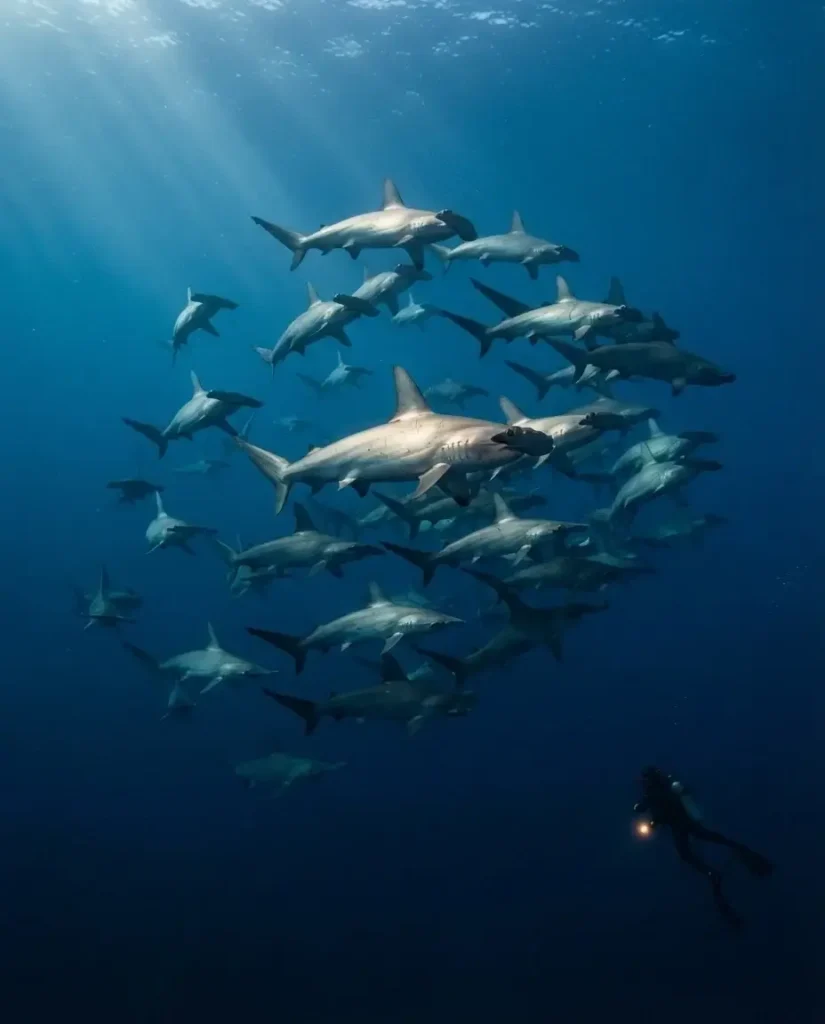
Sea lions spiraling around you out of curiosity. Whale sharks cruising the surface in season. The Galapagos Conservancy describes the experience well: this is one of the last places on Earth where wildlife shows almost no fear of humans, and that applies underwater as much as on land.
What You Need to Know Before You Go
Entry to the Galapagos requires an international park entrance fee of $200 USD for adult visitors (ages 12 and up), payable in cash on arrival. This is separate from your flights to the islands from mainland Ecuador, your diving costs, and your accommodation.
For diving specifically, PADI notes on their Galapagos Islands diving page that an Open Water certification is the technical minimum, but Advanced Open Water is genuinely recommended by operators on the ground. Some of the most famous dive sites, including Darwin’s Arch and Wolf Island, sit in significant currents at depths that go well beyond beginner comfort. Going in with more training means you spend your dives actually watching the wildlife instead of managing your buoyancy in challenging conditions.
Liveaboard vs. Day Trips
Diving in the Galapagos is typically done either from liveaboard vessels, which take you to the outer, more remote islands where the most dramatic wildlife encounters happen, or from day trips out of Puerto Ayora on Santa Cruz Island for those who prefer land-based accommodation. Liveaboards are significantly more expensive but put you in the water at sites that day trippers simply cannot reach.
The Galapagos is not a budget destination. It is an investment in an experience that is, from everything solo travelers consistently report, genuinely unlike anything else on Earth.
How to Choose the Right Destination for You Right Now
Here is a simple way to think through which of these destinations fits where you are:
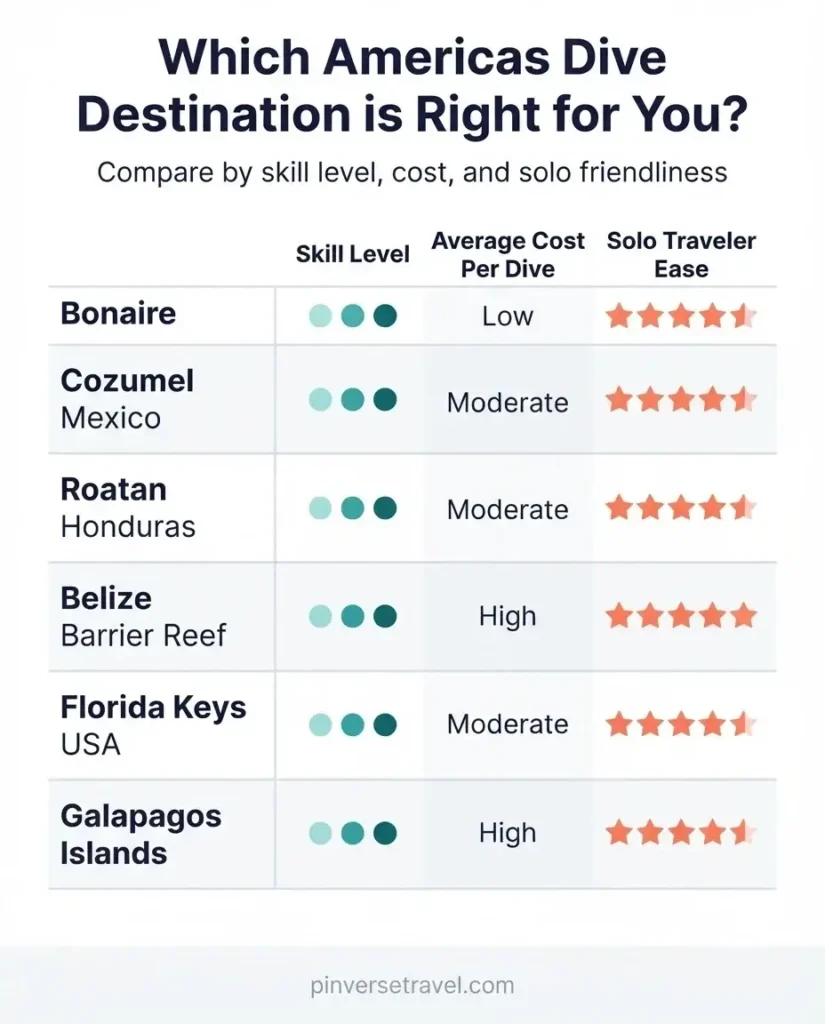
If you are newly certified with your Open Water card and this will be your first real dive trip, start with Bonaire, Cozumel, or Roatan. All three are forgiving, well-organized, and immediately rewarding without requiring advanced skills. Bonaire in particular is designed for independent diving in a way no other Caribbean destination matches.
If you have a few dives under your belt and want to step things up, Belize offers a beautiful range from the accessible reefs of Ambergris Caye to the more demanding Blue Hole. The Florida Keys also deserves a serious look, especially if you want a shorter, more affordable trip to build your dive log.
If you are a confident, experienced diver looking for something genuinely wild and challenging, Coiba in Panama is the underrated choice that will reward your effort enormously. And when you are ready for the experience of a lifetime, the Galapagos exists in its own category.
No matter where you go, one thing I have learned from years of planning solo trips into unfamiliar territory is that the preparation matters as much as the destination. Research your operators. Check their safety records. Ask questions. A good dive shop will welcome those questions; a bad one will not. Trust that instinct.
The Americas are one of the most dive-rich regions in the world. Start somewhere, build your skills and your confidence, and let each destination teach you something about what is possible when you go a little deeper than most people do.