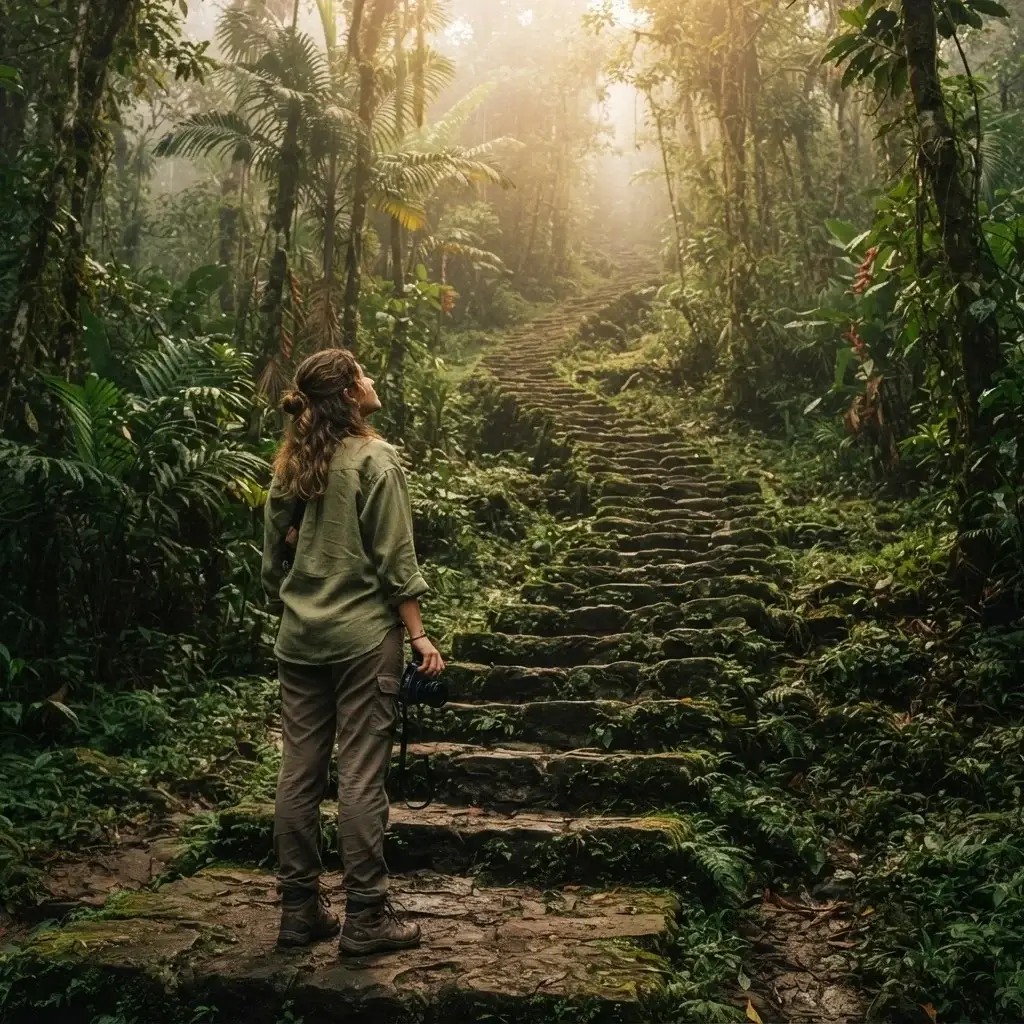
There is a specific moment that happens to a lot of travelers. You are looking at a photo, maybe it is a misty jungle canopy, a stone staircase swallowed by roots, or a river cutting through impossible green. Something in you goes quiet. Not the “I want to visit” kind of quiet. The “I need to do that” kind.
Jungle trekking in the Americas is one of those experiences that has that effect on people. And then comes the second wave: the questions. Which route? How hard is it? Do I need a guide? What if I get sick? What do I pack?
I get it. When I started planning bigger adventures, the information felt scattered, either too vague to be useful or so overwhelming it paralyzed me. This article is what I wish existed before my first serious trek. It is not a listicle of pretty photos. It is a real breakdown of the best jungle routes across the Americas, what each one genuinely requires from you, and how to decide which one fits your life right now.
Why Jungle Trekking in the Americas Deserves Your Serious Attention
The Americas hold some of the most biodiverse and ecologically significant jungles on the planet. We are talking about routes that pass through living, breathing ecosystems where the air smells like rain and soil and something ancient. These treks offer more than scenery. They offer the kind of quiet and stillness that is genuinely difficult to find anywhere else. You are not scrolling. You are not commuting. You are watching a scarlet macaw cross a gap in the tree canopy while your legs remember they are capable of more than you thought.
From the cloud forests of Costa Rica to the ancient rainforest of the Peruvian Amazon, each jungle route has its own personality, its own demands, and its own rewards. The key is matching yourself to the right one. So let us go through them honestly.
Lost City Trek, Colombia: The Four-Day Jungle Journey That Changes Your Perspective
If you want one trek that combines physical challenge, deep cultural history, and sheer jungle immersion, the Lost City Trek in Colombia is one of the most powerful experiences the Americas offers. Known as Ciudad Perdida in Spanish and Teyuna to the indigenous Kogi and Wiwa people, the site predates Machu Picchu by several centuries and sits tucked into the Sierra Nevada de Santa Marta mountains.
The standard route is four days and covers roughly 48 kilometers of jungle trail, river crossings, and stone steps through dense subtropical forest. It is not a technical climb, but it is genuinely demanding. The humidity is high, the trail is often muddy, and the ascent to the ruins themselves involves climbing around 1,200 ancient stone steps. Solo travelers regularly complete it without prior mountaineering experience. What you need is reasonable cardiovascular fitness and a genuine willingness to get uncomfortable.
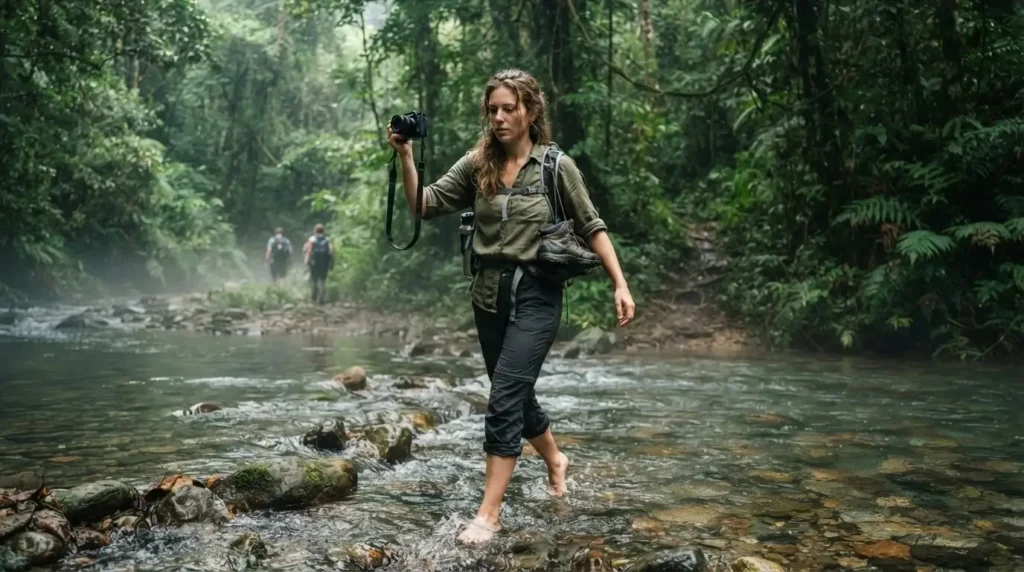
Here is what solo travelers consistently report: the experience of crossing rivers barefoot, sleeping in open-air camps with hammocks and mosquito nets, and waking up in the jungle before sunrise are the parts they remember most vividly. Not the destination itself, but the getting there.
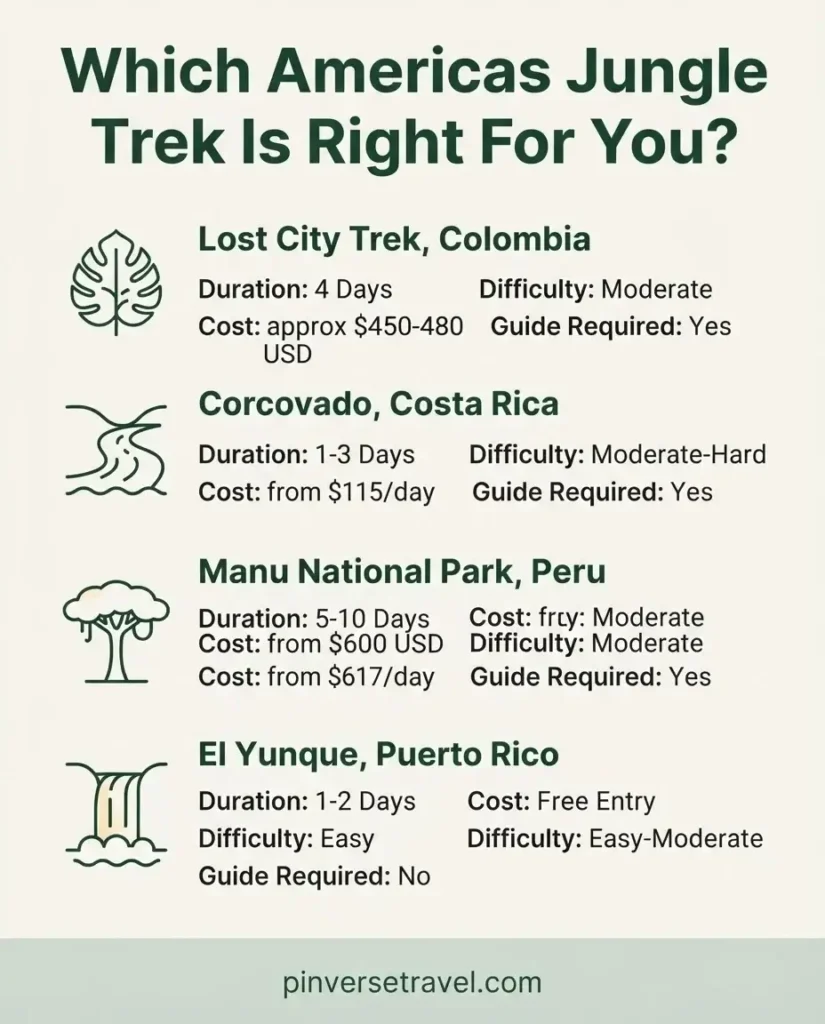
One critical thing to know: independent trekking to Ciudad Perdida is not permitted. The trail crosses ancestral Kogi indigenous territory, and access is strictly controlled to protect both the heritage site and the communities who call that land home. You must book through a licensed operator. You can find the full FAQ and list of authorized companies through Lost City Colombia’s official operator page. The 4-day tour runs approximately 1,860,000 COP per person in 2025, which is roughly $450 to $480 USD depending on the exchange rate. That price includes all meals, a guide, accommodation at trail camps, and park fees.
The best time to go is between December and March (dry season) or July and August. The trail runs year-round but becomes significantly more challenging in the rainiest months from September through November. Fly into Santa Marta or Cartagena, then take a bus to Santa Marta, where all licensed tour companies are based.
Corcovado National Park, Costa Rica: The Wildest Jungle on the Pacific Side
When National Geographic called Corcovado “the most biologically intense place on Earth,” they were not exaggerating for effect. This park on Costa Rica’s Osa Peninsula covers over 42,000 hectares of old-growth rainforest and protects something extraordinary: an ecosystem where jaguars, Baird’s tapirs, giant anteaters, and four species of sea turtle all share the same stretch of land.
From what solo travelers consistently report, Corcovado delivers on the promise of raw, unfiltered wildlife encounters that most parks can not. This is not a place where animals are used to humans. Everything here is genuinely wild.
There are five main sectors to explore: Sirena (the deepest and most wildlife-rich), San Pedrillo (best for waterfalls and shorter hikes), La Leona (good for sea turtle nesting season), Los Patos, and El Tigre. The full Patos-Sirena-Leona route is around 45 kilometers and typically takes three days. Sirena is where most trekkers aim to base themselves, as it has the most trail access and the highest wildlife density.
A few things to know before you book: a certified guide is mandatory for all trails inside the park. This is a rule enforced by the park authority, not a suggestion. Entry is $15 USD per person per day for international visitors, and camping at Sirena or San Pedrillo costs an additional $4 per night. Lodging at Sirena Station runs $30 per night. The SINAC official park page for Corcovado has all current sector information, and booking permits in advance is essential, especially for the Sirena sector which has limited daily visitor numbers.
The dry season runs from mid-December through mid-April. If you go during the wet season, expect heavy rain and muddier trails, but also fewer crowds and incredibly lush scenery. October is the exception: the Sirena sector closes entirely that month for maintenance.
Fly into Puerto Jimenez or take the ferry from Sierpe. Most guides and logistics are organized from Drake Bay or Puerto Jimenez. Book your guide and permits at least three to four weeks ahead.
Manu National Park, Peru: One of the Most Biodiverse Places on Earth
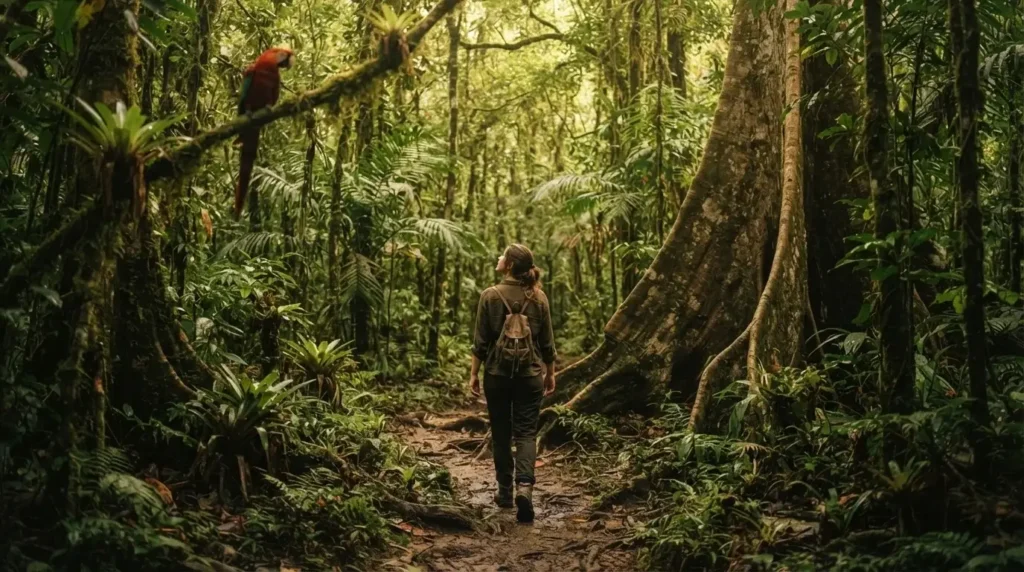
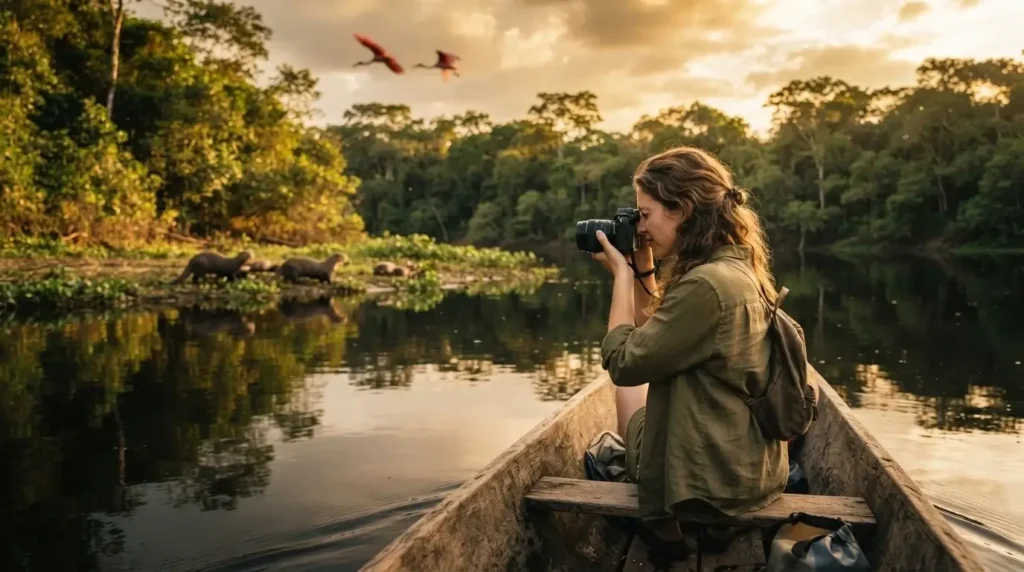
Manu is in a category of its own. It is not just a jungle trek destination. It is one of the most significant protected ecosystems on the planet. Designated a UNESCO World Heritage Site in 1987 and a Biosphere Reserve since 1977, Manu National Park spans 1.7 million hectares across the Cusco and Madre de Dios regions of Peru, dropping from high Andean grasslands at over 4,000 meters elevation all the way down to lowland Amazonian rainforest. The biological records here are staggering: over 1,000 vertebrate species, more than 800 bird species, 13 species of primates, and fauna including the giant otter, jaguar, puma, and harpy eagle.
Getting to the trekking zones of Manu typically begins in Cusco, from where you travel overland (often by bus or van on a spectacular mountain road) before descending into the cloud forest and eventually the lowland jungle. The journey to Manu’s Recreational Zone or Cultural Zone takes the better part of a day. The Restricted Zone, where the most pristine forest lies, requires special permits and is only accessible through authorized research or conservation programs.
For most travelers, the Manu Cloud Forest and Amazonian Recreational Zone is what you will be exploring. Expect multi-day lodge-based or camping itineraries that include guided jungle walks, canoe trips on oxbow lakes, night safaris, and the chance to spot wildlife at densities that are genuinely rare anywhere else in the world.
Health preparation matters significantly here. The CDC recommends checking with your doctor about malaria prophylaxis and yellow fever vaccination before traveling to Peruvian Amazon regions below 2,300 meters elevation. You can review the full CDC Travelers’ Health guidance for Peru to understand current recommendations for vaccines, mosquito protection, and other health considerations before you book. Budget conversations with your doctor at least six to eight weeks before departure, as some vaccines require that lead time.
From Cusco, most Manu expeditions run five to ten days to genuinely experience the biodiversity shift from cloud forest to lowland rainforest. The dry season runs May through September, and this is the most popular and accessible window. Rainy season visits are possible but require more flexibility and are less predictable.
El Yunque National Forest, Puerto Rico: The Most Accessible Jungle Trek in the Americas
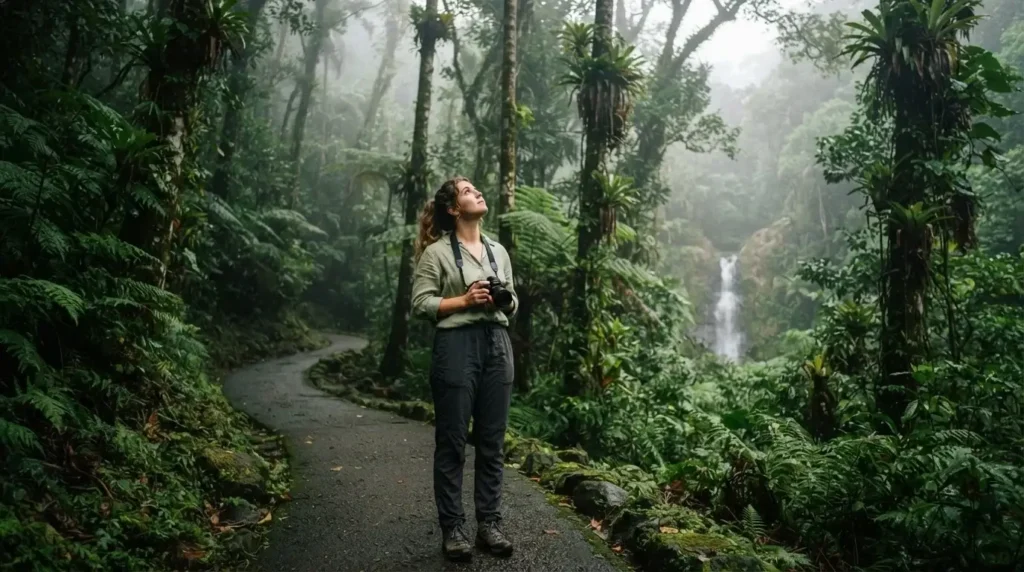
Here is one that often surprises people: if you are a U.S. reader and the idea of getting to South America feels financially or logistically out of reach right now, Puerto Rico offers something genuinely remarkable. El Yunque National Forest is the only tropical rainforest in the entire U.S. National Forest system. It is real jungle. It receives over 100 billion gallons of rainfall per year, and it protects rare species including the Puerto Rican parrot, one of the rarest birds in the world.
El Yunque sits about 45 minutes east of San Juan, making it a viable day trip or overnight adventure that does not require a passport for U.S. travelers. But do not mistake accessibility for a watered-down experience. The forest is genuinely dense and atmospheric, with waterfall hikes, cloud forest sections, and the kind of green-on-green canopy that reminds you the tropics are alive in a way cities simply are not.
Entry to the forest is free. Trail maps and road guides are available directly from the USDA Forest Service El Yunque page, and the Discover Puerto Rico tourism authority has a solid overview of what to expect at their El Yunque guide. The main recreation corridor is accessible via Road 191 North, and popular trails include La Mina Falls, El Yunque Peak, and the Río Sabana trail.
If you are new to jungle hiking and want to understand what that humidity, that density of sound, and that particular feeling of being surrounded by living forest actually feels like before committing to a multi-week expedition to Colombia or Peru, El Yunque is the perfect place to start building your confidence and your jungle legs.
How to Choose the Right Trek for You
The biggest mistake I see first-time jungle trekkers make is choosing a route based on what sounds most impressive rather than what genuinely fits their current fitness level, budget, and available time. The Lost City Trek is extraordinary, but if you have never hiked more than a couple of hours at a time, going in unprepared will make you miserable rather than exhilarated. Confidence in the outdoors is something you build deliberately.
Here is a practical breakdown. If you have a week or less and want something accessible, El Yunque (1 to 3 days) or a shorter Corcovado day trek works well. If you have four to six days and reasonable fitness, the Lost City Trek is a perfect stretch goal that most travelers can accomplish with preparation. If you have a week to ten days and want the deepest, most remote experience in the hemisphere, Manu is the one.
Budget matters too. El Yunque is essentially free. The Lost City Trek runs roughly $450 to $480 USD all-inclusive. Corcovado runs $15 per day entry plus guide fees, which typically add $100 to $150 per day for a certified guide. Manu expeditions vary but generally start around $600 to $1,200 USD for a five to seven day package depending on accommodation level and operator.
Packing for a Jungle Trek: The Honest List
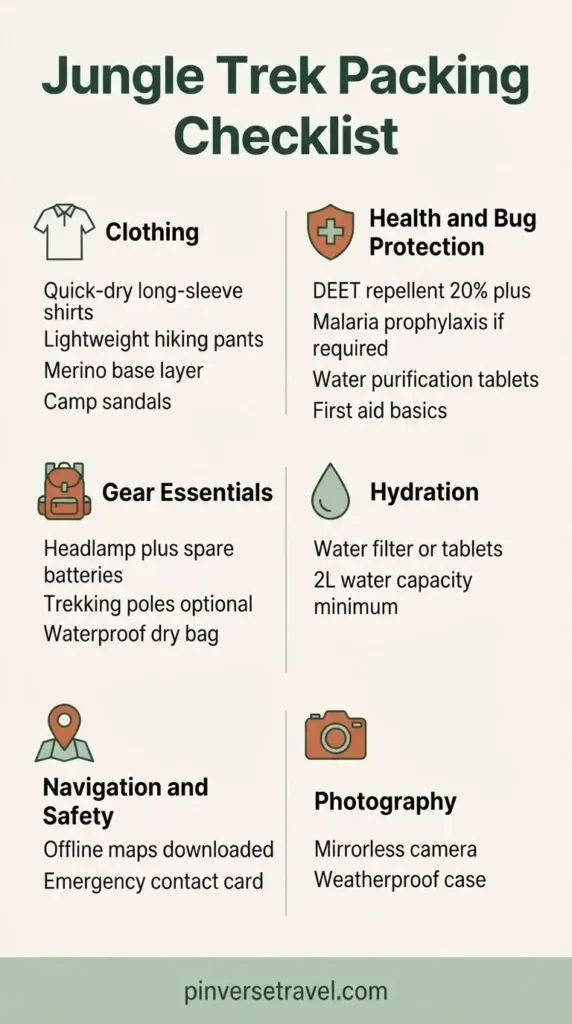
Jungle packing is different from mountain packing. The enemy is not cold. It is moisture, bugs, and friction. Everything you bring will get wet. Your job is to manage that rather than prevent it.
What solo travelers who have done these routes consistently say you actually need: lightweight, quick-dry clothing that covers your arms and legs (long sleeves in 90-degree heat sounds miserable until you have been bitten 40 times), high-quality insect repellent with at least 20% DEET as recommended by the CDC for jungle mosquito exposure, a waterproof dry bag for your electronics and documents, a quality headlamp with extra batteries, water purification tablets or a filter, and broken-in trail shoes or lightweight hiking boots. Sandals for camp. A thin merino base layer for surprisingly cool nights in the cloud forest zones.
Leave the cotton at home. It holds moisture against your skin and takes forever to dry. Synthetic and merino materials are your friends.
The Part Nobody Warns You About: What Jungle Trekking Actually Feels Like
After teaching English in Thailand, where I spent time in genuinely remote and humid outdoor environments, I can tell you something about tropical heat and discomfort: your body adapts faster than you expect. The first morning you wake up sweating and hear the jungle before you even open your eyes, something shifts. The discomfort starts to feel like aliveness. That is not cliche. That is just what happens when you remove the usual distance between yourself and the physical world.
From what solo travelers across all of these routes consistently describe, the hardest part is almost never the physical difficulty. It is the mental adjustment of being somewhere where you cannot Google your way out of uncertainty. Your guide knows the trail. The wildlife is doing its own thing. You are just a guest. That humility is uncomfortable for about half a day, and then it becomes the whole point.
The trails are muddy. The insects are real. The heat is genuine. And across the board, people come out the other side of these treks saying it was one of the most meaningful things they have ever done. Not because it was pretty (though it is, staggeringly so), but because it asked something real of them.
A Note on Guides and Respect for Indigenous Communities
On the Lost City Trek, your guide will introduce you to the Kogi and Wiwa communities who have lived in the Sierra Nevada for centuries. On Manu, park rangers and indigenous guides hold knowledge of the forest that no amount of research can replicate. In Corcovado, your certified guide is the difference between seeing wildlife and walking past it without knowing it was there.
Hiring a local, certified guide is not just a practical requirement on most of these routes. It is the ethical one. The income goes directly into communities, and the knowledge these guides carry about their landscapes is irreplaceable. Show up with curiosity, not entitlement. Ask questions. Listen more than you talk.
Making the Decision to Go
I spent years waiting for the “right time” to do the kinds of trips I actually wanted. There is never a right time. There is just the gap between where you are and where you want to be, and the only thing that closes it is booking the flight.
Jungle trekking in the Americas is not reserved for extreme athletes or professional adventurers. It is for anyone willing to prepare thoughtfully, show up honestly, and give themselves permission to be challenged. Pick the route that stretches you without shattering you. Plan the health prep. Book the guide. Pack the repellent. And then go see what the jungle has to say to you.