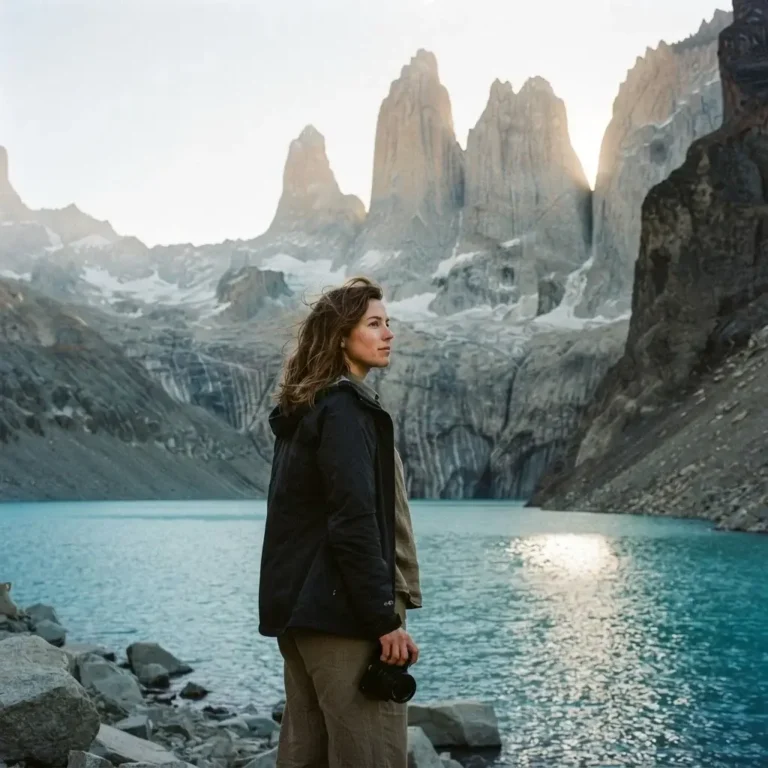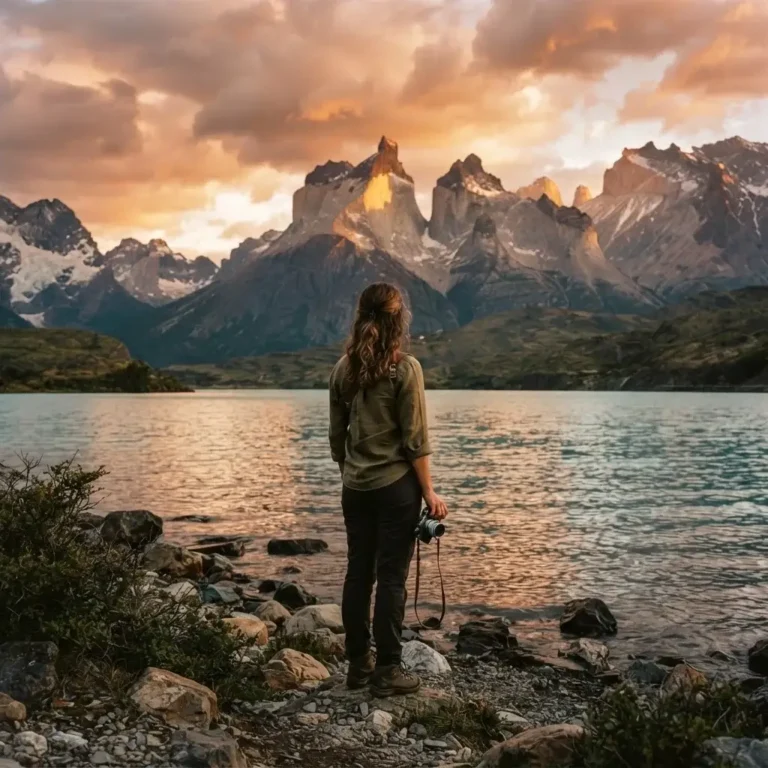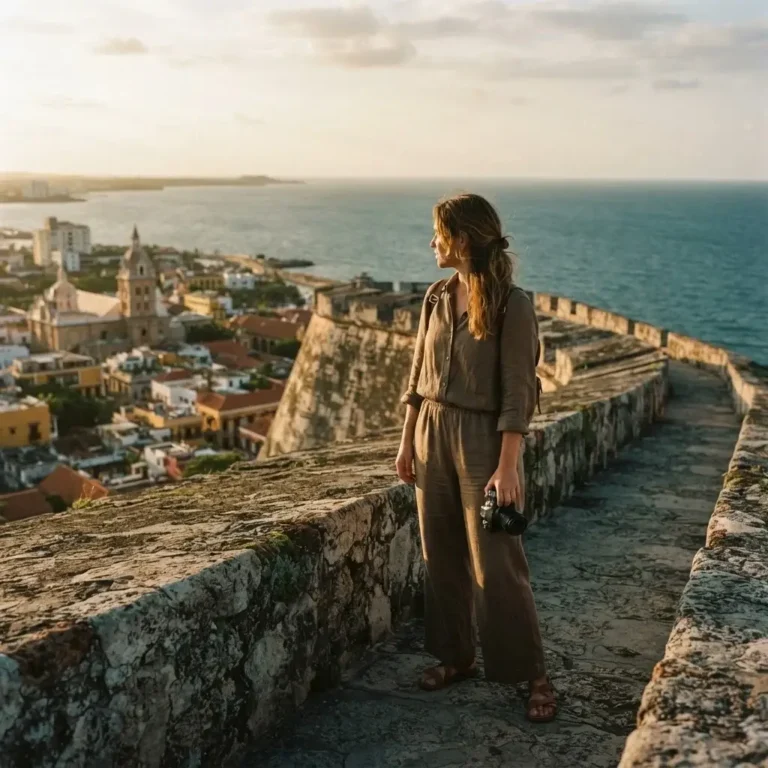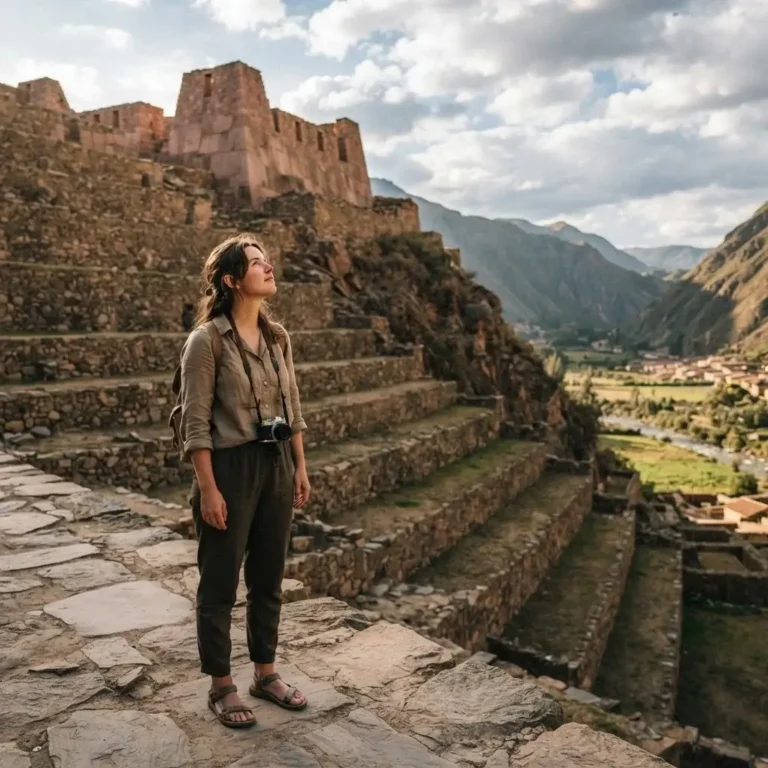
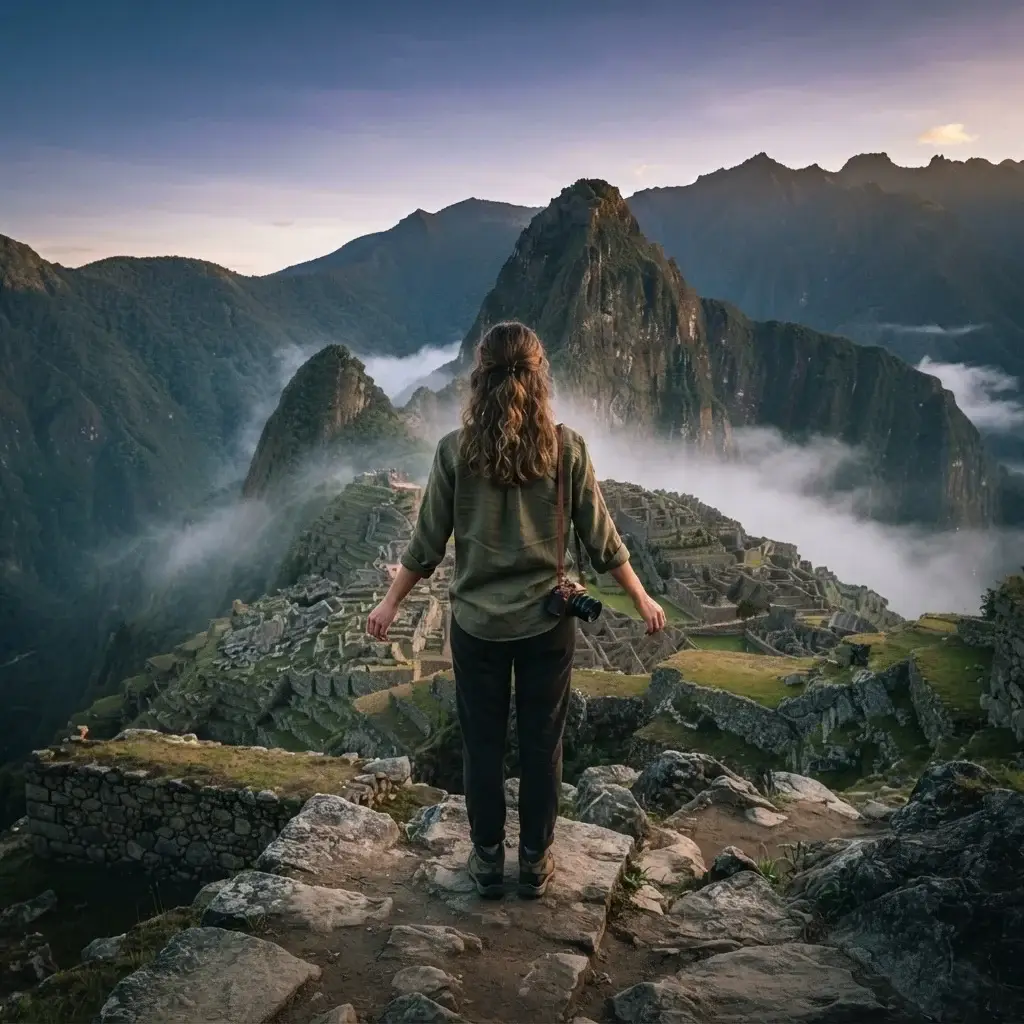
There is a particular silence you find at ancient ruins. It is not the silence of an empty room. It is the kind that settles in when you realize you are standing somewhere thousands of years old, surrounded by stone walls built by people who looked at the sky, wondered the same questions you do, and left their answers carved into the landscape.
I felt that silence for the first time hiking through China, scrambling up ancient stone paths where emperors once walked. It changed something in me. And since then, chasing that feeling across different continents has become one of my favorite reasons to pack a bag and go somewhere new.
The Americas have some of the most extraordinary ancient sites on the planet. Pyramids that pre-date Europe’s great cathedrals. Cities that housed hundreds of thousands of people before Rome reached its peak. Cliff dwellings tucked into canyon walls in the American Southwest that leave you genuinely speechless. And yet so many travelers visit only one or two of these sites, usually Machu Picchu or Chichen Itza, without realizing how rich and varied the whole picture is.
This guide is my honest attempt to change that. Whether you are planning your first trip to ancient ruins anywhere in the Americas or you have already done one or two and want to go deeper, here is what I think you need to know.
Why the Americas Are Underrated for Ancient History
Most people think of Egypt, Greece, or Rome when ancient ruins come to mind. It is a cultural blind spot, and once you start correcting it, a whole new world of travel opens up. The pre-Columbian civilizations of the Americas built cities with sophisticated astronomical knowledge, advanced agriculture, complex trade networks, and architectural precision that still baffles engineers today. The stones of Machu Picchu fit together so tightly you cannot slide a piece of paper between them, and the site was built without wheels or iron tools. Teotihuacan, outside Mexico City, was one of the largest cities in the ancient world, home to possibly 125,000 people at its height. The Ancestral Puebloans of the American Southwest built multi-story cliff dwellings into sheer canyon walls 800 years ago.
What makes these sites special for travelers, especially solo travelers, is that they still feel alive. They are not museum displays behind glass. You walk through them, climb them (where permitted), and sit in the same courtyards where people once gathered. That connection is rare and worth pursuing.
Machu Picchu, Peru: The One That Started the Conversation
Let’s start with the most famous. Machu Picchu deserves every bit of its reputation, but the way most people visit it is wrong. They rush up from Aguas Calientes on the first morning bus, arrive at 7am alongside 2,000 other tourists, snap a photo at the classic viewpoint, and leave by noon.
Here’s what solo travelers consistently report as a better approach: arrive in Aguas Calientes the day before, spend the night, and book the earliest possible entry slot. Machu Picchu now operates on a strict timed-entry system, and it sells out weeks or even months in advance. You need to book official tickets through Peru’s Ministry of Culture portal before you leave home. Adult entry costs 200 Peruvian soles (around $56 USD), and only 400 visitors per entry window are permitted. Do not assume you can buy tickets at the gate. You cannot.
What UNESCO’s World Heritage designation describes so well is that Machu Picchu is not just an archaeological site. According to the UNESCO listing for the Historic Sanctuary of Machu Picchu, it is a mixed cultural and natural heritage site, sitting at 2,430 meters above sea level within a tropical mountain forest of enormous biodiversity. The ruins, the surrounding jungle, the cloud forest below, and the mountain peaks above all form one unified landscape. It is breathtaking in a way that photographs genuinely do not capture.
If you are coming from Cusco, give yourself at least two full days in Cusco first to adjust to the altitude before heading to Machu Picchu. Altitude sickness is very real and can derail your plans completely if you skip the acclimatization step. Drink plenty of water, skip alcohol your first day, and take it slow. Coca tea is widely available and does help some people.
What to eat: Aguas Calientes has a solid market near the main plaza where you can get a filling lunch for a few soles. Save the restaurants for dinner. Lomo saltado, Peru’s beloved stir-fried beef dish, is everywhere and worth trying every time.
Teotihuacan, Mexico: An Ancient City Hiding in Plain Sight
An hour northeast of Mexico City sits one of the most mind-bending archaeological sites in the world, and it is almost criminally easy to reach.
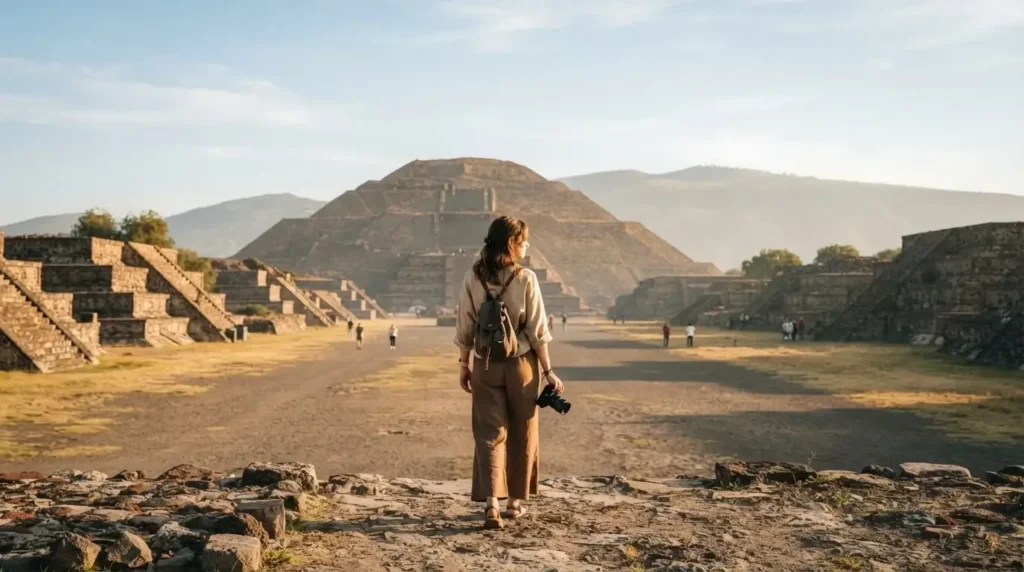
Teotihuacan is technically accessible as a day trip from Mexico City, which is part of why it gets overlooked as somehow “too convenient” to take seriously.
The scale hits you before anything else. The Avenue of the Dead stretches more than two kilometers, flanked by ceremonial platforms and temples. The Pyramid of the Sun is one of the largest structures in the ancient world by volume, and you can still climb it, which feels extraordinary for a site this old. The Pyramid of the Moon at the northern end offers the better view, and the light hits the stone differently there in the late afternoon.
According to the official INAH archaeological zone listing for Teotihuacan, the site is open daily from 8am to 5pm, with ticket prices at approximately 105 to 210 pesos for foreign visitors (roughly $6 to $12 USD), making it one of the most affordable major ancient sites in the Americas. You pay at the gate. Bring pesos in cash because card readers are not reliable at every entrance.
Getting there solo is straightforward. From Mexico City’s Terminal Norte, take a direct bus to Teotihuacan for around 50 to 60 pesos each way. The journey takes about an hour to 90 minutes depending on traffic. Arrive by 8:30am if you can, before the tour bus crowds arrive around 10am.
What to eat: The area around Gate 5 (which most tourists miss) has smaller food stalls where locals eat. Try tlayudas or tamales in the morning before heading in. There are also vendors inside the site selling agua de jamaica (hibiscus water) which you will absolutely want in the heat.
Solo travel tip: bring more water than you think you need. The site is massive, mostly open, and offers very little shade. A sun hat and comfortable walking shoes are not optional.
Chichen Itza, Mexico: Go Early or Don’t Bother
No article on American ancient ruins can skip Chichen Itza. The iconic El Castillo pyramid is one of those images you recognize from a thousand screensavers, and being there in person still delivers. The acoustics of El Castillo are extraordinary: clap your hands in front of it and the echo sounds remarkably like the call of a quetzal bird. Researchers still debate whether that was intentional.
The honest truth is that Chichen Itza is busy. Very busy. It receives over 2.5 million visitors per year, and most of them arrive between 10am and 1pm. The UNESCO World Heritage listing for the Pre-Hispanic City of Chichen Itza notes that it was one of the most important urban centers of the Maya world, with influence stretching across the entire Yucatan Peninsula. The site covers about 6.5 square kilometers, which means there is genuinely more to see than the famous pyramid.
It is open daily from 8am to 5pm (last entry at 4pm), and admission for foreign adults is 697 MXN (approximately $35 to $40 USD), which covers both the federal INAH fee and the state of Yucatan access fee. You pay both at the entrance.
My strong advice, echoed by solo travelers who have been there: go on a Tuesday or Wednesday if possible, arrive right at 8am, and head directly to the observatory (El Caracol), the nunnery complex, and the great ball court before the tour buses arrive. By the time you circle back to El Castillo at 9:30 or 10am, the light is better and the crowds are still manageable.
If you are based in Cancun or Tulum, day trips are easy and plentiful. If you want to stay closer, the colonial city of Valladolid is about 45 minutes away and a beautiful base. Much cheaper, much more local, and one of my favorite types of slow travel stops.
Tikal, Guatemala: Where the Jungle and the Maya Meet
Tikal is different from every other ruin in the Americas. It is not set in an open landscape or visible from a distance. It rises out of dense Guatemalan rainforest in the Peten region, and the experience of emerging from the jungle trail to find a 65-meter pyramid towering above the tree canopy is something that solo travelers consistently describe as one of the most awe-inspiring moments of their lives.
According to the UNESCO World Heritage listing for Tikal National Park, the park encompasses 575 square kilometers of jungle and contains thousands of ruined structures, only a fraction of which have been fully excavated. What this means for visitors is that even the walking paths between the main temples feel wild and genuinely remote.
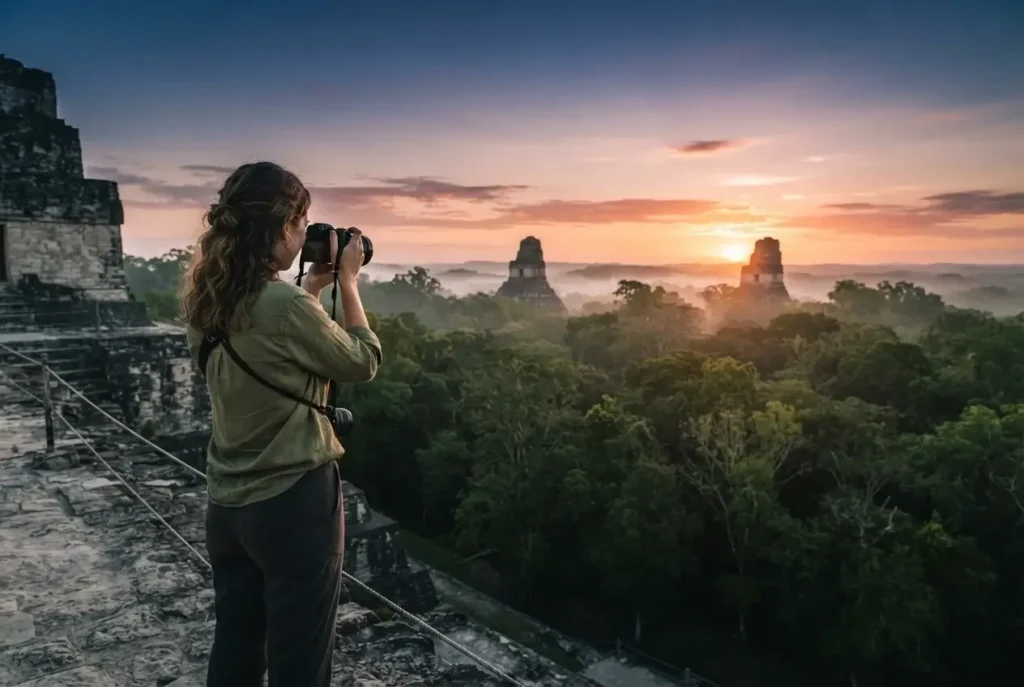
The official Tikal visitor information shows the park is open daily from 6am to 5pm, with foreign adult entry at 150 GTQ (approximately $20 USD). Sunrise tickets are also available, which means entering at 4am for a truly unforgettable experience: the calls of howler monkeys echoing through the dark forest as the sky brightens above Temple IV.
Getting to Tikal requires some planning. The nearest town is Flores, accessible by bus or flight from Guatemala City. Most travelers stay in Flores or Santa Elena the night before and take a morning shuttle to the park (about 90 minutes away). There are also a few lodges right inside the park boundaries if you want full immersion.
Safety note: Tikal itself is well-managed and has park rangers stationed throughout. Stick to marked trails and do not wander off path, especially if you are alone. Wildlife encounters (coatis, spider monkeys, toucans) are common and wonderful. Jaguars live in the park but sightings are extremely rare.
What to eat: pack lunch or eat at the lodge restaurant inside the park. Food options inside the park grounds are limited and expensive. Stock up on snacks in Flores before you go.
Palenque, Mexico: The Most Beautiful Maya City
If Chichen Itza is the famous Maya site and Tikal is the dramatic one, Palenque is the one that ruins you for other ruins. Situated in the lush foothills of Chiapas, with waterfalls and tropical forest pressing in on all sides, Palenque feels both discovered and wild at the same time. The quality of the carvings and stucco reliefs here is extraordinary, and the Temple of the Inscriptions, built as a tomb for the ruler K’inich Janaab’ Pakal, is one of the finest examples of ancient Maya architecture anywhere.
Palenque is open Monday to Sunday from 8:30am to 5pm (last entry 4pm). The site re-opened to normal access in 2025 after some logistical restrictions affecting the area in 2023 and 2024. Entry is separate from the surrounding Palenque National Park, so budget for both.
From a solo travel standpoint, the town of Palenque (about 8km from the ruins) is the base for most visitors. It is a small, low-key place with a handful of good budget hotels and restaurants. The ruins themselves are walkable without a guide, but hiring a local one unlocks the stories behind the glyphs in ways that no information panel can match. A two-hour guided walk typically costs 300 to 500 pesos.
What to eat: the town’s market has excellent regional Chiapaneco food, including tamales de rajas and pozol, a traditional corn and cacao drink that is earthy and strange and completely worth trying.
Mesa Verde, Colorado, USA: Ancient America That Surprises Everyone
Most international travelers visiting the Americas for ancient history never consider the United States. That is a mistake. Mesa Verde National Park in southwestern Colorado protects over 5,000 known archaeological sites, including 600 cliff dwellings built by the Ancestral Puebloans between approximately 600 and 1300 CE. The most famous, Cliff Palace, is a 150-room multi-story complex nestled into a natural sandstone alcove in a canyon wall, and it stopped me cold the first time I saw it from the overlook. You need a moment to process what you are looking at.
The National Park Service’s Mesa Verde plan your visit page has full seasonal information, tour schedules, and everything you need to plan. Park entry is $35 per vehicle (or free with an America the Beautiful annual pass, which pays for itself quickly if you are visiting multiple national parks). Cliff dwelling tours, which require a ranger escort, are ticketed separately and available through recreation.gov. Book them well in advance in summer.
One thing that surprises people: Mesa Verde is not a ruined city set in an open field. It is an intensely scenic national park in its own right, with mesa-top drives, sweeping canyon views, and hiking trails that range from easy walks to strenuous scrambles. Give it at least two days if you can.
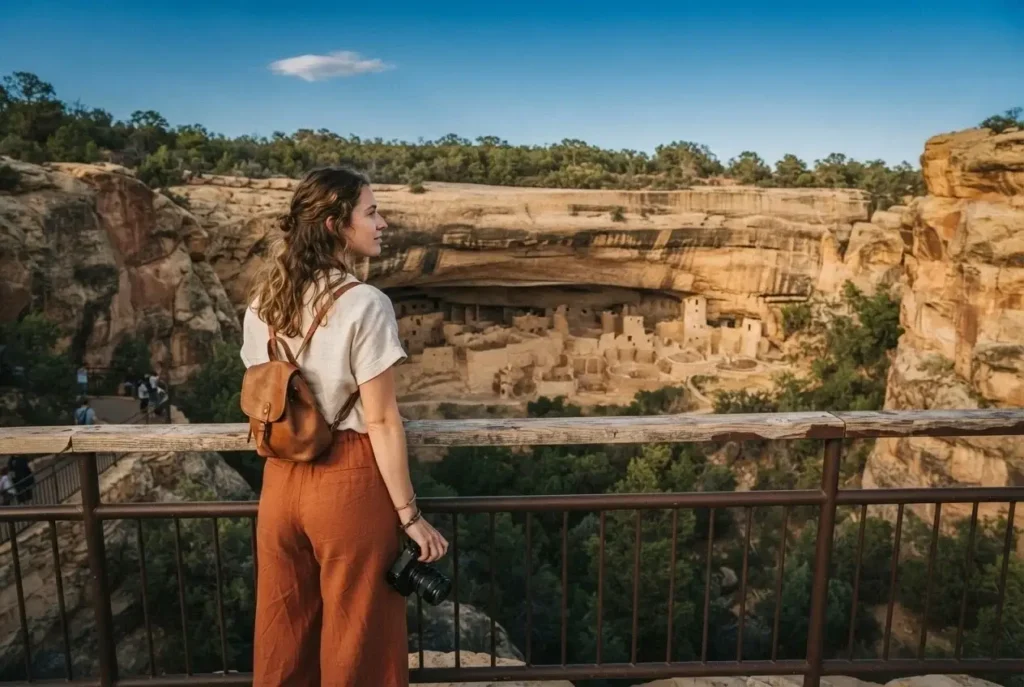
Getting there: the nearest major airport is Durango, Colorado, about an hour away. You need a car. There is no public transit to the park, which is one reason it stays less crowded than it deserves to be.
Cahokia Mounds, Illinois, USA: The Overlooked Giant
About 15 minutes east of St. Louis, Missouri sits a site that almost no international traveler knows about, even though it was once the largest pre-Columbian city north of Mexico, home to an estimated 10,000 to 20,000 people at its peak around 1100 CE. Cahokia Mounds is a UNESCO World Heritage Site with over 80 surviving earthen mounds, including Monks Mound, which covers more ground at its base than the Great Pyramid of Giza.
Grounds are open daily from dawn to dusk and are free to enter. The visitor center (open Wednesday through Sunday, 9am to 3pm) had its indoor museum closed for renovation as of late 2025, but the outdoor mounds, grounds, and walking trails are fully accessible. Check the Cahokia Mounds official site before you go for the latest on museum hours.
For solo travelers on a road trip through the Midwest, this is an extraordinary stop that costs nothing but time. The scale of Monks Mound, standing 30 meters tall and built entirely from basketfuls of hand-carried earth, makes you reconsider everything you thought you knew about indigenous North American history.
Chaco Culture National Historical Park, New Mexico, USA: The Most Remote and the Most Rewarding
If Cahokia is the overlooked American ruin, Chaco Canyon is the one that rewards the truly committed traveler. Situated in a remote, high desert canyon in northwestern New Mexico, Chaco was the center of the ancient Puebloan world from about 850 to 1150 CE. The great houses here, including Pueblo Bonito with its 800 rooms, were built with remarkable astronomical precision: doorways and windows align with the rising sun on solstices and equinoxes.
Getting there is an adventure in itself. The Chaco Culture National Historical Park requires a 20-mile drive on unpaved roads, which are passable by regular car in dry conditions but can become dangerous mud when wet. Check conditions before you go. Entry is $25 per vehicle. There is a campground inside the park, and staying overnight is genuinely special: Chaco is an International Dark Sky Park, meaning the night sky is among the clearest and most star-filled you will ever see.
I think about Chaco often when people ask me which ruins in the Americas feel most like they carry a secret. The answers here have not all been found yet. That is a rare and extraordinary thing in 2025.
Practical Tips That Apply to All of These Sites
Planning a trip through multiple ancient sites across the Americas is manageable if you think of it in regional clusters rather than trying to connect everything at once. The Mexican sites (Teotihuacan, Chichen Itza, Palenque) can be connected on a single Mexico trip.
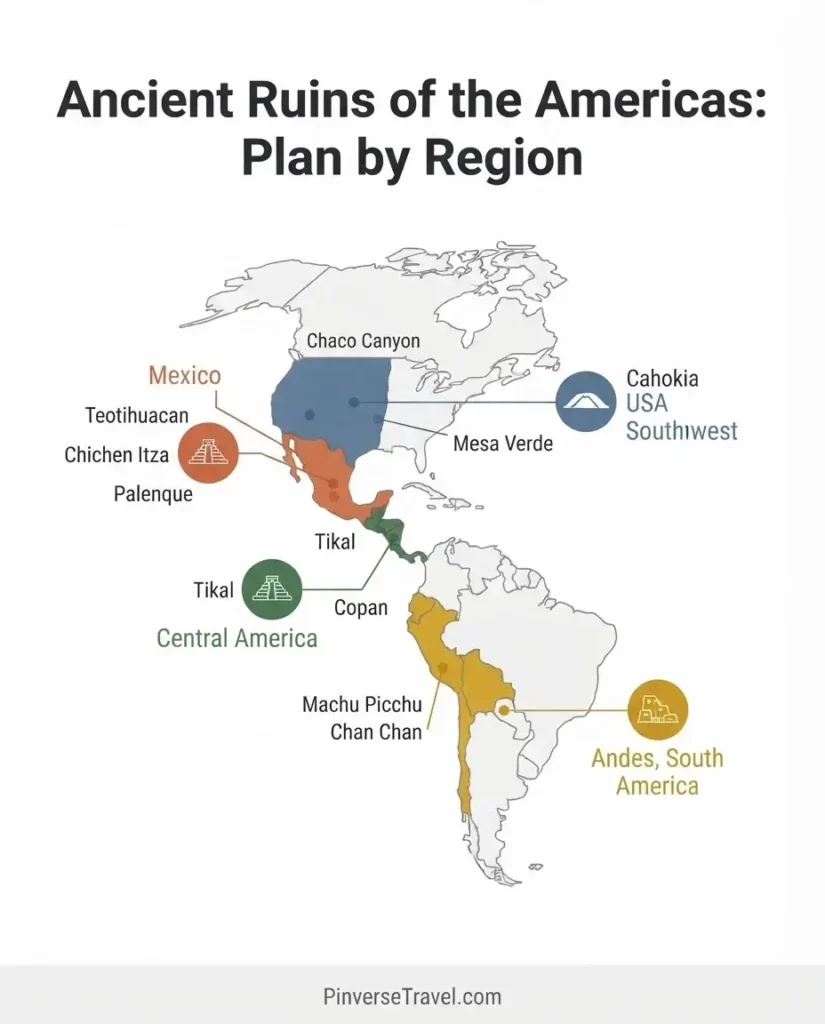
The Central American sites (Tikal in Guatemala, Copan in Honduras) form another natural cluster. The Andean sites (Machu Picchu, Chan Chan near Trujillo Peru) pair well together. The American Southwest sites (Mesa Verde, Chaco, Aztec Ruins National Monument) make for a spectacular regional road trip.
Timing matters enormously.
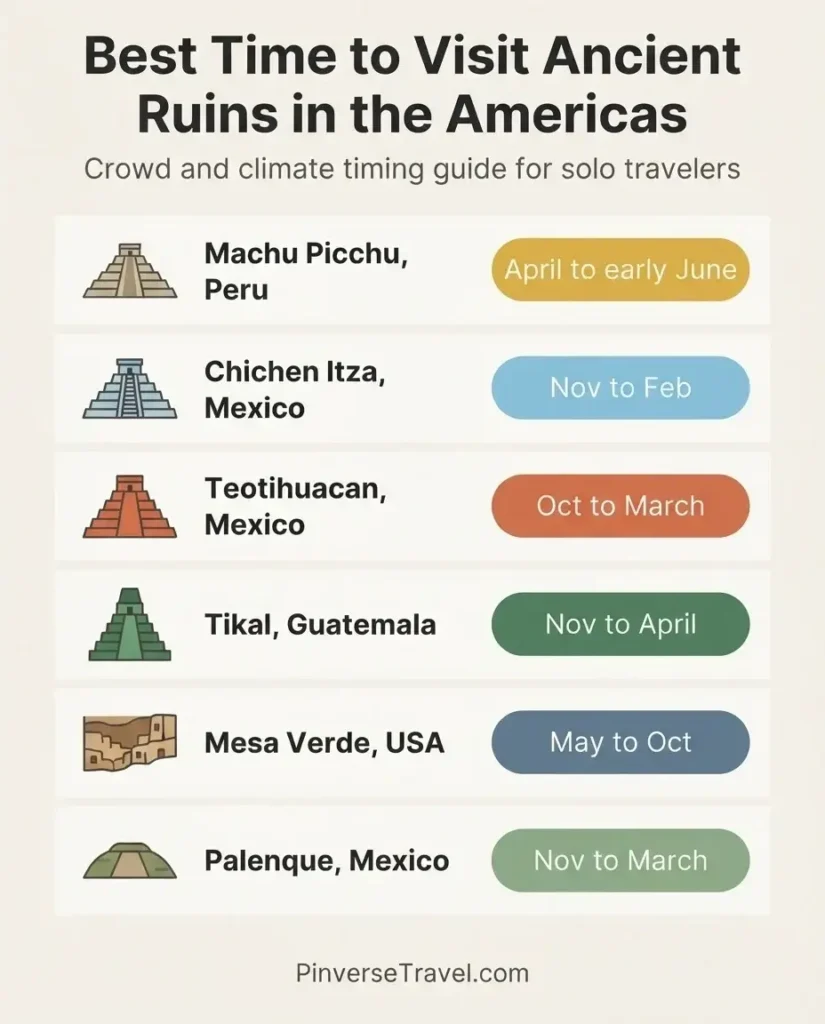
For the jungle sites (Tikal, Palenque), the dry season runs roughly November to April, which coincides with easier access and more comfortable hiking. For Machu Picchu, April through early June offers the sweet spot after the main rainy season ends but before July and August crowds peak. Chichen Itza and Teotihuacan are year-round destinations but brutal in mid-summer heat. American Southwest sites like Mesa Verde are most accessible May through October.
Regardless of which site you visit, arrive early. Nearly every ancient ruin in the Americas rewards the visitor who shows up at opening time, when the light is good, the tour buses are still loading, and the place is quiet enough that you can actually hear yourself think.
The Reason to Go
I know why people hesitate before trips like these. The distances feel big. The logistics feel complicated. The budget feels uncertain. I have felt all of those things before every solo trip I have taken.
But here is what I have learned from standing inside ancient places around the world: no itinerary ever feels completely ready before you leave. The planning is the thing that gets you to the airport. The real experience begins when you arrive somewhere old and vast and humbling, and you realize that people have been navigating complexity and uncertainty for thousands of years before you ever packed a bag.
These ruins are proof that human beings are remarkable. So are you. Book the ticket.