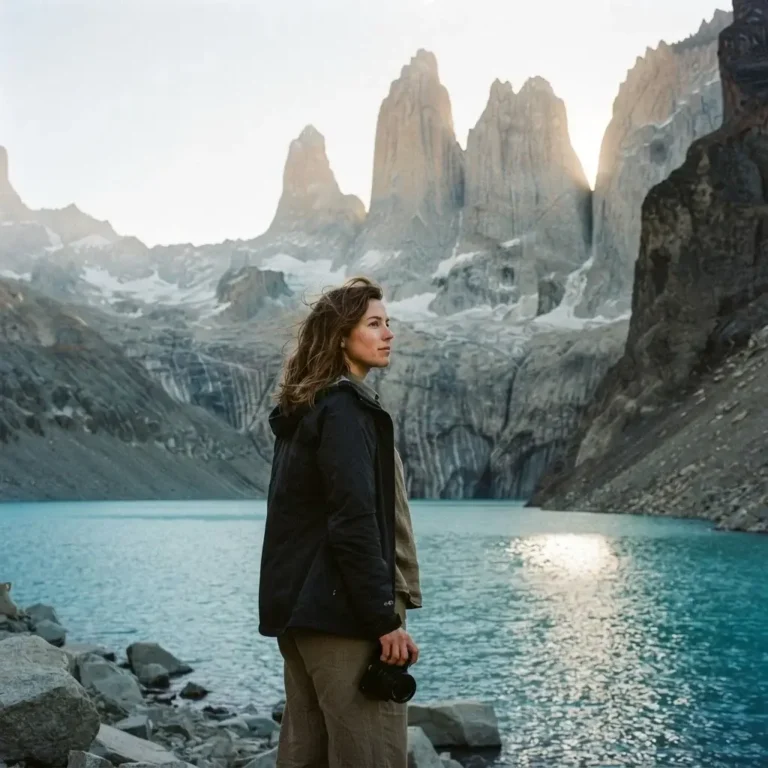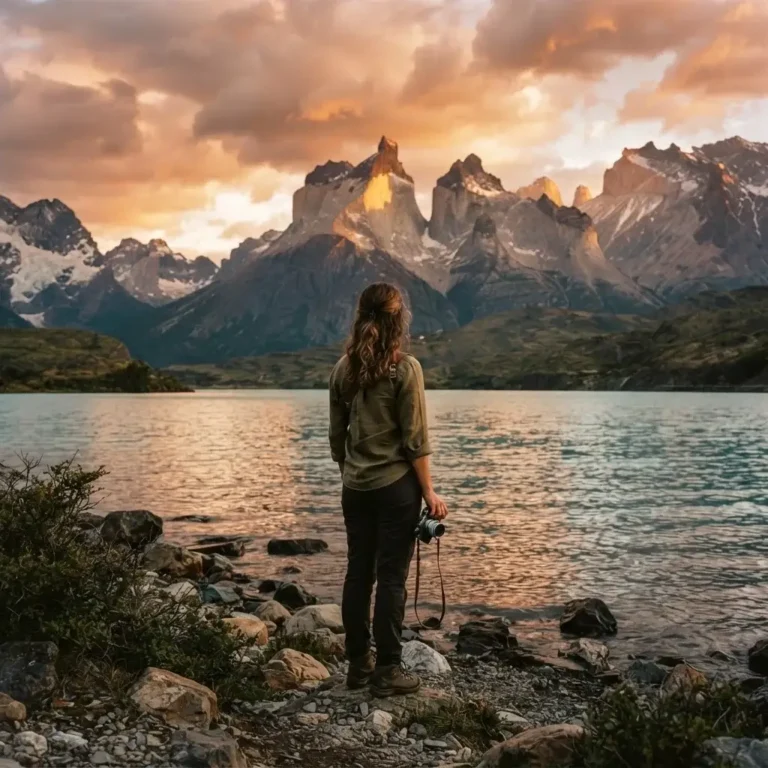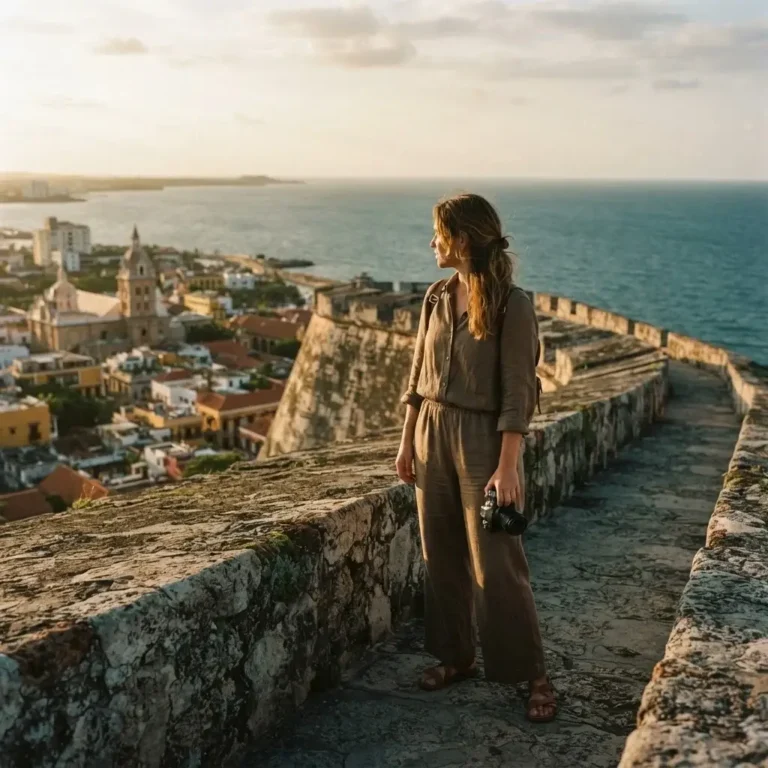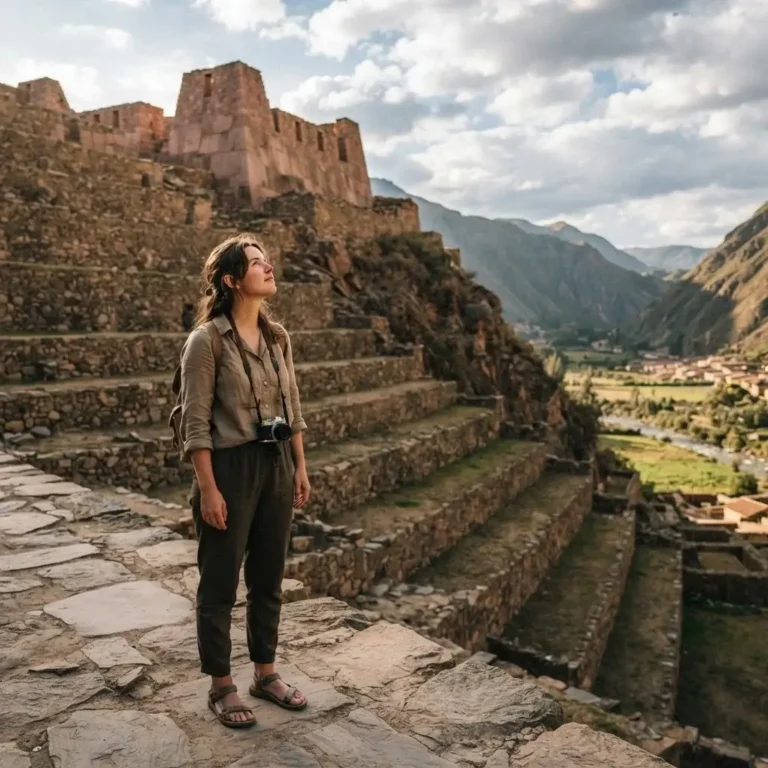
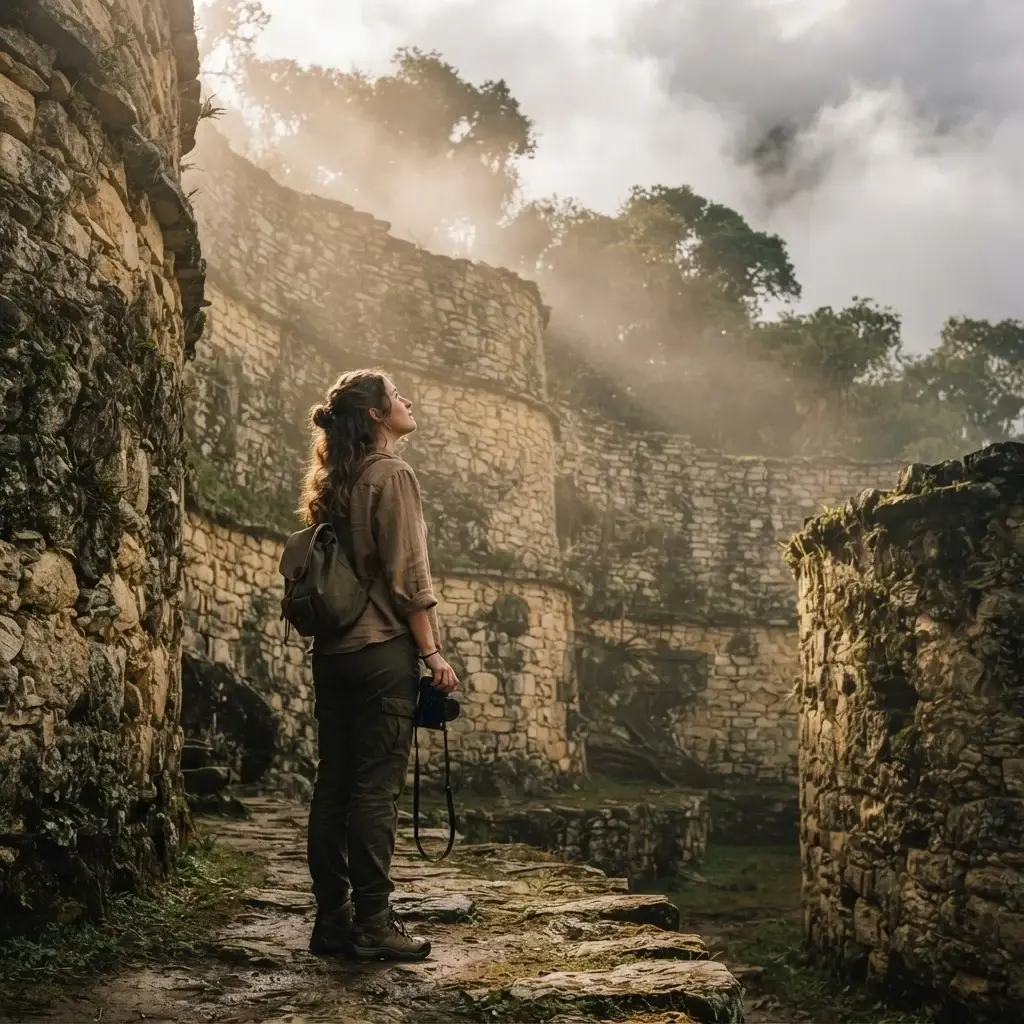
Here’s something I noticed when I was backpacking solo across Europe: the most memorable sites were rarely the ones that had the biggest crowds or the most aggressive marketing. It was the places I had to work a little harder to find, the ones where I felt like I had arrived somewhere real rather than somewhere packaged. That instinct has shaped how I travel everywhere since.
South America’s ancient history is staggeringly deep. Most people know Machu Picchu, and it earns its reputation. But there is an entire continent of pre-Columbian civilizations out there, and the ruins they left behind, many of them UNESCO-listed and architecturally jaw-dropping, are being visited by a fraction of the people who queue up for the Inca Trail each year. If you are the kind of traveler who wants to stand somewhere ancient and actually feel something, you are in the right place.
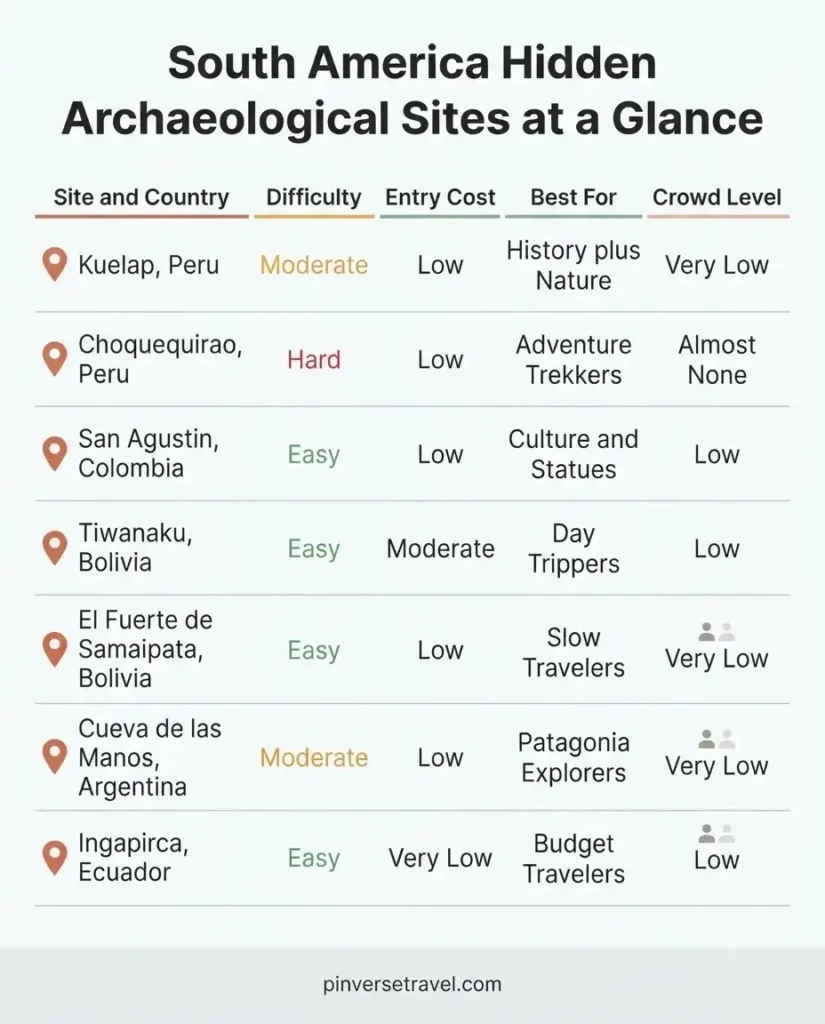
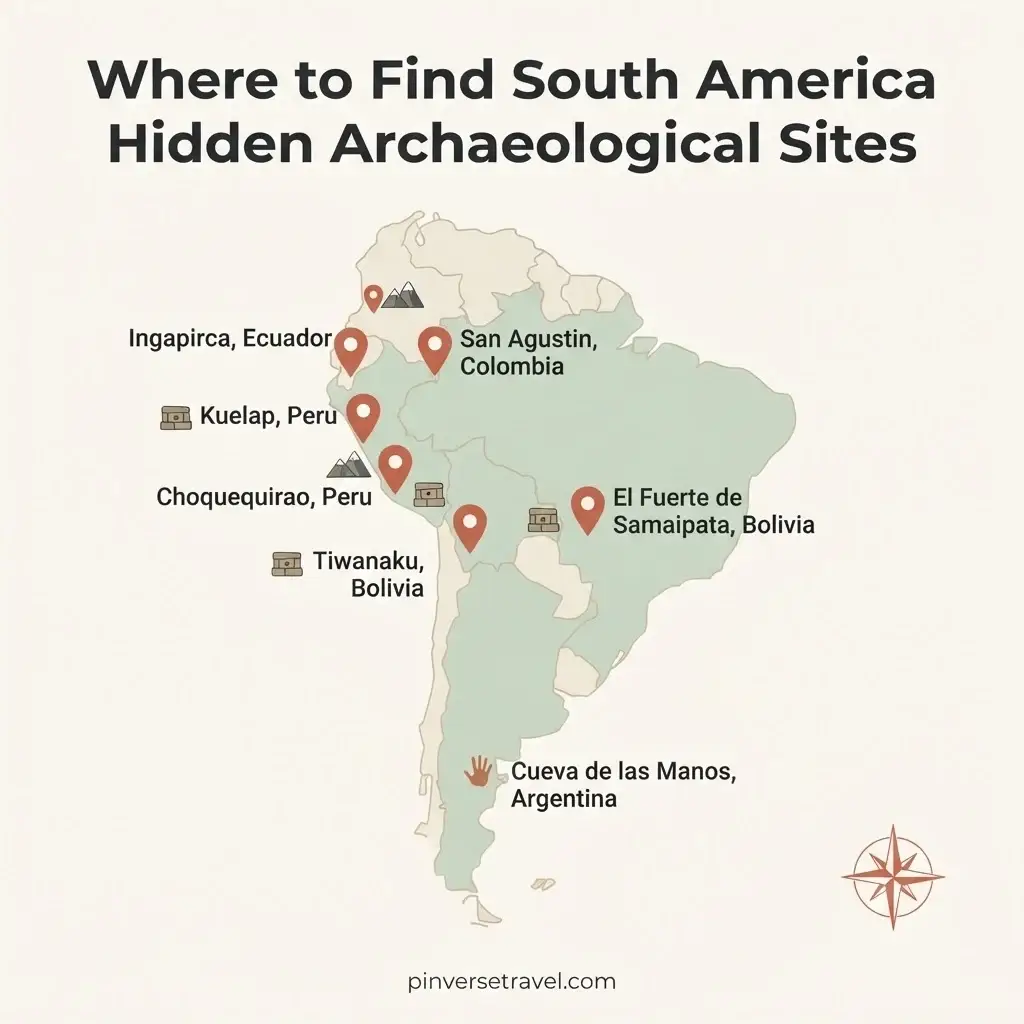
This guide covers some of the best hidden archaeological sites in South America that deserve a serious spot on your radar, along with the practical information you need to decide which ones are right for your trip, your fitness level, and your budget.
A Quick Word on “Hidden”
None of these sites are completely unknown. They are all protected and legally accessible. What “hidden” really means here is that they fly under the radar of mainstream tourism. Most of these places receive a fraction of the visitors that Machu Picchu gets on a single weekend. Some have minimal tourist infrastructure, which means you’ll be doing a bit more planning. Others are straightforward day trips from major cities. The range is wide, and that’s what makes this list genuinely useful rather than just aspirational.
Kuelap, Peru: The Cloud Forest Fortress Nobody Talks About
If Machu Picchu sits in a class of its own, Kuelap is its quieter, equally extraordinary sibling. Built by the Chachapoyas people, sometimes called the “Warriors of the Clouds,” this massive stone fortress in Peru’s northern highlands predates the Inca by centuries. According to research documented by Popular Archaeology, the Chachapoyas were a sophisticated Andean culture whose origins remain debated, and their relationship with the Inca Empire was one of resistance rather than absorption. That history gives Kuelap a completely different energy from anything Inca-built.
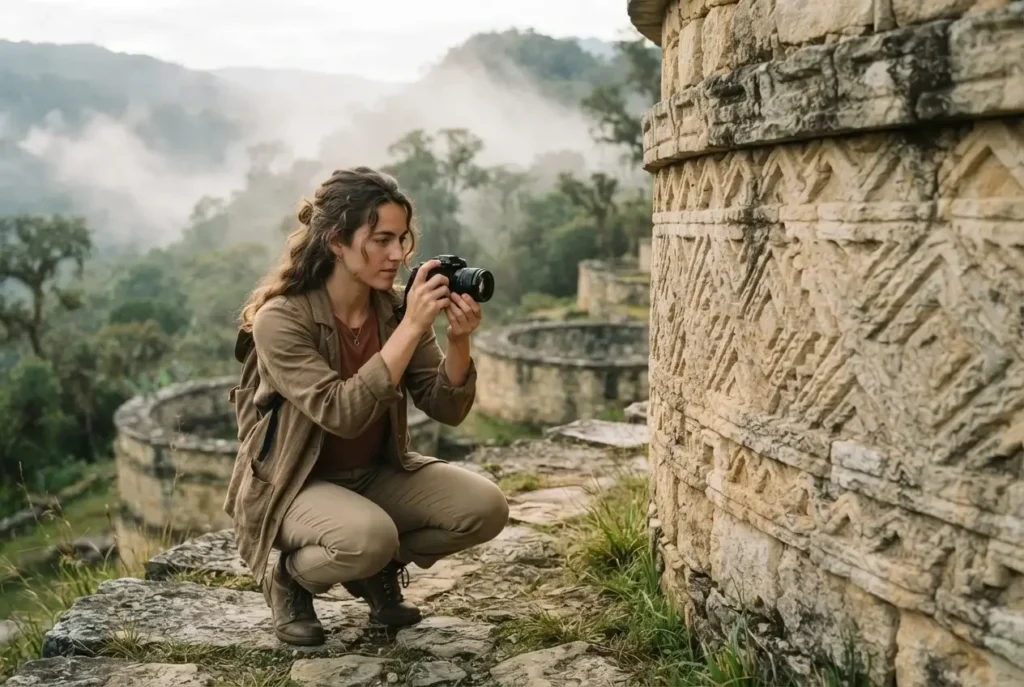
The fortress sits at around 3,000 meters above sea level and is enclosed by exterior walls reaching up to 19 meters high. Inside, you will find the remains of hundreds of circular dwellings, which is architecturally unusual in the Andes, where rectangular construction was the norm. The detail in the stone friezes along the base of many structures is worth examining slowly.
Getting there has become significantly easier since Peru’s first cable car opened near the site. You fly or take an overnight bus to Chachapoyas, then travel about 1.5 hours to the town of Nuevo Tingo, where the cable car station sits. The gondola ride takes roughly 20 minutes and delivers you almost to the site entrance. For logistics, costs, and current opening hours, the Fertur Travel guide to Kuelap is one of the most current and thorough resources available. The site is open Tuesday through Sunday, 8:00 am to 5:00 pm, and closed Mondays for maintenance. A day trip from Chachapoyas including transport and entry will run you around 80-90 PEN total.
The region around Chachapoyas also has other sites worth exploring, including Gocta waterfall and the sarcophagi of Karajia. Budget at least three days in the area to do it justice.
What to eat: Chachapoyas has a small but genuine local food scene. Look for cecina (smoked pork), juanes (rice and chicken wrapped in bijao leaves), and fresh trout from the mountain lakes.
Choquequirao, Peru: The Inca Citadel You Have to Earn
Choquequirao is Machu Picchu before the tourism industry arrived. It receives perhaps 30-50 visitors on a busy day. There is no cable car, no road, and no shortcut. The only way in is a multi-day trek through some of the most dramatic Andean scenery you will ever see.
The site sits at around 3,000 meters, spread across ridgelines above the Apurimac Canyon. It was a significant Inca administrative and ceremonial center, and researchers believe only around 40% of the site has been excavated so far. What is visible is already remarkable: broad terraces, ritual baths, plazas, and intricate llama mosaics set into the hillside terraces that you won’t find replicated anywhere else.
The standard trek is 4 to 5 days round trip, covering approximately 64 km with steep daily ascents and descents. Daily hiking can run 6 to 8 hours. This is not a beginner hike. You should be comfortable with multi-day trekking at altitude before attempting this solo. Most independent trekkers hire a guide and mules in Cachora, the nearest town, which cuts down on load and adds local knowledge. Guided tours from Cusco typically cost between $500 and $1,500 USD depending on the level of support. If you trek independently, site entry is approximately S/60.
There has been longstanding talk of a cable car project that would dramatically increase visitor numbers if built. As of the time of writing, that project remains unfinished. Which means right now is genuinely the best window to visit Choquequirao the way it was meant to be seen: quietly.
Solo travel note: The trail is safe but remote. Go with at minimum one other trekker or a registered local guide. Camping equipment rental is available in Cachora.
San Agustin Archaeological Park, Colombia: Statues That Predate Everything You Know
Before the Inca, before the Aztec, there were the people of San Agustin, a culture whose identity we still do not fully know but whose artistic output is astonishing. Set in the cloud forest of southern Colombia, in the department of Huila, San Agustin Archaeological Park contains the largest collection of pre-Columbian megalithic statuary in all of South America. These are burial mounds built between roughly 1 AD and 900 AD, each guarded by stone figures depicting supernatural beings, jaguar deities, and hybrid creatures carved from volcanic rock.
Some statues stand over 4 meters tall. Some guard sealed stone tombs. The site also contains the Fuente de Lavapatas, a ceremonial water channel carved directly into a riverbed stone, still channeling water today after roughly 1,500 years.
The UNESCO World Heritage listing for San Agustin describes the site as bearing vivid witness to an “artistic creativity and imagination of a pre-Hispanic culture that flowered in the hostile tropical environment of the Northern Andes,” and that description does not feel like an overstatement when you are standing among the statues.
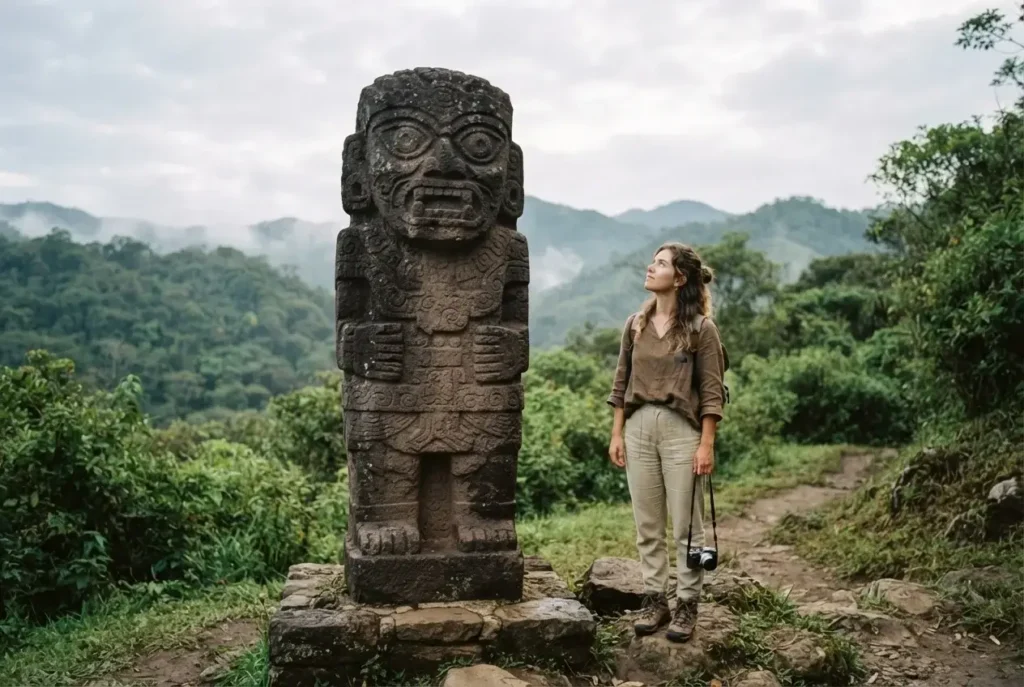
Getting here takes some commitment. From Bogota, the fastest option is flying to Neiva and then taking a bus or shared taxi, which adds another 4 to 5 hours of road travel. An overnight bus from Bogota takes approximately 8 to 10 hours. Entry to the main archaeological park runs around 50,000 to 60,000 COP for foreign visitors (roughly $12 to $15 USD). The site is open daily, and a horse rental to get between the different park sections (they are spread out across several hillsides) costs around 50,000 to 80,000 COP for a half day and is genuinely worthwhile.
San Agustin town itself is small and friendly, with a growing number of budget guesthouses and cafes. Spend at least two full days here, including a visit to Alto de los Idolos and Alto de las Piedras.
What to eat: Hearty Colombian mountain food dominates here. Bandeja paisa components show up in various forms, and fresh fruit is abundant at the local market.
Tiwanaku, Bolivia: The Empire That Shaped the Andes
Most people who visit Bolivia put Lake Titicaca on their itinerary. Far fewer make the short detour to Tiwanaku, which sits about 70 km from La Paz on the Altiplano plateau and is, without question, one of the most important pre-Columbian sites in the entire Western Hemisphere.
Tiwanaku was the capital of an empire that peaked between 400 and 900 AD and whose influence stretched across the southern Andes and into what are now Peru, Chile, and Argentina. Long before the Inca built their road network, the Tiwanaku were engineering massive stone temples, sophisticated agricultural terracing systems, and ceremonial complexes aligned to astronomical events. The UNESCO World Heritage listing for Tiwanaku notes that the city’s innovations in agriculture, architecture, and political organization were later absorbed and built upon by the civilizations that followed, including the Inca themselves.
The centerpiece of the site is the Gate of the Sun, a single slab of andesite weighing around 10 tonnes, carved with an elaborate deity figure flanked by 48 winged attendants. It is genuinely one of the most striking single objects in South American archaeology. The Akapana Pyramid and the Kalasasaya Temple complex round out the main ceremonial area. Allow three to four hours to walk the site properly.
From La Paz, you can take a public bus or minibus from the main cemetery terminal (around 15-20 BOB each way), or join an organized day tour for between $34 and $90 USD that typically includes transport and a guide. Entry to the site is 100 Bolivianos for foreign visitors (approximately $14 USD). The site is open daily from 9:00 am to 4:00 pm. Visiting on a weekday keeps crowds minimal.
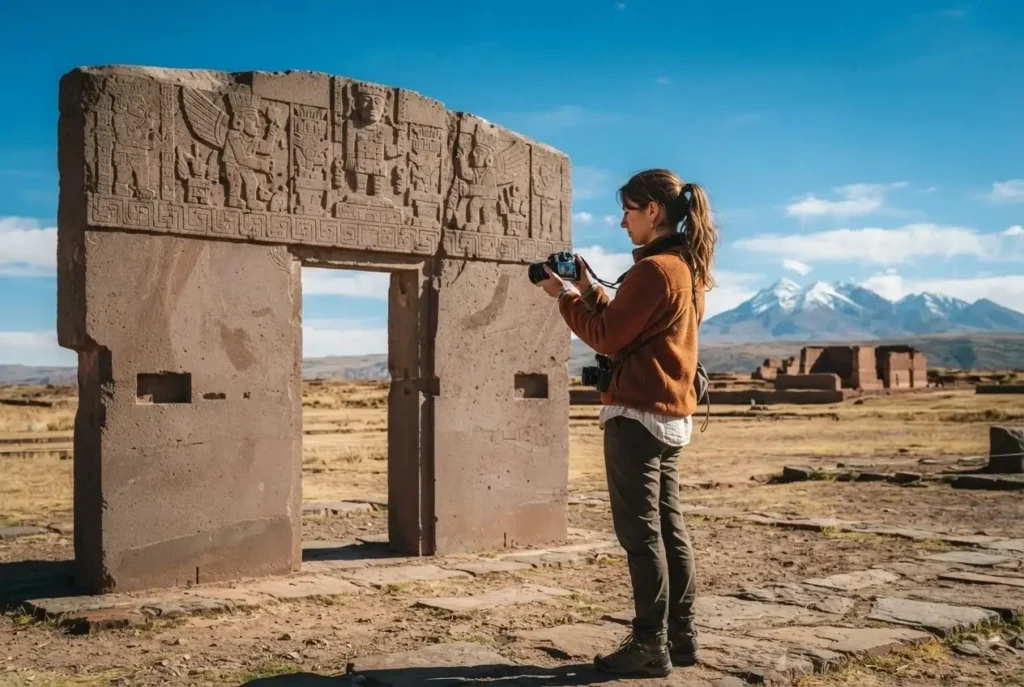
The onsite museum is worth your time and is included in the entry fee. It holds the massive Bennett Monolith, a 7-meter carved stone figure that was originally displayed in La Paz before being returned to Tiwanaku.
El Fuerte de Samaipata, Bolivia: The Rock Nobody Expected
El Fuerte de Samaipata is one of South America’s most genuinely unusual archaeological sites, and it earns that description before you even try to explain it. Located in the eastern foothills of the Bolivian Andes, about 120 km from the city of Santa Cruz, El Fuerte is a massive carved sandstone outcrop covered in a labyrinth of channels, seats, ritual basins, and geometric carvings that no one has fully agreed on the function of. The site also shows layers from three distinct cultures: the Chane, the Inca, and later Spanish colonial occupation.
The UNESCO World Heritage listing for El Fuerte de Samaipata describes it as unique precisely because of this cultural layering. The carved rock is considered to have been a ceremonial center, and its scale is hard to appreciate until you are standing on it: the carved section alone stretches over 200 meters.
Getting to Samaipata from Santa Cruz takes about two hours by road, and the town of Samaipata itself has become a quiet expat and backpacker hub with excellent guesthouses, restaurants, and a relaxed pace of life. The site is a short taxi or tuk-tuk ride from town. You’ll want a local guide to get the most out of the carvings, and guides are available on-site.
Samaipata town is genuinely lovely for a few days of slow travel, and the valley surrounding it offers hiking, birdwatching, and access to Amboro National Park if you want to extend your stay.
Cueva de las Manos, Argentina: 13,000 Years on a Canyon Wall
This one is for the traveler who is willing to make a real journey for something genuinely ancient. Cueva de las Manos, which translates to “Cave of Hands,” sits in a remote canyon in Patagonian Argentina, along the famous Ruta 40. The cave walls are covered in hundreds of stenciled handprints and hunting scenes painted between approximately 13,000 and 9,500 years ago, making this one of the oldest and best-preserved examples of human artistic expression in the entire Americas.
According to the UNESCO World Heritage listing for Cueva de las Manos, the site contains an exceptional assemblage of cave art that documents human presence at the end of the last Ice Age. The hands, rendered in ochres, blacks, and whites, are overwhelmingly left hands, stenciled by blowing pigment through a bone tube. Standing in front of them, you are looking at a deliberate, personal act by a person who lived 13,000 years before you. That tends to put things in perspective.
The nearest town is Perito Moreno (not to be confused with the glacier of the same name), which is reachable by long-distance bus from Comodoro Rivadavia or by road from El Calafate if you are doing a broader Patagonia circuit. Access to the cave requires a guide, and tours run from nearby estancias and from the Cueva de las Manos lodge. Solo travelers who are doing Patagonia by car or on a multi-week road trip are best positioned to visit this one, though organized day tours are available from Perito Moreno town.
This is not an easy logistical stop to add, but for those who make it, it consistently ranks as one of the most profound experiences on a South America itinerary.
Ingapirca, Ecuador: The Inca’s Northernmost Outpost
Ecuador does not always come up in conversations about South American archaeology, which is exactly why Ingapirca deserves its spot on this list. Located in the highlands of Canar Province, roughly two to three hours north of Cuenca by bus, Ingapirca is the largest Inca archaeological site in Ecuador and one of the most significant in the entire northern Andes.
What makes Ingapirca particularly interesting is its cultural duality. The site began as a Canari settlement, and when the Inca arrived and expanded north through Ecuador in the late 15th century, they built on and around the existing Canari structures rather than replacing them. The result is an archaeological site that tells two stories at once. The centerpiece is the Temple of the Sun, an elliptical structure built in the classic Inca masonry style with precisely fitted stone. It is the only elliptical Inca temple known to exist anywhere.
Entry to the site is $2 USD per person, with a mandatory guide included in that price. Since early 2025, tickets can be purchased online through the official Ingapirca Ruins ticketing site, which helps avoid waits at the entrance. The site is closed Mondays and Tuesdays. The guided visit takes roughly 1.5 hours and covers the main ceremonial complex, the Canari tombs, and the surrounding landscape.
Getting to Ingapirca from Cuenca is straightforward. A direct bus runs from the Terminal Terrestre in Cuenca and costs a few dollars each way. Budget traveler blogs report doing the full day trip for under $20 USD total, which makes this one of the most affordable and accessible sites on this entire list.
What to eat: Cuenca, your likely base, is considered one of Ecuador’s best food cities. Try seco de pollo (chicken stew), hornado (slow-roasted pork), and llapingachos (potato cakes) at any market stall or local restaurant.
San Agustin vs. Ciudad Perdida: The Two Colombias of Ancient History
Colombia often gets overlooked in conversations about South American archaeology, which seems absurd once you realize the country contains two of the continent’s most significant pre-Columbian sites. San Agustin, covered above, is accessible to almost any traveler willing to make the journey. Ciudad Perdida, the “Lost City,” is different.
Located in the Sierra Nevada de Santa Marta, Ciudad Perdida is a trekking destination first. The ruins of Teyuna, to use their original Kogui name, were built by the Tayrona culture around 800 AD and are estimated to be roughly 650 years older than Machu Picchu. Access is controlled by licensed operators and requires a 4-day minimum trek through jungle terrain. The cost runs approximately 1,860,000 COP per person (around $450 to $480 USD) for the 4-day version, and independent access is not permitted. The ruins themselves are reached by climbing a long staircase cut into the hillside, and the moment you emerge from the jungle to find circular terraces carved into the mountain above you is reportedly one of the most cinematic experiences in South American travel.
Solo travelers do this one regularly, joining small group departures from Santa Marta. You will be hiking with other people throughout, which makes it social by default. The mix of physical effort, jungle environment, and remote archaeological setting makes it genuinely different from anything else on this list.
If you are drawn to both Colombia sites, San Agustin and Ciudad Perdida are not easily combined in a single trip without significant backtracking. They are both worth their own dedicated visit.
Practical Advice for Planning a South America Archaeological Trip
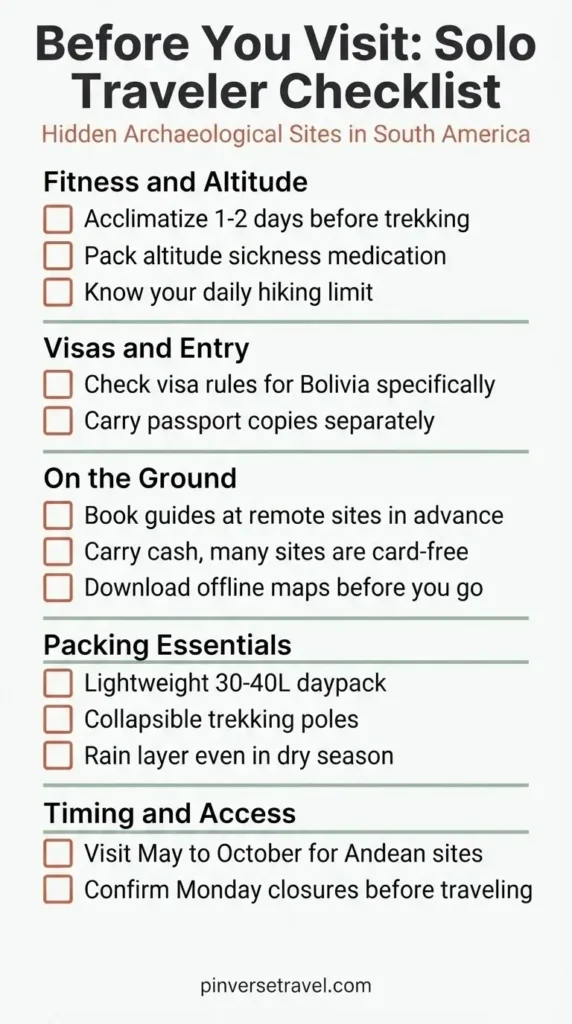
A few things that solo travelers consistently report, and that I would tell any reader planning this kind of trip:
On combining sites: Peru makes it easy to build a multi-site archaeology itinerary because Kuelap, Choquequirao, and the greater Cusco region are all within the same country. Bolivia’s Tiwanaku and Samaipata work well together if you base yourself in La Paz and Santa Cruz respectively. Colombia is its own trip, ideally extended to include both Bogota and either the Caribbean coast (for Ciudad Perdida) or the Huila region (for San Agustin). Ecuador’s Ingapirca stacks neatly onto any southern Ecuador trip anchored in Cuenca.
On visas: For most passport holders from the US, UK, EU, Canada, and Australia, entry to Peru, Colombia, Ecuador, and Argentina is visa-free for tourism stays up to 90 days. Bolivia has had some fluctuating visa requirements for certain nationalities, so check the most current requirements for your passport well before you travel, as these policies have shifted in recent years.
On fitness and altitude: Several sites on this list sit above 3,000 meters. Altitude sickness is real, and it does not discriminate based on fitness level. Spend a day or two acclimatizing in Cusco, La Paz, or any high-altitude city before attempting treks or full days on your feet at elevation. Drink coca tea, go easy on alcohol, and listen to your body.
On guides: At most of these sites, a local guide adds enormous value. The inscribed structures do not come with explanatory panels, and the cultural context is the entire point of visiting.
Even if you are a confident independent traveler who normally avoids guided tours (I get it), budget for a guide at one or two of these sites. The cost is usually low, the knowledge is irreplaceable, and you are also directly supporting the local economy in a community where tourism matters.
On timing: Most of these sites are best visited in dry season. For the Andes that broadly means May to October. Patagonia has its own weather logic and is best visited between November and March. The Colombian highlands can be visited year-round but the rainy seasons (March to May, September to November) can make treks more difficult.
Where to Start if You Can Only Visit One
From what solo travelers consistently report, Kuelap tends to be the most rewarding single-site addition to a Peru itinerary, precisely because it is accessible enough to visit without a multi-day trek but remote enough to feel genuinely off the beaten path. Choquequirao offers the deepest sense of discovery but demands the most commitment. San Agustin in Colombia regularly surprises visitors who expect a modest attraction and find something genuinely world-class. And Tiwanaku in Bolivia rewards the intellectually curious traveler who wants to understand how Andean civilization actually evolved before the Inca arrived and rewrote the story.
The good news is that none of these destinations require perfection to visit. You do not need to have everything figured out before you book a flight. You just need to start.