Off the Tourist Trail in Japan: A Solo Traveler’s Real Guide

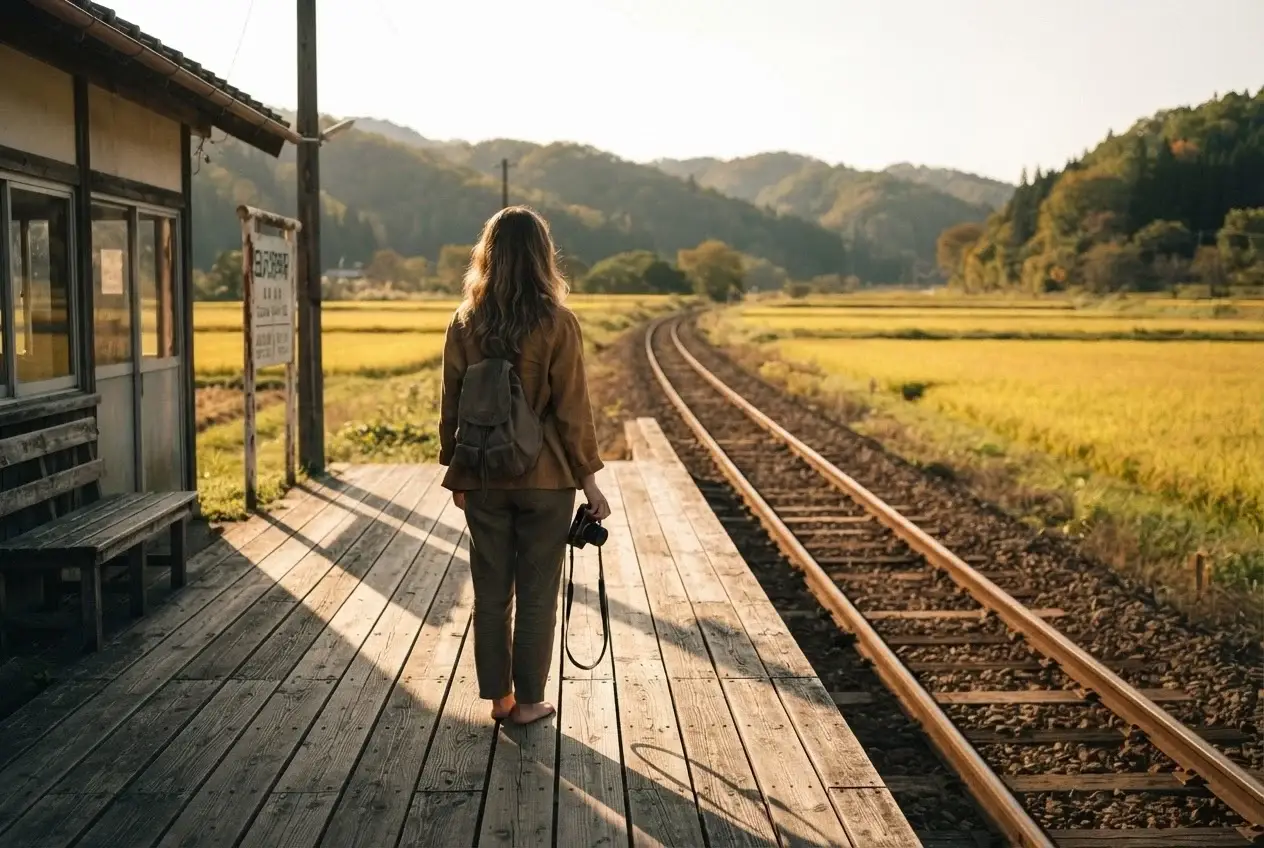
Japan changed something in how a lot of solo travelers think about exploration. Not because of the famous temples or the bullet trains, but because of the quiet moments that happen when you step off the route everyone else is following.
Most first-timers land in Tokyo, take the shinkansen to Kyoto, squeeze through Fushimi Inari at peak hour, and leave feeling like they saw Japan but did not quite reach it. There is nothing wrong with that path. The popular places are popular for real reasons. But if you have been reading about Japan for a while, you already know those places. What you want to know is what comes next.
This guide is about that layer. The cities, villages, and islands that come up when locals give honest recommendations. Places where you can spend a whole afternoon without feeling like you are moving through a theme park version of Japanese culture. And more importantly, places that are completely workable as a solo traveler, even if it is your first time in the country.
Let me walk you through what solo travelers consistently report about these destinations, including exactly how to reach them, what to eat, and why each one is worth the extra planning.
Before You Go: The Basics That Will Save You Stress
Japan is genuinely one of the most welcoming countries in the world for solo travel. The infrastructure is exceptional, the crime rate is among the lowest globally, and the culture has a quiet respect for individual space that actually makes solo travel feel more comfortable here than almost anywhere else I have been.
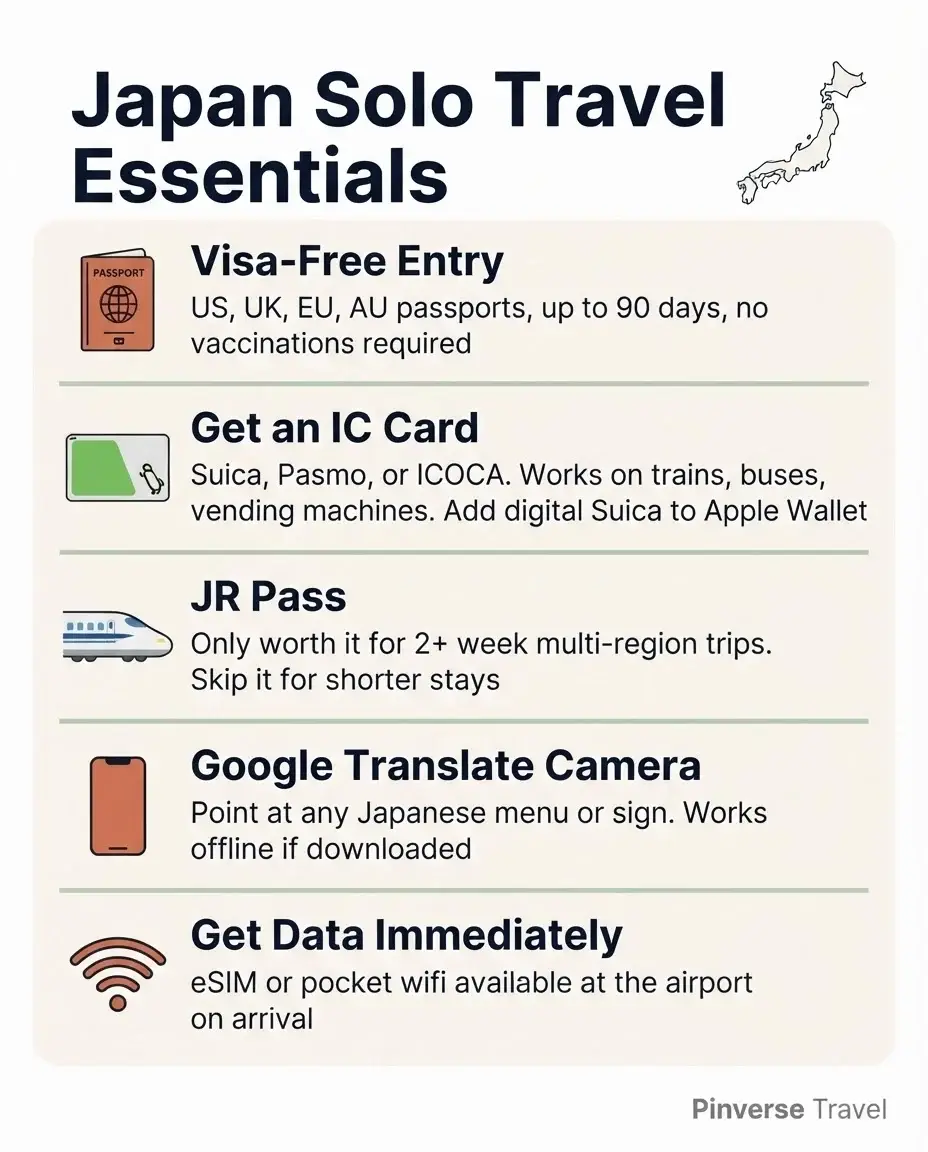
A few practical points to lock in before you leave home. If you hold a US, UK, EU, Canadian, or Australian passport, you can enter Japan visa-free for up to 90 days for tourism, with no vaccinations required. You can confirm your country’s status and any current requirements directly through the Japan National Tourism Organization’s visa information page.
For getting around, skip the JR Pass unless you are planning a serious multi-region trip over two or more weeks. Post-2023 price increases have made it poor value for shorter itineraries. Instead, grab an IC card (Suica, Pasmo, or ICOCA) at the airport when you land. These rechargeable cards tap you through virtually every train, subway, and bus in the country, and also work at vending machines and convenience stores. If you have an iPhone 7 or later, you can add a digital Suica directly to your Apple Wallet before you even board your flight.
Now, let’s get into the places.
Kanazawa: Japan’s Most Underrated City
Kanazawa sits on the Sea of Japan coast, about two and a half hours from Tokyo by bullet train, and it is the city solo travelers return from talking about the most. It escaped the bombing campaigns of World War II, which means its historic districts survived largely intact. Walking through the Higashi Chaya geisha district or the Nagamachi samurai neighborhood feels genuinely different from the lovingly restored versions you find in more visited cities.
The Kenroku-en garden is the centerpiece of the city, and it is considered one of Japan’s three most beautiful landscape gardens. It opens at 7:00 am (earlier than most tourist sites), which means if you get there early on a weekday, you can have stretches of the garden almost completely to yourself. Admission is 320 yen. The Kenroku-en official visitor guide has full seasonal hours if you need to plan around specific dates.
For food, Kanazawa’s Omicho Market is where you want to spend a morning. This covered market has been running since the 1700s and is loaded with fresh seafood from the Sea of Japan. Look for nodoguro (blackthroat seaperch), which is a local specialty that chefs here treat with a level of reverence usually reserved for wagyu beef. If you are solo, the market stalls and small restaurants around Omicho are welcoming to single diners, and pointing at fresh fish and holding up one finger is a universally understood ordering system.
Solo travel note: Kanazawa has a loop bus called the Kanazawa Kanko Bus that connects all major sights for a flat fare, which makes navigating the city genuinely simple even if you do not read Japanese.
Naoshima: The Art Island That Quietly Rewires Your Brain
Naoshima is a small island in the Seto Inland Sea, about two hours from Osaka or Okayama by train and ferry. It does not make most package tour itineraries, but solo travelers who make the effort to get here tend to describe it as one of the most singular experiences Japan offers.
The island became an open-air contemporary art destination starting in the early 1990s, and the results are extraordinary. The most famous attraction is the Chichu Art Museum, designed by architect Tadao Ando and built almost entirely underground so it does not interrupt the natural landscape of the island above it. Inside, Claude Monet’s Water Lilies series is displayed under natural light in a space so carefully considered that the paintings feel completely alive. James Turrell’s light installations in the same building produce the kind of disorientation that is actually pleasant. The Chichu Art Museum’s official site handles online ticket reservations, and booking in advance is strongly recommended since daily capacity is limited. Weekday online tickets are 2,500 yen.
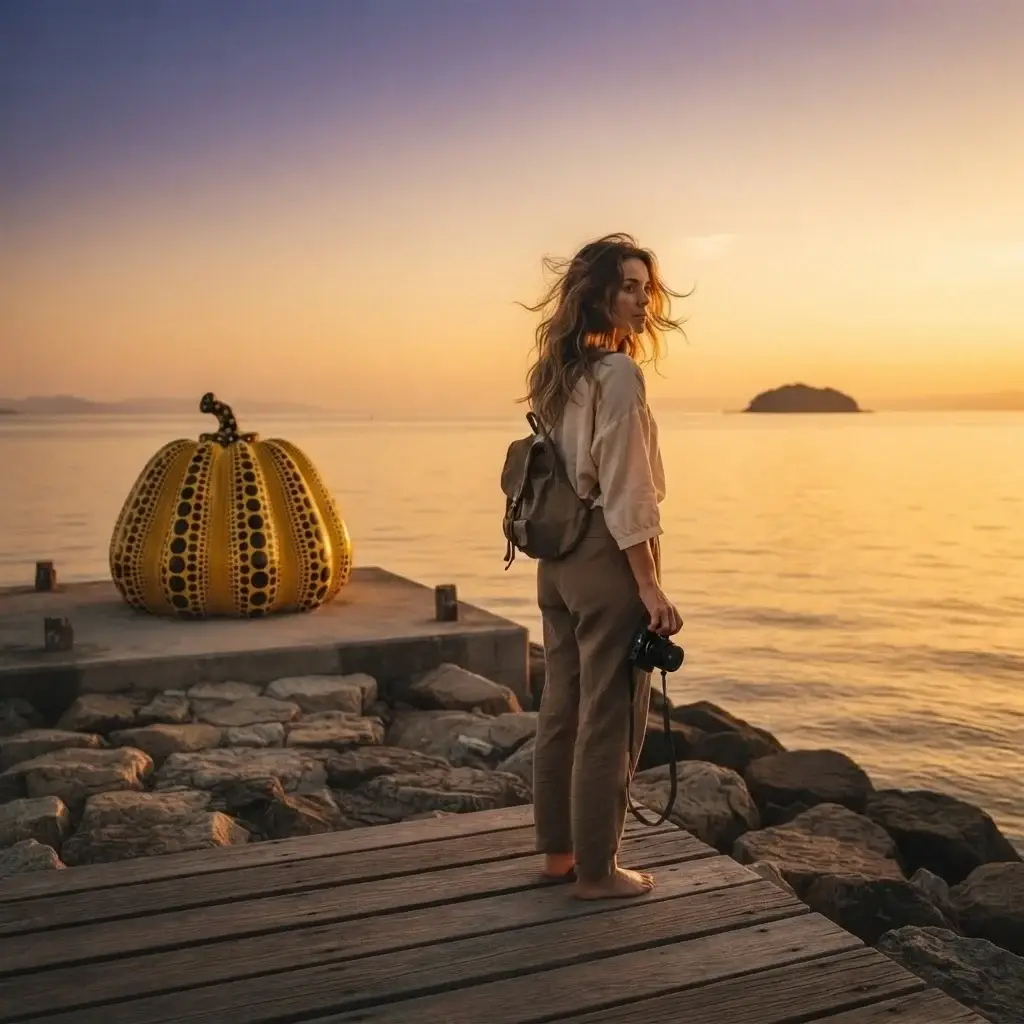
For solo travelers specifically, Naoshima works beautifully because the pace is completely your own. You walk or rent a bicycle, follow your own path between the Art House Project installations scattered through the old Honmura village, and stop whenever something catches your attention. The island also has the iconic yellow pumpkin sculpture by Yayoi Kusama near the Benesse House, which is one of those images that hits differently when you are actually standing next to it at dusk with the Inland Sea behind you.
Getting there: Take the JR Seto-Ohashi Line from Okayama to Uno Station, then a short ferry crossing to Naoshima’s Miyanoura Port. The crossing takes around 20 minutes.
Yakushima: An Ancient Forest You Have to Earn
Yakushima is not easy to reach, and that is precisely the point. This small, nearly circular island sits off the southern tip of Kyushu, and it is the kind of place that feels almost illegally beautiful once you arrive.
The island was designated a UNESCO World Heritage Site in 1993, recognized for the extraordinary biodiversity and the ancient Yakusugi cedar forests at its core. These trees have been growing for over a thousand years in some cases, in a forest that receives more than 8,000 mm of rain annually, which means everything is dripping, green, and slightly cinematic. Many people recognize the visual reference from the film Princess Mononoke, and that association is not wrong.
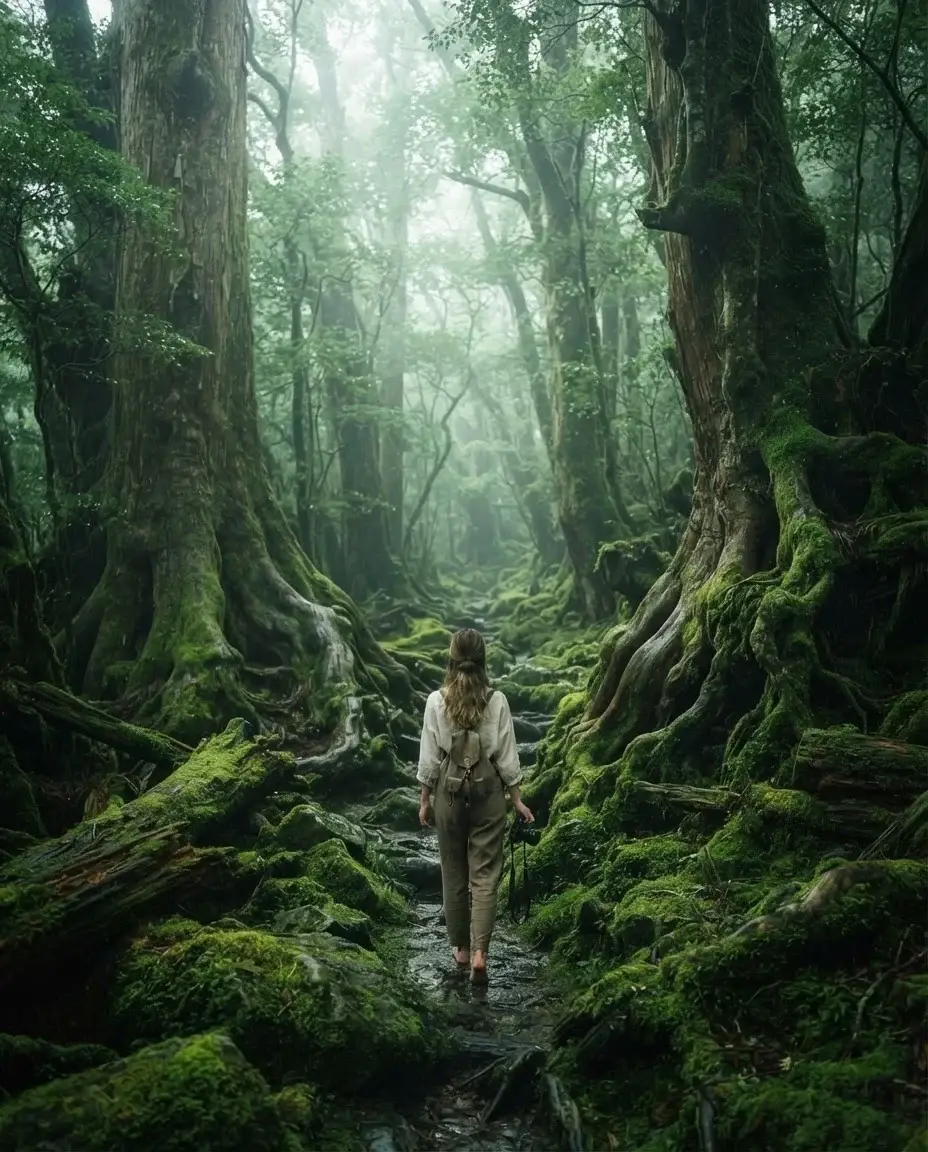
From what solo travelers consistently report, the Shiratani Unsuikyo Ravine trail is the most accessible and rewarding hike, suitable for first-timers with a reasonable fitness level and taking about four to five hours. If you have more experience with long-distance trails, the Jomon Sugi route leads to the island’s oldest known cedar, estimated at between 2,170 and 7,200 years old depending on the measurement method, and takes a full day.
Getting here: Fly from Kagoshima (about 35 minutes) or take a high-speed ferry from Kagoshima Port (roughly two hours). Accommodation books up quickly, especially during Golden Week and summer, so plan ahead.
Practical note for solo hikers: Register your plans at the trail entrance, carry rain gear regardless of the forecast (Yakushima’s weather is notoriously fast-changing), and consider hiring a local guide for the longer routes if it is your first serious mountain hike. The terrain rewards preparation.
Kakunodate: The Samurai Town That Almost Nobody Visits
Tucked into Akita Prefecture in the Tohoku region of northern Honshu, Kakunodate is one of the best preserved Edo-period samurai towns in Japan, and it receives a fraction of the visitors that Kyoto does for similar quality historical content.
The samurai district dates to 1620, and six of the original warrior-class residences are open to the public. The Aoyagi House and the Ishiguro House are the most substantial: the Aoyagi complex contains multiple buildings with museum collections and displays about samurai life with bilingual signage, while the Ishiguro House is smaller but fascinating because the family still actually lives in part of the building. Both are open from 9:00 am to 5:00 pm daily (closing at 4:00 pm in winter), with 500 yen admission each. For a detailed breakdown of what each house offers, the japan-guide.com samurai district page is one of the most useful reference points for planning your time.
Kakunodate is also known for cherry bark woodworking (kabazaiku), a craft unique to the region where artisans shape the glossy, copper-colored bark of wild cherry trees into tea canisters, boxes, and furniture. Finding a small kabazaiku item to bring home is one of those travel purchases that actually carries meaning rather than just collecting dust.
Getting there: From Tokyo, take the Akita Shinkansen directly to Kakunodate Station in about three hours and fifteen minutes. The samurai district is a twenty-minute walk from the station.
Food note: Kiritampo, a regional dish made from mashed rice formed around cedar skewers and served in a hot pot broth with chicken and local vegetables, is the thing to order here. Small restaurants around the town center serve it, and it is the kind of food that makes a cold afternoon in Tohoku feel like the best possible place to be.
Ine no Funaya: A Fishing Village Unlike Anywhere Else
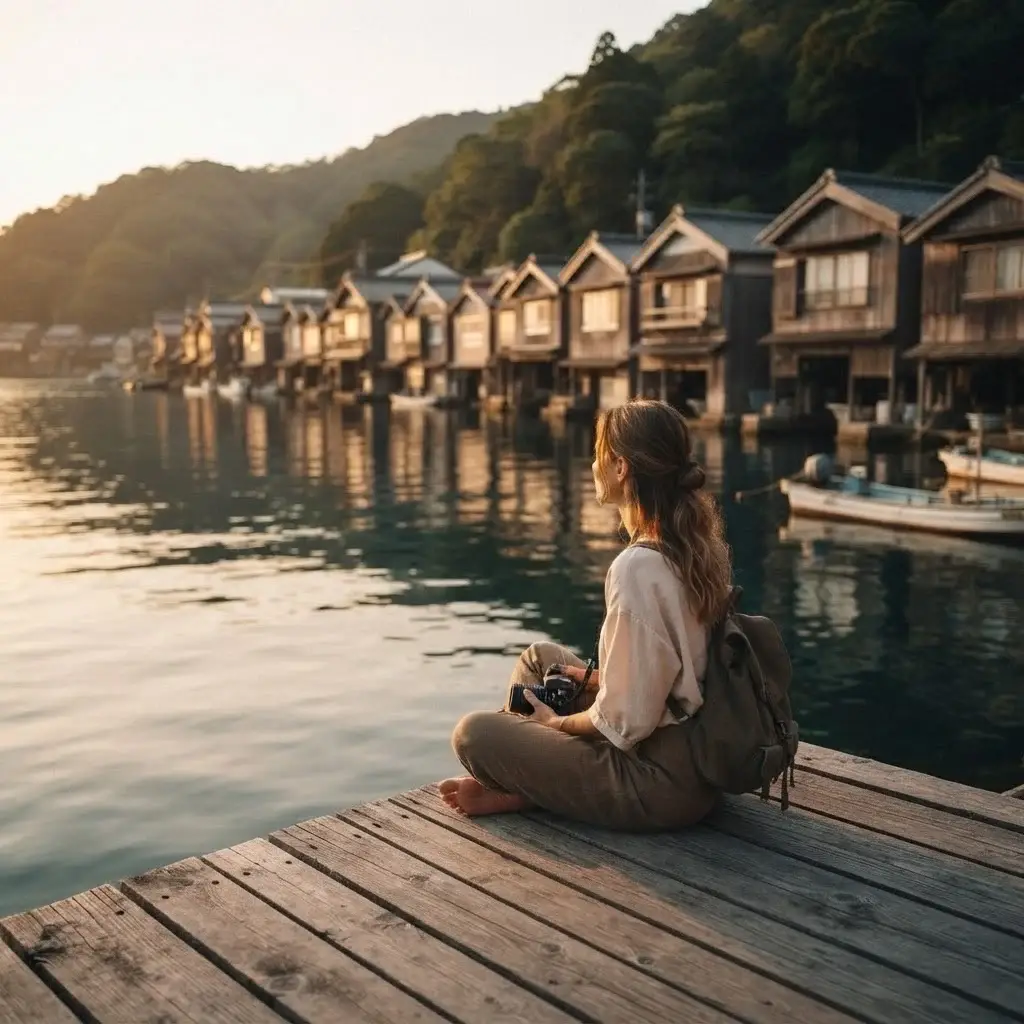
In the northern part of Kyoto Prefecture, far from Kyoto city itself, a small fishing village called Ine sits on a sheltered bay that looks like it belongs in another century. The defining feature of Ine is its funaya, traditional wooden boathouses where the garage opens directly onto the water. Fishermen dock their boats underneath and live in the rooms above, essentially using the sea as their driveway. There are more than 230 funaya lining Ine Bay, and the village has been designated an Important Preservation District for Groups of Traditional Buildings.
For solo travelers interested in living culture rather than museum culture, Ine offers something rare: a real, working fishing community that still operates the way it has for centuries. You are not looking at a reconstruction. The Ine Town tourism site offers a sea taxi and sightseeing boat cruise around the bay, which is one of the best ways to see the funaya from the water and understand their scale. The local tourism office is also refreshingly direct in asking visitors to respect residents’ privacy and treat the funaya area as a neighborhood, not an attraction, which is exactly the right framing.
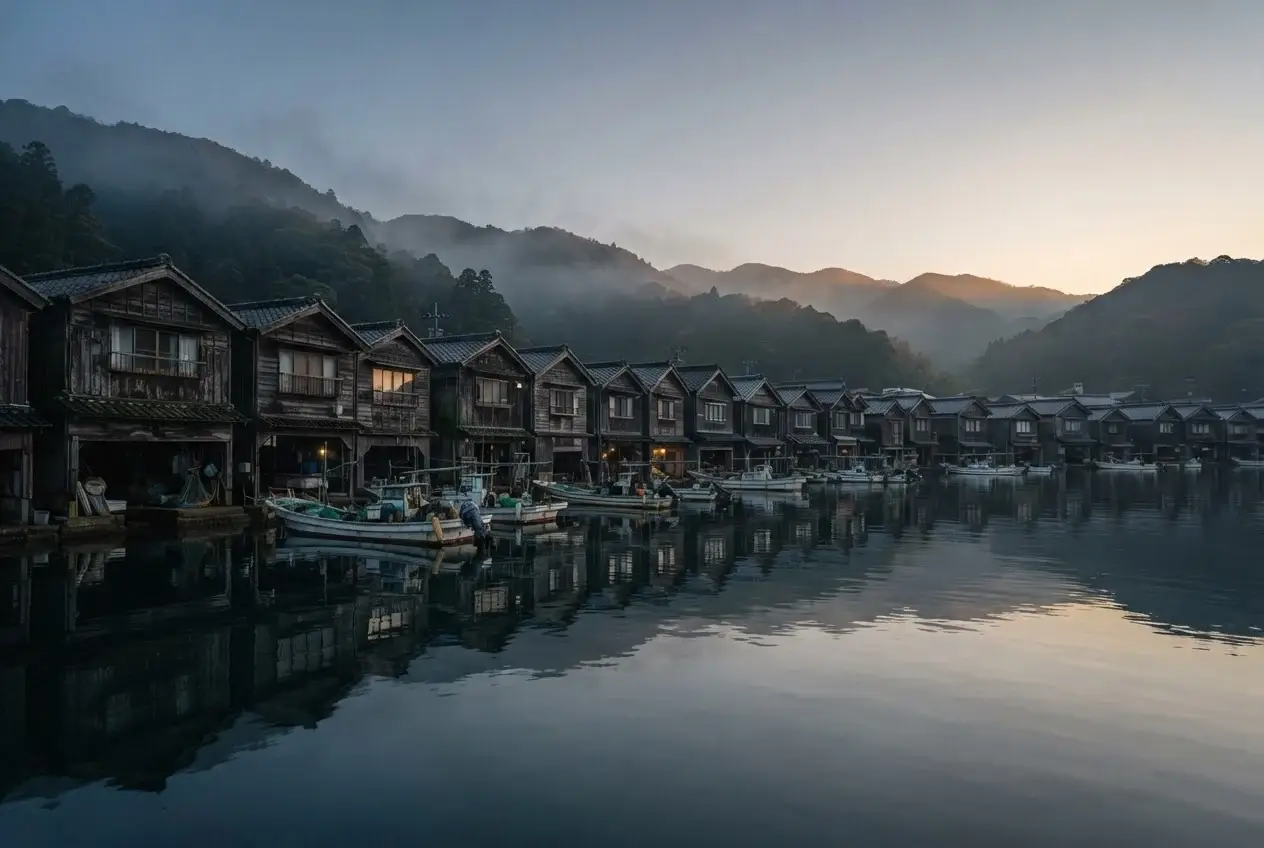
Eat freshly caught fish here. Several small restaurants in the village serve set meals built around whatever came in that morning. The simplicity of a bowl of local fish over rice with pickles, eaten while looking at the bay, is one of those travel moments that requires no embellishment.
Getting there: Ine is about two hours by car from Kyoto, or accessible by bus from Amanohashidate (itself a scenic destination worth a stop). It is not on a major train line, which is part of why it stays quiet.
Hirosaki: Cherry Blossoms Without the Crowds
If you have ever wanted to experience Japan’s famous cherry blossom season without being shoulder-to-shoulder with thousands of people, Hirosaki in Aomori Prefecture is your answer. The city is home to Hirosaki Castle Park, which is widely considered the finest cherry blossom viewing site in the entire Tohoku region and holds over 2,600 cherry trees, including rare weeping varieties that create a canopy effect around the castle moat.
The castle itself dates to 1611 and is one of the few original surviving castle structures in Japan. Hirosaki Park is open from April 1 to November 23, 9:00 am to 5:00 pm, with castle admission at 320 yen. The official Hirosaki Park website posts cherry blossom bloom forecasts each spring, which is genuinely useful for timing a visit.
For solo travelers, Hirosaki moves at a pace that rewards wandering. Beyond the castle, the city has a charming preserved Western-style building district from the Meiji era, several excellent craft sake breweries that welcome visitors, and Neputa Village, a cultural facility where you can see the enormous painted floats used in Hirosaki’s famous Neputa Festival each August.
What to eat: Hirosaki and Aomori are apple country. The region produces roughly half of Japan’s entire apple crop, which means apple-everything: apple juice pressed at roadside stands, apple pie in almost every bakery, and apple wine at local cideries. Try hitsuji no yaki (grilled local lamb) at one of the izakayas in the city center as well. It is unexpected in Japan and genuinely excellent.
Getting there: Hirosaki is easily reached from Tokyo by the Tohoku Shinkansen to Shin-Aomori Station, then a limited express train to Hirosaki. Total journey time is about three and a half hours.
Kochi: The Rugged, Free-Spirited Corner of Shikoku
Shikoku is Japan’s fourth-largest island, sitting south of Honshu across the Seto Inland Sea, and it is consistently overlooked by international visitors in favor of the main island. That oversight is a gift to solo travelers who find it.
Kochi Prefecture, on Shikoku’s Pacific coast, has a personality distinctly its own. It is the birthplace of Sakamoto Ryoma, one of Japan’s most celebrated historical figures, and the city carries a certain pride and independent spirit that you can feel in its markets, its food, and its residents. Kochi Castle is the standout historical landmark: it is one of only twelve original castles surviving in Japan, and uniquely, both the main tower and the innermost courtyard are completely intact. The castle is open from 9:00 am to 5:00 pm daily, with admission at 500 yen. You can find full visitor details at the official Visit Kochi Japan site.
Hirome Ichiba is the food market that locals will tell you about before anything else. It is an indoor market hall crammed with food stalls serving everything from katsuo no tataki (lightly seared bonito with garlic and citrus, Kochi’s signature dish) to yakitori, gyoza, and sake from local breweries. It opens early and closes late, and the energy on weekend evenings is loose, festive, and genuinely welcoming to solo visitors sitting at communal tables. This is the kind of place where you order something, someone next to you explains what it is in halting English and enthusiastic gesturing, and suddenly you have spent three hours you did not plan for.
Getting there: Fly into Kochi Ryoma Airport from Osaka or Tokyo, or take a scenic express train through Shikoku’s dramatic mountain interior from Okayama.
Navigating Japan Alone: The Things That Actually Matter
Solo travel in Japan works differently than in most countries, and mostly in your favor. A few things worth knowing before you arrive.
Japan has a deep cultural understanding of solo dining. Ramen counters, conveyor belt sushi restaurants, and many izakayas have single seats designed specifically for one person. Chains like Ichiran Ramen famously provide individual booths with a bamboo curtain so you can eat completely in your own world. Do not hesitate to walk in anywhere alone. You will never feel like the odd one out.
Onsen are a central part of Japanese travel culture and are perfectly accessible solo. Mixed-gender bathing is rare at modern facilities. Most onsen have separate men’s and women’s sections, and the etiquette is simple: wash completely at the shower stations before entering the bath, keep quiet, and enjoy it. Tattoos are still prohibited at many traditional onsen, though this is slowly changing at some facilities, particularly in more internationally visited areas.
Language is genuinely not the barrier many people expect. Translation apps (Google Translate’s camera function handles Japanese menus and signs almost perfectly), Google Maps works excellently for train navigation including platform numbers and transfer instructions, and most transportation infrastructure in cities and tourist areas has English signage. In smaller rural towns, the warmth and patience of local people more than compensates for any communication gaps. I saw exactly this dynamic when I was teaching English in Thailand: the less English people spoke, the more creative and genuinely human the communication became.
The most honest safety note: Japan consistently ranks among the world’s safest travel destinations for solo travelers, including solo women. That does not mean you switch your awareness off entirely, but it does mean you can walk home from a late dinner alone without the level of vigilance you might carry in other parts of the world.
One Last Thought Before You Book
The most common thing I hear from people who finally take a solo trip to Japan’s quieter corners is that they wish they had gone sooner and stayed longer. Not because these places are hard to find or require insider knowledge, but because once you stop following the standard route, you realize how much of Japan was always waiting for you to pay attention.
You do not need a perfect itinerary. You do not need to speak Japanese. You need a train card, a comfortable pair of shoes, and the willingness to sit with a bowl of something unfamiliar and see what happens next.
Plan the parts that need planning. Leave the rest open. That is where Japan’s best moments live.