Here is something nobody tells you when you start researching a trip to the Americas: the hardest part is not the trip itself. It is choosing where to go.
The Americas stretch from the frozen north of Canada all the way down to the wind-battered tip of Patagonia. That is an extraordinary amount of geography, culture, food, language, landscape, and history stuffed into a single travel category. When someone types “best countries in the Americas to visit,” they are usually not just casually browsing. They are genuinely trying to make a decision, and they keep circling the same handful of destination names without feeling any closer to booking a flight.
I know that feeling well. Before I quit my office job and committed to building a life around travel, the Americas were one of those regions I kept telling myself I would “get to eventually.” The endless possibilities felt paralyzing rather than exciting.
This guide is built to fix that. I am going to walk you through the countries across North, Central, and South America that consistently deliver for travelers who care about culture, genuine experiences, practical safety, and making the most of their time without draining their bank account. This is not a ranked list for the sake of it. It is a thinking framework, with honest detail, so you can find the country that fits the trip you actually want to take.
What to Know Before You Start Planning
Before picking a destination, it helps to understand two things: safety context and entry basics.
Safety in the Americas is real, but it is also wildly misrepresented by headlines. The U.S. Department of State publishes country-specific travel advisories that break down risk by type, including crime, civil unrest, and health risks. I always check the official State Department travel advisories page before I plan a trip anywhere, not to be scared off, but to understand what I am working with. Most popular traveler destinations across Latin America sit at Level 1 (exercise normal precautions) or Level 2 (exercise increased caution), which is the same level as many parts of Western Europe. Context matters enormously.
On entry requirements: most countries in the Americas allow U.S. passport holders to enter visa-free for 30 to 180 days. The standard requirements are a valid passport, proof of onward travel, and sometimes proof of sufficient funds. Each country has its own specifics, so always check the official tourism board for the destination you are considering.
Now, let us get into the countries themselves.
Mexico: The Americas’ Most Accessible Deep Dive
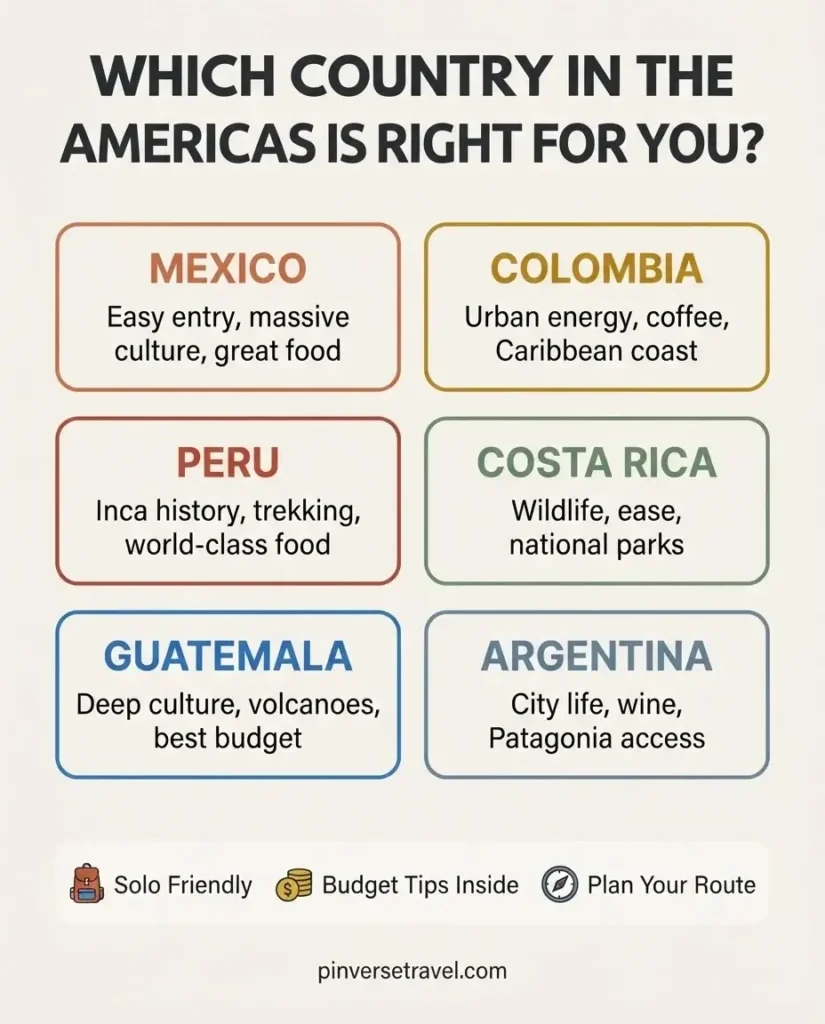
Mexico is often the first country people think of when they imagine the Americas, and for good reason. It is geographically close to the U.S., relatively affordable, and culturally rich in a way that rewards slow exploration far more than a quick resort stay.
Mexico City is one of the most compelling urban destinations in the entire Western Hemisphere. It is a city of museums, street food, colonial architecture, and neighborhood culture that changes block by block. For solo travelers, the neighborhoods of Roma Norte, Condesa, and Polanco are consistently cited as the most walkable, social, and traveler-friendly parts of the city. The food scene alone is worth the trip: tacos al pastor, tlayudas, tamales, and chilaquiles at a local market breakfast are experiences that quietly ruin every other food destination you visit afterward.
Beyond the capital, Oaxaca is one of Mexico’s crown jewels for cultural travelers. It is a city with a distinct Indigenous and colonial heritage, a world-class food and mezcal culture, and a strong arts scene. The Yucatan Peninsula offers a completely different experience: ancient Maya ruins at Chichen Itza and Uxmal, cenotes (natural limestone sinkholes perfect for swimming), and the colonial city of Merida, which is one of the most underrated places in all of Mexico.
On safety: as of May 2026, the U.S. State Department holds Mexico at a Level 2 advisory, which means exercise increased caution due to crime in certain areas. This is not a reason to skip Mexico. It is a reason to research the specific state and city you are visiting, avoid driving at night in unfamiliar areas, stay in well-reviewed accommodations, and use licensed transportation. Millions of solo travelers visit Mexico safely every year. Approach it the way you would any large, complex country: with awareness, not fear.
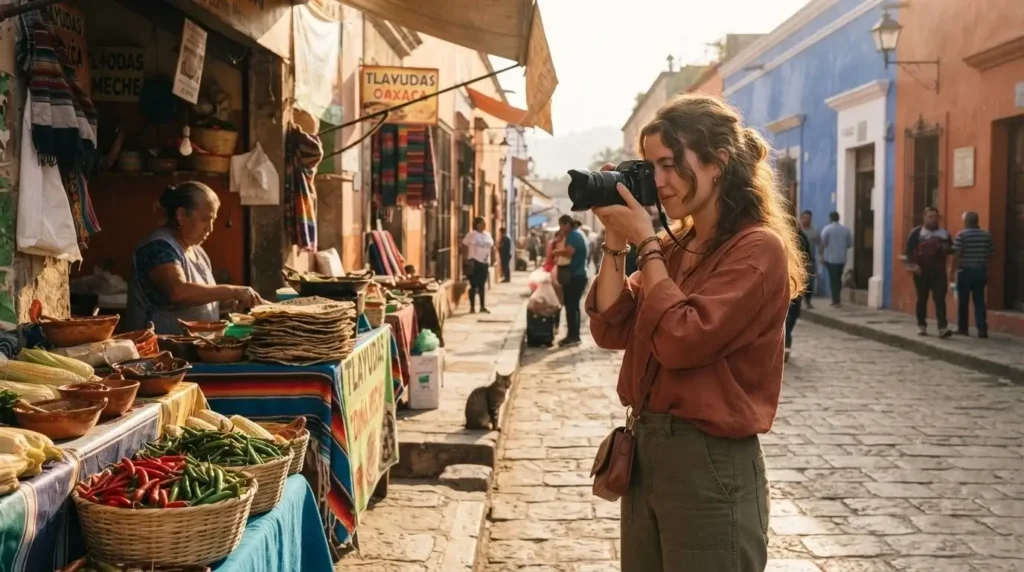
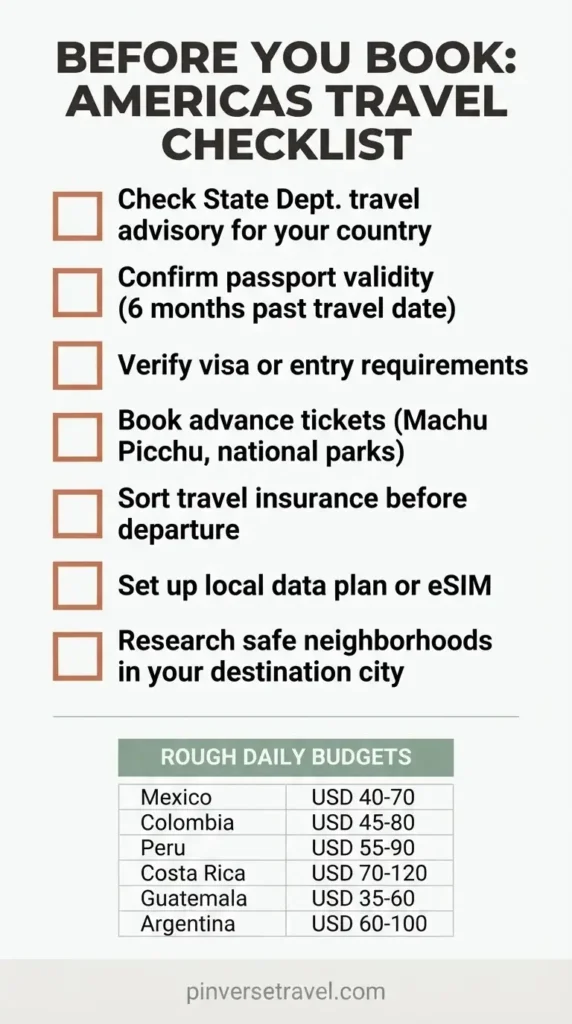
Rough budget: Mexico City and Oaxaca are extremely affordable. Expect to spend $40 to $70 USD per day for mid-range accommodation, good food, and entry fees if you are managing your spending thoughtfully.
Colombia: The Country That Keeps Surprising People
If you have been paying attention to travel conversations over the last several years, Colombia’s transformation is one of the most talked-about stories in Latin American tourism. From what experienced solo travelers consistently report, Medellin and Cartagena in particular have become genuinely exciting places to spend time, both for their energy and their accessibility for independent travelers.
Medellin sits in a mountain valley and moves at a pace that is hard to describe until you are in it. The city is known for its spring-like climate year-round, its innovative urban design, its cable car systems that connect hillside comunas to the city center, and a food and coffee culture that will keep you busy for days. The transformation of neighborhoods like El Poblado and Laureles from decades past into places where travelers feel comfortable exploring on foot is, by any measure, remarkable.
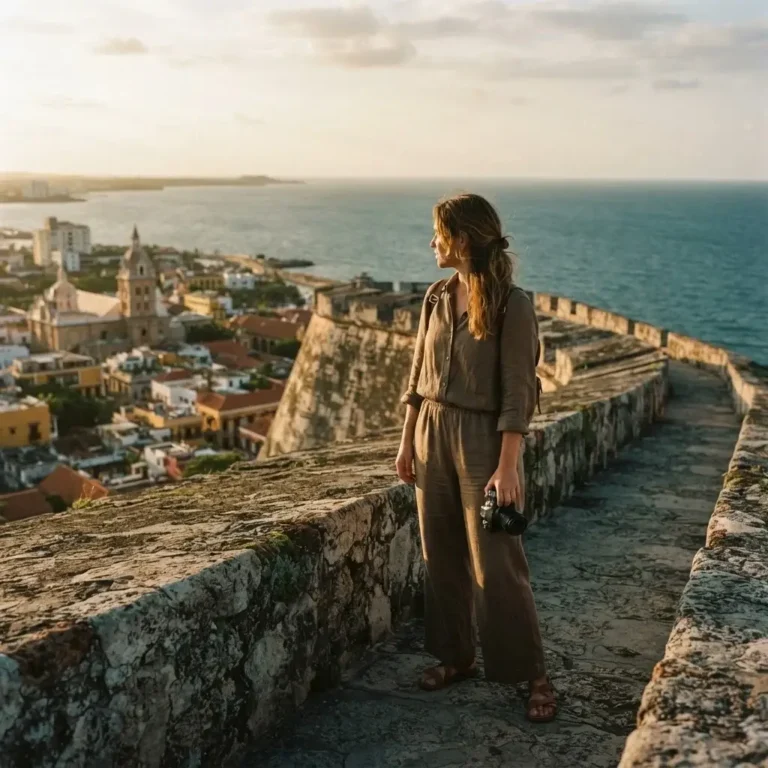
Cartagena on Colombia’s Caribbean coast is a completely different energy: a walled colonial city of pastel-colored buildings, balconies draped in flowers, and heat that softens the air into something golden. Street food in Cartagena, particularly the fresh fruit, arepas de choclo, and fried carimañolas, is some of the best eat-on-the-go food in Latin America.
The official Colombia tourism portal is genuinely useful for planning, with destination breakdowns, cultural context, and seasonal guides. Colombia also offers extraordinary nature tourism: the coffee-growing region of Eje Cafetero, the Caribbean national parks, and Tayrona National Park, where the jungle meets the sea in a way that will stay with you.
Solo travelers should practice the same urban awareness here as in any major city, stick to well-lit tourist areas at night, use recommended transportation apps, and avoid displaying expensive electronics. With those basics in place, Colombia is a deeply rewarding destination.
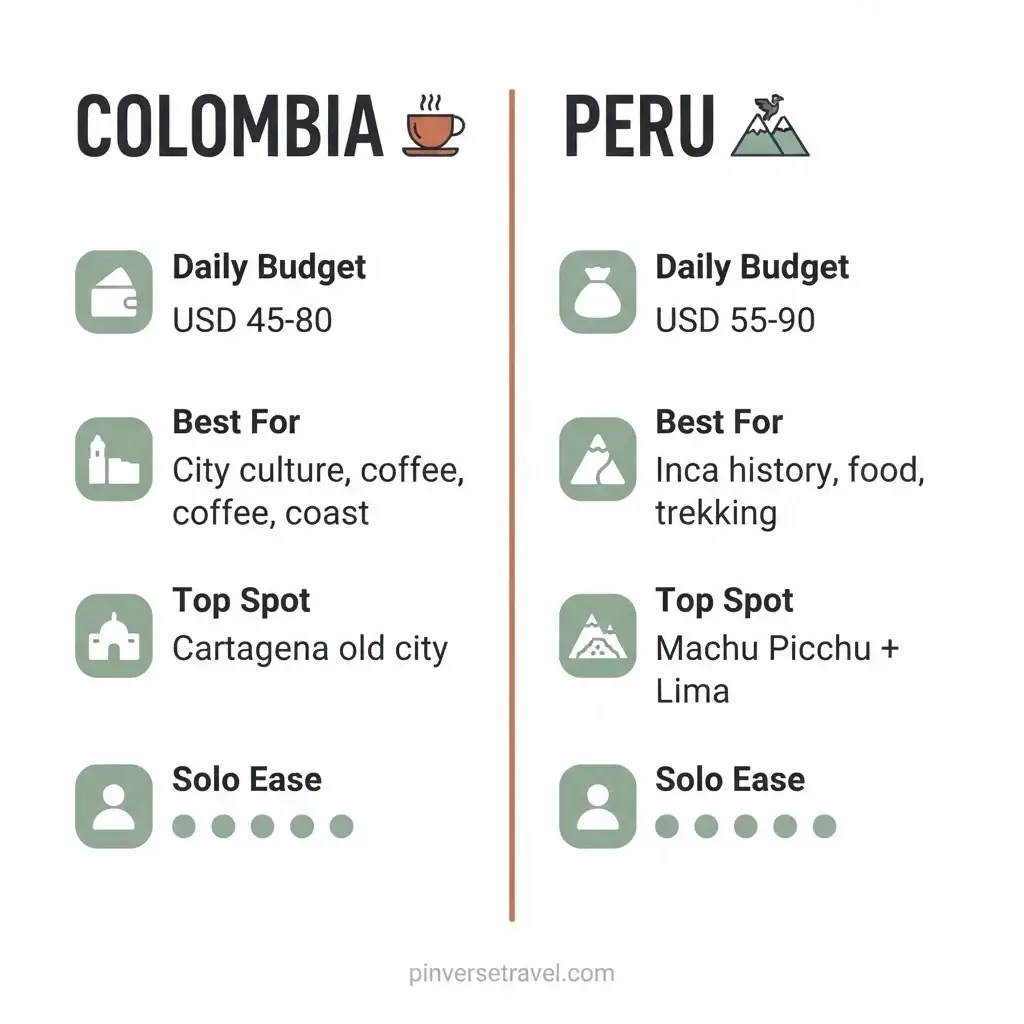
Rough budget: Colombia is affordable. Expect $45 to $80 USD per day in Medellin or Cartagena for comfortable, well-located mid-range stays and excellent food.
Peru: The One That Changes How You Think About History
Peru is the kind of destination that quietly dismantles assumptions you did not even know you had. The landscape ranges from the Pacific coast to the heights of the Andes to the depths of the Amazon, and the cultural history layered through it all is unlike anywhere else in the Americas.
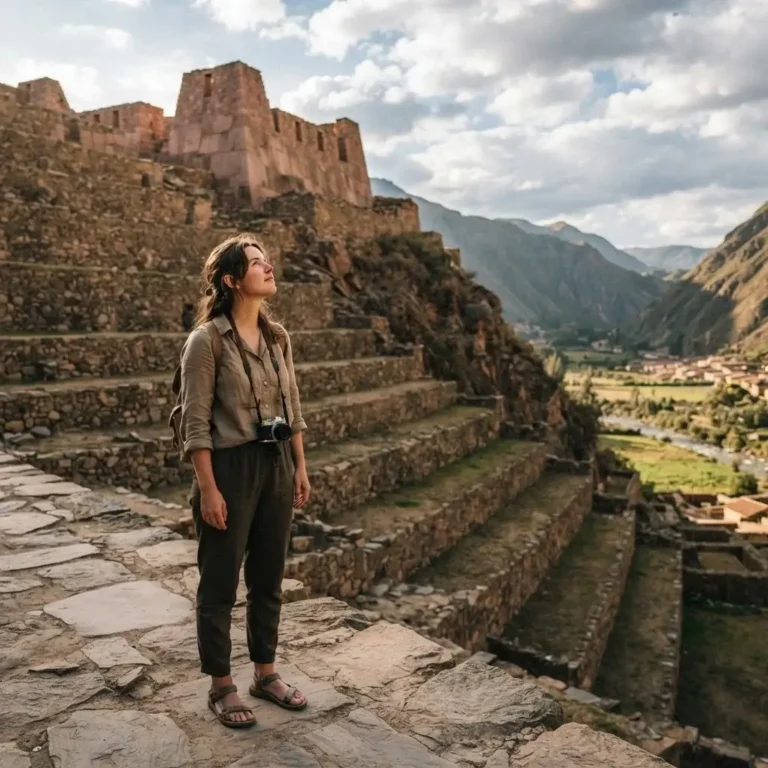
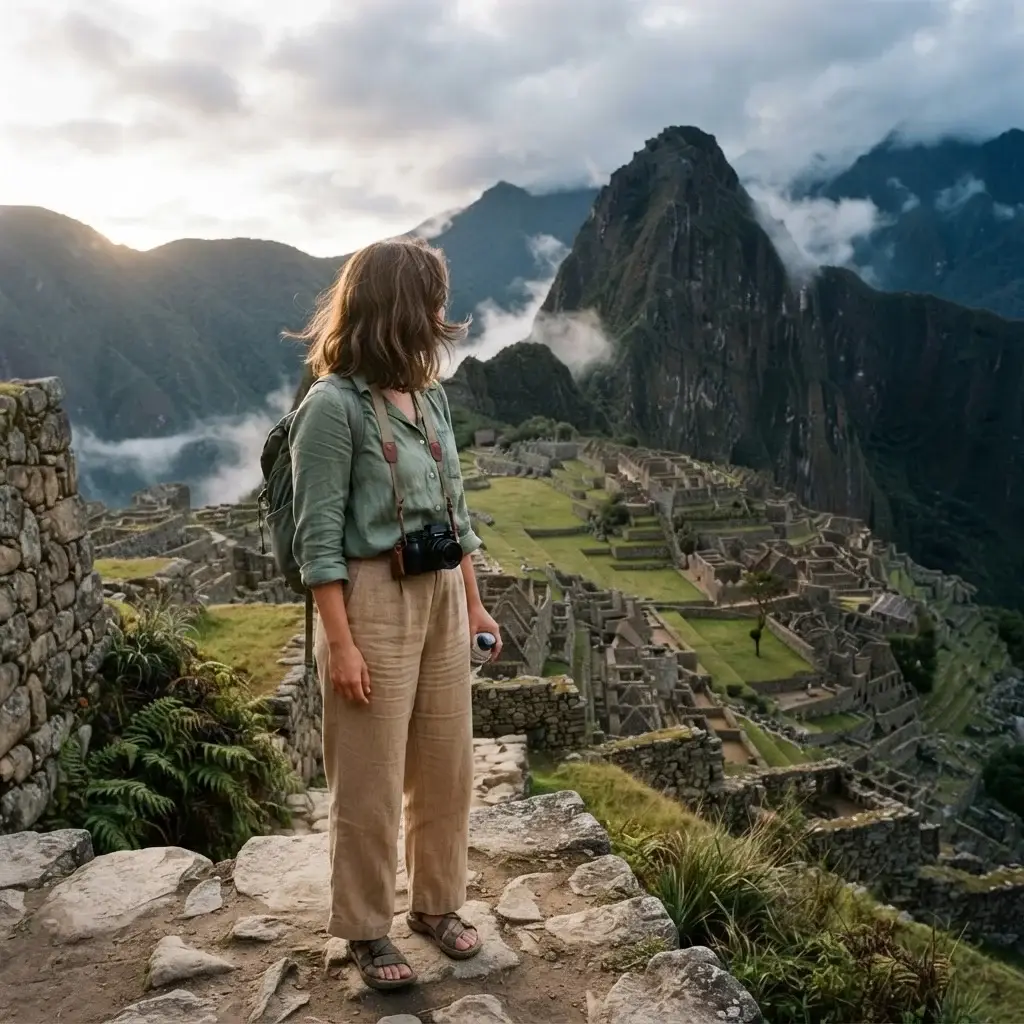
Most people come for Machu Picchu, and it genuinely lives up to its reputation. The citadel of the Inca, sitting above the Sacred Valley in the clouds at 2,430 meters above sea level, is one of those places where the reality exceeds the photographs. For 2026, entry tickets start at approximately $40 USD for standard Circuit 2 adult entry and must be purchased well in advance through the official Machu Picchu government ticketing site at tuboleto.cultura.pe. Slots sell out weeks to months ahead, especially from June through August (dry season, peak tourist period). Book early.
But Peru is much more than Machu Picchu. Lima has become one of Latin America’s finest food cities: a place where Nikkei (Japanese-Peruvian) cuisine, ceviches, and tasting menus from world-class chefs sit alongside extraordinary market food. The official Peru tourism website gives a strong overview of the country’s regions, from the Amazon basin to Lake Titicaca to the Colca Canyon, one of the world’s deepest canyons and home to soaring condors.
Cusco, the former Inca capital, is where most Machu Picchu-bound travelers spend several days, and it earns that time. The city sits at 3,400 meters, so altitude acclimatization is real and important. Drink coca tea, go slowly on day one, skip the alcohol until your body adjusts, and your trip will be dramatically better for it.
Solo travelers consistently rate Peru as one of the most navigable countries in South America. The tourist infrastructure between Lima, Cusco, and the Sacred Valley is well-developed, English is commonly spoken in tourist zones, and the people are warm.
Rough budget: Peru is mid-range affordable. Budget $55 to $90 USD per day including accommodation, food, and activities. The train to Machu Picchu (operated by PeruRail or Inca Rail) is a significant additional cost, typically $50 to $100 USD each way from Aguas Calientes.
Costa Rica: Central America’s Most Solo-Traveler-Friendly Country
Costa Rica has built one of the strongest sustainable tourism reputations in the world, and it has earned that reputation through genuine investment in national parks, wildlife protection, and responsible tourism infrastructure. For solo travelers, it is one of the easiest entry points into Central America.
According to the official Visit Costa Rica tourism board’s entry page, U.S. citizens can enter visa-free for up to 180 days with a valid passport, proof of onward travel, and proof of funds. No visa application required. That is one of the most generous entry policies in the region and removes a significant logistical barrier for first-timers.
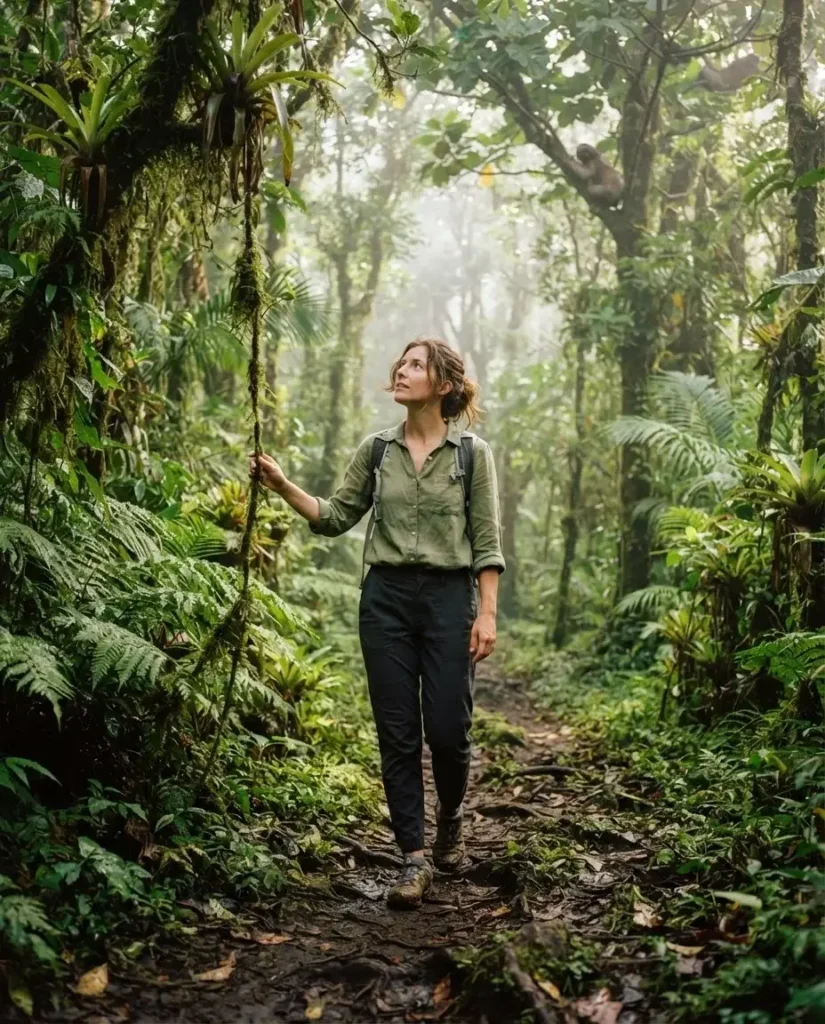
The country’s appeal is rooted in nature. Approximately 25 percent of Costa Rica’s land is protected national parks and biological reserves, which is extraordinary for a country of its size. Solo travelers can move between the Arenal Volcano area (hot springs, hiking, lush rainforest), the Osa Peninsula (one of the most biodiverse places on the planet), and the beaches of the Nicoya Peninsula with relative ease. Wildlife watching here is not a zoo experience: it is encountering spider monkeys in tree canopies, sea turtles nesting on Pacific beaches at night, and sloths hanging above jungle trails.
The food in Costa Rica is honest and filling rather than complex. Rice and beans (gallo pinto for breakfast, casado for lunch) are the backbone of local eating, and sodas (small local restaurants) are where you will eat the most authentic and affordable meals. San Jose, the capital, is worth a day or two for the Central Market, the gold museum (Museo del Oro), and the Pre-Columbian Gold Museum, but most travelers move quickly toward the natural parks.
Safety-wise, Costa Rica ranks among the safest countries in Latin America, with a stable democracy and functioning tourist services. Urban petty theft exists in San Jose, but standard travel awareness handles it.
Rough budget: Costa Rica is one of the pricier destinations in Central America due to strong tourism demand. Expect $70 to $120 USD per day for comfortable mid-range travel with park entry fees included.
Guatemala: Underrated, Unforgettable, and Culturally Profound
Guatemala is the country I hear most often from experienced travelers when they talk about places that genuinely surprised them. It receives a fraction of the tourist attention of Peru or Costa Rica, but its cultural depth and visual drama are extraordinary.
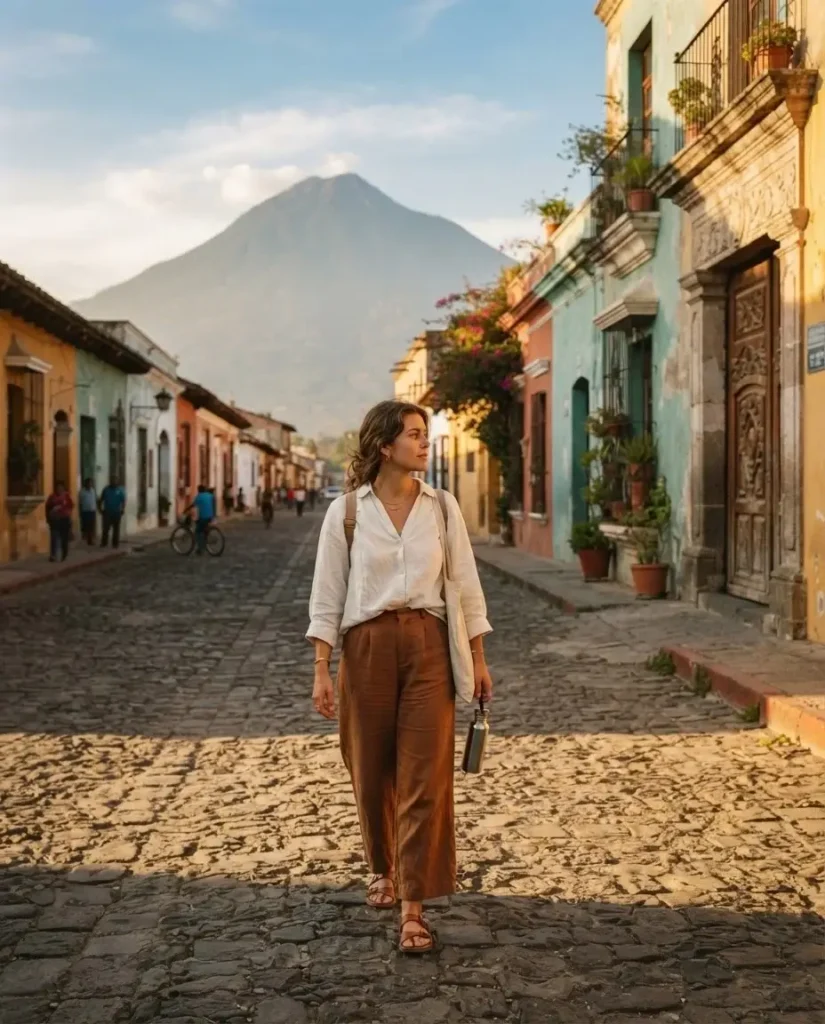
Antigua Guatemala, a colonial city surrounded by three volcanoes and a UNESCO World Heritage Site, is the natural starting point. The cobblestone streets, ochre and jade buildings, and dramatic mountain backdrop create an atmosphere that feels almost cinematic. From what travelers who have spent time there consistently report, Antigua rewards slow exploration: excellent Spanish-language schools make it a popular base for travelers learning the language, the coffee culture (Guatemala produces world-class arabica) is a daily pleasure, and the surrounding Maya communities offer meaningful cultural connections for travelers who approach with respect.
Lake Atitlan, roughly two hours from Antigua, is one of the most visually striking places in all of Central America. A volcanic crater lake surrounded by three volcanoes and a collection of small indigenous villages around its shores, Atitlan is the kind of place that makes people extend their trip. Boat access between villages is easy and inexpensive, and each village has a distinct character and textile tradition.
The UNESCO World Heritage List includes several Guatemalan sites, including Antigua itself and the Tikal National Park, where ancient Maya temples rise above the jungle canopy in a way that feels genuinely otherworldly.
Safety in Guatemala warrants the same informed approach as elsewhere: Antigua, Atitlan, and the well-traveled routes are manageable with standard solo travel precautions. Research your specific routes and check current conditions before traveling.
Rough budget: Guatemala is one of the most affordable travel destinations in the Americas. Expect $35 to $60 USD per day for comfortable mid-range travel.
Argentina: For the Traveler Who Wants Europe in South America
Argentina is a particular kind of traveler’s favorite: a country that feels cosmopolitan and culturally rich while sitting firmly in South America. Buenos Aires is often compared to European cities in its architecture, café culture, and literary tradition, but it has a personality entirely its own.
Solo travelers consistently find Buenos Aires easy to navigate and socially welcoming. The café culture is real and deep: porteños (Buenos Aires residents) genuinely linger over coffee for hours, the bookshops are extraordinary (El Ateneo Grand Splendid, a bookstore inside a converted theater, is one of the most beautiful rooms you will walk into anywhere), and the tango scene, from formal milongas to outdoor performances in San Telmo market, is something you participate in rather than just watch.
The food of Argentina centers on beef, and it lives up to the reputation. A proper Argentine asado (barbecue) is a cultural event as much as a meal. Empanadas from street stalls, dulce de leche on everything, Malbec from Mendoza, and late dinners that don’t start until 9pm or later are all part of understanding how Argentinians actually live.
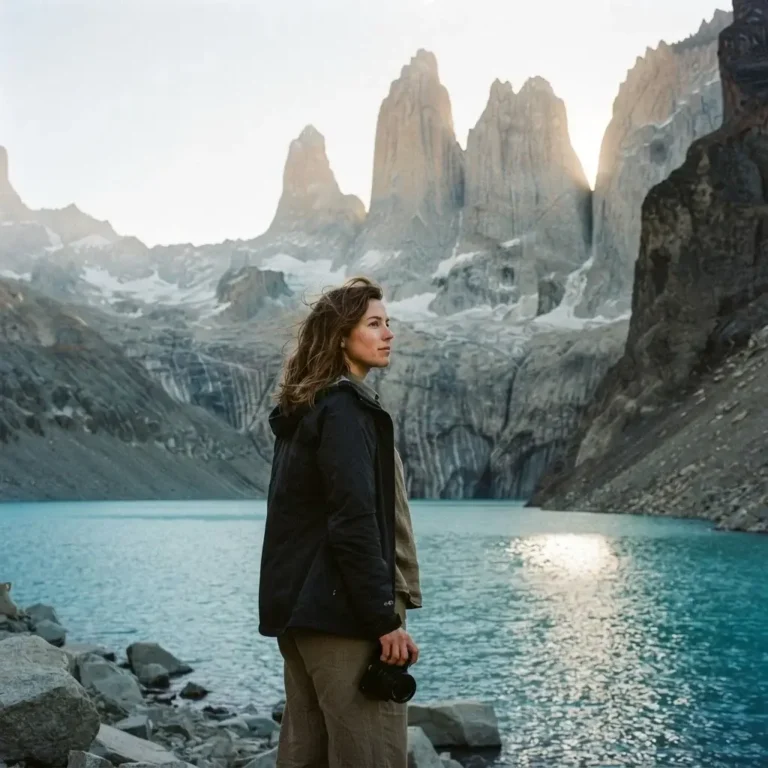
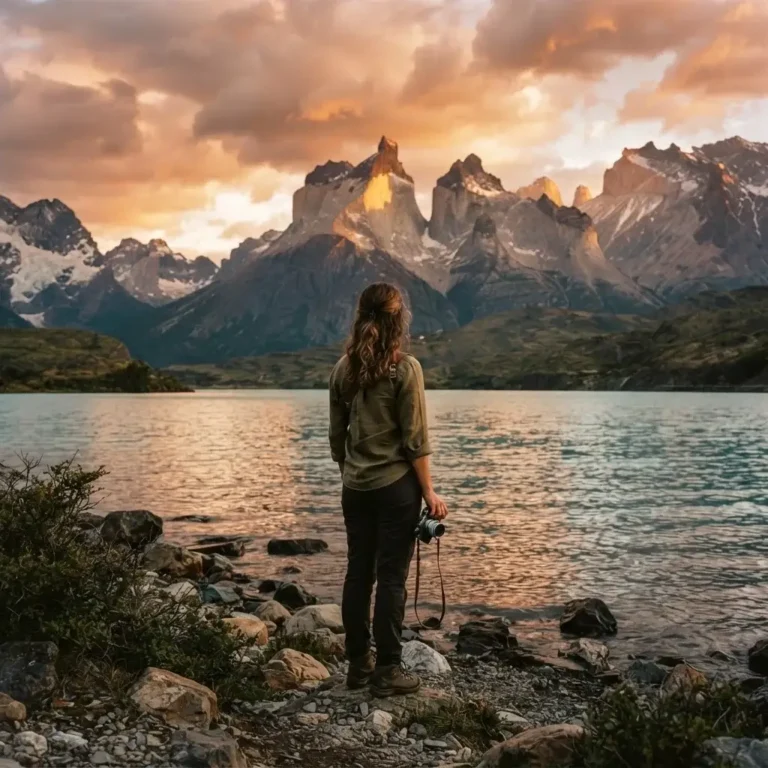
Beyond Buenos Aires, the country offers Mendoza’s wine country, the dramatic Patagonia region (Torres del Paine straddles the border with Chile), and Iguazu Falls on the border with Brazil, which is genuinely one of the most powerful natural spectacles in the world.
Argentina has had economic volatility in recent years, and the currency situation requires some understanding before you arrive. Budget travelers who research how to manage this correctly often find Argentina surprisingly affordable despite its developed-world atmosphere.
Rough budget: Highly variable depending on currency exchange context. Research current conditions, but mid-range travel in Buenos Aires can run $60 to $100 USD per day with dinner at a good restaurant included.
How to Choose Between Them
This is the question that matters, and here is how I think about it.
If you want the most iconic single experience of your life, Peru is your answer. Machu Picchu, Lima’s food scene, and the Sacred Valley together form a travel experience that is difficult to top anywhere in the Americas.
If you want ease, natural beauty, and straightforward solo navigation as a first-time Latin America traveler, Costa Rica removes most of the guesswork and rewards you with extraordinary wildlife and landscapes.
If you want urban energy, a rapidly changing cultural scene, and a depth of surprise that experienced travelers talk about for years, Colombia is worth the research and the planning.
If budget is your primary constraint and you want cultural depth over tourist infrastructure, Guatemala offers an extraordinary return on both time and money.
If you want a city that you could genuinely live in for a month and not run out of things to discover, Buenos Aires rewards the kind of slow, immersive travel that I have always believed is the most meaningful way to see a place.
And Mexico is honestly the answer for anyone still on the fence.
It is close, complex, affordable, and extraordinary in ways that most people do not fully appreciate until they are standing in a market in Oaxaca at 7am eating a bowl of black bean tamales.
One Last Thing Before You Book
The biggest mistake I see people make is waiting until the trip feels “perfectly planned” before committing to it. I learned from my own experience of leaving a conventional career path that the perfect moment very rarely arrives on its own. You build momentum by making the decision first, then figuring out the details.
Check the State Department advisories for your chosen country. Confirm your entry requirements. Book the things that need advance booking (Machu Picchu tickets, especially).
And then trust that the rest will take care of itself, because it always does.
The Americas are vast, varied, and genuinely waiting for you. Pick one country that matches where you are right now, not where you wish you were. Then go.