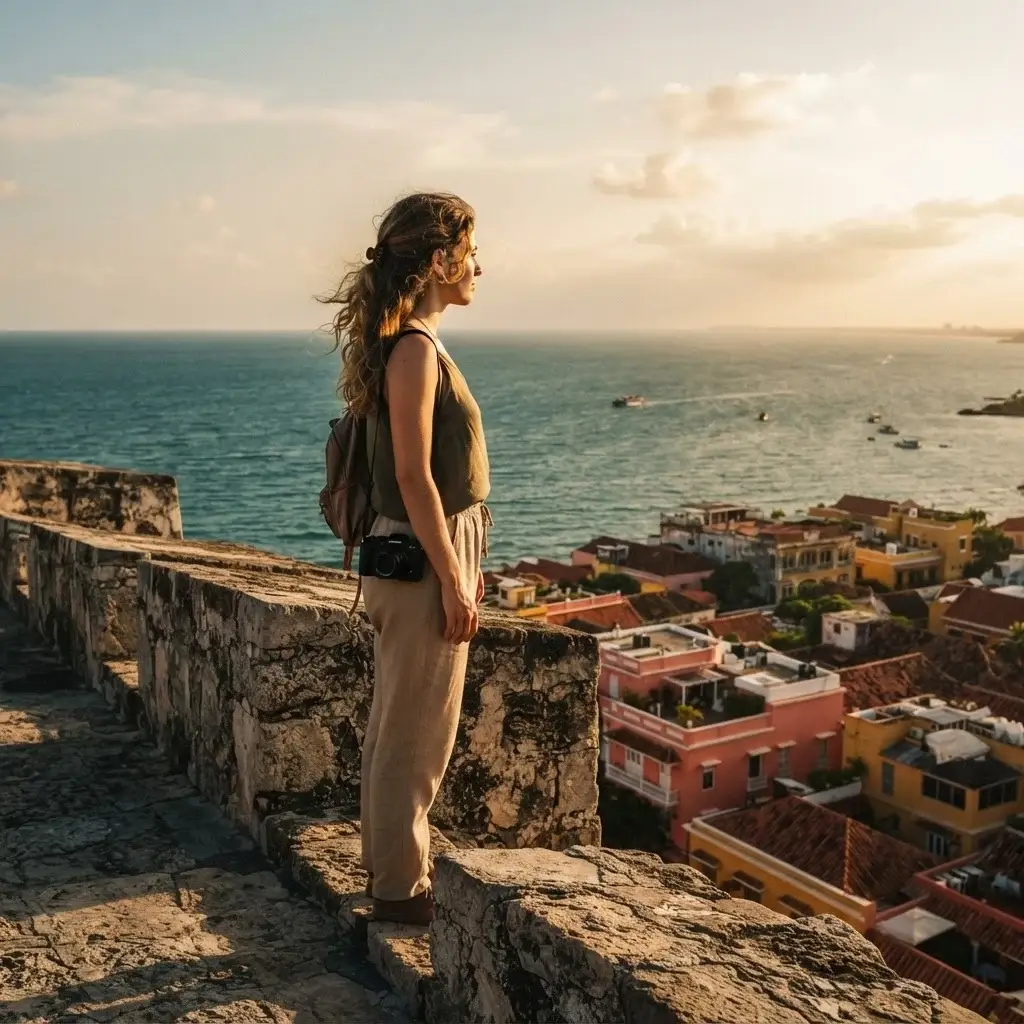
I want to be honest with you about something that took me a long time to understand: “luxury” and “expensive” are not the same thing.
I grew up in New York City, where a decent dinner for one can run $80 before you’ve even considered dessert or a glass of wine. I spent years believing that a truly beautiful travel experience, the kind with gorgeous architecture, extraordinary food, stunning natural scenery, and real cultural depth, was something reserved for people with significantly larger bank accounts than mine. It was only after I started traveling seriously, backpacking solo across Europe on very little money and learning to navigate cities on foot and instinct, that I realized how wrong that assumption was.
The Americas, specifically certain destinations in Latin America, offer something genuinely rare: a collision of world-class beauty, culture, and cuisine at a fraction of what you’d pay for a comparable experience in Western Europe or North America. This is not about sleeping in bare-bones hostels and counting every cent. It is about arriving in a 400-year-old colonial city, eating the best meal of your life at a family-run restaurant for twelve dollars, and waking up to a mountain view from a beautifully restored boutique hotel that cost less per night than a standard room at a New York airport hotel.
That is the version of luxury I want to talk about in this article. The affordable, real, soul-filling kind.
Here is where to find it.
Why the Americas Deliver Disproportionate Value
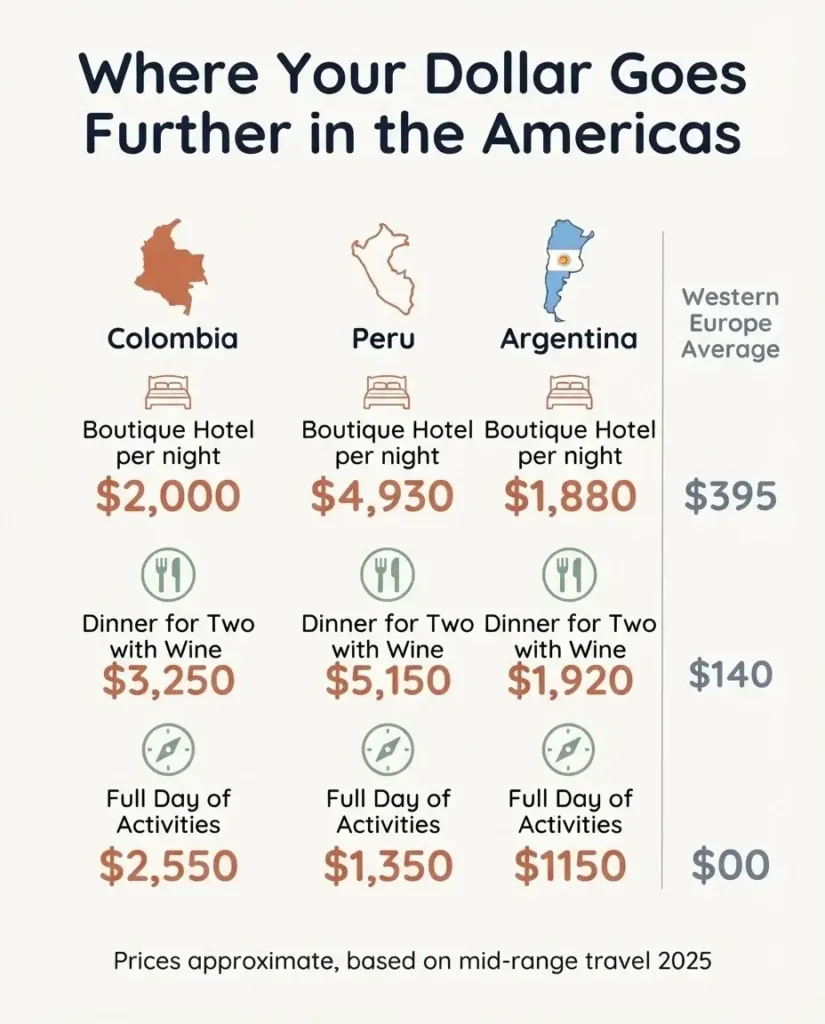
Before we get into specific destinations, it helps to understand the mechanics of why this works. In many Latin American countries, particularly Colombia, Peru, and Argentina, the local currency is considerably weaker than the US dollar. That exchange rate gap means your dollars stretch further than they would almost anywhere else in the world. A boutique hotel room that would cost $200 in London might cost $45 in Cartagena. A three-course dinner with wine that would run $90 in Miami might cost $18 in Cusco. The quality is not lower. The labor costs, real estate, and operating expenses are simply priced in a local economy, not a US one.
On top of currency dynamics, many of these destinations have significant tourism infrastructure, meaning genuine competition among guesthouses, restaurants, and tour operators drives quality up and keeps prices honest. This is the sweet spot: high development of the tourist economy, which means good food and accommodation options are plentiful, but local pricing that hasn’t yet caught up to what Western travelers are used to paying at home.
There is also a cultural dimension to this. In several Latin American countries, hospitality, food, and social life are deeply embedded values. People take enormous pride in a well-prepared meal, a beautiful table, a thoughtfully decorated room. You are not paying for the marketing campaign around the experience. You are paying for the thing itself.
Colombia: The Country That Keeps Astonishing People
Cartagena: Walking Inside History
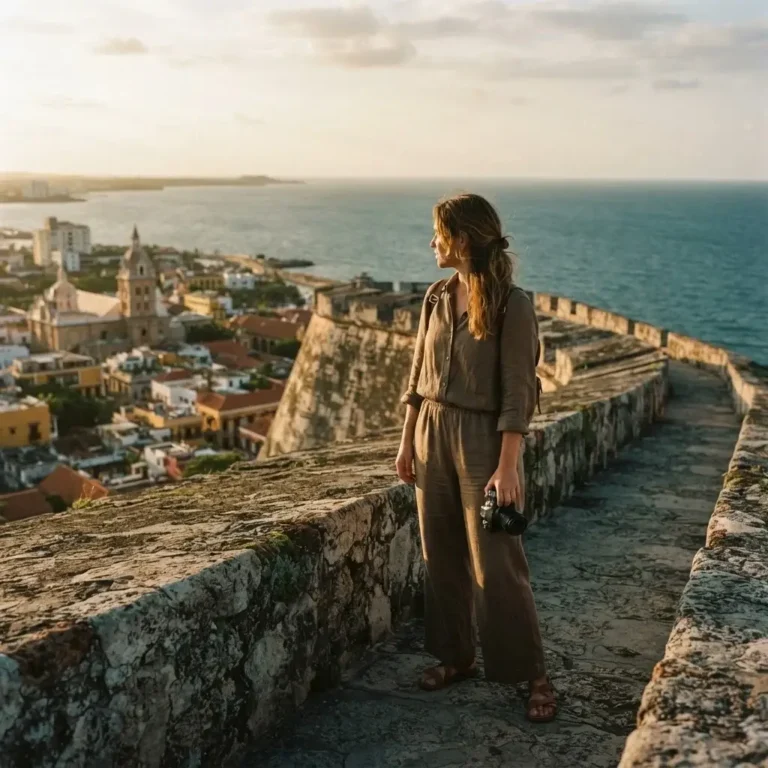
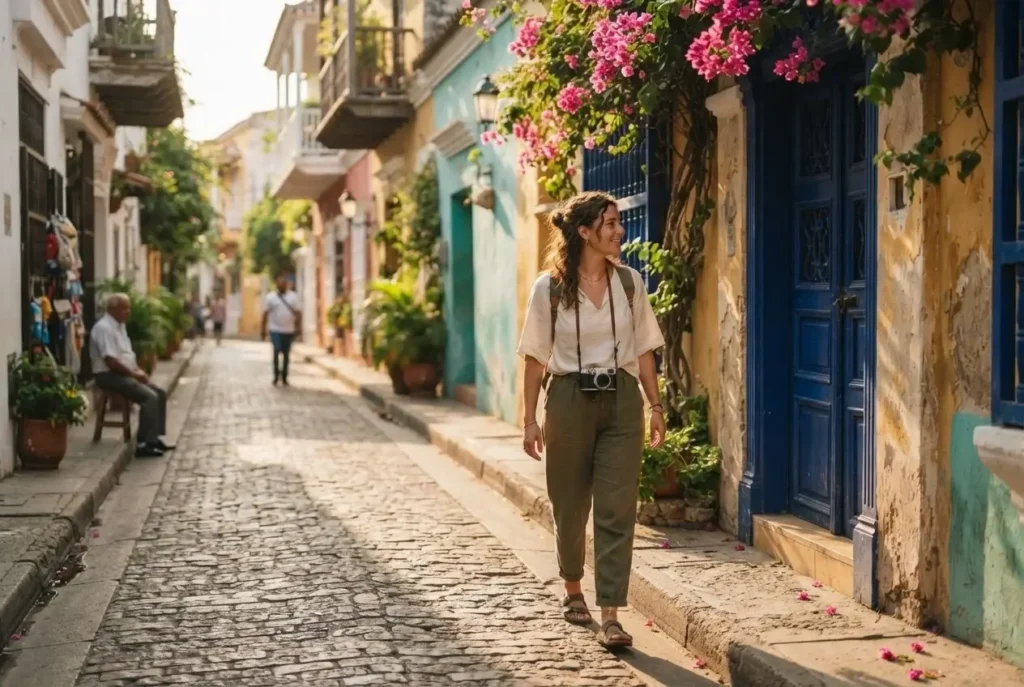
Here’s what solo travelers consistently report about Cartagena: they arrive expecting a nice Caribbean city and leave genuinely stunned. The old walled city is a living piece of history. The stone walls, the cannon-guarded fortresses, the bougainvillea cascading over colonial buildings painted in ochre, rose, and deep gold, the cobblestone streets lined with wooden balconies, all of it feels like someone transported a piece of southern Spain to the Caribbean and left it there for four centuries to ripen.
The Port, Fortresses, and Group of Monuments of Cartagena were designated a UNESCO World Heritage Site in 1984, recognized as one of the most complete examples of Spanish military architecture in the Americas. You can walk the entire top of the city walls for free. The Castillo San Felipe de Barajas, the massive fortress that once defended the city from Caribbean pirates, charges a modest entry fee and is one of the most striking structures I’ve read about in any research on the region. Solo travelers consistently say a few hours inside it is worth every peso.
The luxury experience in Cartagena happens without you having to plan for it. Rooftop bars with Caribbean views exist at price points that feel borderline unreasonable for what you get. A traditional bandeja paisa or a plate of fresh ceviches at a neighborhood spot in Getsemani, the artsy barrio just outside the old walls, will cost you a few dollars. Mid-range boutique hotels inside the walled city, many of them converted colonial mansions with internal courtyards and plunge pools, run between $60 and $130 per night for a double room with breakfast.
For US travelers, that is an extraordinary value proposition.
For entry, US citizens do not need a visa to visit Colombia for stays of up to 90 days. Check the official Colombia travel entry information before you go, as you will need to complete a CheckMig digital migration form before your flight. It takes about five minutes and is required.
Medellin: The City That Reinvented Itself
From what solo travelers consistently report, Medellin is one of the most livable cities in the Americas, and its quality-to-cost ratio is extraordinary. The city sits in a mountain valley at about 1,500 meters elevation, giving it a climate that locals call “la ciudad de la eterna primavera,” the city of eternal spring. You will not need heavy clothing or an air conditioner. The temperature hovers comfortably around 22-25 degrees Celsius (72-77°F) most of the year.
Medellin’s cafe culture alone justifies a trip. Colombian coffee is among the finest in the world, and here you drink it in well-designed, independently owned cafes for about a dollar a cup. The Metro cable cars, which connect the city center to hillside neighborhoods, cost a few thousand pesos and give you a panoramic view of the valley that genuinely takes your breath away. The Laureles and El Poblado neighborhoods are full of excellent restaurants, bars, and boutique stays at prices that make no sense by North American standards.
Budget-conscious travelers report comfortable, well-located private rooms or boutique guesthouse rooms in Medellin for $35-$70 per night, dinners at genuinely good restaurants for $8-$18, and a full day of activities including coffee tours, street art walks in the Comuna 13, and cable car rides for under $30 total.
Peru: Where Ancient History Becomes Personal
Cusco and the Sacred Valley
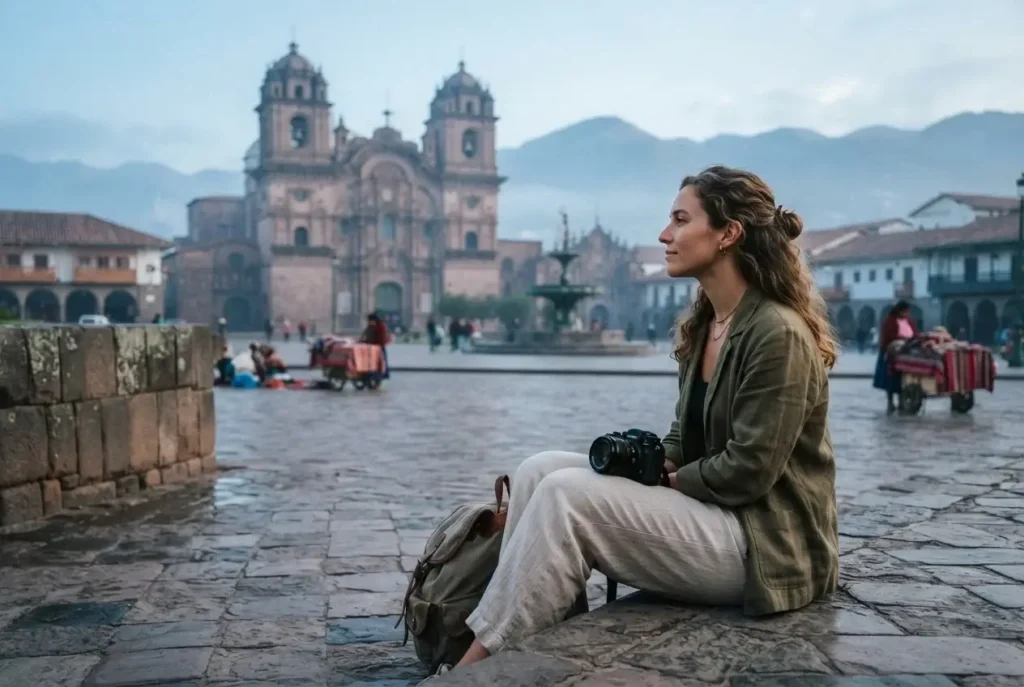
Cusco sits at 3,400 meters above sea level in the Andes, and the altitude is real. Give yourself two days to acclimatize before doing anything strenuous. Drink coca tea, which you will find everywhere, walk slowly, and let the city come to you. Because once it does, it is extraordinary.
The city was the capital of the Inca Empire, and the architecture is a layered conversation between Inca stonework and Spanish colonial construction. You will walk down a cobblestone street and notice that the foundations of the Spanish church beside you are, in fact, perfectly cut Inca stone. The Plaza de Armas is one of the most beautiful central squares in South America. The San Pedro Market is where locals shop, and a full market lunch of soup, a main, and a drink costs under $3.
The Sacred Valley between Cusco and Machu Picchu is where the real slow-travel luxury reveals itself.
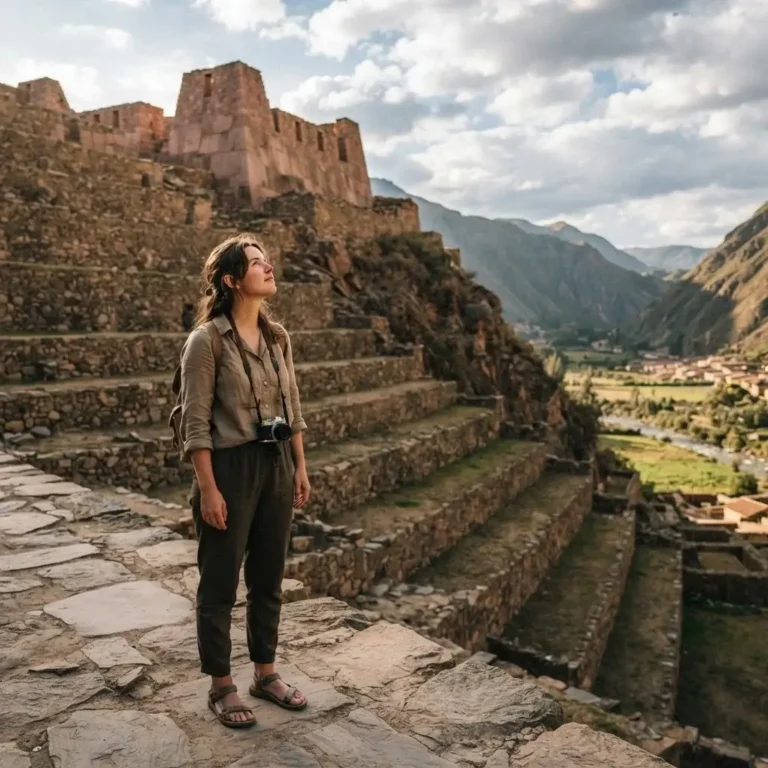
Boutique lodges and small ecolodges in villages like Ollantaytambo and Pisac offer stunning mountain views, excellent locally-sourced meals, and genuine connection to Quechua culture at prices significantly lower than what you’d pay at the big luxury lodges further along the valley. According to Peru’s official tourism resource, the Sacred Valley is also home to pre-Hispanic sites that most tourists rush past on their way to Machu Picchu, including the fortress at Ollantaytambo and the market ruins at Pisac, both of which are worth an entire day each.
Machu Picchu: Plan This Part Early
Machu Picchu is non-negotiable for a Peru trip, and it is genuinely breathtaking by every account. What many first-timers don’t realize is that ticket slots are strictly controlled and sell out weeks, sometimes months, in advance during peak season (June through August and the Christmas/New Year window). Tickets must be purchased through Peru’s official government platform, the Ministry of Culture’s ticketing portal, not through third-party resellers. Foreign adult admission runs approximately S/152, which is roughly $40-$45 USD at current exchange. Book the moment your travel dates are confirmed.
The overall Peru experience rewards slow travel. A week in Cusco and the Sacred Valley, including a day at Machu Picchu, can be done comfortably, with excellent accommodation and food, for $60-$100 per day all-in. That is the definition of accessible luxury.
Mexico: Culture, Food, and Architecture at Every Price Point
Mexico City: A World Capital at Local Prices
Mexico City is one of the great cities of the world, full stop. It has world-class art museums, one of the most celebrated food cultures on the planet, extraordinary architecture across six centuries, and a street food scene that UNESCO recognized as an Intangible Cultural Heritage. It is also significantly more affordable than most major world capitals.
The official Mexico City tourism guide is a genuinely useful resource for planning your visit, with itineraries, neighborhood guides, and cultural event listings. The three neighborhoods to understand are Roma Norte, Condesa, and Polanco. Roma Norte has the best variety and density of destination-worthy restaurants at accessible price points, ranging from $10 tacos at a standing counter to a beautiful full dinner at a chef-driven restaurant for $30-$40 per person with drinks. Condesa is more relaxed, better for long brunches and cafe afternoons. Polanco is where formal fine dining lives, and while it is more expensive than the other two, a tasting menu at a top Polanco restaurant still costs half of what a comparable experience would run in New York or London.
The Museo Nacional de Antropologia is one of the finest museums in the Western Hemisphere and charges around 85 pesos (approximately $4-5 USD) for entry. The Frida Kahlo Museum in Coyoacan, the sprawling Chapultepec Park, and the murals of Diego Rivera in the Palacio Nacional are experiences that no amount of money can recreate anywhere else on earth. Many cost nothing at all.
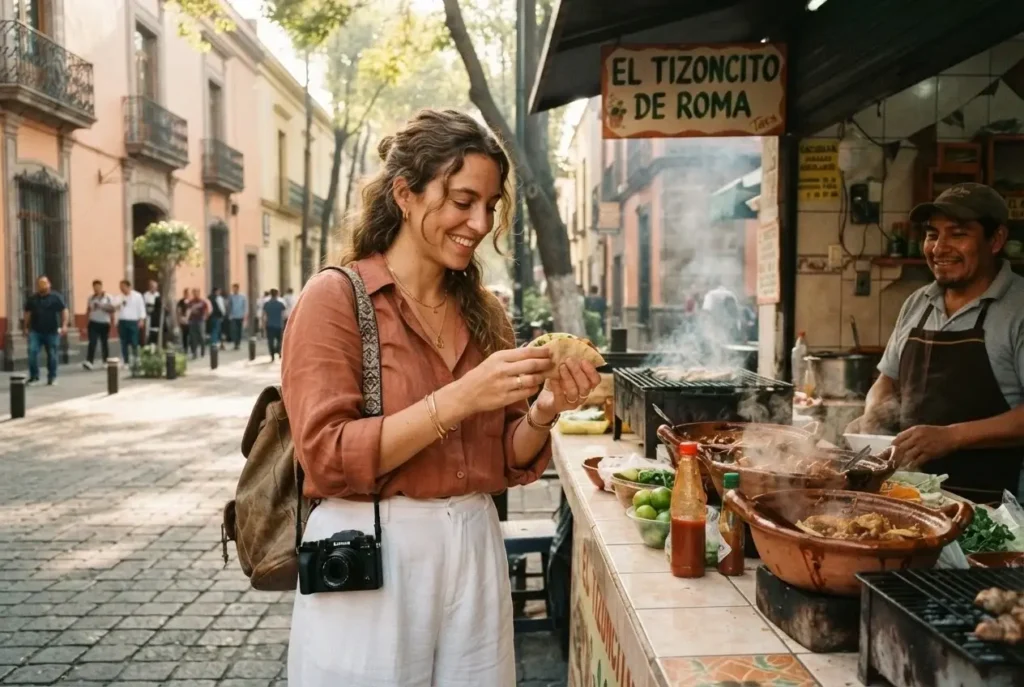
Street food in Mexico City is itself a luxury experience if you approach it with curiosity. A breakfast of chilaquiles at a neighborhood mercado. A late-night order of tacos al pastor from a street cart that’s been feeding the neighborhood for 30 years. Tlayudas at an Oaxacan spot in Roma. The food culture here is something people travel across the world for, and most of it costs a few dollars.
Oaxaca: The Slow Luxury of Food and Ancient Culture
If Mexico City is an intensity, Oaxaca is a deep exhale. The state capital sits in a highland valley at about 1,500 meters, and the combination of colonial architecture, extraordinary indigenous culture, world-class cuisine, and art galleries in converted courtyards creates an atmosphere that travelers consistently describe as one of the most beautiful places they have ever been.
The food scene in Oaxaca is often described as among the most important in the world. Mole negro, tlayudas, memelas, chapulines (yes, roasted grasshoppers, and they are worth trying), and mezcal produced in small village distilleries, these are not just meals. They are cultural experiences. A tasting menu at one of Oaxaca’s celebrated restaurants will run $40-$60 per person and deliver something genuinely remarkable. A meal at a market stall in the Mercado 20 de Noviembre, where you choose your own cut of meat and have it grilled over charcoal in front of you, costs about $8.
Accommodation in Oaxaca ranges from $30 per night for a clean, attractive guesthouse room to $80-$120 for a boutique hotel in a renovated colonial building with a rooftop terrace. The latter feels like an extraordinary luxury by any measure.
Argentina: Buenos Aires and the Richness of a City That Loves Culture
Buenos Aires has long held a reputation as the “Paris of South America,” and while Argentina’s economy has gone through significant turbulence in recent years, the city’s fundamental appeal remains intact. What travelers consistently report in 2025 is that Buenos Aires is still considerably more affordable than most European capitals, though no longer the almost-free experience it was at the height of the 2022 peso crisis. Use a debit card or credit card at a legal ATM; the official exchange rate has become more normalized and black-market currency exchange carries legal and personal safety risks.
The cultural richness of Buenos Aires is its true luxury, and much of it is completely free.
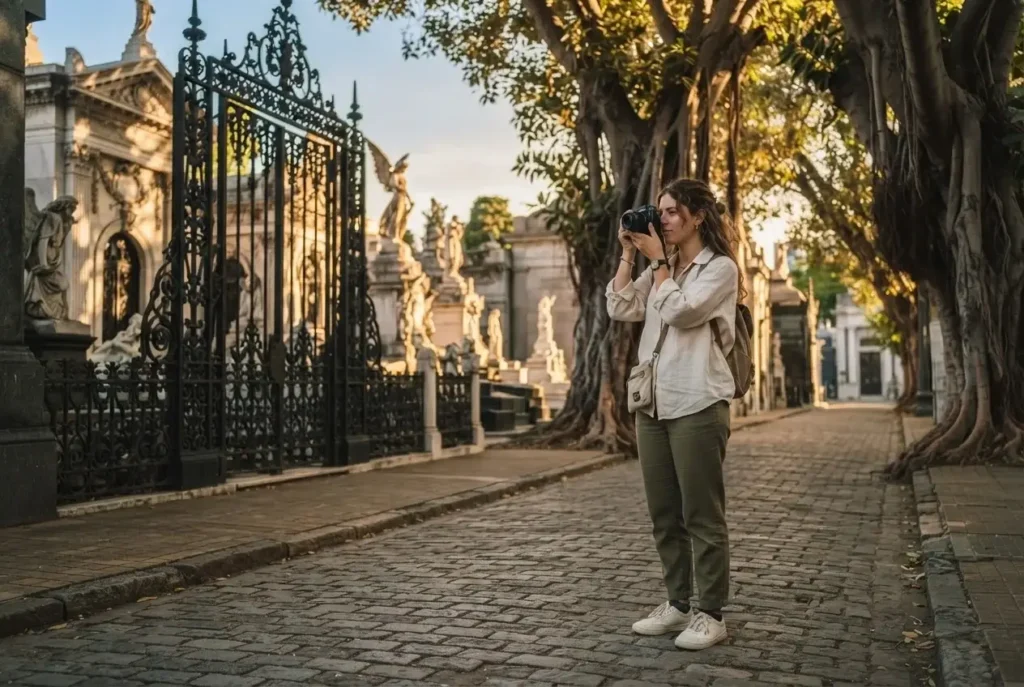
The official Buenos Aires tourism portal has a full resource on free things to do in the city, and the list is genuinely impressive: many nationally-run museums including the Immigration Museum and the Cabildo have no entry charge, the Kirchner Cultural Centre (CCK) hosts free concerts and art shows, the Recoleta Cemetery is free, and the city’s historic tram in Caballito runs free on weekends.
For everything else, Buenos Aires over-delivers. A proper Argentine parrilla dinner, the kind with a shared board of provoleta cheese grilled until bubbling, empanadas, and a beautiful cut of beef, with a bottle of Malbec from Mendoza, costs roughly $25-$35 per person at a well-regarded neighborhood restaurant. A seat at the Teatro Colon, one of the most architecturally magnificent opera houses in the world, can be secured for as little as $15-$30 for a back seat at a performance. Tango shows range from free at a milonga (a social tango gathering) to ticketed dinner shows, and the milonga experience is the more authentic of the two.
The Palermo neighborhood is ideal for solo travelers: well-connected by subway, full of independent restaurants and wine bars, beautiful parks for afternoon walks, and a general atmosphere that is social without being overwhelming.
How to Make the Most of Affordable Luxury Travel in the Americas
A few principles that solo travelers, and particularly first-timers to this region, consistently find useful:
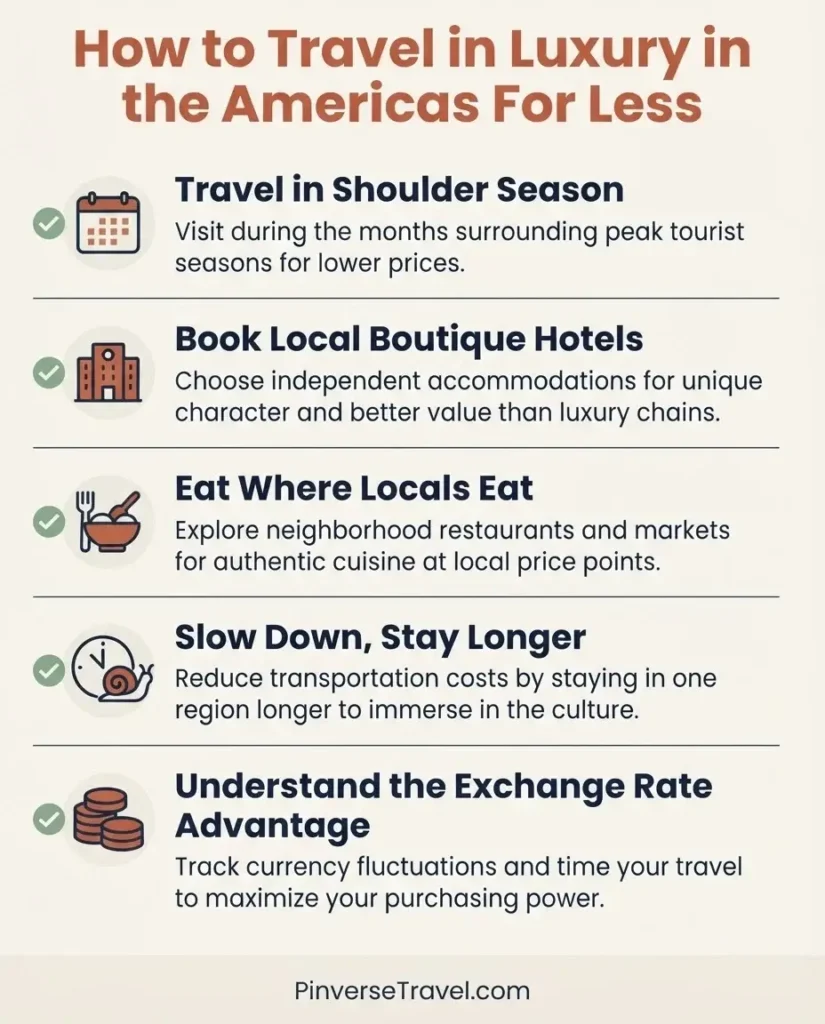
Travel in shoulder season wherever possible. In Colombia, the shoulder seasons between the main rainy and dry periods, roughly April-May and October-November, offer lower accommodation prices and fewer crowds. In Peru, May and September sit just outside the peak crush and offer excellent conditions. In Mexico City, late October through November before the holiday season is a sweet spot.
Book boutique over chain hotels. In all of these cities, the locally-owned boutique guesthouses and small hotels not only offer better value but deliver a far more authentic sense of place than international chains. A converted colonial casa in Cartagena, a family-run guesthouse near the Plaza de Armas in Cusco, a design hotel in a Porfiriato-era building in Roma Norte, these are the accommodations that become part of the travel story.
Eat where locals eat. The gap between a tourist-facing restaurant in Cartagena’s old city and a family-run spot two blocks away in Getsemani is not about quality. It is almost entirely about location and signage. Walk slightly off the main drag, look for places full of local families at lunch, and your food budget will halve while the quality often improves.
Slow down. The real luxury of these destinations is time. A week in one place, learning a neighborhood, finding a morning coffee spot, getting lost in a market, this is what makes travel genuinely transformative rather than just a series of checked boxes. I learned this backpacking across Europe, moving too fast at first and later realizing the days I slowed down were the ones I remembered most clearly.
The Americas are waiting. Not with a velvet rope and a price tag to match, but with something better: the kind of beauty, warmth, and richness that you can actually afford to sit inside long enough to let it change you a little.