OUTPUT ORDER

1. Prime Title Recommendation & SEO Metadata Block
2. The Full Deep-Dive Article
Where to Go Solo: Top Countries for Real Adventure Travel
There is a version of “adventure travel” that looks perfect on social media but leaves you feeling vaguely empty when you get home. You rushed through five countries in two weeks, checked off the landmarks, posted the photos, and returned to your regular life with a slightly lighter wallet and a lot of content.
That is not the kind of adventure I am talking about here.
What I mean by real adventure travel is the kind where you do something that makes your heart beat a little faster. Where you sit at dinner alone in a foreign city and realize you are perfectly fine, actually. Where you make a wrong turn and it turns out to be the best thing that happened all week. Where you come home quieter than you left, with something new inside you that is hard to describe but very easy to feel.
I know that version of travel because it is the version I have been chasing since I first boarded a flight to Australia as a student and immediately understood that the world was both larger and more welcoming than I had imagined. That knowing led me through Europe on a budget that would make most people nervous, into a family home in Ghana, across mountain trails in China, and into classrooms in Thailand where I taught English and learned far more than I taught.
If you are reading this, you are probably somewhere between wanting to go and figuring out how to actually make it happen. So let’s talk about that. Specifically, let’s talk about which countries are genuinely worth going to alone if you want adventure that is real, not just photogenic.
Research consistently shows what seasoned solo travelers already know from experience: according to a published study on the psychology of solo travel, solo travelers report increased self-confidence, greater resilience, and meaningful personal growth outcomes that group travelers rarely describe in the same way. In other words, the discomfort is the point. The challenge is the growth. And choosing the right country as your starting point makes an enormous difference in whether that challenge feels exhilarating or just exhausting.
Here is what I look for before recommending any country for solo adventure travel: a manageable safety profile, functional infrastructure that does not require a military-level logistics operation, genuine cultural depth, at least one type of adventure that gets your adrenaline going, and an environment that is genuinely welcoming to solo travelers rather than just tolerant of them. Not every country on this list is a beginner destination. I will tell you clearly which ones suit a first trip and which ones reward a bit more experience.
A Note on the Adventure Spectrum Before We Start:
Adventure is not one-size-fits-all. For some people, adventure means strapping into a bungee harness 134 meters above a river gorge. For others, it means navigating a mountain road on a motorcycle with no itinerary. For others still, it means sitting in a village home that is not your own, learning how people live, and eating something you cannot name. All of these are real adventures. I will flag the adventure type for each country so you can match it to what actually excites you.
Japan: The Best Country to Begin Solo Adventure Travel
If you have never traveled solo internationally and you want to get it right the first time, Japan is the answer I give more often than any other. Not because it is easy or soft, but because it removes the friction that breaks first-timers before they even get started.
Japan is one of the most logistically seamless countries on earth for a solo traveler. The public transport network is precise, extensive, and genuinely fun to navigate. Trains run to the second. Station signage is typically in both Japanese and English. You can load a Suica or Pasmo IC card at any major station and tap your way across Tokyo, Kyoto, Osaka, and beyond without fumbling for a ticket every time you move. It is the kind of infrastructure that lets you stay curious instead of stressed.
The cultural depth is extraordinary. You can walk between ancient temples in Kyoto in the early morning before the crowds arrive, then spend an afternoon in a contemporary art museum in Tokyo, then find yourself sitting in a tiny ramen counter at 11pm next to a salaryman who has had a long week and is as content as you are to eat in comfortable silence. That last part matters more than it sounds: Japan has a deeply embedded culture of solitude-without-loneliness. Solo dining is not just accepted, it is designed for. Many restaurants have single-seat counters facing the kitchen precisely for this purpose. You will never feel like the odd one out for eating alone.
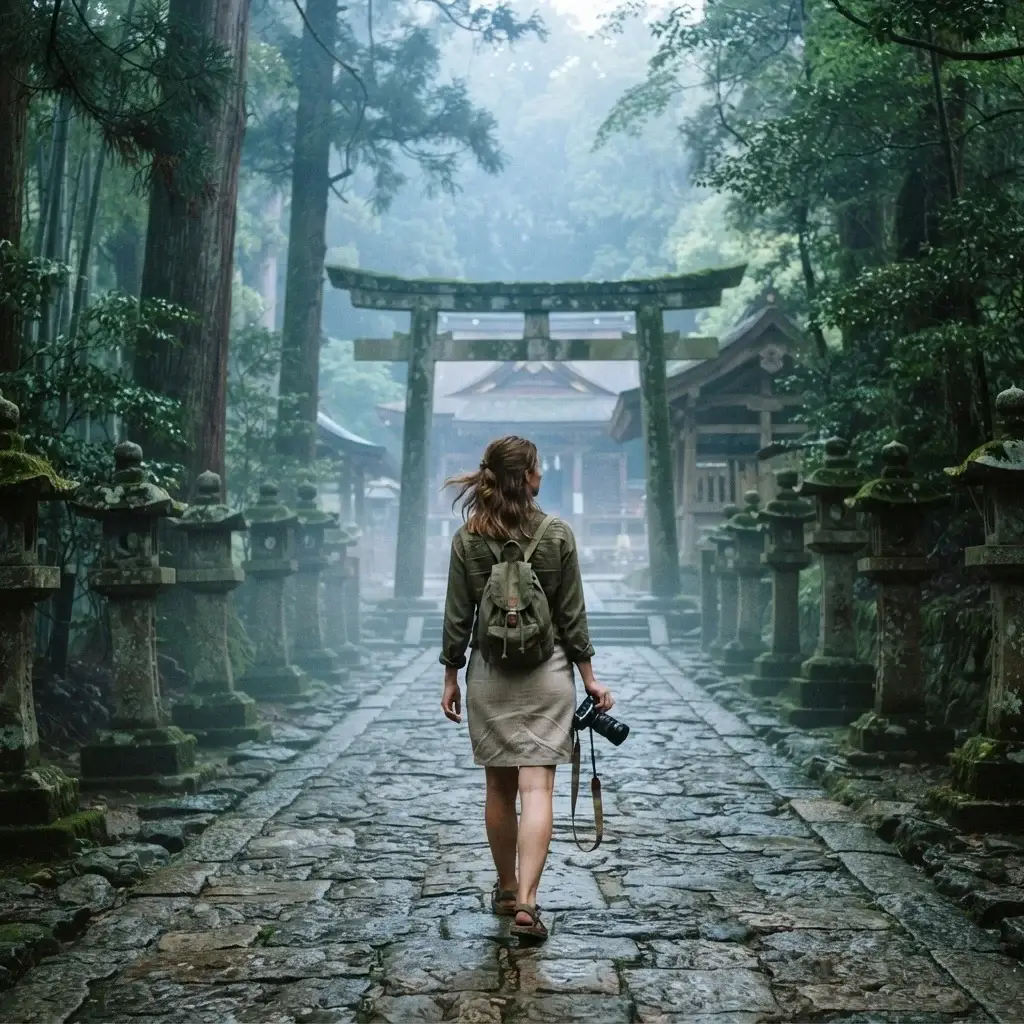
The Japan National Tourism Organization’s guide to solo travel in Japan describes it well: Japan consistently places in the top tier of global safety rankings, with crime rates that most countries can only dream of. Lost items frequently end up at local police boxes, called koban, which are stationed throughout every neighborhood. Walking alone at night in most urban areas in Japan is simply not the ordeal it can be elsewhere.
For adventure in the physical sense, Japan rewards those who get out of the major cities. Hike the Kumano Kodo pilgrimage trails in Wakayama. Ski the legendary powder slopes of Hokkaido in winter. Kayak the coastline of the Seto Inland Sea. The country is geographically dramatic in ways that most travelers never discover because they spend their entire trip between Tokyo and Kyoto.
Practical entry note: US citizens can enter Japan visa-free for up to 90 days for tourism, no application required.
What to eat solo in Japan: pull up a stool at a standing ramen counter, order a bowl of tonkotsu, and just be present. That experience alone is worth the flight.
Adventure type: Cultural immersion, urban exploration, outdoor hiking, winter sports, solo confidence-building. Excellent first-country choice.
New Zealand: The Adventure Capital That Earns Its Reputation
If Japan is where you learn that solo travel is manageable, New Zealand is where you learn that it is extraordinary.
New Zealand ranked second on the Global Peace Index 2025, placing it among the most peaceful nations on earth. But what makes it special for solo adventurers is not just the safety score. It is the fact that the entire country feels purpose-built for people who want to experience nature at full intensity, on their own terms.
Queenstown, on the South Island, is legitimately the adventure capital of the world, and that title is earned rather than marketed. The world’s first commercial bungee jump happened at the Kawarau Bridge just outside the city in 1988, and adventure sports have only expanded from there. You can white-water raft the Shotover River, paraglide above the Remarkables mountain range, or jet-boat through the Kawarau Gorge, all within about an hour of the city center. Solo travelers do all of this regularly. You will not be the only person showing up alone.
But New Zealand’s deeper adventure is the landscape itself. The Milford Sound in Fiordland is one of those places that genuinely stops people mid-sentence. The Tongariro Alpine Crossing on the North Island, often described as the best single-day hike in the world, puts you through volcanic terrain, past emerald crater lakes, and across alien-looking ridgelines that will make you feel very small in the best possible way.

The hostel culture in New Zealand is excellent for solo travelers. Most hostels have communal kitchens where conversations happen naturally and day-trip companions form over breakfast. You will not be short of people to share an adventure with if you want company, and you will never feel pressured to find it if you do not.
Entry note: Most travelers from visa-waiver countries, including the US, need to apply for a New Zealand Electronic Travel Authority (NZeTA) before arrival. It is straightforward and inexpensive. You can apply through the official New Zealand Immigration NZeTA page, and it is valid for two years once approved, so the process is a one-time investment for repeat visitors.
What to eat: Try a proper hangi, a traditional Maori method of cooking food in an earth oven. Many cultural experiences in Rotorua include a hangi dinner and it is one of those meals that connects you to the place in a way that no restaurant review can prepare you for.
Adventure type: Extreme outdoor sports, hiking, cultural immersion, nature-based exploration. Great for all experience levels.
Vietnam: Low Cost, High Reward, Genuinely Addictive
Vietnam is the country that solo adventure travelers talk about differently than they talk about anywhere else. Not just fondly, but with a specific kind of energy, like they are still slightly surprised it was as good as it was.
From what solo travelers consistently report, Vietnam rewards those who push past the obvious path. Yes, Ha Long Bay is genuinely beautiful and worth doing. But the real adventure happens when you rent a motorbike and ride the Ha Giang Loop in the country’s northernmost mountains. It is a roughly 350-kilometer route through some of the most dramatic mountain scenery in all of Southeast Asia, past rice terraces carved into limestone cliffs, through ethnic minority villages, and along roads that wind so tightly you will be gripping the handlebars hard. You do not need to be an experienced rider to do it. You do need to be comfortable with not having a plan for every hour.
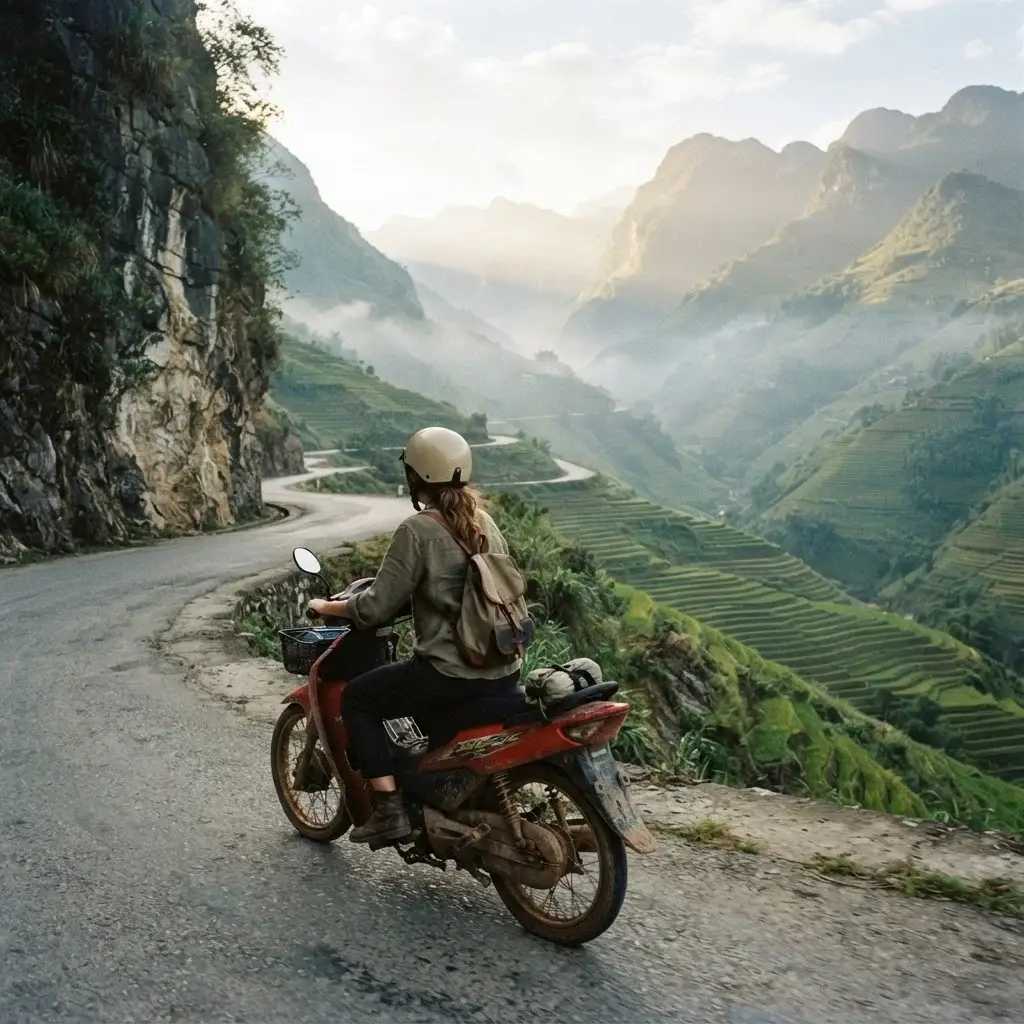
Getting into Vietnam is simple. US citizens can apply for an e-visa through Vietnam’s official government portal at evisa.gov.vn, valid for up to 90 days. Single entry costs $25, multiple entry costs $50. Budget reality: a solo backpacker can travel comfortably on around $33 per day, covering a hostel dorm, cheap local meals, and transport. Mid-range travelers averaging a private room and the occasional organized tour can expect around $60-70 per day.
The food situation in Vietnam is one of the genuine highlights of solo travel anywhere. Street food culture means you will eat some of your best meals at a plastic stool on a sidewalk next to strangers who become brief companions. Bun bo Hue, the spicier, richer northern cousin of pho. Banh mi from a cart outside a market at 7am. Fresh spring rolls in Hoi An. Com tam, broken rice with grilled pork, in Saigon. Eating alone in Vietnam is never actually eating alone.
The solo travel community in Vietnam is large and welcoming. Hostels in Hanoi, Da Nang, and Ho Chi Minh City regularly organize day trips, pub crawls, and cooking classes that make it easy to connect with other travelers without effort.
Adventure type: Motorbike routes, kayaking, cultural immersion, street food exploration, budget adventure. Best suited for travelers with at least a little prior solo experience.
Peru: Where Adventure Becomes Something Deeper
Peru is the kind of trip that people describe as life-changing in a way that does not feel exaggerated once you have been there. The ruins, the altitude, the landscape, the people, the food, the sheer geological drama of the place, it all adds up to something that is harder to shake than most destinations.
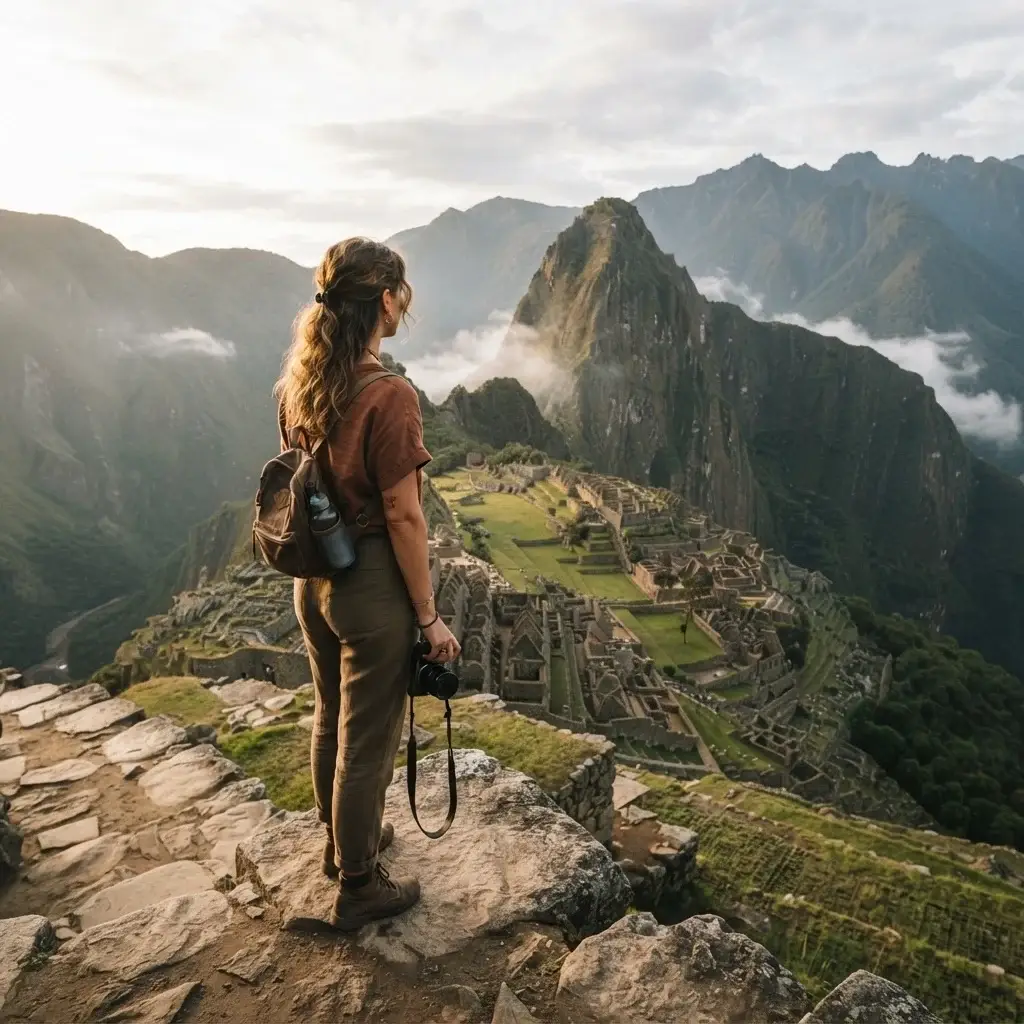
Machu Picchu is the centerpiece and it earns its reputation completely. Solo travelers arrive there and frequently describe the same thing: standing in those ruins, looking out over the cloud forest, they feel something that is difficult to name. Whether you are into history, archaeology, spiritual experiences, or just jaw-dropping views, it delivers. The practical reality is that you need to plan ahead. Machu Picchu entrance tickets must be booked in advance through the official Peruvian Ministry of Culture platform at machupicchu.gob.pe, and slots fill up months before peak season. Book early. This is not a show-up-and-go situation.
Beyond Machu Picchu, Cusco deserves far more time than most itineraries give it. The city sits at 3,400 meters (11,200 feet), so give yourself two or three days at altitude before attempting any major hikes. Cusco’s Plaza de Armas is one of the most beautiful central squares in all of South America. The San Pedro market is where locals actually shop, and wandering it alone with no specific goal is one of the best ways to spend a morning anywhere.
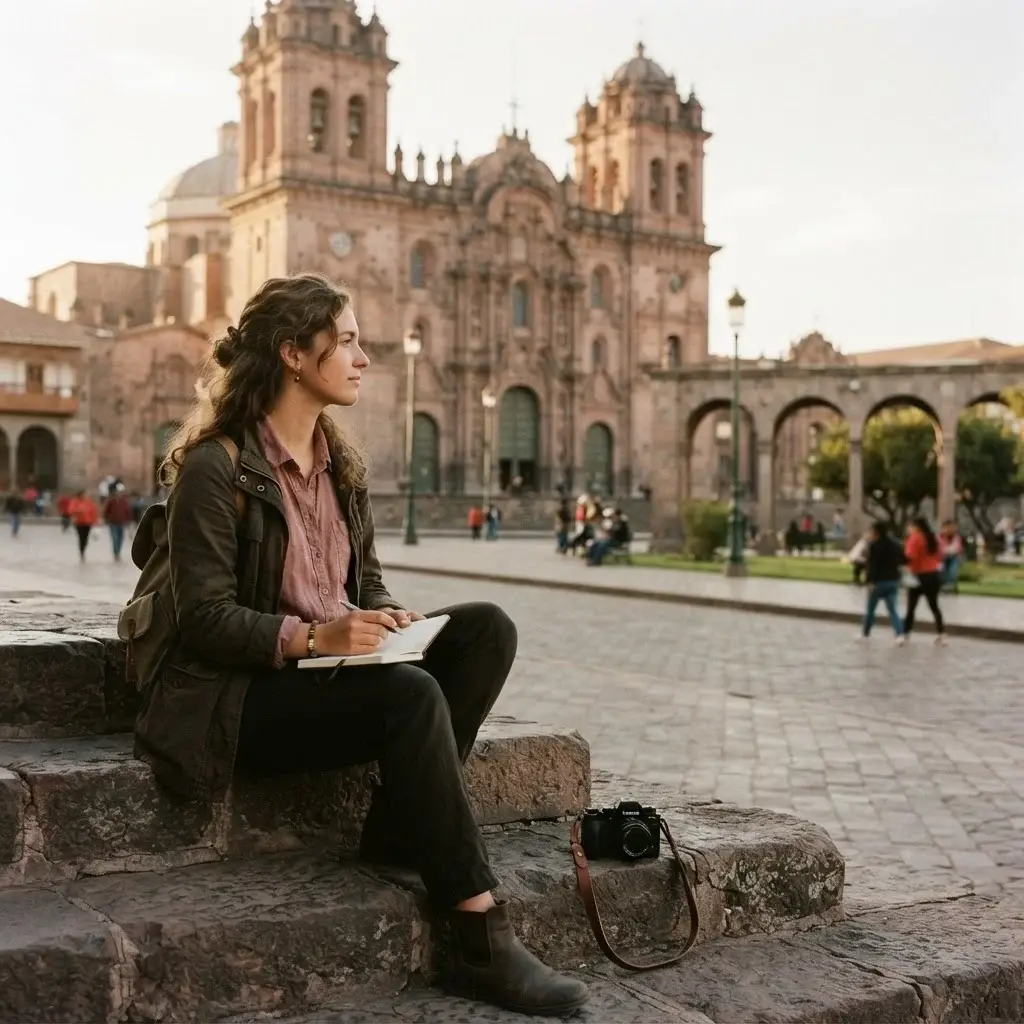
For more adventurous solo travelers, the Salkantay Trek to Machu Picchu is a five-day route through cloud forests, Andean passes, and remote mountain villages that puts you at the ruins from the back entrance at dawn, before most of the day-trippers arrive. It is genuinely one of the most spectacular hiking experiences in the world.
Safety in Peru requires the same mindset as any destination with urban centers. The main tourist areas in Cusco and Lima’s Miraflores district are busy and generally safe with normal precautions. Avoid showing expensive gear, be aware of your surroundings at night, and do your research on specific neighborhoods before wandering.
What to eat: Ceviche in Lima changed how I think about food. Actually, scratch that. I need to be honest here: everything I know about Lima’s ceviche comes from what solo travelers have told me, not from personal experience. But the consensus is consistent and overwhelming. Lima has become one of the world’s great food cities, and eating solo at a cevicheria is an absolute priority.
Adventure type: Trekking, high-altitude hiking, archaeological exploration, cultural immersion, personal growth. Best for travelers with some solo experience and moderate fitness.
Colombia: The Country That Rewrites What You Expect
There is a version of Colombia that people know from old headlines and a version they discover when they actually arrive. The gap between the two is enormous, and most solo travelers who visit come back with the same observation: I wish I had gone sooner.
Medellin is the city that transformed most visibly. Once notorious, now it is one of the most creatively energized cities in South America, with a thriving food scene, excellent public infrastructure including a metro and cable-car system that climbs the surrounding hillsides, and a population that is genuinely warm toward visitors. The neighborhood of El Poblado is where most travelers base themselves and it operates with the same ease as any tourist-friendly neighborhood in Europe. Laureles and Envigado are equally welcoming for travelers wanting something slightly less touristy.
For adventure, Colombia’s geography is almost unfairly varied. The coffee-growing region of the Zona Cafetera offers some of the most beautiful rural landscapes on the continent, and you can tour working coffee farms and understand the entire process from soil to cup. Cartagena’s old walled city on the Caribbean coast is extraordinary at dusk when the light turns gold and the colonial buildings glow. The Cocora Valley outside of Salento is home to wax palms that grow to 60 meters tall, and hiking through them feels like walking through a scene from another century.
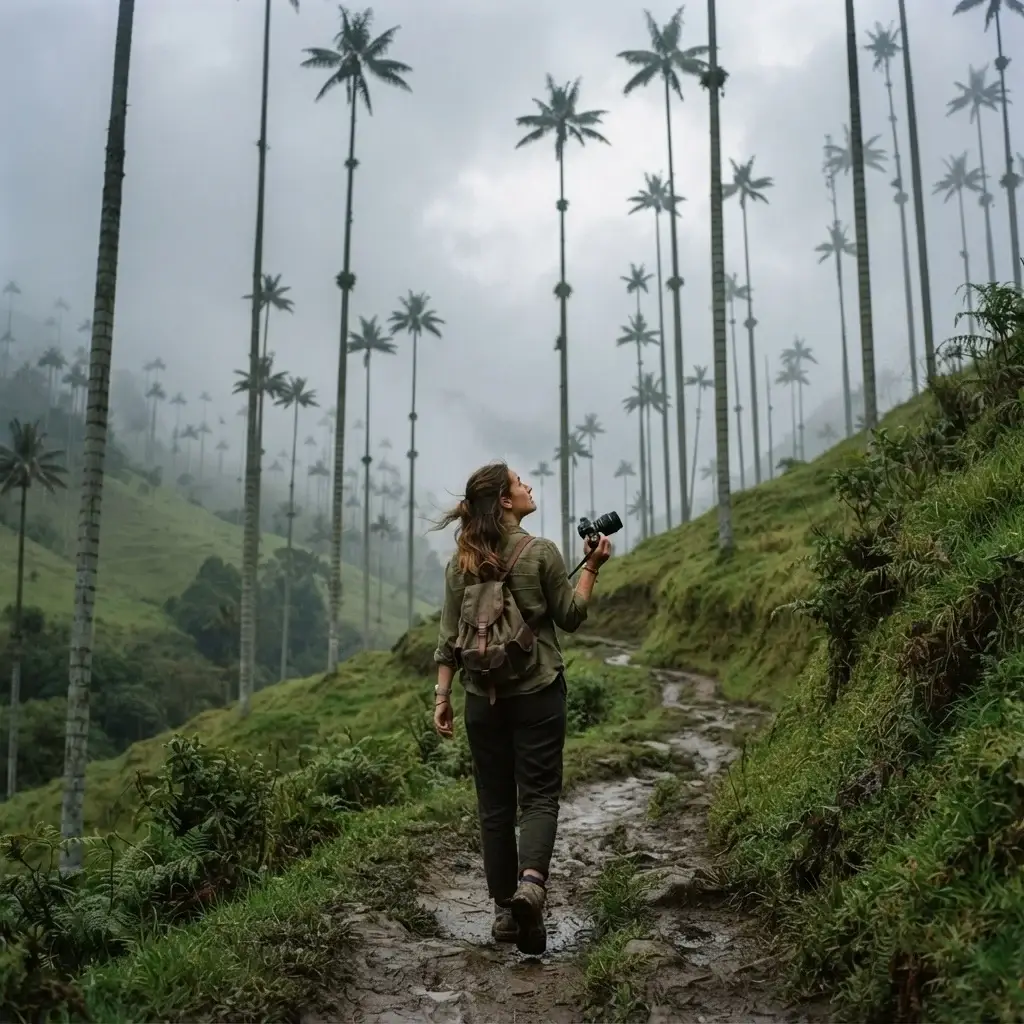
For a genuine taste of what Colombia offers and to plan a trip across its regions, the official Colombia tourism board is one of the most useful planning resources available, with detailed information across the country’s very different geographic zones.
A note on safety: The US State Department currently rates Colombia at a “Reconsider Travel” advisory due to certain regions. This sounds alarming but the key word is “certain regions.” The tourist areas that solo travelers visit, Medellin’s El Poblado, Cartagena’s old city, Salento, the Coffee Region, are well-traveled and routinely visited by solo travelers of all experience levels. Do your homework on specific areas, stay aware, and Colombia will likely become one of your favorite countries.
What to eat: Bandeja paisa, a mountainous plate of beans, rice, ground beef, chicharron, egg, and plantain that is both absurdly generous and genuinely delicious. Order it once and you will understand why Colombians are proud of it.
Adventure type: Urban exploration, coffee region trekking, coastal culture, outdoor hiking, food and cultural immersion. Rewarding for travelers with some experience and a genuine sense of curiosity.
A Word About Thailand (And What I Actually Know)
You will notice Thailand is not on this list as a full entry even though it appears on nearly every other solo travel list in existence. There is a reason for that, and it is personal.
I lived in Thailand for a period teaching English, so I know the country from the inside in a way that is different from a standard two-week trip. I know the warmth of Thai culture and the generosity of the people I worked alongside. I know that the food is extraordinary in a way that changes how you cook when you get home. I know that even small towns in rural Thailand have a hospitality that makes you feel genuinely welcomed rather than just financially useful as a tourist.
Thailand absolutely belongs on any honest list of great solo travel destinations. The transport infrastructure is solid, the backpacker community is large and easy to join, the costs are low, and the country offers everything from beaches and islands to mountain villages and ancient temples depending on where you point yourself. If you are a first-time solo traveler and Southeast Asia is where you want to start, Thailand is a natural entry point.
What I would add, because most lists do not say it: the experience of teaching or doing any kind of meaningful work in a place transforms how you understand it. If you can find a way to stay longer and do something real rather than just consume, Thailand rewards that approach more than almost anywhere I have been.
How to Actually Choose Where to Start
The country matters less than people think, and the decision to go matters more than anything. I spent a long time waiting for the right trip, the right time, the right budget, the right amount of confidence. None of those things arrived on their own. They arrived because I booked the flight.
That said, here is a simple framework for matching yourself to a destination. If you have never traveled solo and feel genuinely nervous about the idea, start with Japan or New Zealand. The infrastructure is forgiving, the safety environment is excellent, and both countries offer enough novelty to feel like a real adventure without overwhelming you. If you have some solo travel experience and want to push further, Vietnam and Peru will reward you generously. If you are comfortable in your own skin on the road and want cultural depth combined with some logistical complexity, Colombia opens up something that is harder to find on the more-traveled circuit.
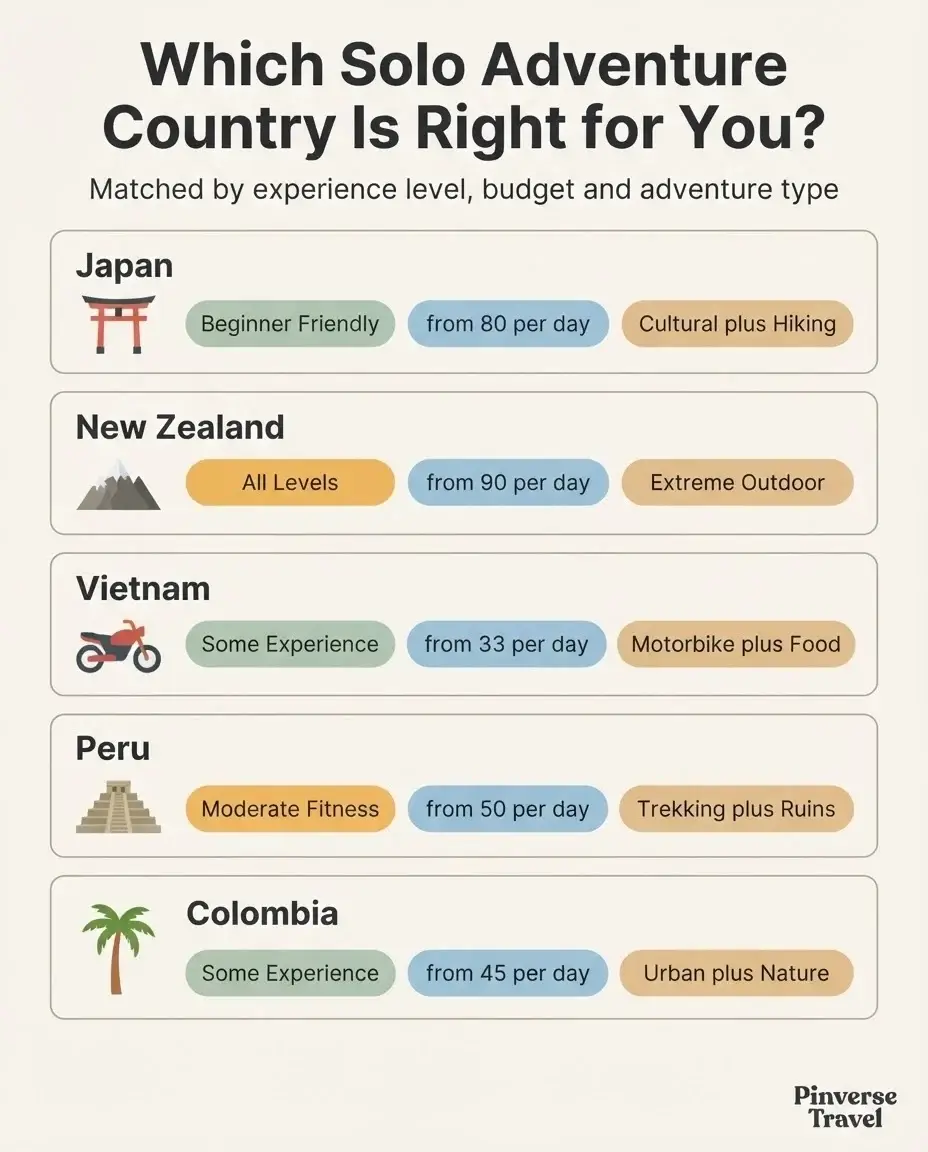
Every single one of these countries will teach you something that you could not have learned any other way. That is the thing about solo adventure travel that nobody can tell you in advance but that every solo traveler understands after: you do not just learn about the place. You learn about yourself. And that is what makes it worth going.
Stop waiting for the perfect moment. Book the trip. The confidence you are waiting to feel before you go is actually waiting for you on the other side of departure.