I remember what it felt like to stare at a map and feel completely overwhelmed by possibility. When you are planning a first real trip and the Americas stretch from the Arctic to Patagonia, every choice feels enormous. What if you pick somewhere too complicated? Too dangerous? What if you choose a place everyone raves about and it just does not live up to the hype?
Here is what I want to tell you before we get into any of it: the destination matters less than you think, and your readiness matters more than you realize. The Americas have some of the most rewarding, accessible, and genuinely transformative travel experiences on the planet. The trick is knowing where your first chapter should begin.
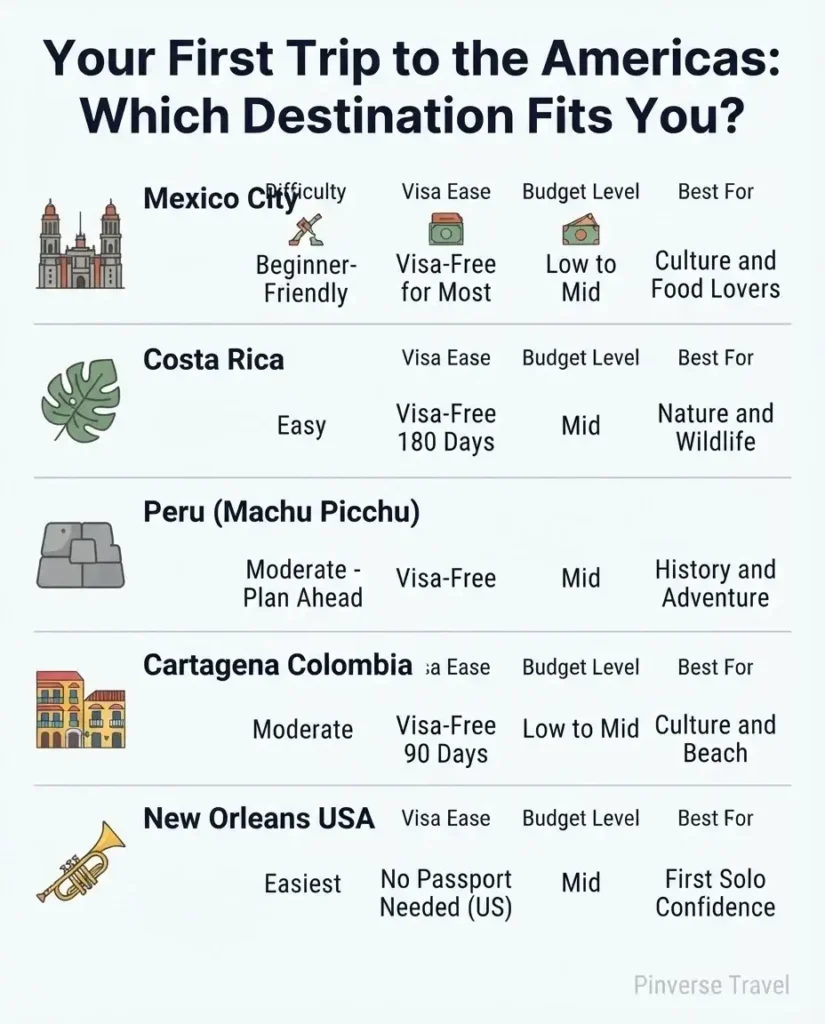
I have pulled together the places that consistently reward first-timers, the destinations where the infrastructure is solid, the culture is rich enough to feel real, and the learning curve is manageable. I have also been honest about what makes each one work, and what to watch out for, because travel that sets you up for success is better than travel that shakes your confidence before you have even found it.
Let’s get into it.
How to Think About Choosing Your First Americas Destination
Before I walk you through each place, it helps to understand what makes a destination beginner-friendly. It is not about ease in the sense of having everything feel like home. It is about three things working together: navigable transport so you can get around independently, enough traveler infrastructure that you do not have to solve every logistical puzzle from scratch, and a cultural richness that makes the experience feel genuinely meaningful.
The Americas also span wildly different contexts. A first trip within North America (say, New Orleans for an American who has never traveled independently) is a very different experience from a first trip abroad to Peru or Costa Rica. Both are valid starting points. I have included both here, because the best first destination is the one that matches where you currently are, not where you think you should be.
Mexico City: More Accessible Than Its Reputation Suggests
Mexico City might be the single most underrated first destination in the Western Hemisphere for travelers willing to think past the headlines. The city is a sprawling, chaotic, deeply layered cultural powerhouse with world-class museums, extraordinary food, colonial architecture beside ancient ruins, and a neighborhood-level diversity that could fill weeks of exploration.
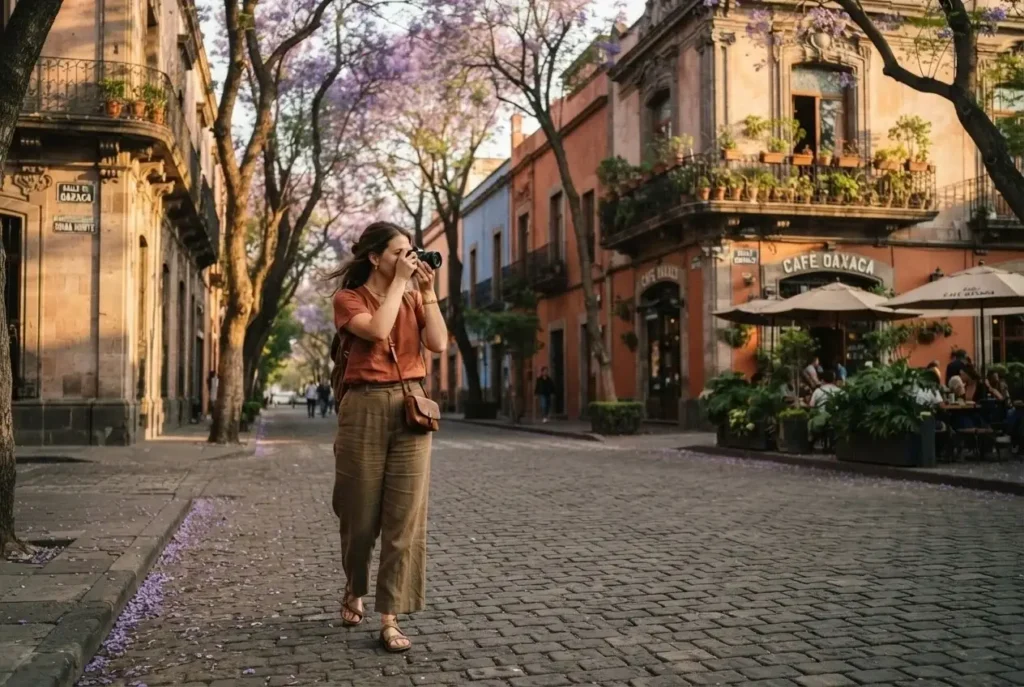
The thing first-timers get wrong about Mexico City is that they treat the whole city as a single risk to assess rather than a collection of very different neighborhoods. Stay in Roma, Condesa, Polanco, or Coyoacan and you are in areas with excellent restaurants, safe street life, and a thriving solo traveler community. These neighborhoods genuinely feel welcoming and navigable on foot.
Getting around is straightforward once you understand the system. The Mexico City Metro is one of the largest subway networks in Latin America, running 12 lines to nearly 200 stations with a fare of just 5 pesos per ride. The city also has Metrobus, Ecobici bike sharing, and fully legal ride-hailing apps including Uber and DiDi. For a first-timer, I recommend using the Metro during off-peak hours for the experience of it, and Uber when you are tired or carrying your bag. Avoid hailing random taxis off the street.
The food alone is worth the trip. In Mexico City, eat your way through tacos de canasta from street carts, sip mezcal in a Condesa bar, try tlayudas if you take a day trip to Oaxaca, and do not leave without eating at a neighborhood fondas (a home-style lunch spot) at least once. Lunch is the main meal of the day here and a three-course comida corrida (set lunch) at a local fonda typically costs under USD 5.
The Zocalo and the Templo Mayor ruins are genuinely remarkable to walk around, especially when you understand that you are standing on the literal foundations of the Aztec capital Tenochtitlan, a civilization the Spanish built their colonial city directly on top of.
Best time to visit: October through April avoids the rainy season and the worst of summer heat. The city sits at 2,240 meters so the air can feel thin for the first day or two. Drink water, take it slow on day one, and you will acclimatize quickly.
Costa Rica: The Gateway to Central America and Natural Immersion
If your dream involves dense jungle, volcanic peaks, wildlife you cannot find anywhere else, and the kind of nature that resets your nervous system, Costa Rica is the place to start in Central America. It has earned its reputation as one of the most beginner-friendly destinations in the region and for good reason: the tourism infrastructure is strong, English is widely spoken in tourist areas, the roads connecting major destinations are paved, and the country has a genuine culture of environmental stewardship that shapes how travel feels here.
From what solo travelers consistently report, Costa Rica offers something rare: a place where you can genuinely lose yourself in nature without losing your sense of safety or your ability to plan a coherent trip. The country has over 25 national parks and biological reserves covering roughly a quarter of its land area, so no matter where you go, serious natural beauty is close by.
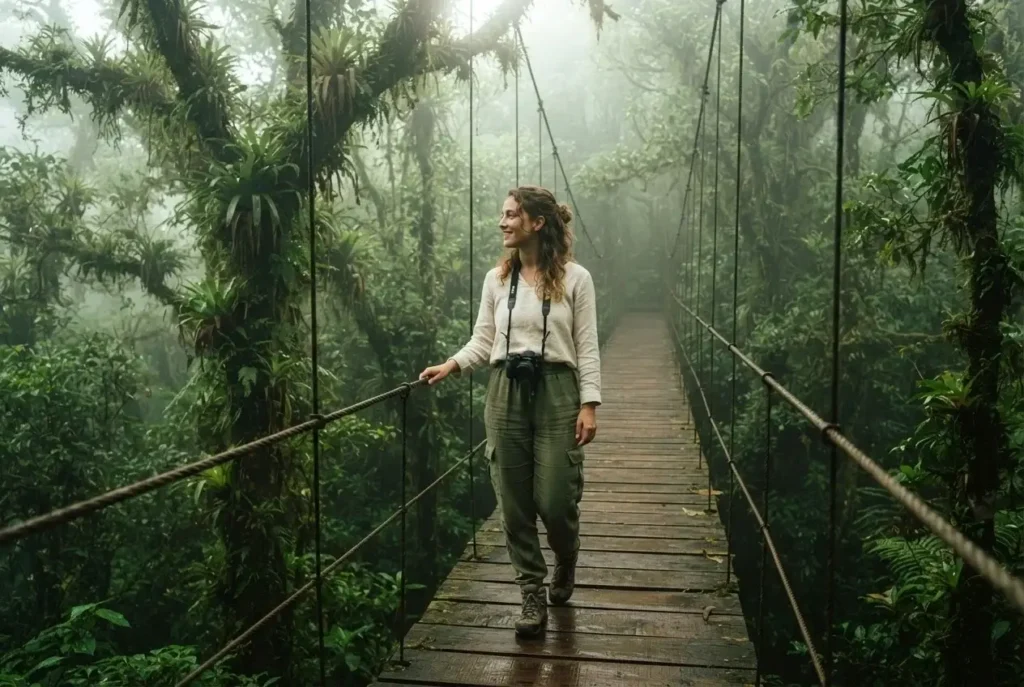
A solid first-timer’s route moves from San Jose (spend a day or two in the capital to get your bearings) to the Arenal Volcano area, then down to one of the Pacific coast beaches like Samara, Tamarindo, or the more chilled-out Nosara. The Monteverde cloud forest is worth the detour if you can handle mountain roads, and the Osa Peninsula on the southern Pacific coast is for when you are ready for something wilder on a return trip.
Entry is easy for most travelers. According to the official Visit Costa Rica entry requirements, most nationals from the US, Canada, UK, EU, and Australia can enter visa-free for up to 180 days and need to show proof of onward travel and minimum funds of around USD 100. Your passport needs to be valid for the duration of your stay.
What to eat: gallo pinto (rice and beans fried together, eaten at breakfast), casado (a plate lunch with rice, beans, salad, plantains, and your choice of protein), fresh ceviche on the coast, and agua dulce (a sweet hot drink made from raw cane sugar) in the highlands. Eat at a soda (a small family-run Costa Rican restaurant) whenever you can. The food will be better and cheaper than the tourist-facing spots.
The main frustration for first-timers is transport. Public buses are cheap and fairly reliable between major towns but slow. Shuttle services connecting tourist destinations cost more but save enormous time and stress. For a first trip, I would book a shuttle for at least your longest legs, such as San Jose to Arenal or Arenal to the coast.
Peru and Machu Picchu: The Trip That Earns Its Reputation
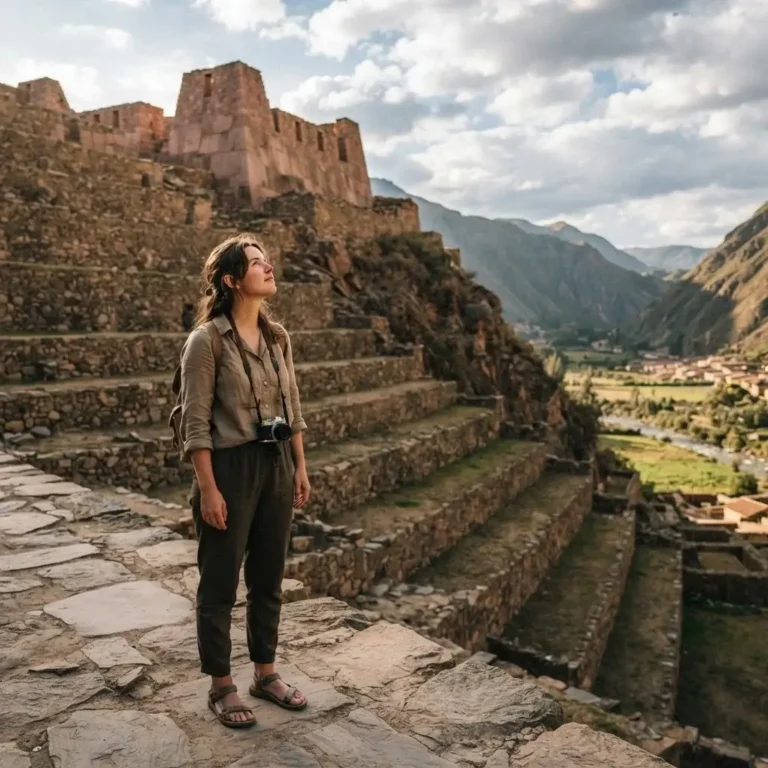
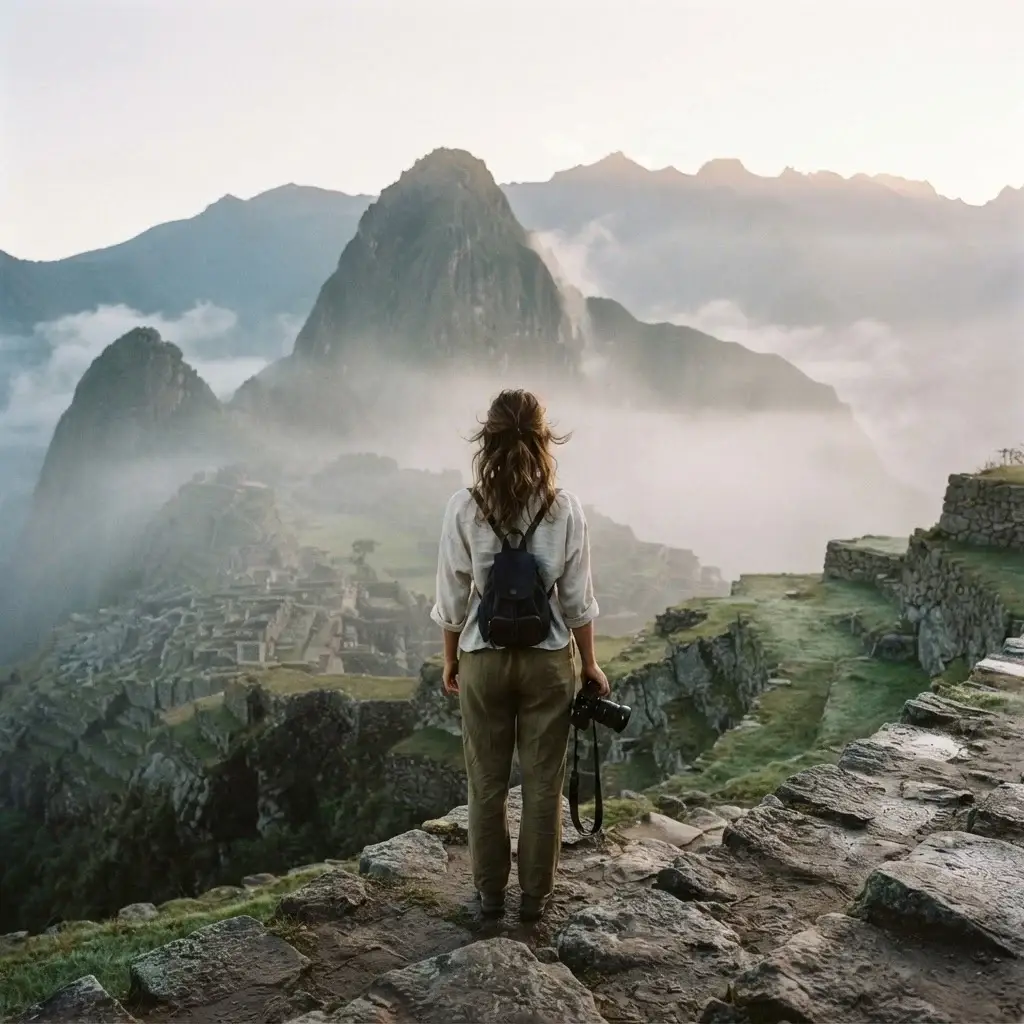
Some destinations earn their hype and Machu Picchu is genuinely one of them. The Historic Sanctuary of Machu Picchu is a UNESCO World Heritage Site recognized for both its extraordinary cultural significance as a masterpiece of Incan architecture and its remarkable natural biodiversity, sitting at more than 2,400 meters where the Andes meet the edge of the Amazon basin. Words like “stunning” get overused in travel writing, but standing above those stone terraces in the early morning light is the kind of moment that actually changes the way you think about human capacity and the passage of time.
Peru as a first destination requires a little more planning than Costa Rica or Mexico City, but it absolutely rewards the effort. The key is understanding a few things before you go.
Start in Lima, not Cusco. Lima is a sprawling, cosmopolitan city at sea level, and spending two to three days there before flying to Cusco lets your body begin adjusting to the idea of altitude before the real challenge begins. Cusco sits at 3,400 meters above sea level. Altitude sickness is real, affects around a third of visitors to some degree, and arriving directly from sea level without any acclimatization is the single most common first-timer mistake in Peru. Spend at least two full days in Cusco doing very little before you attempt any serious hiking.
Locals will offer you coca tea immediately upon arrival. Drink it. It is not a cure but it genuinely helps with the initial symptoms of headache and fatigue. Stay hydrated, avoid alcohol for the first 48 hours, and eat lightly.
For the logistics: US citizens need no tourist visa and are permitted to stay up to 183 days on a tourist visit, with a passport valid for at least six months from entry, confirmed by the US State Department’s Peru travel page. Machu Picchu tickets must be booked online in advance through the official Peruvian government ticketing platform. Adult foreign visitor tickets run approximately USD 40 (S/152) and the site books up weeks, sometimes months in advance during peak season (April to October). Do not assume you can buy at the gate.
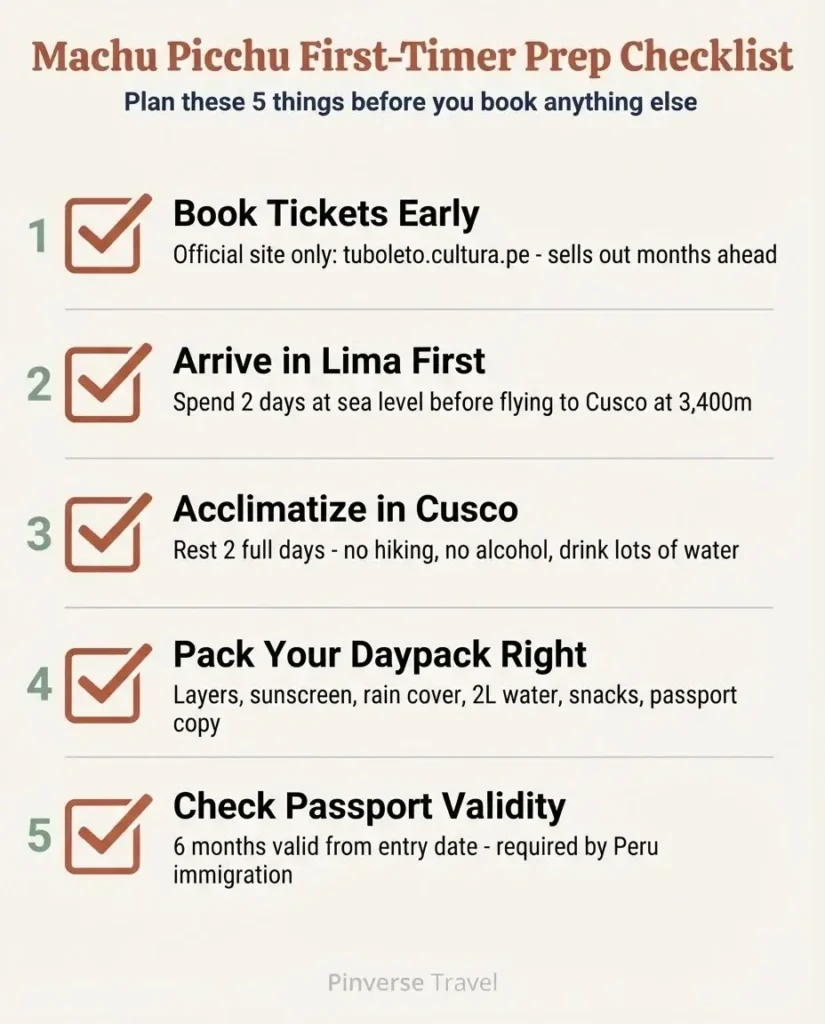
Head to the official Machu Picchu ticket information page as early as possible in your planning.
What to eat in Peru: ceviche (Peru’s ceviche is different from anything you will find elsewhere, sharper and more complex), lomo saltado (a stir-fried beef dish with a Chinese-Peruvian fusion history), causa (a cold layered potato dish), and chicharron (fried pork served with sweet potato and salsa criolla). In Cusco specifically, try alpaca steak. In the Sacred Valley, look for trucha (fresh trout from the mountain rivers).
The Sacred Valley, the villages of Pisac and Ollantaytambo, and the alternative Inca Trail options like the Salkantay Trek for those who want a serious hiking experience are all worth building into a Peru itinerary. Peru rewards slow travel.
Colombia and Cartagena: The One That Surprises First-Timers the Most
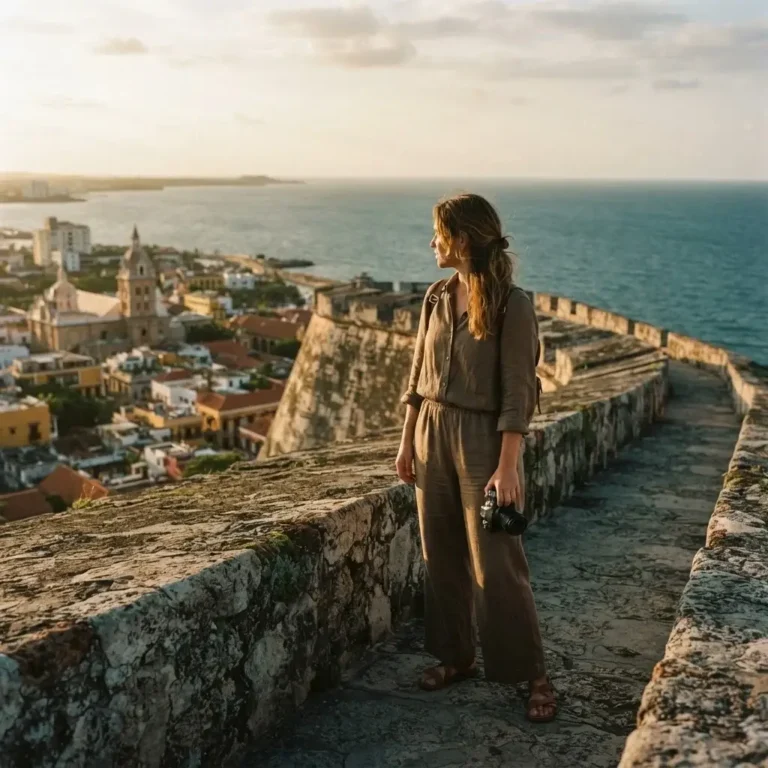
Colombia tends to make first-timers nervous, and I understand why. The country’s history and its overall travel advisory carry a weight that can feel discouraging. But here is the honest picture: Cartagena’s walled old city, known as the Ciudad Amurallada, is one of the most beautiful urban spaces in the Americas and one of the safer tourist environments in the country. Travelers from all over the world consistently come back from Cartagena saying the same thing: they were surprised by how manageable and remarkable it was.
The walled city is compact, colorful, and endlessly walkable. The colonial architecture, the street vendors, the sound of cumbia drifting from a courtyard bar at sunset, the Caribbean heat, the salsa spilling out of windows: it all hits differently in person than it sounds on paper.
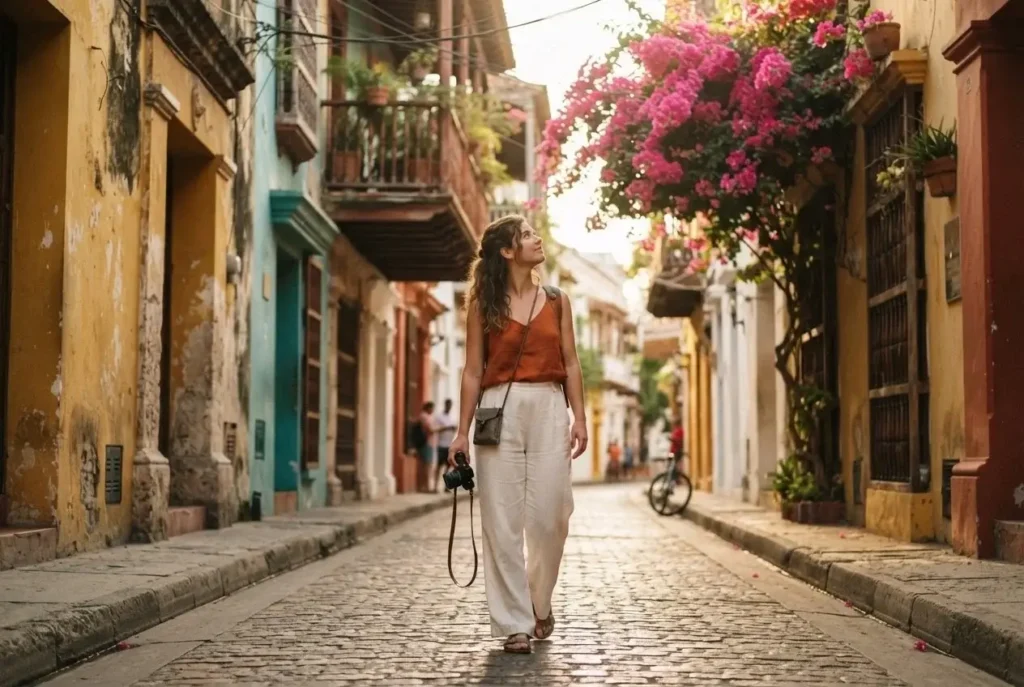
Getsemani, the neighborhood just outside the walls, is where local life and art culture mix, with murals covering every block and restaurants serving authentic Colombian food at local prices.
The standard precautions apply here as they do anywhere: use Uber rather than unmarked taxis, keep your phone out of sight on the street, be attentive in crowds, and stick to well-lit areas at night. Common sense is the framework. US citizens do not need a tourist visa for stays up to 90 days.
What to eat in Cartagena: arepas de choclo (sweet corn arepas), fresh seafood ceviche, bandeja paisa (a massive platter of beans, rice, chicharron, egg, and plantains), and coco lemonade from street vendors. Eat your main meals away from the tourist-facing plazas inside the walls for significantly better value and more authentic flavors.
Medellin is worth adding to a Colombia trip if you have the time. The city’s transformation over the past two decades is genuinely one of the more compelling urban stories anywhere in the world, and its Poblado and Laureles neighborhoods are well set up for first-time visitors.
New Orleans: The First Trip for First-Timers Who Think They Do Not Need One
This might seem like an unexpected inclusion but hear me out. New Orleans is one of the most culturally distinct places in North America, and for Americans who have never traveled independently, it is an extraordinary first lesson in what travel actually feels like when a place has its own identity, its own rhythm, and its own rules.
I grew up in New York, so I know something about cities with a personality. New Orleans is different from any other American city in a way that genuinely feels like arriving somewhere foreign. The architecture is French and Spanish Creole, the food has African, French, Spanish, and Native American roots, the music is a living tradition rather than a performance, and the relationship with time runs at a slower and more joyful pace than almost anywhere else in the US.
The official New Orleans tourism site is actually one of the most useful city tourism resources I have come across, with neighborhood guides, free things to do, and honest event listings that give you a real sense of what the city offers beyond the French Quarter party circuit.
What to eat: a proper bowl of gumbo, beignets from Cafe Du Monde (yes, it is touristy, yes it is still worth it), a po’boy from a neighborhood shop, red beans and rice on a Monday (a New Orleans tradition that dates back to wash day when beans cooked all day on the stove), and at least one meal at a genuine Creole restaurant away from Bourbon Street.
For a first-timer stepping into real independent travel, New Orleans teaches you how to navigate, eat adventurously, follow your curiosity through unfamiliar neighborhoods, and trust yourself. That is the same skill set you will use in Cartagena, Cusco, and everywhere else on this list.
A Few Honest Notes Before You Decide
No destination on this list is without its challenges, and I want to be straight with you about that. Peru requires planning ahead, especially for Machu Picchu tickets and altitude acclimatization. Colombia requires the kind of awareness you bring to any new city, just applied more consistently. Costa Rica can be expensive if you do not budget carefully, especially for transport and accommodation in popular areas. Mexico City rewards people who do their neighborhood research. New Orleans requires you to look beyond Bourbon Street.
The common thread in all of them is this: first-time travelers who treat these destinations with curiosity and basic preparation do not just survive them. They come back changed.
From everything solo travelers consistently report across decades of firsthand accounts, the trips that scared them most before they went were almost always the ones that grew them most after they returned. That is not a cliche. It is a pattern I have seen repeated over and over, and it is exactly why I want you to stop sitting on the plan and start building it.
You do not need the perfect itinerary. You need a destination, a date, and the decision to go.