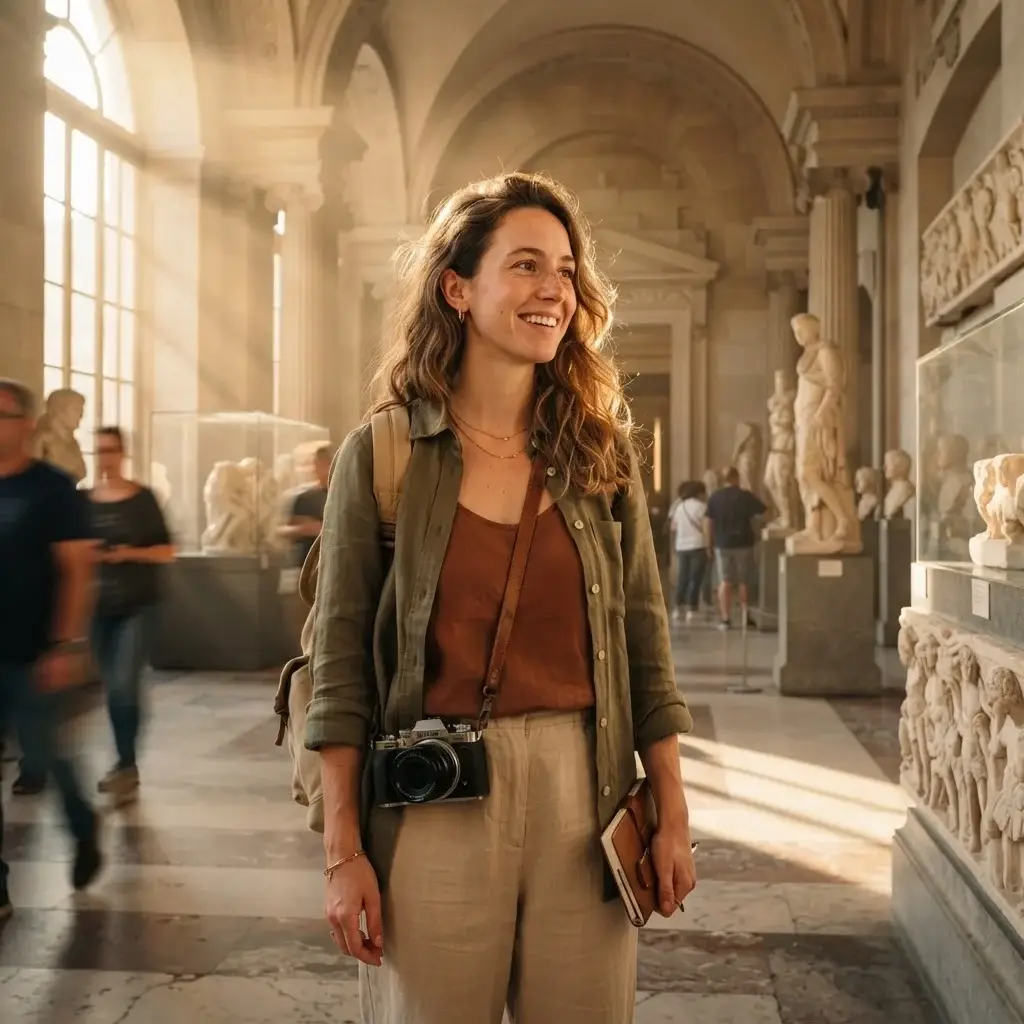
I used to work as a sightseeing guide in New York City. Every day, I watched thousands of excited travelers march into the Metropolitan Museum of Art. They had giant smiles at 9:00 AM. By noon? They looked like zombies. They were dragging their feet. Their eyes were glazed over. They were snapping at their travel partners.
They had a bad case of museum fatigue.
It broke my heart. People spend years saving money for a trip. They dream of seeing the Mona Lisa, the Rosetta Stone, or the ancient armor of samurai warriors. But because they try to see every single thing in a massive building, they end up feeling totally drained.
When I quit my corporate 9-to-5 job to travel the world full-time, I promised myself I would never travel like that. I had spent years in a rigid office routine. I wanted freedom. I wanted to soak in the culture, not race through it.
If you want to know how to see a city’s best museums without feeling like you just ran a marathon, you are in the right place. You do not need to be an art expert. You just need a smart plan. Here is my personal guide to enjoying museums at your own pace, keeping your energy high, and actually remembering what you saw.
The Trap of the Must-See List
When we plan a trip, we feel a lot of pressure. Society tells us that if you go to Paris, you must spend a whole day in the Louvre. If you go to London, you must see the British Museum.
Why We Get So Tired
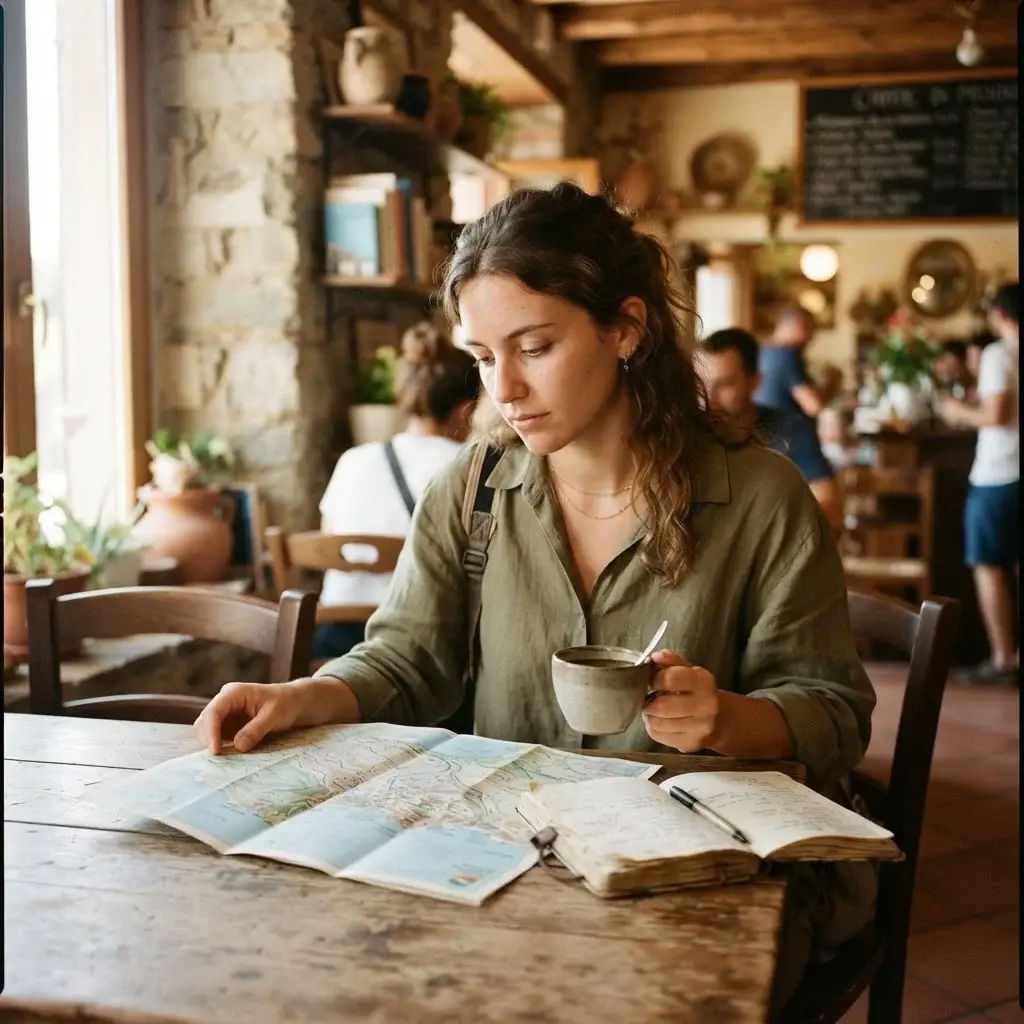
Walking on hard marble floors is hard on your body. But the real fatigue is mental. You are looking at thousands of objects. You are reading tiny text on the wall. Your brain gets overloaded with dates, names, and history. After about two hours, your brain simply stops making new memories. You stop caring. A priceless ancient vase just looks like an old cup.
My Corporate Detox Wake-Up Call
Before I started Pinverse Travel, I sat in a gray cubicle. I only had two weeks of vacation a year. When I finally took a trip to Rome, I acted like a crazy person. I woke up at 6:00 AM. I made a giant list of museums. I rushed from the Vatican to the Capitoline Museums. By the third day, I was crying in a gelateria because my feet hurt so bad.
That trip changed me. I realized that checking items off a list is not travel. It is just another job. I had left my office job to escape stress, not to bring it with me to Italy.
Pre-Trip Strategy: Choosing What Actually Matters
The secret to avoiding burnout starts before you even leave home. You have to be picky. You cannot see everything, and that is completely okay.
Map Out Your True Interests
Do not go to an art museum just because a guidebook says it is famous. If you love science, go to the science museum. If you love fashion, find a textile museum. If you are not sure what a city offers, it is very helpful to read a solid destination overview from Lonely Planet before you even book your flight. This will help you find the places that actually spark your curiosity.
When I lived with a host family in Ghana, I did not spend my days in giant, formal institutions. I visited small, local cultural centers. I learned more there than I ever could in a massive, crowded building. Follow your own interests, not society’s rules.
The Two-Hour Rule
This is my golden rule. Never spend more than two hours inside a museum. After two hours, you stop having fun.
Plan to arrive, see the top things you care about, and leave while you are still happy. Leave while you still have the energy to go find a great cup of coffee.
Timing is Everything: When to Walk Through the Doors
The time of day you visit will completely change how you feel. Crowds cause stress. Stress causes fatigue.
Beating the Morning Rush
Most tourists wake up, eat breakfast, and get to a museum around 10:30 AM. That is the worst time to go.
If you are an early bird, get to the museum 15 minutes before the doors open. Be the first one inside. Walk right past the first few rooms. Most people stop at the very first painting they see. Keep walking. Go deep into the museum while it is empty. You will get to enjoy the art in total peace.
The Magic of Late-Night Openings
Many major museums stay open late one night a week. This is my absolute favorite way to visit.
The loud tour groups are gone. The school kids have gone home. The lighting is softer. When I was backpacking alone across Europe, I used to go to museums on Friday nights. Wandering alone can feel daunting at first, but having reliable travel safety tips from World Nomads always gave me the peace of mind to just get lost in the art after dark. It feels like you have the whole place to yourself.
Physical Preparation and Museum Survival Gear
You have to treat a museum day like a light hike. You are going to be walking a lot, standing still, and dealing with varying temperatures.
Your Feet Are Your Best Asset
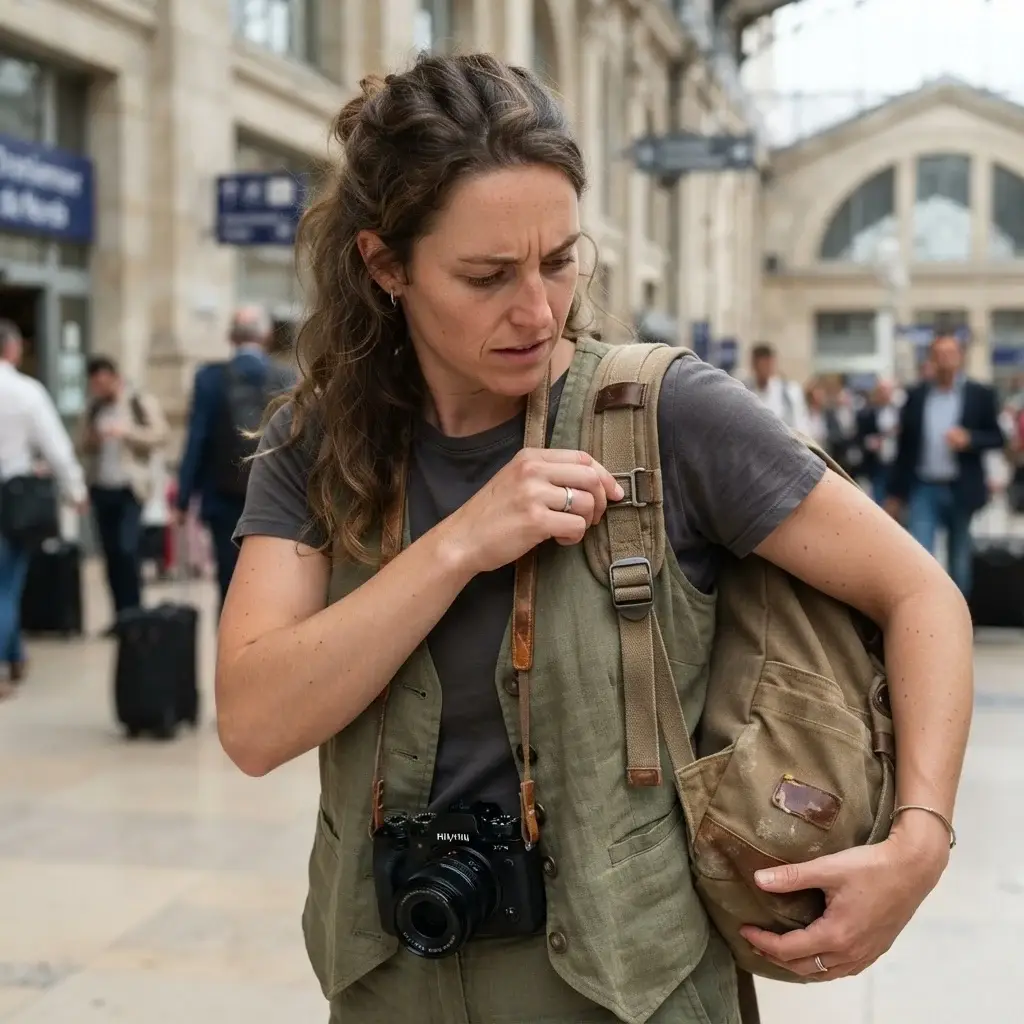
When I was waitressing to save money for my first big trip, I learned how to stand for eight hours a day. The secret is simple: wear thick, supportive shoes.
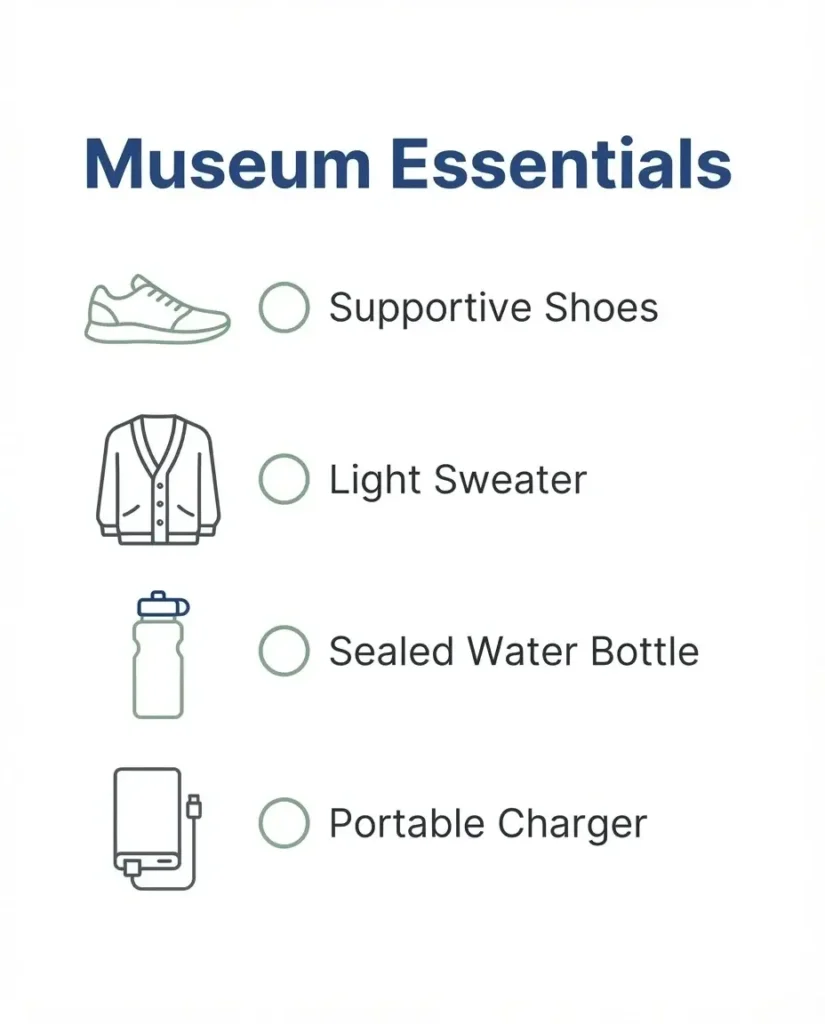
Do not wear cute, thin sandals. Do not wear brand-new shoes you have not broken in. Wear the ugliest, most comfortable walking shoes you own. Your feet will swell by the afternoon. Give them space.
Hydration and the Sneaky Cost of Standing
Standing still in front of a painting actually tires your legs out faster than walking at a steady pace. It cuts off your blood flow.
You also forget to drink water when you are distracted by cool exhibits. Before any major trip, especially in warm places, it never hurts to check the CDC Travelers’ Health guidelines to make sure you know the local rules for safe drinking water. Drink a huge glass of water before you go inside. Most museums will let you bring a small, sealed water bottle in your bag. Drink from it often.
What to Keep in Your Bag
Bring a small, lightweight daypack. Inside, pack:
- A light sweater (museums keep the air cold to protect the art).
- A small water bottle.
- Lip balm.
- Headphones.
- A portable phone charger.
Navigating the Massive Halls Like a Pro
Once you are inside, you need a plan of attack. Do not just wander aimlessly.
Grab the Map and Make a Hit List
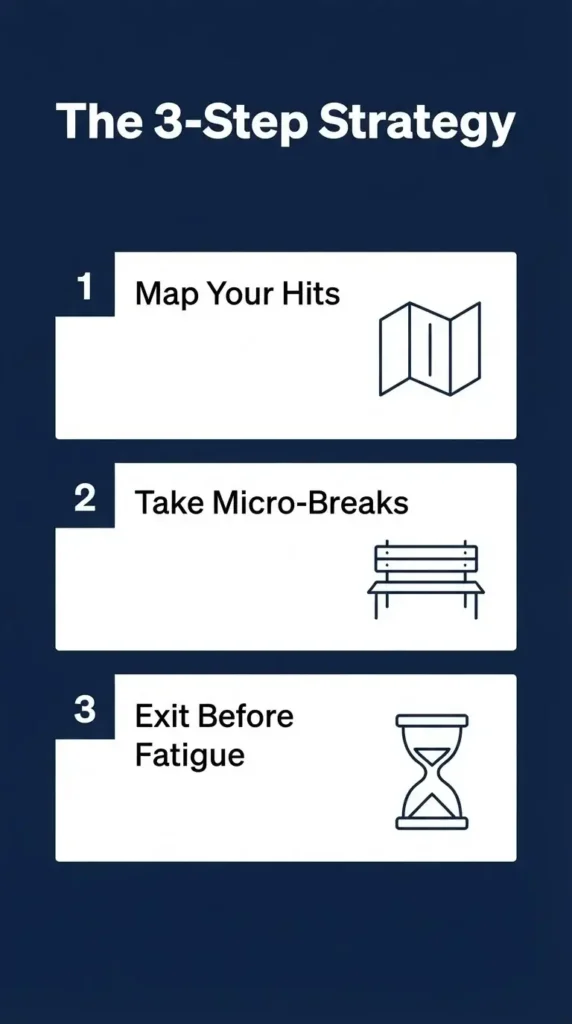
When you buy your ticket, take a paper map. Sit down on a bench near the entrance. Do not start walking yet.
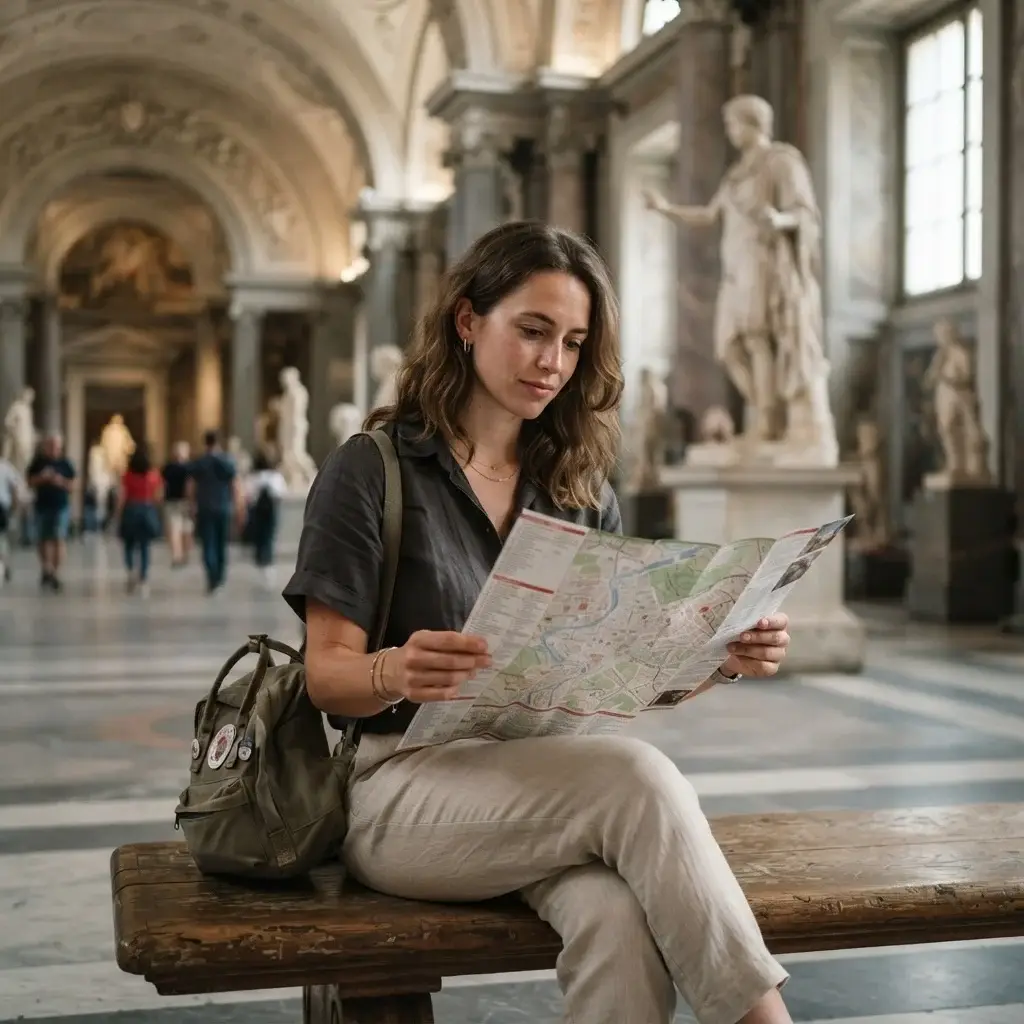
Look at the map. Pick three things you really want to see. Just three. Map out a path to find those three things.
When you focus on a small goal, you remove the pressure. You will pass plenty of other beautiful things on your way to your three goals. Stop and look at them. But knowing you only “have” to see three things makes the whole building feel much smaller and friendlier.
Understanding Cultural Context
Sometimes, an object means a lot more when you know where it came from. When I finally visited the Acropolis Museum in Athens, I made sure to check the official UNESCO World Heritage site beforehand to understand exactly how the artifacts fit into the ancient ruins sitting right outside the window. A little bit of background reading on your phone can bring dead stones back to life.
The Art of the Micro-Break
Do not wait until you are exhausted to sit down.
Every 30 minutes, find a bench. Sit down for five minutes. Close your eyes. Stop looking at things. Rest your feet. This tiny pause resets your brain. It keeps museum fatigue away for much longer.
Culinary Tips: What to Eat Before, During, and After
Travel is deeply tied to food. But eating right around a museum visit is a tactical game. If you eat the wrong thing, you will crash hard.
The Pre-Museum Power Breakfast
Do not eat a massive pile of sugary pancakes before a museum. You will get a sugar crash right when you reach the most important exhibit.
Eat protein and healthy fats. When I was teaching English in Thailand, I learned to eat savory foods for breakfast. If you ever visit the amazing museums in Bangkok, I always tell people to browse the Tourism Authority of Thailand guides to find out where the best local morning markets are located. A bowl of warm, protein-packed broth and noodles will give you steady energy for hours.
If you are in Europe or the US, go for eggs, avocado, or oatmeal. Skip the giant pastries until later.
Dodging Overpriced Cafeteria Food
Museum cafes are usually crowded, loud, and very expensive. The food is rarely good. It is mass-produced to feed thousands of people fast.
Do not plan to eat your main lunch inside the museum. It ruins the magic. Instead, eat a big breakfast, take a small snack in your bag (like almonds or a protein bar, if the rules allow it), and plan your real meal for after you leave.
Post-Museum Treats and Local Bites
When your two hours are up, walk out the door. You will feel a wave of relief. Now is the time to reward yourself.
Find a local cafe at least four blocks away from the museum. (The places right across the street are always tourist traps). Order a coffee, a glass of wine, or a sweet treat. Sit outside. Watch the people walk by. This is when you pull out your journal or just reflect on the amazing things you just saw.
If it is too hot outside and you simply cannot walk another step, don’t force it. When I travel in Asia and hit my physical limit, I highly recommend learning how the Grab app works for travelers so you can get a quick, air-conditioned ride straight to a great restaurant without getting lost in the heat.
Avoiding the Mental Fog
How do you actually look at the art without getting bored? You have to change how you interact with it.
Read Less, Look More
The biggest mistake people make is reading every single text panel on the wall.
Reading takes a lot of mental energy. It pulls you out of the moment. Instead of reading the tiny black text, look at the object. What do you notice? What colors do you see? How does it make you feel?
Look first. Spend a full minute just looking. Only read the little card if you are still curious after looking at it.
The Power of Guided Audio
I used to hate audio guides. I thought they were boring. But a good audio guide actually saves your energy.
You do not have to read. You can just look at a beautiful painting while someone tells you a story in your ear. It blocks out the noise of the crowds around you. It creates a private bubble.
Better yet, download a podcast or a guided tour app on your own phone before you go. Plug your own headphones in. It makes the experience deeply personal.
Solo Travel Museum Tactics
I truly believe that going to a museum alone is one of the best ways to build travel confidence. It is a completely different experience than going with a group.
The Freedom to Just Walk Away
When you are traveling with family or friends, there is always a compromise. Someone wants to see the mummies, someone else wants to see the modern art, and someone else is hungry.
When you are alone, you hold all the power. If you walk into a room filled with old coins and realize you are bored, you can just turn around and walk out. You do not have to explain it to anyone. You do not have to apologize. This freedom is incredibly empowering.
Finding Your Own Pace
Solo travel lets you move exactly as fast or as slow as your body wants.
If you want to stare at a single painting by Van Gogh for forty-five minutes, you can. If you want to breeze through the whole ancient Egypt wing in ten minutes, you can do that too.
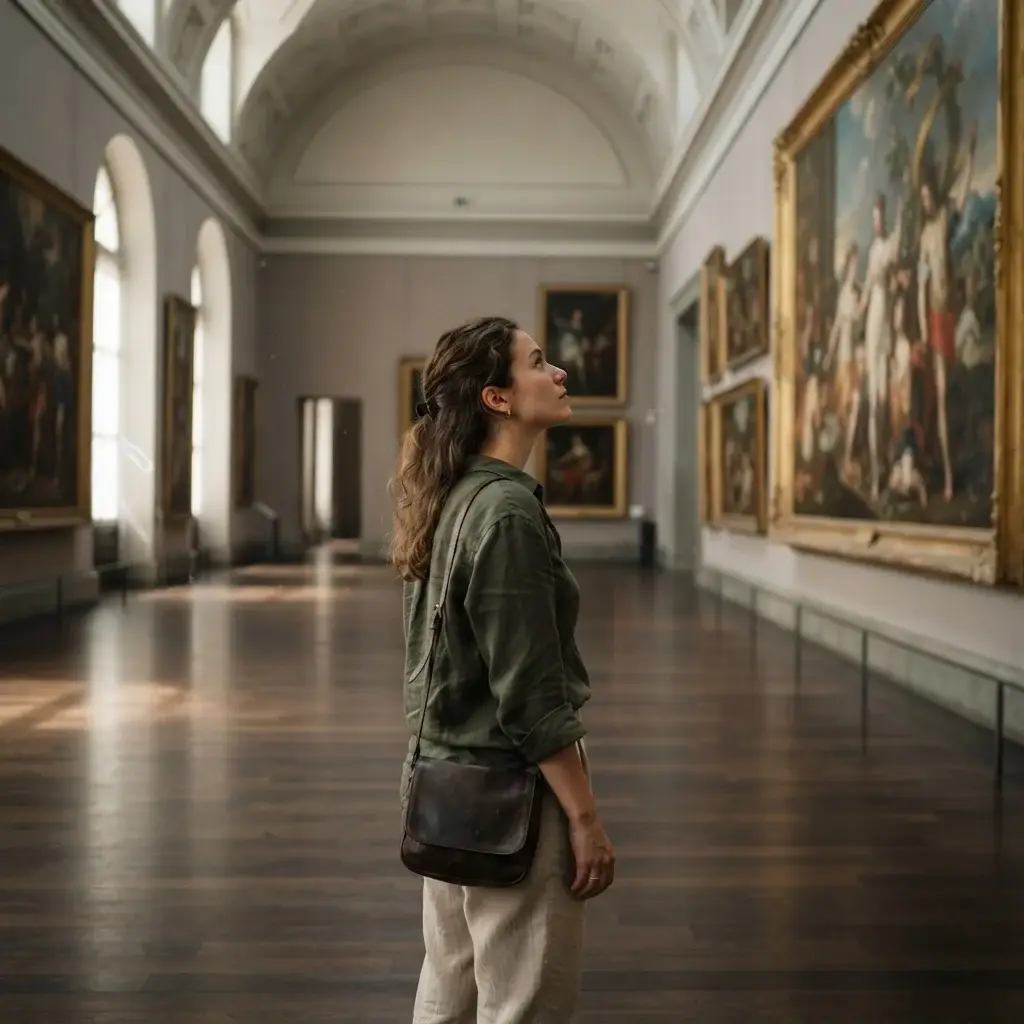
You learn to trust your own instincts. You learn what you actually like, not what someone else tells you to like. That builds a quiet, strong confidence that spills over into the rest of your life.
Final Thoughts on Pacing Your Adventure
Figuring out how to see a city’s best museums is not about extreme endurance. It is about kindness to yourself.
Travel is supposed to be fun. It is supposed to open your mind, spark your curiosity, and leave you with wonderful memories. It is not a test. You do not get a medal for staying inside a building for six hours until your back aches.
The next time you plan a trip, give yourself permission to do less. Focus on the quality of your time, not the quantity of objects you stare at. Take breaks. Eat good food. Sit on a bench and just breathe.
The world is full of beautiful things waiting for you. Go find them on your own terms, and leave before you stop smiling. Have a wonderful trip!