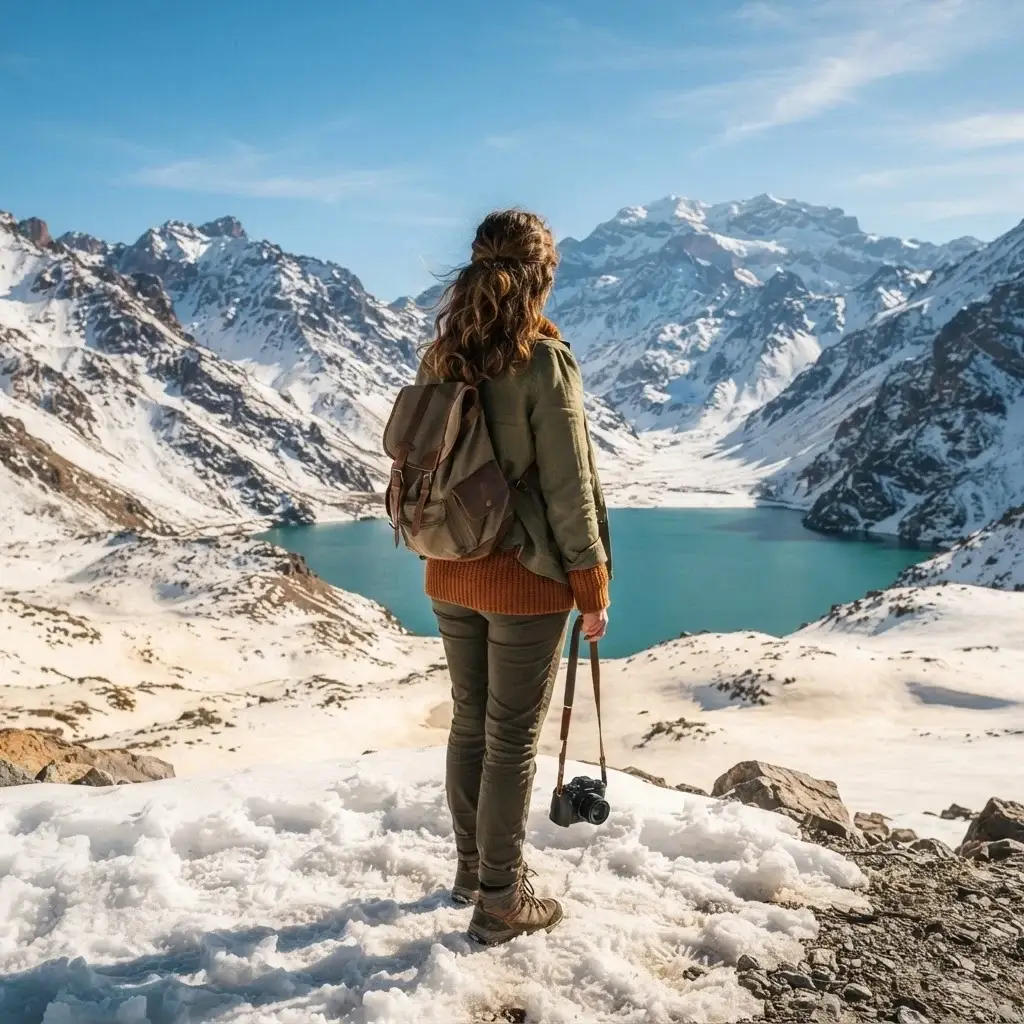
Here is something I love about being a traveler: the moment you realize a place you assumed was out of reach is actually completely possible. For a lot of people, a snowboard trip is one of those things. It lives on the someday list, quietly waiting while life stays busy and the “perfect moment” never arrives.
I get it. When I first started traveling seriously, I had no idea how to plan a trip around something as specific as a mountain. Visas, gear, altitude, lift tickets, where to stay, whether I’d feel out of place going alone. It can feel like a lot before you’ve done it once.
But here’s what I want you to know: the Americas are one of the most extraordinary snowboarding regions on the planet, and they’re more accessible than most people think. Better still, because the continent spans two hemispheres, you can effectively chase snowboarding season almost year-round. North America runs roughly November through April. Then, just as those mountains are closing, the Andes wake up. Chile and Argentina run their ski seasons from June through September or October, which means summer in New York is winter in Patagonia.
This guide is for the solo traveler who wants a real sense of each destination, not just a stats box. I am going to walk you through seven of the strongest options across the Americas, from Canada to Chile, covering who each resort suits best, what to expect culturally, what to eat, and what nobody tells you before your first trip there.
Let’s go.
The Two Americas, Two Seasons Concept
Before we get into specific resorts, this is worth understanding clearly, because it is one of the most useful pieces of information a snowboarder can have.
Most articles about snowboarding in the Americas treat North and South America as separate universes. But if you are a committed snowboarder or someone who wants to build a travel life around riding, these two regions are actually complementary halves of a single global season. North America’s peak runs from December through March, with some resorts stretching into April and May (Mammoth Mountain in California is famous for this).
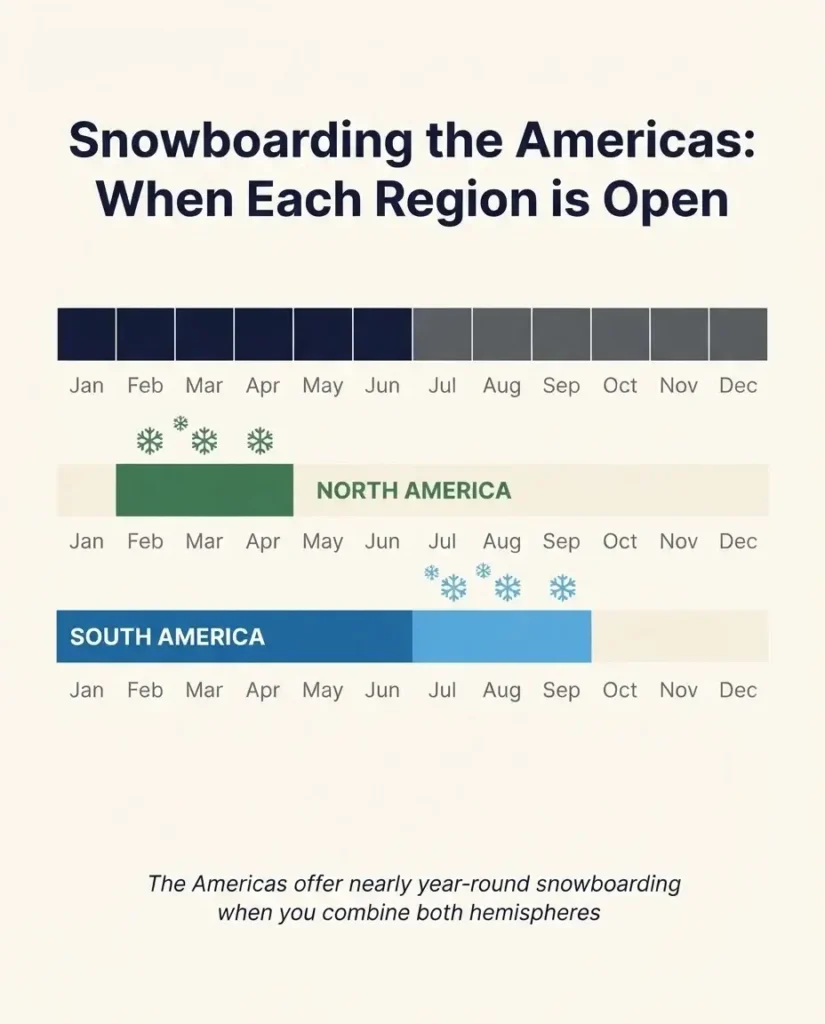
Then, when those lifts go quiet, the Andes are just warming up. The South American season opens around late June and runs through late September or early October. If you are the kind of person who books one trip per year and you want to maximize your time on snow, this dual-hemisphere reality matters.
Now, here are the destinations worth knowing.
North America: Where the Season Starts
Whistler Blackcomb, British Columbia, Canada
If you want one mountain that can genuinely take a snowboarder from nervous beginner to confident intermediate, and still keep a seasoned expert entertained, Whistler Blackcomb is hard to argue with. It covers 8,171 acres across two connected mountains with a vertical drop of just over 5,000 feet and an average annual snowfall of around 422 inches at the summit. Those numbers matter because terrain variety is what makes a mountain good for solo riders: you are not locked into one trail level all day.
Whistler Blackcomb is also one of the few resorts in North America with a genuinely vibrant pedestrian village. This is important for solo travelers. Whistler Village is walkable, social, and full of restaurants and bars at every price point. You do not need a car or a group to feel at home here.
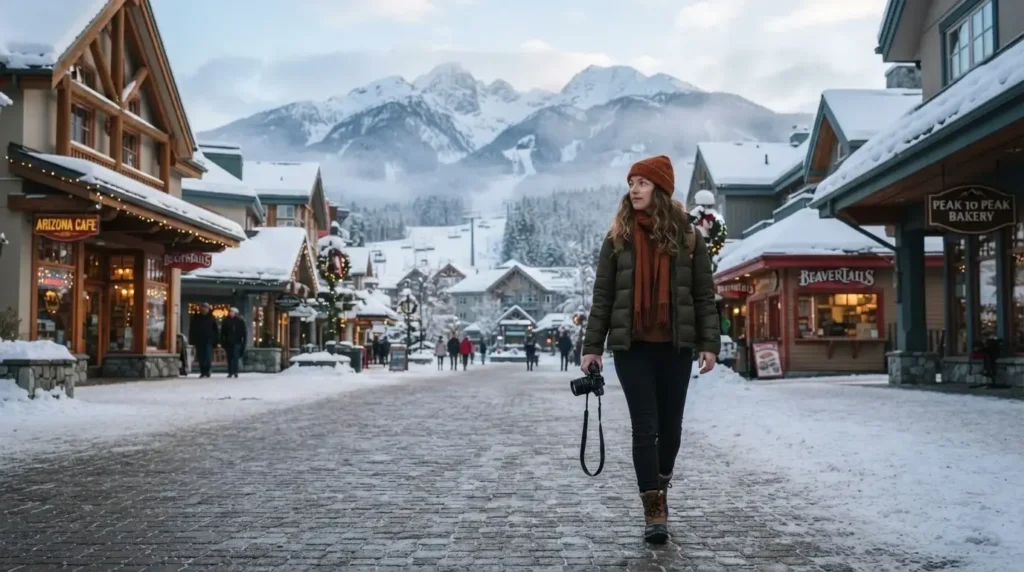
For food, the options range from casual poutine spots to sit-down restaurants in the village square. Dubh Linn Gate Irish pub is a solid aprEs-ski choice if you want to meet people over a pint without much effort. Bar Oso does excellent tapas and is welcoming to solo diners. The ski and snowboard culture here is strong and well-established, which means the mountain itself has dedicated terrain parks (Ego Park on Whistler Mountain and Choker Park on Blackcomb) if freestyle riding is your thing, along with extensive backcountry access for experienced riders who want to go off-piste.
Whistler is not the cheapest destination on this list. Day lift tickets can run well over $200 CAD when booked close to your travel dates, though purchasing through an Epic Pass or booking well in advance brings the cost down significantly. For solo travelers, staying in hostel dorms or shared chalet rooms in the village is the most affordable option and the easiest way to connect with other riders.
One honest note: Whistler draws large crowds, especially during holiday weekends and peak season in January and February. If you have flexibility, mid-week trips in early December or late March offer a noticeably different (and less crowded) experience.
Jackson Hole Mountain Resort, Wyoming, USA
If Whistler is the social destination, Jackson Hole is the one you go to when you want to feel like you are riding something real. This is a mountain with weight to it. It has 2,500+ acres of terrain, a serious commitment to snowboarding history, and a culture that rewards riders who are willing to push themselves. Legends like Travis Rice and Blake Paul built parts of their careers here, and the mountain’s official snowboarding page reflects how genuinely snowboard-oriented the resort is, which is not always a given at big resorts.
The terrain here leans toward intermediate to expert. Beginners can start here, but Jackson Hole is honest about the fact that most of its runs have some challenge to them. Where it really shines is for riders who are comfortable on blue runs and want to start exploring more technical terrain. Dick’s Ditch is a 1,600-foot natural halfpipe that draws riders from all over the world, and Casper Bowl is a freeride paradise with pillows, chutes, and natural kickers that rewards explorers.
The town of Jackson itself is about 20 minutes from the resort. It is a small, walkable Western town with genuine character, good food, and a strong local community. For food, the Million Dollar Cowboy Bar is a Jackson institution worth seeing once. For something more casual, Persephone Bakery does excellent breakfast before a riding day and is a good place to ease into the morning at altitude.
Solo travel at Jackson Hole feels natural because the mountain is busy enough that you are never truly alone, but the vibe is independent and unpretentious. Nobody cares who you are here. You show up, you ride, and by the end of the day you have usually had a conversation with someone on a lift who becomes your unofficial riding partner for the afternoon.
Breckenridge, Colorado, USA
Breckenridge is the best argument for combining terrain quality with town culture. At 2,908 acres across five peaks and a summit that reaches 12,998 feet, it offers serious riding territory. But what makes Breckenridge particularly useful for solo travelers is the fact that the town is right at the base of the mountain. Main Street Breckenridge is a genuine historic Colorado mining town that has evolved into one of the most welcoming ski towns in North America, with walkable streets, independent restaurants, breweries, and galleries.
For snowboarders specifically, Breckenridge’s terrain parks are exceptional. The resort runs three parks on Peak 8, including the world-class Freeway Terrain Park, which has a 22-foot superpipe and features for every level from beginner jib lines to advanced jump lines. You can check what is currently open on Breckenridge’s terrain park safety and status page before you go.
For food, Breckenridge Brewery is the easy crowd-pleaser, but if you want something more interesting, try Relish for creative American dishes or Hearthstone for a proper sit-down dinner in a restored Victorian building. The town also has a legitimate coffee culture (Clint’s Bakery and Coffee House has been a local staple for years), which matters when you need to warm up before an early morning start.
One thing to plan for at Breckenridge and most Colorado resorts: altitude. At nearly 13,000 feet at the summit, some people feel the effects strongly in the first day or two. Drink more water than you think you need, go easy on the alcohol the first night, and give your body a day to adjust before pushing hard on the mountain.
Mammoth Mountain, California, USA
Mammoth occupies a category of its own in North American snowboarding. It sits at 11,053 feet in the Eastern Sierra with 3,500 acres of terrain and an average of 400 inches of snow per year. What makes Mammoth genuinely different from the Colorado and Canadian options is its season length. It regularly stays open into June, and in big snow years, riding on the Fourth of July is not unheard of. For travelers who cannot get away in the peak winter months, Mammoth is the answer.
The resort’s First Timer’s Guide to Winter at Mammoth Mountain is genuinely useful for planning your first visit, covering everything from lesson programs to rental locations to navigating the shuttle system (important note: you do not need a car at Mammoth if you stay in the village, which is served by free resort shuttles). The terrain parks at Mammoth are world-class and have been used for professional competitions. The Unbound Terrain Parks run seven different parks across the mountain, ranging from beginner features to massive professional jump lines.
The town of Mammoth Lakes is a casual, unpretentious mountain community. The food scene is smaller than Breckenridge or Whistler, but there are solid options. Roberto’s Mexican Restaurant has been a local institution for years and is worth knowing about for a post-ride burrito situation. Stellar Brew does good breakfast and coffee.
For solo travelers, Mammoth has a relaxed, friendly energy. Californians tend to be easy to talk to on lifts, and the mix of tourists and locals creates a social environment that does not feel cliquey or exclusive.
South America: When the Northern Season Ends
This is where the Americas get genuinely exciting for anyone who thinks seriously about planning around snowboarding. The following four resorts open when North America closes, and they offer a cultural experience that is completely different from anything north of the equator.
A few practical things to know before going south: altitude in the Andes is real and worth preparing for. Many resorts sit above 9,000 feet, and the approach roads climb even higher. Take your first day on the mountain gently. Also, if you are traveling from the US, a basic knowledge of Spanish will improve your experience significantly, especially in towns outside the resort. Most resort staff at major destinations speak English, but venturing into the local town or asking a taxi driver for directions will go more smoothly with a few phrases.
Portillo, Chile
Portillo is a name that keeps coming up in every serious conversation about snowboarding in the Western Hemisphere, and the reason is simple: the experience is unlike anything in North America. The resort is not a town with a mountain attached. It is a single all-inclusive hotel and lodge complex sitting at 9,449 feet in the Chilean Andes, surrounded by nothing but mountains and the high-altitude Laguna del Inca, a stunning glacial lake. There are no traffic jams, no strip malls, no off-mountain distractions. You go to Portillo to snowboard, eat, and meet people, in that order.
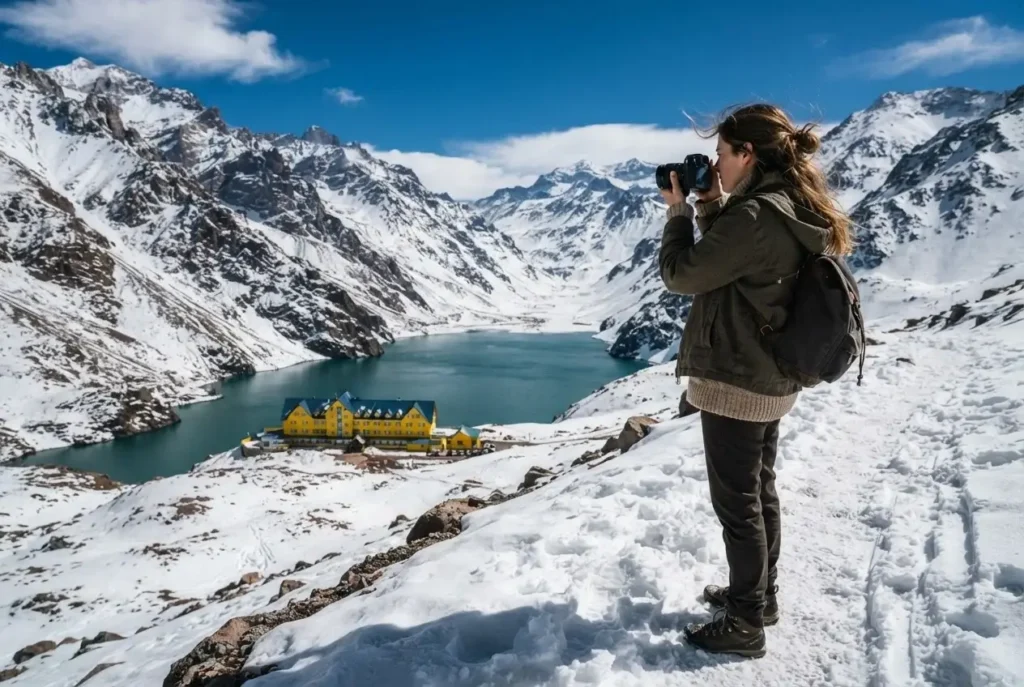
The terrain suits all levels. Portillo’s terrain is roughly 10 percent beginner, 70 percent intermediate and advanced, and around a quarter expert or off-piste. The upper mountain offers spectacular open bowl riding with the kind of Andean light and vertical that is just different from anything you get in Colorado or British Columbia. Ski Portillo’s official resort site is the only place to book, and it is worth looking at the special themed weeks. Friends Week (August 8-15 in the 2026 season) is specifically designed for solo travelers and creates a social atmosphere with daily events, aprEs-ski parties, and communal activities that make it genuinely easy to meet people.
The food at Portillo is included in the all-inclusive packages and reflects Chilean and international cuisine. Chile is renowned for its wine, and the wine-pairing dinners are a cultural experience in themselves. Wine Week (August 1-7) is popular enough that it books out early, so plan ahead if that interests you.
For budget-conscious solo travelers, the Inca Lodge is the most affordable accommodation option, functioning like a ski hostel with shared meals in the hotel cafeteria. It gives you access to all resort amenities at a fraction of the hotel cost.
Valle Nevado, Chile
About 60 kilometers east of Santiago, Valle Nevado is a different kind of experience from Portillo. It is larger in skiable area, more modern in infrastructure, and more accessible if you are basing yourself in Santiago and want day trip or multi-day options. The official Valle Nevado resort site notes that the 2026 season runs from late June through late September, with lifts typically opening around 8:00 AM and closing in the early afternoon (a typical pattern for Andean resorts, which work around the afternoon sun and wind).
Valle Nevado connects to two adjacent resorts, La Parva and El Colorado, which means you can access a combined domain of over 1,700 hectares if you purchase the multi-resort pass. This makes it the better choice if you are more interested in exploring terrain than in the tight community atmosphere of Portillo.
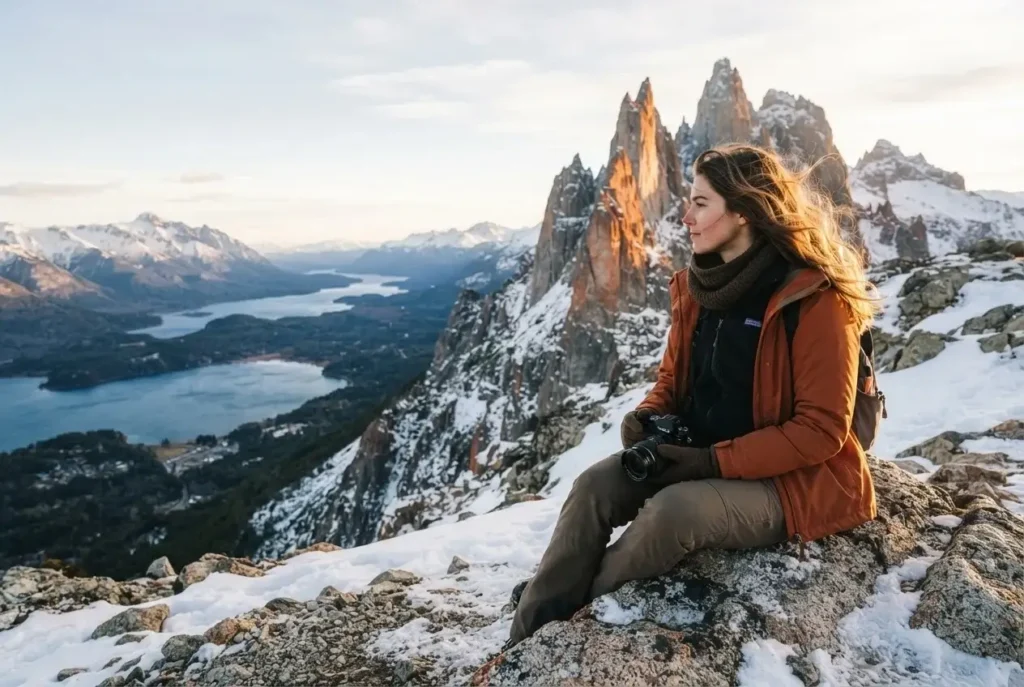
Santiago itself is worth several days before or after your time on the mountain. The Lastarria and Bellavista neighborhoods have excellent food and nightlife, and the contrast between the urban sophistication of the capital and the raw Andean landscape 90 minutes away is genuinely striking.
For food in Santiago, head to the Mercado Central for fresh ceviche and local seafood, or try the empanadas from almost any neighborhood bakery in the city. For Andean sustenance on the mountain, a cazuela (a hearty Chilean stew) from any mountain restaurant will warm you up after a cold morning of riding.
Las Lenas, Argentina
For advanced and expert snowboarders, Las Lenas in Mendoza Province is the name that comes up most often as the best riding in South America. Ski Magazine named it the top ski resort in South America, and the terrain backs up the reputation: the skiable area is the largest in Argentina, the mountain is almost entirely above the treeline, and the off-piste possibilities are extensive. The OnTheSnow Las Lenas resort overview lists a projected season from around July 11 to late September 2026, with average snowfall of around 43 inches per season (though big storm years dramatically exceed that).
Las Lenas is honest about its limitations for beginners. The groomed runs are not extensive. This is a mountain for people who want to explore open bowls, couloirs, and massive natural features. If you are at that skill level, it is one of the most rewarding experiences in the Americas, full stop.
The resort is remote. It is a several-hour drive from Mendoza city (the nearest airport), which means logistics take more planning than other resorts on this list. But that remoteness is also part of the appeal: the aprEs-ski scene at Las Lenas is famously energetic, and because everyone is staying in the resort village together, the social atmosphere is intense and often unforgettable. Detailed destination planning resources for Las Lenas are available through PowderQuest’s Las Lenas guide, which is one of the more thorough research sources for South American skiing.
Cerro Catedral, Bariloche, Argentina
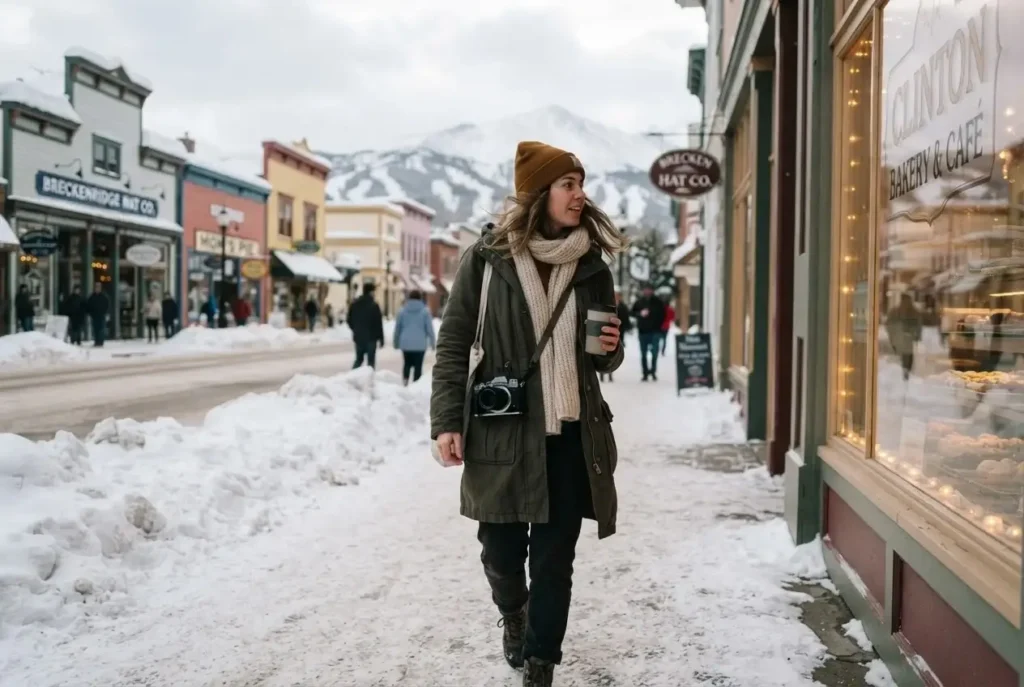
Cerro Catedral deserves a spot on this list for a reason that has nothing to do with pure mountain stats: it gives you Patagonia. The resort is the largest ski area in South America by total acreage and sits at the edge of Bariloche, a proper city in Argentina’s lake district with a strong Swiss-German cultural heritage (the chocolate shops alone are worth the flight) and a stunning national park setting. The combination of a real city, a national park, and a major ski resort in one place makes Cerro Catedral the best all-around destination on this South American list for solo travelers who want more than just a mountain.
The terrain caters well to beginners and intermediates on the lower and mid mountain, with advanced and expert terrain opening up on the higher sections and in the off-piste zones. The area is generally recommended as the starting point for first-time South American snowboard trips before moving on to the more remote options like Las Lenas, a judgment supported by most South American ski experts and detailed in the PowderQuest Cerro Catedral guide, which covers terrain, logistics, and local tips in useful depth.
Bariloche itself rewards exploring. The Nahuel Huapi National Park wraps around the city, and the food scene reflects the European heritage strongly. Try the local fondue or smoked trout at any number of the German-influenced restaurants in the city center. The chocolate shops, particularly Rapanui and Mamuschka, are genuinely excellent and make for a strange but satisfying post-ride afternoon.
A Few Things That Apply Everywhere on This List
Travel insurance for snowboarding is not optional. Mountain injuries happen, helicopter evacuations from remote Andean terrain happen, and the cost of either without coverage is significant. Make sure your policy specifically covers snowboarding and mountain activities, including any off-piste riding you plan to do.
Gear packing for altitude deserves thought. The Andes resorts in particular sit at elevations where sunburn happens faster than you expect (the UV index at 10,000 feet is dramatically higher than at sea level), so high-SPF face protection is genuinely important, not a nice-to-have. A good helmet and quality goggles matter everywhere. If you plan to rent gear on arrival, most major resorts have solid rental options, but helmet sizing varies, so knowing your measurements before you go saves time.
For solo riders specifically: tell someone where you are going each day, especially if you plan to venture off-piste. Many resorts offer guided freeride options, and for first-time visitors to a mountain, a half-day with a local guide is often the best investment you can make. You learn the mountain faster, you stay safer, and you almost always end up having more fun.
The snowboarding world in the Americas is wide, accessible, and rewarding for the solo traveler willing to show up. You do not need a group. You do not need perfect conditions. You need a flight, a plan, and a willingness to feel a little out of your comfort zone on the first run. After that, the mountain takes care of the rest.