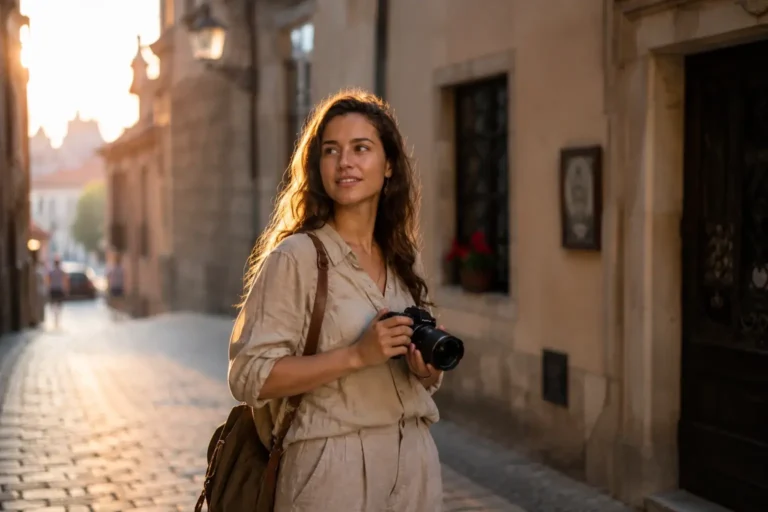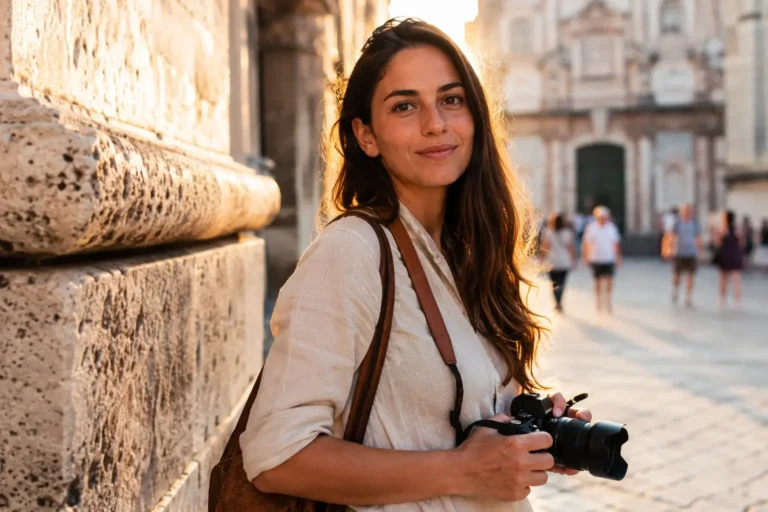
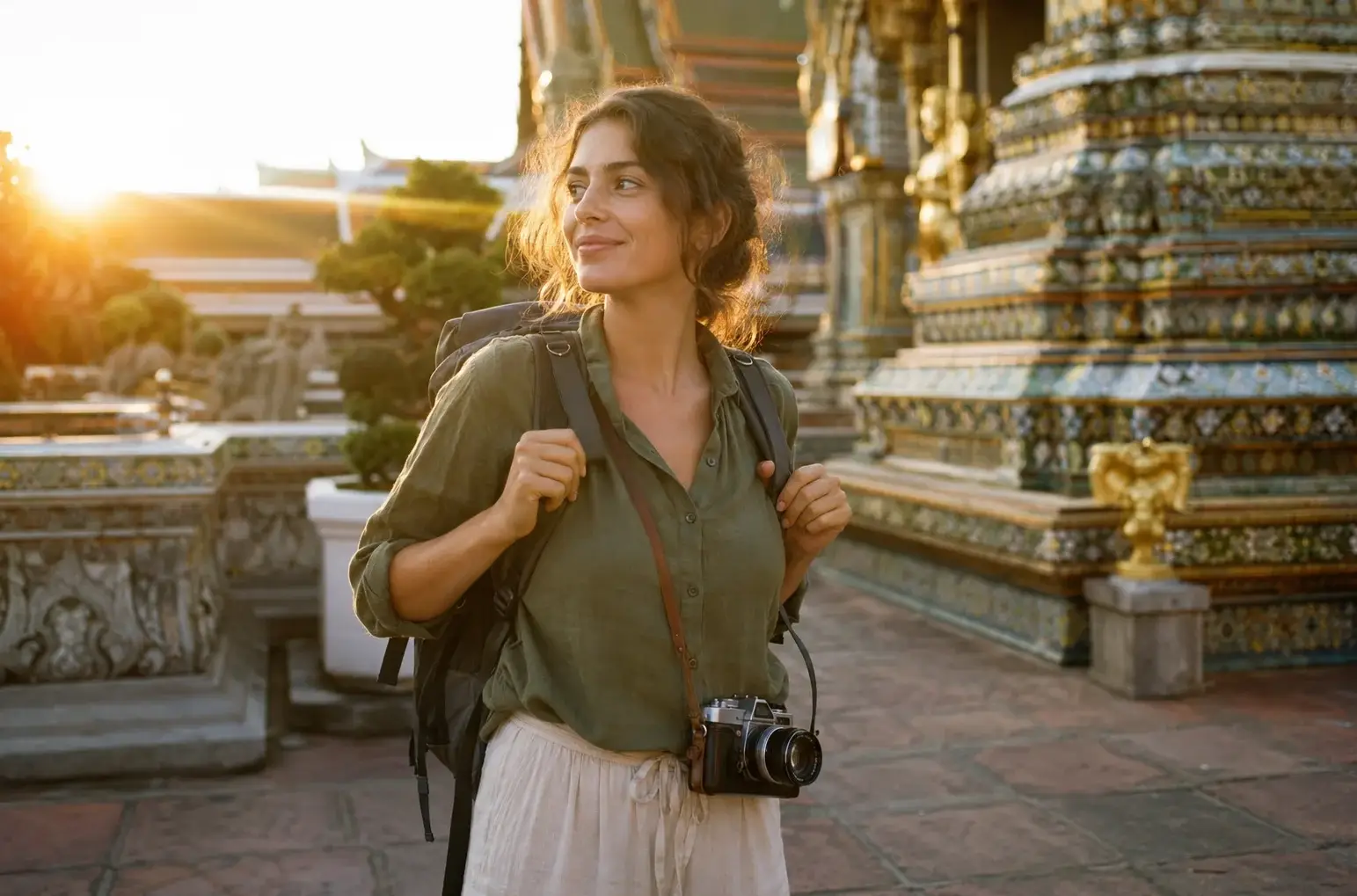
I still remember standing in the middle of my tiny studio apartment years ago, staring at a massive, hard-shell suitcase that looked big enough to hold a small refrigerator. I was preparing to leave my secure but soul-crushing 9-to-5 office job in New York to backpack solo across Europe. I was terrified. To cope with that anxiety, I tried to pack my entire life into that giant bag. I packed heavy winter sweaters for a summer trip, three pairs of shoes I had never worn, and enough “just in case” medical supplies to run a small clinic.
Three weeks later, dragging that monstrous bag up five flights of narrow, winding stairs in a Parisian hostel, I broke down. My back ached, I was sweating, and I felt completely weighed down by my belongings. That bag wasn’t just holding clothes; it was holding my fear. It was a physical manifestation of my lack of confidence.
That night, I laid everything out on my hostel bed, sorted through the clutter, and shipped two-thirds of it back home. The moment I walked out of that post office with nothing but a lightweight backpack, everything changed. I felt light, nimble, and incredibly free.
Since then, whether I was living with a host family in Ghana, teaching English in rural Thailand, or working as a licensed New York City sightseeing guide, I have traveled exclusively with a carry-on. Packing light is not a luxury reserved for reckless thrill-seekers. It is a practical, empowering tool that builds your confidence on the road.
When you learn to rely on less, you start to trust yourself more. You realize that you can handle unexpected situations without a massive safety net of material things. This ultimate carry-on packing list is designed to help you strip away the clutter, overcome your travel anxieties, and step onto that plane with absolute peace of mind.
The Psychology of the Heavy Suitcase: Why We Overpack
Before we look at the actual gear, we need to address the root cause of overpacking. People rarely overpack because they lack space; they overpack because they lack confidence. We treat our luggage like an insurance policy against the unknown.
When you look at a pile of clothes and think, “What if it rains every day?” or “What if I get invited to a fancy dinner?”, you are letting anxiety dictate your journey. This mindset stems from a desire to control every variable of an unfamiliar environment. But the truth is, you cannot control everything when you travel. In fact, the most beautiful, life-changing moments often happen when things do not go according to plan.
Shifting from “Just in Case” to “I Can Handle It”
Every time you pack an item “just in case,” you are telling yourself that you are not capable of solving problems on the ground. If it rains unexpectedly while you are exploring a new city, you do not need a heavy, specialized raincoat packed from home. You can step into a local shop, buy an affordable umbrella, and strike up a conversation with the shopkeeper. If you run out of toothpaste, you can visit a neighborhood market and discover a local brand.
When I worked as a tour guide in Manhattan, leading groups down the bustling sidewalks of Times Square and through the historic streets of Lower Manhattan, I watched travelers struggle constantly with their gear. The happiest travelers were never the ones with the biggest bags or the most expensive luxury gear. They were the ones who could move easily through crowded subway turnstiles, navigate busy street corners, and adapt quickly to the energy of the city.
By scaling down to a single carry-on bag, you remove physical drag. More importantly, you remove mental weight. You stop worrying about lost luggage at airport carousels, you save money on baggage fees, and you gain the freedom to change your plans at a moment’s notice.
Choosing Your Vessel: The Perfect Carry-On Bag
The foundation of your ultimate carry-on packing list is the bag itself. If your bag is too heavy when empty, or if it lacks structure, your packing experience will be frustrating. You have two main choices here: a travel backpack or a rolling suitcase.
The Case for the 40L Travel Backpack
For true solo travel and cultural exploration, a front-loading travel backpack between 40 and 45 liters is the gold standard. Unlike a top-loading hiking pack, a front-loading backpack opens like a suitcase, allowing you to access all your gear without dumping everything out.
Look for a bag with a sturdy, padded hip belt. A good hip belt transfers up to 80% of the weight from your shoulders to your hips, protecting your back as you walk from train stations to your accommodation. Ensure the backpack features lockable zippers and a dedicated, padded laptop sleeve if you are working on the road.
The Rolling Carry-On Alternative
If you have back issues or simply prefer not to carry your gear, a lightweight, two-wheeled rolling suitcase is an excellent alternative. Avoid four-wheel “spinner” suitcases if you plan to travel outside of modern airport terminals. Spinner wheels are small and fragile; they break easily on the cobblestones of Rome or the uneven sidewalks of Bangkok. Two large, rugged wheels handle rough terrain much better and give you more interior packing space.
The Core Capsule Wardrobe: Rule of Threes
The secret to fitting all your clothing into a carry-on is building a versatile capsule wardrobe based on the Rule of Threes. This rule states that for any major clothing category, you only need three items: one to wear, one to wash, and one to dry.
When you choose clothes that can be mixed, matched, and layered, you can easily create three weeks worth of distinct outfits from just a few high-quality pieces. Stick to a neutral color palette—black, grey, navy, or olive—with one or two accent colors. If an item does not match at least three other pieces in your bag, leave it behind.
Tops and Layers
- 3 Lightweight Tees or Tanks: Choose breathable, moisture-wicking materials like merino wool or high-quality synthetic blends. Merino wool is a miracle fabric for solo travelers; it regulates temperature beautifully, dries quickly, and naturally resists odors, meaning you can wear it multiple times between washes.
- 1 Long-Sleeve Button-Down Shirt: A classic linen or chambray shirt works perfectly. You can wear it open over a t-shirt for a casual day of exploring, button it up for a nicer dinner, or use it to protect your skin from the sun.
- 1 Mid-Layer Fleece or Lightweight Sweater: Even in tropical climates, long-distance buses, trains, and planes can have intense air conditioning. A simple, neutral pullover keeps you comfortable during transit.
- 1 Packable Rain Jacket: Look for a jacket that is truly waterproof, windproof, and compresses down into its own pocket.
Bottoms and One-Pieces
- 2 Pairs of Pants or Shorts: For versatile travel, pack one pair of durable, stretch-woven long pants and one pair of casual shorts or tailored trousers, depending on the climate. Avoid heavy, thick denim; it takes days to air-dry in humid environments.
- 1 Casual Dress or Jumpsuit: A simple, versatile one-piece item can be dressed down with sneakers for a walking tour or dressed up with a scarf for an evening out.
Undergarments and Sleepwear
- 4 Pairs of Underwear: Look for quick-dry fabrics like nylon or merino wool. You can easily wash these in a bathroom sink at night, and they will be completely dry by morning.
- 3 Pairs of Socks: Pack high-quality merino wool socks that offer cushioning and blister protection for long days of walking.
- 1 Set of Lightweight Sleepwear: A simple, comfortable t-shirt and light shorts that can double as lounge gear if needed.
Footwear: The Two-Pair Maximum
Shoes are the ultimate space-killer in a carry-on bag. They are bulky, heavy, and irregular in shape. To maintain control of your luggage, you must commit to a strict two-pair maximum policy. Wear your heaviest, bulkiest pair on the plane to save space and weight in your bag.
Pair 1: The Do-Everything Walking Shoe
This is the most important item on your ultimate carry-on packing list. You will easily walk 15,000 to 20,000 steps a day exploring street markets, historical ruins, and sprawling city parks. Your walking shoes should be broken in months before your trip. Choose a clean, minimalist sneaker or a lightweight trail runner in a neutral color. It needs to provide excellent arch support and look sharp enough to wear into a casual restaurant for dinner.
Pair 2: The Adaptive Second Pair
Your second pair of shoes depends heavily on your destination.
- For Warm or Tropical Climates: Choose a high-quality, supportive travel sandal with secure ankle straps. Avoid cheap plastic flip-flops as your main walking shoe; they offer no support and wear out quickly.
- For Cooler or Urban Climates: Choose a lightweight, packable ankle boot or a dressier flat that can handle rain and look appropriate for evening events.
The Minimalist Toiletries Kit: Master the 3-1-1 Rule
Toiletry bags are a major source of unnecessary weight. Travelers often worry that they will not be able to find their favorite products abroad, so they pack giant bottles of shampoo, full-size tubes of toothpaste, and massive skincare kits.
Remember, people wash their hair, brush their teeth, and care for their skin all over the planet. Unless you require specific, prescription medical products, you can buy toiletries anywhere. To maintain peace of mind and ensure a smooth experience at airport security checkpoints, familiarize yourself with transport safety standards by reviewing the US Department of State Travel rules for luggage and entry prep, which outline standard safety protocols for international flights.
Embracing Solid Toiletries
The easiest way to downsize your toiletry kit and eliminate the risk of messy spills inside your bag is to switch to solid products. Solid shampoo bars, conditioner bars, and bar soaps work just as well as liquid versions, last much longer, and do not count toward your liquid limits at airport security.
The Refillable Liquid Essentials
For the liquids you cannot live without, invest in high-quality, squeezable silicone travel bottles (maximum 3.4 ounces or 100 milliliters each). Pack these inside a transparent, quart-sized, reusable TPU pouch.
- Mineral Sunscreen: Essential for protection during outdoor exploration.
- Multipurpose Moisturizer: A good face cream that works for both day and night.
- Small Liquid Foundation or BB Cream: If you prefer a bit of coverage for photos or evenings out.
- Travel-Sized Toothpaste and Deodorant: Just enough to get you through your first few days on the road.
Electronics and Digital Tools for the Modern Traveler
When I first started traveling, I carried a bulky guide book, a separate digital camera, a heavy paper journal, and an old MP3 player. Today, your smartphone replaces all of those items, saving you massive amounts of space and weight. The key to electronics is keeping your cord setup simple and organized.
The Universal Travel Adapter
Do not buy cheap, single-country adapters that you will easily lose. Invest in a high-quality, all-in-one universal travel adapter that features built-in USB-A and USB-C ports. This allows you to charge your phone, camera, and power bank simultaneously from a single wall outlet, using only your device cables.
The Power Bank Safety Net
A dead phone phone in an unfamiliar city can trigger instant panic. To maintain your travel confidence, always carry a high-quality, 10,000mAh external power bank. This provides roughly two to three full charges for your smartphone, ensuring you always have access to offline maps, translation apps, and emergency contacts.
Keep in mind that lithium-ion batteries must always be packed in your carry-on luggage, never in checked bags, due to aviation safety regulations.
Entertainment and Work
- E-Reader (Kindle/Kobo): If you love to read during long train rides or quiet evenings in cafes, a lightweight e-reader is a lifesaver. You can load hundreds of books onto a single, thin device without adding weight to your pack.
- Smartphone Tools: Before you depart, download offline Google Maps for your destination city. Download Google Translate languages for offline use so you can read menus and signs without an internet connection.
Health, Safety, and First Aid Realities
You do not need to pack a massive medical kit that can handle a major surgical procedure. Your goal is to pack a lightweight, proactive kit that handles common discomforts—headaches, blisters, minor cuts, and upset stomachs—until you can locate a local pharmacy.
To ensure you stay safe and informed about destination-specific health requirements, it is highly recommended to check the CDC Travelers’ Health site for vaccine updates before you head out on an international trip.
The Pocket First-Aid Kit
Pack these basic items into a small, lightweight zipper pouch:
- Blister Prevention and Treatment: High-quality blister cushions (like Compeed) are worth their weight in gold. They protect your feet and keep you walking when a hot spot develops.
- Basic Pain Relief: A small supply of ibuprofen or acetaminophen for headaches or muscle soreness after a long hike.
- Digestive Comfort: A handful of antacids and anti-diarrheal tablets. Traveling introduces your body to new spices, oils, and bacteria, and minor stomach issues can happen as you adapt.
- Antiseptic Wipes and Band-Aids: A few varied sizes for minor scrapes or cuts.
- Personal Medication: Always carry a sufficient supply of any prescription medications in their original pharmacy bottles, along with a copy of your doctor’s prescription.
Travel Insurance: The Ultimate Safety Net
True travel confidence does not come from packing more items; it comes from knowing you are protected if something major goes wrong. I never leave the country without comprehensive travel insurance. It covers medical emergencies, trip cancellations, and lost or stolen gear, giving you the freedom to explore with an open mind.
For reliable coverage tailored to independent journeys, you can look into the policy options provided by World Nomads Travel Insurance for solo adventurers to find a plan that fits your specific itinerary.
Practical Packing Organization: Packing Cubes and Layout
How you place items into your bag is just as important as what you choose to bring. If you throw everything into your backpack loosely, it will turn into a chaotic, unorganized mess within twenty-four hours.
The Magic of Compression Packing Cubes
Compression packing cubes are the single best organizational tool for carry-on travel. They do not just organize your clothes; they feature a specialized double-zipper system that expels excess air, compressing your clothing down by up to 30% of its original volume.
Assign one cube for tops and layers, one cube for bottoms, and a smaller cube for undergarments and socks. This creates a drawer system inside your backpack. When you arrive at a hostel or guesthouse, you do not need to unpack everything. You simply pull out the specific cube you need, leaving the rest of your bag perfectly organized.
The Rolling Method vs. The Folding Method
To maximize space and minimize wrinkles, roll your clothing tightly instead of folding it flat. Rolling squeezes out air between fabric folds and allows you to slide items neatly into your packing cubes like logs in a rack. For structured or delicate items, like a linen button-down shirt, use a basic fold and place it flat across the top of your compressed cubes.
Weight Distribution Strategy
When packing a travel backpack, weight distribution is critical for comfort. Place your heaviest items—like your toiletry kit, extra shoes, or electronics pouch—in the center of the main compartment, as close to your back as possible.
Placing heavy items too high can cause the bag to feel unstable and pull you backward. Placing them too low can cause the bag to sag and pull uncomfortably on your shoulders. Light items, like your sleepwear and fleece layer, should occupy the bottom and front pockets of the pack.
Case Study: Packing for 10 Days of Cultural Exploration in Thailand
To see how this ultimate carry-on packing list works in the real world, let’s look at an itinerary through Thailand. Imagine you are spending ten days exploring the historic temples of Bangkok, trekking through the lush jungles of Chiang Mai, and enjoying fresh street food along the way.
Thailand is hot and humid, but it also demands deep cultural respect, especially when visiting sacred sites. If you pack a giant suitcase, you will struggle immensely loading it onto narrow longtail boats, hauling it down cracked city sidewalks, and maneuvering through busy train stations.
Navigating the Cultural Etiquette
When exploring historical sites like Wat Pho or Wat Arun in Bangkok, you must cover your shoulders and your knees. A heavy pair of jeans will leave you overheated and miserable in the tropical heat.
Instead, pack lightweight, breathable linen trousers and a simple merino wool t-shirt. Carry a lightweight cotton sarong or scarf in the outer pocket of your backpack. You can quickly wrap it around your waist or shoulders before entering a temple, then pack it away when you step back out into the sun.
What to Eat and How to Navigate
When it comes to meals, skip the expensive, insulated resort restaurants. Head straight for the local street food stalls. In Chiang Mai, find a night market vendor serving Khao Soi—a deeply fragrant, creamy coconut curry noodle soup topped with crispy fried noodles, fresh lime, and pickled mustard greens. It costs less than two dollars and is one of the most memorable meals you will ever experience.
To explore these markets and cities confidently without getting lost or overwhelmed by local transit options, you can consult the official travel guidance from the Tourism Authority of Thailand cultural guide to learn about regional customs, transit safety, and tipping etiquettes.
For daily transportation through the chaotic streets of Bangkok or Chiang Mai, avoid waving down random taxis on the street, which can sometimes lead to fare inflation for tourists. Instead, open your smartphone and use a reliable local ridesharing platform.
You can read through the official details on how Grab works for international travelers to easily hail a verified car or scooter taxi, view your exact fare upfront, and pay securely via card without any language barriers.
The Packed Reality
By following our ultimate carry-on packing list, your entire kit for Thailand will weigh less than fifteen pounds (seven kilograms). You can step off your long-distance flight at Suvarnabhumi Airport, bypass the massive baggage lines entirely, walk straight to the airport rail link, and begin your adventure immediately. You are nimble, respectful, prepared, and entirely self-sufficient.
Overcoming the “What Ifs”: A Guide to Roadside Problem-Solving
Even with the most detailed ultimate carry-on packing list, a voice in the back of your mind might still whisper: “What if something goes completely wrong?” Let’s look at the most common travel anxieties and examine how a minimalist traveler solves them realistically on the ground.
“What if I run out of clean clothes?”
This is the most common fear, but clean laundry is one of the easiest services to find anywhere in the world.
- The Sink Wash: For small items like socks and underwear, fill your accommodation sink with warm water, add a few drops of multi-use liquid soap or a dash of laundry detergent sheets, agitate the clothes for a few minutes, rinse thoroughly, and hang them to dry.
- Local Laundry Services: In most parts of Southeast Asia, Latin America, and Europe, you will find neighborhood laundry shops steps away from your hostel or guesthouse. For a couple of dollars, they will wash, dry, and neatly fold your entire wardrobe within twenty-four hours. Supporting these neighborhood businesses keeps your money in the local economy.
“What if the weather changes drastically?”
If you are traveling through a region known for variable weather—like the highlands of Peru or the moody landscapes of Scotland—the secret is layering, not packing heavier individual items.
By wearing your merino wool t-shirt under your long-sleeve button-down shirt, adding your mid-layer fleece, and topping it with your packable rain jacket, you create a powerful thermal system that keeps you warm in cool climates. If the sun comes out, you simply peel off a layer and pack it into your lightweight bag. You do not need a bulky winter coat unless you are traveling during a deep winter freeze.
“What if I want to bring home souvenirs?”
Travelers often overpack because they want to leave room for physical items to remember their trip by. But the best souvenirs are never mass-produced plastic trinkets from tourist gift shops. The best souvenirs are the stories you collect, the recipes you learn, and the personal growth you experience.
If you truly want to bring home a physical token—like a beautiful hand-woven scarf from a local market or a small piece of pottery—you can use the “one-in, one-out” rule. If you buy a new shirt, donate one of your old t-shirts to a local textile recycling point. Alternatively, pack a tiny, ultra-lightweight nylon tote bag that folds down to the size of a key ring. If you buy a few items toward the end of your journey, you can open the tote bag and use it as a personal item on your return flight.
Step Outside Your Comfort Zone: Your Journey Begins Now
When I resigned from my office job to build a life centered around slow travel and writing, I thought I needed to have every single step of my future mapped out perfectly. I thought I needed total certainty before I could take the leap.
But travel taught me that total certainty is an illusion. The world does not reward perfect planning; it rewards curiosity, courage, and open-mindedness. It rewards the willingness to show up, step beyond your comfort zone, and trust that you can handle whatever comes your way.
Your packing list is a direct reflection of your travel mindset. When you load yourself down with massive bags full of unnecessary gear, you are letting your anxieties build a wall between you and the places you want to discover. When you pack light, you break that wall down. You step off the plane as an active participant in your journey, not a burdened spectator.
Use this ultimate carry-on packing list as a framework to streamline your gear. Lay your clothes out on your bed, look at each item honestly, and ask yourself if it serves your freedom or your fear.
Leave the “just in case” items behind. Pack your bag with purpose, zip it up with confidence, and step out into the world. You are entirely capable, you are thoroughly prepared, and an incredible adventure is waiting for you.