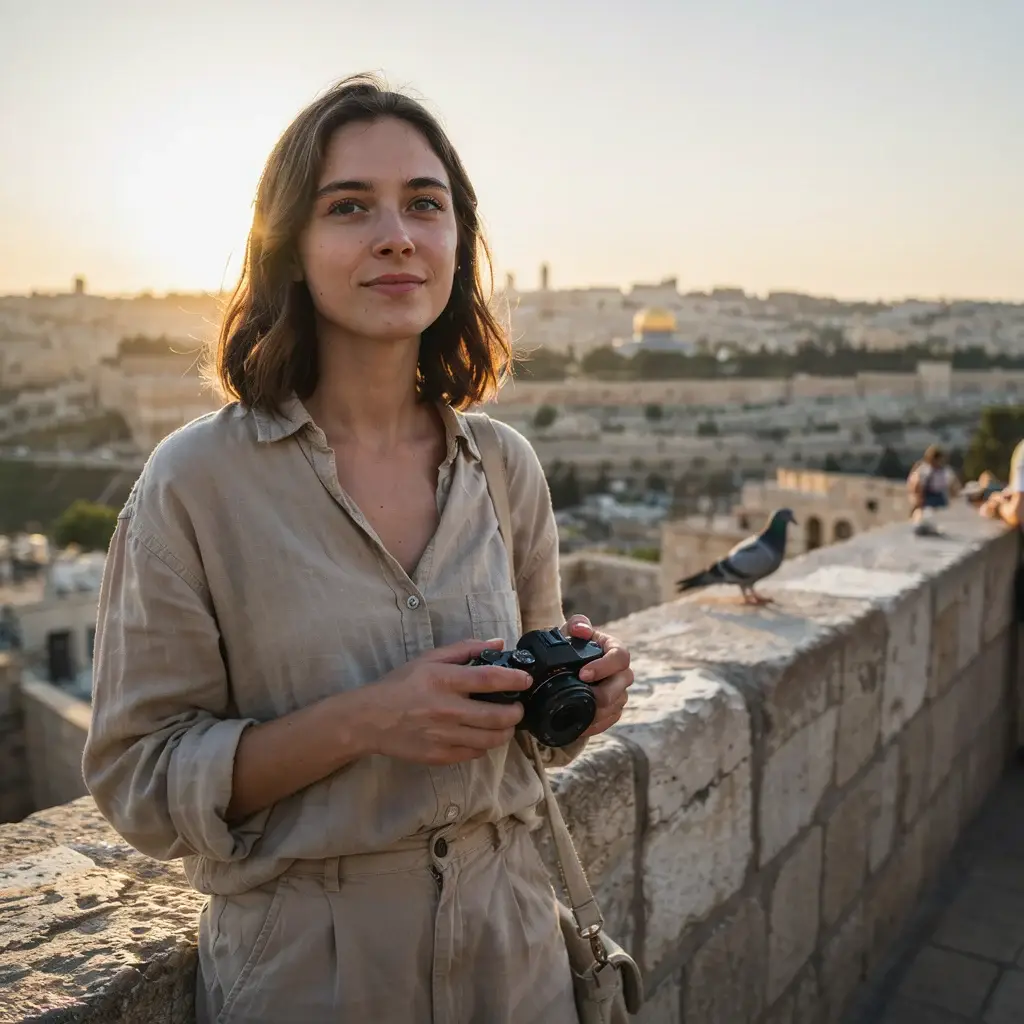
I used to sit in a gray cubicle in New York City, staring at my computer screen and wishing I was anywhere else. I spent years following the rules. I worked a 9-to-5 job. I waited for that magic, perfect time to travel. But that perfect time never came. Eventually, I realized that if I wanted to see the world, I just had to pack a bag and go.
That choice changed my life. Now, I travel solo full-time. I have learned that the world is not as scary as people on the news make it seem. I want to show you how you can take that same leap. If you are dreaming of the Middle East, I have built the perfect plan for you. This slow and authentic 5-day itinerary for Tel Aviv & Jerusalem will help you step out of your comfort zone, eat amazing food, and see history up close without feeling rushed or afraid.
You might feel nervous about planning this trip. I felt the exact same way before I went. You might wonder if five days is enough time. You might worry about taking the train or ordering food in a new language. Do not worry. I am going to walk you through every single step, street by street. We are going to skip the fast, stressful tourist traps. Instead, we will slow down. We will drink strong coffee with the locals. We will touch ancient stones. We will watch the sun set over the sea.
Before we start packing, I always remind my readers to handle their paperwork first. When you travel solo, being prepared is your best tool for building confidence. Before I book any flights, I always check the official destination safety and entry rules on the US Department of State website so I know exactly what to expect when I walk up to the passport counter. Knowing the rules takes the fear right out of the airport experience. I also highly recommend looking into flexible coverage options from World Nomads travel insurance because having a safety net for lost bags or sudden medical needs gives you the peace of mind to truly relax and enjoy your trip.
Now, let us get into the exact, step-by-step 5-day itinerary for Tel Aviv & Jerusalem.
Essential Pre-Trip Tips for Israel
Before we land at Ben Gurion Airport, you need to know a few practical secrets. These details will save you money and stop you from feeling lost on your first day.
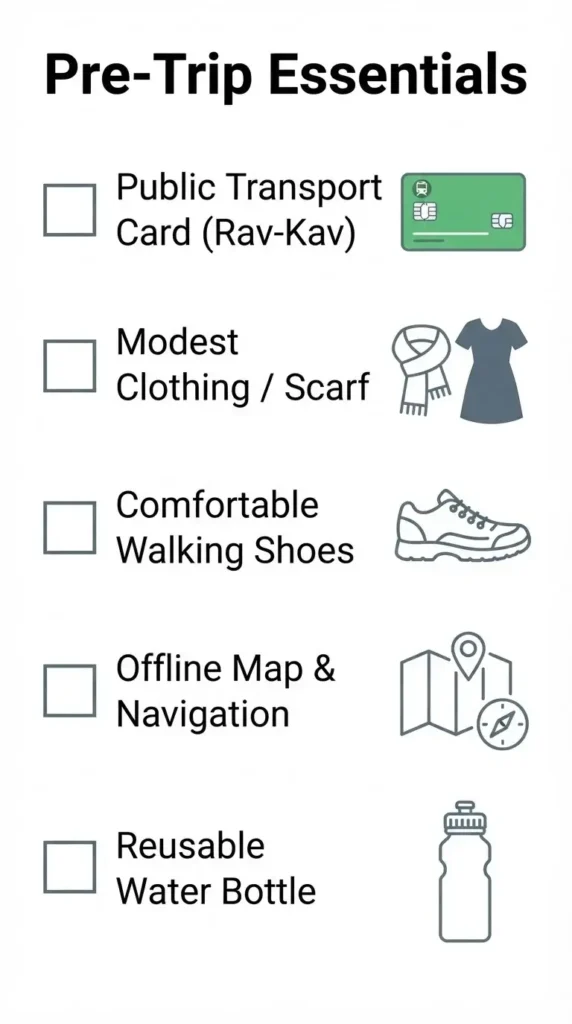
The Rav-Kav Card You cannot pay with cash on buses or trains in Israel. You need a green smart card called a Rav-Kav. When you land at the airport, walk out to the arrivals hall. Look for the public transportation desk. Buy an anonymous Rav-Kav card for a few shekels. You can load money onto it right there at the machine. You will tap this card on every bus, train, and light rail you take. It makes moving around so easy. You can also download the Rav-Kav app on your phone and scan QR codes, but I like having the physical card just in case my phone battery dies.
Shabbat (The Sabbath) In Israel, the weekend happens on Friday and Saturday. The Jewish Sabbath, called Shabbat, starts at sundown on Friday and ends at sundown on Saturday. During this time, almost all public buses and trains stop running. Many stores and restaurants close. You must plan your transit around this. Do not try to travel between cities on a Friday afternoon. In Tel Aviv, you will still find some secular cafes and non-kosher restaurants open. In Jerusalem, the city gets very quiet. I actually love the peace of Shabbat. It forces you to slow down and just walk.
Money and Cards The currency is the New Israeli Shekel (NIS). Most places take credit cards. You can use Apple Pay or Google Pay almost everywhere. Even the tiny coffee stands in the market usually have a tap-to-pay machine. However, I always keep about 200 shekels in cash in my wallet. You need cash for buying small items at the flea market or leaving a tip for a great tour guide.
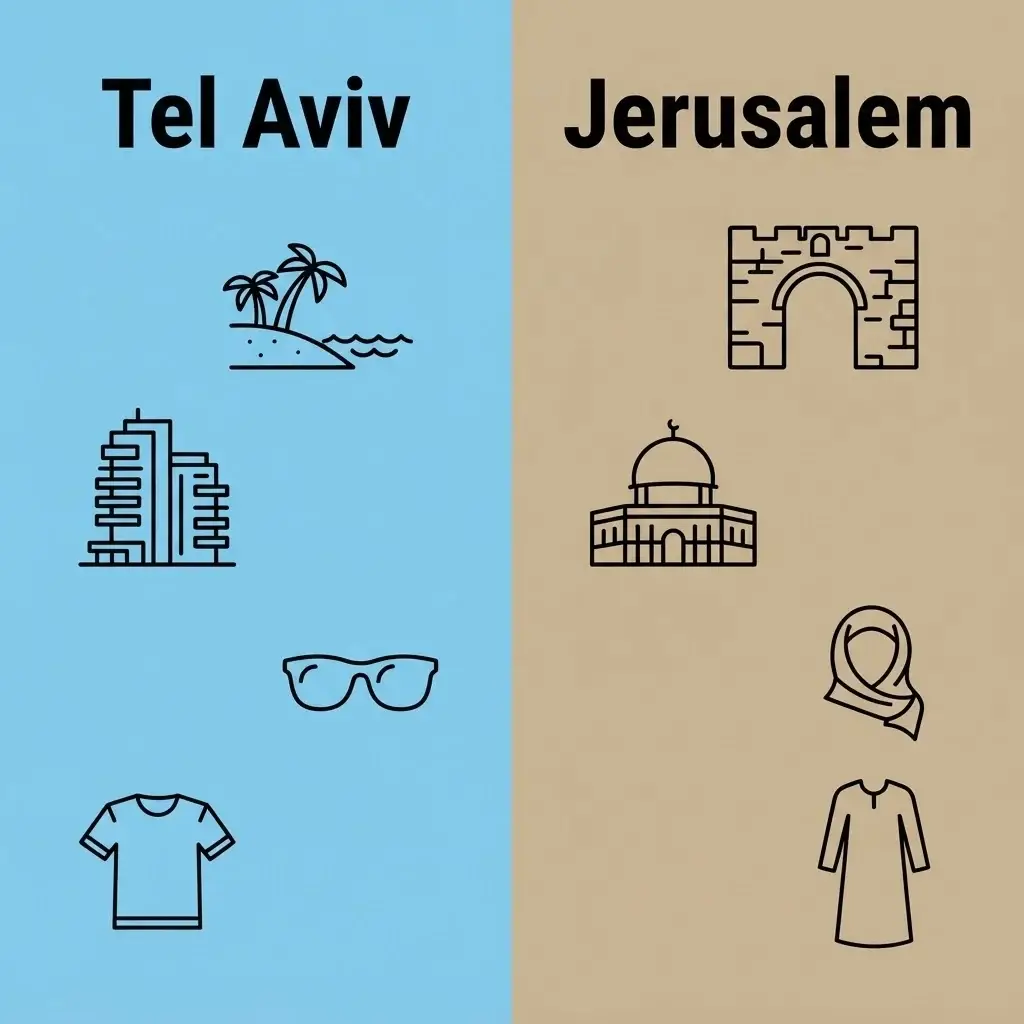
What to Wear Tel Aviv is a modern beach city. You can wear shorts, tank tops, and swimsuits at the beach. People dress very casually. Jerusalem is completely different. It is a holy city for three major religions. When we go to Jerusalem, you must dress modestly. Both men and women need to cover their shoulders and their knees. I always pack a lightweight scarf in my day bag. I can easily wrap it around my shoulders before I walk into a church or a synagogue.
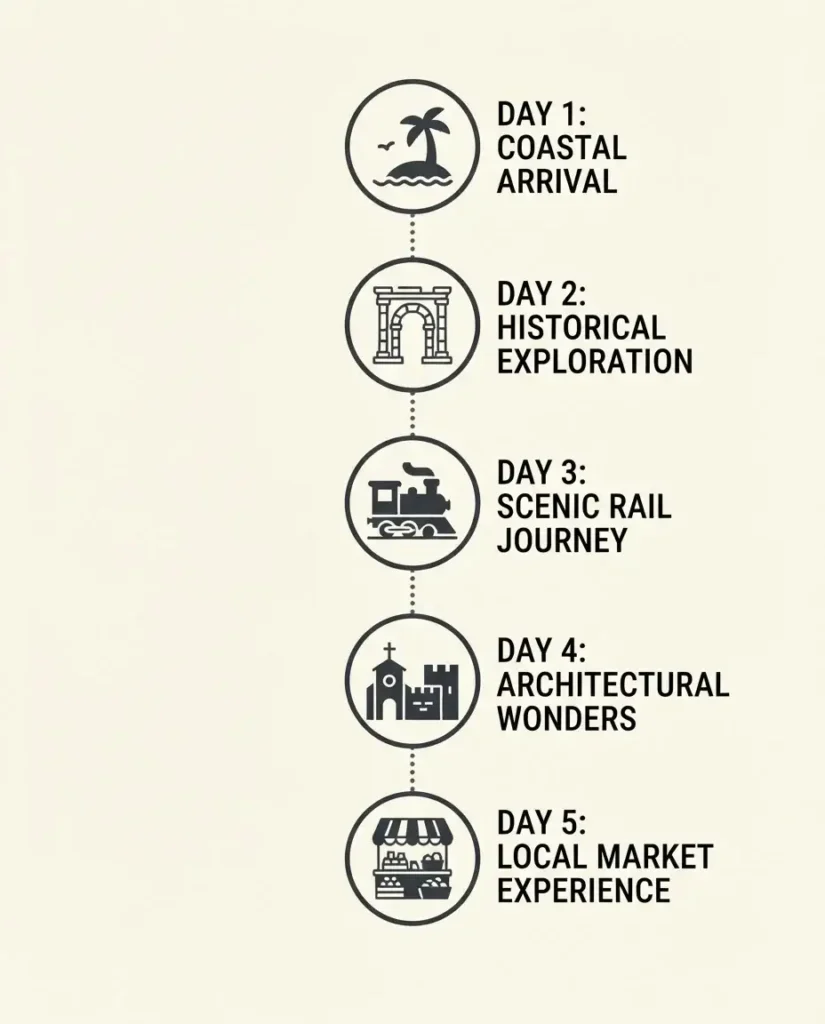
Day 1: Arriving and Tasting Tel Aviv
Welcome to Tel Aviv! This city is loud, warm, and right on the Mediterranean Sea. When you land at Ben Gurion Airport, follow the signs for the train. The airport train station is right outside the arrivals doors. Tap your new Rav-Kav card. The train ride to Tel Aviv takes less than 30 minutes. Get off at the Tel Aviv HaShalom station or the Savidor Center station, depending on where your hotel is.
When I was in my twenties, I worked as a waitress in New York to save every single penny for my travels. Because of that, I learned to love cheap, amazing street food. Tel Aviv is a paradise for this.
Morning: The Chaos of Carmel Market (Shuk HaCarmel) Start your first morning at Carmel Market. Get there around 9:30 AM before the biggest crowds arrive. This is the largest market in the city. It is a long, narrow street filled with shouting vendors, bright red pomegranates, warm bread, and giant piles of spices.
Walk slowly. Let the smells pull you in. Stop at a coffee stall and order a “cafe hafuch.” This is an upside-down coffee, similar to a cappuccino. Drink it while you watch the people go by.
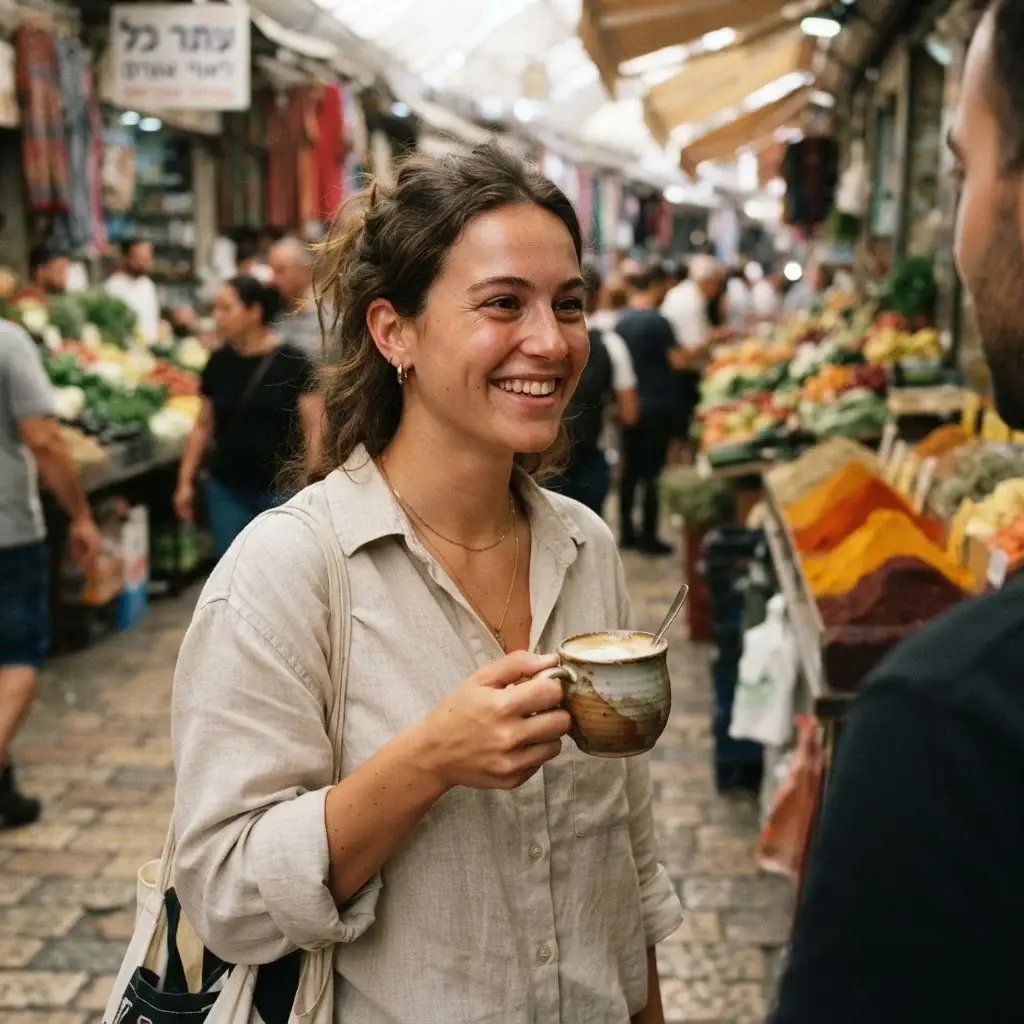
For breakfast, you have to find a street food stall selling Sabich. Sabich is a warm pita bread stuffed with fried eggplant, hard-boiled eggs, hummus, tahini sauce, and a mango pickle sauce called amba. It is messy. It is incredible. Grab a handful of napkins and eat it while you walk.
Afternoon: Neve Tzedek and Rothschild Boulevard Walk south from the market until you reach Neve Tzedek. This is the oldest neighborhood in Tel Aviv. It looks like a tiny, quiet village hidden inside the big city. The streets are narrow and lined with restored houses painted in soft yellow and pink. There are little art galleries and cute ice cream shops. It is incredibly safe and peaceful. Take your time getting lost in these tiny alleys.
Next, walk over to Rothschild Boulevard. This is a huge, wide street with a park running right down the middle. It is famous for its Bauhaus architecture. You will see smooth, white buildings with curved balconies. Grab a spot on a wooden bench in the middle of the boulevard. Watch the locals ride their electric scooters. Watch the dogs playing. This is the real, slow heartbeat of the city.
Evening: Sunset at the Beach You cannot visit Tel Aviv without touching the sand. Walk west until you hit the beach promenade, called the Tayelet. Take off your shoes. The sand is soft, and the water is warm.
Find a spot on the sand near Gordon Beach or Frishman Beach. In Tel Aviv, watching the sunset is a daily event. People stop what they are doing. They play paddleball on the sand. They drink cold beers. Watch the big orange sun drop into the Mediterranean Sea. For dinner, find a small local spot near the beach and order fresh fish or a huge bowl of hummus topped with warm chickpeas and olive oil.
Day 2: The Ancient Stones of Jaffa
Today, we are going south to Jaffa (Yafo in Hebrew). Jaffa is an ancient port city. It is actually much older than Tel Aviv. Tel Aviv grew out of Jaffa over a hundred years ago. Now, they are connected into one big city.
Morning: The Jaffa Clock Tower and Flea Market (Shuk HaPishpeshim) Start your day at the famous Jaffa Clock Tower. You cannot miss it. It stands right in the middle of the road. From there, walk into the Jaffa Flea Market.
This market is totally different from the food market we saw yesterday. This market sells old treasures. You will find vintage lamps, old coins, beautiful rugs, and used clothes. The vendors love to talk. Smile at them. If you want to buy something, you have to bargain. It might feel scary if you are not used to it, but bargaining is just a friendly game here. Offer half the price they ask, and slowly meet in the middle.
I love reading up on the history of these coastal towns before I visit, and checking out a comprehensive destination guide from Lonely Planet helps me understand the deep cultural roots of the winding streets I am walking through. Knowing the background makes every old doorway look much more interesting.
Lunch: The Best Hummus in the World You must eat lunch at Abu Hassan. This is a tiny, famous hummus shop in Jaffa. There is always a line out the door, but it moves fast. They do not have a huge menu. They just serve hummus. Order the “Hummus Masabacha.” This is warm hummus mixed with whole chickpeas, garlic, lemon, and a spicy green sauce. They will hand you a stack of fresh, hot pita bread and some raw onions. You do not use a fork. You just rip the pita, dip it in the bowl, and eat. It will cost you less than ten dollars. It is the best meal you will have on your trip.
Afternoon: The Old City and the Port After lunch, walk up the hill into the Old City of Jaffa. The streets here are made of smooth, pale stone. They are very narrow and quiet. Look for the famous Hanging Orange Tree. It is a real tree growing out of a giant seed-shaped pot suspended in the air by ropes.
Walk through the small art galleries and look for the blue street signs decorated with signs of the zodiac. Find the spot called Peak Park at the very top of the hill. You will get a perfect, wide view of the modern Tel Aviv skyline curving along the blue ocean. Walk down the stone steps to the old Jaffa Port.
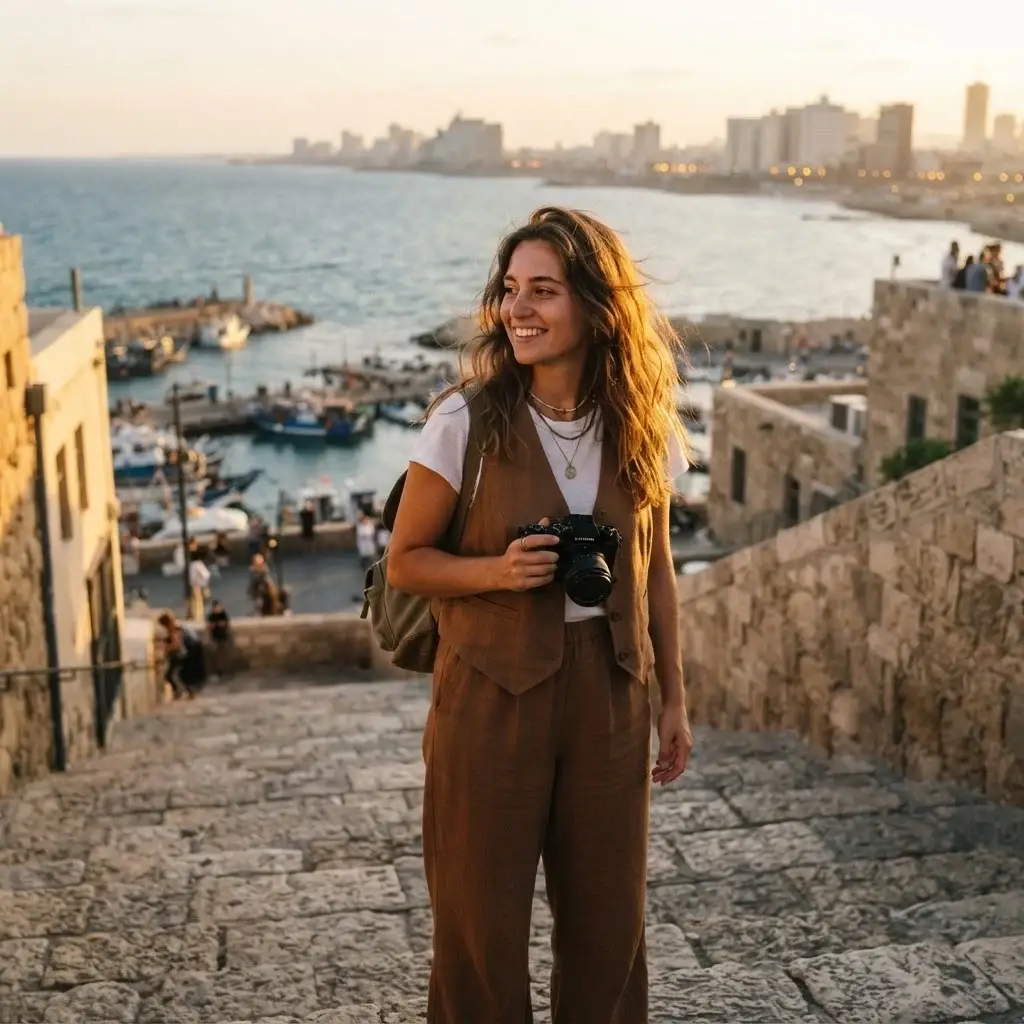
You will see wooden fishing boats bobbing in the water.
Evening: Dinner in the Market At night, the Jaffa Flea Market changes. The antique sellers roll down their metal doors. The cafes and bars pull tables out into the streets. They string up little yellow lights. Find an empty table. Order a local Goldstar beer or a glass of wine. Eat some fresh salads, roasted cauliflower, and grilled halloumi cheese. The energy here is young, happy, and incredibly safe for solo travelers.
Day 3: Moving Up to the Holy City
Today is the transition day in our 5-day itinerary for Tel Aviv & Jerusalem. We are leaving the beach and going up into the mountains.
Morning: The Fast Train to Jerusalem Pack your bags and head to the Tel Aviv HaShalom train station. Use your Rav-Kav card. Look for the fast train to Jerusalem. It is called the Yitzhak Navon station. This train is amazing. It takes about 45 minutes. You will watch the flat, green coastal land turn into steep, rocky hills covered in pine trees.
When you step out of the train station in Jerusalem, you will feel the difference instantly. The air is cooler here. The light looks different. Every single building is covered in the same pale limestone, called Jerusalem Stone. It is the law here. It makes the whole city glow in the sun.
Afternoon: Entering the Old City Drop your bags at your hotel or hostel. I always stay near the city center, right off Jaffa Road. You can walk straight down Jaffa Road, following the light rail tracks, all the way to the walls of the Old City.
When I used to work as a sightseeing guide in New York, I thought I knew what “historic” meant. But seeing the walls of the Old City of Jerusalem for the first time completely took my breath away.
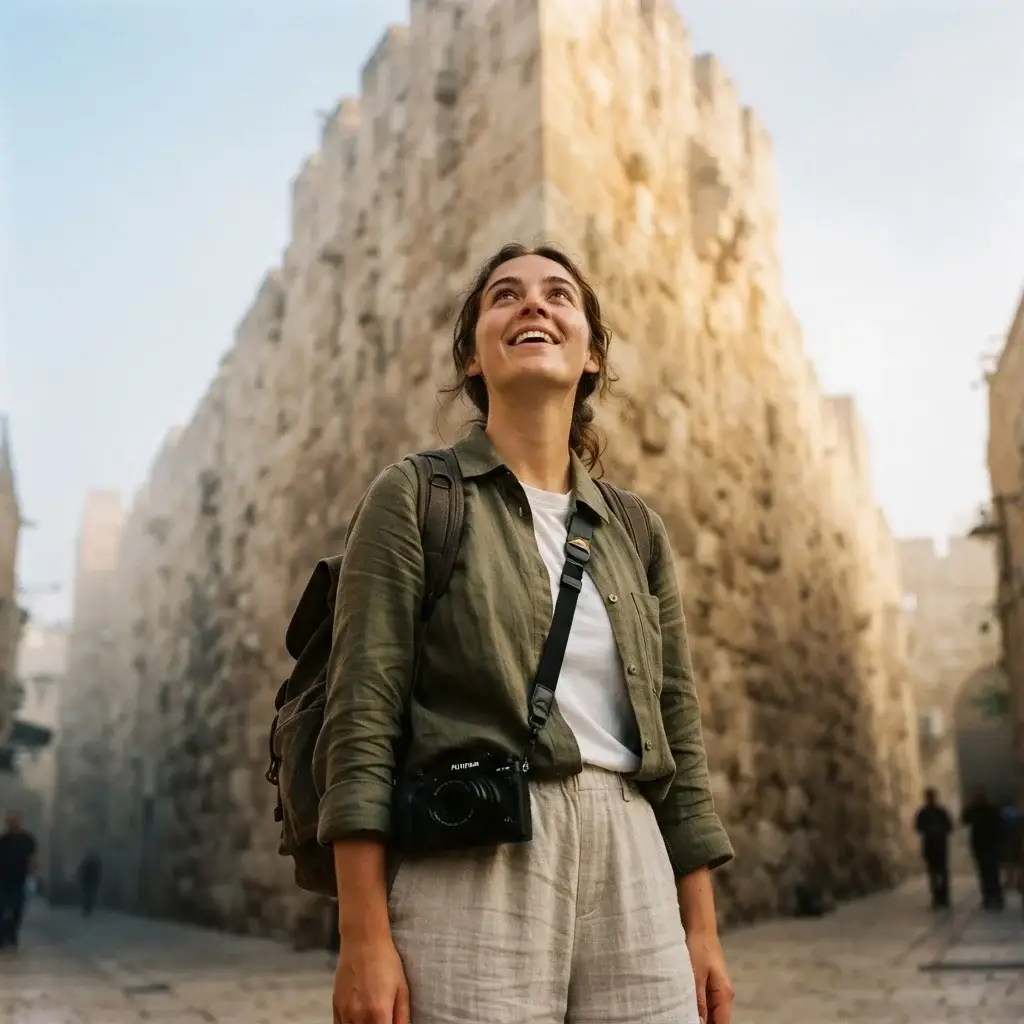
These walls were built in the 1500s by Suleiman the Magnificent.
Walk through the Jaffa Gate. You are now inside a walled city that is divided into four quarters: The Jewish Quarter, the Christian Quarter, the Muslim Quarter, and the Armenian Quarter. Every street is a narrow stone tunnel. There are no cars. Just people, carts, and tiny shops selling spices, bread, and religious items.
Right inside the Jaffa Gate, you will see the Tower of David. This is an ancient citadel turned into a museum. I highly recommend paying the entry fee to go inside. Climb up to the top of the tower. You will get a 360-degree view of the entire Old City. You will see church domes, mosque minarets, and the flat roofs of the stone houses.
Evening: The Western Wall (The Kotel) When the sun starts to go down, walk into the Jewish Quarter. You will walk down a long set of wide stone stairs and suddenly, the space opens up into a massive plaza. In front of you is the Western Wall.
This is the holiest site where Jewish people can pray. It is the last remaining support wall of the ancient Second Temple. The plaza is divided into a men’s section on the left and a women’s section on the right. Anyone is allowed to approach the wall, no matter your religion. Just dress modestly. Men must wear a head covering (they give out free paper ones at the entrance).
Walk up to the wall slowly. You will see people crying, singing, and pressing their faces against the giant stone blocks. Look closely at the cracks between the stones. They are stuffed with thousands of tiny, folded pieces of paper. People write their prayers on these papers and leave them in the wall. Write your own note on a piece of paper before you go, fold it tight, and push it into a crack. It is a deeply moving experience.
Day 4: Exploring Ancient History
Today is going to be a heavy walking day. Wear your best, most comfortable sneakers. Drink plenty of water. We are going deep into the history of the world.
To really appreciate the depth of what you are seeing, I suggest spending a little time exploring the detailed historical overview on the UNESCO World Heritage site because it explains exactly why these specific walls and ancient streets have survived thousands of years of conflict. Understanding the context makes every footprint feel more important.
Morning: The Temple Mount (Haram al-Sharif) You must wake up very early today. The entrance to the Temple Mount is only open to non-Muslim visitors for a few hours in the morning. The entrance is a wooden bridge located right next to the Western Wall plaza.
The security here is very strict. You must have your passport. Your clothes must be very modest. No shorts, no short sleeves, no tight pants. Women should wear a long, loose skirt and a long-sleeved shirt that comes up to the collarbone.
When you walk up the ramp and enter the compound, the noise of the city completely disappears. It is huge, flat, and quiet. In the center sits the Dome of the Rock. This building has a brilliant gold dome and is covered in bright blue and green tiles. It is one of the most beautiful buildings on earth. Non-Muslims cannot go inside the building, but you can walk all around it. Stand under the olive trees and just look at the details of the tile work.
Late Morning: The Via Dolorosa and the Church of the Holy Sepulchre Leave the Temple Mount and walk into the Muslim Quarter. Find the starting point of the Via Dolorosa. This is the path that Jesus is believed to have walked while carrying the cross. There are 14 stations along the way. Even if you are not religious, walking this path is incredible. You share the narrow streets with pilgrims from all over the world carrying wooden crosses and singing.
Follow the path until it ends at the Church of the Holy Sepulchre in the Christian Quarter. This church is massive, dark, and smells heavily of incense. Inside, you will find the site where Jesus was believed to be crucified, and the tomb where he was buried. The church is shared by several different Christian groups, and the atmosphere is intense. It is dark, crowded, and loud.
When you enter, you will see the Stone of Anointing. People kneel here to kiss the stone and rub oil on it. Wait in line to enter the small wooden structure in the center of the church, called the Aedicule. This is the tomb itself. You will only get a few seconds inside because the line is so long, but it is a powerful moment.
Afternoon: Mount of Olives Walk out of the Old City through the Lion’s Gate on the eastern side. You will see a steep hill in front of you. This is the Mount of Olives. Start walking up. It is a hard climb, but the view is worth it.
The side of the mountain is covered in the oldest and largest Jewish cemetery in the world. The white stone graves look like a sea of blocks tumbling down the hill. When you reach the top, turn around. You will see the best view of the Old City, with the golden Dome of the Rock shining right in front of you. Sit on the stone wall, catch your breath, and take some photos.
Evening: Dinner in the Christian Quarter Head back into the Old City for dinner. I love the small family-owned restaurants in the Christian Quarter near the New Gate. Order a plate of warm hummus with pine nuts, fresh cucumber salad, and a huge plate of chicken shawarma. The prices inside the Old City can be a little high for tourists, so always look at the menu before you sit down.
Day 5: Modern Jerusalem and Moving Forward
On your final day in this 5-day itinerary for Tel Aviv & Jerusalem, we will step out of the ancient walls and look at how the modern city lives and breathes.
Morning: Yad Vashem or The Israel Museum You have two great choices for this morning. You can take the light rail to the western edge of the city.
Option one is Yad Vashem, the World Holocaust Remembrance Center. It is a massive, sprawling museum complex built into the side of a mountain. It is a heartbreaking, exhausting, and completely necessary place to visit. The main museum walks you through the entire history of the Holocaust using personal items, videos, and stories. The architecture of the building is brilliant. It feels like you are walking through a dark tunnel, but at the very end, it opens up to a huge window overlooking the bright, green forest. It will take you about three hours to walk through.
Option two is the Israel Museum. This is the largest cultural institution in the country. The most famous thing here is the Shrine of the Book. It is a building shaped like the lid of an ancient jar. Inside, they keep the Dead Sea Scrolls. These are the oldest known copies of biblical texts. You can also see a massive, detailed model of what Jerusalem looked like in ancient times.
Afternoon: Mahane Yehuda Market (The Shuk) Take the light rail back to the city center and get off at the Mahane Yehuda stop. This is the biggest outdoor market in Jerusalem. It is loud. It is crowded. It is wonderful.
Walk through the covered alleys. You will see huge piles of dried fruit, nuts, and shiny, sticky baklava. You will see butchers yelling out their prices and people pushing shopping carts.
You must find the Marzipan Bakery. They are famous for their chocolate rugelach. These are small, rolled pastries absolutely soaked in gooey chocolate and syrup.
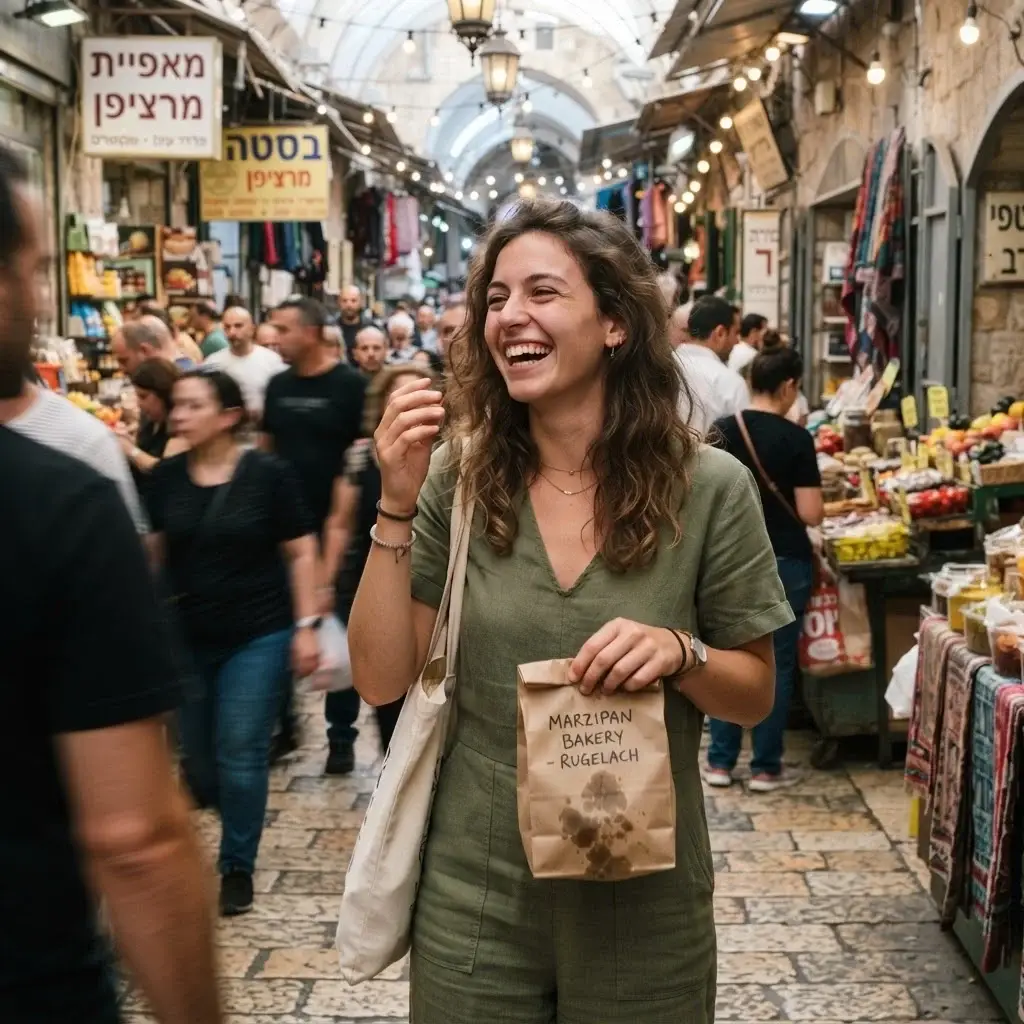
Buy a bag of them. They are so good you will want to eat them all before you leave the market.
For lunch, look for a small spot called Azura in the Iraqi section of the market. They cook their food slowly on kerosene burners. Order the kubeh soup. It is a warm, rich broth filled with dumplings stuffed with meat. It is pure comfort food.
Because trying so many new street foods can sometimes upset a sensitive stomach, I always make sure to read the food and water safety guidelines on the CDC travel website so I know exactly how to pick the safest, most thoroughly cooked meals at crowded outdoor markets. Eating smart keeps you healthy for the whole trip.
Evening: The Market Turns into a Party If you are here on a weeknight (Sunday through Thursday), do not leave the market when the sun goes down. Something magical happens. The fruit and vegetable vendors close their shops and pull down their metal shutters. Every single metal shutter is painted with bright, beautiful graffiti art.
Suddenly, the market turns into a giant outdoor bar. Small pubs open up right next to the closed vegetable stands. The alleys fill up with young people. They play loud music. They drink local craft beer. Buy a drink, find a stool, and talk to the person sitting next to you. It is the perfect way to end your trip. You started with the sunset on the beach in Tel Aviv, and you are ending with music in a stone alley in Jerusalem.
Why You Should Take This Trip
When I quit my boring office job, I was terrified. I thought I would run out of money. I thought I would get lost. I thought I would be lonely. But traveling solo taught me how to trust myself.
This 5-day itinerary for Tel Aviv & Jerusalem is not just a vacation plan. It is a challenge. It is a chance to prove to yourself that you can navigate a foreign train system. You can walk through ancient, confusing streets. You can sit at a table by yourself and make friends with a shop owner in a language you do not speak.
The perfect time to take this trip does not exist. Do not wait for your friends to be ready. Do not wait until you feel brave. You build the bravery by doing the thing. Buy the ticket. Pack your most comfortable shoes. Eat the messy street food. Let the world surprise you.
I promise you, the memories of those quiet moments looking at the sea in Jaffa, or touching the cold stone of the Western Wall, will stay with you forever. Your adventure is waiting. You just have to go meet it.