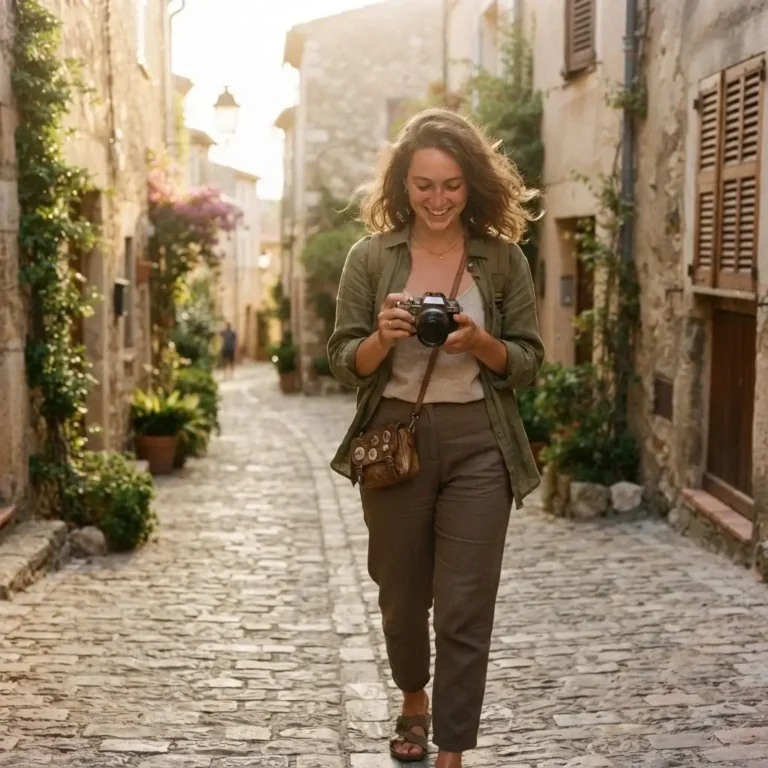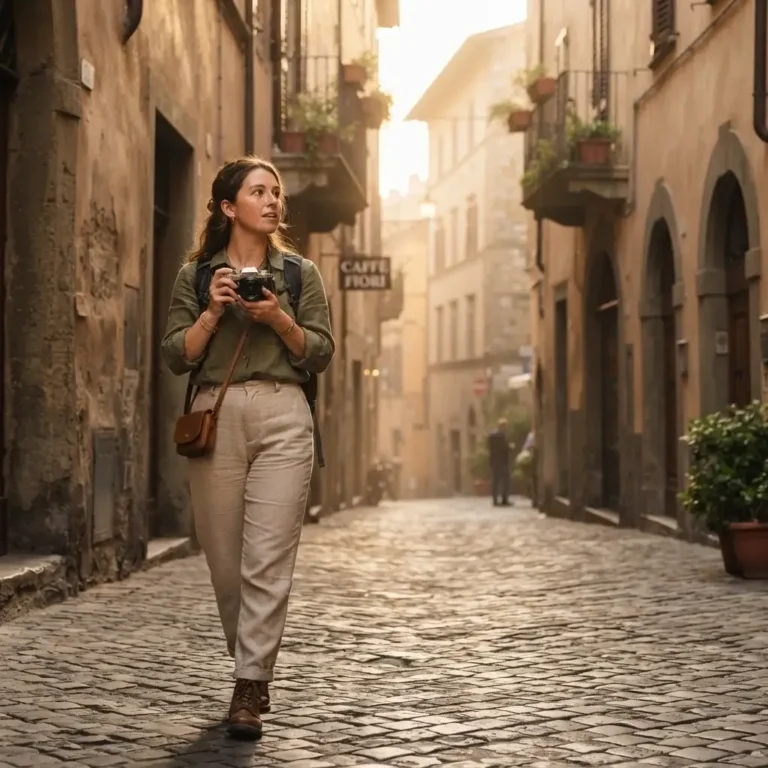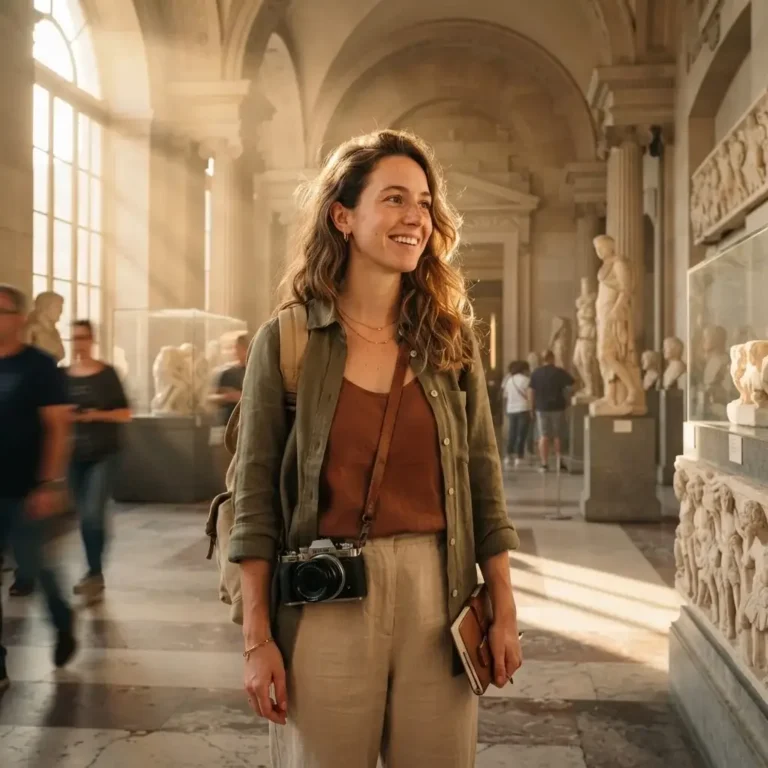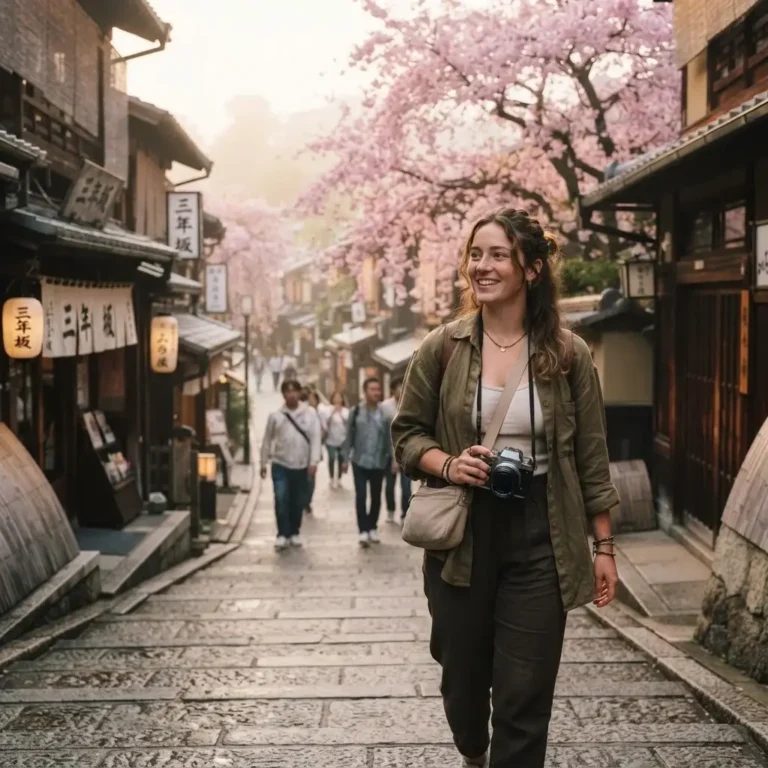
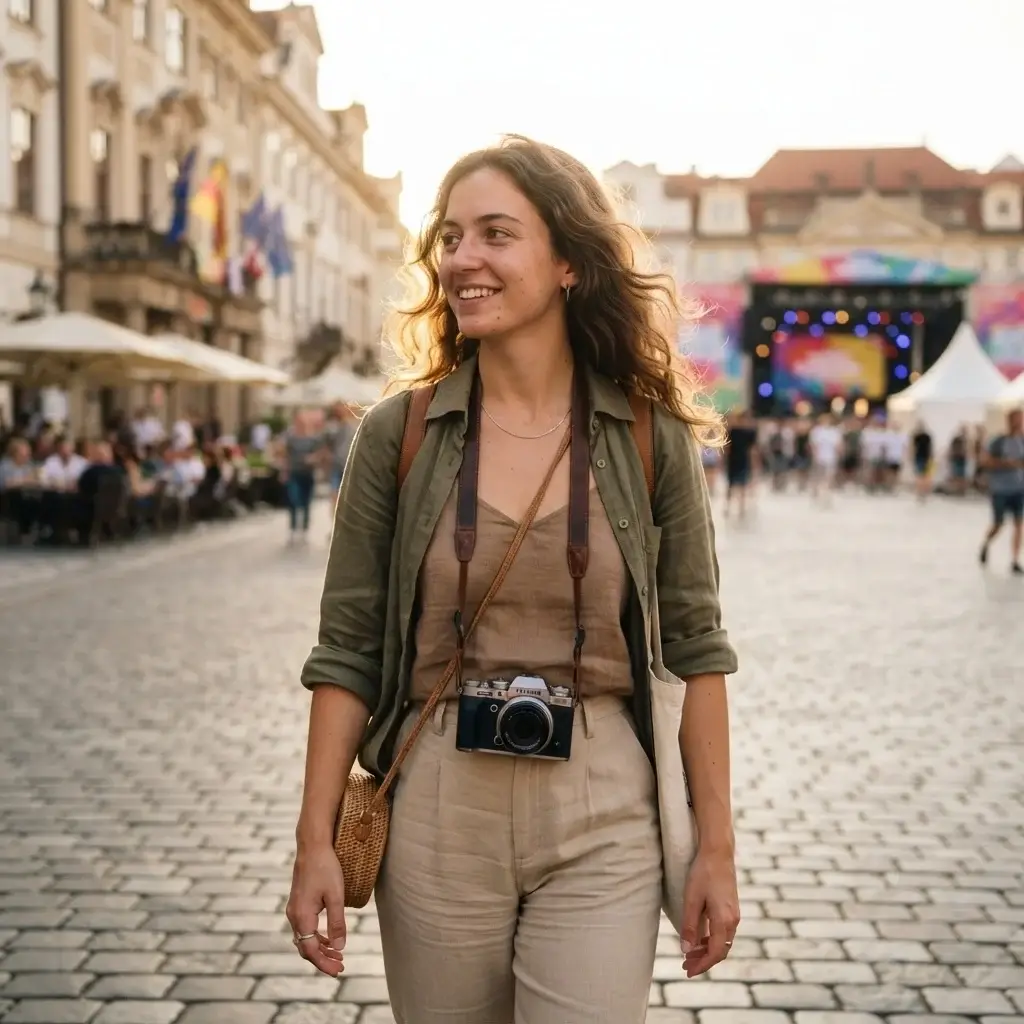
When I sat at my desk in New York, staring at a spreadsheet while dreaming of the rainy streets of London or the neon glow of Tokyo, I felt like I was missing the beat. I spent years waiting for a travel partner to say “yes” to an adventure. That changed the day I realized that if I kept waiting for the perfect person to come along, I would never hear the music I loved in the places I craved.
Solo travel isn’t just about seeing a new place; it’s about the rhythm you create for yourself. When you go to a city for a music festival, you aren’t just a tourist. You are a participant in the local culture. But building the best music festival city itineraries can feel like trying to solve a puzzle while the music is already playing. It takes balance, grit, and a bit of “Emma-style” planning to make sure you get the most out of both the festival grounds and the city streets.
The Foundation: Balancing Sound and Sight
Most people make a rookie mistake: they book a flight, secure a festival ticket, and then assume the rest will fall into place. I did this once for a festival in Europe, and I ended up spending three days in a tent on a muddy field, seeing nothing but the back of a stranger’s head. I left feeling exhausted and like I’d been anywhere but there.
To build the best music festival city itineraries, you have to treat the city as your primary destination and the festival as your anchor event. Before you get too excited about the lineup, take a moment to look at the official entry requirements for the country you’re visiting on the US Department of State Travel page to ensure your passport is ready and you aren’t missing any vital legal steps.
I like to split my time 60/40. Sixty percent of the day is for the city—the markets, the history, the quiet cafes—and forty percent is for the festival. This keeps me from getting “festival burnout.” If I go too hard on day one, I’m useless for the rest of the trip.
Choosing Your Base: Where to Sleep Matters
When you are solo, where you stay dictates your ability to navigate the city. Avoid the temptation to stay right next to the festival grounds unless you want to be surrounded by noise 24/7.
Instead, find a neighborhood with a strong transit link. If I’m in a city like Bangkok, I look for areas near the Skytrain. The official Tourism Authority of Thailand website provides great guidance on local customs and how to respect the spaces you visit while you’re moving between your hostel and the music.
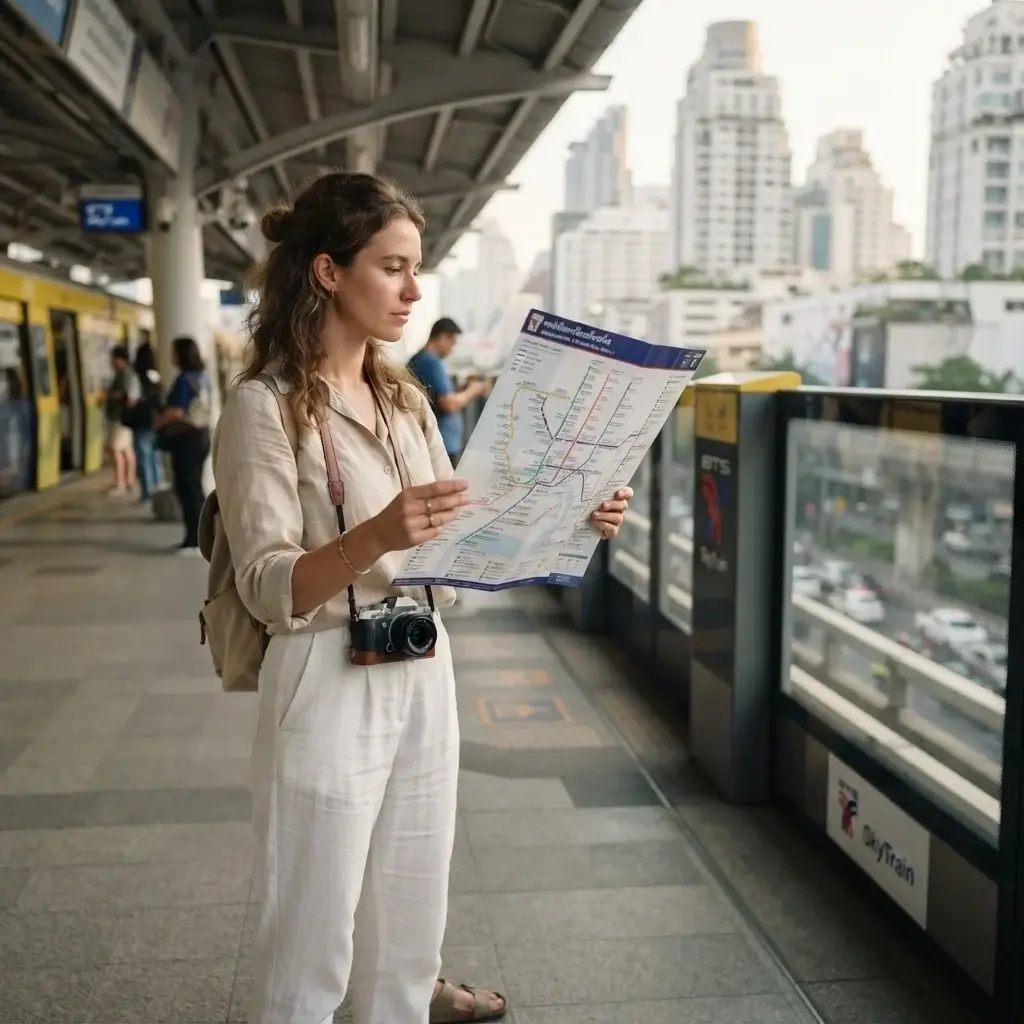
If you are new to the city, check a reliable destination overview on Lonely Planet to see which districts are walkable. Being able to walk to a local noodle shop or a bookstore at 10:00 AM before heading to the festival grounds is the difference between a trip that feels like a blur and one that feels like a life-changing experience.
Navigating Like a Local
One thing I learned during my time as a sightseeing guide in New York is that if you rely only on tourist buses, you’ll never see the real city. You need to use the tools that locals use. In many major cities, ride-hailing apps are the standard for getting home safely after a late-night set. You can see how Grab works for travelers by checking their official app overview page before you land. It saves you from negotiating with taxis in the dark when you’re tired and just want to get back to your room.
I also carry a physical map, even if my phone is fully charged. There is something about being a solo traveler that makes you look at a map differently—you start to connect the dots between the venue, your hotel, and that museum you wanted to hit on the way.
Eating for Energy and Culture
Festival food can be expensive and, quite frankly, not very exciting. My best advice? Eat your main meal of the day before you enter the festival gates. Use the city to find the real flavors.
Before you try that street-side stall you saw on Instagram, check the CDC Travelers’ Health site to stay updated on food safety recommendations for the specific region you are exploring. It sounds unglamorous, but keeping your health in check is the most “practical” part of being a solo traveler. If you get sick, the festival and the city tour both end.
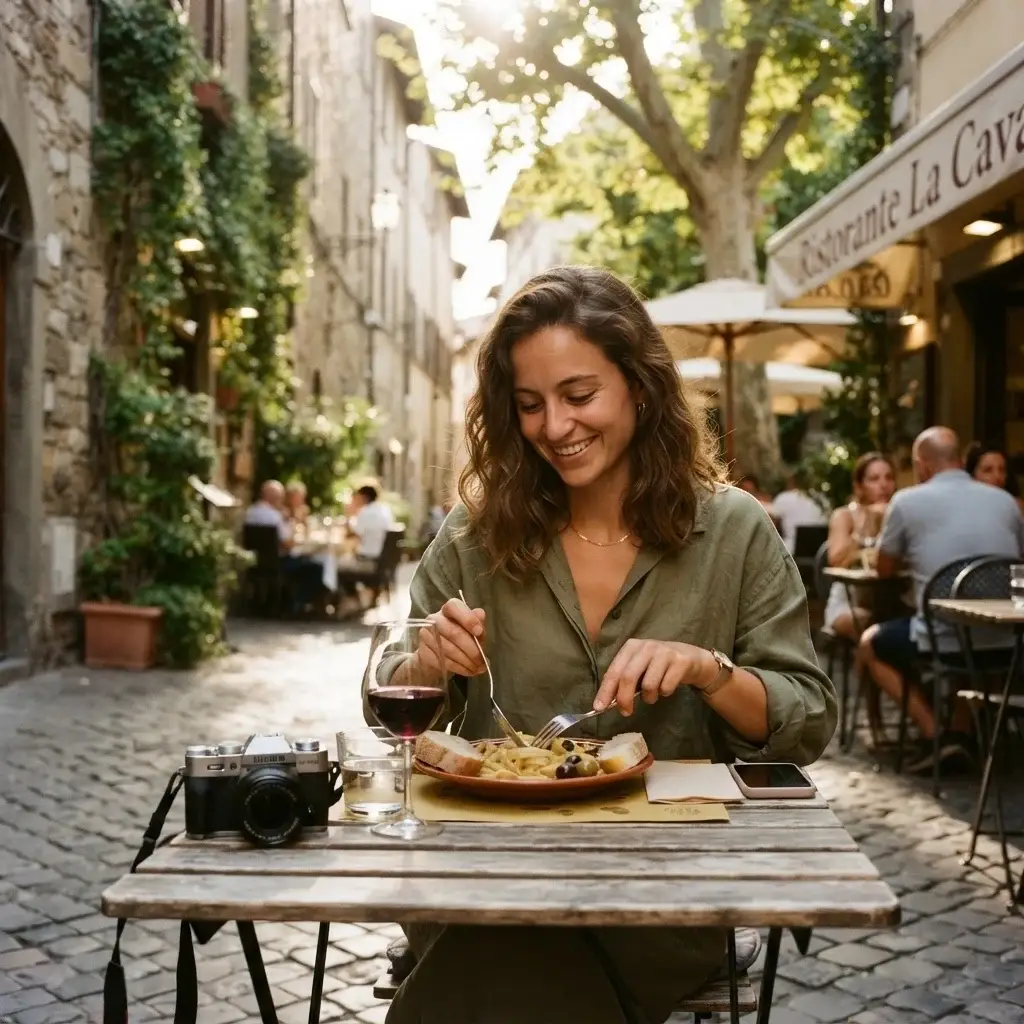
In my experience, the best way to meet people isn’t at the main stage; it’s at the small café around the corner from your hotel. Order what the person at the next table is having. It’s an icebreaker, and it’s how I’ve found some of my favorite dishes, from spicy khao soi in Thailand to perfect, flaky pastries in Paris.
Designing Your Daily Rhythm
When you are alone, you have the total freedom to change your plans. If you wake up and realize you want to spend the whole day in a museum instead of at the first few sets of the festival, you can.
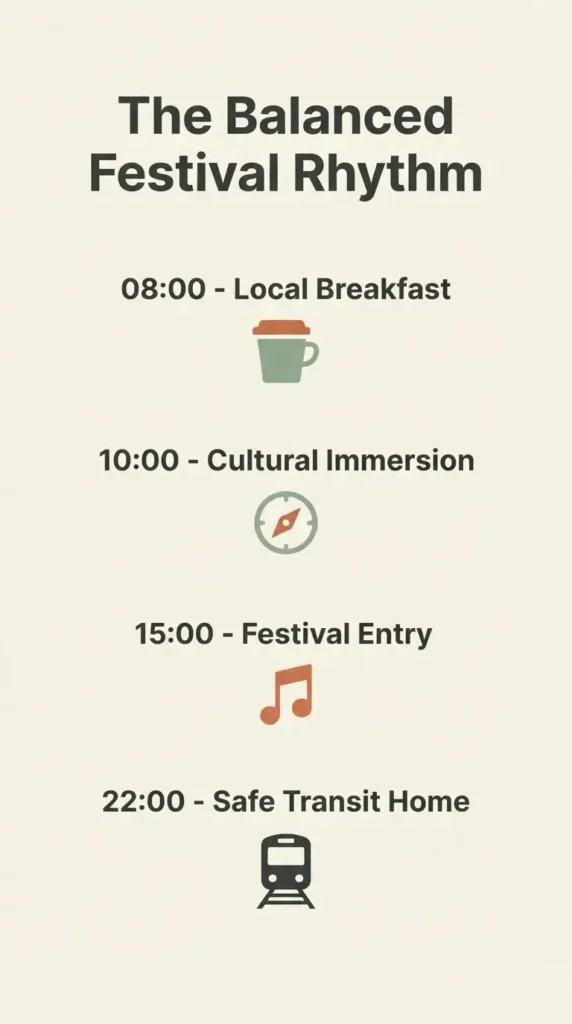
My itinerary always looks like this:
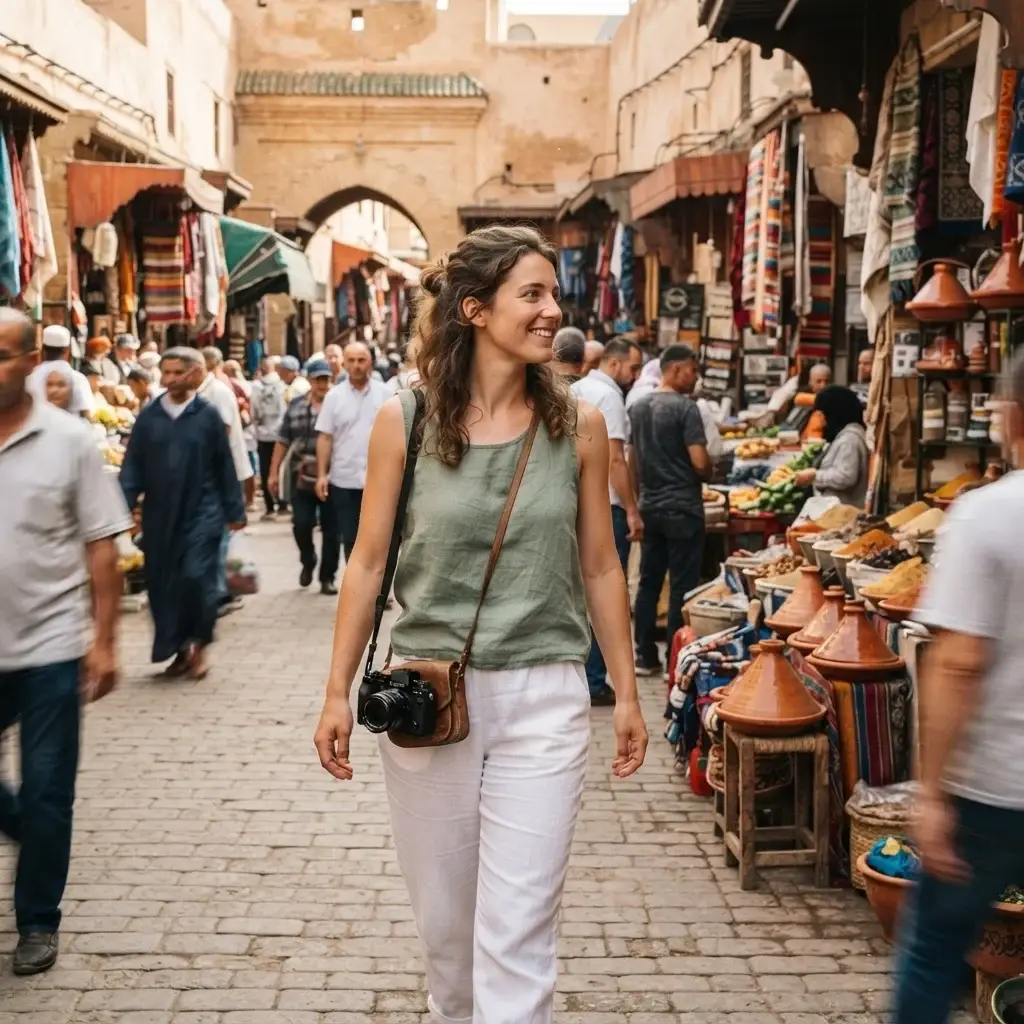
- Morning: Coffee at a local spot, followed by one “cultural” activity—a historic site, a UNESCO World Heritage location, or a local market.
- Afternoon: This is for the festival. I head in around 3:00 PM or 4:00 PM to catch the mid-day sets when the crowds are still manageable.
- Evening: I stay for the headliners, but I always make sure I have a clear plan for how I’m getting back to my base.
Never underestimate the power of “down time.” If you feel yourself getting overwhelmed by the noise and the crowd, find a quiet place to sit. Solo travel is about knowing your own limits. If you need to skip a set to sit in a quiet park and read your book, do it. You don’t have to justify your schedule to anyone.
Managing Safety as a Solo Traveler
Safety isn’t about being afraid; it’s about being prepared. I always tell people that the most important tool you have is your intuition. If a situation feels “off,” it probably is.
I invest in comprehensive travel insurance guidance from World Nomads to make sure that if a flight is canceled or a bag goes missing, I’m not stuck in a panic. Knowing you are covered gives you the confidence to explore a bit further, take that extra train ride to a neighboring town, or walk through a historic district at dusk.
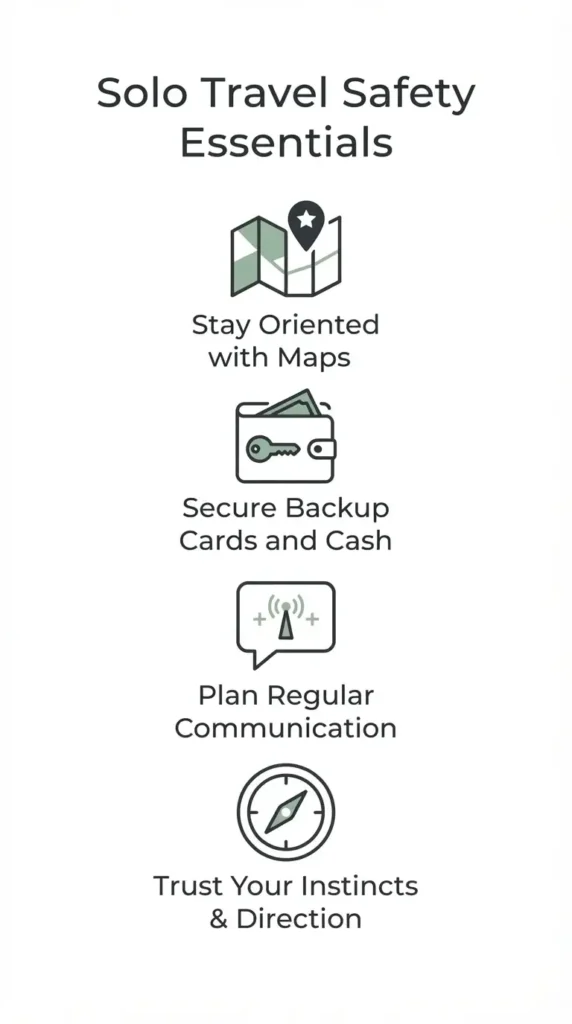
Keep your money in different places—some in your bag, some in your pocket, some in a backup stash in your room. Use a crossbody bag for the festival, and keep it in front of you. It’s these small, practical habits that allow you to lose yourself in the music without worrying about your gear.
The Emotional Growth of the Solo Festival Trip
You might start this trip thinking it’s just about the music. By the end, you’ll realize it was about so much more. You navigated a foreign transit system alone. You found your way through a crowded festival. You sat at dinner by yourself and actually enjoyed your own company.
This is the “Pinverse” way. It’s not about checking off a bucket list. It’s about the fact that you decided to go, you bought the ticket, and you showed up. That sense of accomplishment—that you are capable of handling whatever the city throws at you—is what you take home. It’s what stays with you long after the final song ends.
When you pack your bags, don’t just pack for the music. Pack for the person you are going to be when you get home. Bring a notebook, bring your curiosity, and bring the willingness to step out of your comfort zone. The city is waiting, the music is playing, and you, my friend, are fully capable of experiencing every single note.