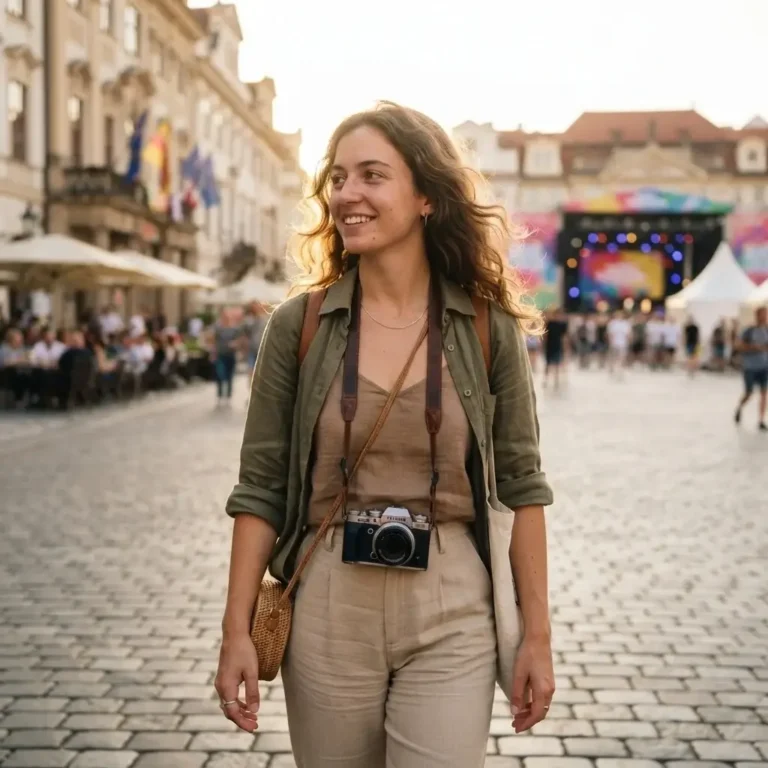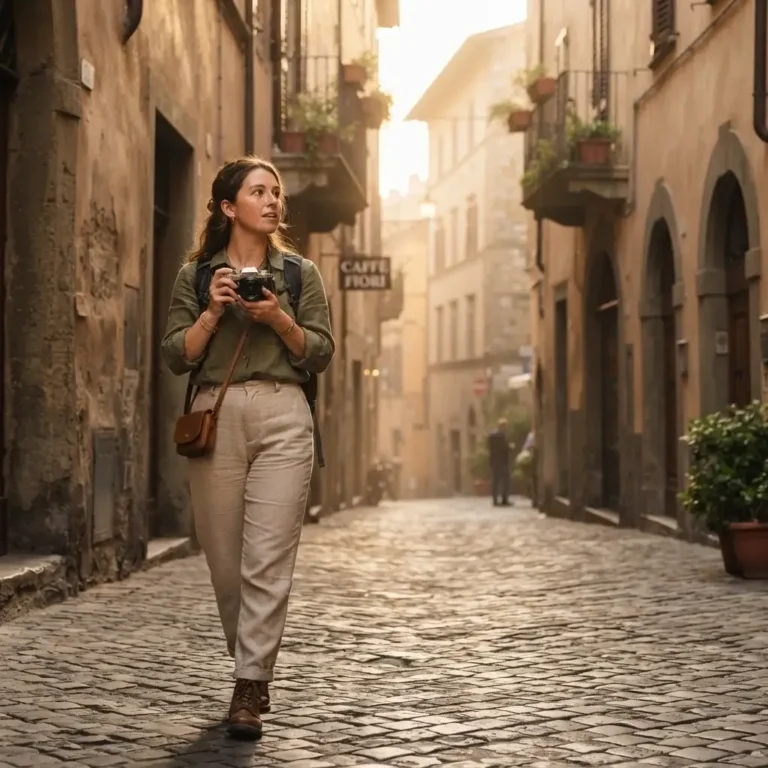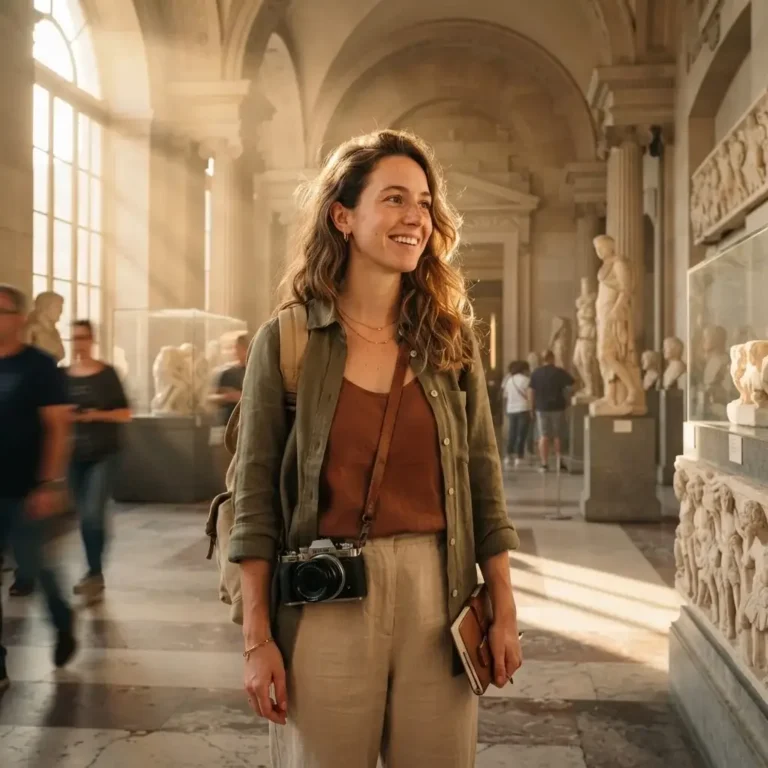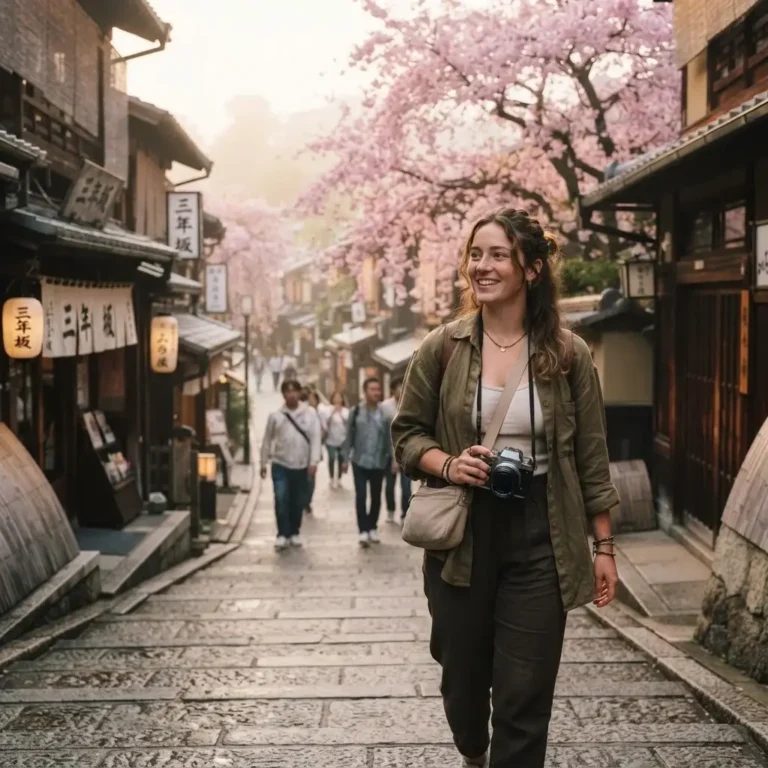
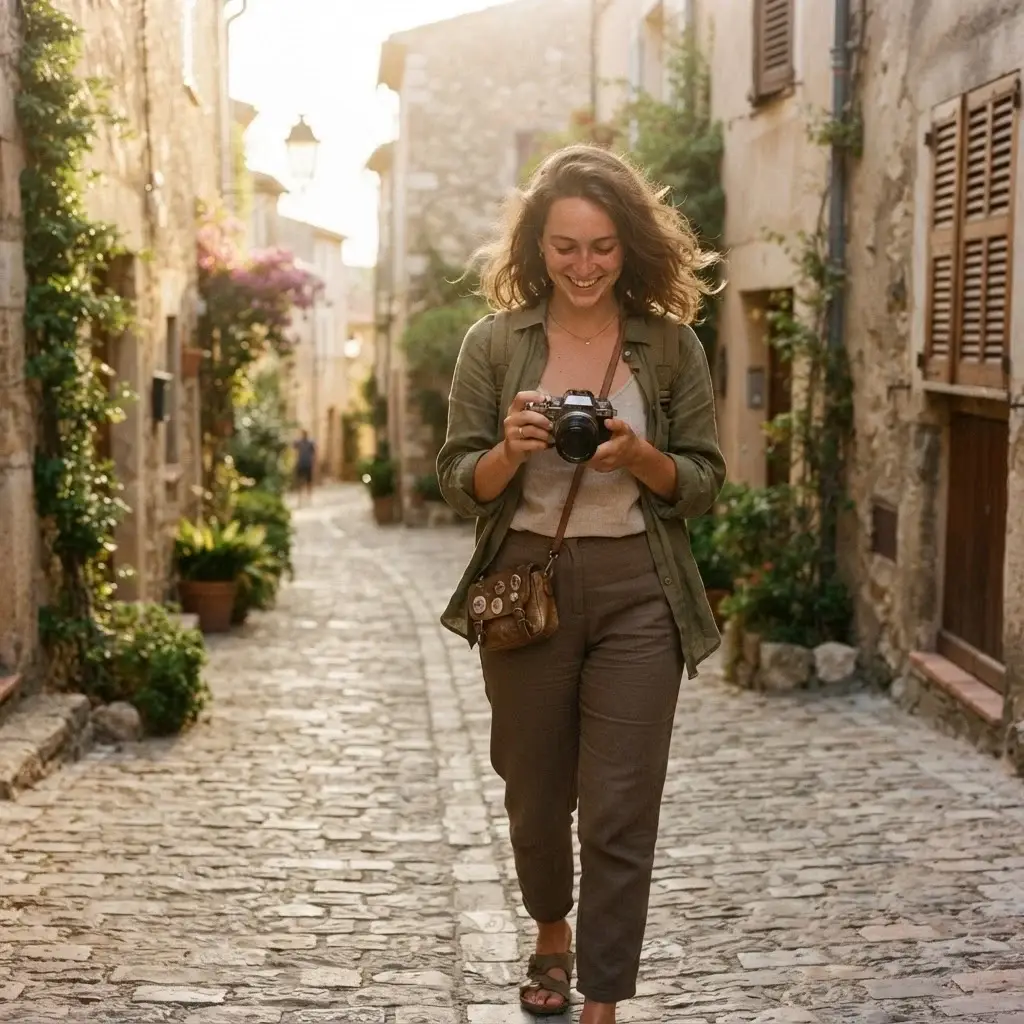
I still remember the feeling of sitting in my grey cubicle in New York, staring at a calendar and realizing I had exactly ten days of vacation left for the entire year. I felt trapped. I wanted to see the world, not just the highlights featured on every postcard. I wanted to hear the quiet hum of a morning market in a city where I didn’t speak the language, not stand in a three-hour line for a famous monument.
When I finally quit that job and started traveling solo, I realized something important: the magic of travel happens in the margins. It happens when you step off the main bus route or choose the street with the fewest souvenir shops. Building the best off-the-beaten-path city itineraries isn’t about avoiding popular cities entirely; it’s about changing how you engage with them. It’s about curiosity, patience, and the courage to get a little lost.
The Mindset of a Non-Tourist
Before you even look at a map, you have to adjust your mindset. Most travelers view a city as a checklist. They want to see the “Top 10” attractions before the sun goes down. When you travel solo and off the beaten path, your goal is immersion.
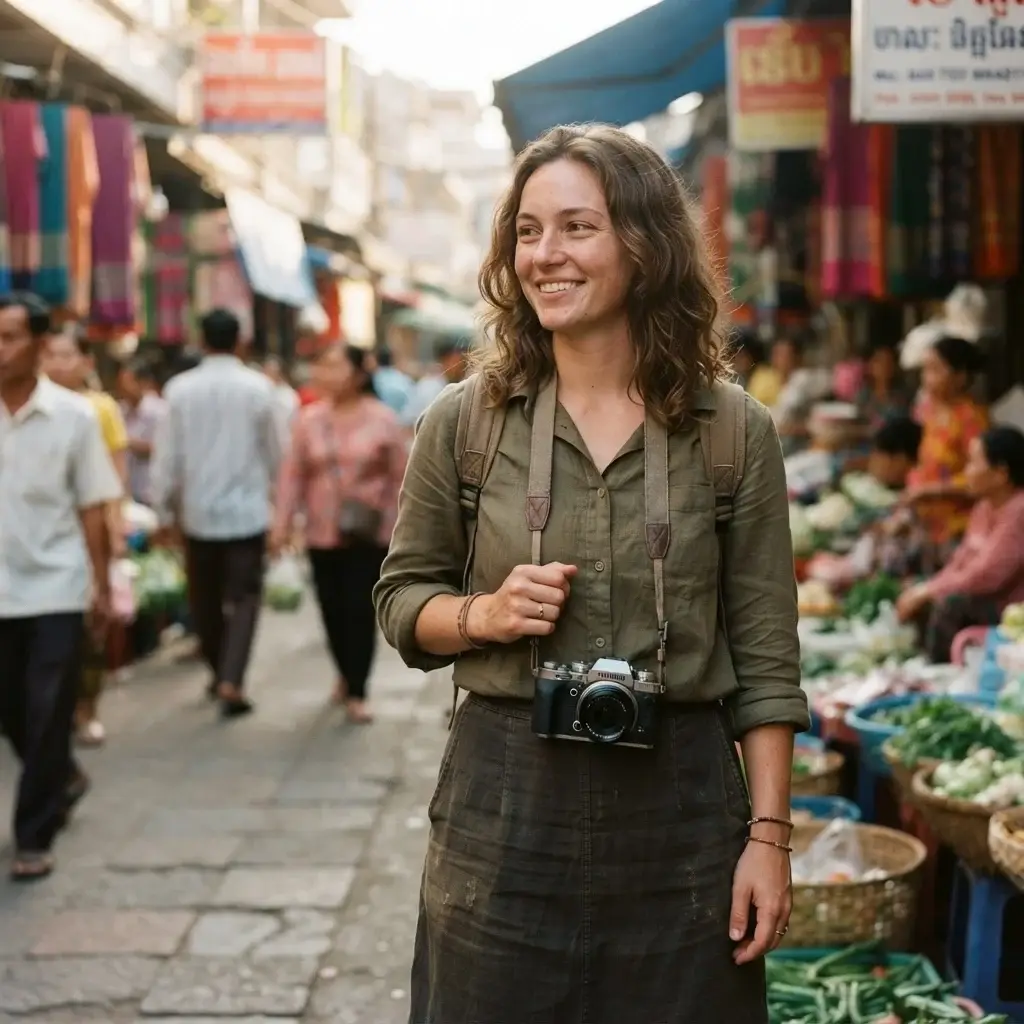
I learned this the hard way when I was teaching English in Thailand. I spent my weekends visiting the busy temples everyone recommended, but I felt exhausted. Then, one Saturday, I decided to just walk in the opposite direction of the tourist center. I found a tiny shop selling steamed buns and a park where local families were playing games. That was the moment I fell in love with slow travel. You need to embrace being a guest, not a consumer. If you approach a city with the goal of understanding its pulse rather than checking off a list, you will find that the best experiences are always free and usually hidden in plain sight.
How to Research Like a Local
The internet is full of “Top 10” articles that all say the same thing. To find the real stuff, you have to dig deeper. I like to start by looking at local blogs or independent magazines from the city I am visiting.
When you are planning, look for neighborhood guides rather than city-wide lists. If you are heading to a new country, it is always a good idea to check the official entry requirements and safety status through the U.S. Department of State to ensure you have a clear picture of the environment before you land. Knowing the logistics helps me relax, and when I am relaxed, I am much more open to spontaneous detours.
Don’t just search for “things to do.” Search for “public parks in [City Name],” “independent bookstores in [Neighborhood],” or “local weekend markets.” These queries lead you to places where people actually live their daily lives. If you find a spot that looks interesting but you aren’t sure if it’s safe or appropriate, look for community forums or social media groups dedicated to that specific district.
Choosing Your Base: Neighborhoods Matter
The single biggest mistake I see solo travelers make is staying in the city center. Sure, it’s convenient, but you are paying a premium to be surrounded by other tourists.
I always look for residential neighborhoods that are well-connected by public transport. When I lived in China, I learned that living even two subway stops away from the main hub changed my entire experience. I found cheaper, better food and met people who were curious about me because I wasn’t just another tourist rushing to the Great Wall.
When you settle into a neighborhood, your local “spot” becomes a sanctuary. You get to know the barista, the owner of the fruit stand, and the regular faces at the park.
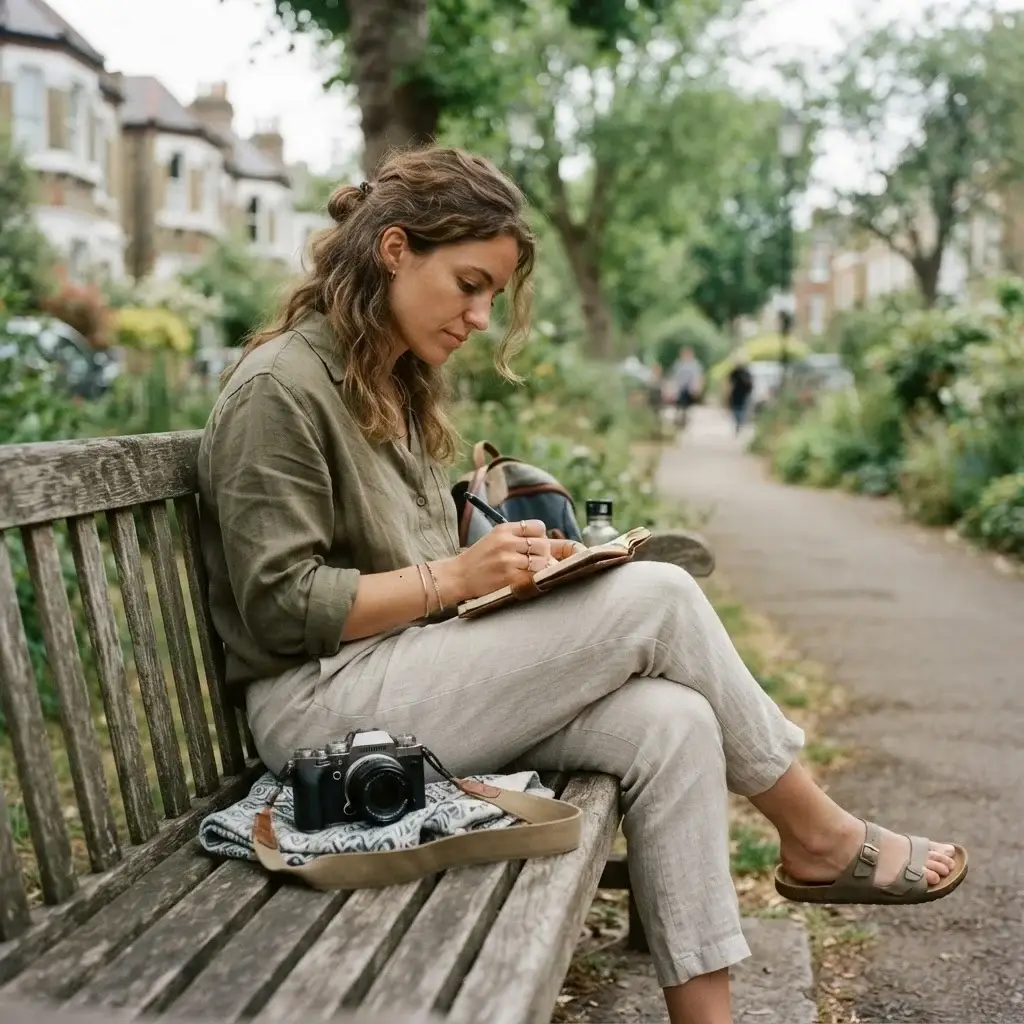
This creates a sense of belonging that makes solo travel feel significantly less lonely. You aren’t just visiting a city; you are participating in its rhythm.
Mastering Public Transit and Navigation
The fear of getting lost is what keeps many people from venturing off the beaten path. I used to be terrified of train maps in foreign languages. But once I mastered the art of navigation, I realized that getting lost is actually a gift.
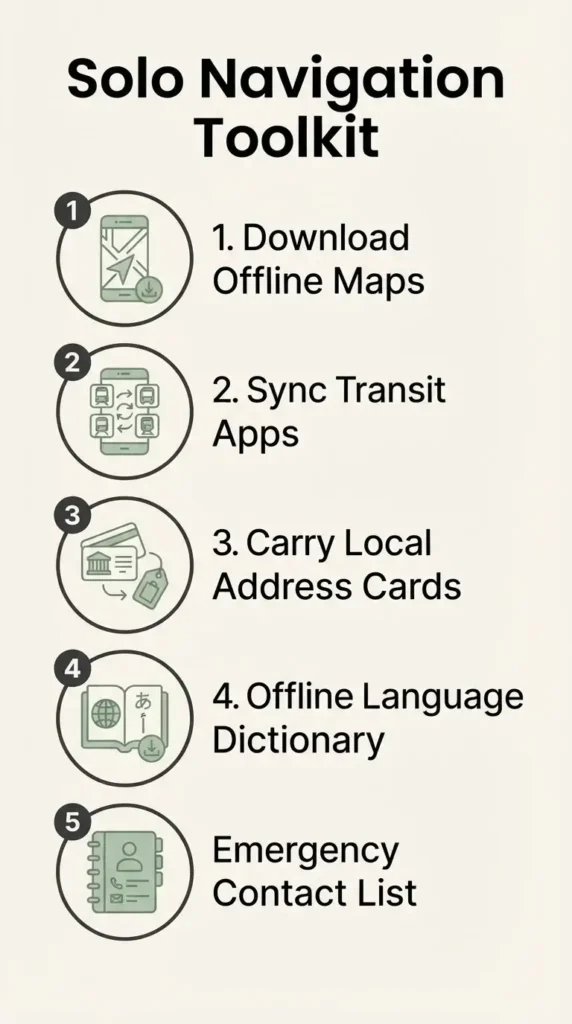
In many modern cities, you don’t need a fancy private tour. You just need the local transit app or a reliable ride-sharing service. For instance, knowing how to use Grab in Southeast Asia has saved me from countless stressful situations. It allows you to get from point A to point B without worrying about language barriers or fare negotiations, giving you the freedom to explore neighborhoods that are a bit further out.
Always carry a physical map or an offline digital version. If your phone dies, you shouldn’t be stranded. I also make it a habit to write down the name and address of my accommodation in the local language. It is a small step, but it provides a massive safety net that lets you walk those narrow, mysterious backstreets with total confidence.
Culinary Adventures: Eating Outside the Bubble
Food is the quickest way to understand a culture, but the “best” food is rarely found on the main square. I always avoid restaurants with pictures of the food on the menu and staff standing outside trying to pull me in.
Instead, I look for places where the menu is limited. If a restaurant only serves three things, they probably do those three things perfectly. I also look for the “lunch rush.” If you see a line of locals in business suits waiting for a table at a small, crowded hole-in-the-wall, that is where you want to be.
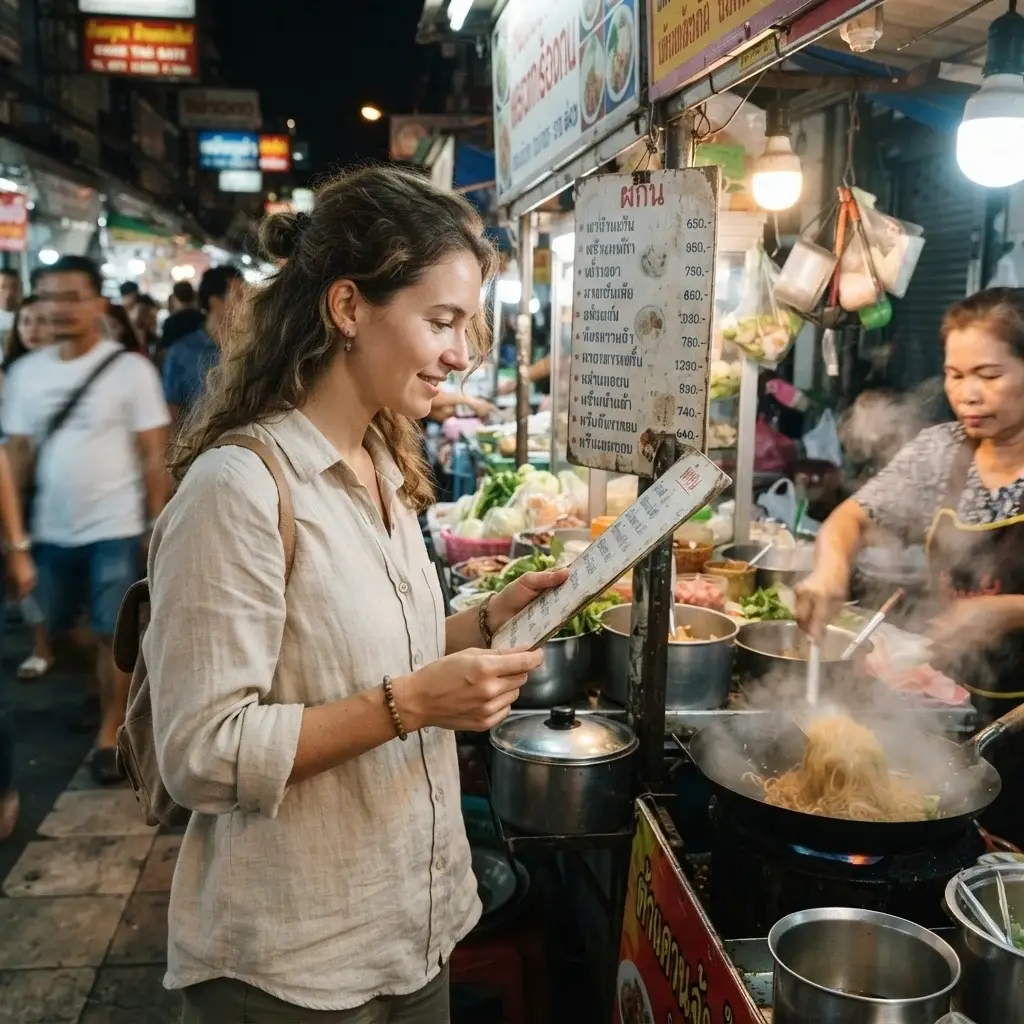
Before you go, take a moment to look up destination health and food safety tips from the CDC to ensure you know how to safely navigate local street food. You don’t need to be paranoid, but being informed allows you to enjoy that amazing bowl of noodles without worrying about an upset stomach later in your trip.
The Power of the “Slow” Itinerary
I don’t plan more than one “major” activity per day. By leaving the rest of the day open, I create space for the unexpected. Maybe I meet a local at a bookstore who suggests a hike I didn’t know about, or perhaps I stumble upon a street festival.
If you are looking for places with deep historical and cultural significance that aren’t overrun with tour buses, I suggest consulting official lists of UNESCO World Heritage sites for your destination.
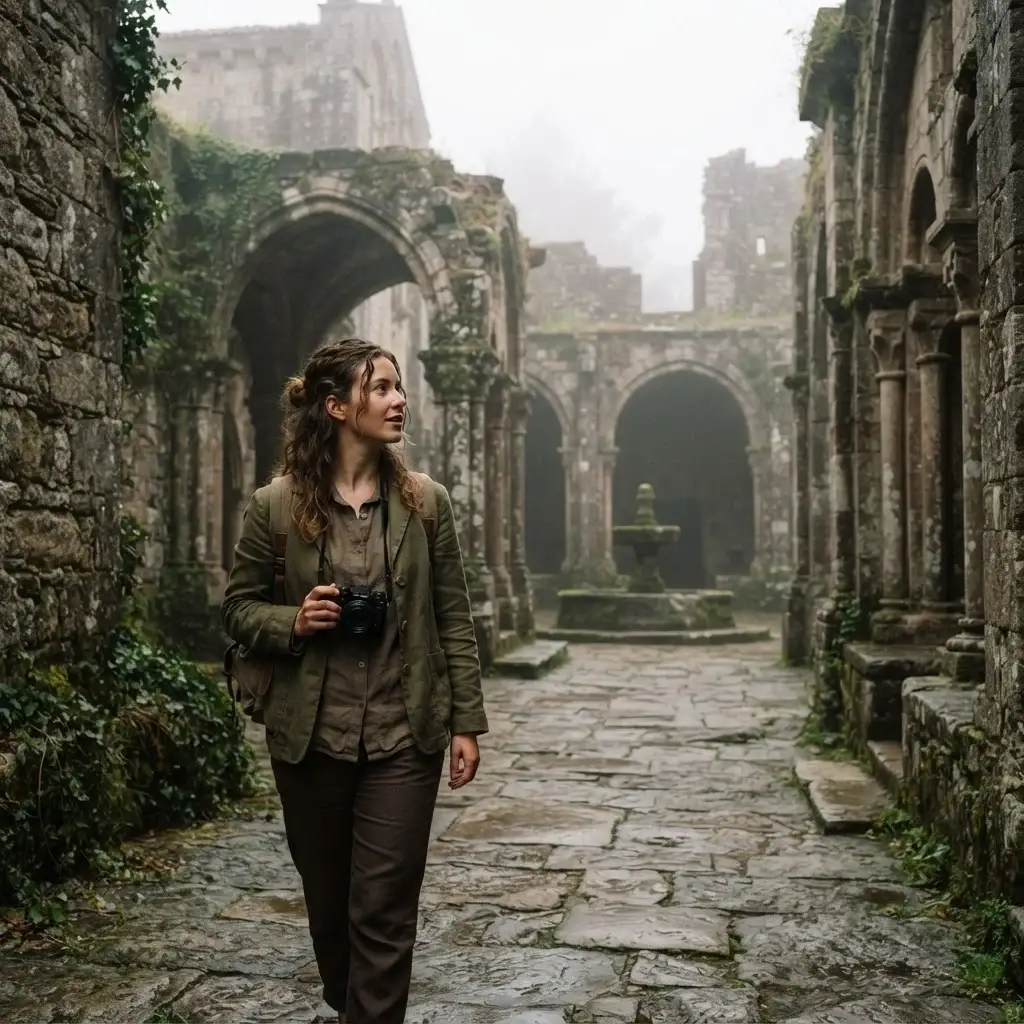
It’s a great way to find landmarks that are architecturally or historically vital without the commercialized “attraction” feel.
When you aren’t rushing, you notice things: the way the light hits a particular building in the late afternoon, the sound of the city changing as the workday ends, or the smell of jasmine in a neighborhood garden. This is where the personal growth happens. It happens when you are forced to be present, observant, and quiet.
Solo Safety: Confidence vs. Caution
Safety is a common concern, especially for women traveling alone. My philosophy is simple: intuition is your best compass. If a place feels “off,” I leave. Period.
However, don’t let fear keep you from living. Being “off the beaten path” doesn’t mean being reckless. It means being prepared. Always keep your emergency contacts updated, share your itinerary with a friend back home, and make sure you have solid travel insurance guidance to protect you in case of an unexpected health issue or travel disruption.
Most of the time, the world is much kinder than the news suggests. When you walk with purpose—head held high, appearing as though you know exactly where you are going—people are more likely to respect your space. If you do get truly lost, look for a pharmacy or a convenience store to ask for directions. These are neutral, safe spaces where people are usually happy to help a traveler in need.
Building Your Own Itinerary Template
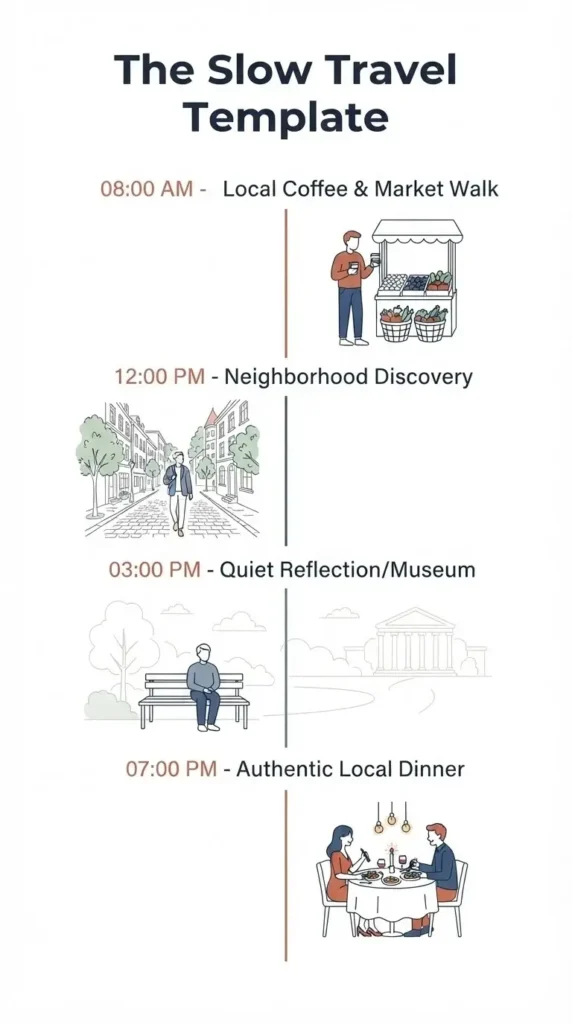
To build your own, start with a “skeleton.” Put one or two must-sees on your list if you really want to see them. Then, fill in the rest of the day with “neighborhood exploration.”
- Morning: Coffee at a local shop (not a chain). Find the local market where people buy their produce.
- Afternoon: Visit a park, a small museum, or a library in a residential area. Sit and write, read, or just observe.
- Evening: Find the street food area where the locals congregate.
This structure gives you enough security to feel safe, but enough flexibility to allow for the magic of discovery. Remember, the goal is not to see everything. The goal is to return home feeling like you actually lived there, even if only for a few days.
Learning the Local Etiquette
One of the best ways to get off the beaten path is to be a respectful guest. Every culture has its own unspoken rules. Whether it’s how to dress in a temple or how to greet a shopkeeper, taking the time to learn these basics goes a long way.
I often spend hours on official tourism websites reading up on local etiquette before I arrive in a new country. It shows that you care, and people are much more likely to open up to you if they see you are trying to understand their way of life. Being polite is the ultimate “in” for off-the-beaten-path experiences. It’s how you get invited to a local celebration or find out about the best-kept secret spot in town.
Embracing the Mistakes
You will make mistakes. You will take the wrong train, order something you don’t like, or get caught in the rain without an umbrella. When this happens, breathe.
Some of my favorite memories came from the days when everything went “wrong.” Once, I took a wrong turn in a small village and ended up in a family’s backyard where they were hosting a birthday party. They insisted I join them for tea. If I hadn’t been “lost,” that never would have happened.
The perfect itinerary isn’t one that goes according to plan. The perfect itinerary is one that challenges you, surprises you, and teaches you something about the world—and yourself.
Why We Travel
We travel to be changed. We travel to see that the world is bigger than our problems, our offices, and our routines. When you choose to step off the beaten path, you are choosing to participate in the world rather than just observe it from behind a camera lens.
It takes courage to choose the road less traveled. It takes trust to go where you don’t know the language or the layout. But I promise you, the rewards are worth it. You will come home with stories that aren’t found in a guidebook. You will come home with a confidence that stays with you long after the trip is over.
So, don’t wait for the “perfect” time. There is no such thing. Pick a place, do a little bit of research, and just go. Your adventure is waiting for you in the corners of the city that most people walk right past. Go find them.