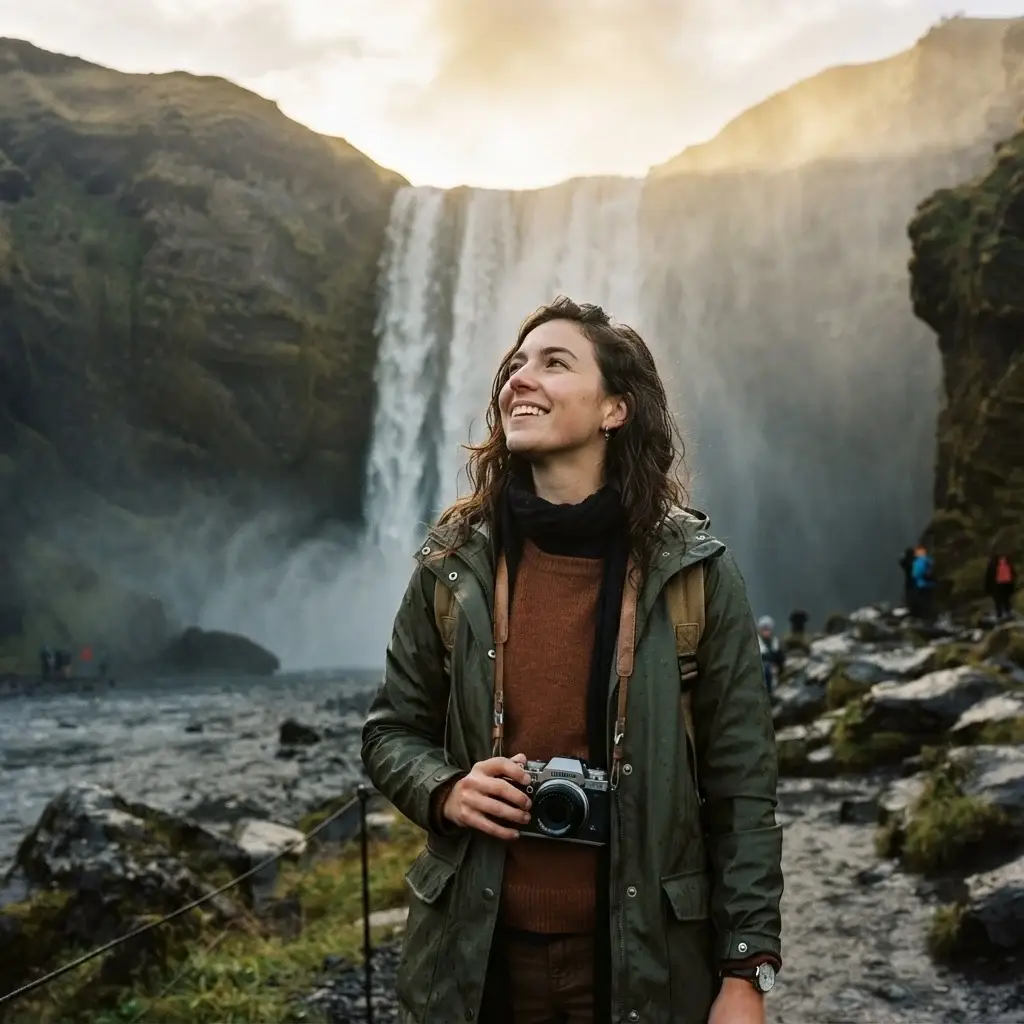
I know exactly what you are thinking. You see photos of giant waterfalls and black sand beaches online. You want to go. But then you look at the prices. You read about the crazy wind and the icy roads. You start to worry that it is too hard to plan. You tell yourself you will go next year when you have more money, or when you find a friend to go with you.
I used to do the exact same thing. Years ago, I worked in a small gray office building. Every day, I stared at a screen and dreamed of doing something big. I saved my extra waitressing tips in a glass jar on my desk. I thought I had to wait for the “perfect time” to travel.
But the perfect time never comes. If I waited for the perfect time, I would still be sitting at that desk. When I finally quit my office job, I had to unlearn all the rules society taught me. I worked as a sightseeing guide in New York to save up some cash. Walking tourists around the loud, busy streets of NYC made me crave wide open spaces. So, I booked a solo ticket to Reykjavik.
I was scared. I had never driven in a foreign country alone. But once I got there, I realized something important. Exploring Iceland’s natural wonders is completely doable. It is safe. It is easy to navigate if you know a few basic rules. You do not need to be a hardcore hiker. You do not need a luxury budget. You just need a good plan.
This guide is going to give you that plan. I will break down every step, every road, and every meal. No fluff. Just real, honest advice from someone who has been there, made the mistakes, and learned how to do it right.
When to Go: Chasing Midnight Sun or Northern Lights
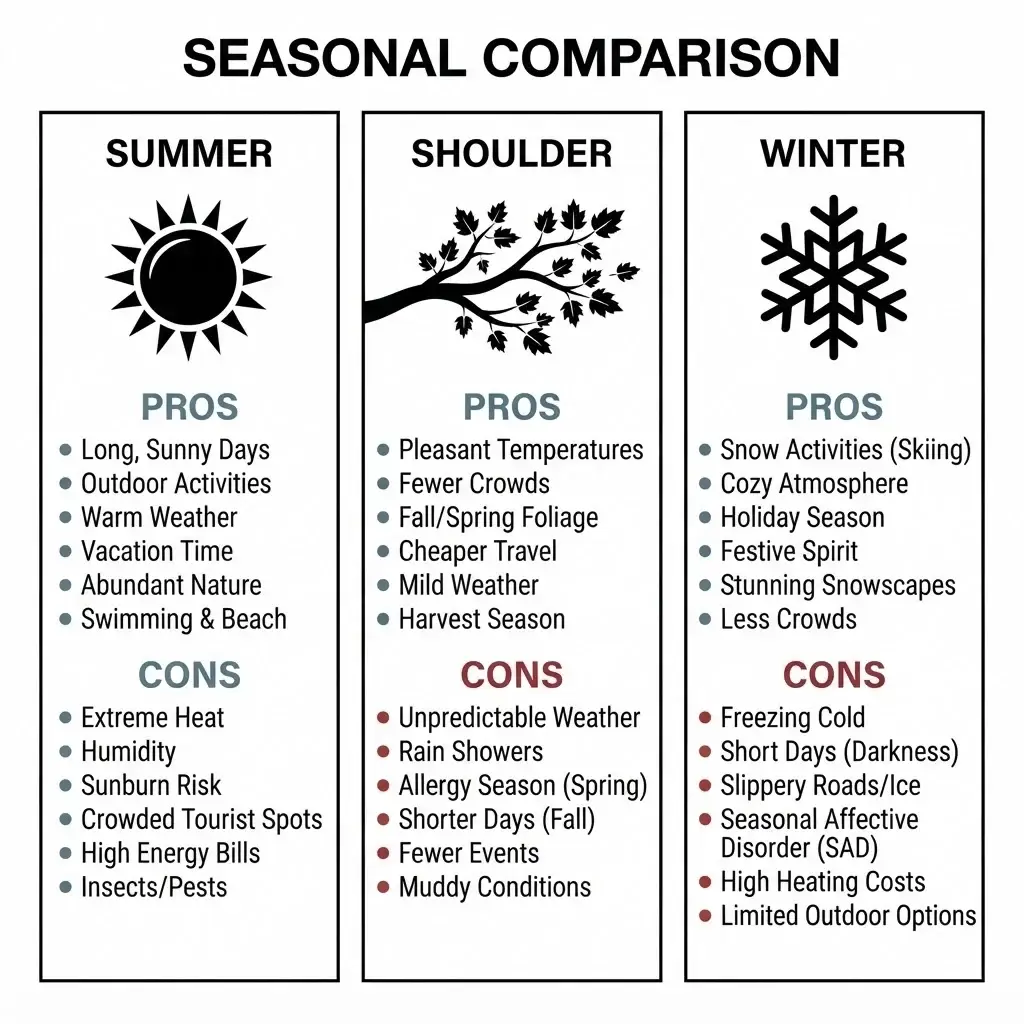
The first big choice you have to make is when to book your flight. Iceland changes completely depending on the month.
Summer (June to August)
This is the most popular time to visit. The days are incredibly long. In June, the sun barely sets. It just dips near the sky line and comes right back up. We call this the Midnight Sun.
The good news? You have endless hours of daylight. You can drive to a massive waterfall at midnight and have the whole place to yourself. The roads are clear of snow. The sheep are running around the green hills. It is the easiest time for a beginner to drive.
The bad news? It is crowded and expensive. You have to book your hotels and rental cars months in advance. If you go in July, expect to see bus loads of people at every major stop.
Shoulder Season (May and September)
If you ask me, this is the magic window. The crowds are much smaller. The prices drop a little bit. You still get normal daylight hours. The weather is a mix of rain, wind, and sun, but the roads are mostly free of deep snow. In September, you even have a small chance of seeing the Northern Lights if the sky is clear.
Winter (October to April)
Winter here is not a joke. It is dark, cold, and wild. In December, you might only get four or five hours of daylight.
Why do people go in winter? For the ice caves and the Northern Lights. Seeing the sky turn bright green is a feeling you will never forget. But winter travel requires real caution.
The wind can be so strong it pushes you off the road. I do not recommend driving yourself in the winter unless you have a lot of experience driving in heavy snow and ice. If you want a broad look at the country before you map out your daily stops, reading a general overview of the country and its top regions can help you decide if you want to stick to the south or take a guided bus tour.
Getting Around: To Rent a Car or Not?
You have two main choices. You can rent a car, or you can base yourself in the city and take bus tours.
The Truth About Renting a Car
Renting a car gives you pure freedom. This is my favorite way to travel. You get to stop when you want. You can turn down a dirt road just because it looks pretty. Most people drive the Ring Road. This is Route 1, a paved highway that goes in a big circle right around the entire island.
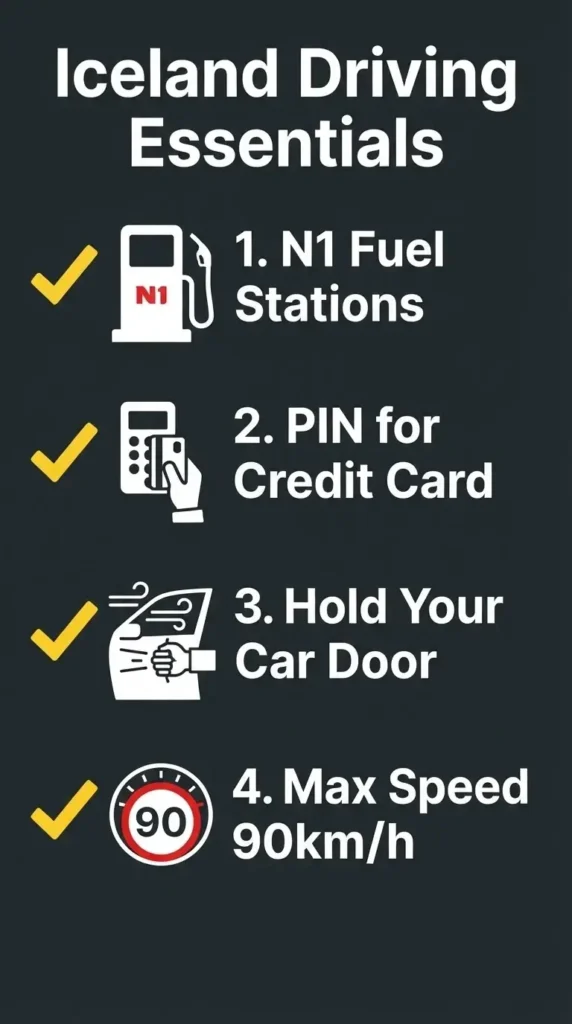
If you rent a car, you must know a few strict rules. First, get all the insurance. Do not skip it to save money. The wind here can pick up gravel and smash your windshield. The wind can literally bend your car door backward if you open it without holding the handle tight. Always hold your door when you get out of the car. If you plan on driving here, having solid travel insurance coverage that includes adventure activities and car issues is not just a good idea, it is a basic need.
Second, speed cameras are everywhere. The limit is usually 90 kilometers per hour on the paved highway. If you speed, you will get a very expensive ticket in the mail weeks later.
Third, get your gas when you see a gas station. Do not wait until the tank is almost empty. The gas stations here are usually run by a company called N1. You will need a credit card with a physical PIN code to use the pumps. Call your bank before you leave home and ask for a PIN for your credit card.
Taking Bus Tours
If you hate driving, or if you visit in the deep winter, just take the bus tours. Base your trip in the capital city, Reykjavik. Every morning, you can walk to a bus stop and a guide will pick you up. They handle the icy roads. You just look out the window. There is no shame in taking a tour. It removes all the stress of trip planning.
The Golden Circle: A Perfect First Taste
The Golden Circle is a famous driving route. It is very close to the capital city. You can drive the whole thing in one day. This is the perfect training ground for exploring Iceland’s natural wonders. It has three main stops.
Stop 1: Thingvellir National Park
This is your first stop. It is a place with massive history and wild geology. This is where the old Viking chiefs used to meet to make laws. More importantly, it is where the earth is splitting apart. You can literally walk in the rift valley between the North American and Eurasian tectonic plates, which is why checking out this protected World Heritage site is a must for any first-time visitor.
How to navigate it: There are a few parking lots. Park at P1 (the visitor center). You will have to pay a small parking fee using a machine or an app. Walk down the path through the giant rock walls. What to eat: There is a small cafe here, but it is pricey. Buy a coffee, but save your real hunger for the next stop.
Stop 2: Geysir Geothermal Area
This is an area filled with bubbling mud and steaming water. The main attraction is a geyser named Strokkur. You will smell it before you see it. It smells like boiling eggs due to the sulfur.
Strokkur shoots boiling water high into the air every five to ten minutes. You just stand behind the rope and wait. Have your camera ready, but do not look through your phone the whole time. Watch it with your own eyes.
How to navigate it: Parking here is free. The paths are very easy and flat. What to eat: Walk across the street to the Geysir Center. Go to the food court and order the traditional meat soup (Kjötsúpa). It is a warm, salty lamb and vegetable soup. It will warm you up right down to your toes.
Stop 3: Gullfoss Waterfall
Gullfoss means “Golden Falls.” It is a massive, two-stage waterfall that dumps into a deep canyon. The sound of the rushing water is deafening.
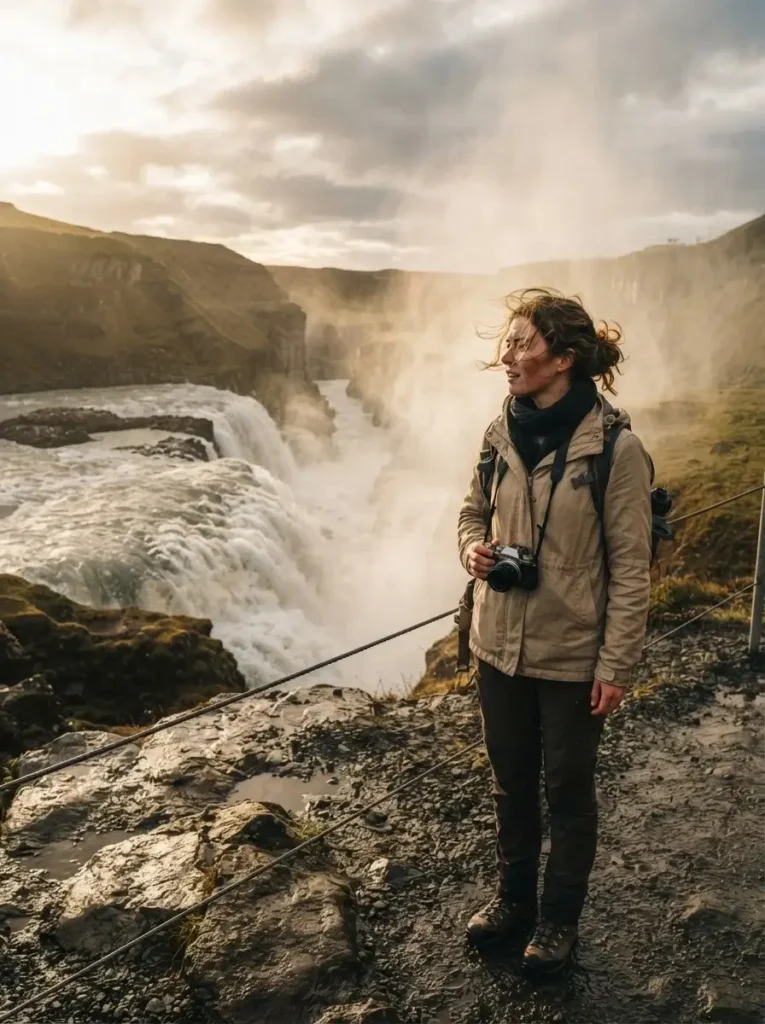
How to navigate it: There are two parking lots, an upper one and a lower one. Park at the lower one if it is open. Put on your rain jacket before you walk out to the falls. The spray from the water will get you completely wet. Walk all the way out to the edge. Feel the power of the water hitting the rocks. This is a moment that will make you feel very small in the best way possible.
The South Coast: Waterfalls, Black Sand, and Ice
If you have a few extra days, you must drive the South Coast. You follow Route 1 heading east. The scenery changes every ten minutes. You will see green farmland, giant glaciers, and black rock beaches.
Seljalandsfoss and Skógafoss
These are the two most famous waterfalls on the south coast. You will see Seljalandsfoss right from the highway.
Seljalandsfoss: This is the waterfall you can walk behind. It is amazing. The path goes in a circle right behind the falling water. The ground is very muddy and slippery. Wear shoes with good grip. Put your phone in a waterproof bag. Parking: You must pay for parking at the machine. Secret Tip: When you finish walking behind Seljalandsfoss, do not get back in your car. Walk left down the path for about ten minutes. You will find a hidden waterfall inside a cave called Gljúfrabúi. You have to balance on river stones to get inside. It is magic.
Skógafoss: Just a twenty-minute drive further down the road is Skógafoss. This one is wide and powerful. You can walk right up to the bottom of it, but you will get soaked. There is a metal staircase on the right side. It has over 500 steps. Climb to the top. The view looking down over the flat coast is incredible.
Reynisfjara Black Sand Beach
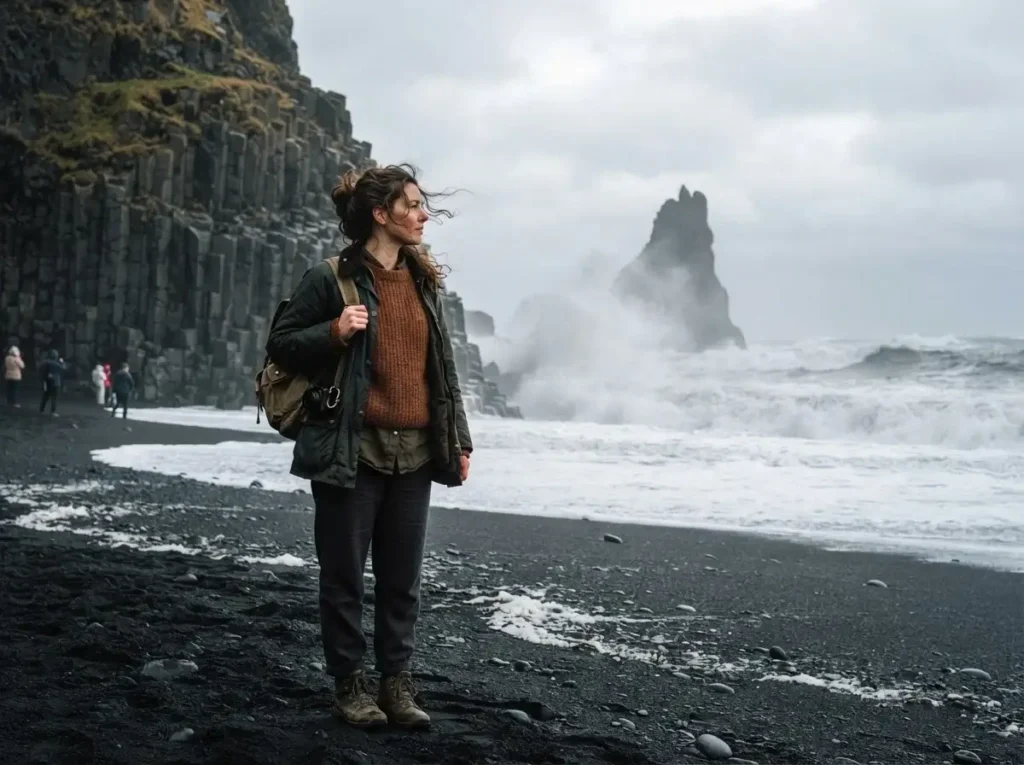
Next, you will reach the town of Vik. Right next to Vik is the famous black sand beach. The sand is made from crushed volcanic rock. Giant rock pillars stick up out of the ocean.
This place is beautiful, but it is also very dangerous. The ocean here has something called “sneaker waves.” These are giant waves that run much higher up the beach than normal waves. They move fast and they pull hard. People turn their backs to the ocean to take a selfie, and the wave pulls them into the freezing water. Never turn your back on the water here. Before you drive out to the coast, always take five minutes to read up on current travel safety alerts and road warnings for tourists because the weather changes fast.
What to eat in Vik: Go to the Soup Company in town. Order the Red Hot Lava soup. It is a slightly spicy soup served in a black bread bowl. It is exactly what you need after freezing on the beach.
Jökulsárlón Glacier Lagoon and Diamond Beach
If you keep driving east for a few more hours, you will reach the edge of a massive glacier. As the ice melts, giant blue icebergs break off and float in a deep lagoon.
How to navigate it: You can stand on the edge and watch the ice float. You will likely see seals swimming around the ice. You can also book a boat tour to ride out among the icebergs. Diamond Beach: Right across the highway from the lagoon is Diamond Beach. The icebergs float out to the ocean, and the waves push chunks of clear ice back onto the black sand. It looks like giant diamonds sitting on a black table. It is one of the best places for photos in the whole country.
The Snaefellsnes Peninsula: Iceland in Miniature
Most people rush to the south coast, but if you want fewer crowds, drive north of Reykjavik to the Snaefellsnes Peninsula. People call this area “Iceland in Miniature” because it has a little bit of everything: volcanoes, lava fields, cliffs, and waterfalls.
Kirkjufell Mountain
This is the most photographed mountain in the country. It looks like a giant church steeple sticking out of the ground.
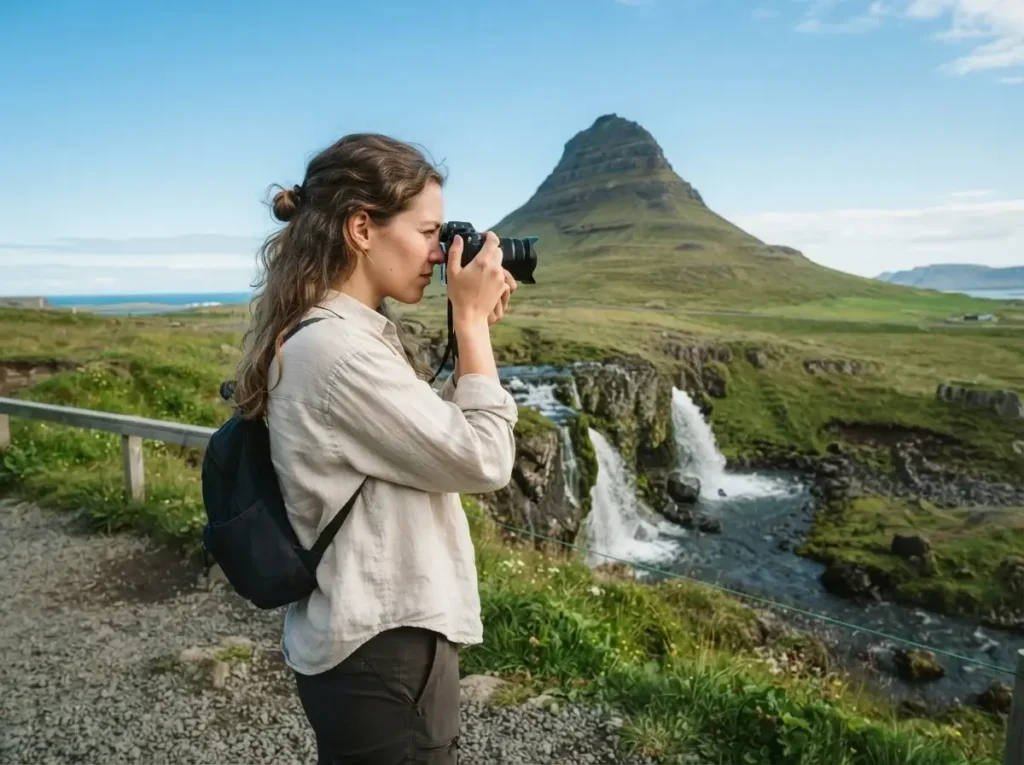
How to navigate it: There is a small parking lot near the Kirkjufellsfoss waterfall. You pay via an app. Stand near the top of the waterfall and aim your camera so you capture both the falling water and the mountain in the background. If you go at sunrise, you will beat the tour buses.
Arnarstapi and Hellnar
These are two tiny old fishing villages on the edge of the peninsula. There is a walking path that connects the two towns. It takes about an hour to walk. You will walk right along the edge of giant cliffs. The ocean crashes against the black rocks below. Thousands of white birds nest in the cliffs. It is loud, wild, and incredibly peaceful all at once.
What to eat: When you reach the town of Hellnar, look for a tiny cafe called Fjöruhúsið. It sits right on the edge of a rocky beach. Buy a slice of their homemade waffle with jam and whipped cream. Sit on the deck and watch the waves. This is what slow travel is all about.
What to Eat While You Travel
Food in Iceland is very expensive. If you sit down at a nice restaurant for every meal, you will spend your entire travel budget in three days. But you do not have to do that. You can eat well and experience the culture without going broke.
The Famous Hot Dogs
The unofficial national dish is the hot dog (Pylsur). These are not normal hot dogs. They are made mostly of local lamb.
You must order it “with everything” (eina með öllu). That means it comes with raw onions, crispy fried onions, sweet mustard, ketchup, and remoulade sauce. The mix of the warm meat and the crunch of the fried onions is amazing. The most famous stand is in downtown Reykjavik. It is called Bæjarins Beztu Pylsur. You will see a line of people waiting. Get in that line. Buy two. They are cheap and filling.
Gas Station Culture
When I say you will eat at gas stations, I am being serious. Gas stations here are community hubs. They have small diners inside. You can buy hot coffee, fresh sandwiches, and warm burgers. This is where the locals eat when they are on the road. Do not turn up your nose at N1 gas station food. It will keep you moving.
Skyr and Bakeries
Go to a grocery store (Bonus and Kronan are the cheap ones with the pig and coin logos). Buy a big cup of Skyr. It looks like yogurt, but it is actually a soft cheese. It is packed with protein. Eat it with a spoon while you drive.
Also, the bakeries here are wonderful. In Reykjavik, go to Brauð & Co. You will smell the butter from down the street. Get a warm cinnamon roll.
Another food to try is the rye bread. They bake it slowly by burying the dough in the hot geothermal ground. It is dark, sweet, and heavy. Eat it with thick butter and a slice of smoked trout.
Water Safety
Do not buy bottled water. It is a waste of money. The cold water that comes out of the tap is pure glacial water. It is some of the cleanest water in the world. Bring a reusable metal bottle and fill it up in every sink you find. You do not need to buy bottled water here, but it never hurts to look at basic health and food safety advice for travelers before you pack your bags.
Packing for Unpredictable Weather
There is a local saying: “If you do not like the weather, wait five minutes.”
You will experience rain, wind, bright sun, and snow all in the same afternoon. You cannot pack heavy winter coats and expect to be comfortable. You must pack in layers.
The Layer System
- Base Layer: Wear thermal pants and a long-sleeve thermal shirt. Wool is best. Do not wear cotton. Cotton holds your sweat and makes you cold.
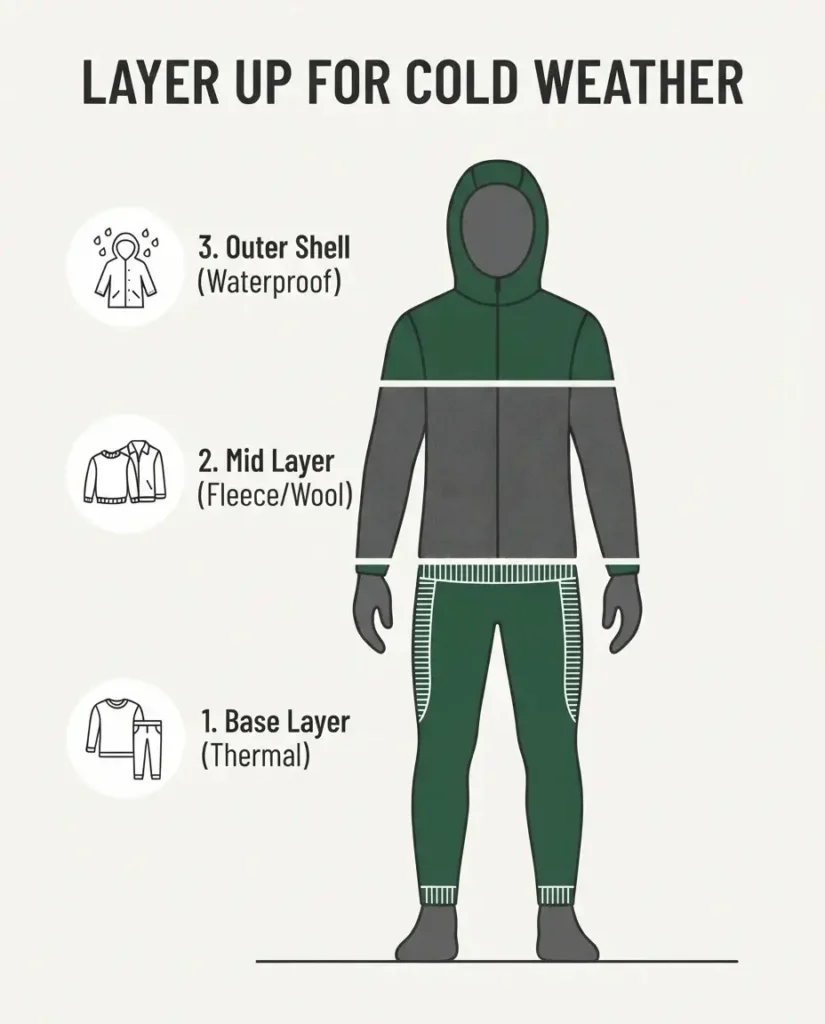
- Middle Layer: Bring a thick fleece jacket or a wool sweater. The local wool sweaters are called Lopapeysa. They are very warm.
- Outer Layer: You need a shell. Your jacket must be windproof and waterproof. Water-resistant is not good enough. You need waterproof pants too. When you walk near the waterfalls, you will get wet.
Footwear
Leave the cute sneakers at home. You need strong, waterproof hiking boots with thick soles. The ground is made of sharp lava rock, wet mud, and ice. You need ankle support. Break your boots in before you get on the plane. Blisters will ruin your trip.
Bring wool socks. Bring an extra pair in your day bag so you can change them if your feet get wet.
Navigating the Culture: Manners and Hot Spring Rules
The people here are polite, quiet, and very helpful. Most people speak perfect English, so you will not have any trouble asking for directions. But there are a few cultural rules you must respect.
Respect the Moss
The ground here is covered in a thick, green moss. It looks very soft. It looks like a giant green blanket. Do not step on it. Do not drive on it. Do not roll in it. This moss takes hundreds of years to grow. If you step on it and kill it, it will leave a brown dead footprint for decades. Always stay on the marked dirt paths.
The Rules of the Swimming Pools
Going to the hot pools is a huge part of the local culture. Everyone goes. They sit in the warm water to talk about politics, the weather, and life. You should absolutely visit the local town pools. They are much cheaper than the fancy tourist spas like the Blue Lagoon.
But there is a strict rule you must follow before you get in the water. You must wash yourself without a swimsuit.
Every pool has a locker room. You must take off all your clothes. You must walk to the open showers. You must wash your hair, armpits, and feet with soap while completely naked. Then, you put on your swimsuit and walk out to the pool.
If you try to skip the shower, or if you try to wash while wearing your swimsuit, the pool guard will yell at you. The locals take this very seriously because they do not use a lot of chlorine in the water.
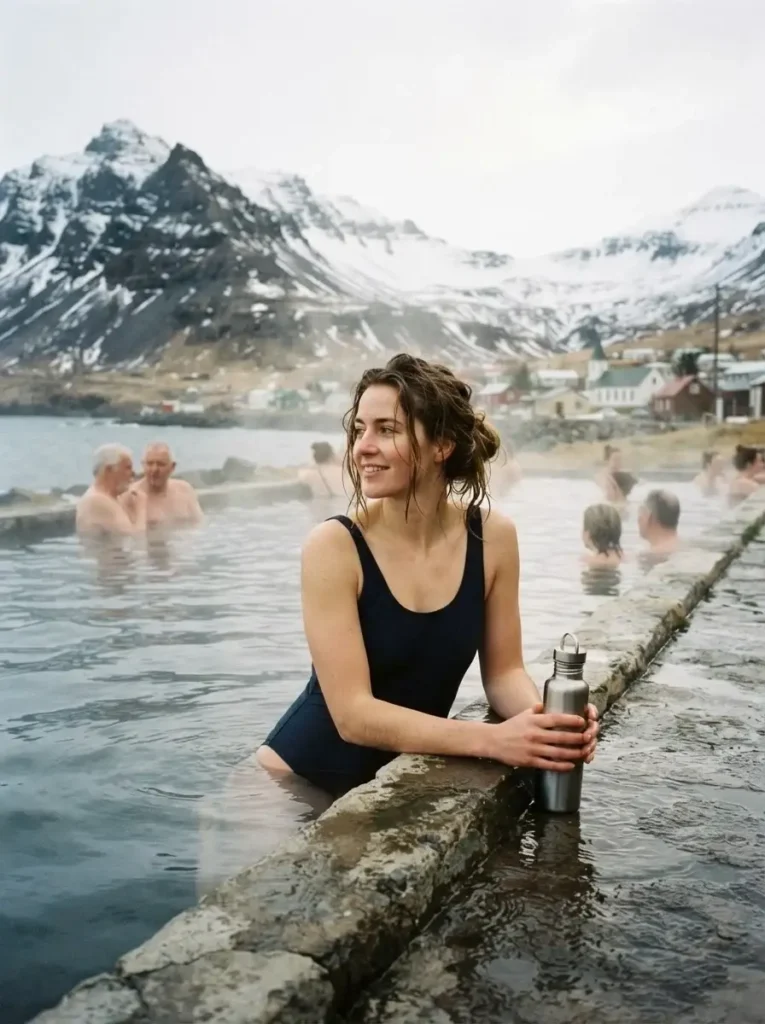
The water stays clean because the people are clean. Do not be shy. No one is looking at you. Everyone is just taking a shower. It is completely normal.
Final Thoughts to Get You Out the Door
When I look back at my time working that rigid office job, I feel a little sad for the girl who was so afraid to book a flight. I thought travel was a luxury for the rich or the brave.
I was wrong. Travel is a choice. You just have to make it.
Exploring Iceland’s natural wonders will challenge you. The wind will mess up your hair. Your boots will get muddy. You might get lost on a dirt road. But those are the moments you will remember forever. You will stand in front of a roaring waterfall, feeling the cold spray on your face, and you will feel so completely alive.
You have the tools now. You know how to rent the car, what to pack, and where to find the best hot dog. You know how to stay safe. Stop waiting for the perfect time. Stop waiting for someone to go with you. You are entirely capable of doing this on your own.
Book the ticket. Pack your rain jacket. The wide open roads are waiting for you.