6 Affordable Solo Travel Destinations That Change You

There’s a conversation I used to have with myself every Sunday night while I was still working an office job in New York. It usually went something like: I want to travel. But I don’t have enough money. But maybe if I save more. But when is that exactly?
Sound familiar?
The truth I wish someone had handed me earlier is this: affordable solo travel is not a compromise. It is not the lesser version of travel for people who can’t afford the “real” thing. Some of the most genuinely transformative trips I’ve heard about, read about, and seen shape people’s lives happened on shoestring budgets in countries where your dollars or euros stretch in ways that feel almost unreal.
This list is not about going to the cheapest place possible. Cheap for cheap’s sake gets you nothing. This is about destinations where your money goes far, the solo traveler experience is rich and welcoming, the cultural depth is real, and the experience has a way of staying with you long after you’ve come home.
I’ve organized these by the kind of traveler they tend to suit best, because the right budget destination for you depends on more than just daily costs.
Vietnam: The One That Rewires How You See the World
If you speak to seasoned solo travelers about Southeast Asia, Vietnam’s name comes up more consistently than almost anywhere else. Not just because it’s affordable, but because it grabs you and doesn’t let go.
The country runs roughly 1,650 kilometers from north to south, and that distance contains a remarkable range of landscapes, cities, and cultural characters. Hanoi in the north is layered, chaotic, and full of history. Ho Chi Minh City in the south moves at the pace of a million motorbikes at once. Between them, you have ancient trading towns, limestone karst seascapes, rice-paddy valleys, and some of the most compelling street food on the planet.
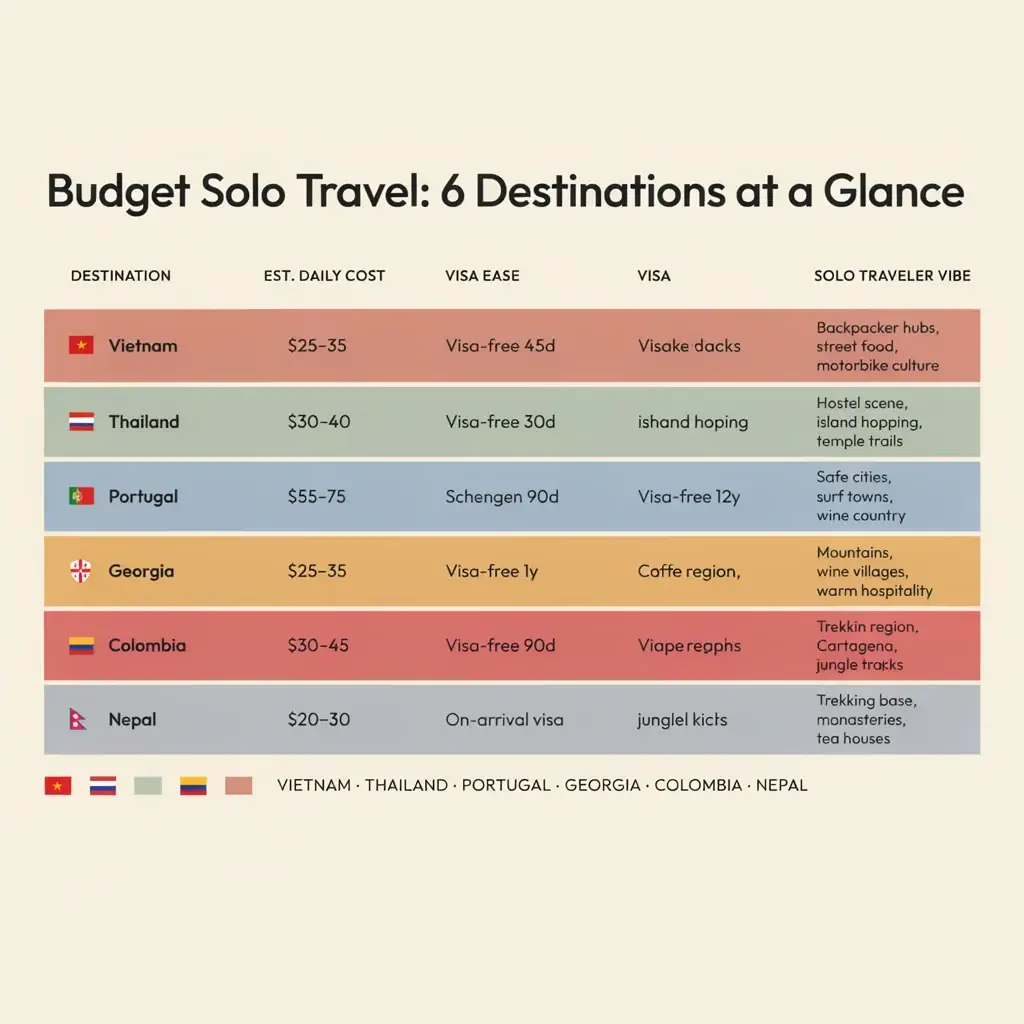
For budget travelers, Vietnam consistently delivers. Shoestring travelers report comfortable daily budgets of around $15 to $30, which covers a clean guesthouse room or hostel dorm, three meals, and a bus ticket between cities. Step up to $30 to $50 a day and you’re eating well at sit-down restaurants, booking the occasional private room, and adding a tour or two. A bowl of pho in a local spot costs well under a dollar. A banh mi from a street cart is often fifty cents. A night train between cities, with a private sleeper berth, costs between $15 and $25.
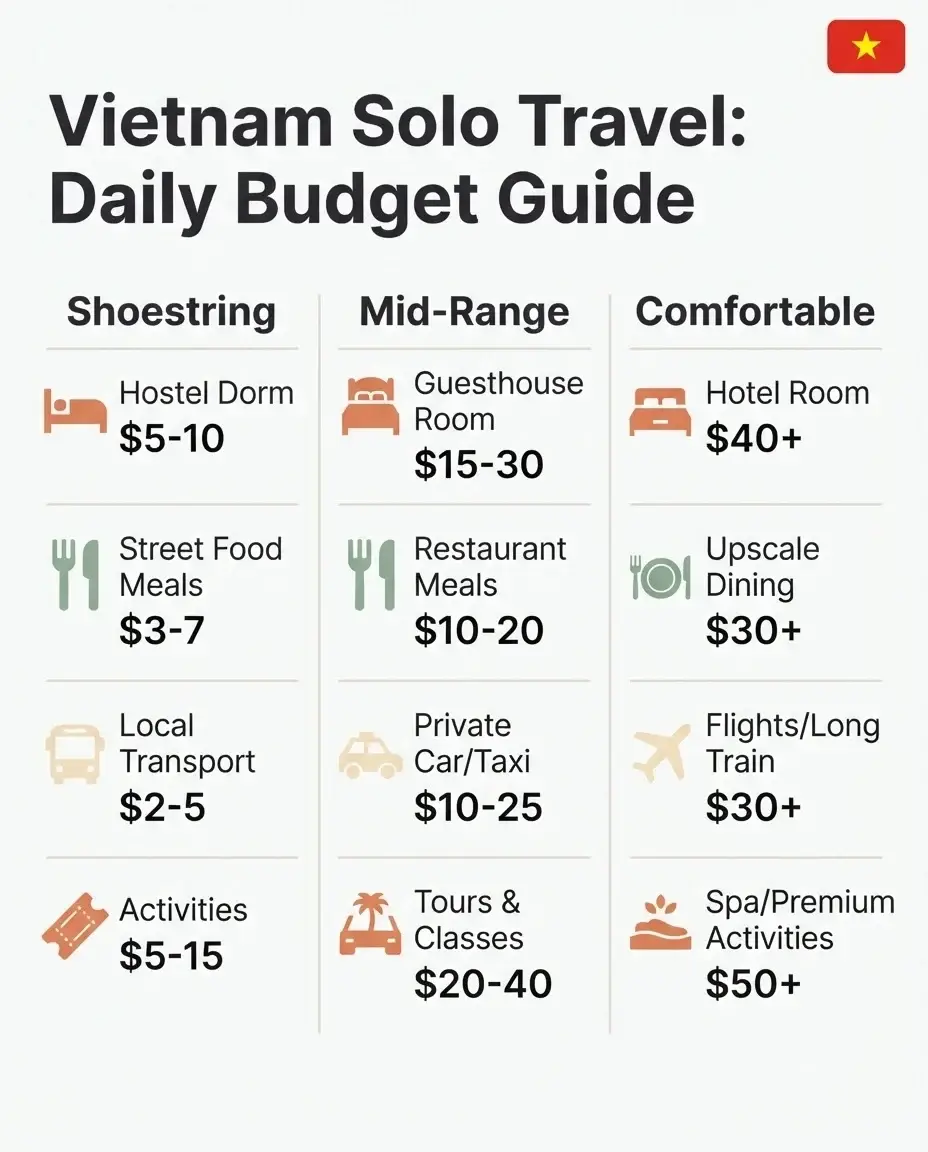
The cultural pull of Vietnam is what makes the money matter less. Vietnam has eight UNESCO World Heritage Sites, and many are genuinely accessible on a budget. The heritage sites page on Vietnam’s official tourism site walks you through the most significant ones, including Hoi An Ancient Town, the Hue Monuments, and Ha Long Bay. Hoi An is my favorite example of what slow travel does for a budget: if you stay for a week instead of a rushed overnight, accommodation prices drop, you find the neighborhood restaurants the tour groups never reach, and the experience gets richer by the day.
For entry, most nationalities can apply online through the official Vietnam e-visa portal, with a 90-day multiple-entry visa costing $50. It’s straightforward, paperless, and can be done in a day or two from your laptop.
What to eat: Bun cha (grilled pork with noodles, Hanoi), cao lau (a noodle dish specific to Hoi An that you literally cannot get anywhere else in the world), and banh xeo (a crispy savory crepe from the south). All of these are cheap, deeply local, and genuinely delicious.
Solo scene: Vietnam has one of the best-developed backpacker hostel cultures in Asia. Hoi An, Hanoi’s Old Quarter, and Ho Chi Minh City’s Bui Vien area all have social hostel scenes where meeting other solo travelers happens naturally and quickly.
Thailand: Your Comfort Zone, Gently Expanded
I taught English in Thailand, so I have a particular fondness for this country that I’ll try not to let cloud my practical advice. But I’ll say this: Thailand was one of the first places I understood that solo travel is not a lonely experience. It is an open one.
Thailand works so well for first-time solo travelers because it has the infrastructure to hold you as you figure things out. The transportation networks are solid. Hostels range from bare-bones dorms to rooftop pools and yoga decks. The food is astonishing at every price point. And Thai culture, while absolutely distinct and worth genuine respect and curiosity, is also warm and welcoming toward visitors who approach it with humility.

Budget-wise, $25 to $50 a day is very comfortable in most of Thailand. Bangkok can push a bit higher if you’re eating western food or going out at night, but if you eat street food and take public transport, the city is remarkably affordable. A pad thai from a street cart costs the equivalent of about $1.50 to $2. A bowl of boat noodles at a floating market or canal-side stall is similar. A songthaew (shared red truck taxi) across Chiang Mai costs less than a dollar.
The Tourism Authority of Thailand’s official site is genuinely useful for planning, especially for checking regional festivals and seasonal events. Timing your visit around a local festival, like Loy Krathong in November, costs nothing to attend and offers one of the most visually beautiful experiences in all of Southeast Asia.
For solo travelers nervous about safety, from what solo travelers consistently report, Thailand’s main tourist corridors are among the safer environments in Southeast Asia, provided you use common sense: don’t accept drinks from strangers at night, keep copies of your passport, and be aware of the tuk-tuk scams in Bangkok (they’re famous, harmless in the grand scheme, but annoying). The bigger risk for most first-timers is overpacking an itinerary. Slow down. You’ll enjoy it more and spend less.
What to eat: Mango sticky rice (cheap, everywhere, life-changing), khao pad (Thai fried rice), and if you’re in Chiang Mai, a traditional khantoke dinner, which is a ceremonial northern Thai meal served on a low wooden tray with multiple dishes and often live classical music.
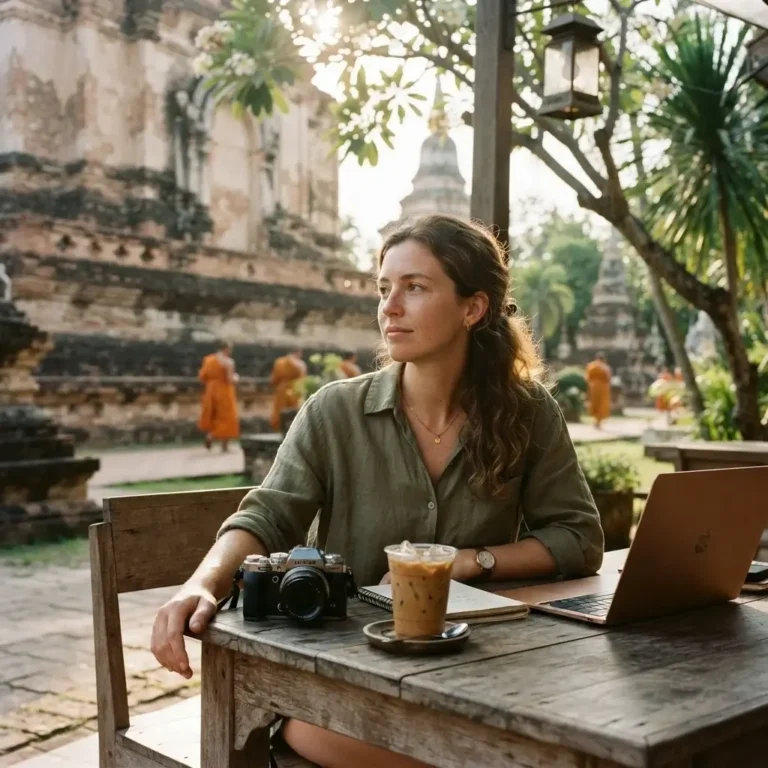
Solo scene: The Khao San Road area of Bangkok has the social hostel scene if you want that. Pai in northern Thailand draws a quieter creative crowd. Chiang Mai is perhaps the best city in Asia for digital nomads and solo travelers wanting community without chaos.
Portugal: Europe on a Budget That Actually Works
When I backpacked solo across Europe, the question every budget traveler wrestled with was whether Europe was even doable on limited funds. The honest answer is: most of it is hard. But Portugal is the exception that keeps surprising people.
Portugal consistently ranks among Western Europe’s most affordable countries for travelers, and Lisbon and Porto in particular offer a combination of world-class food, extraordinary culture, friendly locals, and walkable neighborhoods that make slow travel here almost effortless. A hostel dorm bed in Lisbon runs roughly 15 to 25 euros a night. A prato do dia (the daily plate special at a local tasca restaurant) costs 7 to 10 euros and typically includes a main, soup, bread, drink, and dessert. The famous Pasteis de Belem custard tarts at their original bakehouse cost about 1.40 euros each.
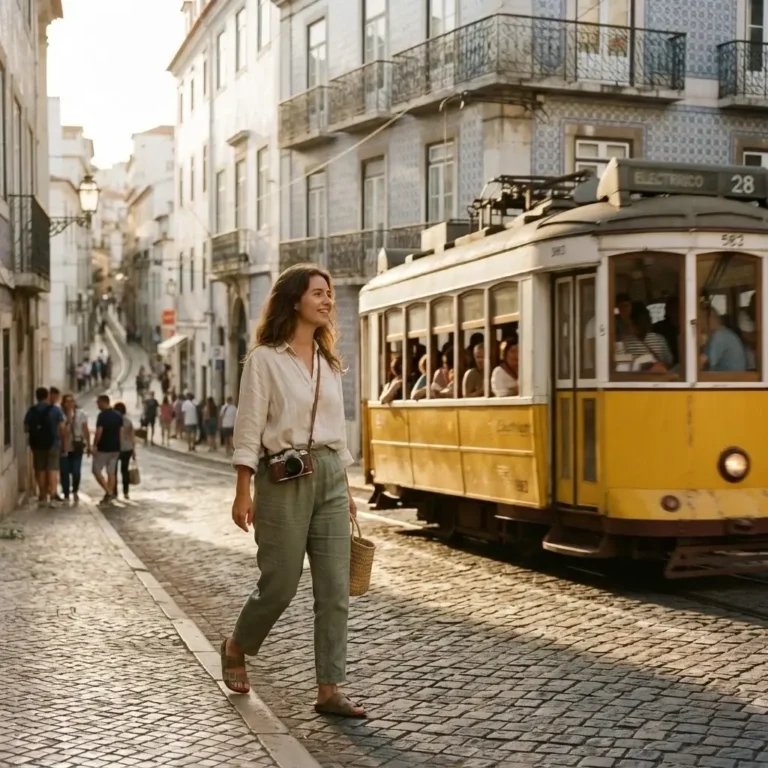
Portugal also layers in a remarkable amount of free or nearly-free cultural experiences. Many of Lisbon’s national museums offer free entry on Sunday mornings. The Alfama neighborhood, with its winding tiled streets and fado music drifting from doorways in the evenings, is endlessly explorable on foot for nothing. The tram network is excellent and affordable, though solo travelers report that walking is often more rewarding (and free).
For travelers from the US, Canada, the UK, Australia, and most of the EU, Portugal requires no visa for short stays of up to 90 days within the Schengen Area. ETIAS (the EU’s new travel authorization system) will apply for some non-EU visitors when fully implemented, so check current entry requirements before you book.
What makes Portugal especially strong for solo travelers is the culture of sitting in a cafe for two hours over a single espresso, wandering into a bookshop for an afternoon, or joining a free walking tour and ending up at a miradouro (viewpoint) at sunset with people you just met. The pace matches what solo travel is actually for.
What to eat: Bacalhau (salted cod in dozens of preparations), grilled sardines in summer, francesinha sandwich in Porto (a hearty beer-soaked meat sandwich with sauce that is genuinely its own food category), and the aforementioned pasteis de nata everywhere.
Solo scene: Lisbon’s hostel scene is excellent and well-suited to solo travelers in their 20s through 40s. Bairro Alto and Mouraria are the neighborhoods with the most social energy after dark if you want that. For quieter solo travelers, Porto has a slightly calmer atmosphere with equally good food and a more neighborhood feel.
Georgia (the Country): The Most Underrated Solo Destination in Europe
If someone had told me five years ago that one of the most affordable, welcoming, culturally stunning, and genuinely boundary-expanding destinations for solo travelers was a small country nestled between the Greater Caucasus mountains and the Black Sea, I would have asked them to say more. That country is Georgia, and it is having a moment among solo travelers who want something genuinely off the beaten path without sacrificing comfort or accessibility.
Tbilisi, the capital, is a city that doesn’t look or feel like anywhere else. Ornate wooden balconies hang over cobblestone streets in the old city. Sulfurous natural hot spring baths are open to the public for a few dollars. There are wine bars in centuries-old vaulted cellars serving Georgia’s extraordinary natural wines, some of the oldest in the world, at prices that feel absurd compared to equivalent quality in Western Europe. A full meal at a local restaurant in Tbilisi, including bread, dips, a meat dish, and a glass of wine, often costs $5 to $10.

Outside the capital, the Caucasus Mountains offer trekking that rivals anything in the Alps, at a fraction of the price. The Svaneti region, the Kazbegi valley, and the cave city of Vardzia are the kinds of places that make you feel like you’ve stepped into a landscape that the rest of the world hasn’t found yet. Some of it has been found, but there’s still enormous breathing room.
One of the most remarkable practical facts about Georgia: according to the U.S. State Department’s country information for Georgia, U.S. citizens can enter, reside, work, or study in Georgia without a visa for stays of up to 365 days. That is genuinely exceptional and makes it one of the most flexible destinations in the world for longer slow travel. Most other western passport holders also benefit from strong visa-free access, though you should check your specific nationality on the official Georgia Travel site before booking.
Daily costs in Georgia can comfortably sit under $40 to $50 for a solo traveler including accommodation, three meals, and local transport. Many solo travelers report significantly less. This is Europe-adjacent quality of life at Southeast Asian prices.
What to eat: Khinkali (doughy broth-filled dumplings that you eat by holding the knotted top and biting in carefully), khachapuri (cheese-filled bread in various regional styles, the boat-shaped Adjaran version with an egg on top being particularly famous), and churchkhela (a walnut and grape-juice candy that looks like a sausage and tastes like nothing you’ve had before).
Solo scene: Tbilisi’s Fabrika hostel complex is a well-known hub for solo travelers and digital nomads, a converted Soviet sewing factory that now houses cafes, studios, and a hostel courtyard that fills with an interesting mix of people every evening.
Colombia: The Destination That Rewards Courage
Colombia comes up in any honest conversation about solo travel destinations with nuance, and I want to give it the nuance it deserves. First, the honest context: Colombia has a complicated history, and parts of the country remain genuinely risky. The official Colombia tourism site presents the welcoming, culturally rich face of the country accurately, but it’s worth being realistic that this is a destination where you do a bit more homework than you would for, say, Portugal.
Here’s the thing though: the Colombia that solo travelers are visiting today, primarily Medellin, Cartagena, the Coffee Region, and Bogota, is a country in the middle of a remarkable transformation. Medellin specifically has gone from a city synonymous with violence to one of the most creative, architecturally interesting, socially energetic cities in South America. Solo travelers who have been there in recent years consistently describe it as one of their favorite cities in the world, full stop.
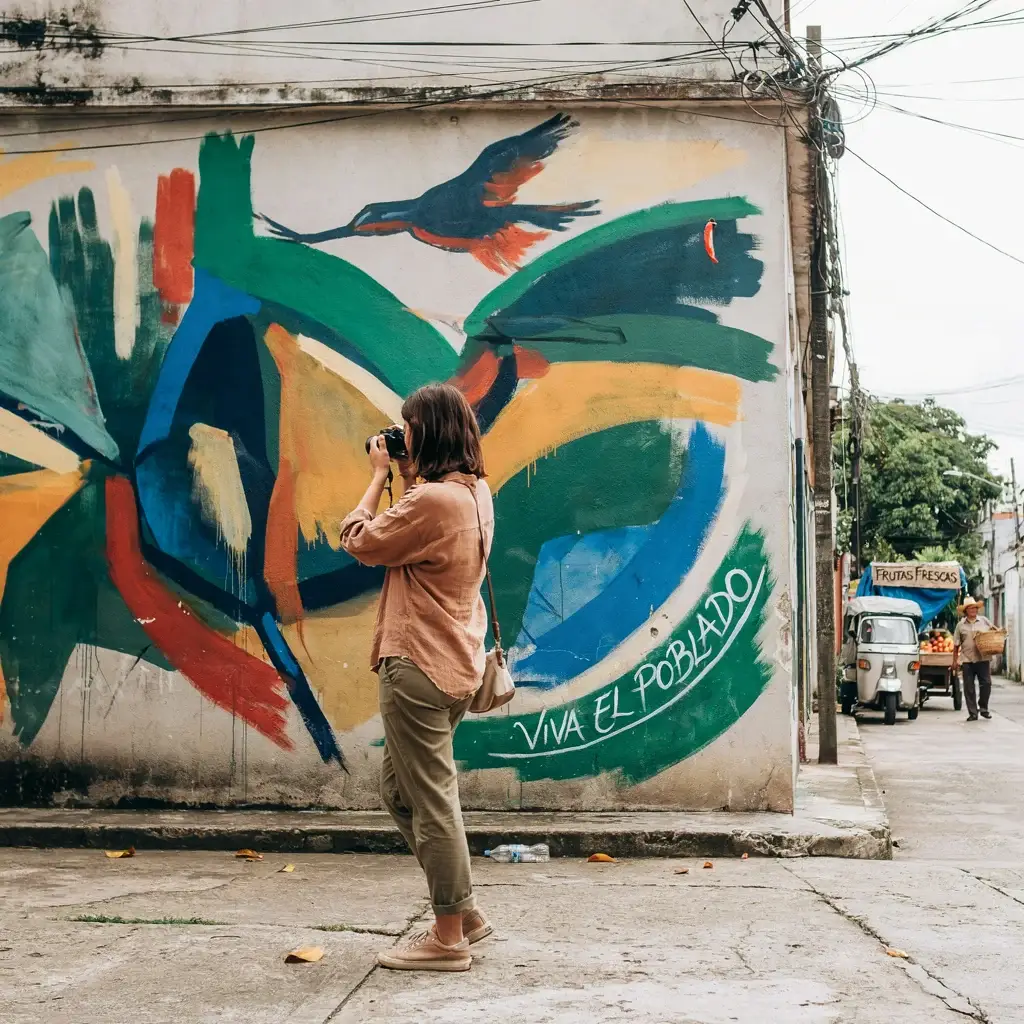
From what solo travelers consistently report, Medellin’s El Poblado neighborhood is the social hub for international visitors, walkable, cafe-dense, and safe by any reasonable standard. Laureles, a neighborhood nearby, is quieter and more local-feeling if you prefer that. Budget daily costs run roughly $35 to $55, which is very comfortable. Hostel dorm beds start around $7 to $10 a night. A menu del dia lunch (the fixed-price midday meal you find across Latin America) is often $3 to $5 and includes soup, a main, and a juice.
US citizens do not need a visa for Colombia for tourism stays up to 90 days. Citizens of most Western European countries are in the same position. Entry is clean and uncomplicated at major airports.
The cultural depth here is staggering. Street art culture, cumbia music, coffee farm tours in Salento, Cartagena’s colonial walled city, the extraordinary biodiversity in every corner of the country. This is a destination where the more you engage, the more it gives you back.
What to eat: Bandeja paisa (a massive platter of beans, rice, pork, egg, avocado, and plantain that is the culinary signature of the Medellin region), arepas stuffed with cheese from a street cart, fresh passion fruit juice, and the coffee. The coffee in Colombia’s coffee region tastes like an argument for never drinking coffee anywhere else.
Solo scene: The free walking tour scene in Medellin and Bogota is excellent and a genuine way to meet other solo travelers. Real City Tours and Gratis Tours run popular options. The hostel network in El Poblado is dense and social.
Nepal: For the Solo Traveler Who Wants to Earn It
Nepal is not the easiest destination on this list. It requires more planning, more physical preparation, and a bit more logistical patience than anywhere else here. But I include it because for a specific kind of solo traveler, specifically the one who wants to push themselves, be genuinely humbled, and come back measurably different, Nepal delivers something no other destination does.
The draw is obviously the Himalayas. But the appeal extends well beyond the trekking. Kathmandu is a city of temples, spinning prayer wheels, incense smoke, and centuries of Buddhist and Hindu culture layered on top of each other in a way that demands your full attention. Pokhara, the lake city that serves as the gateway to the Annapurna Circuit, is one of the most relaxed and welcoming places for solo travelers in all of Asia. Budget accommodation runs from dorm beds at around $5 to private guesthouses for $15 to $20 a night. Local dal bhat (lentil soup with rice, vegetables, and pickles, served with unlimited refills) is the staple meal on trekking routes and costs roughly $4 to $8.
For trekking, the permits are real but manageable. An Annapurna Conservation Area Permit (ACAP) costs approximately $25 USD and can be arranged through the NTNC official e-permit portal. A TIMS (Trekkers’ Information Management System) card runs roughly $17. These are the standard requirements for the Annapurna Circuit and Base Camp treks, which are among the most popular independent trekking routes in the world, meaning you don’t need a guided tour. Thousands of solo travelers do them independently every year.
What Nepal does specifically for solo travelers is hard to articulate fully. There is something about being genuinely small in a landscape that vast, about sitting in a teahouse at altitude while a thunderstorm rolls across the valley, about eating dal bhat with a family who runs a mountain guesthouse and has never left this valley, that recalibrates your internal compass in ways that are difficult to undo. Which is the point.
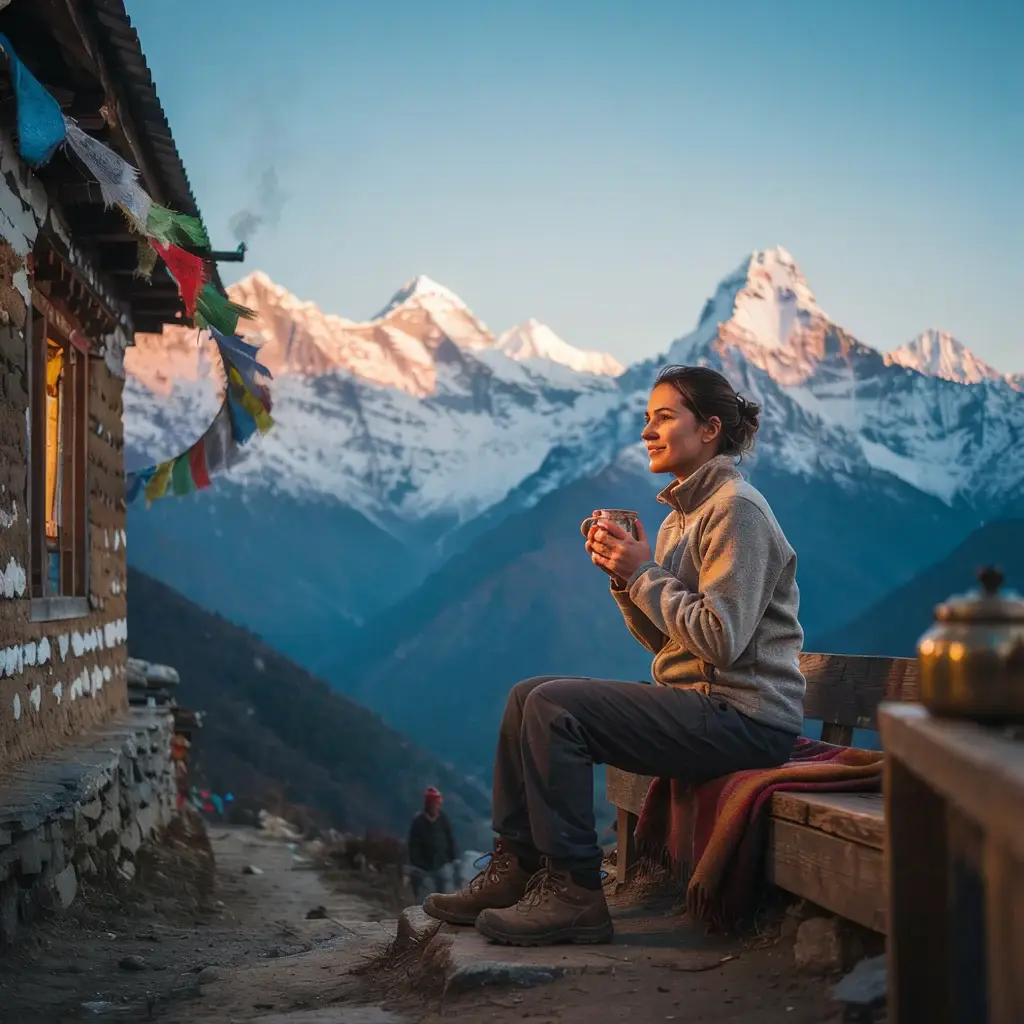
What to eat: Dal bhat everywhere on the trek (once you’ve had it, you understand why every guesthouse serves it daily and why trekkers order it twice), momos (Tibetan-style dumplings available in every teahouse), and fresh ginger lemon honey tea at altitude, which is both a cold remedy and a ritual.
Solo scene: The Lakeside area of Pokhara is one of the most socially easy environments in Asia for meeting other solo travelers. The hostel culture is strong and the communal nature of multi-day trekking naturally creates friendships.
The Real Cost of Budget Solo Travel
Before you close this tab and start pricing flights, I want to address something the daily budget numbers don’t capture. The actual cost of a trip is not just daily spend. It’s flights, travel insurance, the occasional splurge (a boat cruise in Ha Long Bay, a coffee farm tour in Colombia), and the hidden cost of not going at all, which is the slow erosion of the version of you that needs these experiences.
When I left my office job and started working flexible jobs to fund my travel, I wasn’t spending less than I had been. I was spending differently. I was spending on things that gave something back. A guesthouse in Hoi An where the owner’s family ate dinner at the next table, and we somehow ended up staying for three hours, is worth more than a flight upgrade. A bowl of pho at 6am at a Hanoi market before the city wakes up is worth more than a hotel breakfast.
The destinations on this list share one characteristic: they reward slowness. The longer you stay, the cheaper it gets and the richer the experience becomes. That is the real budget travel secret that no listicle with 25 destinations in 1,200 words can teach you. Pick one place. Stay longer than feels comfortable. Watch what happens.
The perfect time to go is not when you have more money, a better job, a different partner, a cleaner passport, or a calmer moment. It’s now. Or close enough to now that you can start planning today.