The Best Budget Destinations in Asia for Your First Solo Trip

I remember the first time I seriously looked at flights to Southeast Asia. I was sitting at my desk at my office job, the kind of desk where the best view is a spreadsheet, and I had three browser tabs open: one with flights, one with vague hostel prices, and one with an article that kept telling me I could “easily” travel Asia for $50 a day. The problem was, that article never told me what $50 a day actually looked like. Was that including flights? Activities? A dorm bed or a private room? The Angkor temple pass?
I’ve been guiding people through cities since my days as a certified sightseeing guide in New York, and I’ve learned that the most helpful thing anyone can tell a traveler isn’t “this destination is cheap.” It’s “here is exactly what cheap looks like, and here is what you’ll be trading to get there.” So that’s what this post is. A real breakdown of the best budget destinations in Asia for solo travelers, with actual numbers, updated entry rules, and the honest practical context that most articles skip.
Before anything else: Asia is one of the most rewarding regions in the world for solo travel, not just because your dollar stretches further than almost anywhere else, but because the solo traveler infrastructure here is genuinely excellent. Hostels designed specifically for independent travelers, well-worn backpacker routes, and a culture of warmth in most of these countries mean you won’t feel out of place traveling alone. You’ll probably feel freer than you ever have.
Let’s get into it.
Why Asia Sits at the Top of Every Budget Solo Traveler’s List
The honest answer is value density. The gap between what you spend and what you experience is wider in most of Asia than anywhere in Western Europe or South America. For around $30-50 a day in countries like Vietnam, Cambodia, or Laos, you can comfortably cover a dorm bed or a budget private room, three full meals, local transport, and still have money left for a temple entry or a cooking class. In parts of Europe, that same $50 barely gets you a hostel dorm and two coffees.
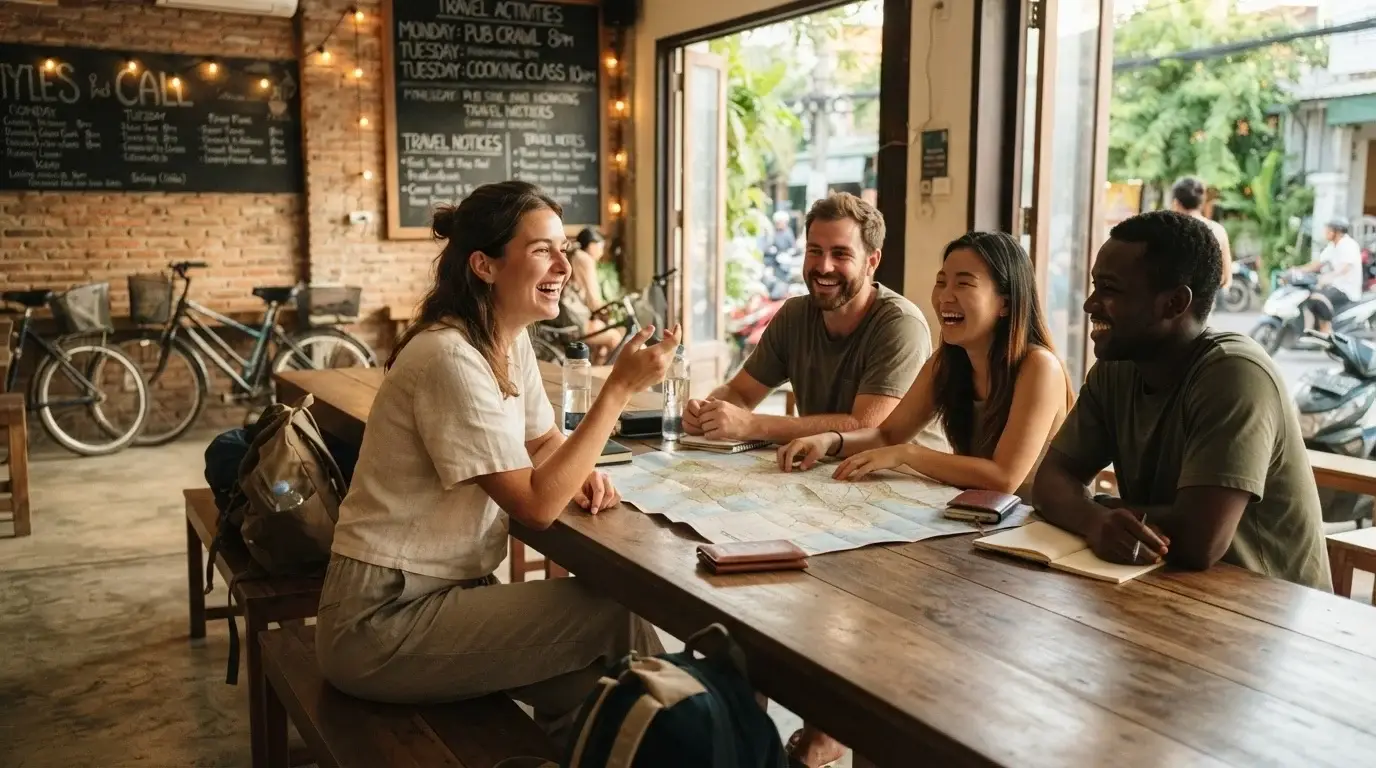
The other factor that matters for solo travelers specifically is the social ecosystem. Hostels across Southeast Asia run regular communal dinners, free walking tours, rooftop hangouts, and organized day trips. If you’re worried about feeling lonely as a solo traveler, Southeast Asia is genuinely one of the easiest places to meet people. I’ve talked to dozens of first-time solo travelers who were terrified about eating alone in a restaurant and ended up with a group of new friends within 48 hours of landing in Bangkok or Hanoi.
That said, “cheap” is not a uniform experience across Asia. Japan, South Korea, Hong Kong, and Singapore are excellent countries but sit firmly in the mid-range to expensive category. This guide focuses on the destinations where your budget goes furthest without sacrificing richness of experience.
Vietnam: Where $30 a Day Feels Like More Than Enough
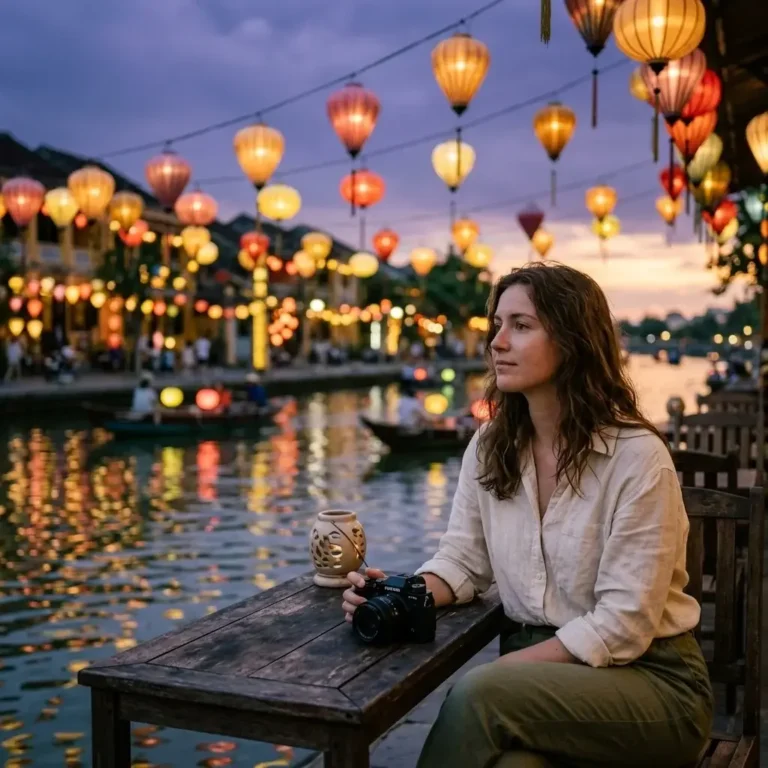
If I had to pick one country that consistently delivers the most for budget solo travelers, Vietnam would be a very strong argument. The country runs north to south with a natural travel flow, from the French colonial architecture and banh mi sandwiches of Hanoi to the lantern-lit ancient town of Hoi An to the chaotic energy and incredible food of Ho Chi Minh City. That journey alone can fill three to four weeks beautifully.
A realistic solo travel budget in Vietnam sits at around $30-50 per day at the dorm-and-street-food level. Dorm beds in good hostels run from $6-12 per night. A bowl of pho from a street stall costs about $1.50-2.50. A banh mi sandwich is often $0.50-1. Local coffee (Vietnamese iced coffee with condensed milk, which I will die on the hill of being one of the great drinks in the world) is around $0.50. Overnight sleeper buses between cities, which are one of Asia’s great backpacker traditions, cost roughly $10-20 depending on the route.
For getting around within cities, Grab is your best friend in Vietnam and across most of Southeast Asia. It’s the region’s leading rideshare app, similar to Uber, available in Vietnam, Thailand, Cambodia, and several other countries on this list. Opening the app to hail a ride eliminates the negotiation stress of tuk-tuks or unmetered taxis, which is genuinely helpful for a first-time visitor who doesn’t yet know what a fair price looks like.
Visa-wise, Vietnam now offers an e-visa valid for up to 90 days of stay. Single-entry costs $25 USD and multiple-entry costs $50 USD, and you apply directly through the official government portal at Vietnam’s official e-visa system. The process takes a few business days and is straightforward. Some nationalities qualify for visa-free entry, but the e-visa is the cleanest option for most travelers.
For cultural grounding before you go, Vietnam’s official tourism authority has solid destination overviews that are worth skimming for regional context.
What to eat: Bun bo Hue (spicy beef noodle soup) in the central region, com tam (broken rice with grilled pork) in Ho Chi Minh City, cao lau noodles in Hoi An, and fresh spring rolls everywhere. Vietnamese food is one of the most regionally varied cuisines in the world, and eating your way from north to south is a genuine education.
The one thing to know about budget travel in Vietnam: Don’t rush. The sleeper bus culture, the slow morning coffee, the long walks through old towns, these things take time and they’re the whole point. Solo travelers who spend three weeks in Vietnam and slow down in two or three spots come away with far richer experiences than those who try to hit every city in ten days.
Thailand: The Classic Entry Point for a Reason
Teaching English in Thailand was one of the most formative experiences of my life, and I don’t say that lightly. Thailand has a particular ability to make a newcomer feel simultaneously welcome and completely out of their depth, in the best possible way. It was the country where I first understood that being confused and curious at the same time is actually a beautiful place to be.
Thailand earns its reputation as a great entry point for budget solo travel because the infrastructure for independent travelers is extraordinary. You can find English menus in small towns, well-organized bus and minivan networks, and hostel staff who genuinely help you navigate.
Daily budget expectations: similar to Vietnam, roughly $30-50/day for dorm beds, street food, and local transport. Street food here is a legitimate cultural institution, not just a budget option. A plate of pad see ew or green curry from a street stall costs $1.50-3. A dorm bed in a good Bangkok hostel runs $7-15. The classic $1 Thai street smoothie from a market stall deserves every piece of praise it gets.
On visas: as of July 2026, Thailand reverted from its temporary 60-day visa-free scheme back to 30 days for most nationalities. U.S. citizens specifically can still receive up to 60 days under the visa exemption program, according to the U.S. State Department’s Thailand entry page. Note that Thailand now requires pre-arrival online registration through the TDAC system before you land, regardless of nationality. The far southern provinces (Yala, Pattani, Narathiwat) remain under a state of emergency and should be avoided, but the rest of the country is rated Level 1 (exercise normal precautions) as of July 2026.
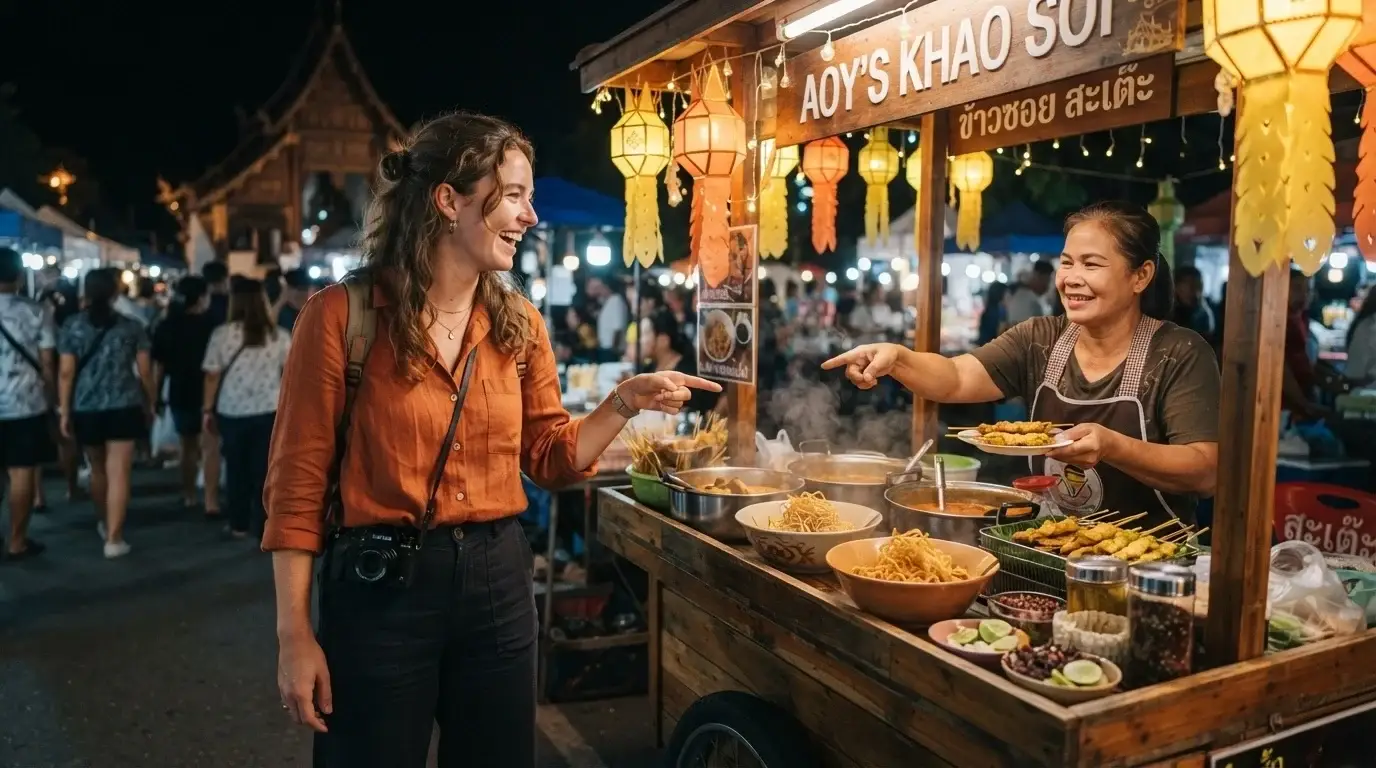
What to eat: Boat noodles in Bangkok, khao soi (northern Thai coconut curry noodle soup) in Chiang Mai, pad kra pao (basil stir-fry) anywhere you can find it, and mango sticky rice as a non-negotiable dessert at every opportunity.
Solo safety: Thailand is generally safe and very well-traveled by solo visitors. The most common issues are petty scams, particularly tuk-tuk drivers proposing “closed temple” detours to gem shops, and overpriced taxis at airports. Grab takes care of most transport anxiety. For women traveling solo, stick to well-lit areas at night, use Grab instead of street taxis after dark, and trust your gut. The Thai people are genuinely warm, and most interactions are exactly what they appear to be.
Two cities that often get skipped and shouldn’t: Chiang Mai in the north is one of Asia’s best cities for slow travel, with a thriving creative scene, excellent cooking classes, and day trips to hill tribes and national parks that are among the most memorable experiences on any Thailand trip. Pai, a small mountain town further north, is a rite of passage for budget travelers and has a wonderful hippy-meets-local energy.
Cambodia: Ancient History and a $25 Daily Budget
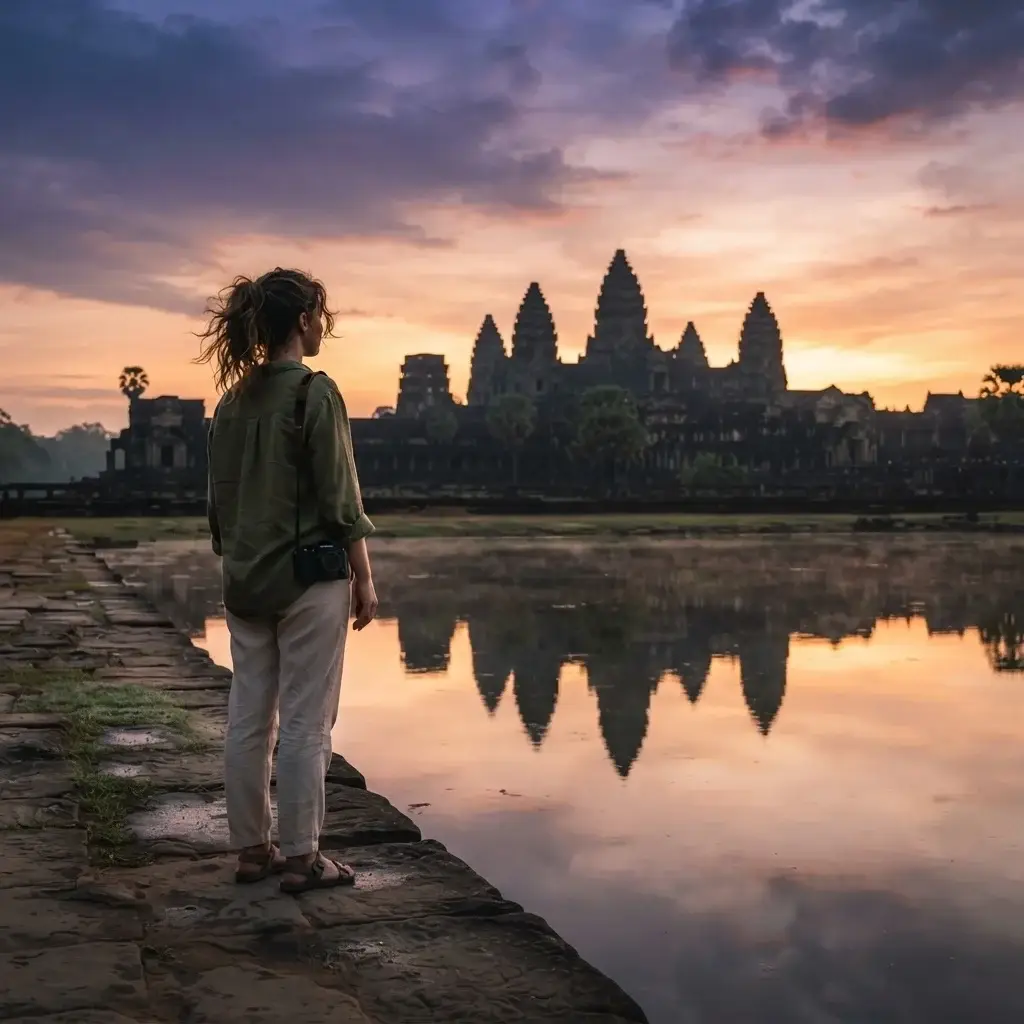
The first thing most travelers think of with Cambodia is Angkor Wat, and for good reason. Angkor Archaeological Park is one of the most extraordinary places on earth. The UNESCO World Heritage listing describes it accurately as containing the magnificent remains of the Khmer Empire’s different capitals from the 9th to 15th century, and standing in front of Angkor Wat at sunrise, watching the stone towers reflected in the pools, is the kind of experience that quietly reorders your priorities.
But Cambodia is much more than Angkor, and for budget solo travelers, it’s one of the most affordable countries on this list. Daily budgets here regularly come in under $30 for backpackers doing dorm beds, local food, and bus transport. Siem Reap (the base for Angkor) has a well-developed hostel scene with some of the most social dorm environments in Southeast Asia. Phnom Penh, the capital, has a complex and powerful history around the Khmer Rouge era and the Tuol Sleng Genocide Museum, which is sobering and important to visit. Kampot and Kep in the south are slower, charming coastal towns that have become backpacker favorites.
For Angkor, tickets are purchased exclusively through the official Angkor Enterprise portal, the government-run ticketing authority. Current prices: $37 for a 1-day pass, $62 for 3 days, and $72 for 7 days. If you’re going to Angkor, the 3-day pass is almost universally recommended. There are dozens of temples across a huge area, and trying to see it all in one day means you’ll spend the whole time rushing past things that deserve an hour each.
What to eat: Fish amok (a Cambodian coconut curry steamed in banana leaf), nom banh chok (Khmer noodles with green fish curry sauce in the morning), lok lak (stir-fried beef with a fried egg) and fresh spring rolls sold at temple-adjacent markets. Cambodia’s food is underrated, and eating where locals eat, not at restaurants aimed squarely at tourists, is both cheaper and significantly better.
Visa for Cambodia: Most travelers can get an e-visa through the official Cambodian government portal for $36 USD, or a visa on arrival at major border crossings for the same price. Single entry, valid for 30 days.
Nepal: Himalayas, Culture, and a Few Things to Know Before You Go
Nepal sits in a slightly different category than the Southeast Asian countries above. It’s not as cheap on a per-day basis (budget travelers typically spend $25-40/day, more if you’re trekking), and the terrain and altitude add a layer of planning that Vietnam or Cambodia don’t require. But as a solo travel destination, Nepal offers something genuinely rare: the opportunity to walk through some of the most dramatic landscapes on earth, surrounded by a culture that is warm, spiritually rich, and genuinely curious about visitors.
Kathmandu itself is a sensory overload in the best possible way. The Thamel neighborhood is the hub for budget travelers, with cheap guesthouses, excellent local food, and trekking gear available for rental or purchase. Pokhara, near the Annapurna range, is more relaxed and is the launching point for many of Nepal’s most popular treks.
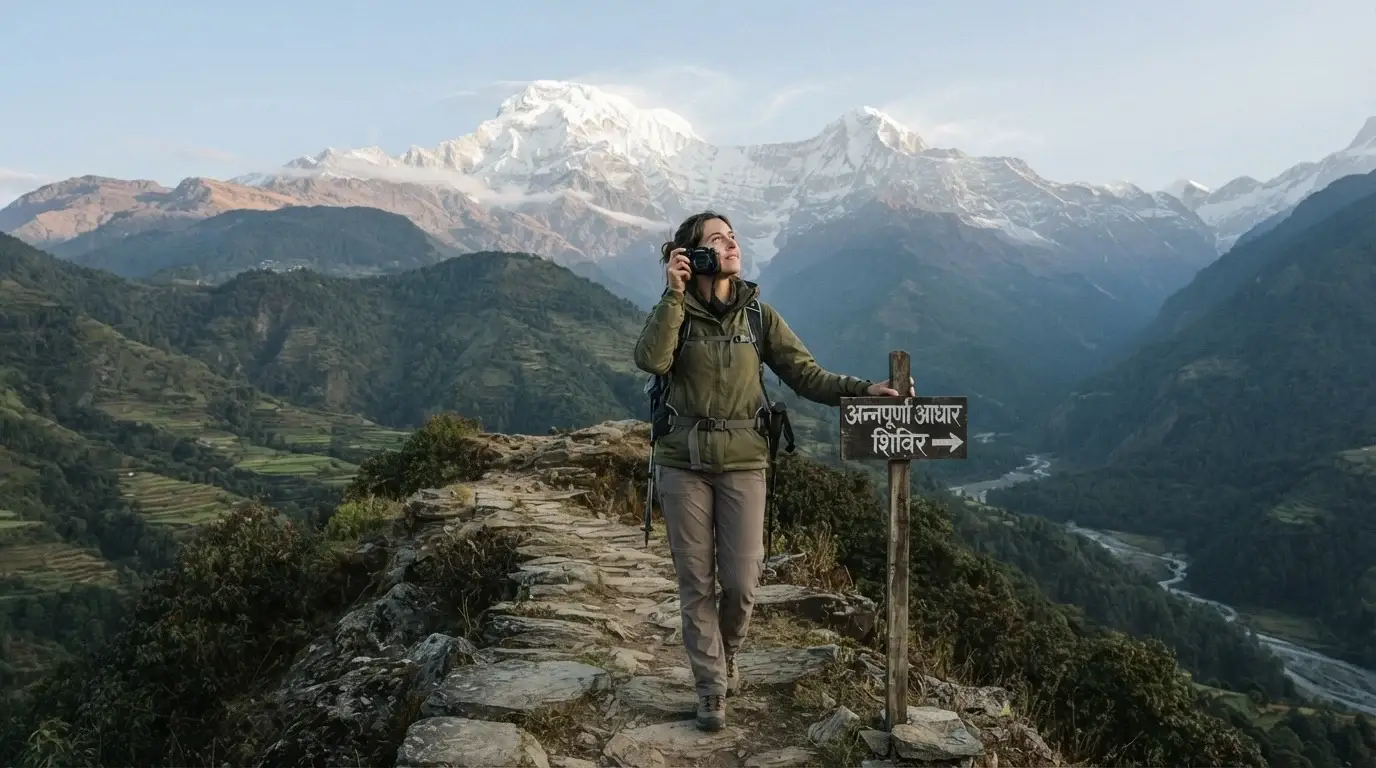
One critical update for solo trekkers: Since April 2023, Nepal has required all non-Nepali trekkers to hire a licensed guide or porter when trekking in national parks and registered trekking areas. Independent solo trekking without a guide is now illegal. This rule is fully enforced in 2026. The Nepal Tourism Board’s official trekking page has the current details on permits and guidance. The cost of hiring a guide or porter varies by trek but typically runs $20-30 per day, which you’ll need to factor into your budget. It’s also worth knowing that trekking permits vary widely in cost, from $20 for the Annapurna Conservation Area Permit up to $500 or more for restricted area treks.
Visa for Nepal: Nepal issues visa on arrival at Tribhuvan International Airport in Kathmandu. A 15-day tourist visa costs $30 USD, a 30-day visa costs $50 USD, and a 90-day visa costs $125 USD. Bring a passport-sized photo and cash in USD.
What to eat: Dal bhat (rice and lentil soup with vegetables and pickles) is Nepal’s national dish and one of the great budget traveler meals anywhere, filling, nutritious, cheap at about $2-5, and often served with unlimited refills. Momos (Tibetan-style dumplings), thukpa (noodle soup), and Newari cuisine in the Kathmandu Valley are all worth seeking out.
Solo note on altitude: If you’re trekking, acclimatization is serious. The golden rule is to ascend gradually, drink plenty of water, and not ignore symptoms of altitude sickness. Most trekking hubs have decent clinics, but prevention through slow ascent and rest days is far better than treatment.
Laos: The Quietest Country on This List and Possibly the Most Rewarding
Laos is frequently overlooked in favor of its louder neighbors, and that is exactly why it belongs on this list. It is the most genuinely unhurried country in Southeast Asia, the kind of place where the rhythm of life feels like an invitation rather than a backdrop.
Budget-wise, Laos consistently comes in as one of the cheapest countries in Asia, with daily budgets for backpackers averaging around $16-25 per day. Dorm beds in Vang Vieng and Luang Prabang run as low as $5-8. Street food is cheap and excellent. Local beer (Beer Lao, which has a genuinely devoted international following) costs about $1 at a restaurant.
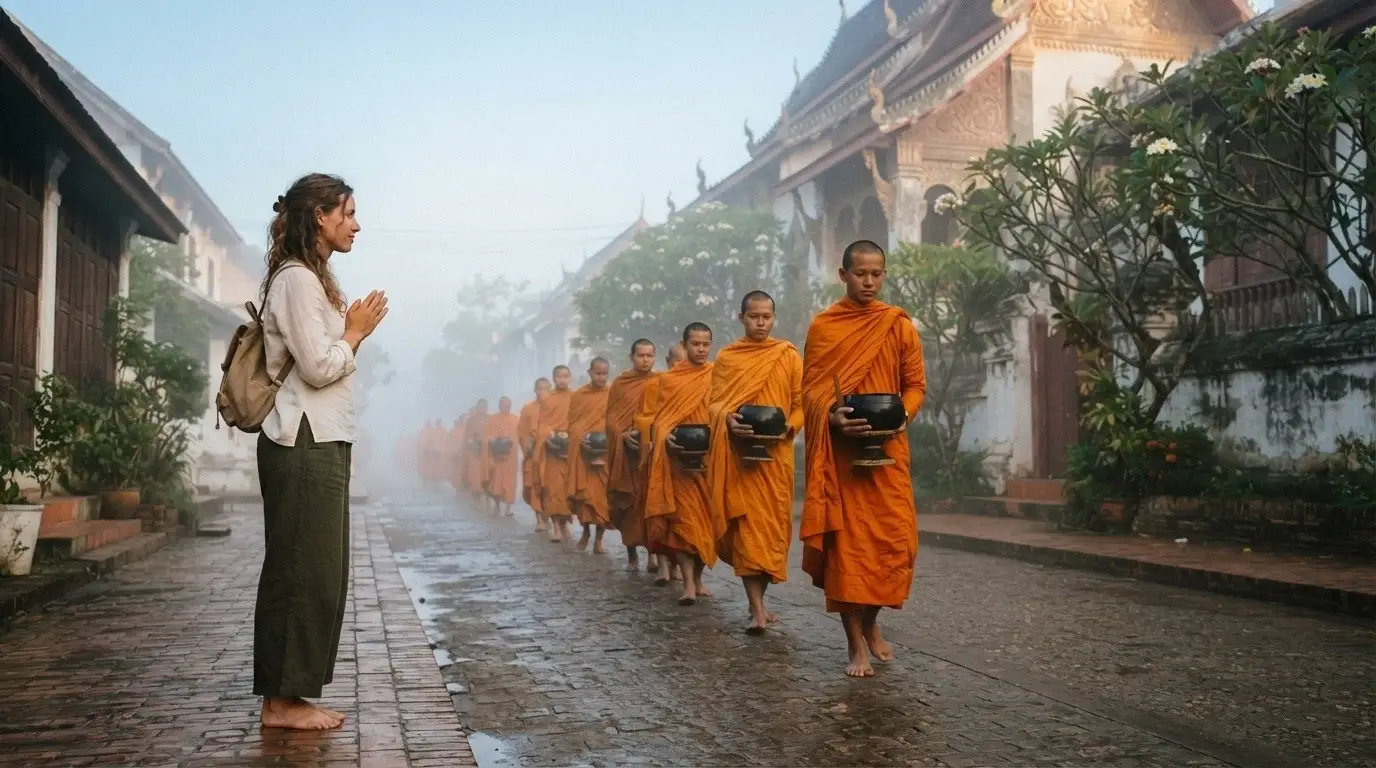
Luang Prabang, a UNESCO-listed former royal capital, is one of the most serene towns I’ve heard solo travelers consistently describe as life-changing. The morning almsgiving ceremony, where monks walk through town collecting food from residents, is not a tourist attraction, it’s an active religious practice, and visitors who observe respectfully and quietly (no photos, no blocking the path) experience something that feels private and sacred in a way most tourist experiences don’t.
Vang Vieng has a reputation as a party town, but it’s also surrounded by dramatic karst limestone mountains, river tubing, and cave systems. The scenery alone justifies a visit even if the party scene doesn’t appeal to you.
Visa for Laos: Most nationalities can get a visa on arrival for $30-42 USD depending on nationality, or apply for an e-visa online for $35 USD. Valid for 30 days.
The Philippines: Islands, Community, and Learning to Go Slow
The Philippines is geographically complex (over 7,600 islands) and logistically a little more involved than mainland Southeast Asia, but for budget solo travelers who are comfortable with a bit of planning, it delivers experiences that are genuinely hard to find anywhere else. The islands of Palawan (home to El Nido and Coron), the Visayas, and the surf town of Siargao have become major draws for independent travelers.
Budget benchmarks: expect to spend $25-35 per day at a comfortable backpacker level. Filipino food is cheap and delicious. Adobo, sinigang (sour tamarind soup), fresh seafood grilled at beachside stalls, and fresh fruit shakes from any street vendor are highlights. Accommodation in tourist areas starts at $8-15 for a dorm bed.
The domestic transport network runs on a combination of domestic flights (often very cheap with local carriers), ferries, and jeepneys (the iconic Philippine communal minibuses that are simultaneously practical and a cultural experience in themselves). Island hopping tours in El Nido typically run $15-25 for a full day.
Visa: citizens of most Western countries enter visa-free for 30 days, extendable to 60 days at a local immigration office.
One thing worth saying about the Philippines specifically: It has arguably the most English-friendly environment in Southeast Asia. The Philippines has a long history with the English language as a second official language, and navigating independently is genuinely easier here than in some of the other countries on this list.
Practical Notes That Apply Across All These Destinations
Travel insurance is not optional. I say this as someone who started her travel life thinking it was just an extra expense. It isn’t. A medical evacuation from Nepal or a serious motorbike accident in Vietnam can cost tens of thousands of dollars. A good travel insurance policy that covers medical, evacuation, and trip interruption costs $50-100 for a month of coverage. It’s the most important line item in your budget.
The best time for a multi-country budget trip in Southeast Asia is generally November through early April. This is the cool, dry season across most of mainland Southeast Asia (Thailand, Vietnam, Cambodia, Laos), and crowds, while present, haven’t yet hit peak. The shoulder months of October and late April are often excellent for budget travelers because prices drop slightly and the weather is still mostly manageable.
Slow down. The travelers who spend two weeks rushing through five countries almost universally tell me they wish they’d stayed longer in fewer places. A week in one town costs you less in transport, helps you negotiate better accommodation rates, and gives you actual time to meet people, eat properly, and understand where you are. This is exactly the kind of slow travel I talked about when I was in my office job, counting my two weeks of annual leave and wondering if I could somehow make them stretch.
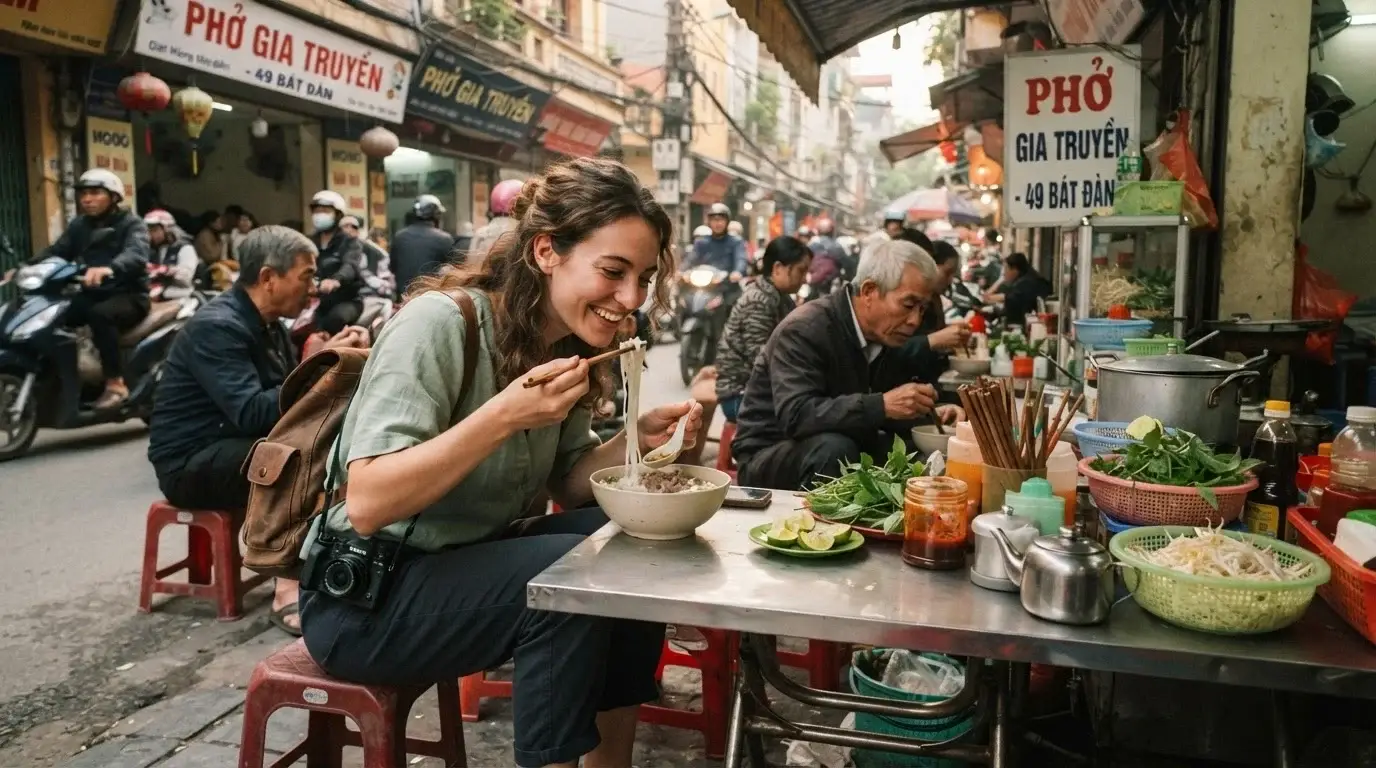
The honest truth about budget travel in Asia is that it’s not about deprivation. A $1.50 bowl of pho eaten at a plastic stool on a Hanoi sidewalk at 7am, watching the city wake up, is not a lesser experience than an expensive restaurant. In most cases, it’s a better one. The budget forces you into the local experience, and the local experience is why you came.
A Quick Budget Summary by Destination
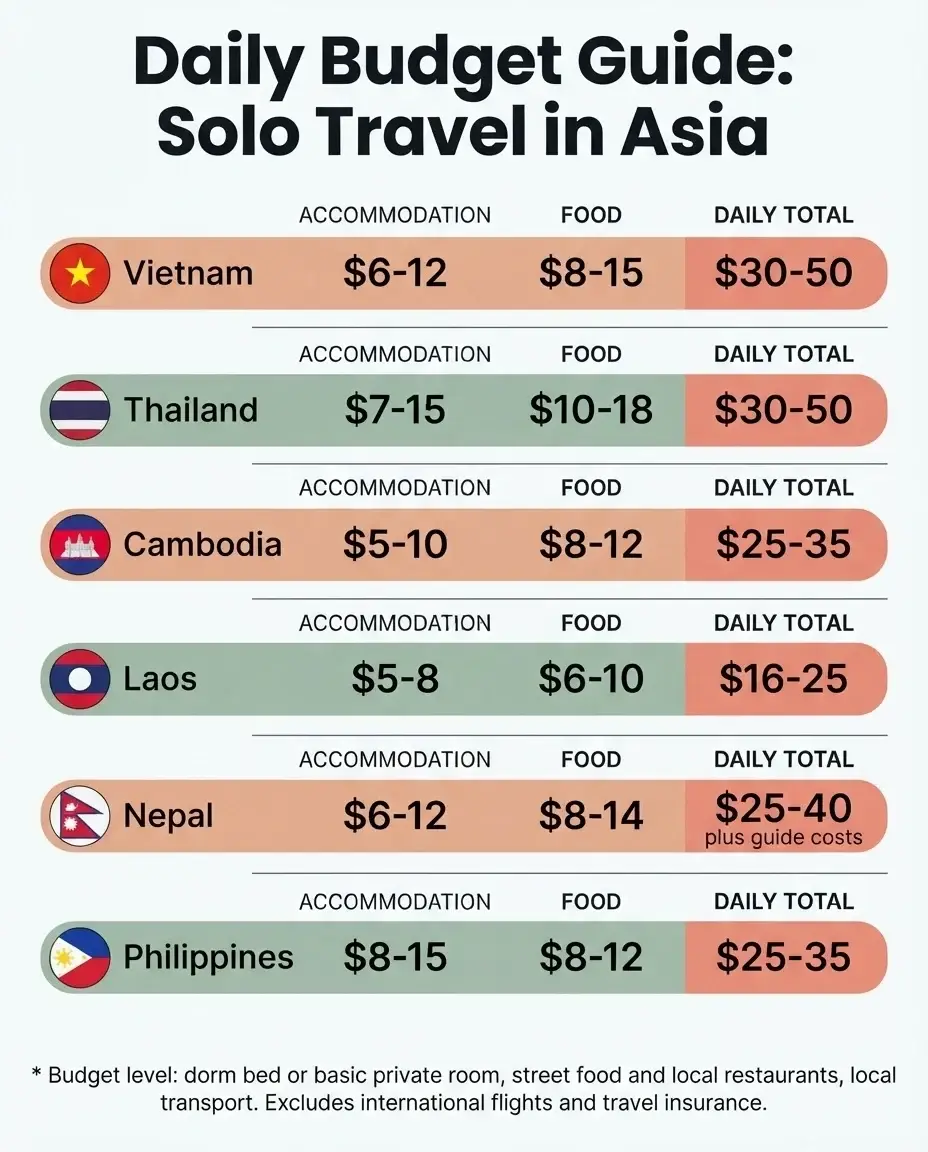
Here is a realistic daily budget at the backpacker level (dorm bed, street food, local transport, one activity per day) based on current 2025-2026 data:
Vietnam: $30-50 per day. Thailand: $30-50 per day. Cambodia: $25-35 per day. Laos: $16-25 per day. Nepal: $25-40 per day, plus guide costs if trekking ($20-30/day extra). Philippines: $25-35 per day.
These figures exclude international flights and travel insurance, which you should budget for separately.
The Part Nobody Tells You
When I left my office job and started building a travel-centered life, I was terrified. Not of the destinations, not really. I was terrified that I didn’t know enough, that I wasn’t organized enough, that something would go wrong and I’d have no one to help me. The first few days of any solo trip always feel that way, a little overwhelming, a little disorienting, and then suddenly you order food successfully in a language you don’t speak, you find the right bus, you meet someone interesting at a hostel dinner, and the fear converts into something else entirely.
Asia does this reliably. The destinations on this list are not just affordable. They are good places to become someone who travels alone, and does it well, and loves it. You don’t need to be experienced. You don’t need to have it all figured out. You just need to book the flight and let the rest reveal itself.
Start with Vietnam or Thailand if this is your first time. Spend at least three weeks. Eat everything. Ask questions. Get a little lost on purpose. The budget part will take care of itself.