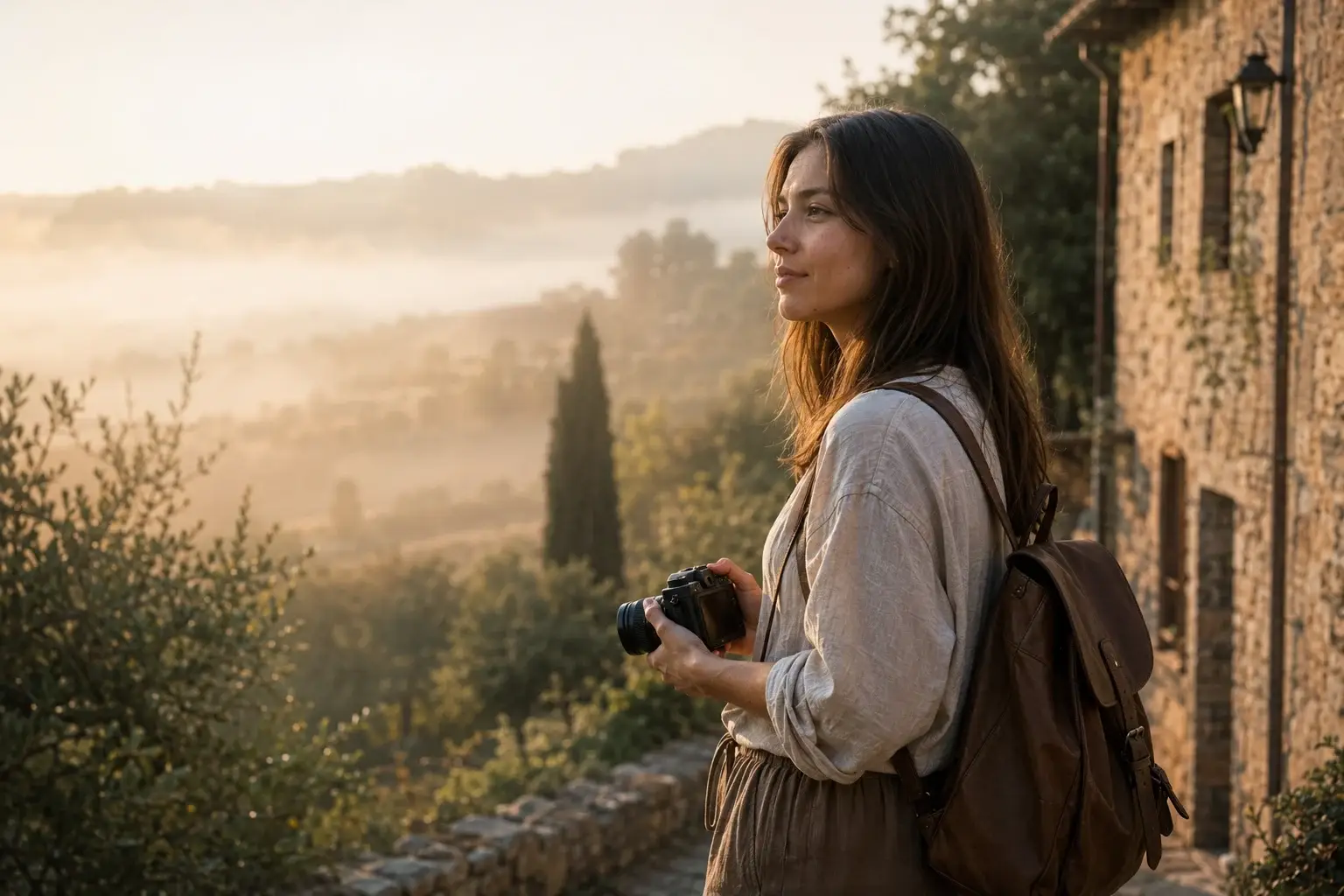
When I first traded my office desk in New York for a backpack, I spent hours scrolling through social media. I wanted to be ready. I wanted the perfect gear. I pinned beautiful photos of matching luggage sets and aesthetic tech organizers. I thought if I bought exactly what the algorithms suggested, I would magically avoid the stress of being alone in a foreign city.
I was wrong.
Most of the “must-have travel gadgets Pinterest” posts I saw back then were just about looking pretty. They featured expensive camera stabilizers or color-coded packing cubes that looked great in a photo but did nothing when I was standing in a rainstorm in rural Thailand, trying to find my passport while my bus pulled away.
After years of living out of a bag, teaching English, and working as a guide, I’ve learned that the best gear isn’t the kind that gets likes. It’s the kind that keeps you safe, keeps you fed, and keeps you moving when things go wrong. Here is what actually makes the cut.
Why Your “Essential” Gear List is Probably Flawed
We are told that travel needs to be seamless. We are sold the idea of the “perfect” trip. But my most memorable experiences—the ones that truly shaped who I am—happened when things were far from perfect. I’ve had my fair share of travel mishaps, from missed trains in Europe to navigating a health scare in a remote town.
When you look at popular lists online, you see gadgets for “aesthetic” travel. You see mini portable blenders or specialized shoe bags. But when you are solo, you need gear that does two or three things at once. If it doesn’t save you time, space, or anxiety, leave it at home.
Before you book your flight, I always tell people to check the US Department of State Travel website for up-to-date entry requirements and safety alerts. Knowing if you need a specific visa or if there are current safety concerns in your region is the most important “gadget” you can have—it’s the tool of being informed. A fancy phone gimbal won’t help you if you arrive at a border and realize you haven’t checked the basic entry rules for your passport.
The Power of Analog in a Digital World
We are obsessed with charging cables. I know, I carry them too. But the most reliable tool in my bag isn’t digital at all. It is a simple, waterproof notebook and a solid, pressurized pen.
When your phone battery dies—and it will, usually when you need the map the most—having a physical, handwritten note of your hostel address or your next train time is a lifesaver. I learned this the hard way in Ghana. I was trying to find a local homestay, and my phone overheated in the sun. If I hadn’t written the directions down on a piece of paper, I would have been completely stuck.
I also carry a set of high-quality earplugs. Not the foam ones you get on a plane, but the kind musicians use. They dampen the roar of a bus engine or the noise of a crowded hostel hallway without blocking out the sounds you need to hear, like an alarm.
Navigating Local Transit Without the Stress
Getting around a new city is usually where travelers feel the most vulnerable. We fear looking like “the tourist.” The secret is to blend in as much as you can, and that starts with knowing how the locals move.
In many parts of Southeast Asia, for instance, you don’t flag down random taxis. You use apps that provide a fair price and a record of your ride. I always recommend that new travelers learn how the Grab official app works before they even touch down. It is my go-to for moving between cultural sites and urban centers because it removes the language barrier and the stress of negotiating a fare when you are tired.
Beyond the app, a physical, lightweight bag lock is vital. I don’t mean a heavy, clunky padlock. I mean a simple, retractable cable lock. I use it to secure my bag to the seat frame on a night train or to my chair while I’m eating a meal in a busy market. It’s a small psychological signal to anyone around you that you are paying attention, and it keeps your mind focused on the food instead of your belongings.
Staying Healthy and Ready for Anything
Food is the soul of travel. I have hiked through China and lived in Thailand, and I have learned that the best meals are often found at the small, bustling street stalls where you need to stand to eat. However, you have to be smart. I always carry a small, portable bottle of hand sanitizer and a pack of high-quality electrolyte powder.
Before you head to a new country, it is always a good idea to check the CDC Travelers’ Health page for the destination you are visiting. They offer specific advice on what to eat and drink to keep your stomach happy. I’ve seen so many travelers let the fear of “traveler’s tummy” stop them from trying the best bowl of noodles of their lives. Being prepared with the right health information means you can explore with confidence.
I also never travel without a basic, compact first-aid kit. Forget the pre-made ones that come with a hundred useless band-aids. Build your own. Pack moleskin for blisters, antiseptic wipes, and your preferred pain reliever. When you are walking five miles a day to see the UNESCO World Heritage sites, a blister is not just a minor annoyance—it’s a trip-ender.
The “Must-Have” Gadgets That Actually Save Your Trip
If you really want to know what I use, it’s not about high-tech gadgets that need constant updates. It’s about utility.
- A Universal Power Adapter with Built-in Surge Protection: Don’t buy the cheap, plastic ones that fall apart. Spend the extra money on one that is grounded and has multiple USB ports. It’s the one thing that connects you to the world, and you can’t afford for it to fail.
- A Multi-Purpose Headlamp: This is not just for camping. It is for power outages in remote guesthouses, for reading in the top bunk of a hostel, and for walking back to your stay after a late dinner. It leaves your hands free, which is essential for feeling safe and agile.
- A Lightweight, Quick-Dry Towel: The ones in many hotels are too thick and never dry. A high-quality microfiber towel takes up no space and dries in an hour. It can also serve as a makeshift pillowcase or a light blanket on a cold bus.
- A Portable Water Filtration Bottle: This is a game-changer. It allows you to drink tap water anywhere in the world. It saves you money, saves the environment from plastic waste, and gives you peace of mind that you won’t get sick from the water in your hotel room.
- A Reliable Power Bank: I carry one that is rated for high capacity. It doesn’t need to be fancy, but it needs to be durable. I look for something that can charge my phone at least twice.
How to Choose Gear That Fits Your Style
When you look at lists of the “must-have travel gadgets Pinterest” loves, ask yourself: Does this solve a problem I have actually faced? If you are a photographer, maybe a tripod is essential. But if you are a storyteller like me, your priority should be a lightweight way to capture your thoughts.
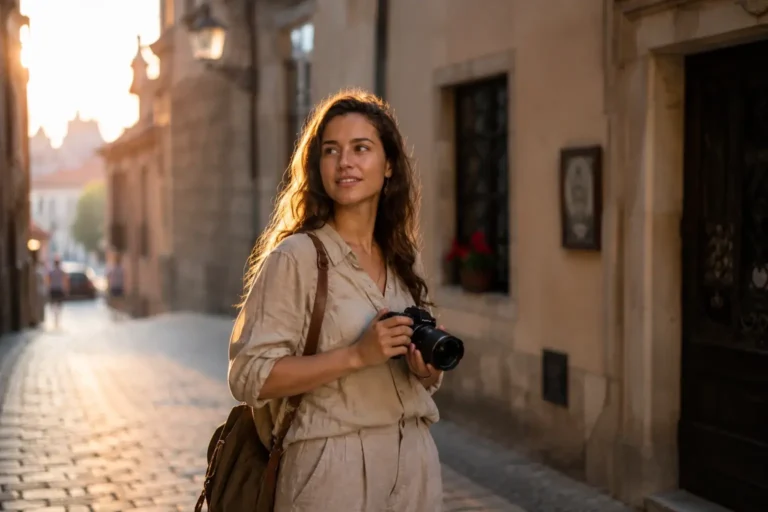
For someone like me, who started as a sightseeing guide, the best tool is the one that lets me observe. I don’t want to be constantly looking at a screen. I want to be looking at the people, the architecture, and the way the light hits a historic street.
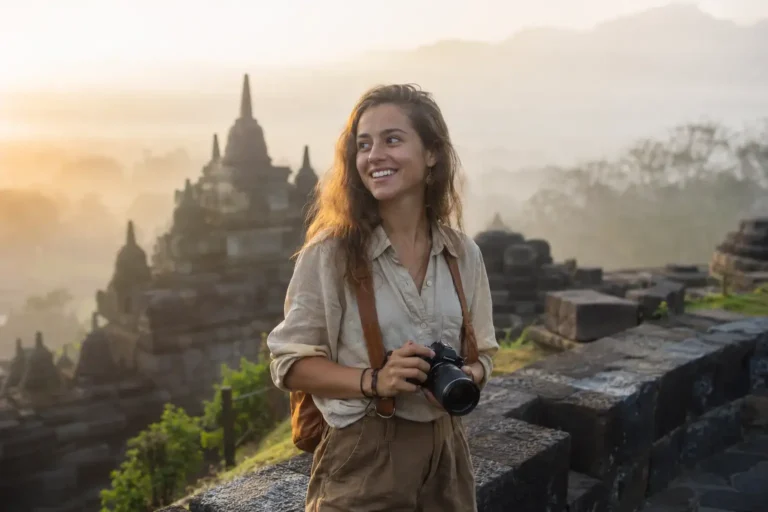
If you are just starting out, my biggest piece of advice is to keep it simple. If you are heading to a place like Thailand, check out the Tourism Authority of Thailand for their official guides. They have wonderful sections on cultural etiquette, like how to dress when visiting temples or how to greet locals. No amount of expensive camera gear will help you if you don’t understand the culture you are stepping into.
The Insurance Reality Check
There is one “gadget” that people forget to list because it isn’t physical. It’s your safety net. I have met travelers who spent thousands on the newest camera but nothing on protecting themselves. If you have an accident or need medical evacuation, that gear won’t help you.
I always suggest that readers look into World Nomads Travel Insurance to understand what kind of coverage makes sense for their trip. Having insurance isn’t about being scared; it’s about being free. When you know that you are covered if something goes wrong, you are much more likely to take that bus to the next town or join that local hiking group. It gives you the confidence to say “yes” to the experiences that end up being the highlights of your life.
Why Your Mindset is the Ultimate Travel Gadget
We often think that buying things will make us more “prepared” for the unknown. But the reality is that the unknown is where the growth happens. When I was teaching English, I didn’t have the “right” gear for everything. I had to learn to adapt. I had to learn how to ask for help, how to read a bus schedule in a language I didn’t speak, and how to find beauty in a moment that didn’t go according to plan.
The “must-have travel gadgets Pinterest” guides won’t tell you this, but your ability to be patient, kind, and curious is worth more than any gadget in your bag. When you travel, you will make mistakes. You will get lost. You might even lose a piece of gear. And that is okay. Those moments are when you discover that you are stronger, more capable, and more adaptable than you ever imagined.
So, pack light. Pack smart. But leave room in your bag—and in your heart—for the things you can’t buy. The best souvenirs aren’t things you pick up in a shop; they are the stories you collect and the version of yourself you become along the way.
Start small. Maybe it’s a weekend trip to a town a few hours away. Maybe it’s a day spent exploring a part of your own city you’ve never seen. Every journey is a step toward the person you want to be. Don’t wait for the “perfect” gear, and don’t wait for the “perfect” moment. The world is waiting for you, and trust me, you are more ready than you think.