
I still remember my very first big solo trip. I had just quit my safe, boring office job. I spent months saving money by waitressing and working as a New York City sightseeing guide. I was finally ready to see the world. But when it came time to pack my bags for my first European adventure, I panicked. I packed three pairs of jeans, four pairs of shoes, and a massive jacket I did not need.
By the time I reached my first train station in Italy, I was sweating, crying, and dragging a heavy suitcase up three flights of stairs. I felt so silly.
I promised myself I would never do that again. After years of traveling, teaching English abroad, and living out of a bag, I have learned a huge lesson. Packing light is the secret to a happy trip. When you pack less, you feel free. You can hop on a train at the last minute. You do not have to worry about dragging heavy bags over bumpy streets. You just grab your bag and go.
If you are feeling stressed about what to bring, take a deep breath. You are in the right place. I am going to share my absolute Best packing list for Europe travel with you. This is the exact list I use to pack for a week, a month, or even a whole summer. We are going to keep it simple, smart, and stress-free.
Why Packing Light Changes Everything
Before we get into the exact items you need to bring, we need to talk about why packing light is so important. Europe is beautiful, but it is not built for massive suitcases.
The Cobblestone Reality Many of the most beautiful cities in Europe have very old streets. They do not have smooth sidewalks like we do at home. Instead, they have cobblestones.
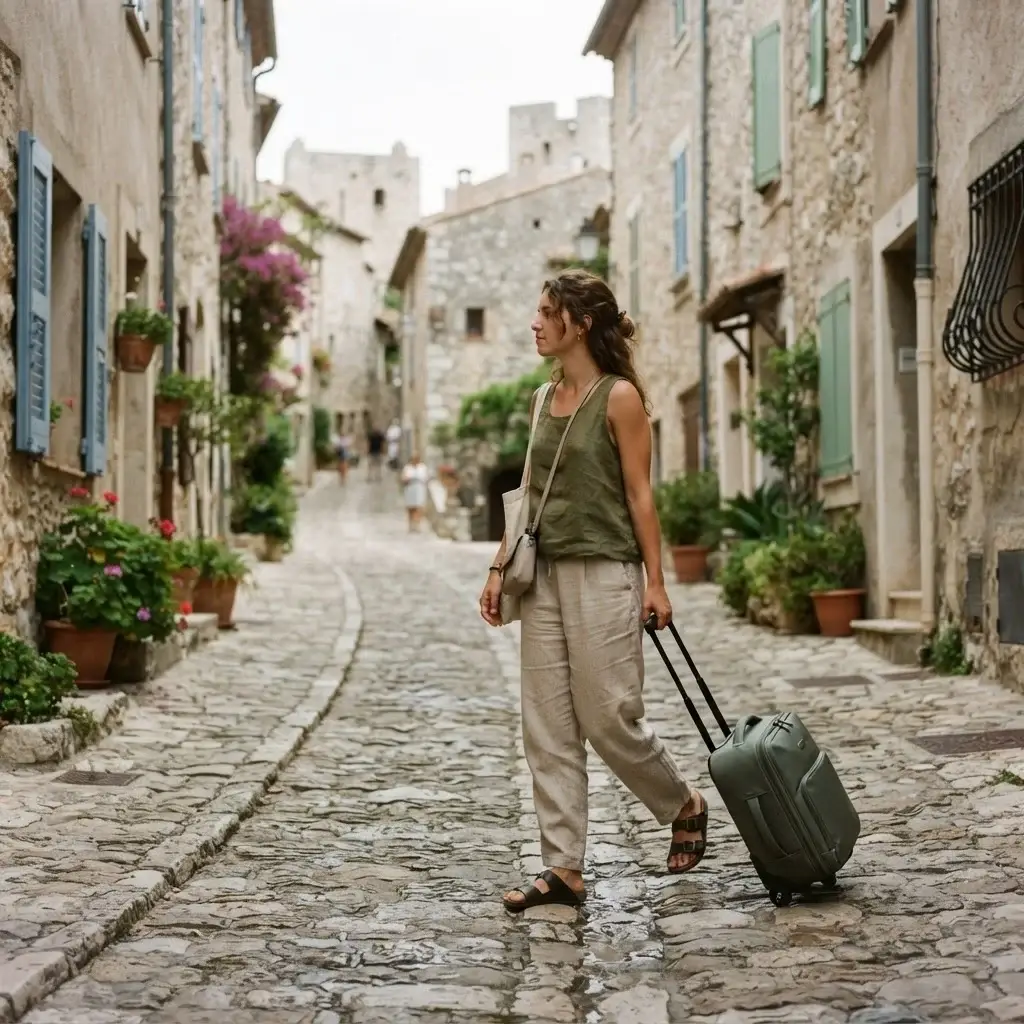
These bumpy stones are charming to look at, but they will destroy the tiny wheels on a big suitcase. There is nothing worse than rolling a heavy bag over ancient roads, especially if you plan to visit official UNESCO World Heritage sites where the ground has historically been left untouched for centuries. You want a bag you can easily carry or roll lightly without fighting the pavement.
Train Stations and Walkups If you plan to take trains from city to city, you need to know a little secret. Train travel in Europe is fast and fun, but you have to handle your own luggage. You have to lift your bag onto the train. You have to lift it up to the overhead rack. When you get to your hotel or guest house, you might find out there is no elevator. Many beautiful, historic buildings have narrow, winding stairs. You want to be able to carry your bag up those stairs all by yourself with a smile on your face.
Choosing the Right Bag: Backpack or Suitcase?
The first step in building your Best packing list for Europe travel is picking the right bag. You have two main choices: a travel backpack or a small carry-on suitcase.
If you want to move fast, a travel backpack is amazing. It leaves your hands free to hold a map, eat a gelato, or grab a train ticket.
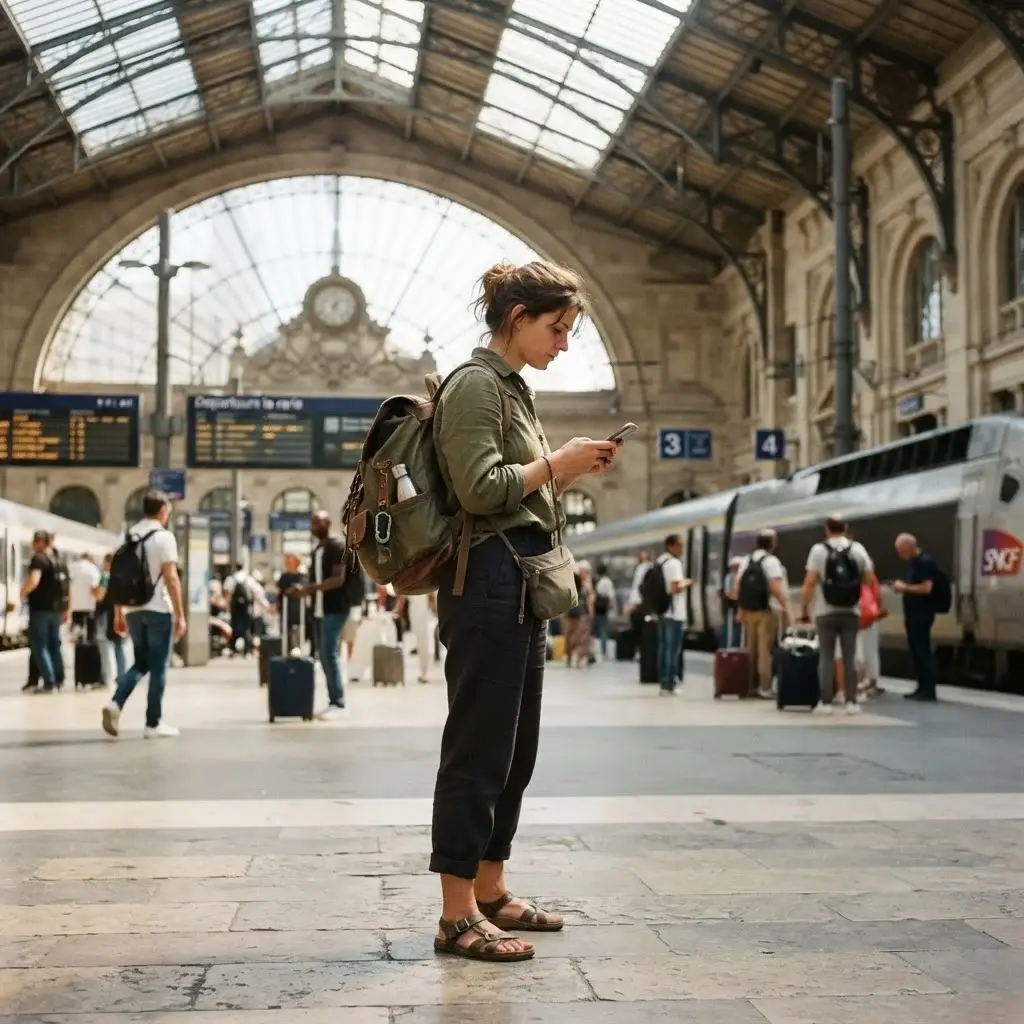
Look for a backpack that opens up like a clamshell (like a suitcase) rather than one that only opens at the top. This makes it so much easier to find your socks without taking everything out. I personally love a 40-liter backpack. It fits in the overhead bin on almost every flight.
If you hate carrying weight on your back, a small carry-on suitcase with four spinner wheels is a great choice. Just make sure it is small enough to meet the rules for budget airlines. Airlines in Europe can be very strict about bag sizes. If your bag is too big, they will make you pay a lot of money at the gate. Keep it small, and you will save money and stress.
The Core Clothing: Your Travel Capsule Wardrobe
The biggest mistake people make is packing whole outfits. They pack one outfit for Monday, one for Tuesday, and so on. Do not do this. Instead, you want to build a “capsule wardrobe.”
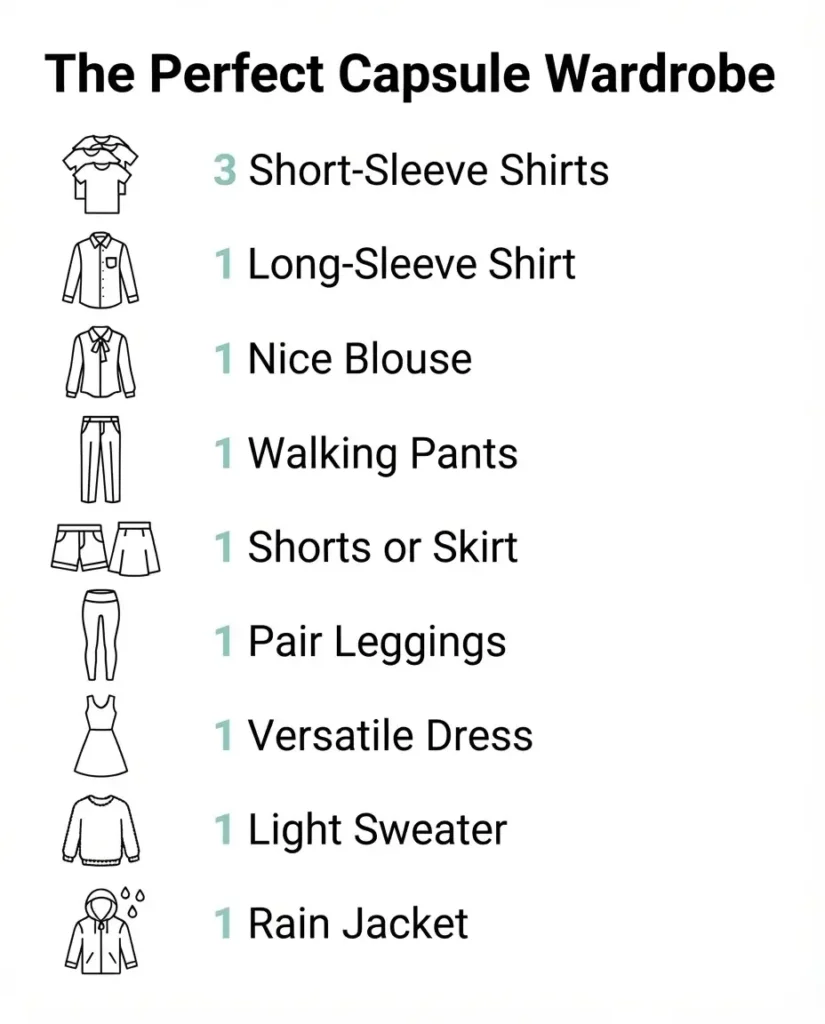
This simply means that every top you bring should match every bottom you bring. If you stick to a simple color mix—like black, white, gray, and one fun color—getting dressed is so easy.
Here is exactly what you need for a standard trip:
Tops and Shirts
- 3 Short-Sleeve Shirts: Pick soft, breathable fabrics. I love merino wool because it does not smell, even if you sweat in it for days. Cotton blends are also great. Pick solid colors that look nice with any pants.
- 1 Long-Sleeve Shirt: Even in summer, evenings can get chilly. A light long-sleeve shirt is perfect for layering.
- 1 Nice Blouse or Button-Down: Bring one top that makes you feel dressed up. You can wear this to a nice dinner or a museum.
Bottoms and Pants
- 1 Pair of Comfortable Walking Pants: Skip the stiff, heavy jeans. They take up too much space and they take days to dry if you wash them. Look for light, stretchy travel pants. Black is the best color because it hides dirt.
- 1 Pair of Shorts or a Skirt: If you are traveling when it is warm, bring one pair of nice shorts or a simple skirt. Please note that in some countries, you must cover your knees to go inside big churches. A midi skirt is perfect for this.
- 1 Pair of Leggings or Soft Pants: These are for long train rides, flights, or relaxing in your room. Comfort is your best friend on travel days.
Dresses and One-Pieces
- 1 Versatile Dress: If you wear dresses, bring one that can be casual during the day and dressy at night. A simple black dress is magic. You can wear it with sneakers to a cafe, or with nice sandals to a fancy dinner.
Outerwear and Layers
- 1 Light Sweater or Cardigan: Something easy to pull out of your bag when the air conditioning is too cold.
- 1 Rain Jacket: Do not bring a heavy coat unless it is winter. Bring a thin, light rain jacket that blocks the wind. You can wear your sweater underneath it if you get cold.
Shoes: The Make or Break Choice
If there is one thing you must get right on this list, it is your shoes. You will walk more in Europe than you ever do at home. It is normal to walk 15,000 to 20,000 steps a day! Your feet need to be happy. You only need two pairs of shoes. Yes, just two.
Pair One: The Walking Sneaker This is the shoe you will wear 80 percent of the time. Do not bring brand new shoes. Bring shoes you have already walked miles in. Look for a supportive, dark-colored sneaker. Dark colors do not show the dust from the streets.
Pair Two: The Nicer Shoe Depending on the season, this could be a comfortable walking sandal or a flat ankle boot. This is for going out to dinner or walking around when your feet need a break from sneakers. Leave the high heels at home. Heels and cobblestones are a very bad mix. You will twist your ankle, and it will ruin your trip.
Seasonal Tweaks for Your Trip
Europe changes a lot depending on when you go. The Best packing list for Europe travel needs to shift just a little bit based on the weather. When you are planning your exact route and deciding which countries to visit, spending some time browsing the destination guides on Lonely Planet can give you a great feel for the local vibe before you even start packing. Once you know the vibe, adjust your bag.
Summer Packing (June to August) Summer in places like Italy, Spain, and Greece is very hot. Many old buildings and small hotels do not have strong air conditioning.
- Swap the leggings for a second pair of light shorts.
- Bring a swimsuit. You might find a beautiful lake or a local pool.
- Pack a wide-brimmed hat to protect your face from the harsh sun.
- Bring a small tube of good sunscreen, though you can easily buy more there.
Shoulder Season (April-May or September-October) This is my favorite time to travel. The crowds are smaller, and the weather is crisp. But the weather can also change very fast.
- Layers are your best tool. You might be hot in the sun at noon, and freezing in the shade at 4 PM.
- Bring a light scarf. It dresses up a simple shirt and keeps your neck warm when the wind blows.
Winter Packing (November to March) Winter travel is beautiful. Think of holiday markets, hot chocolate, and snowy streets. But you must stay warm to have fun.
- Instead of a rain jacket, bring one very warm, squishable puffy coat.
- Bring thermal underwear. A thin thermal shirt under your normal clothes keeps you so warm without adding bulk to your bag.
- Bring warm wool socks. Cold feet will make you miserable very quickly.
- Pack gloves and a warm winter hat.
Toiletries and Your Travel Health Kit
Packing your bathroom items can be tricky because of airport liquid rules. If you are flying with a carry-on bag, all your liquids must fit into one small, clear, quart-sized bag.
The Liquids Bag Keep it simple. You do not need your huge bottles of shampoo.
- Buy small travel bottles and fill them with your own face wash and lotion.
- Most hotels provide shampoo and body wash. If you are staying in a hostel, just buy a small bottle of cheap shampoo when you arrive.
- Consider solid toiletries. Solid shampoo bars, solid perfume, and solid sunscreen do not count as liquids. They save so much space!
Your Mini Pharmacy Getting sick on the road is no fun, especially when you do not speak the local language to ask a pharmacist for help. I always carry a tiny first aid kit with basics like pain relievers and band-aids, and I like to review the CDC Travelers’ Health page just to see if there are any specific health advisories or food safety tips for the regions I am visiting.
- Bring your favorite pain medicine (like Advil or Tylenol).
- Bring stomach medicine. Eating new foods can sometimes upset your tummy.
- Pack plenty of band-aids. Blisters happen, even with good shoes.
- Do not forget your personal prescription medications. Keep these in your personal bag, never in a checked bag.
Tech, Gadgets, and Plugs
We live in a digital world, and you need your phone for maps, photos, and train tickets. But you do not need to bring an entire electronics store with you.
The Essentials
- Your Smartphone: This is your camera, map, and lifeline.
- Universal Travel Adapter: The wall plugs in Europe are different from the ones in the US. The UK uses one type with three thick prongs, and most of mainland Europe uses another type with two round prongs. A universal adapter works everywhere.
- Portable Power Bank: This is vital. When you are out taking photos and using maps all day, your phone battery will die. A power bank lets you charge your phone while sitting at a cafe.
- Extra Long Charging Cable: Sometimes the only plug in a hotel room is across the room from the bed. A long cable makes life much easier.
What to Leave Behind Unless you are working while you travel, leave the heavy laptop at home. You will not use it as much as you think, and it just adds weight. Leave the expensive camera too, unless you are a serious photographer. Modern phones take amazing pictures.
Safety, Documents, and Money
Keeping your important items safe is a big part of traveling with confidence. You want to be alert, but you do not want to be scared.
Your Important Papers Before you even think about clothes, you need to make sure your paperwork is correct by checking the official US Department of State travel site for any visa requirements or travel alerts for your specific destinations.
- Passport: Make sure it is valid for at least six months after the day you plan to go home.
- Copies: Print two paper copies of your passport. Keep one in your main bag and give one to a trusted friend at home.
- Tickets and Bookings: I like to have offline copies of my hotel bookings on my phone, just in case the internet stops working.
Keeping Your Money Safe Pickpockets do exist in busy tourist areas, just like in any big city in the world.
- Do not carry all your cash and cards in one place. Keep one credit card in your day bag and hide a backup card in your main luggage.
- Use a cross-body bag for your daily exploring. It stays close to your chest and is very hard for someone to snatch.
- If someone swipes your bag on a crowded train in Barcelona, having a solid backup plan from World Nomads travel insurance gives you the peace of mind to keep enjoying your trip instead of panicking. It is always better to be safe and prepared.
How to Actually Pack the Bag
Having the Best packing list for Europe travel is only half the battle. Knowing how to put it in your bag is the other half.
The Magic of Packing Cubes If you take away one piece of advice from this whole article, let it be this: buy packing cubes. They are small, lightweight fabric boxes that zip up. They act like little drawers for your bag.
- Put all your shirts in one cube.
- Put all your pants in another cube.
- Put your socks and underwear in a small cube.
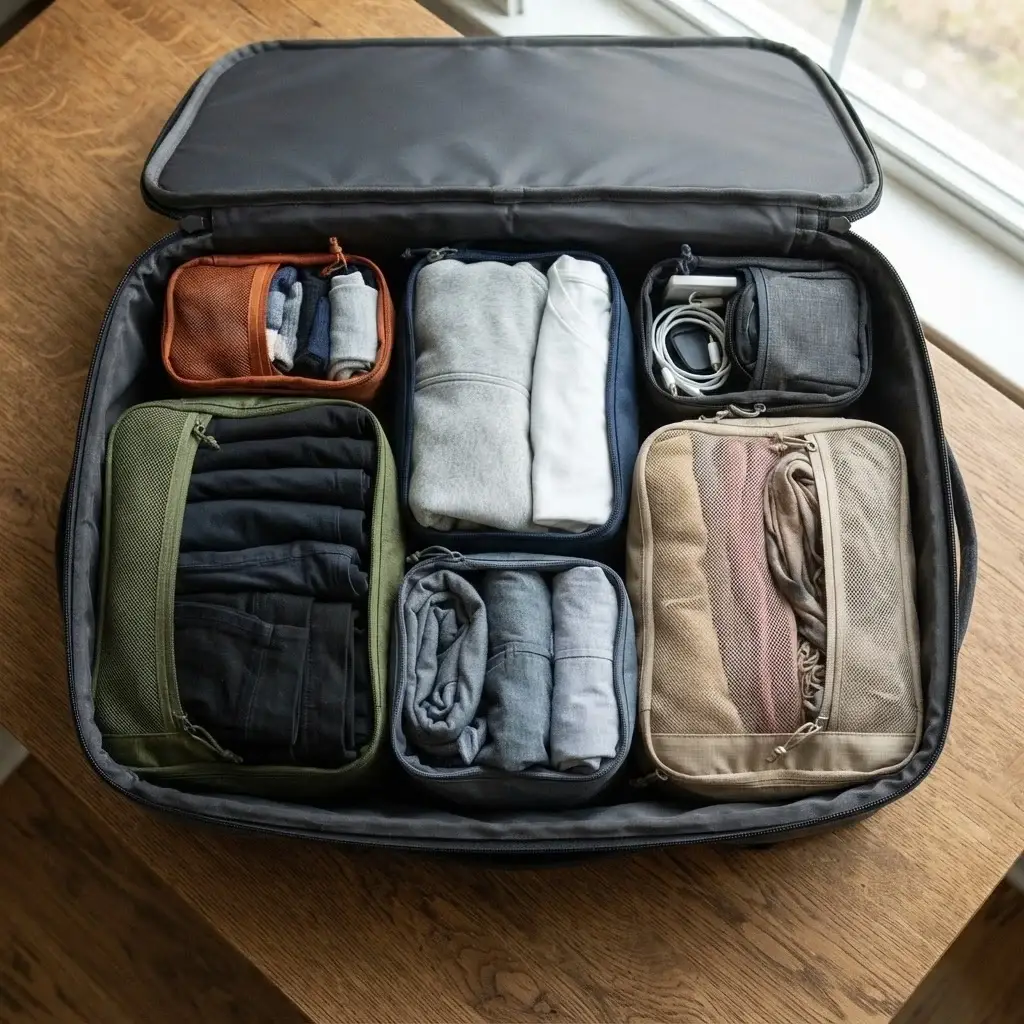
- When you need a shirt, you just pull out the shirt cube. You do not have to dig through your whole bag and make a mess. They compress your clothes and keep you perfectly organized.
The Roll Method Do not fold your clothes flat. Instead, roll them up like little burritos. Rolling clothes saves a ton of space and actually stops them from getting badly wrinkled.
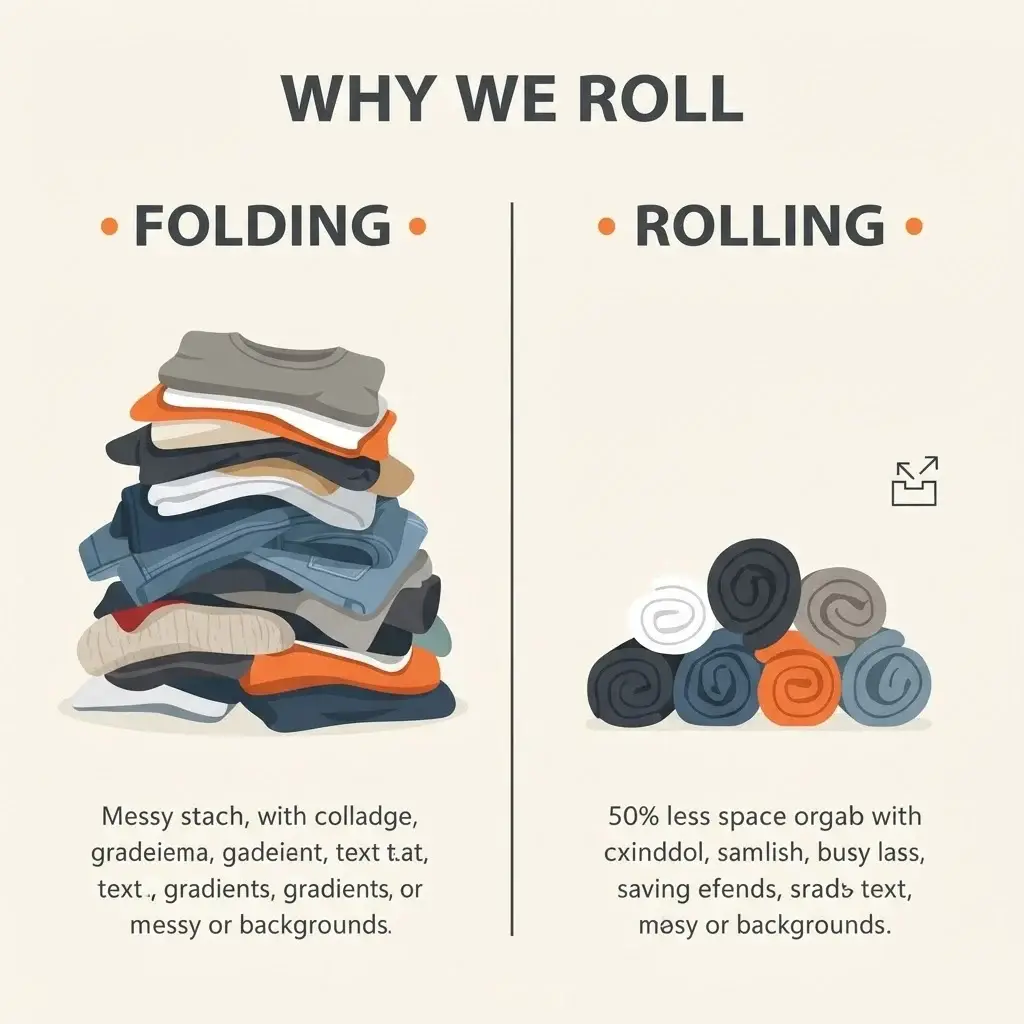
Roll them tight and tuck them neatly into your packing cubes.
What You Should Never Pack for Europe
Sometimes, knowing what to leave at home is just as important as knowing what to bring. Do not bring these items:
- Hair Dryers or Styling Tools: American hair tools run on a different voltage. If you plug your hair dryer into a European wall, even with an adapter, it will likely spark, smoke, and break. Most hotels have hair dryers you can use for free.
- Heavy Towels: They take up half your bag and never dry fully. If you are staying in hostels, buy a cheap, thin microfiber travel towel.
- “Just in Case” Items: If you catch yourself saying, “I might need this just in case,” put it back in your closet. You can buy almost anything you need in Europe. They have pharmacies, clothing stores, and supermarkets. You are not going to the moon.
Navigating Budget Airlines with Your Bag
If you follow this list, your bag will be light and compact. This is a superpower when flying on European budget airlines like Ryanair, easyJet, or Vueling. These airlines offer amazing cheap flights, but they make their money by charging huge fees for luggage.
Always read the baggage rules for your specific ticket before you go to the airport. If you booked a “basic” ticket, you might only be allowed one small bag that fits under the seat in front of you. If you need to put your bag in the overhead bin, you usually have to pay extra online before you check in. Pay for it early! If you wait until you are at the gate, they will charge you double the price.
Wear your heaviest items on the plane. If you are bringing a sweater and your walking sneakers, wear them. Your bag will be much lighter and easier to carry.
Laundry on the Road
You might be wondering, “Emma, if I only bring three shirts, what do I wear on day seven?”
The answer is simple: you do laundry. Doing laundry while traveling is part of the adventure.
- The Sink Wash: For small items like socks and underwear, you can wash them in the bathroom sink at your hotel. Bring a tiny bottle of travel laundry soap. Wash them at night, roll them in a dry towel to squeeze out the water, and hang them up. They will be dry by morning.
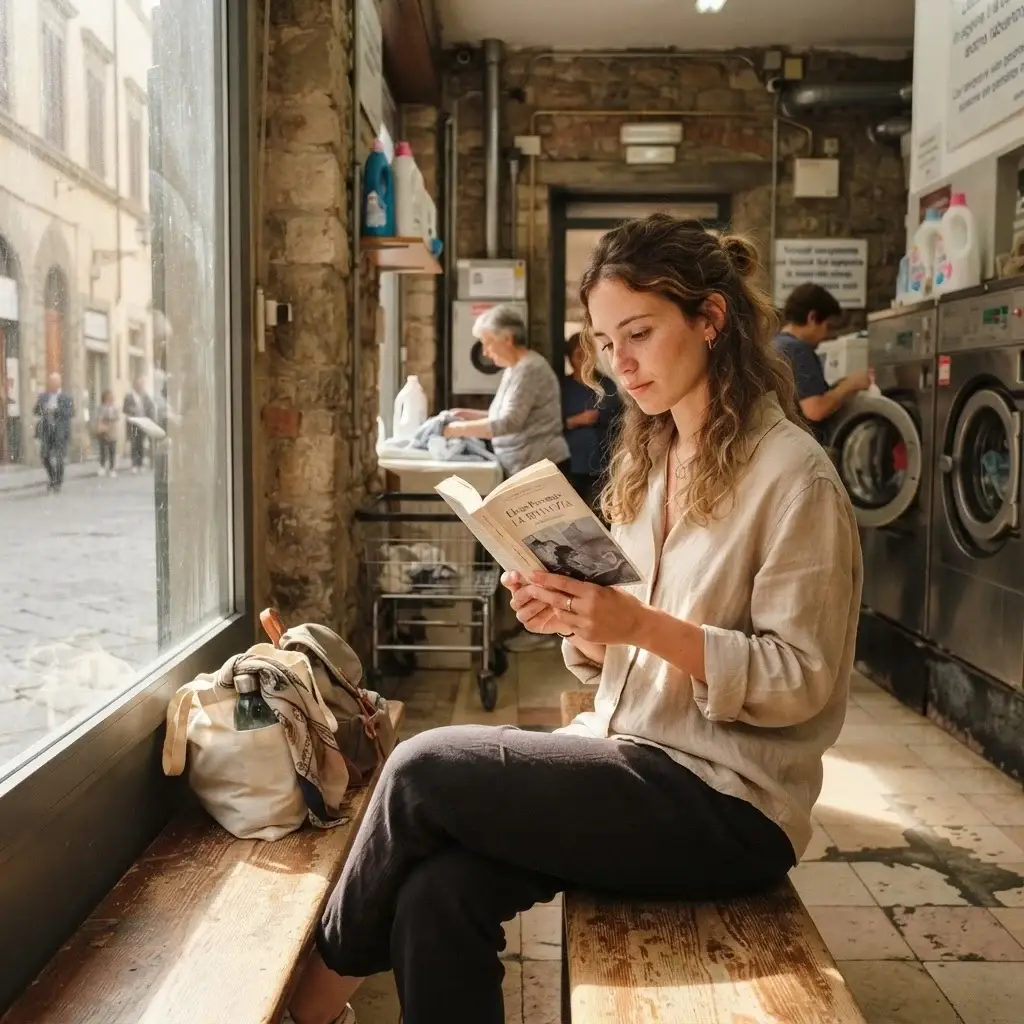
- The Local Laundromat: Going to a local laundromat in a foreign country is actually really fun. You get to sit with local people, read a book, and rest your feet for an hour.
- Hotel Laundry: Many small hotels will wash a bag of clothes for you for a small fee. It is usually very cheap and totally worth it.
A Day in the Life of Your Day Bag
While your main backpack or suitcase stays at your hotel, you need a smaller bag for walking around during the day. I prefer a small, sturdy cross-body purse or a very small day backpack that zips tightly.
Here is what goes in your day bag:
- Your phone and power bank.
- A small pack of tissues (some public restrooms run out of toilet paper!).
- Your wallet with a little bit of local cash and one credit card.
- Your sunglasses.
- A reusable water bottle. You can drink the tap water in most of Western Europe, and there are free public fountains everywhere in cities like Rome and Paris.
- Your tiny first aid kit with a few band-aids.
Keep everything else back in your room. A heavy day bag will hurt your shoulders by the end of the afternoon.
Final Thoughts Before You Fly
I know planning a big trip can feel scary. It is totally normal to feel a little bit anxious about leaving home. But I promise you, once you step off that plane, all the fear melts away. You will be walking down a beautiful street, smelling fresh bread, and looking at buildings that are hundreds of years old. You will feel proud of yourself for taking the leap.
By following this Best packing list for Europe travel, you are giving yourself a huge gift. You are choosing freedom over heavy baggage. You are setting yourself up to move easily, stay comfortable, and focus on the amazing experiences waiting for you.
Do not wait for the perfect time to travel. The perfect time is right now. Pack your bag, trust yourself, and get ready for the adventure of a lifetime. The world is waiting for you!