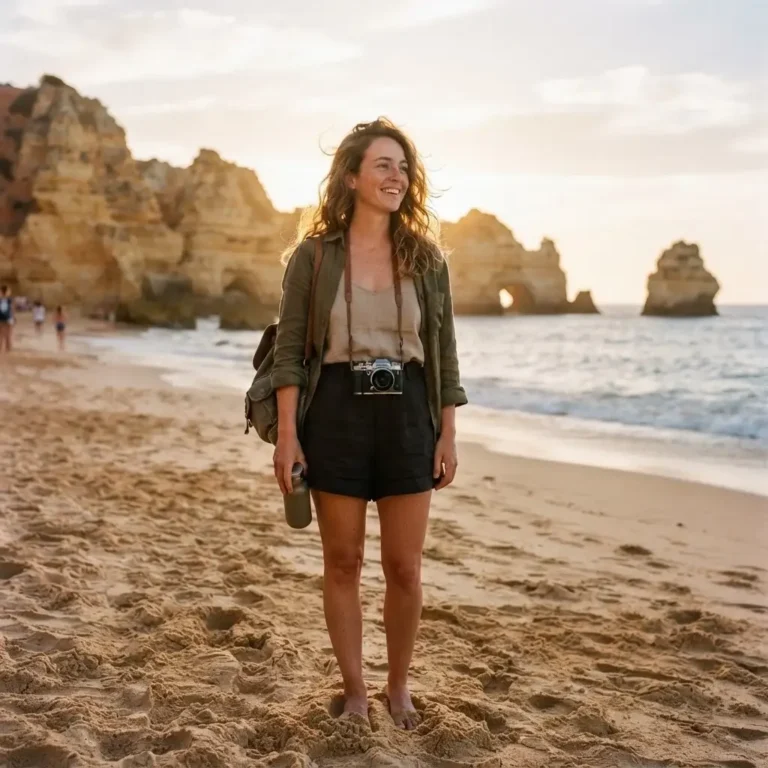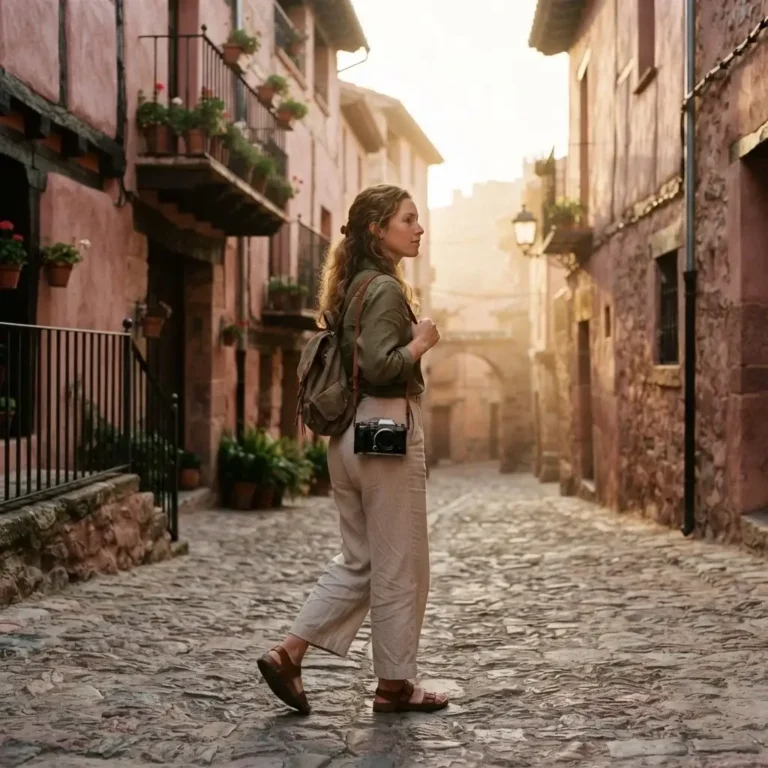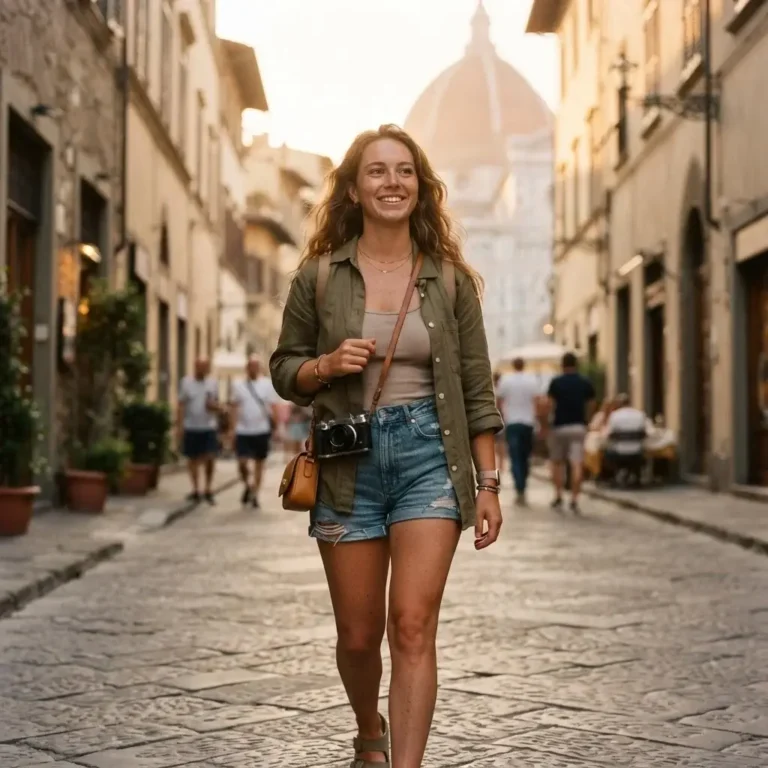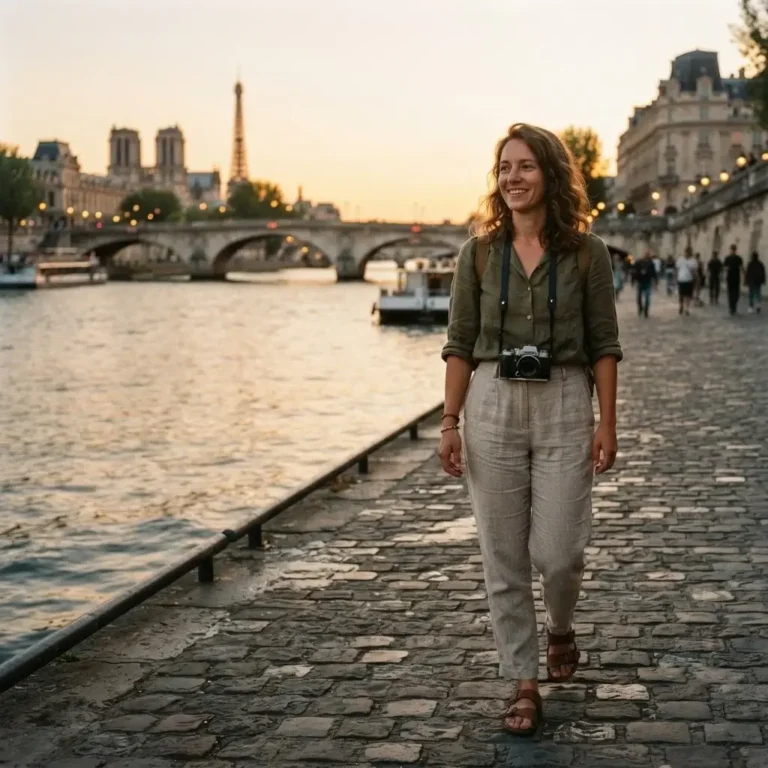

I still remember the crisp autumn morning in New York City when I handed in my resignation letter at my traditional 9-to-5 office job. My coworkers thought I was losing my mind. I had a steady paycheck, a clear career path, and a comfortable routine. But every time I looked out the window at the gray skyline, I felt a deep, persistent pull toward something else. I wanted slow travel, true cultural immersion, and the freedom to explore the world on my own terms.
To fund that dream, I didn’t rely on a massive bank account. I took a job as a certified sightseeing guide in Manhattan, walking miles through Central Park and Times Square, explaining history to tourists. At night, I waitressed until my feet burned, pouring every extra dollar into a dedicated travel fund. When I finally boarded a one-way flight to Bangkok to teach English, I carried a massive, seventy-liter backpack stuffed to the brim. It weighed nearly forty pounds. Within two weeks of moving through humid train stations and crowded night markets, I realized that my heavy bag wasn’t just hurting my back—it was holding me back.
That was the turning point. Over years of backpacking solo across Europe, living with a local host family in Ghana, and hiking through rural China, I developed a completely new approach to preparation. I realized that the physical items we carry directly impact our mental state on the road.
When you master intentional packing strategies for frequent travelers, you aren’t just learning how to fold shirts. You are building the internal confidence to handle anything the world throws at you. This exhaustive guide will walk you through the deep, practical philosophy of mindful packing so you can transition from an anxious overpacker to a free, agile, and confident explorer.
1. The Psychology of Overpacking: Why We Carry Too Much
Before we open a single suitcase, we have to look honestly at why we overpack. In my experience talking to hundreds of travelers, overpacking rarely comes from a lack of organizational skills. It comes from fear. We pack for our anxieties. We think, What if I get invited to a formal gala? What if it rains for seven days straight? What if I ruin my favorite shoes?
When I was guiding groups through New York, I would see tourists hauling giant suitcases up the subway stairs, sweating and frustrated. They were trying to bring the comforts and certainty of their home environment along with them. Mindful packing requires a shift in mindset. You must learn to pack for the reality of your daily travel, not for the absolute worst-case scenario.
Separation Anxiety and “Just-In-Case” Items
The biggest enemy of light travel is the phrase “just in case.” When you pack an item because you might need it, you are trading your current physical comfort and mobility for a hypothetical future event.
Think about it this way: if you are traveling to a populated area, local people live there. They buy shampoo, they use umbrellas, and they wear jackets. If you find yourself in a situation where you truly need something you didn’t bring, visiting a local shop becomes part of the adventure. It forces you to interact with the neighborhood, practice a few words of the local language, and see how residents live their daily lives.
Packing for Your Idealized Self
Another common trap is packing for a fictional version of yourself. If you never wear high heels or tight designer jeans at home, you certainly will not want to wear them while navigating the cobblestone alleys of Rome or rushing to catch a public bus in Chiang Mai. Pack for the person you actually are right now. Choose comfort, durability, and utility over an idealized image of a picture-perfect vacation.
2. Choosing Your Vessel: The Architecture of the Perfect Bag
Your bag is your mobile home. If it is too big, you will naturally find ways to fill the empty space. If it is poorly constructed, it will cause physical pain and slow you down at crucial moments.
The Carry-On Only Philosophy
I highly recommend limiting yourself to a maximum bag size of 40 to 45 liters. This size easily fits into the overhead compartments of most major airlines. Traveling carry-on only changes your entire relationship with the road. You no longer have to stand in long check-in lines at the airport, you never have to worry about an airline losing your luggage, and you can walk right out of the arrivals terminal the moment the plane lands.
More importantly, a carry-on bag allows you to be agile. When I was navigating the chaotic bus terminals in Accra, Ghana, being able to keep my bag on my lap or quickly sling it over my shoulders meant I could move swiftly, safely, and without relying on anyone else to carry my belongings. It builds immense solo confidence to know that you are entirely self-sufficient.
Backpack vs. Rolling Suitcase
The choice between a backpack and a rolling suitcase depends entirely on your destination and travel style. If your itinerary involves smooth airport floors, paved sidewalks, and taxi rides directly to your hotel, a high-quality two-wheeled rolling suitcase can work well. However, if you are planning to explore places with uneven infrastructure, a backpack is the superior choice.
Look for a backpack with a panel-loading design, meaning the main zipper opens up completely like a suitcase, rather than a top-loading design which forces you to dig through everything from the top down. Ensure the bag features a thick, padded hip belt. A proper hip belt transfers roughly eighty percent of the bag’s weight from your delicate shoulders down to your stronger hip bones, preventing fatigue during long walks to your guesthouse.
3. The Minimalist Wardrobe: The Capsule System That Works
The core of successful packing strategies for frequent travelers is the capsule wardrobe. This is a small, curated selection of clothing items that can all be mixed, matched, and layered to create dozens of unique outfits.
The Rule of Three
For every category of clothing, try to follow the rule of three: wear one, pack one in the bag, and have one washing or drying. This applies directly to shirts, underwear, and socks.
- Shirt 1: On your body.
- Shirt 2: Clean and folded in your packing cube.
- Shirt 3: Hanging up to dry after a quick sink-wash in your bathroom.
By sticking to this rhythm, you can theoretically travel indefinitely with just a few days’ worth of clothes. You will never find yourself staring at a pile of unwashed garments, and your bag will remain incredibly light.
Fabric Selection: Function Over Fashion
The materials you choose will make or break your minimalist wardrobe. Avoid heavy cotton items at all costs. Cotton absorbs sweat, retains odors, and takes a remarkably long time to dry, which is a major liability when you are doing laundry in a hotel sink.
Instead, invest in performance fabrics:
- Merino Wool: The undisputed king of travel fabrics. It is naturally antimicrobial, meaning it resists body odors even after multiple days of continuous wear. It regulates temperature beautifully, keeping you cool in the tropical sun and warm during chilly evening walks.
- Synthetic Blends (Nylon/Polyester): These fabrics are incredibly lightweight, highly durable, and dry within a few hours of washing. They are perfect for active days exploring ruins or hiking through national parks.
- Linen: Excellent for hot, humid cultural zones like Southeast Asia. It wrinkles easily, but that is part of its casual charm, and it allows your skin to breathe perfectly in intense heat.
| Clothing Item | Quantity | Material Recommendation |
| Short-Sleeve Tees | 3 | Merino Wool or Poly-blend |
| Long-Sleeve Shirt | 1 | Lightweight Button-down or Linen |
| Versatile Pants | 2 | Nylon-Spandex blend (stretch & quick-dry) |
| Walking Shorts | 1 | Technical fabric / Swim dual-use |
| Underwear | 4 | Moisture-wicking synthetic |
| Merino Socks | 3 | Medium-cushion wool |
| Outer Shell | 1 | Waterproof / Windproof breathable jacket |
4. Packing Step-by-Step: Maximizing Space and Organization
Once you have selected your capsule wardrobe, the next step is arranging everything inside your bag using a systematic, repeatable method.
The Rolling Method vs. Ranger Rolling
Do not fold your clothes flat like you would in a bedroom dresser. Folding creates deep creases and leaves empty pockets of air between layers, wasting valuable space. Instead, use the rolling method. Lay your shirts flat, fold the sleeves inward, and roll them tightly from the bottom hem up to the collar, creating a firm, compact cylinder.
For an even tighter pack, you can use the “Ranger Roll.” This involves flipping the bottom two inches of the shirt inside out before rolling, then wrapping that inverted hem back over the finished roll to lock it securely into place. This prevents the item from unrolling inside your bag and keeps your clothes organized.
Utilizing Compression Packing Cubes
If you want to truly master packing strategies for frequent travelers, packing cubes are non-negotiable. These small, zippered fabric containers act like individual drawers inside your backpack. They keep like-items together so you never have to empty your entire bag just to find a fresh pair of socks.
Compression packing cubes feature an extra perimeter zipper designed to squeeze out all the excess air after the cube is packed. This can reduce the physical volume of your clothing by up to forty percent. I recommend assigning a specific color cube to each category of item:
- Large Cube (Blue): Pants, shorts, and long-sleeve shirts.
- Medium Cube (Green): T-shirts and daily tops.
- Small Cube (Red): Underwear, socks, and swimwear.
5. Health, Safety, and Documentation: Packing the Essentials
When you are far from home, protecting your health and your identity is paramount. This is a section where you absolute cannot afford to compromise or forget critical items.
Crafting a Mindful First-Aid Kit
Do not pack a massive, hard-plastic emergency kit box that takes up a third of your backpack. Instead, create a streamlined medical pouch using a clear, waterproof zip-top bag.
Inside, include small blister packs of essential medications rather than full plastic bottles. You should carry an effective pain reliever (like ibuprofen), an antihistamine for unexpected allergic reactions, anti-diarrheal tablets, and rehydration salts. A small selection of adhesive bandages, blister pads, and a tiny tube of antiseptic cream are usually more than enough to handle everyday minor scrapes.
When preparing for overseas journeys, it is always wise to consult official medical guidelines before departure. I always make sure to check the latest vaccine requirements and food safety alerts on the CDC Travelers’ Health portal so I can pack the exact preventative medications and health supplies needed for the specific region I am visiting. For instance, when I prepared for my stay in Ghana, checking these resources helped me secure the correct malaria prophylaxis and yellow fever documentation well in advance, giving me total peace of mind.
Securing Your Digital and Physical Credentials
Losing your paperwork on the road can cause immediate panic, but a little preparation entirely eliminates that risk. Carry a physical color photocopy of your passport photo page, your driver’s license, and your vaccination cards hidden in a separate spot from your actual wallet—such as under the internal liner of your backpack.
Additionally, store encrypted digital copies of these files in a secure cloud storage folder that you can access from any device with an internet connection. Before you depart for any international destination, ensure your paperwork is entirely compliant with local immigration laws. You can easily verify entry requirements, current safety ratings, and international visa regulations through the US Department of State Travel website, which serves as my definitive reference point whenever I am planning a solo trip to a new country. Knowing the exact visa validity rules prevents any unexpected issues at border checkpoints.
6. Electronics and Gear: The Digital Nomad Toolkit
As someone who runs Pinverse Travel directly from the road, my laptop, camera, and smartphone are my livelihood. However, electronics are also the heaviest, most fragile, and most expensive things you will carry. Managing them mindfully requires a strict focus on utility and protection.
The Universal Charging System
Stop carrying five separate charging blocks for five different devices. It creates a tangled, heavy mess at the bottom of your bag. Instead, purchase a single high-wattage (at least 65W or 100W) Gallium Nitride (GaN) charger that features multiple USB-C ports.
These modern chargers use advanced semiconductor technology to deliver massive power in a tiny, lightweight footprint. A single GaN charger can simultaneously power your laptop, your smartphone, and your camera batteries. Pair this with a high-quality universal travel adapter that features interchangeable slide-out prongs for US, UK, EU, and AU wall outlets, and you will be completely prepared to plug in anywhere on Earth.
Power Banks and Cord Management
A reliable, external battery power bank is a crucial safety tool for solo travelers. If your phone battery dies while you are trying to navigate an unfamiliar city at night, your stress levels will spike. Carry a compact 10,000mAh power bank in your daypack. This size provides roughly two full smartphone charges but remains light enough to carry comfortably all day.
Keep all your cords, adapters, memory cards, and hard drives contained inside a small, dedicated electronics organizer case. This prevents cords from fraying due to friction inside your bag and ensures you can instantly locate your charging gear when sitting in a crowded café or an airport terminal.
7. Deep-Dive Cultural Spotlight: Packing for Southeast Asia
To show you how these packing strategies for frequent travelers work in the real world, let’s look at a concrete, detailed example: packing for a multi-week slow travel journey through Southeast Asia, focusing specifically on Thailand.
Cultural Etiquette and Textile Selection
When you travel through Thailand, you will likely spend significant time exploring spectacular spiritual sites, such as Wat Pho or Wat Phra Kaew in Bangkok. These are active places of worship, not just tourist attractions. To show proper respect for local traditions, you must ensure your shoulders and your knees are fully covered before entering temple grounds.
TEMPLE DRESS CODE ETUQUETTE:
Instead of buying heavy, restrictive pants that will leave you sweating in the intense tropical humidity, pack lightweight linen trousers or a long, flowing maxi skirt made of breathable fabric. A lightweight sarong or cotton scarf is a brilliant multi-use item to keep in your daypack; you can quickly wrap it around your shoulders or waist when entering a temple, use it as a makeshift beach towel, or use it to shield your skin from the midday sun.
To help plan your cultural itinerary and better understand local customs, I highly recommend reviewing the Tourism Authority of Thailand official site for detailed etiquette tips, regional festival schedules, and local dress requirements. Reading up on these cultural nuances before you land shows deep respect and ensures you blend in harmoniously with local communities.
Footwear for Tropical Exploration
You only need two pairs of shoes for a trip through Southeast Asia:
- High-Quality Walking Sandals: Look for pairs with sturdy, contoured arch support and adjustable secure straps (like Chacos or Tevas). These are perfect for walking through hot cities, handling muddy trails, or boarding boats on tropical islands.
- Lightweight, Breathable Sneakers: Ideal for longer travel days, train journeys, or light hiking.
Make sure your footwear is easy to slip on and off. In Thailand, it is customary to remove your shoes before entering someone’s home, many local shops, and all temple buildings. If you are constantly wrestling with complex laces and tight boots, you will quickly find it frustrating to move smoothly through your day.
Navigating Local Food and Transport Realities
When exploring cities like Chiang Mai or Bangkok, your culinary experiences will be a major highlight of your trip. You will find yourself sitting on plastic stools at bustling night markets, enjoying a steaming bowl of Khao Soi (coconut curry noodle soup) or a plate of fresh Pad Kra Pao (stir-fried holy basil). These street food environments are wonderful, but they require a practical mindset. Pack a small travel pack of biodegradable wet wipes and a tiny bottle of hand sanitizer in your daypack, as running water and napkins are not always readily available at street-side stalls.
For navigating transportation between these incredible meals, forget about trying to hail random taxis on the street, which can sometimes lead to stressful price negotiations. Download local ride-hailing apps on your smartphone before you leave home. You can read a great breakdown of how transportation apps function by checking out the Grab official app guide for travelers, which outlines exactly how to secure transparent, fixed-fare rides via cars, motorbikes, or tuk-tuks across major cities in Southeast Asia. Using these digital tools keeps you safe and eliminates any anxiety regarding local transit costs.
8. Deep-Dive Cultural Spotlight: Packing for Europe
Now let’s look at a completely different environment. Imagine you are planning a solo, multi-country train journey across Europe, moving through iconic historical cities like Paris, Amsterdam, and Prague. The packing requirements here shift dramatically from the tropics.
The Challenge of Cobblestones and Train Platforms
Europe is a continent built for walking, but its historic streets are covered in uneven, centuries-old cobblestones. If you attempt to drag a massive, four-wheeled suitcase over these surfaces, the wheels will rattle violently, loud echoes will bounce off the old buildings, and you risk snapping a wheel entirely. This is an environment where a sleek, carry-on backpack truly shines.
Furthermore, European train travel involves quick transitions. When catching an Intercity train, you often have less than three or four minutes to walk up a flight of stone stairs, navigate a crowded platform, and step onto the train car. If you are carrying a light 40-liter bag on your back, you can move effortlessly through the crowd, slide your pack into the overhead rack above your seat, and settle in to enjoy the scenic countryside without breaking a sweat.
The European Smart-Casual Aesthetic
Unlike the casual, beachy vibe of Southeast Asia, European cities lean toward a more structured, tailored style of dress. If you walk around Paris or Vienna in baggy cargo shorts, flip-flops, and a neon tourist t-shirt, you will instantly stand out as an outsider. This can occasionally make you a target for opportunistic pickpockets who look for obviously distracted tourists.
To blend in naturally and move with confidence, focus your capsule wardrobe on classic, neutral tones: blacks, grays, navy blues, and crisp whites.
- The Travel Blazer or Cardigan: A unstructured, wrinkle-resistant knit blazer or a fine merino wool cardigan instantly elevates a simple t-shirt and dark jeans, making you look perfectly appropriate for a mid-day museum visit or a nice dinner at a local bistro.
- The Leather Walking Shoe: Instead of bright athletic running shoes, choose a sleek, minimalist leather sneaker or a comfortable loafer. They provide all-day cushioning for walking miles across city centers but look polished enough for an evening theater performance.
EUROPEAN CITY STYLE INSPIRATION:
[Sleek Leather Sneakers] + [Dark, Tailored Jeans] + [Merino Wool Tee] + [Light Trench Coat]
Navigating Heritage Sites and Local Neighborhoods
While exploring European destinations, you will likely spend hours visiting iconic monuments and cultural landscapes. To gain a deeper appreciation for the historical significance of the historic centers you wander through, it is incredibly rewarding to read up on their architecture and global importance. I often look up specific destination histories on the UNESCO World Heritage listing directory before visiting places like the historic center of Prague or the banks of the Seine in Paris. Understanding the deep historical context of these protected areas transforms your journey from simple sightseeing into an educational, immersive experience.
For your daily navigation and neighborhood discoveries, don’t just stick to the overcrowded tourist zones. Grab your daypack, download an offline map of the city onto your phone, and head into local residential neighborhoods. In a city like Amsterdam, leave the main canal loops for an afternoon and wander into the Jordaan district. Here, you can sit at a cozy corner café, order a hot plate of Bitterballen (savory Dutch deep-fried meatballs), and watch local life unfold around you.
9. Toiletries and Liquids: The Art of the Fluid Ounce
The single biggest roadblock to achieving a carry-on-only lifestyle is the airport liquids rule. Most international aviation security agencies strictly enforce the 3-1-1 rule: all liquids must be in containers of 3.4 ounces (100ml) or less, and all containers must fit comfortably inside a single, clear, one-quart plastic bag.
Embracing the Solid Revolution
The easiest way to conquer the liquids bag challenge is to eliminate the liquids entirely. The global personal care industry has made incredible advancements in solid, waterless travel products over the past few years. You can now easily find high-quality options for almost every daily grooming product:
- Solid Shampoo and Conditioner Bars: These look like small bars of soap, smell wonderful, and perform just as well as their liquid counterparts. A single solid shampoo bar can last for up to eighty washes, effectively replacing three plastic bottles of liquid product.
- Solid Deodorant and Sunscreen Sticks: Clean, mess-free, and completely exempt from airport liquid inspections.
- Toothpaste Tablets: These are dry, compressed tablets of toothpaste. You simply pop one in your mouth, chew it slightly to create a paste, and brush your teeth normally with a wet toothbrush. They eliminate the sticky mess of crushed travel tubes entirely.
By switching to solid alternatives for your primary hair and dental care, your remaining liquid bag will easily accommodate your essential skincare serums, liquid foundations, or specialized prescription creams without bursting at the seams.
Decanting and Multi-Use Containers
For the few liquids you absolutely must bring, never buy pre-packaged “travel-size” bottles from the grocery store aisle. They are an expensive waste of plastic, and they are rarely filled to the maximum allowable 3.4-ounce limit. Instead, purchase a set of high-quality, reusable silicone squeeze bottles. Decant your favorite personal products from your large bottles at home into these reusable travel containers.
Label each bottle clearly using a waterproof marker so you don’t accidentally wash your face with body lotion in the dark. Choose multi-use products whenever possible. A gentle, organic castile liquid soap can serve as a body wash, a face cleanser, a hand soap, and even an emergency laundry detergent for washing clothes in your hotel bathroom sink.
10. The Golden Checklist: Everything That Goes Inside the Bag
To give you complete confidence as you prepare for your next adventure, here is an exact, item-by-item breakdown of a complete, field-tested minimalist packing list. This setup is designed to fit comfortably inside a single 40-liter backpack, weighing under eighteen pounds total.
Core Clothing (Inside Compression Cubes)
- 3 Lightweight Merino Wool T-shirts (Neutral colors for easy mixing)
- 1 Long-Sleeve Button-Down Shirt (Linen for warm regions, cotton-twill for cooler zones)
- 2 Pairs of Technical Travel Pants (Stretch fabric, quick-drying, discreet zipper pockets)
- 1 Pair of Versatile Shorts (Can double as athletic gear or swimwear)
- 4 Pairs of Moisture-Wicking Synthetic Underwear
- 3 Pairs of Cushioned Merino Wool Socks (Prevents friction blisters during long walking days)
- 1 Lightweight, Breathable Rain Jacket (Windproof and completely waterproof)
- 1 Soft Sarong or Oversized Scarf (Multi-use for cultural modesty, sun protection, or warmth)
Footwear
- 1 Pair of Supportive, Broken-In Walking Sneakers (Worn on the plane to save bag space)
- 1 Pair of Durable, Strapped Travel Sandals (Packed flat along the internal frame of the bag)
Electronics and Office
- 1 Ultra-Thin Laptop or Tablet with Protective Sleeve
- 1 Smartphone with Local SIM Card Compatibility
- 1 High-Wattage Multi-Port GaN Wall Charger with USB-C Cables
- 1 Universal Travel Plug Adapter
- 1 10,000mAh Portable Power Bank
- 1 Pair of Noise-Canceling Earbuds (A lifesaver for long transit days or noisy flights)
Toiletries (Contained in a Transparent Pouch)
- 1 Solid Shampoo Bar and 1 Solid Conditioner Bar (Stored in tin cases)
- 1 Solid Deodorant Stick
- 1 Small Bottle of Multi-Use Liquid Castile Soap
- 1 Travel Container of Toothpaste Tablets
- 1 Compact, Folding Toothbrush
- 1 Tiny Bottle of High-SPF Facial Sunscreen
- 1 Small Travel Pack of Biodegradable Wet Wipes
Medical and Safety Essentials
- 1 Streamlined First-Aid Zip Pouch (Ibuprofen, antihistamines, rehydration salts, band-aids)
- 1 Compact TSA-Approved Cable Luggage Lock
- 1 Physical Photocopy of Your Passport and ID Cards
- 1 Small Notebook and Pen (Crucial for writing down local addresses when phone batteries are low)
11. Maintenance on the Road: Laundering and Care Strategy
When you travel with a minimalist wardrobe, your journey doesn’t end once the bag is packed. You have to actively maintain your gear while moving from place to place. This requires establishing a simple, stress-free laundry routine.
The Sink-Washing Ritual
Washing your clothes in your room’s sink is a fundamental habit of frequent travelers. It takes less than five minutes at the end of the day and ensures you always have fresh items ready for the morning.
Fill the bathroom sink with warm water, add a few drops of your multi-use castile soap, and submerge your worn garments. Agitate the clothes vigorously with your hands for a minute, paying special attention to areas like the underarms and collars. Rinse the items thoroughly under cold running water until all the soap suds are completely gone. Gently squeeze out the excess water—never wring or twist your clothes violently, as this can stretch out the fabric fibers and ruin the fit of your garments.
THE SINK LAUNDRY TOWEL TRICK:
The Towel-Roll Trick for Rapid Drying
If you simply hang soaking wet clothes up on a plastic hanger in a humid bathroom, they will likely still be damp when you wake up in the morning. To accelerate the drying process, use the classic travel towel-roll trick.
Lay a clean, dry bath towel completely flat on your bed. Place your freshly rinsed clothing items flat on top of the towel. Starting from one end, roll the towel up tightly with the clothes inside, creating a long, firm cylinder. Once rolled, press down firmly on the towel with your hands or stand on it with your feet for thirty seconds. The dry towel will instantly absorb the vast majority of the trapped moisture from your clothes. When you unroll the towel, your garments will be slightly damp rather than soaking wet, and they will easily dry completely within a few hours when hung up in a well-ventilated area.
12. Mindful Unpacking: The Post-Trip Audit Strategy
The true secret to perfecting your personal preparation system happens after you return home from your trip. This is a practice I call the post-trip audit, and it is the single best way to build long-term packing confidence.
The Three-Pile Sorting System
The moment you walk through your front door after a journey, resist the urge to simply throw your bag into the closet. Instead, clear off a large space on your bed or floor and empty every single item out of your backpack. Sort everything you carried into three distinct piles based on actual usage:
- The Essential Pile: Items you wore or used constantly throughout your journey. This includes your daily t-shirts, your primary walking shoes, your chargers, and your critical toiletries.
- The Occasional Pile: Items you only used once or twice, but were absolutely necessary for safety or unexpected situations—such as your rain jacket, your first-aid medical kit, or your emergency physical document copies.
- The Useless Pile: Items you carried across continents but never actually wore, used, or looked at a single time. This is where your “just-in-case” outfits, extra books, and excessive backup shoes usually wind up.
Refining Your Master Packing List
Look closely at that third pile. This is the visual representation of your travel anxieties. Take a notebook and make a firm, permanent mental note to remove those specific items from your master checklist for your next trip.
Every time you complete this audit, your personal packing blueprint will become more refined, lighter, and more perfectly tailored to your actual travel lifestyle. You will quickly find that you need far less gear than you think to be completely happy, safe, and fulfilled on the road.
Conclusion: The Freedom of a Light Load
When I look back on my days leading tours through the crowded streets of New York, or my solo backpacking trips through Europe, the lessons always return to simplicity. Packing light is not about deprivation. It is about liberation. It is about removing the physical and mental clutter that stands between you and the deep, transformative experiences of travel.
When you step out into the world with a light bag on your shoulders, you are telling yourself that you are capable, resilient, and ready to face the unknown. You are no longer weighed down by your fears or tethered to your domestic comforts. You are fully present, open to new cultures, and confident in your ability to navigate whatever path lies ahead. Stop waiting for the perfect, flawless moment. Lighten your load, embrace the beautiful uncertainty of the road, and start your next adventure today.
If you are looking for deep inspiration to plan your next journey, explore comprehensive cultural overviews, or find highly trusted destination advice to jumpstart your preparation, dive into the incredibly rich travel archives available across Lonely Planet’s destination guides, which offer an amazing foundation for mapping out your route. For long-term solo journeys, it is equally important to make sure you are fully protected against any unexpected logistical hiccups or medical emergencies while exploring unfamiliar terrain. Be sure to check out the extensive safety tips and health coverage options explained directly on the World Nomads Travel Insurance resources site to guarantee you can explore with absolute security. The world is waiting for you—go discover it.