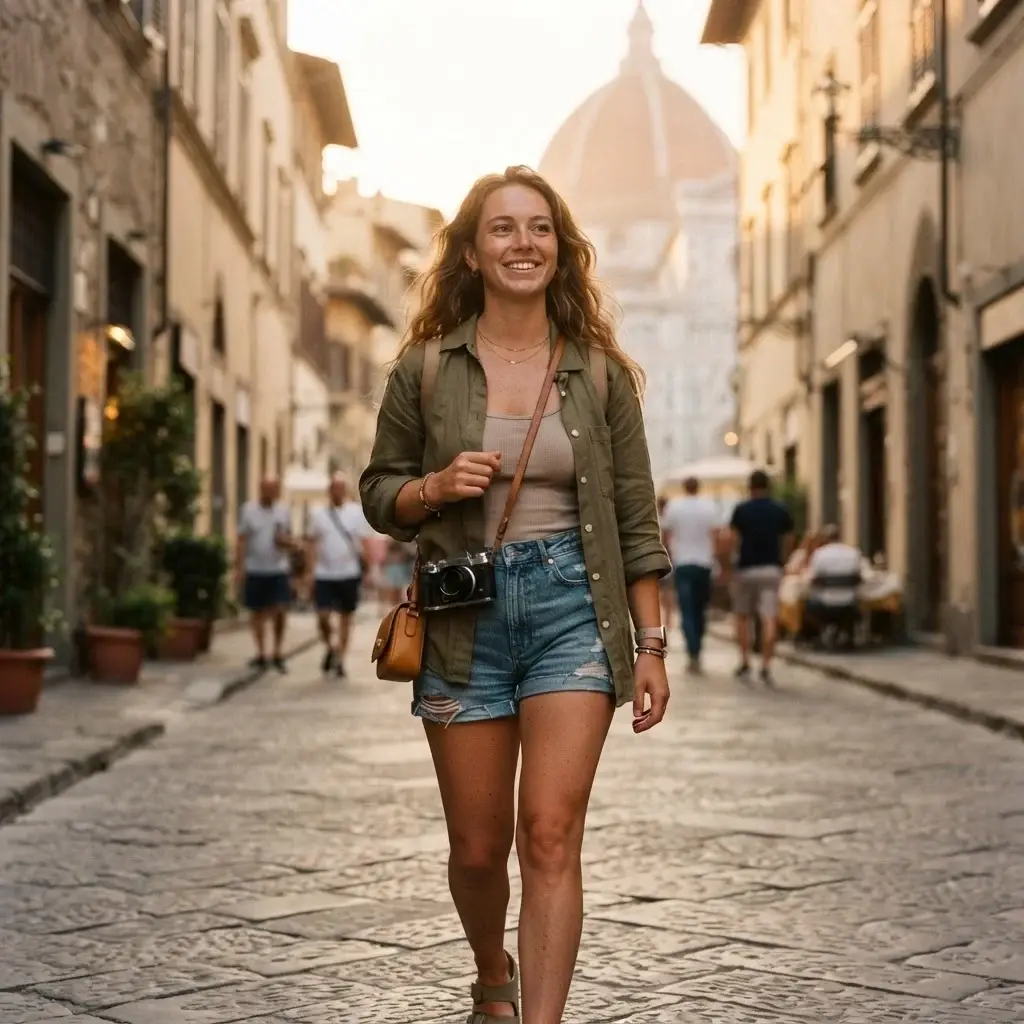
I remember standing in the middle of Rome’s Roma Termini train station on my very first trip to Italy. I was clutching a paper ticket, sweating through my shirt, and staring at a departures board that looked like a giant puzzle.
Years ago, before I started Pinverse Travel, I worked as a sightseeing guide in New York City. I spent my days pointing out the Empire State Building to tourists. Before that, I was working a rigid 9-to-5 office job, staring out the window, wishing I was anywhere else. I even picked up waitressing shifts on the weekends just to save enough money for my first big trip.
When I finally booked that flight, I thought I had everything figured out. But Italy quickly taught me that reading a guidebook is very different from actually being on the ground.
Solo travel in Italy is a dream for so many people. It is beautiful, historic, and filled with the best food in the world. But it can also be overwhelming. If you do not know how the culture works, you can easily end up stressed out, lost, or paying too much for a bad meal.
Over the years, I have made plenty of mistakes. I have taken the wrong trains. I have eaten at bad tourist trap restaurants. I have packed way too much into a single day. But those mistakes taught me how to actually travel well.
If you are dreaming of a trip, I want to help you skip the hard parts. Here are seven common mistakes people make when doing solo travel in Italy, and exactly how you can avoid them.
Mistake 1: Packing your schedule too full
When we plan a trip to a place we have always dreamed of, we want to see everything. We think we have to fit Rome, Florence, Venice, the Amalfi Coast, and Cinque Terre into a single seven-day trip.
I call this the “See Everything” trap.
Why rushing ruins the trip
When you try to see five cities in seven days, you are not actually seeing Italy. You are just seeing the inside of train stations and hotel lobbies. You will spend all your energy packing your bags, rushing to the train, checking into a new room, and trying to find a quick meal.
By the time you reach the Colosseum or the canals of Venice, you will be too tired to enjoy them. Italy is not a country you are supposed to rush through. The entire culture is built on taking your time.
How to pace yourself instead
Pick two bases for a one-week trip, or maybe three bases for a two-week trip. That is it.
If you stay in Florence for four days, you actually get to know the city. You learn how to navigate the streets.
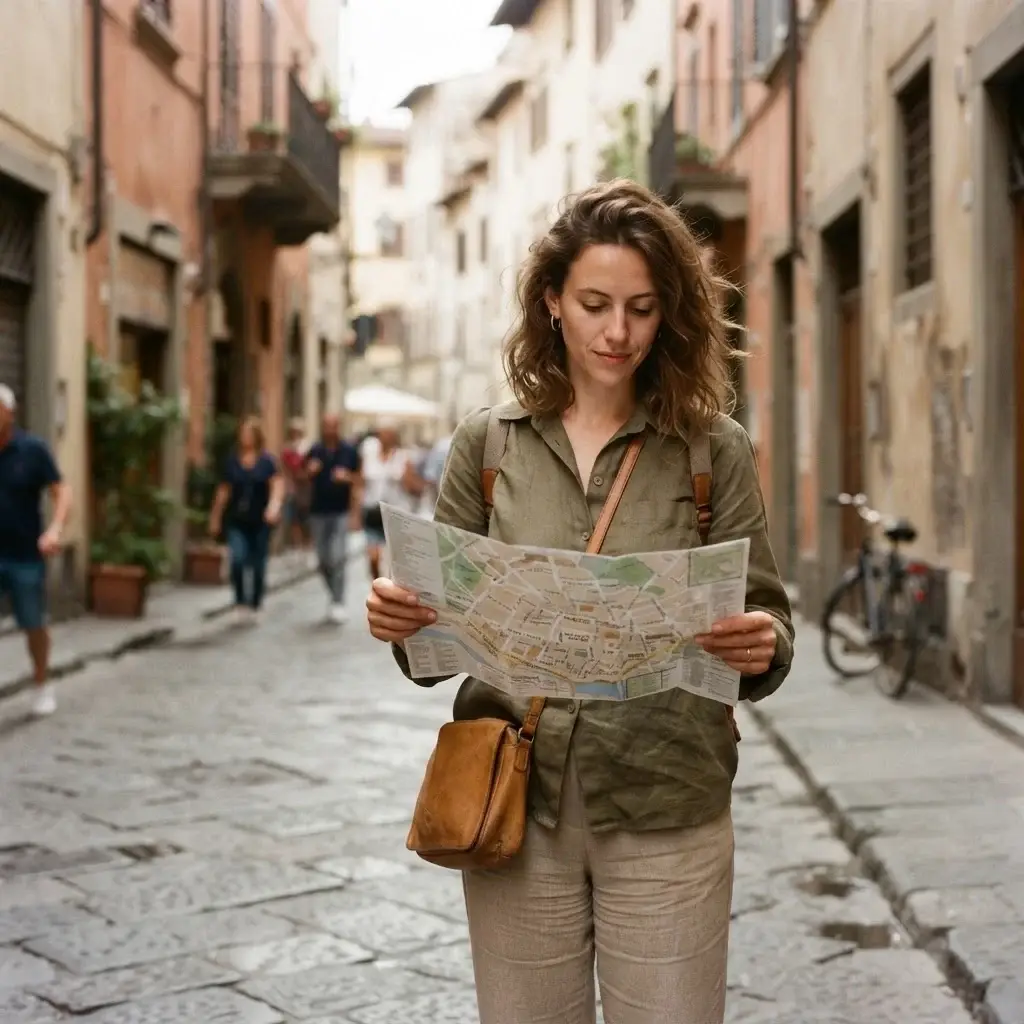
You find a favorite coffee shop and go back every morning. The barista might even remember your order. That is the kind of magic you miss when you are always running to the next town.
When I help people plan their routes, I always suggest looking at a reliable overview to understand the sheer size of the country. A great place to start your research is to read through the destination planning guides for Italy on Lonely Planet, which really help you see how long it takes to move between regions. Do not try to conquer the map. Just pick a small slice and enjoy it.
My favorite slow travel strategy
Instead of moving hotels every night, do day trips. If you base yourself in Florence, you do not need to pack up and move to see the Leaning Tower of Pisa. You can just take a cheap, one-hour train ride in the morning, see the tower, and come back to your cozy hotel in Florence by dinner.
Mistake 2: Fearing the “Table for One”
I know how scary it feels to walk into a restaurant alone. I used to grab a sandwich from a grocery store and eat it on a park bench just to avoid the awkwardness of sitting by myself.
In Italy, food is a social event. Dinners last for hours. Families and big groups of friends gather around huge tables. It is easy to feel out of place when it is just you.
Changing your mindset about dining alone
Here is the truth: Italians do not care that you are eating alone. They just want you to enjoy the food.
Once I got over my fear, dining alone became my favorite part of solo travel in Italy. When you sit by yourself, you notice things.
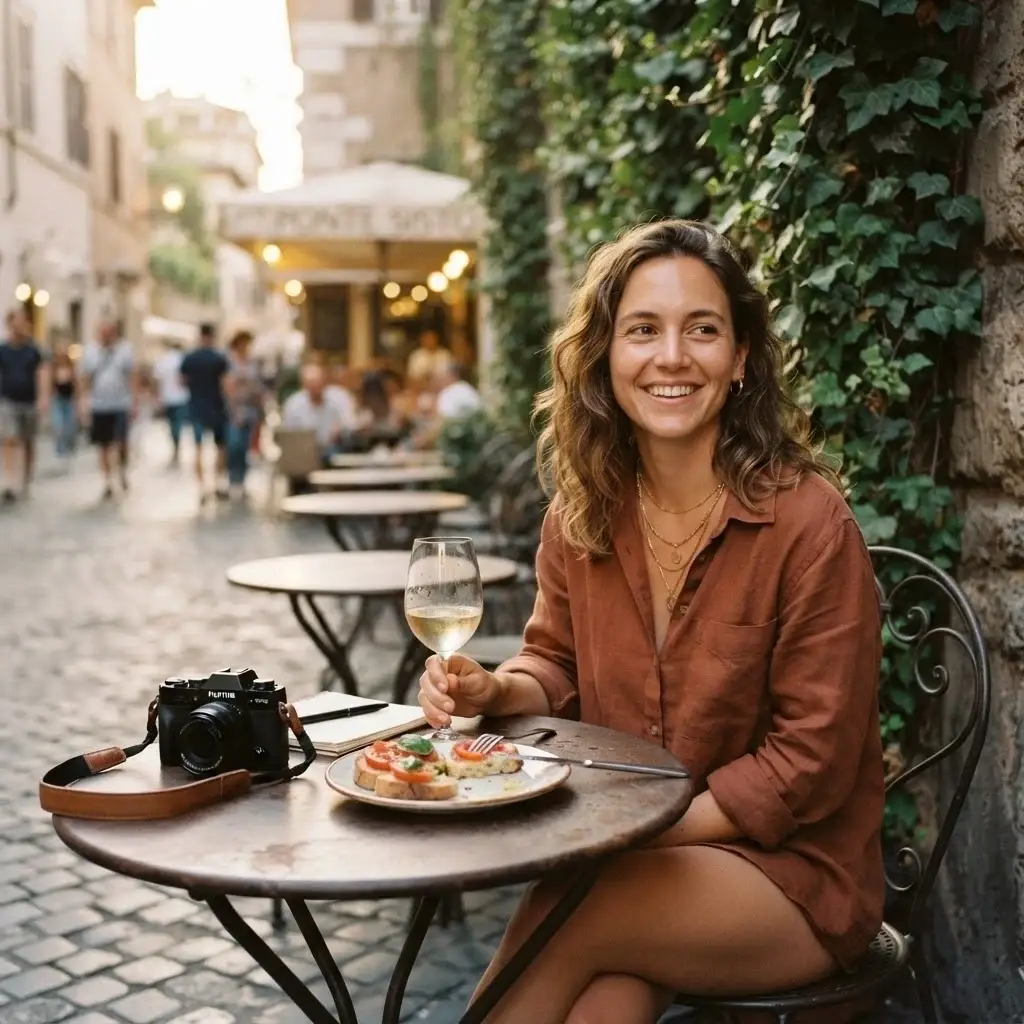
You watch the waiters joke with the regulars. You smell the garlic cooking in the back. You actually taste your food instead of talking through the meal.
How to order like a pro
Italian menus are split into sections:
- Antipasti: Appetizers like bruschetta or cured meats.
- Primi: The first course, which is almost always pasta, risotto, or soup.
- Secondi: The main course, which is usually meat or fish.
- Contorni: Side dishes like roasted potatoes or grilled vegetables. (Meat dishes do not come with sides, you have to order them separately!)
- Dolci: Dessert.
You do not have to order all of these! A lot of tourists think they must eat a four-course meal every night. That is way too much food for one person. It is totally normal to just order an antipasto and a primo (pasta) and call it a night.
What to eat in different cities
Food in Italy is hyper-local. Do not order a pizza in Venice, and do not order seafood in Florence. Eat what the city is known for.
- In Rome: You must eat Cacio e Pepe. It is a thick pasta covered in a creamy sauce made only from pecorino cheese and black pepper. It will change your life.
- In Florence: Try the Bistecca alla Fiorentina if you have a big appetite, or grab a cheap, incredible schiacciata (a salty, oily flatbread sandwich) from a street window.
- In Bologna: Order Tagliatelle al Ragù. (Never call it spaghetti bolognese!).
Mistake 3: Getting confused by the trains
The train system in Italy is fantastic. It is the best way to get around. But it has a few strict rules that trip up almost every single first-time visitor.
The two types of trains
You need to know the difference between the fast trains and the slow trains.
High-Speed Trains (Frecciarossa and Italo): These travel between major cities like Rome, Florence, Milan, and Venice. They are fast, clean, and you get an assigned seat. You must buy these tickets in advance. If you miss your specific train, your ticket is gone. You cannot just hop on the next one.
Regional Trains (Regionale): These are the slower trains that connect the big cities to smaller towns, like going from Florence to Siena. They do not have assigned seats. You can buy these tickets on the day of travel for a few euros.
The biggest train mistake you can make
If you buy a paper ticket for a regional train, you must validate it before you get on board.
There are little green and white machines on the platforms.
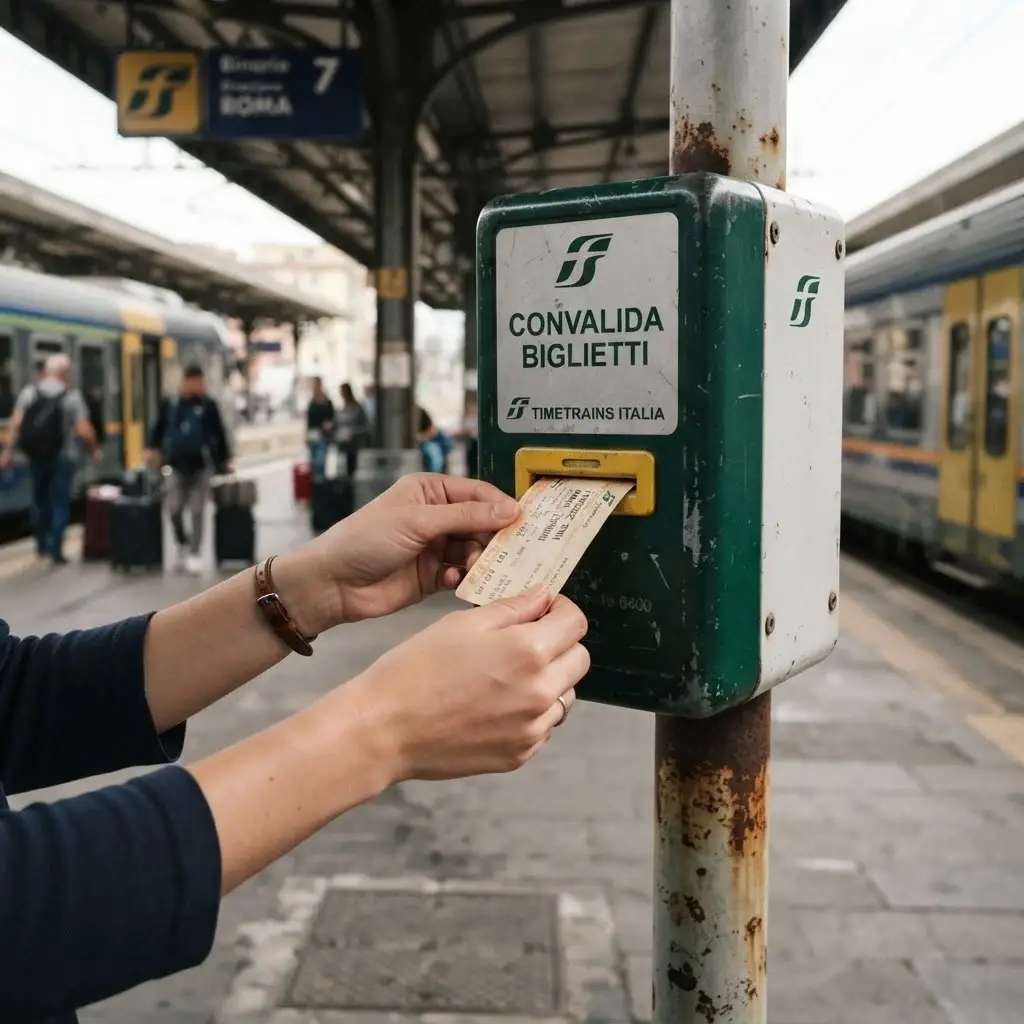
You have to slide your paper ticket into the slot until it stamps the time and date on it. If you get on the train with an unstamped ticket, the conductor will fine you. I have seen tourists cry because they got hit with a 50-euro fine just because they did not know about the little stamping machine.
To make it easy, just download the Trenitalia app on your phone. If you buy your tickets on the app, you do not have to stamp anything. You just show the barcode to the conductor.
Mistake 4: Only visiting the “Big Three”
Rome, Florence, and Venice are spectacular. You should absolutely see them. But they are also the most crowded, expensive, and stressful places in the country.
If you only visit the major tourist hubs, you might leave feeling like Italy is just a giant theme park with long lines and high prices.
Why you should step off the main path
The true heart of Italy is in the smaller towns and the lesser-known regions. This is where you find the cheapest food, the friendliest locals, and the most authentic experiences. It is also where solo travel in Italy feels the most peaceful.
Great alternatives for solo travelers
If you want to feel confident and safe while avoiding the massive crowds, try adding one of these spots to your trip:
- Bologna: It is a quick train ride from Florence, but it has a totally different vibe. It is a university town, so it is filled with young people, cool cafes, and the absolute best food in the country. It is incredibly safe and easy to walk around alone.
- Lucca: A beautiful town in Tuscany completely surrounded by thick stone walls. You can rent a bicycle for a few euros and ride along the top of the walls. It is flat, quiet, and perfect for a solo afternoon.
- Puglia: If you want beaches without the crazy crowds of the Amalfi Coast, head down to the heel of Italy’s boot. The towns are painted bright white, the water is crystal clear, and life moves very slowly.
Italy is packed with incredible history outside the big cities. If you want to find amazing historical spots that are less crowded, check the official lists of protected cultural sites on the UNESCO World Heritage website to discover beautiful, protected villages in regions like Umbria or Sicily. Getting away from the crowds gives you room to breathe and actually connect with the culture.
Mistake 5: Fighting the afternoon “Riposo”
In America, we are used to stores and restaurants being open all day long. If we want lunch at 3:00 PM or want to buy a pair of shoes at 2:00 PM, we just do it.
Italy does not work that way.
Understanding the riposo
Many shops, churches, and restaurants outside of the heavy tourist zones close down in the middle of the day. This break is called the riposo. It usually happens between 1:00 PM and 4:00 PM.
The owners go home, eat a long lunch with their families, and take a rest.
I remember walking around a small town in Tuscany at 2:30 PM. The streets were completely empty. Every single door was locked. I was so hungry, but there was nowhere to buy food. I thought the town was abandoned.
How to plan around the break
Do not fight the riposo. Join it.
Eat your lunch around 1:00 PM. Then, use the afternoon to rest, just like the locals do. Go back to your hotel, take a cool shower, and take a nap. Or grab a book, find a shady spot in a park, and read.
By 4:30 PM, the streets will slowly come back to life. The metal gates on the shops will roll up.
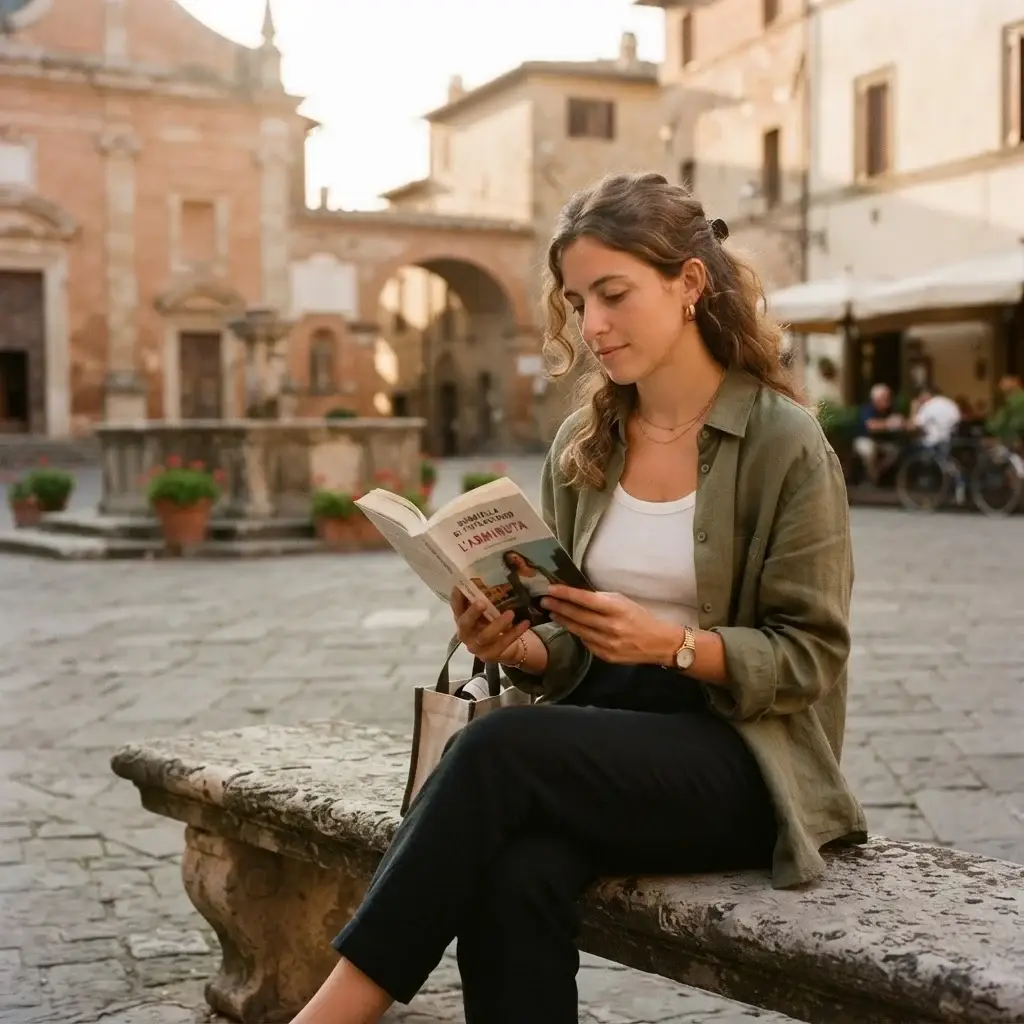
The cafes will open their doors. The evening energy in Italy is magical, and taking a break in the afternoon gives you the energy to stay out late and enjoy it.
Mistake 6: Ignoring health, safety, and money basics
Italy is generally a very safe country for solo travelers. Violent crime is extremely low. You can walk around most cities at night without feeling scared. But petty crime, like pickpocketing, is very common in the big tourist areas.
How to outsmart pickpockets
Pickpockets in Italy are professionals. They do not mug you in dark alleys. They bump into you on a crowded bus, or they drop a map in front of you while you are waiting in line at the Colosseum.
The most common places to lose your wallet are on the Metro in Rome, the main train stations, and the bridges in Venice.
Keep your valuables locked up. I always wear a cross-body bag with a sturdy zipper, and I keep my hand resting on it when I am in a crowd. Never put your phone in your back pocket. Never leave your bag hanging on the back of your chair at a cafe.
Protecting your trip with insurance
When I was traveling a lot after I quit my office job, I thought travel insurance was a scam. Then I tripped on a cobblestone street in Europe and sprained my ankle so badly I could barely walk. The hospital bill was not fun.
Cobblestones are everywhere in Italy. Trains get delayed. Bags get lost. Because you are traveling alone, you are your only safety net. I highly recommend looking into a solid policy; you can read through the different coverage options for trip delays and medical emergencies at World Nomads to see what fits your trip style. It just gives you peace of mind knowing you will not go bankrupt if you need to visit a doctor.
Tap water and health safety
Another common worry is getting sick from food or water. Here is the good news: the tap water in Italy is completely safe to drink.
In Rome, there are hundreds of public fountains called “nasoni” constantly running with freezing cold, fresh mountain water. Bring a reusable water bottle and fill it up for free all day long.
If you are a nervous traveler and want to check on any current health alerts before you fly, you can always review the health guidelines and packing advice for Italy on the CDC Travelers’ Health page. But generally, your biggest health risk in Italy is just eating too much gelato.
Mistake 7: Ordering food and coffee like you are at home
Food rules in Italy are not just suggestions. They are deep cultural traditions. If you try to order things exactly the way you do at home, you will stand out, and you will probably pay a lot more money.
The rules of Italian coffee
Coffee culture in Italy is fast, cheap, and very specific.
First, never order a cappuccino after 11:00 AM. Italians believe that hot milk upsets the stomach after a meal. If you order a cappuccino after lunch, the waiter will probably look at you funny. After the morning hours, stick to an espresso (which they just call “un caffè”) or a macchiato (espresso with a tiny drop of milk).
Second, pay attention to where you stand. When you walk into an Italian cafe (called a bar), you will see locals standing at the counter throwing back their espresso in one gulp. If you stand at the bar, your coffee will cost about one euro.
If you take your coffee and sit down at a table outside on the piazza, the price instantly goes up. You are paying for the table service and the view. That one-euro coffee might cost you five euros if you sit down. Both are fine, but you need to know what you are paying for.
Tipping is not expected
When I was waitressing in New York, I lived off my tips. I carried that mindset on my first trips abroad and left 20 percent on every bill.
In Italy, the waitstaff are paid a living wage. Tipping 20 percent is simply not a thing.
Look at your restaurant bill. You will often see a charge called “coperto.” This is a cover charge, usually two or three euros per person, for the bread and the table setting. Because of this, you do not need to tip. If the service was truly incredible, it is polite to leave a few extra euro coins on the table. But do not stress about doing complicated math at the end of your meal.
Do not ask for salad dressing or different pasta
In America, we are used to customizing our meals. We ask for the sauce on the side, a different type of cheese, and three types of salad dressing.
In Italy, the chef has made the dish exactly how it is supposed to taste. Asking them to change it is considered an insult to the food. If you order a salad, it will not come with ranch or vinaigrette. They will bring you a bottle of olive oil and a bottle of vinegar, and you dress it yourself.
Trust the locals. Eat it the way they serve it.
Finding the courage to go
Planning your first solo trip can feel like a giant mountain you have to climb. You might be worried about getting lonely, getting lost, or making a fool of yourself trying to speak Italian.
Let me tell you a secret: you are going to make mistakes. You will probably get on the wrong bus at least once. You might accidentally order a plate of tripe when you thought you were ordering chicken. You might get frustrated trying to buy a train ticket.
Those moments are not failures. They are the exact moments you learn how capable you actually are.
When you fix a problem on your own in a foreign country, your confidence grows instantly. You stop waiting for other people to make things happen for you.
Solo travel in Italy is one of the most rewarding gifts you can give yourself. The food, the art, and the history are incredible. But the best part of the trip is returning home and realizing you are much braver and much more independent than you ever thought possible. Pack your bags, leave your expectations behind, and go eat some pasta. You are going to do great.