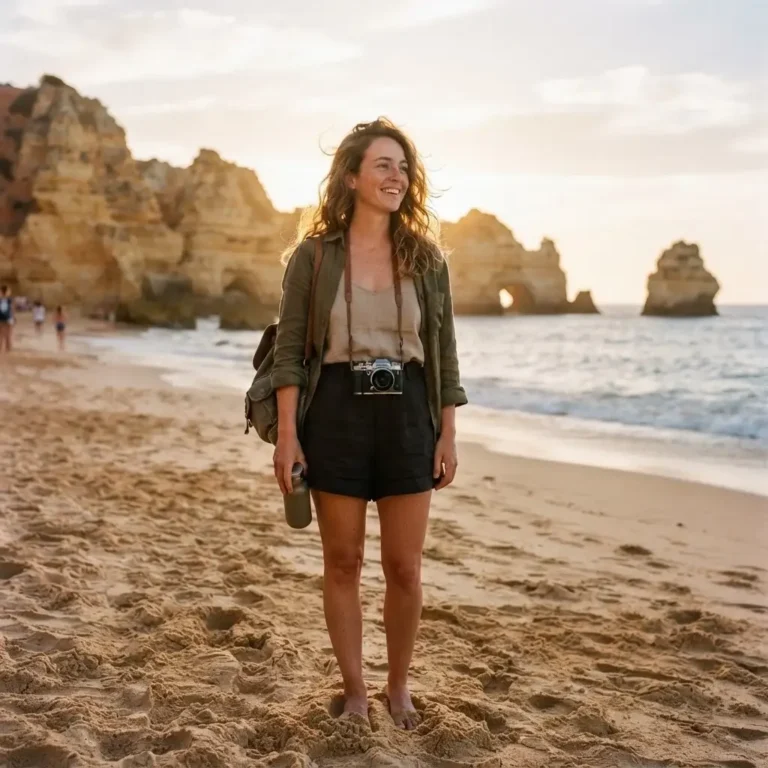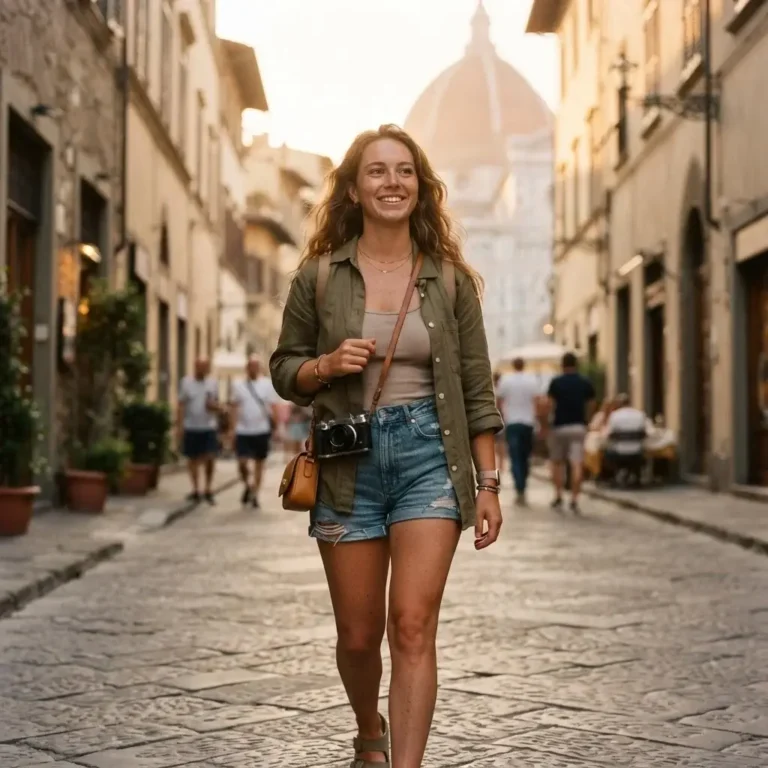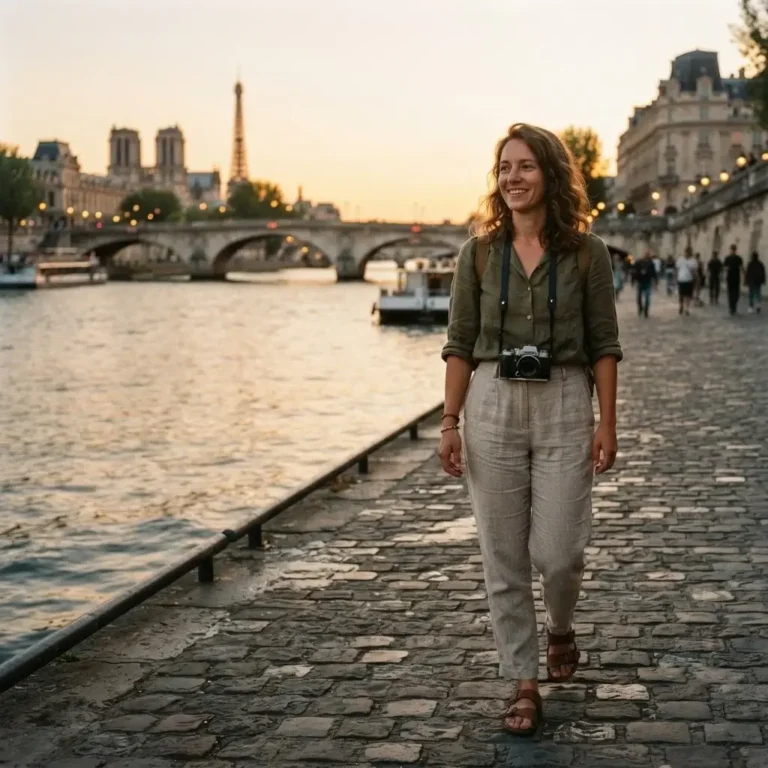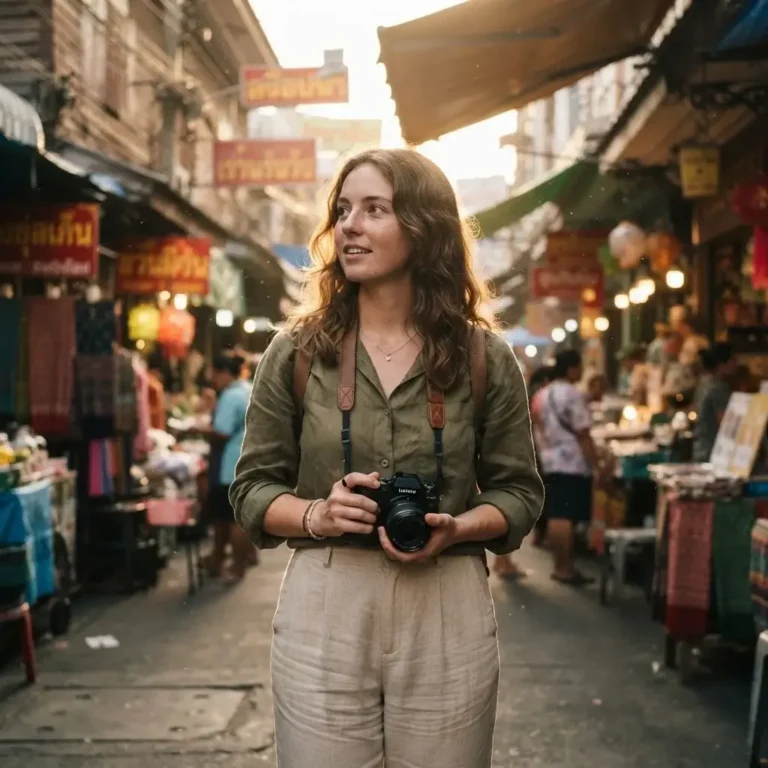
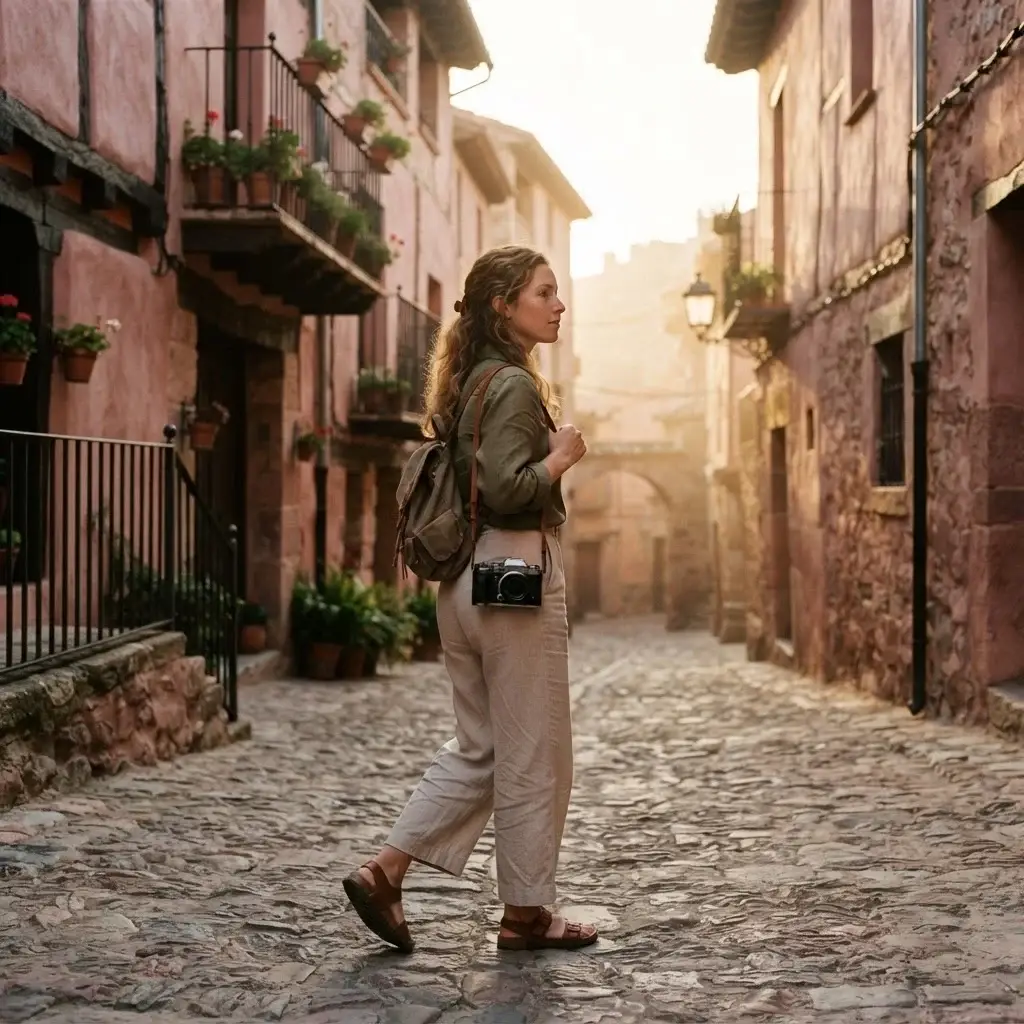
I used to sit in a gray office in New York City. I stared at a bright computer screen all day long. I watched the clock tick slowly. Every single day felt exactly the same as the one before it. On the weekends, I worked extra shifts. I waited tables to save up my tip money. I also worked as a NYC sightseeing guide. I stood on double-decker buses and pointed at tall buildings for tourists. I told them where to get the best pizza.
But inside, my mind was miles away. I was dreaming of unknown roads. I wanted to pack a single bag, leave the rigid 9-to-5 life behind, and just go.
When I finally quit that corporate job to travel the world, I made a lot of mistakes. I rushed through big cities. I tried to see too much. But over time, I learned a big lesson. The best parts of travel are not the famous spots. The best parts are the quiet places.
Many people plan a trip to Europe and only go to Madrid or Barcelona. Those cities are great. But they are very crowded. They are loud. If you want real magic, you have to look for the hidden gems in Spain. These are the tiny villages, the quiet mountains, and the deep valleys where real life happens.
If you are planning your first trip, you might feel scared. You might worry about getting lost. You might worry about the language. I completely understand. I felt the exact same way when I backpacked solo across Europe. But you can do this. You do not need to be a travel expert. You just need a little courage and a good plan.
If you want to know what the country has to offer beyond the big cities, scanning a general travel guide for Spain can help you picture where these quiet regions are on the map. But today, we are going deep. I am going to walk you through exactly where to go, what to eat, and how to get there.
The Green Coast: Exploring Asturias in the North
When you think of Spain, you probably think of hot sun and dry land. But the north is very different. The region of Asturias is green, wet, and wild.
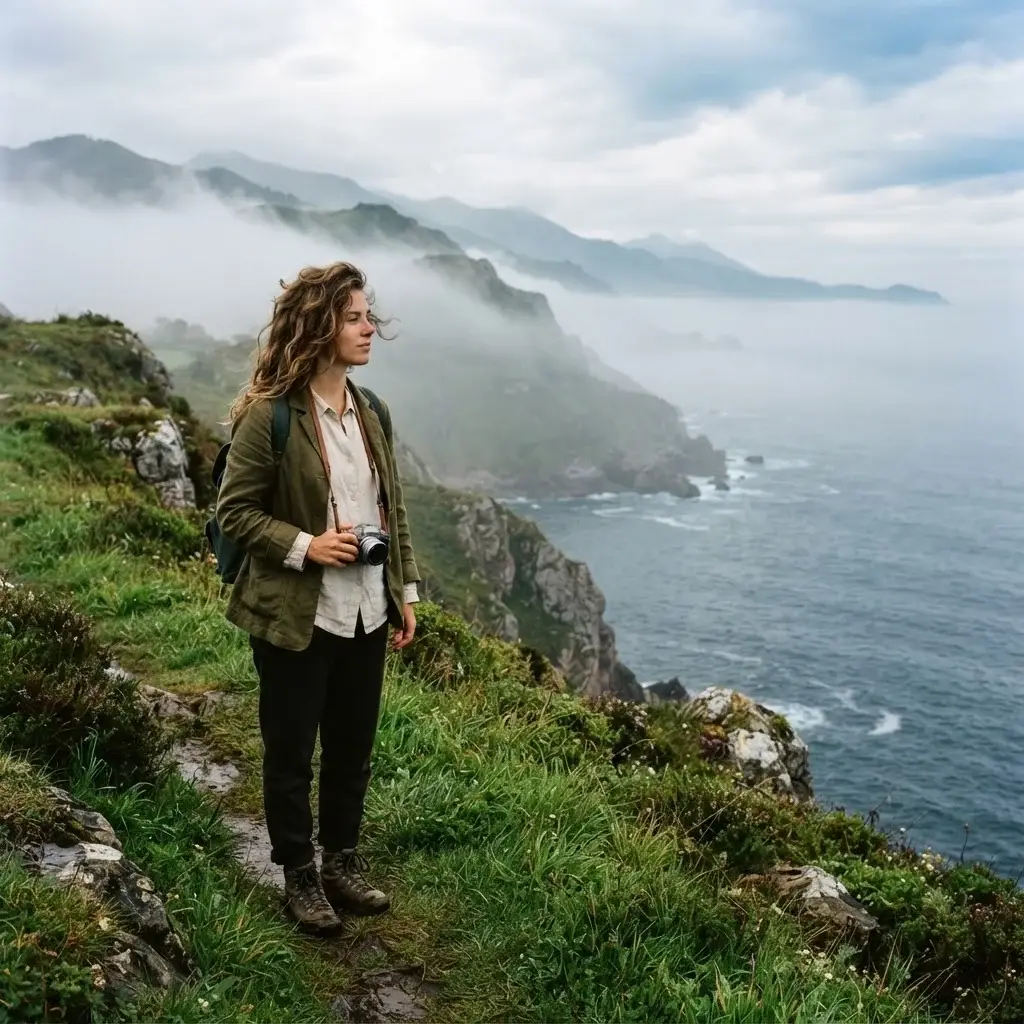
It looks a lot like Ireland. The food is heavy and warm. The people are proud. This region is full of amazing spots that most tourists never see.
Cudillero: The Colorful Fishing Village
Cudillero is a tiny town built right into the side of a cliff. The houses are painted in bright colors. They look like they are stacked on top of each other. They face a small, round harbor. When the tide goes out, you can see the fishing boats resting on the sand.
How to get there: You do not need a car to get here. You can fly into the Asturias Airport (OVD). From the airport, take a local ALSA bus to the town of Avilés. It takes about 25 minutes. In Avilés, you can catch the FEVE train. This is a very slow, narrow train. It hugs the green coast. The train ride takes about an hour. Get off at the Cudillero stop. Be warned: the train station is a mile away from the actual town. You will have to walk down a long, winding road. But the walk is beautiful. You will smell the salt in the air before you even see the water.
What to eat here: You must try the local cider. It is called sidra. But you do not just drink it normally. The waiter will hold the green bottle high above his head. He will hold the glass down by his knees. He will pour the cider so it splashes into the glass. This wakes up the flavor. You have to drink it fast, in one big gulp. For food, order fabada asturiana. It is a rich, hot stew made with large white beans, pork, and chorizo sausage. It is heavy, cheap, and perfect for a breezy ocean day.
Insider secret: Do not just stay down by the water. The best views are up high. Look for the tiny, steep stairs between the colorful houses. Walk up. Keep walking until your legs burn. You will find small viewpoints looking out over the red tile roofs and the dark blue ocean. There are no signs for these paths. You just have to explore.
Picos de Europa: The Sharp Mountains
Just an hour inland from the coast, you will find giant mountains made of gray rock. This is the Picos de Europa National Park. It is one of the best hidden gems in Spain for nature lovers. The peaks look like sharp teeth touching the clouds. When I hiked through China, I learned to love deep mountain silence. You will find that exact same silence here.
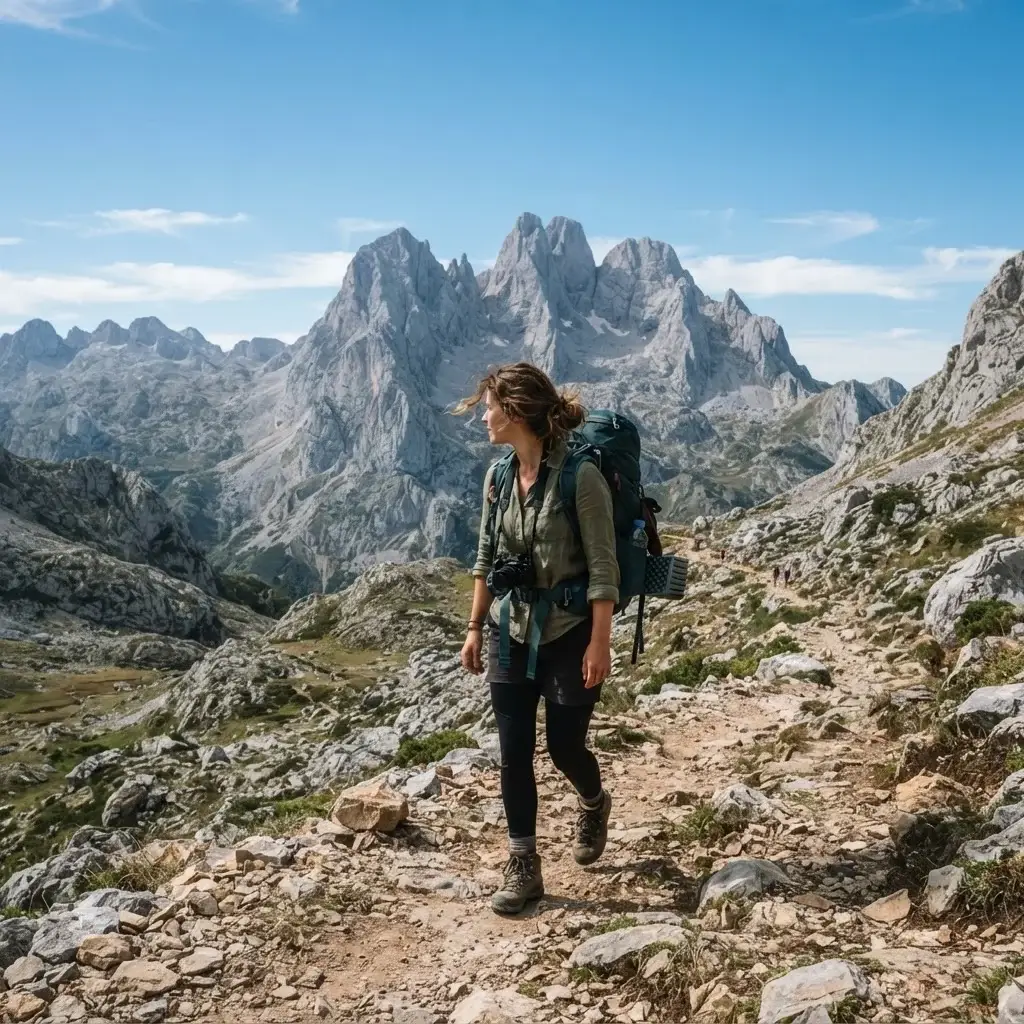
How to get there: The easiest base town is Cangas de Onís. You can take a direct ALSA bus from the city of Oviedo to Cangas de Onís. It takes about 90 minutes. The bus costs less than 10 euros. Once you are in Cangas, you can take special park mini-buses up into the high mountains, like the famous Lakes of Covadonga. The roads are very narrow. It is actually much safer to let the local bus drivers take you up than trying to drive a rental car yourself.
What to eat here: This region is famous for cheese. You have to try Cabrales. It is a very strong blue cheese. It is aged in cold, dark mountain caves. It has a sharp, spicy bite. Buy a chunk of it from a small shop in Cangas de Onís. Buy a fresh loaf of crusty bread. Take it with you on your hike. Eating sharp cheese and bread while looking at a massive mountain peak is a perfect travel moment.
Insider secret: Most people only go to the Lakes of Covadonga. They take a quick photo and leave. Instead, hike the Cares Gorge. It is a flat path cut right into the side of a massive cliff. It runs for miles. There is a deep river far below you. Go early in the morning. You will see wild mountain goats walking on the rocks.
Extremadura: The Quiet Western Frontier
Very few foreign tourists go to Extremadura. It sits in the west, right next to Portugal. It is a land of wide open spaces, old castles, and oak trees. The summer gets very hot here. The best time to visit is in the spring or the fall.
Cáceres: The City Frozen in Time
Walking into the old town of Cáceres feels like a movie trick. There are no modern buildings inside the old walls. There are no bright signs. There are just tall stone towers, narrow cobblestone streets, and quiet squares.
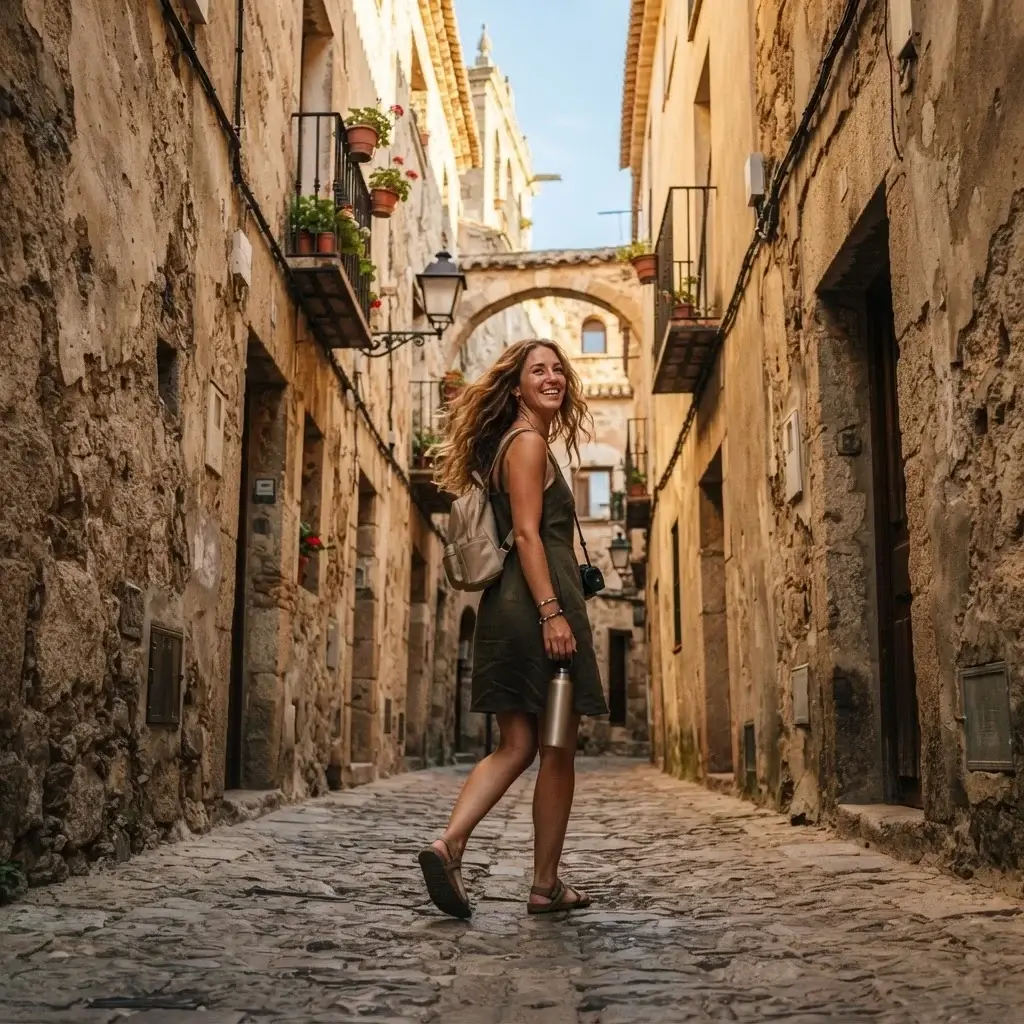
It is completely magical.
How to get there: It is very easy to reach from Madrid. Go to the Atocha train station in Madrid. Buy a ticket on the Renfe train heading west. The ride takes about three hours. It is a very smooth, comfortable trip. When you arrive at the Cáceres train station, you can take a cheap 5-euro taxi right to the edge of the old town walls.
What to eat here: You must order Torta del Casar. It is a sheep’s milk cheese. It is very special. The outside is hard, but the inside is completely liquid. The waiter will slice the top off the cheese wheel like a lid. You dip toasted bread right into the gooey center. It is rich, salty, and slightly bitter. Pair it with a plate of Jamón Ibérico. The pigs in this region eat acorns, which makes the meat taste amazing.
Insider secret: The magic of Cáceres happens at night. During the day, some Spanish tour groups walk around. But by sunset, they all leave. The old stone streets get totally empty. The city turns on soft, warm orange lights. Wandering alone in this ancient town at night is an incredible feeling. It is a protected historical site recognized by experts around the world for its untouched medieval architecture. You will feel totally safe and completely amazed.
Mérida: The Roman Ruin Wonderland
Mérida is just a short trip south of Cáceres. If you love history, you must go here. More than two thousand years ago, the Romans built a massive city here. Today, the ruins are sitting right in the middle of a modern Spanish town.
How to get there: From Cáceres, you can take a direct bus or a short train ride. It takes less than one hour. The town is very flat and very easy to walk around. You will not need a taxi once you get there.
What to eat here: Keep it simple. Look for a busy local bar near the main square. Order migas. This is a very old, traditional dish. It is made from leftover bread crumbs, garlic, olive oil, and bits of pork. It sounds strange, but it is deeply comforting and crunchy. The locals eat it with a cold glass of beer.
Insider secret: You have to buy a combined ticket to see the ruins. Do not miss the Roman Theater. It is massive. It has tall marble columns and rows of stone seats. If you visit in July or August, they actually hold a live theater festival here at night. Watching a play in a real Roman theater under the stars is a memory you will never forget.
Aragon: Mountains and Pink Stone
Aragon is in the northeast of Spain. It sits between Madrid and Barcelona, but most people just drive right past it. That is a huge mistake. Aragon has wild rivers, deep forests, and some of the most beautiful villages in Europe.
Albarracín: The Pink Fairy Tale Town
Many Spanish people say Albarracín is the prettiest village in the country. They are right. The whole town is built on a steep hill above a curved river. Every building is made of a unique pink stone. The streets are so narrow that cars cannot fit. The roofs almost touch each other across the street.
How to get there: This is one of the harder hidden gems in Spain to reach, but it is worth the effort. First, take a train to the city of Teruel. Teruel connects to major cities like Valencia and Zaragoza. Once you are in Teruel, there is only one local bus that goes to Albarracín each day. It leaves at 2:00 PM. It takes 45 minutes. If you miss it, you have to take a taxi, which costs about 50 euros.
What to eat here: The weather gets cold up here in the hills. The food is meant to keep you warm. Try ternasco asado. This is slow-roasted young lamb. It is cooked with potatoes in a wood oven. The meat falls right off the bone. It is soft and juicy.
Insider secret: There is an old stone wall that runs up the mountain behind the town. It looks like a tiny version of the Great Wall of China. Climb it. The path is rough and dirty, so wear good shoes. When you get to the top, you can look down at the entire pink town and the green river. It is the best photo spot in the region. Go right before the sun sets to see the pink stone glow.
Ordesa y Monte Perdido National Park
If you keep going north in Aragon, you will hit the Pyrenees mountains. These mountains form the border between Spain and France. Ordesa is a massive, deep valley carved by old ice. It has huge waterfalls and thick forests.
How to get there: The town of Torla is the gateway to the park. You can take an ALSA bus from the city of Huesca to Torla. The ride takes about two hours. In the busy summer months, you cannot drive your own car into the park. You must take the official park bus from Torla. It drops you off right at the start of the hiking trails.
What to eat here: After a long hike, you need fuel. Go to a small tavern in Torla and order huevos rotos. It translates to “broken eggs.” It is a huge plate of hot, homemade french fries, topped with thin slices of salty ham, and covered in fried eggs with runny yolks. You break the eggs and mix it all together. It is messy, salty, and perfect.
Insider secret: Do not just do the easy flat walk at the bottom of the valley. Push yourself a little. Take the Senda de los Cazadores (The Hunters’ Path). It starts with a very steep, hard climb. But once you get high up, the path flattens out. You get to walk along the cliff edge for miles, looking down at the river below.
Andalucia: Deep South Secrets
Everyone wants to visit Andalucia. They want to see the flamenco dancers in Seville and the Alhambra palace in Granada. Those places are wonderful. But they are packed with tour buses. To find the real soul of the south, you have to step off the main path.
Carmona: The Quiet Alternative to Seville
Seville is hot, busy, and expensive. Just 30 miles away is Carmona. Carmona has the exact same beautiful architecture as Seville. It has narrow white streets, orange trees, and old palaces. But it is quiet. It is cheap. And it is deeply authentic.
How to get there: It is incredibly easy. Go to the Prado de San Sebastián bus station in Seville. Look for the local M-124 bus. It runs many times a day. The ticket is less than 3 euros. The ride takes only 45 minutes. You can easily do it as a day trip, but staying the night is much better.
What to eat here: You must eat tapas here. Find a small bar with older men standing at the counter. Order espinacas con garbanzos. This is a Moorish dish of spinach and chickpeas, cooked with cumin and olive oil. It is served warm with a piece of fried bread. Also try the local sweet called torta inglesa. It is a soft pastry filled with sweet angel hair jam and covered in powdered sugar.
Insider secret: Carmona has a massive Roman Necropolis right outside the town walls. It is a city of underground tombs. Most tourists do not even know it exists. You can climb down ladders into the dark stone rooms. It costs almost nothing to enter, and you might have the whole place to yourself.
Las Alpujarras: The White Mountain Villages
High up in the Sierra Nevada mountains, south of Granada, are the Alpujarras. These are tiny white villages clinging to the side of deep green valleys.
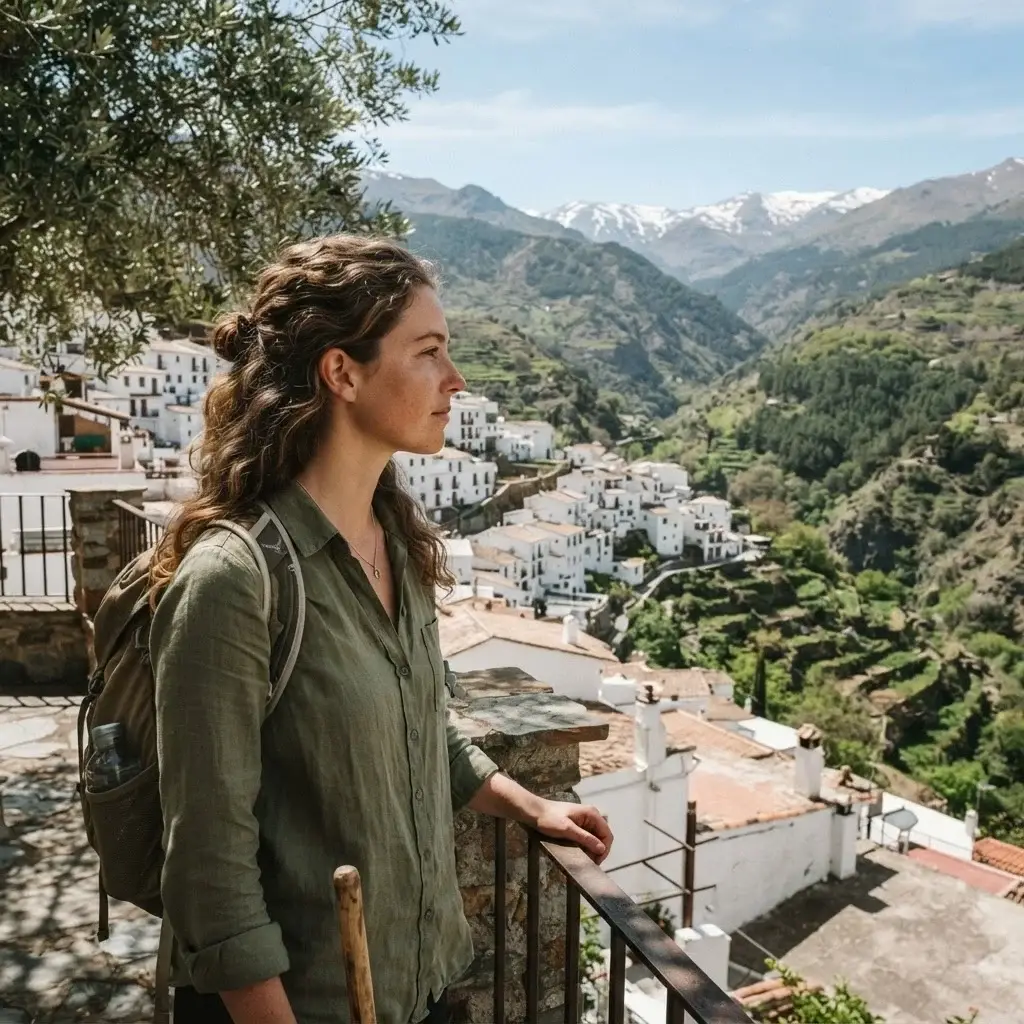
The air is cold and clear. Water runs through old stone channels built by the Moors hundreds of years ago.
How to get there: Take a bus from the main station in Granada. ALSA runs a route that winds up the steep mountain roads. The drive takes about two hours. The road is very curvy, so if you get sick in cars, look out the window. Get off at the village of Capileira. It is the highest of the three main villages.
What to eat here: You need to try the Plato Alpujarreño. It is the ultimate mountain meal. It is a massive plate featuring fried eggs, local pork sausage (longaniza), blood sausage (morcilla), sweet green peppers, and crispy potatoes. It will give you enough energy to hike for days.
Insider secret: The best way to see this area is on foot. There are ancient dirt paths that connect the white villages. You can walk from Capileira down to Bubión, and then down to Pampaneira. The walk takes a few hours. You will pass wild fig trees, rushing streams, and old stone farms. You will hear the bells on the goats long before you see them.
Practical Planning: How to Actually Do This
Finding the hidden gems in Spain requires a little more planning than just booking a hotel in a big city. But it is not impossible. When I lived with a host family in Ghana, I learned that navigating local transport is just a puzzle you have to solve.
Trains vs. Buses
Spain has a fantastic train system called Renfe. The high-speed trains (AVE) are amazing. But they only go to the big cities. To reach the quiet villages, you have to use the buses.
The main bus company in Spain is called ALSA. Their buses are clean, safe, and have air conditioning. You can buy tickets online using your phone.
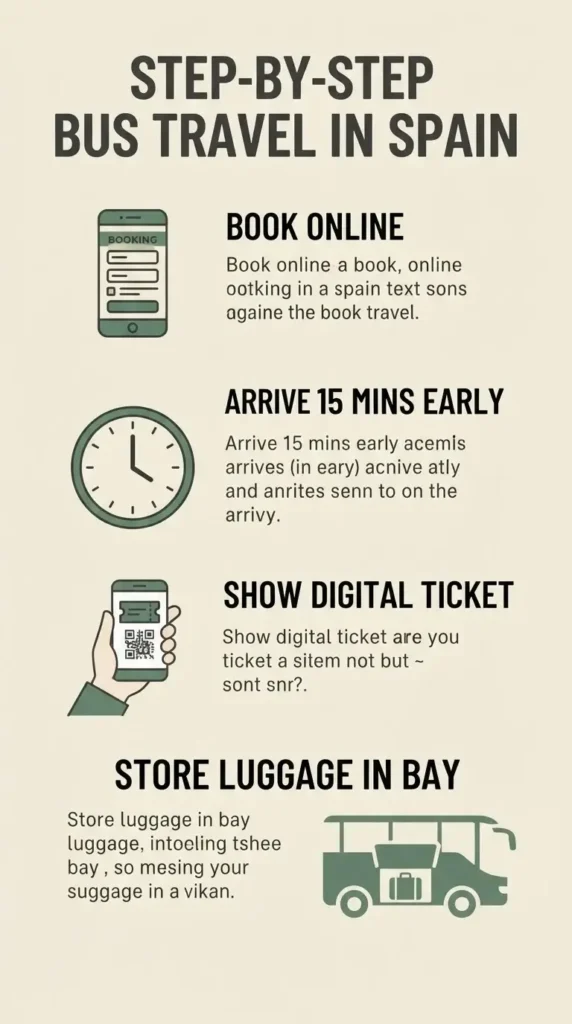
Always book your bus tickets a few days in advance in the summer. The buses to tiny villages might only run once or twice a day. If you miss the bus, you are stuck.
Renting a Car
Renting a car gives you ultimate freedom. The highways in Spain are smooth and well-maintained. But remember this rule: never try to drive inside the old villages. The streets were built for horses, not cars. If you drive into a tiny street in Albarracín, your car will get stuck between two stone walls. I have seen it happen. Always park your car in the modern lots at the edge of town and walk in.
Overcoming the Language Barrier
In Madrid, everyone speaks English. In a tiny village in Extremadura, nobody speaks English. This should not scare you. It is part of the fun.
Before your trip, download the Spanish language pack on Google Translate. This lets you use the app without the internet. Learn five basic words: Hola (Hello), Gracias (Thank you), Por favor (Please), Baño (Bathroom), and Cuenta (The bill).
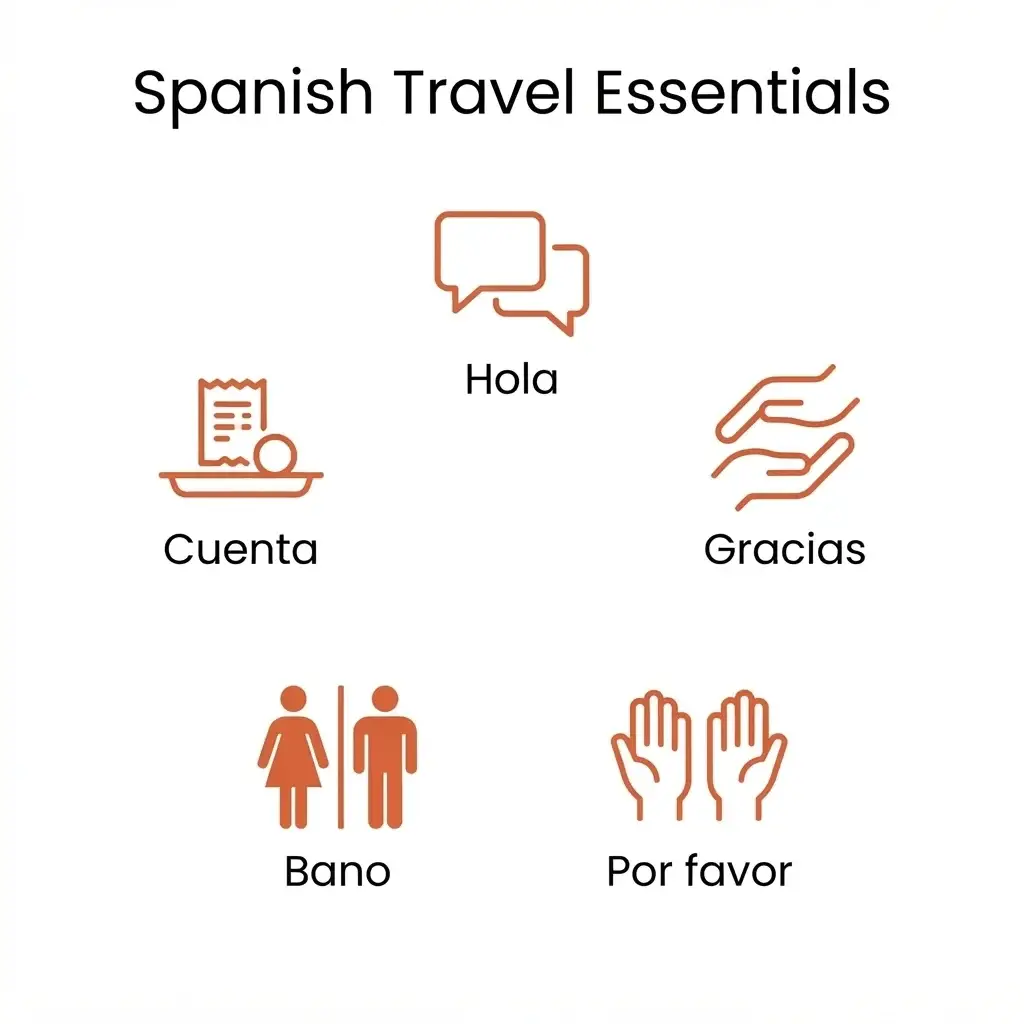
If you smile, point at the menu, and try to speak a little Spanish, the locals will love you. They do not care if your grammar is bad. They care that you are trying.
Staying Safe and Healthy
Spain is one of the safest countries in Europe. Violent crime is extremely rare. In the small villages, people leave their doors unlocked. The biggest risk you face is getting a sunburn or getting a blister from walking too much.
However, traveling to rural areas means you are far from big hospitals. I never go anywhere without a good safety net, so I always buy reliable travel insurance to cover unexpected bumps before my plane leaves the ground. It gives me peace of mind when I am hiking in the Pyrenees. Also, stomach issues can happen when you change your diet. It is smart to check up-to-date food and health tips for the region so you know how to handle the local tap water and heavy meals safely.
And of course, travel rules can change quickly. Before you book your flight, always take two minutes to read the latest entry rules and safety updates for American travelers so you don’t get stopped at the airport over a missing paper.
Changing Your Travel Mindset
When I first started traveling, I wanted everything to be perfect. I wanted the trains to run on time. I wanted the food to always taste amazing. I wanted to see everything on my list.
But travel is not a checklist. It is a messy, beautiful experience.
When you leave the big cities and look for the hidden gems in Spain, things will go wrong. You will get on the wrong bus. You will order a food you do not like. You will get lost in a small town with no phone signal.
When this happens, do not panic. These mistakes will become your best stories. When I taught English in Thailand, I got on the wrong bus and ended up in a village where nobody knew me. I sat on a bench and ate spicy noodles with an old woman who just smiled at me. It was the best day of the year.
Solo travel is the fastest way to build your confidence. When you figure out how to buy a bus ticket in a language you do not speak, you realize how capable you are. When you walk alone in an ancient Roman theater, you realize how big the world is.
You do not need to wait for the perfect time to go. The perfect time does not exist. You do not need a lot of money, and you do not need a travel partner.
Pack light. Bring comfortable shoes. Leave your expectations at home. The quiet, beautiful corners of Spain are waiting for you right now. Get out there and start walking.