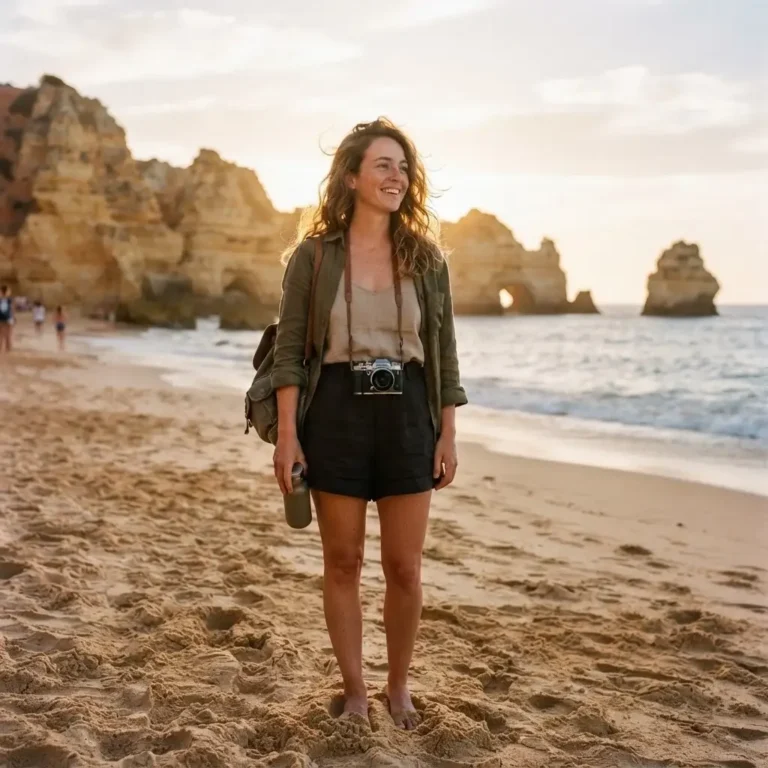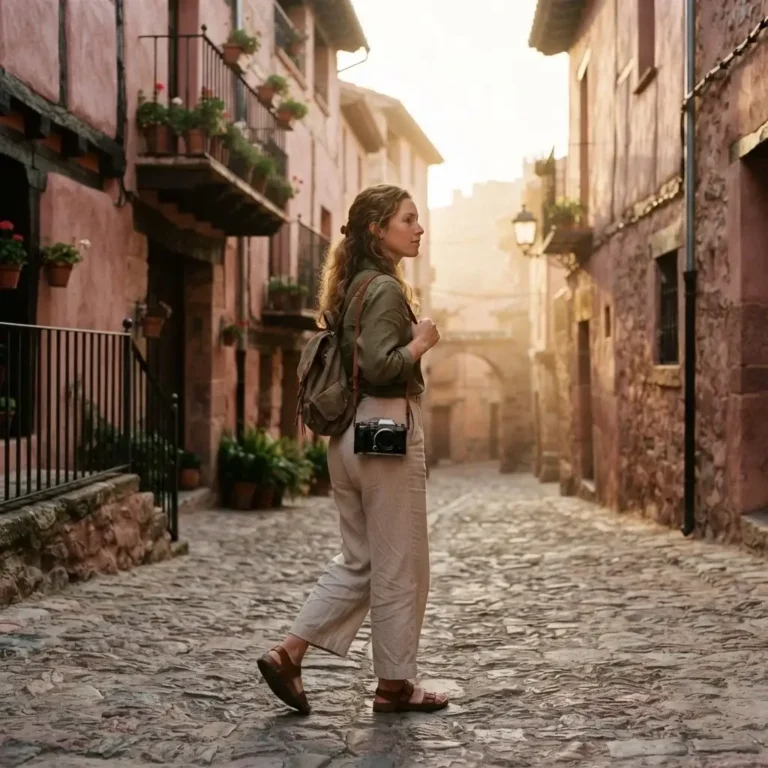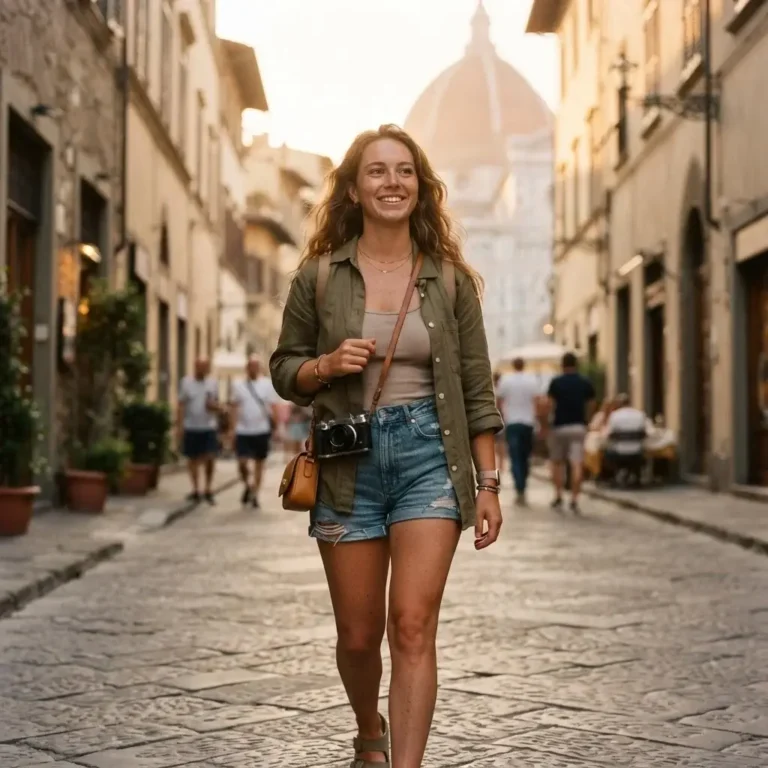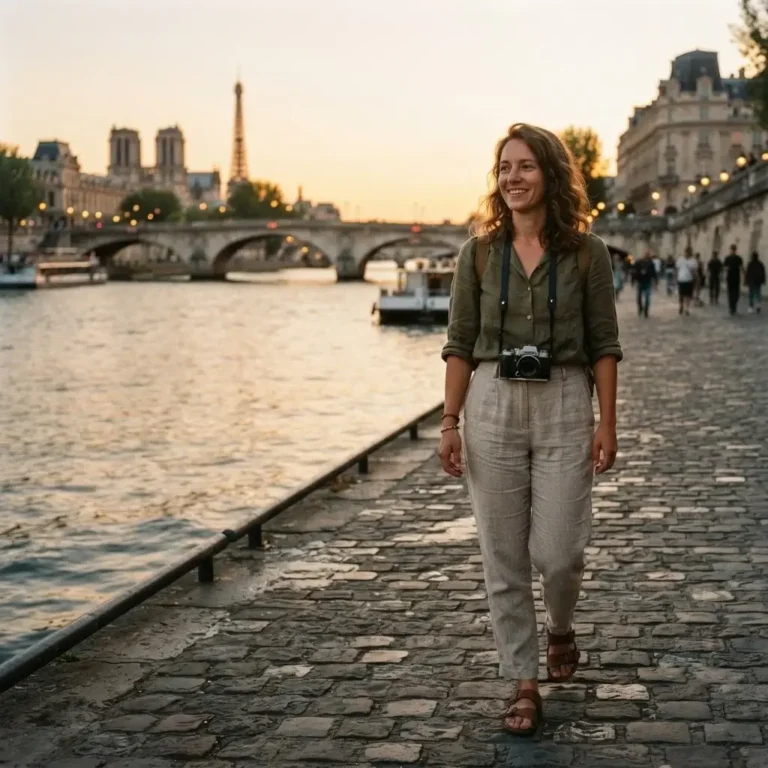
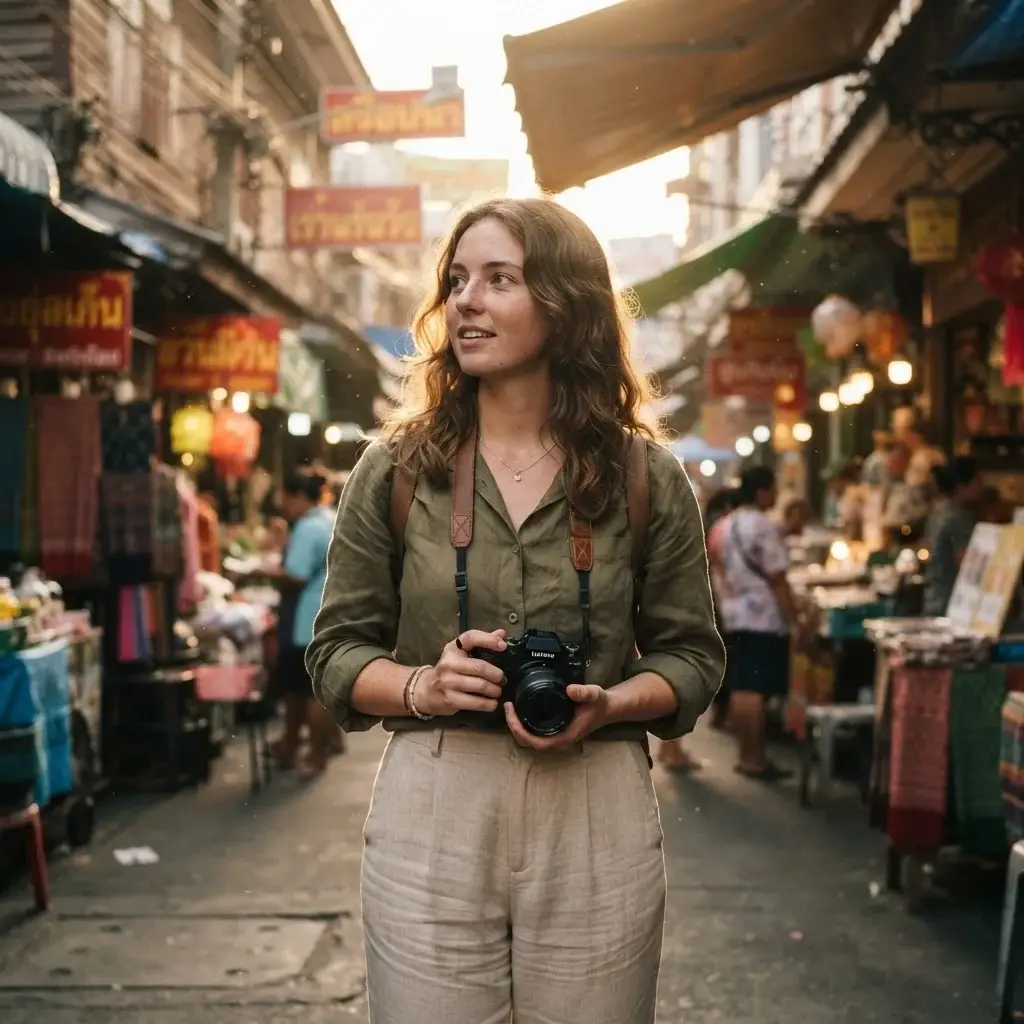
I remember sitting at my desk in a sterile, windowless office back in New York, staring at a spreadsheet while dreaming of the streets of Bangkok or the quiet alleys of a small European village. I had the “right” job, the steady paycheck, and the societal approval, but my heart was thousands of miles away. I was terrified of leaving. What if I got lost? What if I ran out of money? What if I realized I wasn’t as adventurous as I thought?
That fear kept me frozen for years. It wasn’t until I started breaking my travels down into small, manageable pieces—treating each city like a puzzle to be solved—that I finally felt the courage to buy that one-way ticket.
If you are currently sitting in that same office chair or feeling that same “what if” anxiety, this city itineraries Pinterest guide is for you. It isn’t about checking boxes on a list. It’s about building a framework that allows you to be curious, stay safe, and actually enjoy the process of discovery.
Why Planning Feels So Heavy (And How to Fix It)
We live in a world of infinite information. You can spend hours on social media looking at perfect, filtered photos, only to close your laptop feeling more confused than when you started. That is where a thoughtful approach to planning changes everything.
When I worked as a sightseeing guide in New York, I saw thousands of people rushing through the city, trying to see the Empire State Building, the Statue of Liberty, and Times Square in a single afternoon. They were exhausted, frustrated, and missing the actual magic of the city. Travel shouldn’t feel like a high-stakes exam.
To create a rhythm for your trip, start by choosing one main “anchor” for your day. Maybe it’s a specific museum, a local market, or a hidden park. Everything else is just a bonus. By limiting your expectations, you leave room for the unexpected—the conversation with a local shopkeeper or the discovery of a street food stall that wasn’t on anyone’s “top ten” list.
Navigating Logistics Without the Stress
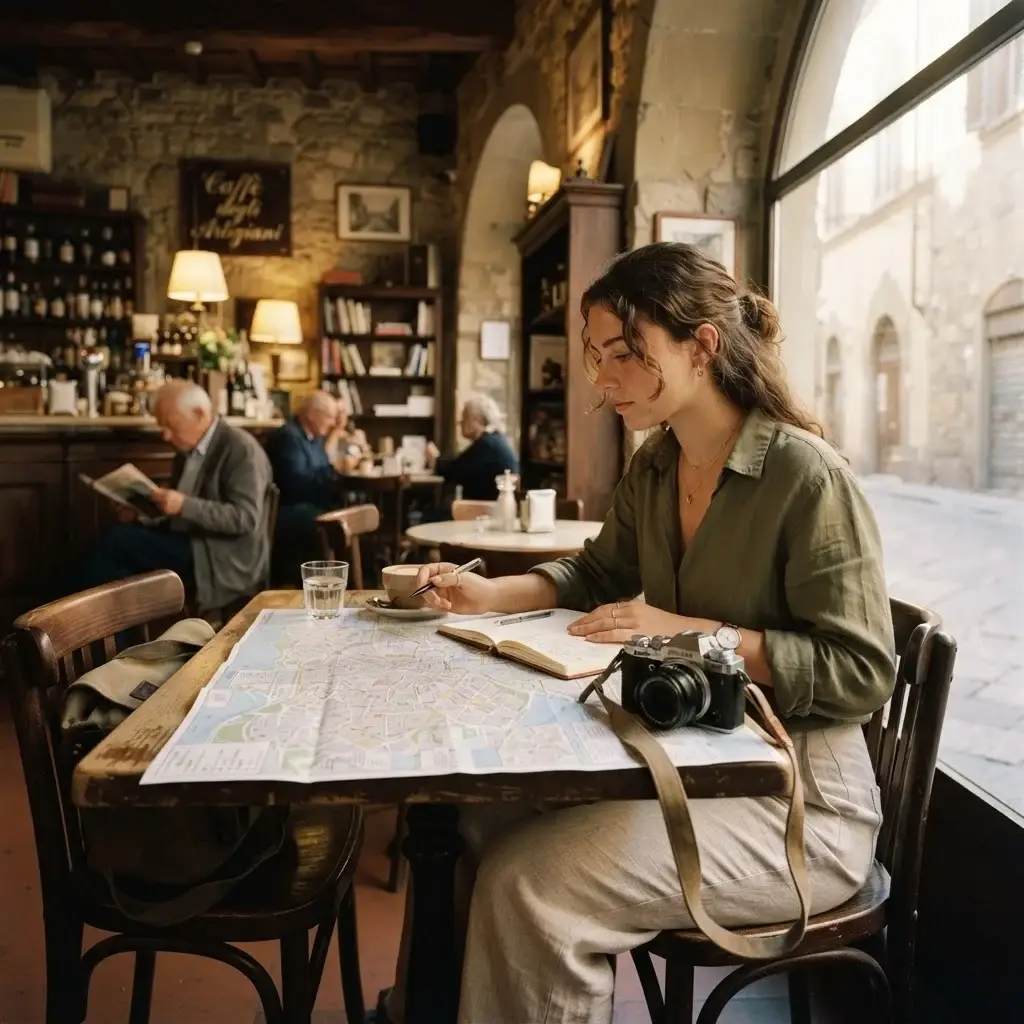
Before you ever land, you need to understand the heartbeat of your destination. I’ve learned the hard way that assuming things will work like they do back home is a recipe for a bad day.
For instance, understanding the local health landscape is crucial to feeling secure in a new environment. Before I head to a new country, I always make it a habit to check the CDC Travelers’ Health portal to see the latest destination health advisories and vaccine recommendations, which helps me pack my first-aid kit with confidence and peace of mind.
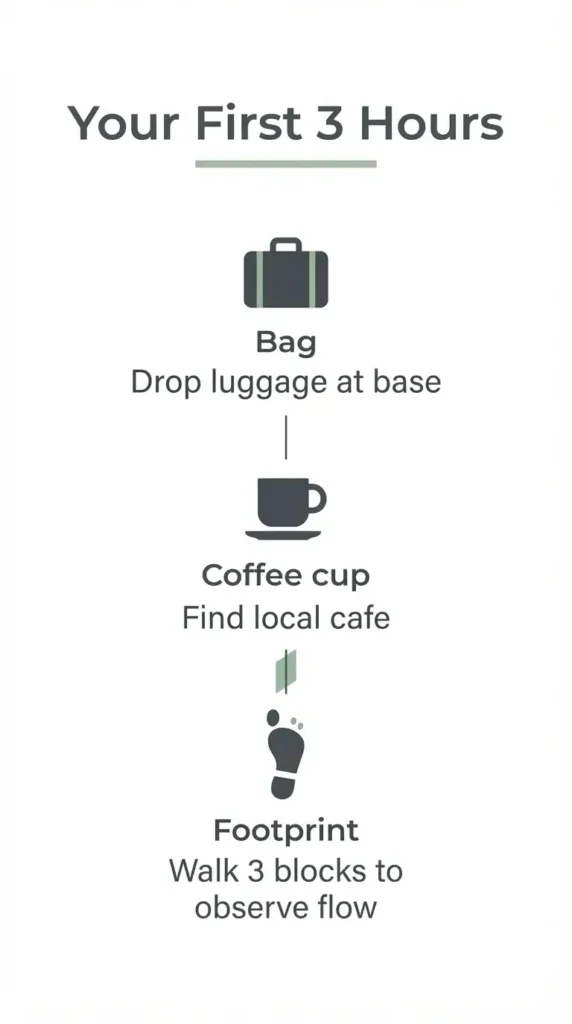
Once you arrive, focus on the “first three hours.” Do not try to hike a mountain or navigate a complex train system immediately. Find your accommodation, drop your bags, and go for a walk in the immediate neighborhood. Grab a coffee, look at the architecture, and just observe the flow of people. This helps you acclimate without the pressure of a full itinerary.
The Art of the “Slow” Itinerary
I learned the value of slow travel when I was living with a family in Ghana. I wasn’t a tourist; I was a guest. I saw how their day started, how they prepared food, and how they valued community. You don’t need to live abroad for months to experience this. Even on a one-week city break, you can practice “slow” habits.
Instead of hitting three museums, hit one. Then, spend the rest of the day in a local park or a neighborhood café. If you are planning to visit historic sites that have stood the test of time, I highly recommend browsing the UNESCO World Heritage official site pages to learn about the history and significance of the places you’ll visit, as knowing the context makes every stone and street corner feel alive.
Safety and Confidence for Solo Travelers
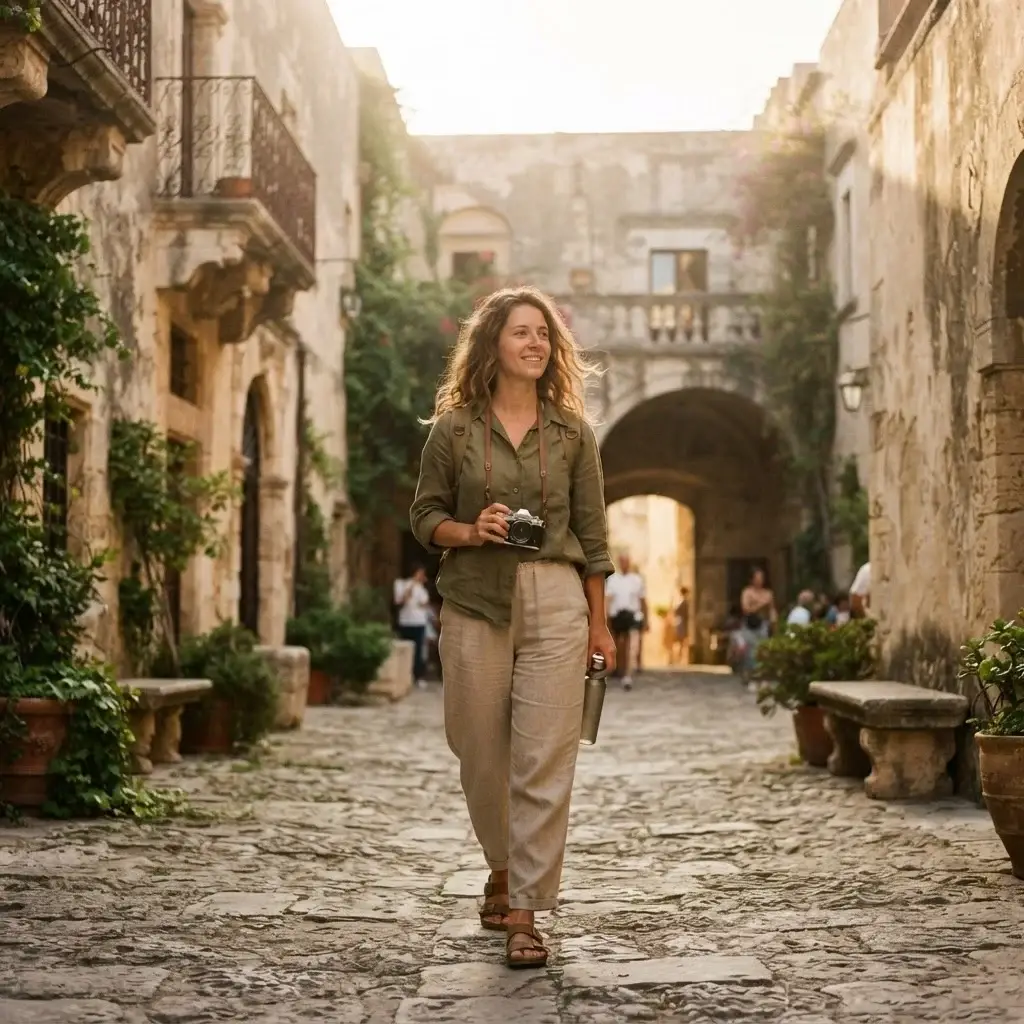
Solo travel is the best mirror you will ever have. It shows you exactly who you are when nobody is watching. But yes, it requires a different level of awareness.
My biggest piece of advice for safety is simple: blend in. Don’t walk around with a giant map (use a phone app), don’t wear expensive jewelry, and learn how to use local transit. In many parts of Southeast Asia, for example, getting around is incredibly efficient if you know the right tools. I often suggest that people take a moment to look at the Grab official app overview page to understand how it works for travelers, as it provides a safe, cashless way to navigate cities without haggling over prices with taxis.
Also, keep your documents safe. I keep digital copies of everything—my passport, my insurance, my accommodation bookings—in a secure, encrypted cloud folder. I also always make sure I have robust coverage for the unexpected, and I find it helpful to look through the World Nomads Travel Insurance guidance and safety content pages, which explain exactly how to stay protected while navigating unfamiliar terrain.
Eating Like a Local (Without the Fear)
Food is the quickest way to understand a culture. When I was teaching English in Thailand, I realized that the best food wasn’t in the restaurants with English menus; it was at the plastic tables on the street corner where the smell of lemongrass and chili hung heavy in the air.
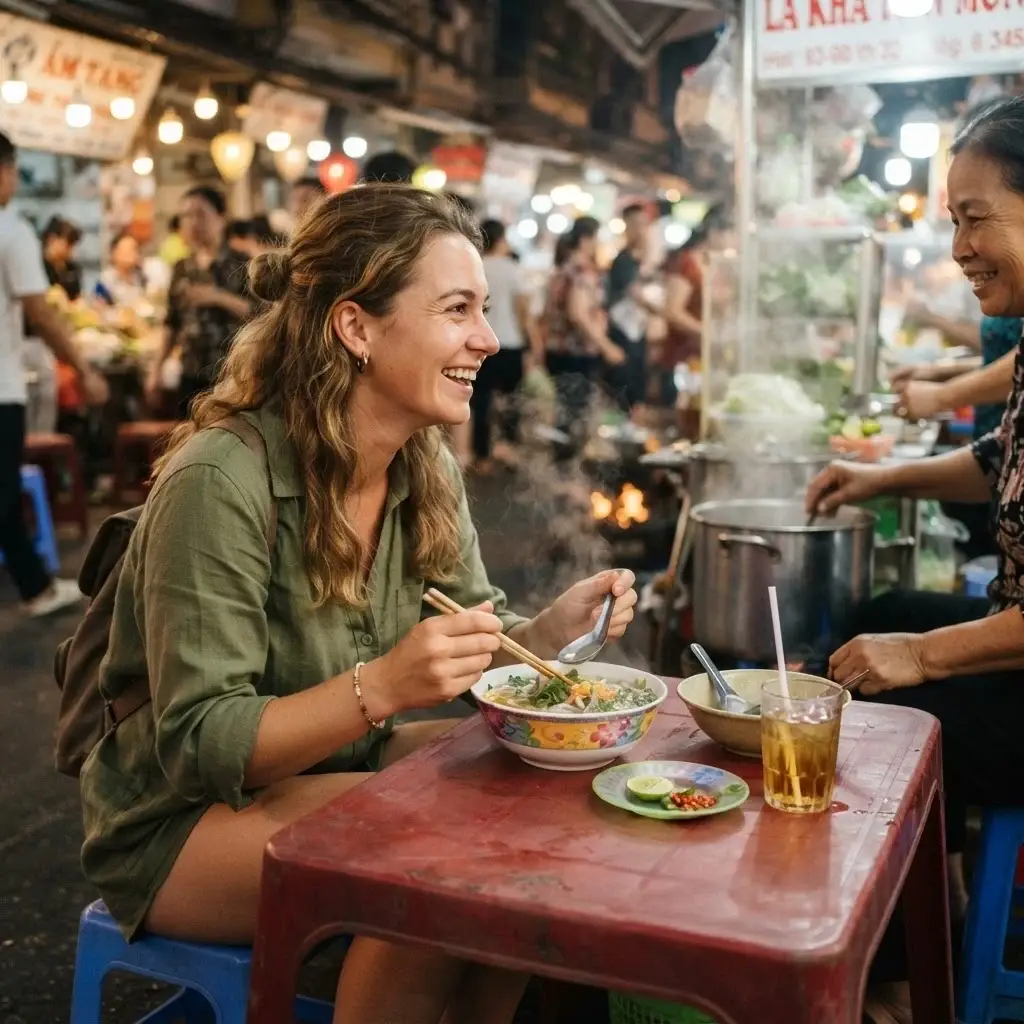
To eat well, walk toward the crowd. If a place is packed with locals, it’s safe, it’s fresh, and it’s delicious. If a place is empty and has a picture-heavy menu outside, keep walking.
Don’t be afraid to ask, “What is your favorite dish?” in the local language. Most people are proud of their food and will happily steer you toward something authentic. And if you are ever unsure about food hygiene or local dining etiquette, the Tourism Authority of Thailand website is a goldmine for understanding the cultural nuance and festival dates that might affect your dining experience in that region.
Budgeting: Your Freedom Fund
I never wanted my finances to dictate my adventure. I spent months waitressing, putting aside every extra dollar into a “freedom fund.” When you are on the road, budget isn’t about being cheap; it’s about being intentional.
- Accommodation: Look for hostels with private rooms or guesthouses. You get the social atmosphere without sacrificing your need for quiet.
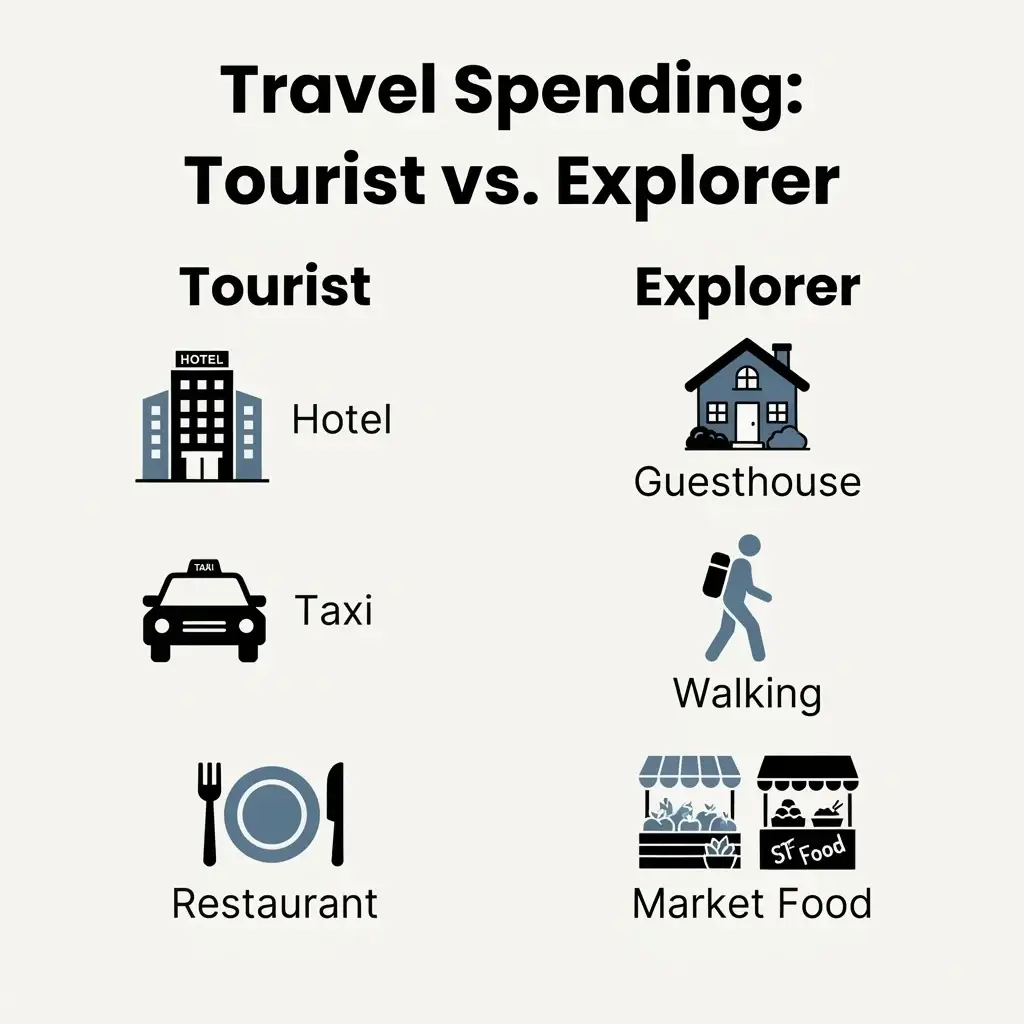
- Transportation: Walk. You see more, you spend nothing, and you learn the layout of the city faster than any taxi ride could teach you.
- Dining: Buy fresh fruit and local bread from a market for lunch. It’s cheaper, usually healthier, and lets you have a picnic in a local square.
Always remember that entry requirements can change in a heartbeat, so I make it a ritual to visit the US Department of State Travel site to double-check entry requirements, safety ratings, and alerts before I finalize my flight path, ensuring no surprise roadblocks ruin my plans.
Cultivating Your Inner Explorer
The most important part of your city itineraries Pinterest guide isn’t the map—it’s your mindset. You will get lost. You will take the wrong bus. You might even have a day where you feel lonely or overwhelmed.
That is not a failure. That is the experience.
When things go wrong, I take a deep breath, find a place to sit, and remind myself that I am capable. I’ve survived bad train rides, missed connections, and language barriers, and every single time, I came out the other side with a better story.
If you are looking for a bit more structure to your research before you go, you might want to check the Lonely Planet destination overview pages to get a broad sense of the geography and key regions, which helps you narrow down which neighborhoods align with your personal travel style.
Putting It All Together
Start by opening your favorite notebook. Write down your “must-haves” for a city. Do you want museums? Parks? Coffee culture? Nightlife? Then, look at a map and pick one neighborhood that seems to offer those things. Build your base there.
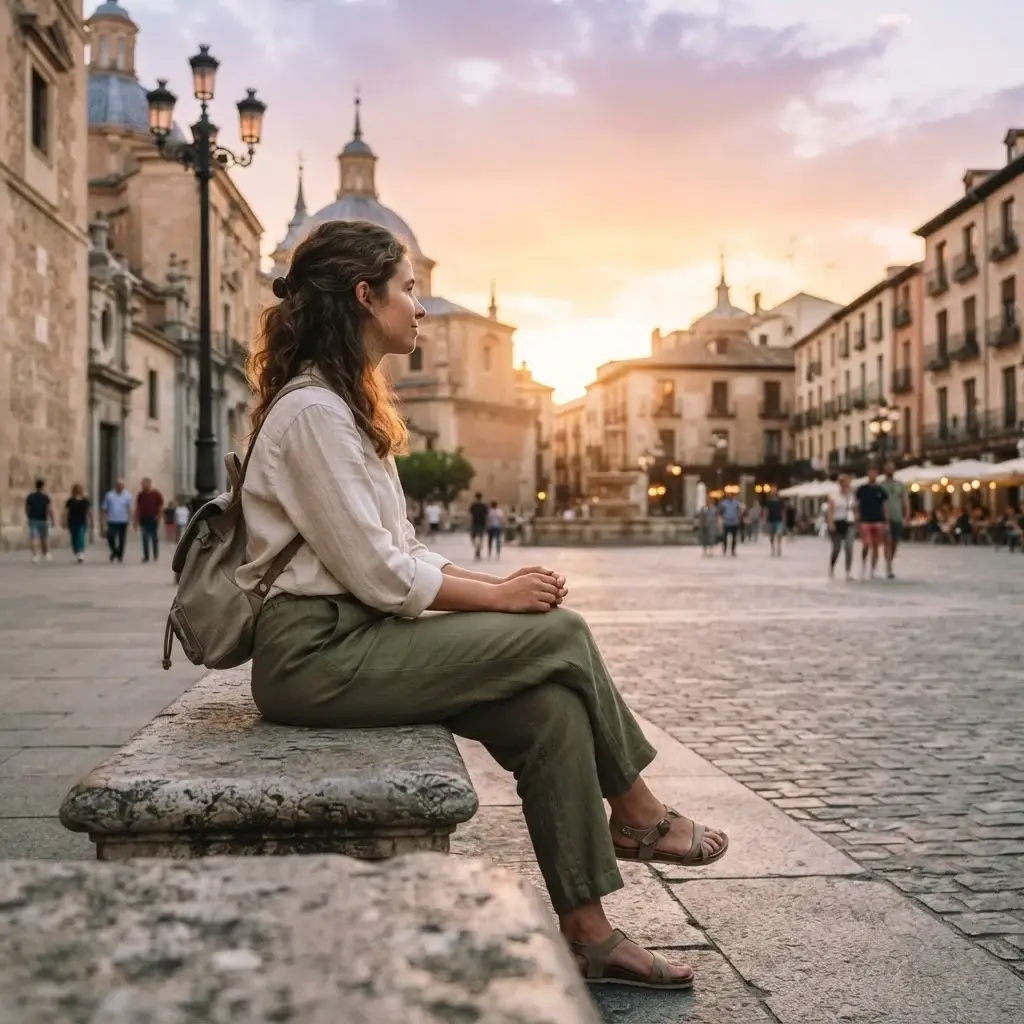
Don’t try to see the whole country in one week. Spend three days in one city. Get to know the rhythm of the streets. Learn the name of your barista. Find the bench where you like to watch the sun go down.
When you treat a city as a home rather than a stage, you stop being a tourist and start being an explorer.
And that, my friend, is where the growth happens. You are ready for this. You don’t need a perfect plan; you just need to start.