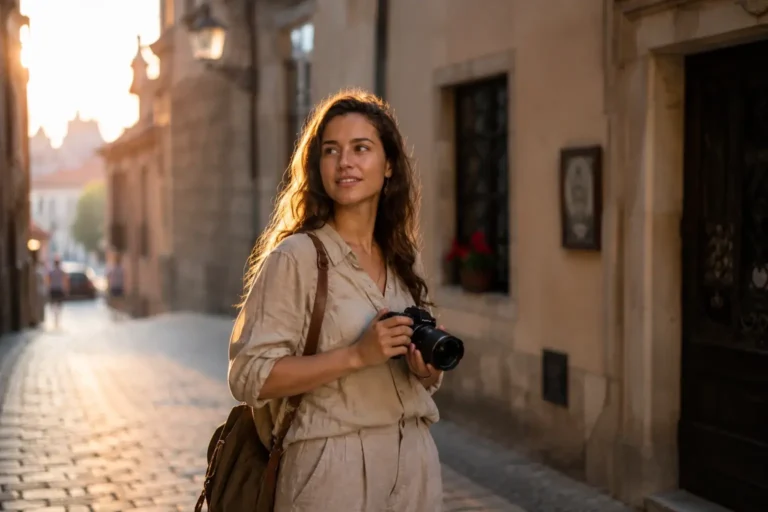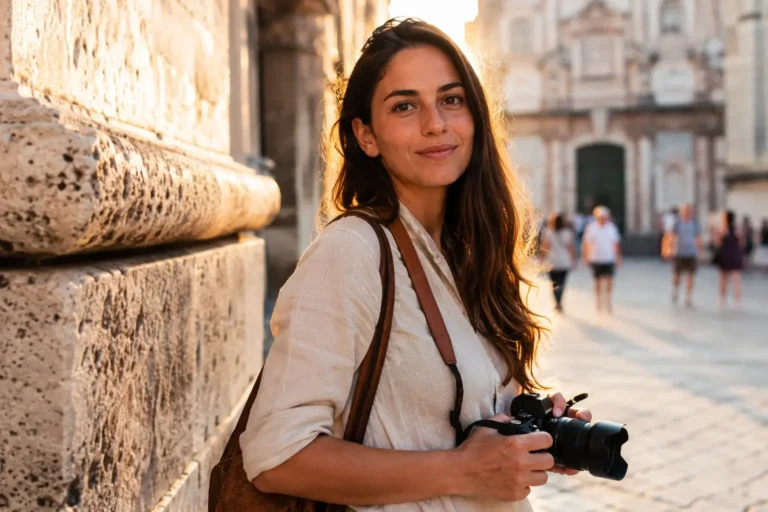
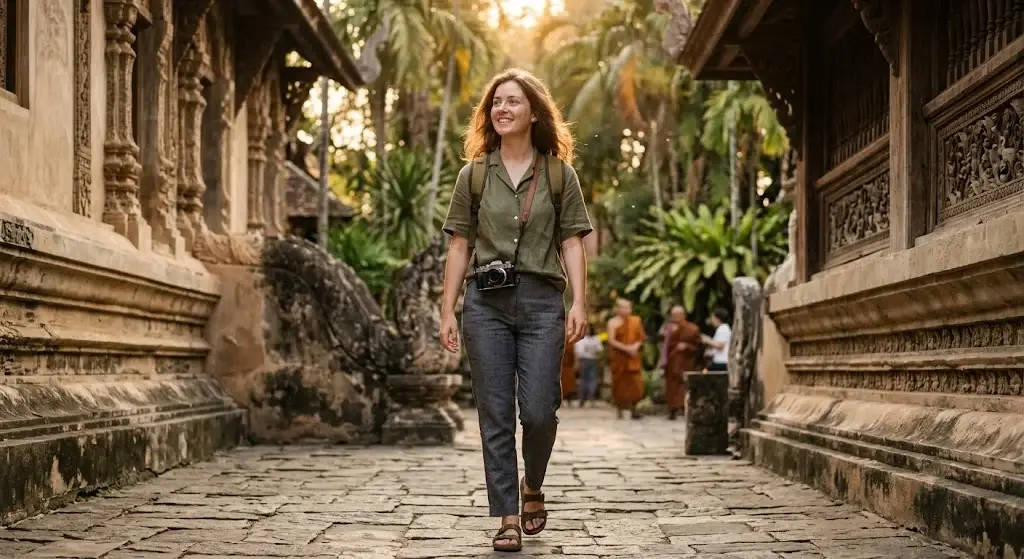
I still remember the absolute panic I felt standing on a train platform in Paris during my very first solo backpacking trip through Europe. My shoulders were throbbing, my lower back felt like it was on fire, and I was sweating through a heavy polyester shirt. I had packed a massive, rolling suitcase filled with options. I had four pairs of heavy denim jeans, six cotton t-shirts that took days to dry, three bulky sweaters, and a pair of high heels I was convinced I would wear to a fancy European cafe.
Guess how many times I wore those heels? Zero.
Instead, I dragged that sixty-pound monster up flights of stairs in subway stations, over cobblestone streets, and into tiny hostel rooms. I spent more time wrestling with my luggage than looking up at the beautiful architecture around me. It was exhausting, and honestly, it almost made me want to give up and catch the next flight back home to New York.
Before I became a full-time travel writer, I worked as a certified sightseeing guide in New York City. I walked twelve miles a day showing people the sights around Manhattan. Later, I waitressed double shifts to save money, lived with a wonderful local family in Ghana, hiked through rural China, and taught English to middle school students in Thailand. Through all those years on the road, I learned a hard truth: overpacking is the number one enemy of a great journey.
When you carry too much stuff, you are not just carrying heavy clothes. You are carrying anxiety. You are constantly worried about your bags, losing things, or paying expensive airline fee penalties.
This massive guide is my honest, real-world blueprint to building a wardrobe that fits in a single carry-on bag. We are going to look at the exact travel wardrobe essentials for every trip, break down the biggest packing mistakes you are probably making right now, and give you practical tools to travel with total confidence.
The True Cost of the “Just in Case” Packing Mentality
The biggest reason we overpack is fear. We look at our open suitcase and think, “What if it rains constantly? What if I get invited to a formal dinner? What if I spill coffee on my favorite pants?”
When I left my 9-to-5 corporate office job to pursue a life of adventure, I tried to pack for every single imaginary scenario. This is what I call the “just in case” trap. It is a major mistake that ruins the flow of your trip.
Why Extra Clothes Steal Your Freedom
When you pack five extra shirts and three extra pairs of shoes “just in case,” you change how you move through the world. You can no longer walk from the train station to your guesthouse because your bag is too heavy. You end up spending money on expensive taxis instead of using public transit.
If you are planning a solo trip to explore historic landmarks, you want to be nimble. For example, if you are visiting the stunning historic center of Rome or exploring ancient ruins, heavy luggage will slow you down completely. You can research these incredible spots on the UNESCO World Heritage official site to see the kind of terrain you will be walking on. Most of these timeless places feature uneven stone paths and endless steps where wheels on suitcases simply fail. Pack light so you can easily walk these historic paths without stress.
The Laundry Myth That Keeps Your Bag Heavy
Many people pack a completely fresh outfit for every single day of their trip. If they are going away for fourteen days, they pack fourteen separate outfits. This is a massive mistake.
You only ever need to pack for a rolling five to seven days, regardless of whether your trip lasts two weeks, two months, or two years. Laundry exists everywhere in the world. In Southeast Asia, you can drop your clothes off at a local shop where they wash, dry, and fold them for a couple of dollars per kilo. In Europe and Central America, coin-operated laundromats are fantastic places to meet locals and take a slow morning to write in your journal.
Fabric Science: The Foundation of Travel Wardrobe Essentials for Every Trip
If you want to pack light, you have to understand fabrics. The material of your clothes determines how many times you can wear an item before it smells, how fast it dries in a hotel bathroom, and how much space it takes up in your bag. This is the secret framework of every successful solo traveler.
The Magic of Merino Wool
If I could only pick one fabric to wear for the rest of my life on the road, it would be merino wool. Unlike regular itchy wool, merino wool is incredibly soft, lightweight, and smooth against your skin.
The real superpower of merino wool is its natural ability to resist odors. Microscopic fibers trap bacteria, preventing them from growing and causing smells. You can wear a high-quality merino wool t-shirt for three or four days of heavy walking, and it will still smell completely fresh. It also regulates temperature beautifully, keeping you cool in the humid streets of Bangkok and warm during chilly nights in the Andes.
Why You Should Avoid 100% Cotton
Cotton is comfortable at home, but it is a terrible travel fabric. Cotton absorbs moisture like a sponge. When you sweat while hiking or walking through a crowded market, cotton holds onto that water. It stays damp for hours, which can cause painful chafing.
Even worse, cotton takes a very long time to dry. If you wash a thick cotton shirt in your hotel sink at night, it will still be damp the next morning. Packing damp clothes into your backpack creates a terrible musty smell that ruins the rest of your gear.
Synthetics and Modern Blends
High-performance synthetics like nylon, polyester, and spandex blends are fantastic additions to your travel wardrobe essentials for every trip. They are incredibly lightweight, highly durable, and wrinkle-resistant. You can roll them up tight, throw them in your bag, and they come out looking great. Look for shirts and pants with built-in stretch so you can comfortably climb temple stairs, sit on long bus rides, and navigate crowded transit hubs.
Tops: The Core Layers for Versatility
When selecting your tops, your goal is to choose items that can layer together seamlessly. Every single shirt you pack must match every single pair of pants or shorts you bring. If a shirt only works with one specific item, leave it at home.
2-3 Performance T-Shirts
Bring two or three high-quality t-shirts in neutral colors like grey, black, navy, or olive green. Neutral tones are easier to mix and match, and they do not attract unwanted attention. These shirts should be made of a merino wool blend or a high-performance synthetic knit.
You can wear these while tracking through muddy paths, wandering through museums, or sitting at a local cafe. If you are preparing for a journey and want to ensure you stay healthy while exploring remote areas, it is a smart move to review safety tips and health advisories on the CDC Travelers’ Health destination pages before you depart. Having the right shirts helps you stay comfortable, while health updates keep you safe from local bugs or climate risks.
1 Long-Sleeve Button-Down Shirt
A crisp, lightweight long-sleeve button-down shirt is an incredibly versatile piece of clothing. For women, a slightly oversized linen or Tencel button-down can be worn open over a t-shirt, tied at the waist with a skirt, or buttoned up for a nice dinner. For men, a synthetic tech-fabric button-down looks sharp enough for a rooftop lounge but protects you from the sun during a long day of exploring. Long sleeves also provide crucial protection against mosquitoes during evening hours in tropical climates.
1 Lightweight Mid-Layer
Even in hot tropical destinations, planes, buses, and trains love to blast the air conditioning. I always bring one high-quality lightweight fleece or a packable merino wool sweater. This piece should fit comfortably over your t-shirts and under your rain jacket. It provides a clean, classic look while keeping you cozy during midnight transit transitions.
Bottoms: Durability and Cultural Respect
Choosing the right bottoms is where many travelers make massive packing mistakes. They bring heavy denim jeans that restrict movement and take days to dry, or they pack shorts that are far too short for local cultural norms.
2 Pairs of Long, Technical Travel Pants
Look for lightweight pants made from nylon and spandex blends. Brands today make incredible travel pants that look exactly like classic chinos or sleek slacks but feature water resistance, zippered security pockets, and four-way stretch.
Having long pants is essential for safety and cultural respect. In many parts of the world, entering religious sites, temples, churches, or mosques with bare legs is highly disrespectful and often forbidden.
For instance, if you are visiting Southeast Asia to see the historic temples of Chiang Mai or Bangkok, you must dress appropriately. You can read up on important cultural etiquette and temple dress codes on the official Tourism Authority of Thailand travel guide to make sure you do not accidentally offend locals. Wearing long, breathable travel pants ensures you will always be allowed inside these magnificent sacred spaces without having to buy a cheap wrap at the gate.
1-2 Pairs of Versatile Shorts or Skirts
If you are traveling to a warm climate, bring one or two pairs of functional shorts or mid-length skirts. Avoid athletic gym shorts with loud logos. Instead, choose tailored shorts made from quick-drying fabrics that can transition from a morning hike to an afternoon food tour. For women, a midi-length skirt made from breathable Tencel is an amazing choice because it keeps you cool, looks elegant, and provides great coverage for cultural sites.
Outerwear: Weather Protection Without the Bulk
You do not need a massive, heavy coat unless you are traveling deep into sub-zero winter conditions. For 90% of trips, a smart layering system for outerwear will keep you perfectly warm, dry, and comfortable.
1 High-Quality Packable Rain Jacket
A good rain jacket is non-negotiable. It is your shield against wind, heavy downpours, and unexpected temperature drops. Do not buy a cheap plastic poncho that traps your sweat and tears easily. Invest in a breathable, waterproof jacket with fully taped seams and underarm zippers for ventilation.
A great rain jacket acts as your outermost shell. If you get cold, you can wear your t-shirt, layer your fleece over it, and put the rain jacket on top. This combination will keep you warmer than a bulky fashion coat, and it takes up a fraction of the space in your bag.
The Packable Down Jacket Option
If you are traveling through changing seasons or heading to high-altitude mountain regions, add an ultra-lightweight, packable down jacket to your list. These jackets use down insulation to provide incredible warmth, yet they compress down into a tiny stuff sack no bigger than a water bottle. You can clip it to the outside of your daypack or use it as a comfortable travel pillow on long bus rides.
Footwear: The Ultimate Make-or-Break Choice
Let’s talk about the biggest packing mistake of all: bringing the wrong shoes. I have seen so many travelers ruin their hard-earned vacations because of painful blisters, bleeding heels, and sore arches. Your feet are your primary mode of transportation when you travel. If your feet are miserable, you are miserable.
1 Pair of Supportive Walking Shoes
This is the shoe you wear on the plane and during heavy exploration days. It should be a high-quality sneaker, a lightweight trail runner, or a structured walking shoe. It must have excellent arch support, a cushioned midsole, and a durable rubber outsole with good grip.
Emma’s Golden Rule: Never, under any circumstances, bring brand-new shoes on a long trip. Buy them at least two months before you leave. Wear them to work, wear them while grocery shopping, and walk miles in them to ensure they do not cause friction spots or blisters.
1 Pair of High-Quality Travel Sandals
A great travel sandal is a lifesaver in warm weather. Look for sandals with secure ankle straps and supportive footbeds rather than flimsy plastic flip-flops. You want something you can easily walk five miles in through a bustling market, but that still looks nice enough for an evening dinner.
A durable water-resistant sandal is also great for sudden tropical rainstorms, coastal walks, or walking through shared hostel showers safely.
Underwear and Socks: The Unsung Heroes of Light Packing
You can easily get away with packing just four to five pairs of underwear and socks if you choose high-performance materials. This is where you can save an incredible amount of physical space in your backpack.
Anti-Odor, Quick-Dry Underwear
Leave your heavy cotton underwear at home. Invest in four or five pairs of synthetic microfiber or merino wool underwear. These fabrics wick moisture away from your body, preventing chafing during long days of walking in humid climates.
Best of all, you can wash them in your hotel sink using a splash of body wash or travel laundry soap, wring them out in a towel, and they will be completely dry and ready to wear in less than four hours.
Merino Wool Cushion Socks
Do not skimp on your socks. High-quality socks are just as important as good shoes for preventing blisters. Bring three pairs of lightweight or medium-cushion merino wool socks.
Merino wool cushioning protects the high-impact areas of your feet under the heel and toes. It keeps your feet dry and completely odor-free, meaning you can comfortably wear a single pair of socks for two full days of walking without any issues.
The Capsule Wardrobe Formula: How to Mix and Match
The secret to maximizing your travel wardrobe essentials for every trip is mastering the Capsule Wardrobe Formula. A capsule wardrobe is a small collection of clothes where every single item works harmoniously with every other piece.
3 Tops + 3 Bottoms = 9 Unique Outfits
4 Tops + 3 Bottoms = 12 Unique Outfits
5 Tops + 4 Bottoms = 20 Unique Outfits
By sticking to a cohesive color palette, you can create dozens of unique outfit combinations from just a few basic pieces.
Choosing Your Color Palette
Start with a base color of either black, navy blue, or dark charcoal grey. Your shorts, long pants, and jackets should generally be in this base color because dark shades hide stains, mud, and sweat marks incredibly well.
Next, select one or two coordinating neutral colors like light grey, white, or beige for your shirts. Finally, if you love color, add one accent shade—like a rich terracotta, deep olive green, or soft dusty blue—in the form of a light t-shirt or a versatile scarf. This simple ruleset ensures you will never look mismatched or chaotic on the road.
5 Critical Packing Mistakes and How to Fix Them
Even with the perfect clothes, how you organize and pack your gear matters immensely. Let’s look at the classic blunders that lead to disorganized bags and unnecessary stress on the road.
Mistake 1: Folding Clothes Instead of Rolling
When you fold your clothes in flat squares like you do in your dresser at home, you create deep creases and waste an incredible amount of empty space in your bag.
- The Fix: Use the Ranger Roll method. Lay your shirts flat, fold the sleeves inward, fold the bottom upward a few inches, and roll the garment into a tight, compact cylinder. This minimizes wrinkles completely and lets you utilize every square inch of your pack.
Mistake 2: Ignoring Packing Cubes
Throwing loose clothes directly into a massive backpack is a recipe for daily frustration. You will have to dig all the way to the bottom of your bag just to find a fresh pair of socks, making a complete mess of your gear in the process.
- The Fix: Use lightweight mesh packing cubes. Dedicate one cube for tops, one cube for bottoms, and a smaller cube for underwear and socks. This keeps your bag perfectly organized. When you arrive at a new hostel or guesthouse, you can just slide the cubes into the drawer or shelf without unpacking everything.
Mistake 3: Packing Too Many Accessories
Bringing multiple heavy statement necklaces, bulky watches, three different hats, and multiple belts adds unnecessary weight and introduces items that can easily get lost or stolen.
- The Fix: Choose one versatile, lightweight scarf or sarong. A large cotton scarf can keep you warm on cold flights, protect your neck from the hot sun, serve as a clean beach towel, or act as a respectful headcovering or shawl when entering historic religious monuments.
Mistake 4: Carrying Full-Sized Toiletries
Bringing full-sized shampoo bottles, massive tubes of toothpaste, and giant body lotions is a major mistake that takes up valuable space and triggers security issues at airport checkpoints.
- The Fix: Buy high-quality, reusable silicone travel bottles and fill them with your favorite products from home. Better yet, switch to solid toiletries. Solid shampoo bars, solid conditioner bars, and solid deodorants are highly concentrated, last longer, cannot leak inside your bag, and do not count against your liquid limits at airport security.
Mistake 5: Buying a Backpack That Is Far Too Big
If you buy a massive seventy-liter backpack, you will inevitably fill it to the top with things you do not need simply because the empty space is there.
- The Fix: Limit yourself to a travel backpack with a capacity between 35 and 45 liters. This size range is universally accepted as carry-on luggage by most domestic and international airlines, saving you from expensive checked-bag fees and long wait lines at the baggage carousel.
Real-World Destination Blueprints
To show you how this beautiful packing philosophy works in action, let’s look at exactly how to adjust your travel wardrobe essentials for every trip based on three distinct, real-world destinations.
Destination 1: Culturally Immersive Southeast Asia
When exploring countries like Thailand, Cambodia, or Vietnam, you will face intense tropical heat, high humidity, and sudden monsoon downpours. You also need to remain modest out of respect for local traditions.
Local Navigation & Culinary Tips
When navigating bustling hubs like Bangkok or Chiang Mai, skip the expensive private cars and use public transport or local ride-sharing. If you want to know how to get around safely and affordably, you can check out the Grab official app guide to see how the region’s top ride-hailing system functions for global travelers. Using a ride-share app avoids fare scams and lets you move like a local.
Make sure to stop by the night markets to try a hot plate of Pad Kra Prow (spicy basil stir-fry) or a fresh bowl of Khao Soi (coconut curry noodle soup). Eating street food is highly affordable, delicious, and a major highlight of the journey.
Destination 2: Historic European Cities
If you are backpacking solo through historic European cities like Rome, Paris, or Lisbon, you will be walking massive distances over unforgiving historic stone paths and up steep hills.
Local Navigation & Culinary Tips
The absolute best way to experience Europe is by using their world-class train systems. Download local transit apps to book your tickets early and save money. When your feet get tired from exploring museums, find a small local bakery away from the main tourist squares. Order a fresh Pain au Chocolat in France or a warm Pastel de Nata (egg tart) in Portugal alongside a simple espresso.
To ensure you stay fully protected against sudden train strikes, lost bags, or medical issues on these historic streets, it is wise to consult safety and protection overviews on the World Nomads Travel Insurance advice pages before your journey begins. Having solid insurance gives you the peace of mind to focus entirely on the beautiful sights.
Destination 3: Rugged Central American Adventures
If your heart beats for adventure travel in destinations like Costa Rica, Guatemala, or Panama, your clothes will have to withstand mud, dust, active volcano hikes, and coastal humidity.
Local Navigation & Culinary Tips
In Central America, local public buses—often called “chicken buses”—are incredibly cheap and adventurous, but for long distances, shared tourist shuttles are much safer and more reliable. For a classic local meal, look for a small family-run restaurant called a Soda or Comedor. Order a Casado, a massive, nutritious plate filled with rice, black beans, sweet fried plantains, a fresh salad, and your choice of protein. It is highly affordable fuel for a long day of outdoor exploration.
Overcoming Packing Anxiety and Taking the Leap
I know how scary it feels to close your suitcase when it is only half-full. You might feel a wave of uncertainty, wondering if you are truly prepared for the world out there.
But I want you to remember something deeply important: travel is not a test you can fail by bringing the wrong shirt.
If you get to a destination and realize you absolutely need a thick sweater because the weather turned unexpectedly cold, you can visit a local market. You can buy a unique, locally made sweater that will support a local vendor and serve as an incredible souvenir for years to come.
When I was waitressing double shifts in New York to save up for my travels, I thought I needed to buy the most expensive, high-end gear to be a “real” explorer. But I quickly learned that the world does not care about fancy brands or pristine outfits. The world rewards curiosity, courage, and an open mind.
By packing light, you choose to prioritize experiences over possessions. You choose to move through transit stations easily, to walk down unexpected streets with confidence, and to focus your energy on learning from the local people you meet along the way.
Pack your travel wardrobe essentials for every trip with care, leave the heavy “just in case” items behind, and step onto that plane with a light bag and a wide-open heart. The adventure of a lifetime is waiting for you, and you are more than capable of taking that first beautiful step.