Ultimate Travel Packing Checklist: Pack Light for Your Solo Trip

I still remember the crushing weight of my first giant backpack. I was standing on a crowded subway platform in New York, getting ready to head to the airport for my first solo backpacking trip across Europe. I had packed everything. I had extra shoes I never wore, massive bottles of shampoo, three heavy cotton sweaters, and even a hair dryer. Within two days of walking up the steep, cobblestone hills of Edinburgh, my shoulders were bruised and my back was screaming. I was completely weighed down by my own fears, physically manifested in a 50-pound bag.
When I worked as a certified sightseeing guide in New York City, I used to watch tourists drag massive, heavy suitcases through Times Square. They looked exhausted before their day even started. Later, when I quit my stable 9-to-5 office job to travel the world full-time, I knew something had to change. I worked extra shifts waitressing to save every single dollar for my travels, and I realized that carrying less stuff meant saving money on baggage fees, moving faster, and feeling free.
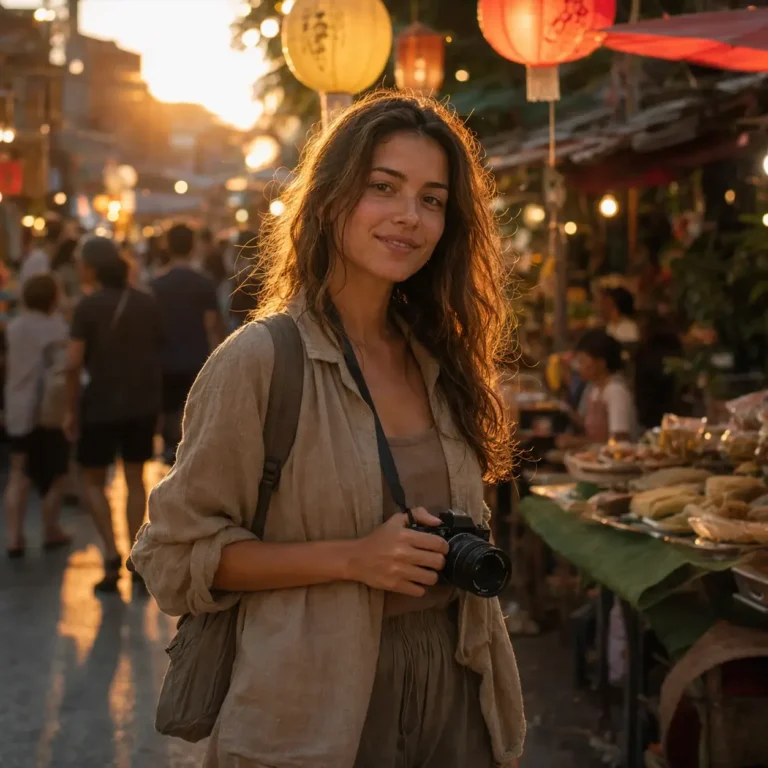
Whether you are saving up to teach English abroad like I did in Thailand, or you are planning a two-week solo trip to Europe, learning to pack light is a superpower. This ultimate travel packing checklist is not just a list of items. It is a philosophy of travel that will help you let go of your anxieties, protect your body, and open yourself up to the world. Let’s break down exactly how to pack your bag so you can travel with confidence, courage, and complete freedom.
The Philosophy of Packing Light: Why Less is More
When you pack a heavy bag, you are usually trying to buy insurance against your fears. You pack the “just in case” items because you worry about what might go wrong. But over the years, from living with a host family in Ghana to hiking through remote areas of China, I have learned a universal truth: you can buy almost anything you need anywhere in the world.
Packing light gives you ultimate mobility. If your bus breaks down in a small town, or if you need to walk ten blocks to a hidden guesthouse, a light bag makes it easy. You don’t have to rely on expensive taxis, and you can easily navigate busy subway stations or crowded local markets.
Most importantly, keeping your bag small means you can keep it with you. For solo travelers, this is a massive safety benefit. You never have to watch your bag get loaded into the dark storage hold of a long-distance bus while you sit upstairs wondering if it will be there when you arrive. You can keep your world on your back, step off the plane, and immediately start your adventure.
Choosing Your Base: The Backpack vs. Suitcase Debate
Before we put a single pair of socks into a pile, we need to talk about what you are putting them into. The bag you choose dictates how much you will bring. If you buy a massive 70-liter backpack, you will fill it. It is human nature to fill empty space.
The Travel Backpack
For solo travel, a carry-on-sized backpack between 35 and 45 liters is the absolute sweet spot. Look for a bag that opens like a suitcase (often called front-loading or clamshell) rather than a traditional backpacking bag that opens only from the top. Top-loading bags force you to dig through everything just to find a clean shirt at the bottom.
Make sure the bag has a thick, padded hip belt. Your hips should carry 80% of the bag’s weight, not your shoulders. When I was prepping to live in Southeast Asia, I bought a 40-liter front-loading pack with a stowaway harness, and it completely changed how I move through transit hubs.
The Rolling Suitcase
If you have back issues or simply prefer not to carry your gear, a lightweight, two-wheeled carry-on suitcase is a great alternative. Avoid four-wheeled “spinner” bags if you plan to travel outside of modern airports. Those tiny wheels break easily on the cracked sidewalks of Bangkok or the dirt paths of rural villages. Two sturdy, recessed wheels can handle rough terrain much better.
The Clothing Capsule System: How to Pack for Weeks in a Small Bag
The secret to packing light is not bringing fewer clothes; it is bringing the right clothes. You do not need a completely different outfit for every day of your trip. Instead, you need a clothing capsule where every single top matches every single bottom.
The Rule of Three
I follow a strict rule of three for almost every clothing item:
- One to wear.
- One to wash.
- One to dry.
This means you pack three shirts, three pairs of underwear, and three pairs of socks. You can easily do a quick sink wash in your hostel or guesthouse at night, hang the clothes to dry, and always have fresh layers ready.
Smart Material Choices
Throw away heavy cotton fabrics. Cotton traps sweat, takes days to dry, and gets smelly quickly. Instead, invest in high-quality materials:
- Merino Wool: This is the absolute king of travel fabrics. It regulates temperature, stays cool in the heat, keeps you warm in the cold, and naturally resists odors. You can wear a merino wool shirt three or four times without it smelling.
- Synthetic Blends (Nylon/Polyester): These are lightweight, durable, and dry incredibly fast after a sink wash.
- Linen: Great for hot climates, though it wrinkles easily. Embrace the wrinkles—it’s part of the relaxed travel aesthetic!
The Layering Formula
Instead of packing one massive, bulky jacket, pack thin layers that you can stack on top of each other.
This combination can take you from a chilly morning mountain hike to a windy evening ferry ride without taking up massive space in your pack.

The Complete Clothing Checklist
Here is the exact breakdown of what goes into my clothing capsule for a multi-week trip in a temperate or warm climate.
Tops and Bottoms
- 3 Lightweight Tops: A mix of short-sleeve and long-sleeve options for sun and bug protection.
- 2 Pairs of Pants: One pair of durable hiking or travel pants, and one casual pair for city walking. Avoid heavy denim jeans; they take forever to dry.
- 1 Pair of Shorts or a Casual Skirt: Ideal for hot days and beach destinations.
- 1 Modest Outfit: Essential for visiting temples, churches, or traditional communities. This means clothing that covers your shoulders and your knees.
Underwear and Sleepwear
- 4 Pairs of Quick-Dry Underwear: Look for moisture-wicking synthetic fabrics.
- 3 Pairs of Merino Wool Socks: These prevent blisters and keep your feet comfortable during long days of walking.
- 1 Set of Lightweight Sleepwear: A simple t-shirt and thin shorts work perfectly.
- 1 Swimsuit: Even if you aren’t heading to a beach resort, your hostel might have a pool, or you might find a beautiful local hot spring.
Footwear: The Hardest Choice You Will Make
Shoes are the heaviest, bulkiest items in any bag. You should only ever bring a maximum of two pairs: one pair on your feet and one pair packed away.
Pair 1: The Do-Everything Walking Shoe
This should be a high-quality sneaker or a trail running shoe with excellent support. You will be walking miles every day on concrete, dirt, and stones. Make sure these shoes are completely broken in before you leave home. Blisters can ruin an entire week of exploration.
Pair 2: The Lightweight Sandals
Bring a pair of packable sandals that can double as water shoes. They are essential for protecting your feet in communal hostel showers and keeping your feet cool on hot days. If you are exploring coastal areas, choose sandals with a secure strap so they don’t float away in the water.
Electronics: Streamlining Your Digital Toolkit
It is easy to overpack technology. Unless you are running a location-independent business or editing professional video on the road, leave the heavy laptop and the massive camera lenses behind. Your smartphone can do almost everything.
Power and Charging Essentials
- Universal Travel Adapter: Invest in a high-quality adapter that works in multiple countries and features built-in USB ports. This allows you to charge your phone, camera, and power bank all at once using a single wall outlet.
- Anker External Power Bank: When you are relying on your phone for navigation, local translation, and digital boarding passes, a dead battery is a safety hazard. Carry a 10,000mAh external battery pack in your daypack at all times.
- Cables and Organizers: Bring only the cords you absolutely need. Bundle them together with simple velcro ties and store them in a small, lightweight pouch so they don’t tangle at the bottom of your bag.
Digital Entertainment and Safety
- Kindle E-reader: As someone who loves stories, I miss the feel of real paper books. But carrying three thick novels will ruin your shoulders. A Kindle lets you bring a whole library with you for long train rides without adding weight.
- Headphones: A pair of noise-canceling earbuds is a lifesaver for loud flights, overnight trains, or noisy hostel rooms when you need to catch up on sleep.
Toiletries and Personal Care: The Solid Revolution
Liquid restrictions at airport security can be a major headache. The easiest way to bypass this issue and save space is to switch from liquids to solid alternatives.
The Solid Advantage
- Solid Shampoo and Conditioner Bars: These look like bars of soap, last for months, and will never leak all over your clean clothes inside your bag.
- Solid Deodorant: Reliable and completely free of liquid limits.
- Toothpaste Tablets: Small, dry tablets that chew down into normal toothpaste. They take up almost zero space compared to a big plastic tube.
The Standard Toiletry Kit
Pack all your personal hygiene items into a small, hanging toiletry bag. Being able to hang your kit on a hook or towel rack is incredibly useful in tiny bathroom stalls or shared hostel bathrooms where counter space is limited or wet.
- Travel-Sized Toothbrush and Cover
- Small Bar of Face Soap
- Unscented Moisturizer with SPF
- Nail Clippers and Tweezers
- Small Hairbrush or Comb
- Menstrual Cup or Compact Tampons
Health and First Aid: Preparing for the Unexpected
When you are exploring new regions, your body will face different foods, bacteria, and climates. Getting sick when you are by yourself can feel scary, but having a compact, well-stocked medical kit will give you the confidence to handle basic issues quickly.
Basic Medical Supplies
- Pain Relievers: Ibuprofen or acetaminophen for headaches, muscle aches, or fevers.
- Antihistamines: Vital for unexpected allergic reactions to new foods, insect bites, or seasonal pollen.
- Band-Aids and Blister Cushions: Bring various sizes, along with a small roll of medical tape to protect hot spots on your feet before they turn into painful blisters.
- Rehydration Salts: If you experience a severe bout of traveler’s diarrhea, dehydration is your biggest risk. These small powder packets can save you a trip to a local clinic.
Health Information Resources
Before setting off, it is incredibly important to research any specific health risks for the region you are visiting. To ensure you have all the necessary vaccinations and food safety knowledge for your specific itinerary, I highly recommend checking the official medical guidance provided by the CDC Travelers’ Health page, which offers up-to-date health notices and destination-specific advice.
Important Documents and Money Security: Protecting Your Lifelines
If you lose a shirt or a toothbrush on the road, it is a minor inconvenience. If you lose your passport or your primary credit card, your trip can grind to a sudden halt. Keeping your identifying papers and your money safe is the most critical part of solo travel prep.
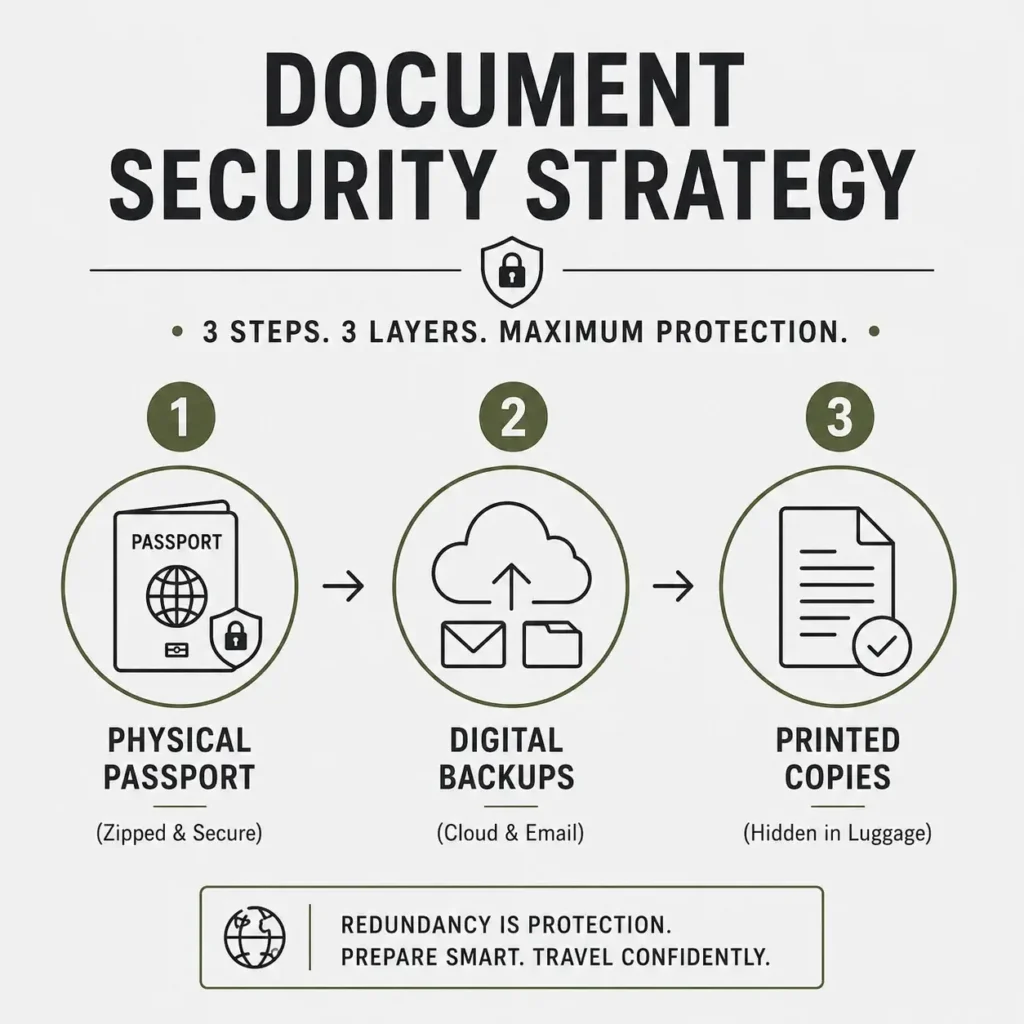
Document Protection Strategy
- The Physical Passport: Keep your passport in a waterproof zip-top bag inside a secure, zipped pocket of your pack. Never leave it lying around in a hotel room or loose in an outer backpack pocket.
- Digital Backups: Take high-quality photos of your passport photo page, your visas, your driver’s license, and your travel insurance policy. Email these photos to yourself and save them securely on a cloud drive that you can access from any device if your phone is lost or stolen.
- Printed Paper Copies: Keep two printed paper copies of your passport hidden in different sections of your luggage. If you ever need to visit an embassy to get an emergency replacement, having a paper copy makes the process much faster.
Smart Travel Banking
- Two Different Debit/Credit Cards: Never travel with just one card. If an ATM swallows your primary card, or if a bank locks your account due to suspicious activity, you need a backup. Keep your secondary card hidden away in your main backpack, completely separate from your everyday wallet.
- No-Foreign-Transaction-Fee Cards: Look for bank accounts that do not charge extra fees when you spend money abroad or withdraw cash from international ATMs. Over a long trip, these small savings add up to a lot of extra street food meals!
- A Small Cash Buffer: While the world is becoming more digital, cash is still king in many places. Keep around $100 US dollars hidden in a secret pocket of your bag. Brand-new, crisp bills are easily exchanged for local currency almost anywhere if you find yourself in an area where ATMs are broken or offline.
Travel Insurance: The One Non-Negotiable Item
I have met many travelers who tried to save money by skipping travel insurance. It is a massive mistake. I view insurance as an essential part of my packing list—if you cannot afford travel insurance, you cannot afford to travel.
Why You Need Coverage
Insurance isn’t just for a canceled flight or a delayed piece of luggage. It is there to protect you from catastrophic medical bills if you are injured in a scooter accident, catch a severe tropical disease, or need emergency evacuation from a remote hiking trail.
When you are traveling independently, having a support network that can coordinate with local hospitals and cover the extreme costs of medical care provides immense peace of mind. For comprehensive coverage options and practical safety advice tailored specifically for independent adventurers, you can explore the plans and guides available on the World Nomads Travel Insurance site, which is designed by travelers for travelers.
The Packing Organization System: Packing Cubes and Pouch Layouts
How you arrange the items inside your bag is just as important as what you choose to bring. If you simply throw everything into your backpack loosely, your gear will shift around, create awkward pressure points against your back, and turn into a messy explosion every time you try to find a clean pair of socks.
The Magic of Packing Cubes
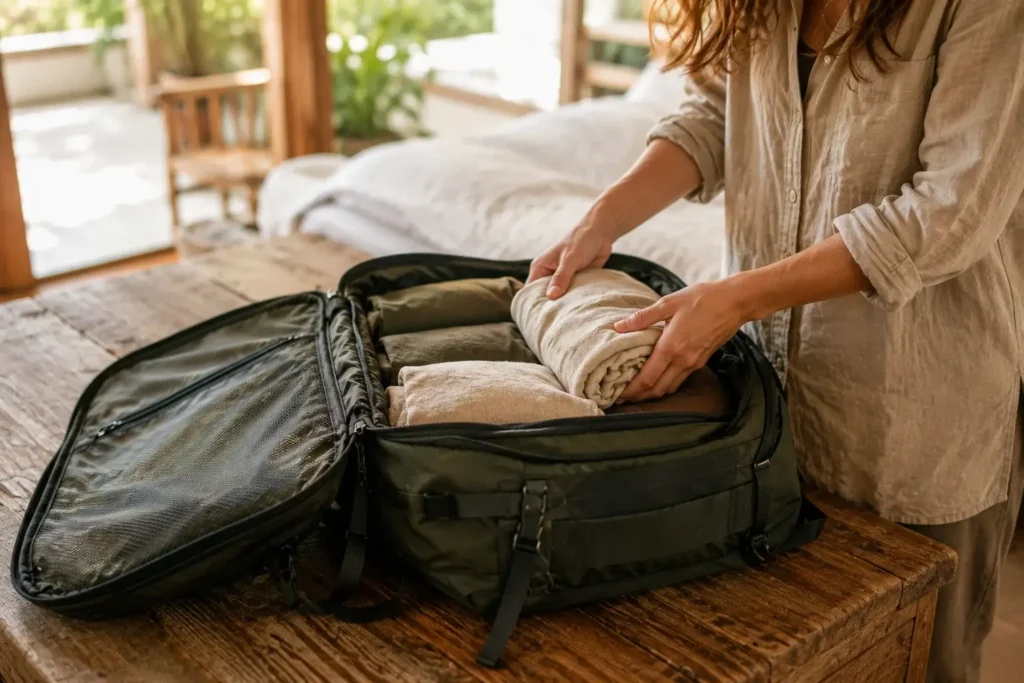
Packing cubes are lightweight, fabric zippered containers that act like portable drawers for your backpack. They keep your clothing tightly compressed and organized by category.
By rolling your clothes tightly instead of folding them flat, you remove excess air, reduce deep wrinkles, and fit significantly more items into a smaller space.
Weight Distribution Tactics
When loading your backpack, keep the heavy items—like your walking shoes, secondary electronics, or toiletry kit—close to the center of your back, right against the main frame of the bag.
Placing heavy items too high can make you feel off-balance, while placing them at the very bottom puts unnecessary, painful strain on your lower back. Fill the bottom and the outer pockets with lighter, soft items like your rain jacket or your sleepwear.
Ultimate Travel Packing Checklist: The Master Reference List
To make things easy for your next big adventure, here is your quick-reference, master packing list. You can copy this list directly into your notes app to tick items off as you pack your bag.
Core Essentials
- [ ] Carry-on backpack or compact rolling suitcase
- [ ] Packable daypack for daily city exploration
- [ ] Passport, visas, and paper copies of IDs
- [ ] Two debit/credit cards from separate banks
- [ ] Printed travel insurance details
- [ ] Universal wall adapter and charging cords
- [ ] External power bank (10,000mAh)
Clothing Capsule
- [ ] 3 Lightweight tops (Merino wool or synthetic)
- [ ] 2 Pairs of comfortable travel pants
- [ ] 1 Pair of shorts or lightweight skirt
- [ ] 1 Modest outfit for cultural site visits
- [ ] 4 Pairs of quick-dry underwear
- [ ] 3 Pairs of merino wool walking socks
- [ ] 1 Lightweight rain jacket
- [ ] 1 Set of comfortable sleepwear
- [ ] 1 Swimsuit
Footwear
- [ ] 1 Pair of sturdy, broken-in walking sneakers or trail runners (Wear during transit)
- [ ] 1 Pair of lightweight, secure sandals (Packed away)
Toiletries & Health
- [ ] Hanging toiletry bag
- [ ] Solid shampoo and conditioner bars
- [ ] Solid deodorant
- [ ] Travel toothbrush and toothpaste tablets
- [ ] Compact first-aid kit (Pain relievers, bandages, blister tape, rehydration salts)
- [ ] Sunscreen and lip balm with SPF
- [ ] Microfiber quick-dry travel towel
Spotlight Destination: Solo Packing for Thailand
To see how this packing checklist functions in the real world, let’s look at a destination that is incredibly popular for first-time solo travelers: Thailand. When I moved there to teach English, I had to completely re-evaluate my wardrobe to match the intense tropical heat, high humidity, and deep cultural traditions of Southeast Asia.
Beating the Heat and Respecting Culture
Thailand is warm year-round, but it is also a deeply spiritual country with beautiful Buddhist traditions. If you plan to explore the stunning historic temples, you must dress respectfully. This means your shoulders and knees must be fully covered.
Instead of heavy pants, pack loose, lightweight linen trousers or a long, breathable skirt. A thin, lightweight sarong is an incredible multi-use tool for your bag; you can wrap it around your waist as an instant skirt when visiting a temple, use it as a beach towel, or use it as a light blanket on cold, air-conditioned night buses.

Getting Around Safely and Comfortably
When you land in a bustling hub like Bangkok, navigating the transport systems can feel overwhelming. To explore local neighborhoods, skip expensive hotel car services and download local ridesharing apps onto your phone. You can find detailed breakdowns of transport options, fare structures, and digital safety features directly on the official Grab app website, which explains how the service provides reliable, upfront pricing for travelers across Southeast Asia.
For exploring long-distance routes between cities or finding high-quality local tour recommendations, checking out the detailed region overviews on the Lonely Planet Thailand destination page will help you plan your travel days with absolute clarity.
Navigating Entry Requirements
Before you even pack your bag, make sure you understand the paperwork required to cross the border smoothly. To check visa exemptions, stay limits, and current safety advisories from government officials, always review the detailed listings on the US Department of State Thailand information page to prevent any unexpected issues at airport immigration counters.
Spotlight Destination: Solo Packing for Cultural Peru
If your travel dreams lean toward high-altitude mountain trekking and ancient civilizations rather than tropical beaches, your ultimate travel packing checklist will need a slightly different focus. Packing for a journey through Peru—home of the incredible Andes mountains and rich indigenous cultures—requires preparing for multiple micro-climates in a single day.
Mastering the Altitude and the Elements
In high-altitude regions like Cusco, the sun can be incredibly hot during the day, but the temperature drops drastically below freezing the moment the sun dips behind the mountains. This is where your layering system becomes your best friend. You will want your high-quality merino wool base layers to wick away sweat while you are hiking, a warm mid-layer fleece, and a windproof, waterproof outer shell to protect you from sudden mountain rainstorms.
Experiencing Living History
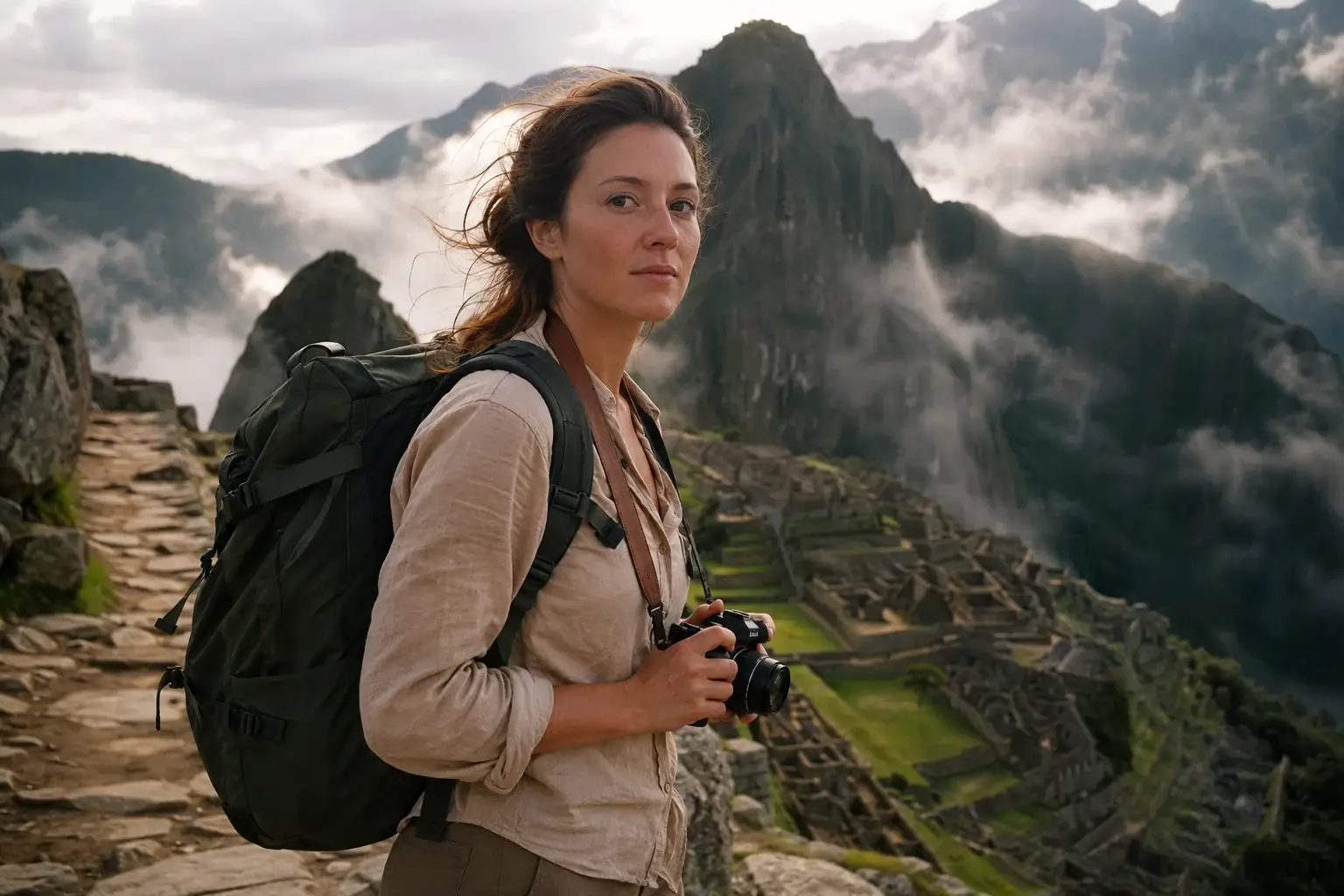
For many independent travelers, the highlight of a trip to South America is standing among the ancient stone structures of Machu Picchu. To truly appreciate the historical importance, architectural mastery, and preservation efforts behind this incredible destination, you can read the official historical records and archaeological preservation details directly on the UNESCO World Heritage Centre Machu Picchu page, which highlights why this site is protected as a treasure of human history.
What to Eat and Local Navigation Advice
When you are in Peru, you cannot miss the incredible culinary scene. Try lomo saltado (a delicious stir-fry of beef, onions, tomatoes, and french fries served over rice) or fresh ceviche if you are down on the coast in Lima.
For getting around safely between historical sites in the Sacred Valley, always use registered, official taxi stands inside the bus terminals or ask your hostel host to call a trusted local driver for you. Avoid simply waving down unmarked cars on the street, especially when traveling by yourself at night.
Spotlight Destination: Solo Packing for Island Hopping in Greece
Let’s look at a third real-world example: exploring the sun-drenched islands of Greece. Island hopping solo across the Aegean Sea requires a balance of light beachwear, sun protection, and gear that can handle windy ferry decks and steep, whitewashed cliffside steps.
Navigating the Cobblestones and Cliffside Towns
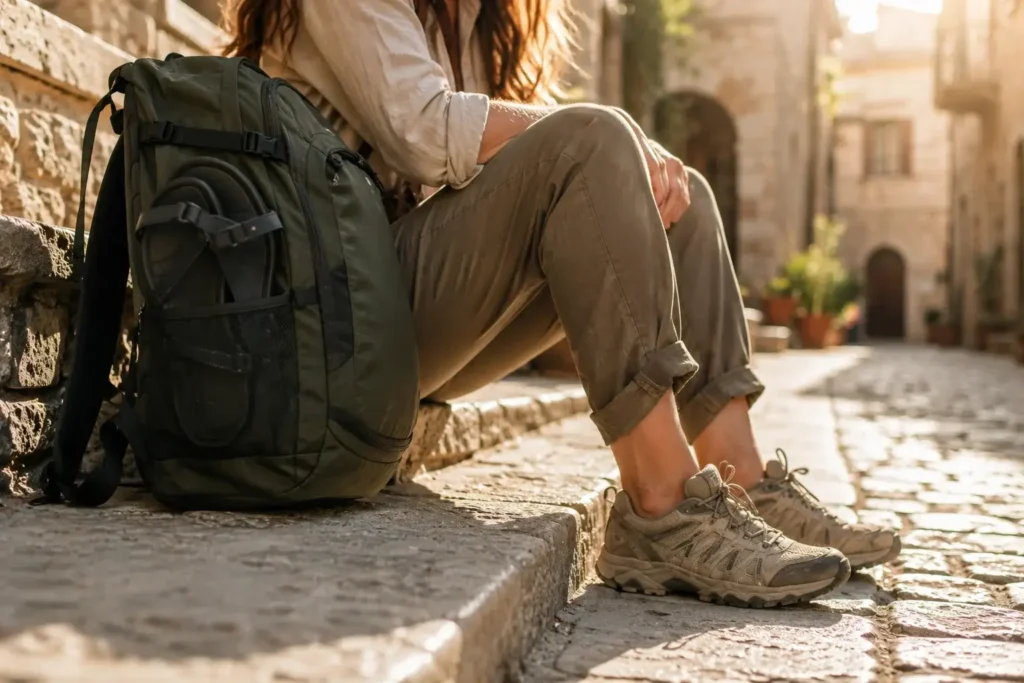
If you have ever seen photos of places like Santorini or Mykonos, you know they are famous for their steep, narrow pedestrian streets and endless stone stairs. Dragging a massive, heavy four-wheeled suitcase up these paths is an absolute nightmare. This is a destination where a 40-liter travel backpack truly shines. You can easily step off the ferry, walk past the struggling tourists, and hike up to your hillside guesthouse with your hands free.
Sun Protection and Island Essentials
The Mediterranean sun can be intense. Along with your sunglasses and a high-quality, eco-friendly sunscreen, make sure to pack a wide-brimmed hat that can be secured to your daypack. For clothing, focus on light, breathable fabrics like linen or thin cotton blends.
Exploring Festivals and Cultural Etiquette
To make the most of your time in Southern Europe, try to align your trip with local cultural events. For detailed schedules of summer music events, traditional island saints’ day festivals, and essential advice on local dress codes for visiting historic orthodox monasteries, you can check the comprehensive planning guides hosted on the Tourism Authority of Thailand cultural events portal, which provides excellent comparative insights into global cultural hospitality and festival planning for international independent travelers.
Common Packing Mistakes That Solo Travelers Make
Even with a comprehensive checklist, it is easy to slip back into old habits when the pre-trip anxiety kicks in. Here are the top three packing pitfalls I see independent travelers make, and exactly how you can avoid them.
Mistake 1: Bringing “Just in Case” Outfits
This is the number one reason bags get heavy. You start thinking, “What if I get invited to a high-end gala?” or “What if it snows while I’m in the desert?”
If an unexpected situation happens, you can easily adapt. If you get cold, you can buy a beautiful, inexpensive scarf or sweater from a local market that doubles as a meaningful souvenir. Pack for the realistic daily reality of your trip, not for highly unlikely hypothetical scenarios.
Mistake 2: Buying a Bag That is Too Big
If you carry a 65-liter backpack, you will inevitably find things to put in it until it weighs 45 pounds. Force yourself to use a smaller, carry-on-sized bag. By limiting the physical space available, you naturally become more selective, thoughtful, and intentional about every single item you choose to bring along.
Mistake 3: Forgetting a Dedicated Laundry Solution
You will have dirty clothes on your trip. If you mix your sweaty, dusty hiking socks back into the main compartment of your bag with your clean shirts, your entire wardrobe will quickly start to smell unpleasant. Always pack a ultra-lightweight mesh laundry bag or a simple nylon stuff sack to keep your dirty gear completely isolated until you can wash it.
Final Thoughts: The Bag is Small, but the World is Big
When you finish packing your bag using this ultimate travel packing checklist, take a step back and look at it. It might look surprisingly small. You might feel a brief moment of nervousness, wondering if you have truly brought enough to handle the vast world waiting out there.
I want you to take a deep breath and trust the process.
When I left my office cubicle behind, I thought I needed an endless amount of material things to feel safe and secure. But as I traveled farther, stayed in humble local guesthouses, and connected with incredible people from completely different cultures, I realized that the less stuff I carried on my back, the more room I had in my heart for new experiences, deep friendships, and life-changing personal growth.
You do not need a massive suitcase filled with expensive gear to be an explorer. You just need a reliable bag, a pair of supportive walking shoes, a healthy dose of curiosity, and the courage to take that very first step. Your bag is packed, your setup is streamlined, and you are completely capable of handling whatever beautiful surprises the road has in store for you.