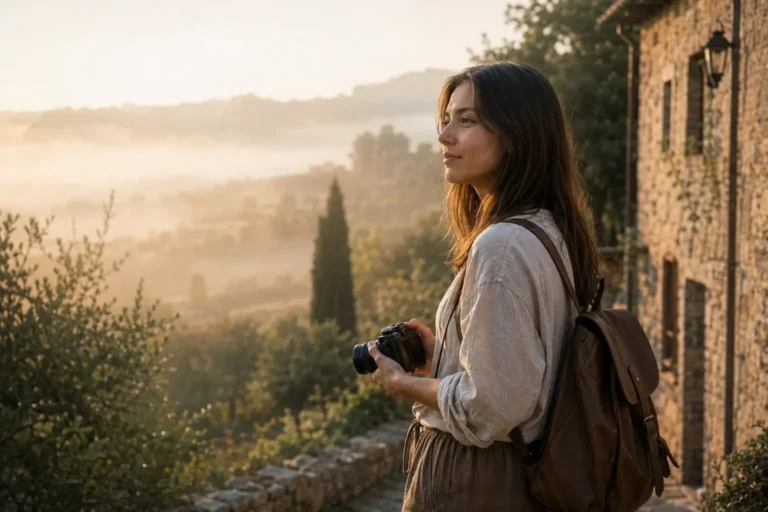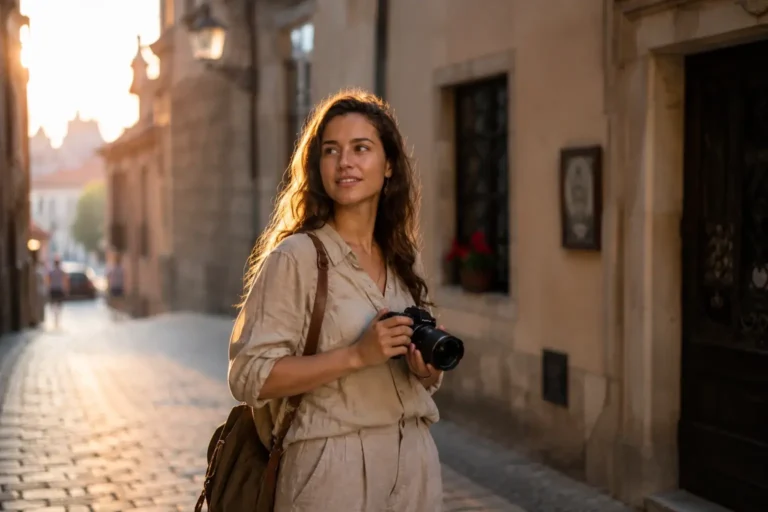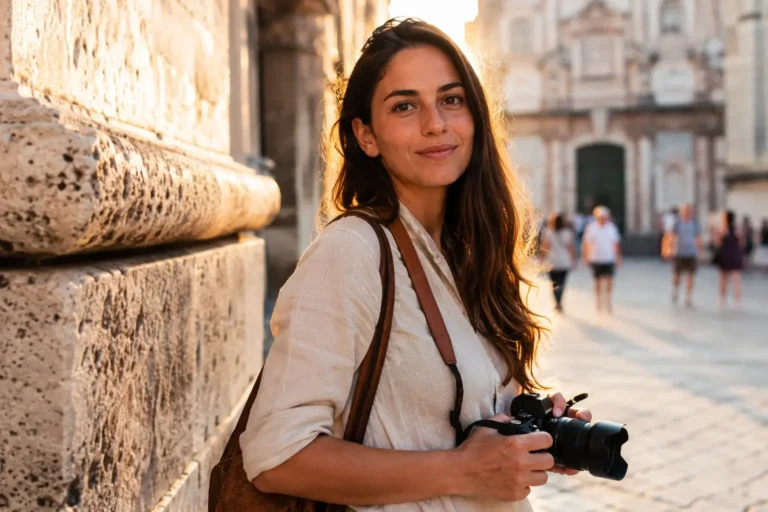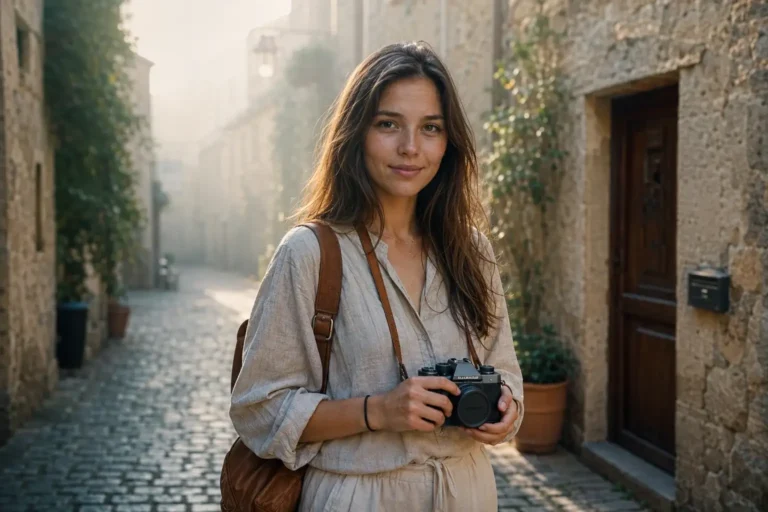
There is a distinct moment of panic that every solo traveler knows all too well. You are standing at a train station platform, the overhead arrival board is flashing in a language you do not fully understand, and your train is departing in exactly two minutes. To reach it, you have to sprint up three flights of steep, concrete stairs and weave through a sea of rushing commuters.
If you are hauling a massive, fifty-pound suitcase that strains your shoulders and slows your steps, that moment becomes a stressful nightmare. But if you have a single, lightweight carry-on backpack strapped comfortably to your back, you can take a deep breath, zip past the crowds, and step onto the train with ease.
When I first started traveling years ago, I did not know how to pack light. I used to pack my bags to the absolute brim with “just in case” outfits, extra pairs of shoes I never wore, and heavy beauty tools. During my days working as a certified sightseeing guide in New York City, I watched thousands of tourists drag oversized bags across cracked sidewalks, looking exhausted, sweaty, and completely weighed down. Later, when I left my traditional office job to backpack solo across Europe and teach English in Thailand, I quickly learned that excessive luggage is a heavy tax on your physical energy, your mental peace, and your safety.
But here is the catch that stops most people from downsizing their bags: we still want to feel good in what we wear. We want to blend in with the locals at a sidewalk cafe, look respectful when visiting historical temples, and feel confident in our travel photos. You do not have to live in baggy, zip-off cargo pants and neon hiking shirts just because you want to avoid checked bag fees.
I am here to tell you that you can have the best of both worlds. Learning how to pack light and still look stylish is an achievable skill that changes the way you experience the world. It is about shifting your mindset from scarcity to curation. When you pack smart, your clothes become tools that empower your journey rather than heavy burdens that hold you back. Let us dive deep into the exact blueprints, strategies, and clothing formulas that will help you travel light, move freely, and look great on your next solo adventure.
The Hidden Costs of Overpacking for Solo Travelers
When you travel with someone else, you have a built-in buddy system. If you need to use the restroom at a busy bus terminal or pop into a convenience store to buy a bottle of water, your companion can watch your bags. When you are traveling completely by yourself, your luggage goes everywhere you go. There is no one else to share the physical load or keep an eye on your things. Overpacking creates real, tangible challenges that can directly impact your solo travel experience.
The Threat to Your Personal Safety and Mobility
An oversized, heavy bag makes you an easy target for opportunistic theft. When you are visibly struggling to lift a giant suitcase over a curb or wrestling a massive duffel bag through a turnstile, your attention is split. You are focusing entirely on your luggage instead of paying attention to the environment around you. Pickpockets look for travelers who are distracted and physically restricted.
A light bag allows you to keep your head up, maintain awareness of your surroundings, and move with purpose. If you ever feel uncomfortable in a specific neighborhood or realize you walked down the wrong street, you need to be able to turn around and walk away quickly without being slowed down by your gear.
Financial Drains and Broken Budgets
Airlines are continuously tightening their baggage policies. Checking a bag on multiple flights can quickly add hundreds of dollars to your trip expenses. When I was waitressing and working flexible jobs to save up money for my long-term travels, every single dollar mattered. I quickly realized that spending fifty dollars on a checked bag fee meant fifty dollars less for local food, museum entry tickets, or train passes.
Additionally, if your bag is too heavy to carry on public transport, you will find yourself forced to take expensive taxis instead of riding local subways or buses. Packing light keeps your hard-earned money in your pocket, allowing you to invest it into memorable travel experiences instead of airline fees.
The Mental Fatigue of Decision Paralysis
When you pack too many clothes, you bring the daily stress of your home closet on the road with you. Spending twenty minutes every morning sorting through an exploding suitcase trying to find an outfit is a waste of precious travel time.
A minimalist, highly curated wardrobe removes that mental fatigue completely. When every single piece of clothing in your bag matches every other piece, getting dressed takes less than two minutes. You can pull on an outfit with complete confidence knowing it works, step out of your hostel or guesthouse door, and spend your energy focusing on the beautiful destination you came to explore.
Deconstructing the Travel Capsule Wardrobe
The absolute foundation of learning how to pack light and still look stylish is the travel capsule wardrobe. This is a small, intentional collection of clothing items that can be mixed, matched, and layered to create dozens of unique outfits. Instead of packing full, separate outfits for every day of your trip, you pack individual pieces that work together in harmony.
The Rule of Three
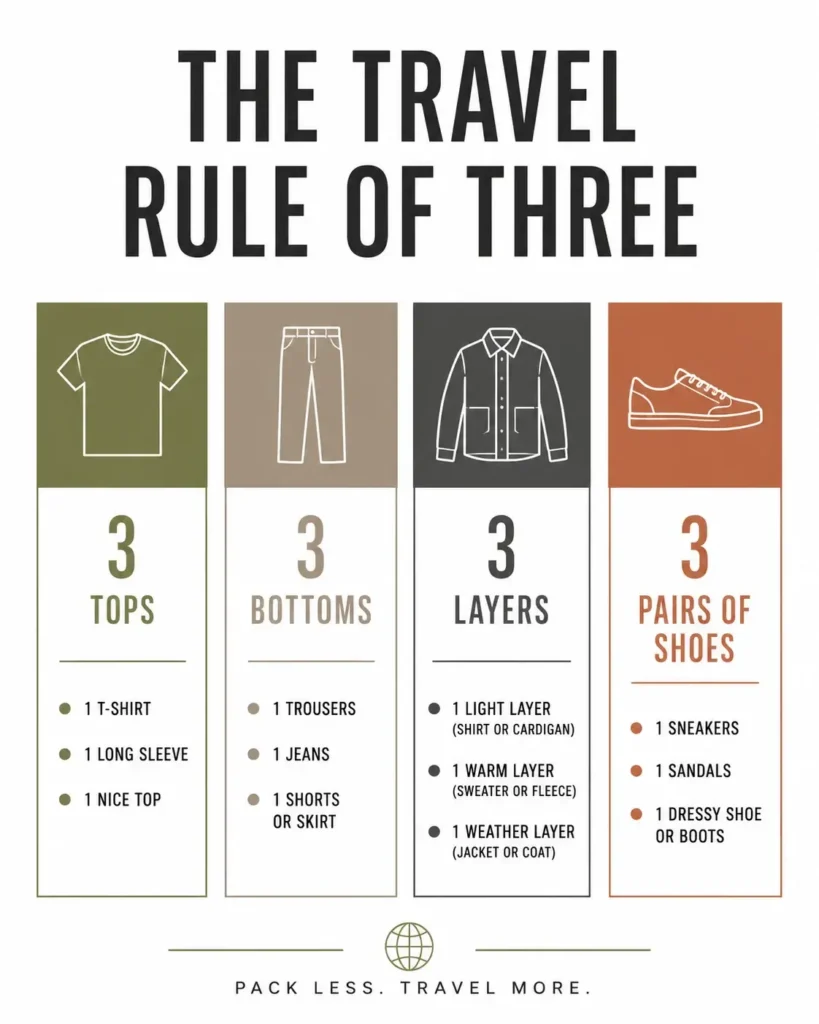
When planning your capsule wardrobe, the simplest guide to follow is the Rule of Three. For each major clothing category, aim to pack three versatile items:
- Three Tops: One casual t-shirt for daily exploring, one lightweight long-sleeve layer for sun protection or cooler weather, and one nicer top for evenings out.
- Three Bottoms: One pair of comfortable walking pants or tailored trousers, one pair of breathable shorts or a casual skirt, and one versatile option like dark-wash denim or dark leggings.
- Three Layers: One light jacket (like a denim or utility jacket), one cozy sweater or cardigan, and one packable rain shell.
- Three Pairs of Shoes: One pair of supportive walking sneakers, one pair of versatile sandals or boots, and one lightweight pair of slip-ons or flats.
By sticking to this framework, you naturally limit the bulk in your bag while ensuring you have enough variety to handle different weather conditions and social settings.
Establishing a Cohesive Color Palette
To make sure every single top matches every single bottom in your bag, you must establish a clear color palette before you start packing. The easiest way to do this is to choose two base neutral colors and one or two accent colors.
Base neutrals should make up your heavy-wear items like pants, jackets, and shoes. Great travel neutrals include black, navy blue, charcoal grey, olive green, taupe, and khaki.
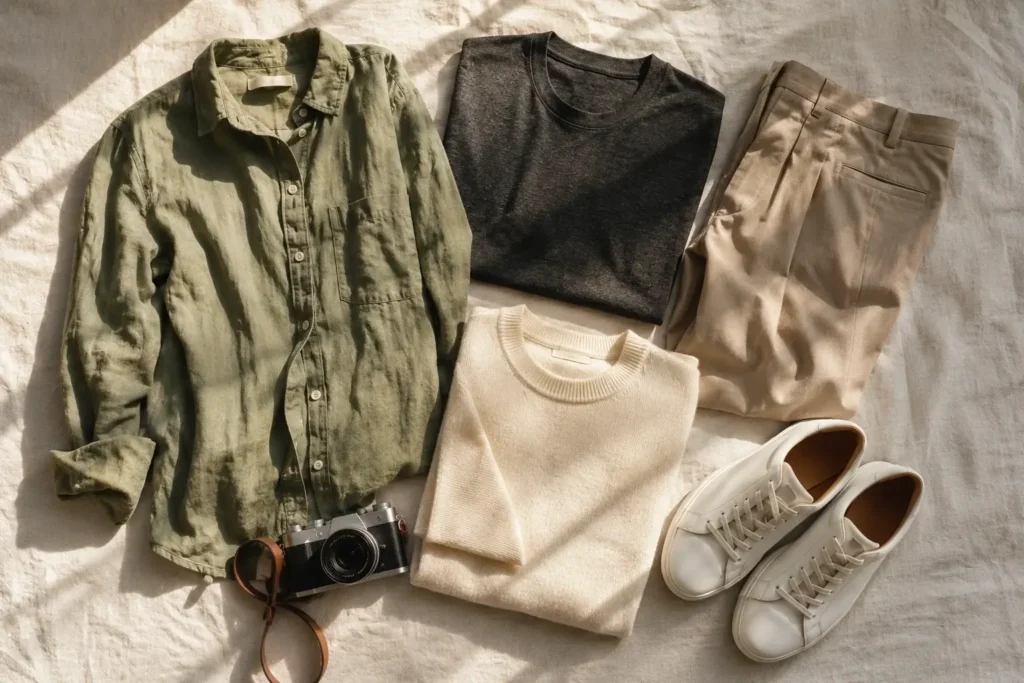
These colors are fantastic because they do not show dirt or stains easily, and they naturally look polished and intentional.
Once you have your neutrals selected, you can add personality to your wardrobe with one or two accent colors for your t-shirts, scarves, or accessories. For example, a palette of black and olive green as your neutrals can be beautifully accented with touches of terracotta or soft cream. Because everything fits within this pre-planned color family, you can blindly pull any top and any bottom out of your bag in the dark, and they will still look great together.
Fabric Selection: The Secret to Longevity and Style
The fabrics you choose will determine how light your bag is, how well your clothes resist odors, and how quickly they dry after washing. When you are looking at your clothes, step away from cheap, 100% heavy cotton items. Cotton absorbs moisture, takes forever to dry, wrinkles easily, and holds onto body odors. Instead, look for performance fabrics and natural fibers that are built for the road:
- Merino Wool: This is the absolute holy grail of travel fabrics. Merino wool is incredibly soft, regulates your body temperature in both heat and cold, and is naturally antimicrobial. You can wear a high-quality merino wool t-shirt multiple times through sweaty days of walking without it developing any bad smells.
- Linen Blends: Linen is exceptionally breathable and perfect for hot, tropical climates. While pure linen wrinkles instantly, choosing a linen-rayon or linen-cotton blend gives you all the cooling benefits of linen while keeping wrinkles to a minimum.
- Tencel and Lyocell: These sustainable, wood-pulp fibers are silky-smooth, drape beautifully on the body, and resist wrinkles exceptionally well. A Tencel button-down shirt can be worn casually over a tank top during the day or buttoned up and tucked into trousers for a sophisticated dinner look.
- Technical Synthetic Blends: Modern nylon, polyester, and elastane blends are lightweight, stretchy, and highly durable. Look for synthetic fabrics with a matte finish rather than a shiny athletic look, so they look like high-end streetwear rather than gym clothing.
Footwear: The Toughest Packing Challenge Solved
Ask any solo traveler what takes up the most space and adds the most weight to their bag, and they will all give you the same answer: shoes. Shoes are bulky, heavy, and cannot be compressed down. If you want to know how to pack light and still look stylish, you have to conquer your footwear choices.
You do not need a different pair of shoes for every single activity. You only need two to three pairs of high-quality, highly versatile shoes that have been completely broken in before your trip.
The Anchor: The Stylish Walking Sneaker
Your primary shoe must be a supportive walking sneaker that can handle ten to fifteen miles of walking on hard pavement, cobblestones, or dirt paths every day. However, leave your neon-colored, bulky running shoes at home unless you plan on running a marathon during your trip.
Instead, opt for a sleek, minimalist sneaker in a solid neutral color like white, black, or grey. Leather or high-quality canvas sneakers look clean, deliberate, and sophisticated.
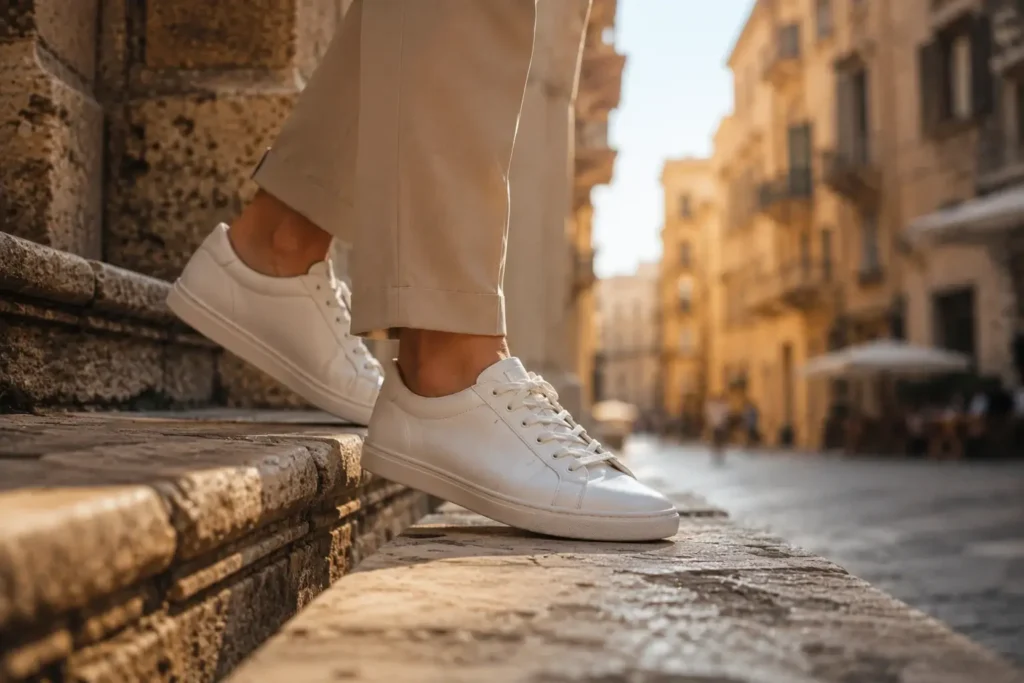
They pair effortlessly with casual shorts during a daytime walking tour, look trendy with tailored trousers, and can even be worn with a casual dress or skirt for an evening meal.
The Transition Shoe: Sandals, Boots, or Loafers
Your second pair of shoes should depend heavily on the climate of your destination:
- For Warm Climates: Choose a supportive leather sandal with an ankle strap. Avoid flimsy plastic flip-flops, which offer zero arch support and look messy outside of the beach. Brand names like Birkenstock, Chacos, or Teva make leather sandals that feature contoured footbeds for all-day comfort while looking elevated enough for a nice restaurant.
- For Cool Climates: Pack a classic, low-heeled leather ankle boot or Chelsea boot. Ensure the leather is treated with a waterproof coating. A sleek leather boot looks incredibly stylish, keeps your feet warm and dry during rainy days, and transitions perfectly from a day exploring local museums to a night out at a jazz club.
The Rule for Packing Shoes
Always wear your heaviest, bulkiest pair of shoes (typically your boots or walking sneakers) on the plane or train during your travel transit days. This keeps the heaviest weight out of your bag and frees up massive amounts of physical space for your lighter items. Place your secondary shoes along the spine or bottom of your backpack or suitcase, stuffing the insides of the shoes with socks or underwear to maximize every square inch of space.
Clever Styling Strategies to Elevate Low-Volume Outfits
Looking stylish while traveling light does not require a large number of clothes; it requires a smart approach to styling the clothes you do have. With a few simple tricks, you can take a basic, comfortable outfit and transform it into something that looks intentional, fashionable, and completely unique.
The Power of Lightweight Accessories
Accessories are the ultimate secret weapon for minimalist travelers. They take up almost zero physical space in your carry-on bag, weigh practically nothing, and can completely change the visual look of an outfit.
A high-quality, lightweight scarf is one of the most versatile items you can carry. In cooler climates, a wool or cashmere scarf adds immediate warmth and a pop of color to a simple jacket. In warmer, culturally conservative regions, a large cotton or silk scarf can be pulled out of your daypack to cover your shoulders or head when entering holy sites, historic mosques, or local temples.
Jewelry is another fantastic way to elevate your look. A simple pair of classic hoop earrings, a delicate gold necklace, or a nice watch can instantly transform a basic black t-shirt and jeans from a casual daytime outfit into a sleek look for dinner. Stick to a few versatile jewelry pieces and store them safely in a small, padded pouch inside your bag.
Mastering the Art of Layering
Layering is essential for staying comfortable in changing weather conditions, and it is also an excellent tool for creating distinct visual styles. Instead of packing one heavy, bulky winter coat that only works in freezing temperatures, pack multiple thin, insulating layers that can be worn individually or stacked together.
For example, consider a simple base outfit consisting of a breathable merino wool tank top and dark trousers.
- On a warm afternoon, you can wear the tank top and trousers on their own with a pair of stylish sandals.
- As the sun goes down and the temperature drops, you can layer a lightweight linen button-down shirt over the tank top, leaving it unbuttoned for a relaxed, breezy look.
- If a cool breeze picks up later in the evening, you can pull a thin cashmere crewneck sweater over the button-down shirt, letting the collar peek out for a classic, preppy look.
- If it begins to rain, you can top the entire ensemble with your waterproof rain shell.
By layering thin pieces, you create multiple distinct outfits from the exact same items while remaining prepared for any weather situation.
The “Third Item” Rule
A simple fashion rule that works wonders for travel is the Third Item Rule. A basic outfit consisting of just a top and a bottom can sometimes look plain or incomplete. By adding a third item, you instantly create a more cohesive, stylish look.
Your third item could be a lightweight denim jacket, a tailored vest, a utility shirt worn open, or even a bold statement scarf. This extra element adds visual texture and depth to your look, making it clear that your outfit was thoughtfully put together rather than thrown on out of necessity.
Cultural Curiosity: Dressing to Blend In Globally
True style is not just about looking good in a vacuum; it is about respecting the communities, traditions, and environments you are visiting. As a culturally curious solo traveler, your goal should be to blend in naturally with the locals rather than standing out as a glaring tourist. When you dress with cultural awareness, you open the door to deeper, more authentic interactions with the people you meet along the way.
Before you zip your bag shut, take time to research the local dress codes, social norms, and cultural expectations of your destination. For example, if you are planning a solo journey through Southeast Asia, it is crucial to understand that modesty is highly valued, especially when visiting sacred locations. For detailed guidance on local customs, packing recommendations, and cultural etiquette, you can browse the comprehensive regional travel resources available directly through the Tourism Authority of Thailand to make sure your clothing choices respect local traditions.
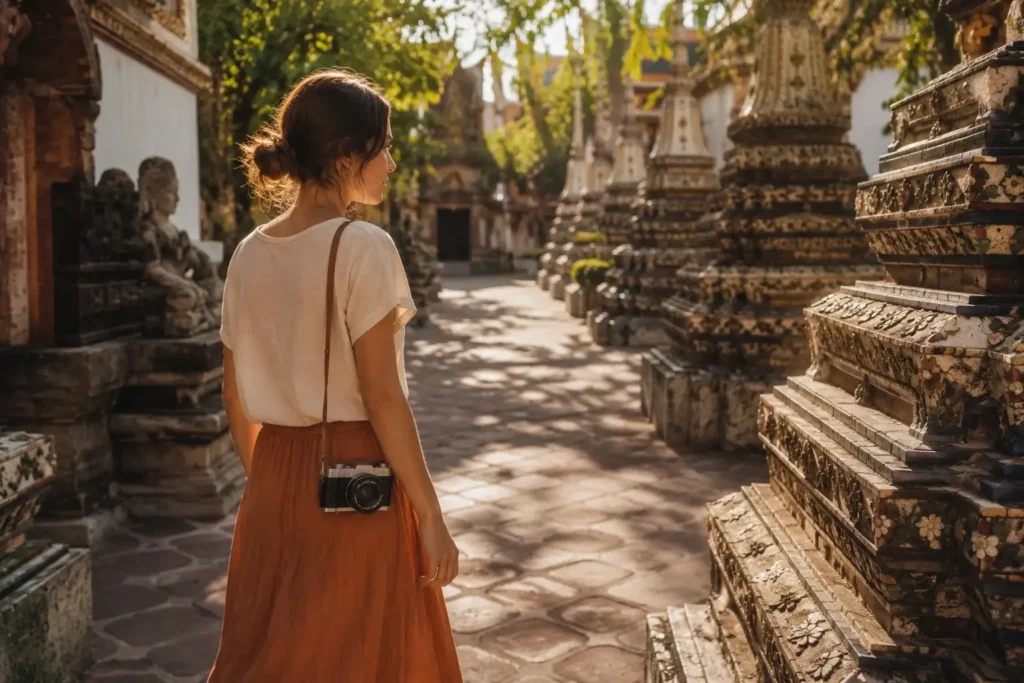
In many parts of the world, wearing revealing clothing like short shorts, tank tops, or athleisure wear outside of a fitness environment is considered inappropriate or highly unusual. In European cities like Paris, Florence, or Madrid, locals generally dress in smart, tailored clothing and tend to avoid overly casual sportswear like sweatpants or plastic sandals. By opting for classic trousers, modest necklines, and midi-skirts, you honor the local culture while naturally protecting yourself from unwanted attention as a solo traveler.
Gear, Packing Tools, and Space-Saving Techniques
Once you have selected your perfect capsule wardrobe, the next step is organizing and compressing those items into your carry-on bag. Having the right tools and using efficient packing techniques will allow you to maximize your space and keep your clothes organized throughout your entire trip.
Packing Cubes: The Ultimate Organization Tool
If you are still placing loose clothing directly into your suitcase or backpack, packing cubes will completely revolutionize your travel experience. Packing cubes are small, lightweight fabric containers that act like portable drawers for your luggage. They keep your clothes tightly organized by category, preventing your bag from becoming a chaotic mess of mixed garments.
I highly recommend investing in compression packing cubes. These specialized cubes feature an extra perimeter zipper that pulls the air out of the cube, compressing your clothes down and reducing the total volume they occupy by up to 40%.
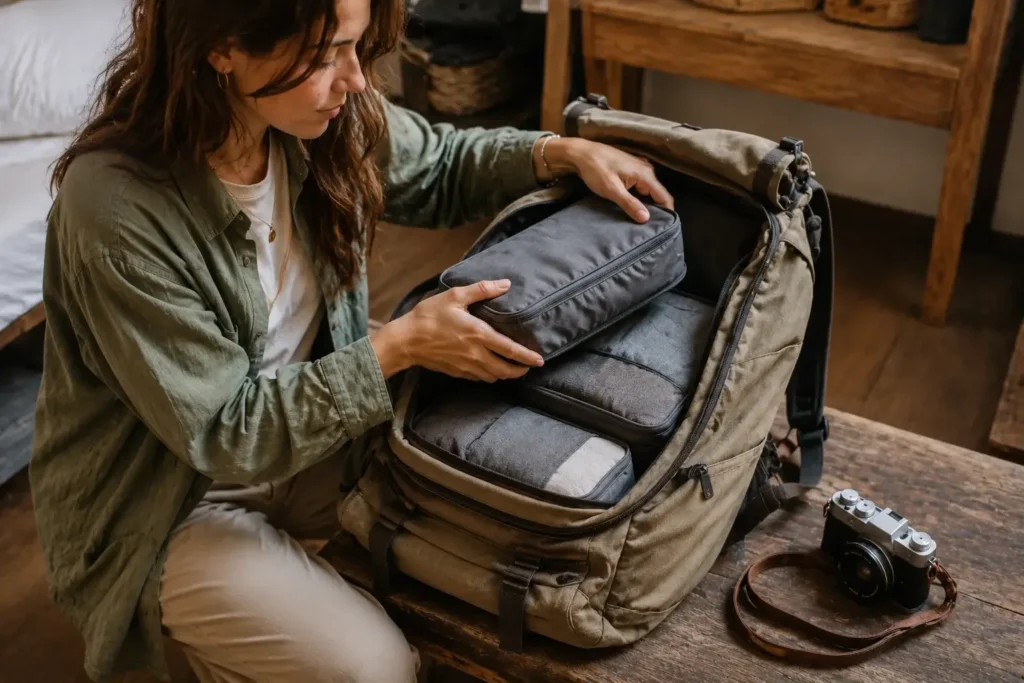
You can use one cube for your tops, one for your bottoms, and a separate smaller cube for socks and underwear. This makes it incredibly easy to find exactly what you need without unpacking your entire bag at your hostel or hotel room.
The Rolling Method vs. The Ranger Roll
The way you fold your clothes matters immensely. Traditional flat folding creates large, square shapes that take up excessive surface area and cause deep wrinkles along the fold lines. Instead, use the rolling method. Tightly rolling your clothing items into compact, cylindrical shapes allows them to fit snugly next to each other inside your packing cubes, eliminating wasted air pockets.
For maximum space-saving efficiency, you can learn the Ranger Roll technique. This method involves folding the bottom hem of a shirt or pair of pants inside out before rolling the garment tightly from the opposite end.
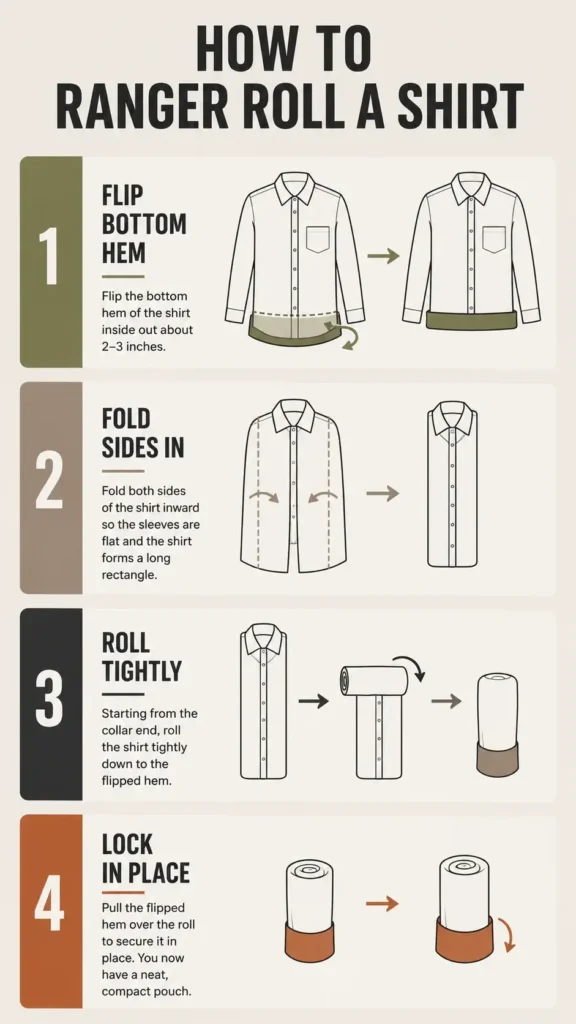
Once rolled, you tuck the entire garment securely into the folded hem pocket, creating a solid, self-contained clothing bundle that will not unroll or shift inside your bag.
RANGER ROLL TECHNIQUE:
1. Turn the bottom 2 inches of the shirt inside out to create a pouch.
2. Fold both sleeves and sides inward horizontally to create a straight column.
3. Roll the shirt tightly from the collar all the way down to the bottom hem.
4. Fold the inside-out pouch back over the roll to lock the shirt securely in place.
Minimizing Toiletries and Beauty Routines
Liquid toiletries are often the primary reason travelers fail to stick to a carry-on-only bag. To comply with airport security rules, all your liquids must fit inside a single, one-quart clear bag, and each container must be under 3.4 ounces (100ml).
The easiest way to bypass this restriction is to switch to solid toiletries. Today, you can easily find high-quality solid shampoo bars, conditioner bars, solid body moisturizers, and even solid toothpaste tablets. These solid alternatives work beautifully, last much longer than liquid versions, cannot leak or ruin your clothes, and do not count toward your airline liquid limits.
When it comes to makeup and styling tools, simplify your routine as much as possible. Leave heavy hair dryers, curling irons, and large makeup palettes at home. Opt for a versatile multi-use product, like a tint that works as both a lip color and a cheek blush, and rely on heatless hairstyling techniques like overnight braids to keep your hair looking great without heavy gear.
Navigating the Realities of Solo Travel Logistics
Traveling with a small carry-on bag means you will eventually need to wash your clothes during your journey. Embracing the logistics of regular laundry is a fundamental part of successful long-term solo travel, and it is far easier than it sounds.
Mastering the Sink Laundry Routine
You do not need access to a full washing machine to keep your clothes fresh. You can easily wash your lightweight garments directly in your hotel or hostel bathroom sink. Pack a few small packets of concentrated travel sink laundry detergent or a solid laundry soap bar.
To wash your clothes, fill the sink with lukewarm water, add a small amount of soap, and gently agitate the clothes with your hands for a few minutes, paying extra attention to areas like underarms. Rinse the clothes thoroughly with clean water, gently squeeze out the excess liquid (never wring or twist delicate fabrics harshly), and hang them up to dry. Because you selected quick-drying fabrics like merino wool or synthetic blends, your clothes will easily dry overnight and be completely ready to wear again by the morning.
Utilizing Local Laundromats and Services
If you are on a longer trip and do not want to spend time washing clothes by hand, look for local laundry options. In many parts of the world, drop-off laundry services are incredibly affordable and highly convenient. You can drop off a bag of dirty clothes in the morning, spend your day exploring, and pick up your clothes beautifully washed, dried, and folded in the evening.
Alternatively, visiting a local self-service laundromat is a fantastic, authentic cultural experience. It gives you a small glimpse into the daily life of local residents and provides a peaceful hour to journal, plan your next route, or read a book.
Staying Secure and Prepared on the Road
While looking stylish and moving light are wonderful goals, your ultimate priority as a solo traveler must always be your safety and well-being. Packing light directly supports your security, but there are a few additional practical steps you should take to ensure you are fully prepared for any situation.
Protecting Your Documents and Finances
Always keep your most critical items—your passport, credit cards, cash, and emergency medical information—directly on your person when moving between destinations. Use a slim, RFID-blocking neck pouch or a secure money belt worn hidden underneath your clothing layers.
Never keep all your money and credit cards in a single wallet. Split your financial resources up: keep one debit card and a small amount of local currency in your primary wallet for daily expenses, and hide a backup credit card and emergency cash in a secure, zippered pocket deep inside your main carry-on bag.
Before setting off on an international journey, it is vital to verify that your travel documents match the entry requirements of your destination. For up-to-date information on international entry rules, safety advisories, and mandatory travel warnings, you should consult the official portal of the US Department of State Travel to review detailed country-specific guidelines before you book your flights. Keeping digital copies of your passport, visa confirmations, and vaccination records stored securely in an encrypted cloud folder ensures you can access them from any device in an emergency.
Investing in Reliable Travel Insurance
No matter how carefully you pack or how prepared you are, unexpected challenges can happen on the road. Luggage can get misplaced, flights can be canceled, or you might experience an unexpected illness or injury far from home.
As a solo traveler, having a comprehensive safety net is absolutely essential for your peace of mind. To protect yourself from unexpected financial losses and ensure you have access to 24/7 emergency medical assistance anywhere in the world, you can explore the flexible, traveler-focused coverage plans offered through World Nomads Travel Insurance to find a policy that matches your specific adventure itinerary. Having proper insurance allows you to explore with complete confidence, knowing that you are fully supported if something goes wrong.
Navigating Local Transportation Safely
When you arrive in a brand new city after a long, tiring flight or train ride, navigating the local transit system can feel overwhelming. Having a lightweight bag makes this transition significantly easier, but you still need a clear plan for reaching your accommodation safely.
If you are traveling through areas where traditional street taxis are known for overcharging tourists or operating without official meters, utilizing modern ride-sharing smartphone applications is an excellent way to protect yourself. In regions like Southeast Asia, downloading and using the official Grab official app allows you to instantly book secure rides with upfront, transparent pricing, tracked GPS routes, and verified drivers, completely eliminating the stress of negotiating fares in a foreign language. Always download the necessary local transportation apps and pre-load the offline maps of your destination onto your phone before you arrive.
Sample Style Blueprints for Diverse Destinations
To help you visualize how these principles come together in real life, let us explore two distinct packing blueprints for completely different travel environments. Each blueprint fits perfectly into a single 40-liter carry-on backpack.
Blueprint 1: The European Cultural Capital Tour (Spring/Autumn)
This wardrobe focuses on classic tailoring, elegant layers, and sophisticated pieces designed for exploring historic streets, world-class museums, and local bistros in cities like Paris, Vienna, or Rome.
- The Palette: Charcoal grey, black, crisp white, with accents of deep burgundy.
- The Clothing List:
- 1 tailored trench coat or wool-blend coat (wear on plane)
- 1 lightweight denim jacket or unstructured blazer
- 1 high-quality cashmere crewneck sweater
- 1 silk or Tencel long-sleeve button-down shirt
- 2 minimalist merino wool t-shirts (one white, one black)
- 1 pair of dark-wash tailored jeans
- 1 pair of high-waisted wide-leg trousers
- 1 modest midi-dress that can be layered over t-shirts
- The Footwear:
- 1 pair of clean, sleek white leather walking sneakers
- 1 pair of waterproof black leather Chelsea boots (wear on plane)
- The Accessories: 1 large patterned wool scarf, a minimalist leather crossbody bag with anti-theft zippers, and classic gold jewelry.
Blueprint 2: The Tropical Southeast Asian Adventure (Year-Round)
This wardrobe prioritizes extreme breathability, sun protection, and loose-fitting, modest silhouettes that keep you cool while respecting local cultural traditions.
- The Palette: Light olive green, sandy taupe, soft cream, with accents of warm terracotta.
- The Clothing List:
- 1 ultra-lightweight, packable rain shell (for sudden tropical downpours)
- 1 linen button-down shirt (great as a sun shield or evening layer)
- 3 lightweight Tencel or bamboo tank tops and tees
- 1 pair of loose, breathable linen-blend trousers
- 1 pair of lightweight utility shorts
- 1 lightweight maxi-skirt or jumper dress
- 1 swimsuit
- The Footwear:
- 1 pair of breathable, lightweight mesh walking sneakers (wear on plane)
- 1 pair of supportive, waterproof leather sandals with secure ankle straps
- The Accessories: 1 large, lightweight cotton sarong (can be used as a beach towel, a shoulder covering for temples, or a light blanket), a wide-brimmed packable sun hat, and a water-resistant daypack.
Your Step-by-Step Pre-Trip Packing Routine
To ensure you successfully pack light and look stylish for your upcoming solo journey, use this systematic, stress-free routine one week before your departure date.
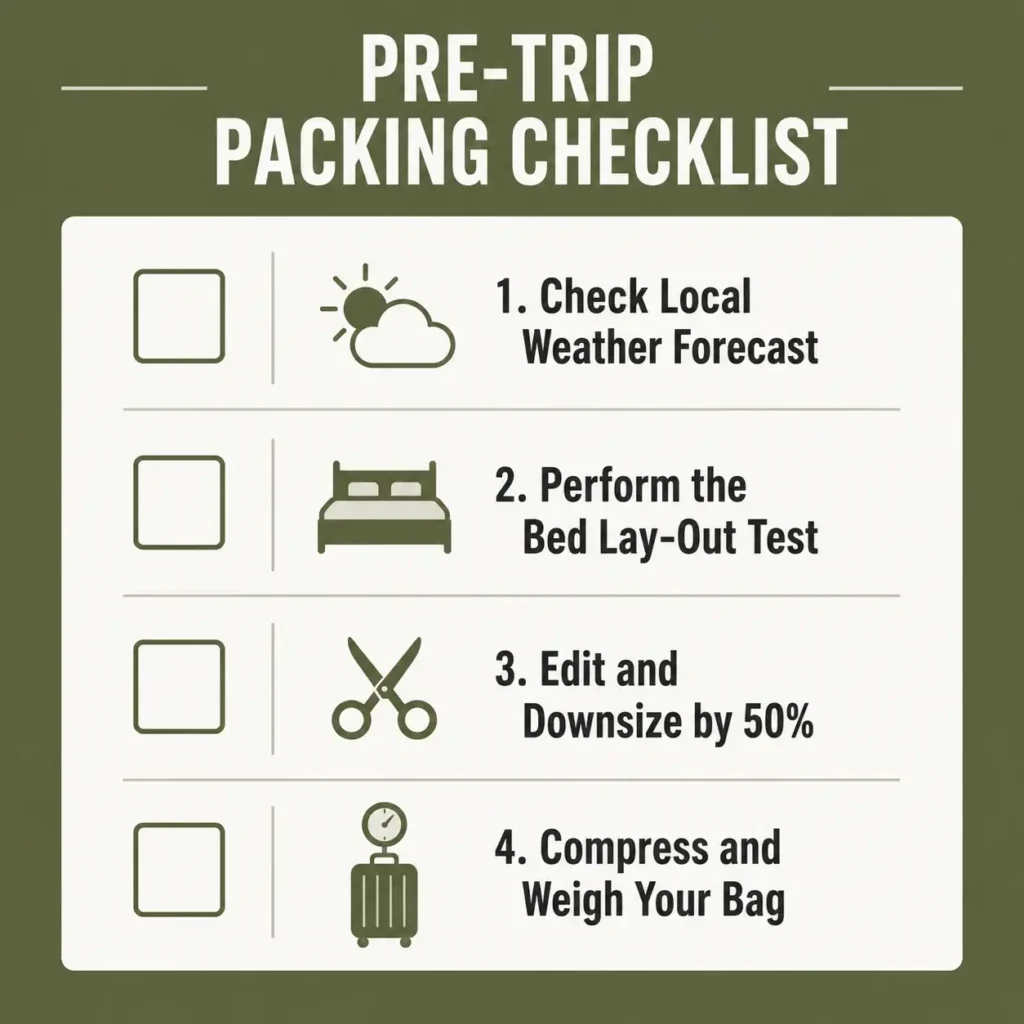
1. Check the Local Weather Forecast
Look up the extended weather forecast for your destination. Pay attention not only to the daytime high temperatures but also to the nighttime lows and the percentage chance of rain. This allows you to make data-driven adjustments to your capsule layers rather than guessing wildly.
2. The Bed Lay-Out Test
Clear off your bed and lay out every single clothing item, shoe, and piece of gear you are planning to bring. Take a step back and examine the collection as a whole. Ask yourself these critical questions:
- Can I wear this top with at least three different bottoms on the bed?
- Have I packed any items that require a specific, single-use bra or accessory?
- Is everything on the bed genuinely comfortable to sit in for a long flight? If an item does not pass these versatility tests, remove it from the bed immediately.
3. Edit and Downsize by Half
Look closely at your edited selection on the bed, and challenges yourself to remove one-third to one-half of the clothes. We almost always pack more than we realistically need out of habit. Remind yourself that local stores exist everywhere in the world—if you truly find yourself in desperate need of a specific item during your trip, you can easily purchase it locally, creating a wonderful, unique souvenir with a story attached to it.
4. Pack, Compress, and Weigh Your Bag
Place your remaining items neatly into your compression packing cubes using the rolling method. Arrange the cubes strategically inside your carry-on bag, placing the heaviest items closest to the spine or bottom of the bag to ensure a balanced center of gravity. Zip the bag shut, lift it up, and weigh it on a luggage scale. Ensure your fully packed bag sits comfortably under the standard carry-on weight limits of your airlines (typically between 15 and 22 pounds).
Conclusion: The Ultimate Freedom of Minimalist Travel
When you first start downsizing your travel gear, it can feel like a difficult challenge. Giving up the familiar comfort of a large suitcase full of options takes a small leap of faith. But the very first time you step off an airplane in a foreign country, bypass the crowded, chaotic baggage claim carousels completely, and walk straight through the airport exit doors into the fresh air, you will realize the immense power of minimalist travel.
Learning how to pack light and still look stylish is not about depriving yourself. It is about choosing freedom, agility, and presence over material clutter. By curating a thoughtful, versatile capsule wardrobe that respects both your personal style and the local cultures you visit, you build deep confidence in your own resourcefulness. You prove to yourself that you do not need a mountain of possessions to move beautifully and confidently through the world.
So, take a deep breath, leave the extra shoes behind, and zip up your lightweight carry-on bag. The world is waiting for you to explore it with an open mind, a curious heart, and light, unburdened steps.