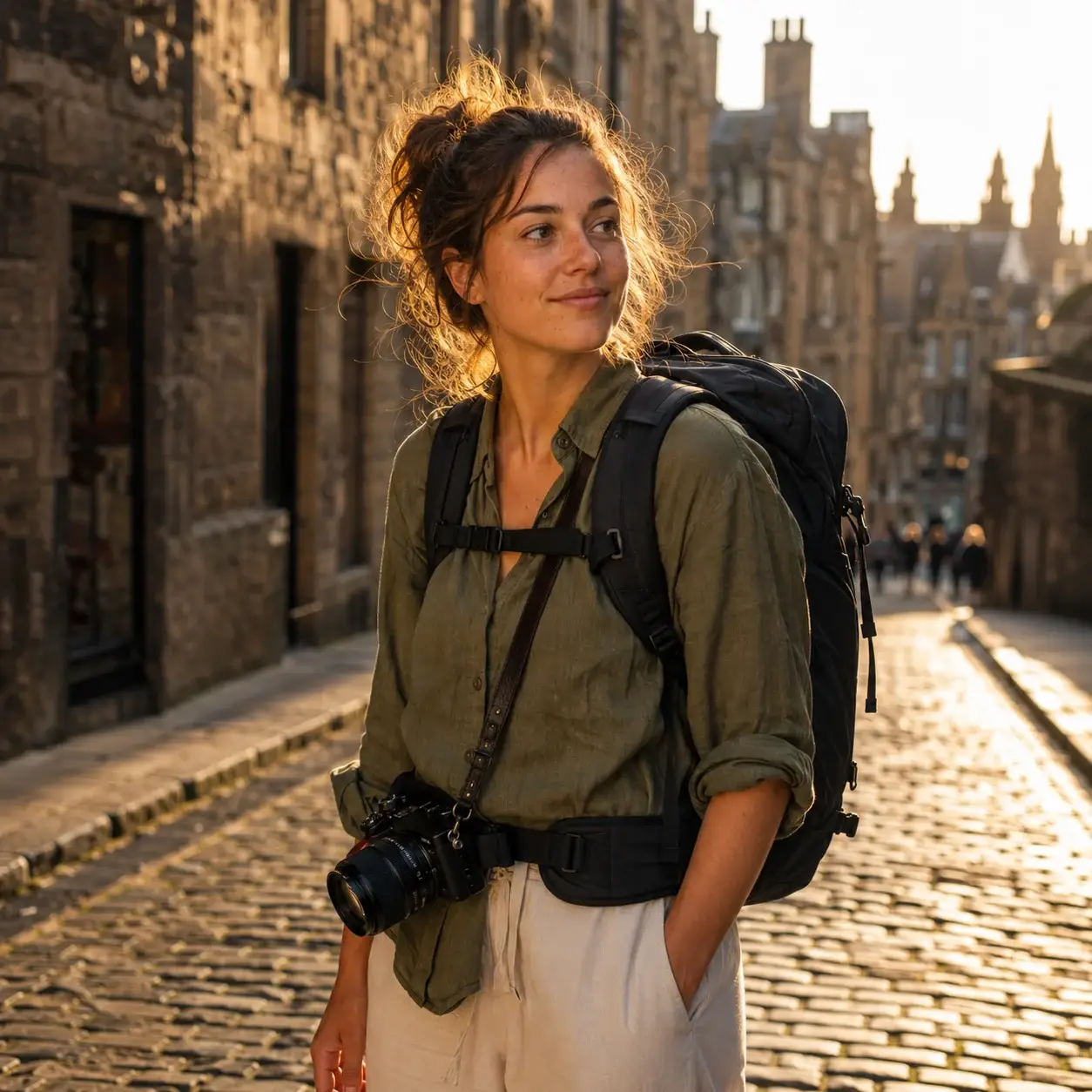
Smart Packing Mistakes To Avoid When Traveling On Your Own

I still remember standing on the platform at the Roma Termini train station during my very first solo backpacking trip across Europe. My back was aching, my shoulders were raw, and my palms were sweating. I had packed a massive, 70-liter backpack filled with “just in case” items. I had three pairs of heavy jeans, a hair dryer that didn’t work with European outlets, and enough vitamins to open a pharmacy.
As the train pulled in, a crowd surged forward. Everyone was moving fast, navigating the narrow steps with tiny, lightweight bags. I tried to lift my monstrous pack, lost my balance, and nearly fell backward onto the tracks. A kind stranger grabbed my arm and pulled me up. In that exact moment, through a wave of burning embarrassment, I realized something vital. Over-packing isn’t just an inconvenience. When you are on your own, a heavy bag is a direct threat to your safety, your freedom, and your peace of mind.
Before I became a full-time travel writer, I worked as a certified sightseeing guide in New York City. I watched thousands of tourists drag gigantic suitcases through the bustling streets of Manhattan. I saw people miss their subway trains because they couldn’t lift their bags down the stairs. Later, when I moved to Chiang Mai to teach English, I watched new arrivals struggle to lug massive rolling bags across uneven gravel pathways and broken sidewalks.
When you travel with a partner, someone can always watch the luggage while you run to the bathroom or buy a bus ticket. When you travel solo, you are a team of one. If you can’t carry your gear comfortably for three blocks, up three flights of stairs, and into a tight public restroom stall, you have packed too much.
Let’s break down the most common packing mistakes to avoid when traveling alone, so you can step off the plane feeling light, confident, and ready for adventure.
1. The “What-If” Trap: Packing for Every Possible Scenario
The biggest emotional hurdle for any independent traveler is uncertainty. When we feel anxious about visiting a new country alone, we try to soothe that anxiety by packing physical things. We pack for hypothetical rainstorms, unexpected formal dinners, sudden drops in temperature, and mysterious tropical illnesses. This is the ultimate root cause of almost every heavy bag.
The Myth of the Universal Wardrobe
You do not need an outfit for every single potential event. When I was prepping for a long stint through Southeast Asia, I packed a heavy, structured blazer just in case I went to a fancy rooftop bar in Bangkok. Do you know what happened? I spent my nights wearing light linen shirts at open-air night markets, eating bowls of spicy Khao Soi noodle soup while sitting on low plastic stools. The blazer sat at the bottom of my bag for six months, gathering mold in the tropical humidity.
If you get invited to a formal event, you can buy a beautiful, affordable outfit locally. In places like Thailand, visiting local markets is half the fun.

You can easily find lightweight, culturally respectful clothing that fits the climate perfectly. To keep your travels running smoothly, I highly recommend checking out the official guidelines on cultural etiquette and seasonal planning from the Tourism Authority of Thailand before you begin loading up your suitcase with heavy western gear.
The Two-Week Rule
Here is a secret I learned after years on the road: whether you are traveling for two weeks, two months, or two years, you only need to pack enough clothing for seven days. Laundry exists everywhere in the world. In Europe, you will find modern laundromats on almost every corner where you can wash a load for a few euros while reading a book. In South America and Asia, local wash-and-fold services are incredibly cheap. You drop your clothes off by the kilogram and pick them up the next day, smelling fresh and folded perfectly.
To make this work, every single top you pack must match every single bottom. Stick to a simple color palette of neutrals like black, grey, white, and navy, with one or two accent colors. If an item of clothing doesn’t match at least three other things in your bag, leave it at home.
2. Neglecting Your Digital Security and Power Logistics
When you are exploring the world by yourself, your smartphone is your lifeline. It is your map, your translator, your bank, and your emergency beacon. One of the worst packing mistakes to avoid when traveling is forgetting to secure and power your digital ecosystem properly.
The Single-Charger Danger
If you only bring one charging cable and one wall adapter, you are setting yourself up for a stressful situation. I once had my only wall adapter fry itself in a small guesthouse in rural Peru. I couldn’t charge my phone, I didn’t speak fluent Spanish, and I had no idea how to navigate my way back to Lima without a digital map. I spent half a day in a state of panic trying to find a local electronics shop that sold international plugs.
Always pack a high-quality, universal travel adapter that features multiple built-in USB ports. On top of that, carry a dedicated backup power bank with a capacity of at least 10,000 mAh. Keep this power bank fully charged and in your daypack whenever you leave your accommodation. If you get lost in a new city at night, or if your long-distance bus gets delayed for hours, you will never have to worry about a dead phone battery leaving you stranded.
Failing to Protect Sensitive Travel Data
Before you even touch a zipper, you need to ensure your digital documents are completely organized and accessible offline. Do not rely on having a live internet connection when you land.
- Cloud Storage: Upload clear color scans of your passport, driver’s license, travel insurance policy, and vaccination records to a secure cloud drive.
- Offline Access: Mark these files as “available offline” inside your phone’s storage app.
- Physical Backups: Print out two physical copies of your passport page and your inbound flight details. Keep one copy hidden in the lining of your main backpack, and give the other copy to a family member back home.
3. Carrying Too Many Heavy Cotton Clothes
Cotton is a wonderful fabric for everyday life at home, but it is a nightmare for solo travelers. It is heavy, it holds onto moisture, it takes ages to dry, and it wrinkles the second you compress it into a packing cube.
The Heavy Denim Mistake
When I first started traveling, I packed two pairs of thick, heavy denim jeans. They took up nearly a quarter of my total bag space. When I got caught in a sudden downpour in Rome, those jeans took three full days to air-dry in my hostel room. Walking around in damp, heavy denim is a quick recipe for painful chafing and general misery.
Instead, invest in high-quality synthetic blends, lightweight linen, or merino wool. Merino wool is a true miracle fabric for travelers. It regulates your body temperature perfectly, it naturally resists odors even after multiple days of continuous wear, and it packs down into practically nothing. A few good merino wool t-shirts will easily replace a dozen cotton shirts.
Navigating Local Transits with Lightweight Gear
Imagine you are arriving in Bangkok during the peak of monsoon season. You need to take the Airport Rail Link train into the city center, transfer to the busy BTS Skytrain system, and then walk the final ten minutes down a bustling sidewalk to your hotel.
If you are wearing heavy, wet cotton clothes and dragging a massive suitcase, this journey will leave you completely exhausted and drenched in sweat. However, if you are wearing quick-dry, breathable travel clothing and carrying a streamlined backpack, you can navigate the humid platforms, step onto the train with ease, and arrive at your destination feeling energized instead of depleted.
4. Packing the Wrong Shoes (and Bringing Too Many)
If there is one item that destroys a well-planned travel bag, it is footwear. Shoes are heavy, bulky, and incredibly difficult to pack efficiently. Bringing the wrong pairs is a major packing mistake to avoid when traveling, because painful blisters can ruin an experience faster than almost anything else.
The Three-Pair Limit
You only need three pairs of shoes for any solo journey, regardless of the destination:
- The Everyday Walking Shoe: A supportive, stylish sneaker or durable trail runner that you have already completely broken in at home. Do not buy brand-new shoes right before a trip.

- The Active/Weather Shoe: A lightweight, breathable hiking shoe or a sturdy, water-resistant boot, depending on your climate.
- The Utility Sandal: A simple, lightweight pair of flip-flops or sports sandals. These are essential for walking around your accommodation, visiting local beaches, or protecting your feet in communal hostel showers.
| Shoe Type | Primary Function | Packing Location |
| Durable Sneaker | Transit days, heavy walking, city exploring | Wear on your feet during flights |
| Lightweight Hiking Shoe | Trails, rough terrain, rainy weather | Pack near the bottom of your bag |
| Flip-Flops / Slides | Public showers, beaches, casual lounging | Slide into an exterior side pocket |
Tasting the Local Culture on Foot
To truly experience a city, you have to walk its streets. When I was living in New York and working as a guide, I walked an average of ten miles a day showing visitors the hidden architectural details of lower Manhattan. If your feet are covered in painful, raw blisters because you chose fashion over function, you will end up stuck in your room or forced to take expensive taxis everywhere.
With proper shoes, you can confidently wander through local neighborhood markets, stop at an alleyway food stall to try authentic dishes like grilled street skewers or fresh dumplings, and stay on your feet long enough to watch the sunset over a new horizon.
5. Carrying a Massive First-Aid Kit Full of Liquids
It is completely natural to worry about your health when exploring a foreign country alone. However, turning your main travel bag into a mobile trauma center is a massive waste of space.
Trusting Local Pharmacies
Unless you are heading deep into an isolated wilderness expedition, you will never be far from a modern, well-stocked pharmacy. Whether you are in a major European capital or a small beach town in Central America, local pharmacists can easily recommend excellent, over-the-counter treatments for common ailments like headaches, motion sickness, or mild stomach bugs. You do not need to pack giant bottles of liquid cough syrup or huge tubs of pain relievers.
Building a Smart, Compact Medical Kit
Instead of packing bulky boxes, create a streamlined medical kit inside a small, clear zip-top bag. Focus on small quantities of essential solid medications and basic first-aid items:
- A small strip of ibuprofen or acetaminophen tablets.
- An anti-diarrheal medication (essential for sudden dietary shifts).
- A handful of sterile, fabric bandages in various sizes.
- A small roll of medical tape and a few blister pads or moleskin strips.
- A small supply of any personal prescription medications, kept in their original bottles with your name clearly printed on the label.
When preparing your personal medical kit, it is always a smart move to review the latest international health updates and vaccine requirements. I check the official health protocols directly on the CDC Travelers’ Health portal to make sure I am fully informed about destination-specific recommendations before I set off.
[Smart Kit] —> Fits easily in a side pocket. Keeps you nimble.
[Heavy Kit] —> Takes up main compartment space. Adds unnecessary weight.
6. Using the Wrong Type of Luggage for Solo Travel
Choosing the wrong bag can make your travel transitions feel like a grueling workout. Many travelers default to giant, hard-shell rolling suitcases because they look sleek in photos, but these bags are often highly impractical for independent journeys.
Backpack vs. Rolling Suitcase
If you are planning an urban trip where you will only be moving from an airport to a modern hotel via private taxis, a small, carry-on-sized rolling suitcase can work well. However, if your journey involves local buses, trains, ferries, or historic city centers, a travel-specific backpack is almost always superior.
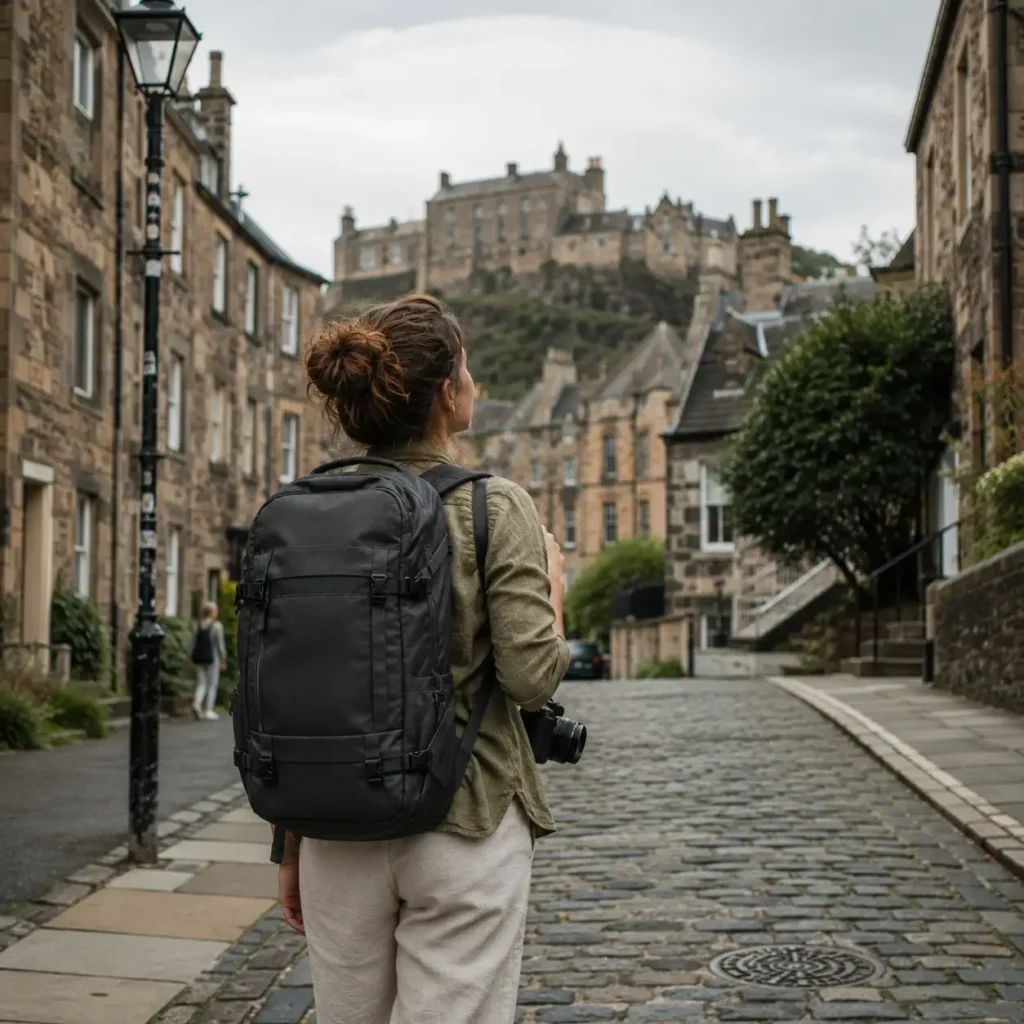
Imagine arriving in Edinburgh, Scotland. To reach your historic guesthouse, you have to drag your luggage up a steep, winding hill made of ancient, bumpy cobblestones, followed by two flights of narrow spiral stairs. A rolling suitcase will bounce, flip over, twist your wrist, and make an incredibly loud, echoing noise that screams “vulnerable tourist” to everyone around you. With a properly fitted backpack, you can simply clip the hip belt, stand tall, keep your hands completely free, and walk comfortably to your front door.
The Golden Carry-On Rule
Whenever possible, aim to travel with a single bag that fits inside an airline’s overhead bin (typically around 40 to 45 liters in volume).
Why carry-on only is a game-changer: When you do not check a bag, airlines can never lose your luggage during a tight connection. You can skip the long, chaotic lines at the baggage carousel upon arrival. Most importantly, if your flight gets changed or delayed, you can easily pivot, switch to a new flight, or walk out of the terminal without waiting for an airline employee to dig your suitcase out of the cargo hold.
7. Packing Valuable Items in Checked Bags
If you absolutely must check a larger bag due to unique gear requirements or physical constraints, you must never allow your most valuable possessions to leave your hands. This is one of the most critical security packing mistakes to avoid when traveling solo.
The Checked Luggage Gamble
When you hand your bag over at the check-in counter, it passes through a massive network of conveyor belts, baggage handlers, and security screening rooms. Bags can easily get delayed, sent to the wrong terminal, or targeted by opportunistic theft. If your checked bag goes missing and it contains your laptop, your camera, your credit cards, or your essential prescription medication, your trip will instantly come to a grinding halt.
What Stays in Your Personal Daypack
Your small daypack or cross-body bag should contain everything you need to survive and function if your main bag disappears for a few days. Always keep the following items with you on the plane:
- Your passport, visas, and physical financial cards.
- All expensive electronics, including laptops, cameras, and external hard drives.
- Your phone charger, universal adapter, and backup power bank.
- All essential prescription medications for the entire duration of your trip.
- A single fresh change of lightweight underwear and a clean t-shirt.
To protect yourself against major disruptions, missing gear, or unexpected medical situations while exploring the globe independently, it is highly recommended to secure a comprehensive safety policy. You can read through detailed advice on selecting international coverage plans on the World Nomads Travel Insurance site to find a plan that guards your electronics and travel investments.
8. Forgetting to Check Local Dress Codes and Cultural Norms
Travel is an incredible tool for building empathy, curiosity, and deep cultural understanding. However, turning up to a sacred cultural site wearing highly inappropriate clothing is a fast way to disrespect your hosts and alienate yourself from the local community.
The Respectful Packing Strategy
Before you pack your bag, you need to thoroughly research the cultural norms of your destination. In many parts of the world, including Southeast Asia, the Middle East, and parts of Southern Europe, covering your shoulders and knees is mandatory when entering religious buildings, temples, churches, or mosques.
If you only pack short shorts, low-cut tank tops, and crop tops, you will find yourself constantly barred from entering beautiful historical landmarks. You will be forced to buy cheap, overpriced nylon scarves from aggressive vendors outside the gates just to step inside.
[Inappropriate] Shoulder-baring tanks + short shorts = Turned away at the gates.
[Culturally Aware] Lightweight linen trousers + breathable scarf = Welcomed inside.
Navigating Historic Sites with Grace
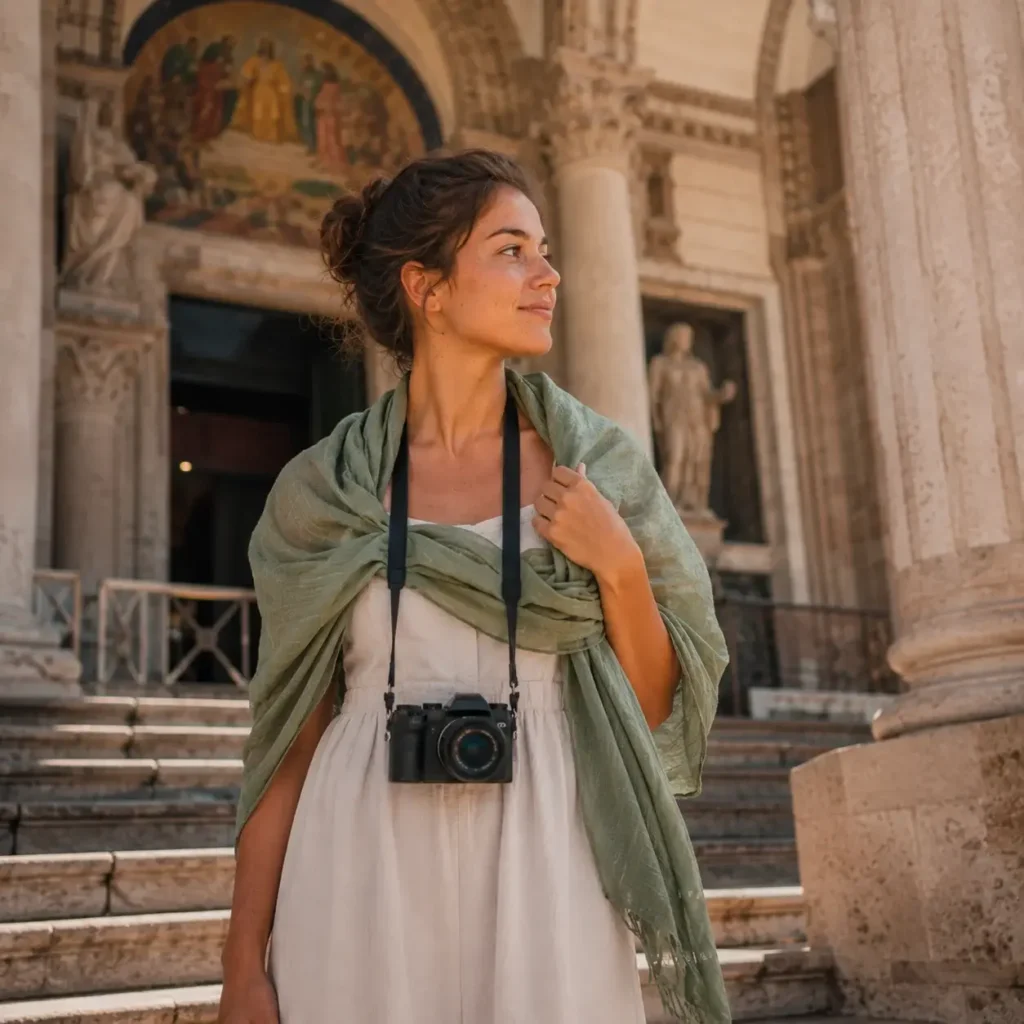
Imagine walking through the ancient city of Rome. You want to step inside a breathtaking, centuries-old basilica to look at a stunning marble sculpture. If you have planned ahead and packed a lightweight, versatile sarong or a soft cotton scarf at the top of your daypack, you can quickly wrap it around your shoulders or waist, step past the entrance guards with a respectful nod, and enjoy the art in peace.
If you want to read more about preserving historic sites and understanding the significance of the world’s most treasured monuments before you pack your gear, you can browse through the official conservation profiles listed on the UNESCO World Heritage digital directory.
9. Packing Out of Loneliness: Bringing Too Much Entertainment
When we face the prospect of spending long evenings alone in a foreign hotel room or hostel lounge, fear can make us over-pack entertainment. We pack three thick physical novels, a heavy tablet, a gaming console, a journal, and a sketchbook.
The Weight of Distraction
Carrying multiple heavy books and large electronic entertainment devices adds massive physical weight to your bag. More importantly, it adds emotional weight. If you spend your transit days and evening meals with your nose buried deep inside a screen or a book because you brought them along, you are creating a digital wall between yourself and the destination. You become less approachable to other travelers and less observant of the beautiful local life unfolding right in front of you.
Embracing the Beauty of Solitude
Pack a single physical book or download digital books onto a lightweight e-reader. Bring one compact journal to record your personal growth insights and observations.
When you sit down alone at a local cafe or restaurant, leave your reading materials in your bag for the first fifteen minutes. Look around you. Watch how the locals interact, listen to the cadence of the language, smell the incredible aromas drifting from the kitchen, and allow yourself to be fully present. You will be amazed at how much easier it is to strike up a fascinating conversation with a fellow traveler or a friendly local when you look open, curious, and unburdened.
10. Failing to Research Local Transportation and Navigation Apps
The final packing mistake isn’t about what goes inside your physical suitcase—it is about what you fail to install on your smartphone before you arrive. Navigating a completely brand-new transit system alone can feel highly overwhelming if you don’t have the right digital tools ready to go.
Avoiding Airport Taxi Scams
We have all been there: you step out of the arrivals terminal after a grueling fourteen-hour flight, exhausted and disoriented. A dozen aggressive, unmetered taxi drivers instantly surround you, offering expensive, non-negotiable rides into the city. If you don’t know the local transportation landscape, it is very easy to fall victim to an expensive scam on your very first day.
Before you catch your flight, look up the safest, most reliable local transport options. In many regions, ridesharing apps are the safest choice for solo travelers because the fare is fixed, the route is tracked via GPS, and your driver’s identity is completely verified.
- Southeast Asia: Download Grab before you land. To learn how to set up your payment profiles, navigate pickup zones, and use the safety features natively, check out the official app setup guides provided by Grab official.
- Europe and North America: Ensure your Uber or Bolt apps are updated and linked to a working international credit card.
- Public Transit: Download specialized local apps like Citymapper or check Google Maps to see if you can easily download full maps of the city to use completely offline.
11. Packing Based on Unrealistic Travel Content
We live in an era of hyper-curated, highly stylized travel media. It is very easy to look at beautiful images of influencers wearing flowing, dramatic dresses on top of windy desert dunes or posing in pristine linen suits next to luxury resort pools, and think that is what travel looks like.
The Reality of Independent Exploration
Real, meaningful travel is wonderfully messy. It involves walking through sudden downpours, getting your shoes dusty while exploring ancient ruins, sprinting across a hot platform to catch a closing train door, and sitting on cramped public buses for hours at a time. If you pack a wardrobe consisting entirely of delicate, high-maintenance, dry-clean-only luxury clothing, you will spend your entire trip worrying about stains, wrinkles, and snags.
Pack clothes that are tough, resilient, easy to wash in a bathroom sink, and comfortable enough to sit in for an eight-hour journey. When you drop the need to look picture-perfect every single second, a massive weight lifts off your shoulders. You stop worrying about how you look to the outside world, and you start focusing entirely on how the world looks to you.
12. Buying Your Gear Without Knowing Entry Requirements
Before you spend hundreds of dollars on a beautiful, high-tech new backpack or specialized travel accessories, you need to make absolutely certain that you can actually enter your destination country smoothly.
Aligning Packing with Legal Entry Rules
Every country has strict legal requirements regarding what you can bring across their borders, how long your passport must be valid, and whether you need to obtain an official visa before you arrive at the gate. If you pack your bags perfectly but fail to secure the correct entry documentation, the airline will deny you boarding at the airport, and your journey will end before it even starts.
Always check the absolute latest entry rules from verified, official government sources. For an exhaustive, regularly updated breakdown of international visa rules, safety ratings, and entry declarations for any country on Earth, I always consult the official US Department of State Travel country information pages before finalizing my departure timeline.
The Ultimate Solo Travel Packing Blueprint
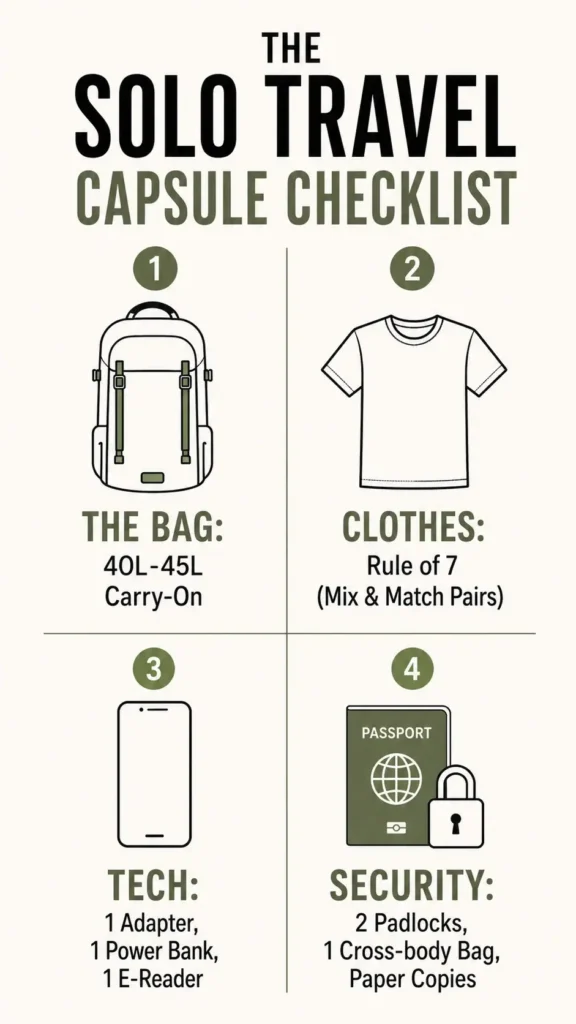
To tie all of these insights together, let’s look at a balanced, highly practical blueprint for an independent journey. This minimalist framework will keep you safe, agile, and completely self-reliant.
The Core Packing Checklist
- The Main Bag: A 40L to 45L travel backpack with a supportive, padded hip belt to distribute weight away from your shoulders.
- Clothing (The Rule of 7):
- 1 lightweight, water-resistant jacket.
- 2 versatile pairs of long pants (linen, synthetic blends, or technical travel fabrics).
- 1 pair of comfortable shorts or a casual skirt.
- 5 breathable, moisture-wicking t-shirts or tops.
- 7 pairs of high-quality, quick-dry underwear.
- 4 pairs of comfortable, anti-blister walking socks.
- 1 lightweight cotton scarf or sarong for cultural sites.
- Footwear: 1 pair of broken-in walking sneakers, 1 pair of lightweight trail shoes, 1 pair of simple utility slides.
- Electronics: 1 phone, 1 universal wall adapter, 1 external power bank (10,000 mAh), charging cords, and 1 e-reader.
- Toiletries & Medical: 1 solid toothbrush and toothpaste, travel-sized solid shampoo bar, 1 ultra-compact first-aid kit with solid medications, and any personal prescriptions.
- Security: 1 lightweight RFID-blocking neck wallet or cross-body bag for transit days, 2 combination padlocks for hostel lockers or luggage zippers, and physical paper copies of your critical travel documents.
Lighten Your Load, Expand Your Experience
When you finally step out into the world with a light, manageable bag, your entire relationship with travel transforms. You are no longer an exhausted, stressed-out individual dragging a heavy burden behind you. You become an agile, confident, and curious explorer.
You can easily change your plans on a whim. If you meet a group of fascinating fellow travelers at a local cafe and want to catch a sudden bus to a beautiful mountain village, you don’t have to worry about how you will transport your giant suitcase. Your entire world is safely and comfortably packed onto your shoulders.
Leaving the familiar comfort of your 9-to-5 routine to explore the world alone takes real courage. Don’t let a heavy, over-packed bag weigh down that beautiful spirit of adventure. Pack less, look outward more, trust your ability to navigate the unexpected, and remember that the most valuable things you will bring back from your journey won’t fit inside a suitcase—they will live in your heart and mind forever.
Where are you heading on your next solo adventure, and what is the one item you are always tempted to over-pack? Let’s talk about it in the comments below!