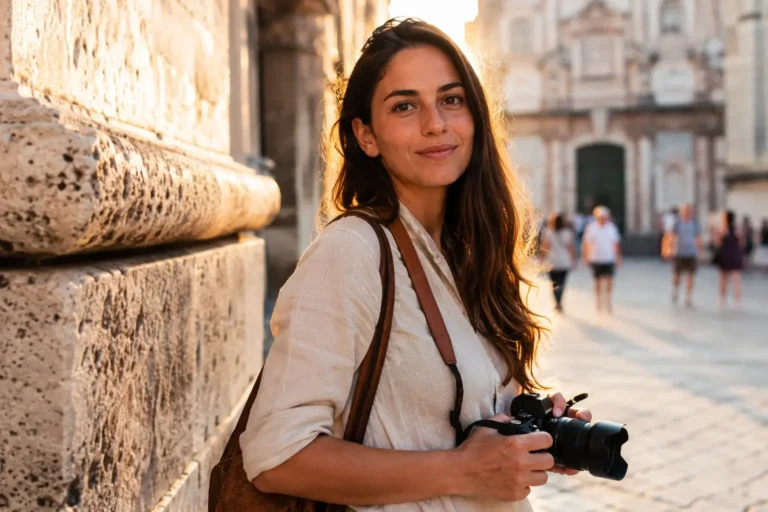
When I worked as a certified sightseeing guide in the busy streets of New York City, I could always spot the solo travelers who were about to have a very rough week. They were the ones standing on the sidewalk grid, sweating through their shirts, frantically digging through a massive, overstuffed suitcase just to find a paper map or a portable phone charger. Their bags looked like a small bomb had gone off inside them.
Years later, when I finally saved up enough waitressing money to quit my traditional 9-to-5 corporate office job, I promised myself I would never be that stressed-out traveler. I wanted to experience true freedom on the road. I wanted to focus on the sights, the smells, and the local people—not on a broken suitcase zipper.
During my early journeys backpacking solo across Europe and living with a kind host family in Ghana, I realized that organization isn’t just about being neat. It is about building confidence. When you know exactly where every single item is inside your backpack, your anxiety drops to zero. You feel capable, light, and ready to face the world.
To help you get organized, many people will tell you to buy packing gear. But here is the truth: simply buying gear is not enough. In fact, if you use them incorrectly, you can actually make your bag heavier and more disorganized than before.
Let’s dive deep into the five common mistakes people make when choosing the best travel organizers for packing smarter, and how you can avoid them to plan a flawless trip.
1. Buying heavy, rigid packing cubes that steal your space
The biggest mistake I see beginners make is choosing packing cubes made of thick, heavy, plastic-lined fabric. They buy them because they look structured and pretty in online photos. But on the road, structure is your enemy. Rigid cubes do not bend around the natural curves of your backpack or suitcase. They leave empty, wasted gaps in the corners of your luggage. Even worse, thick fabrics add unnecessary weight before you even put a single shirt inside them.
When I was teaching English in Thailand, I had to move between small apartments and rural schools using crowded local buses. Every ounce of weight mattered. I learned that the best travel organizers for packing smarter are made of ultra-lightweight, parachute-style ripstop nylon or translucent mesh.
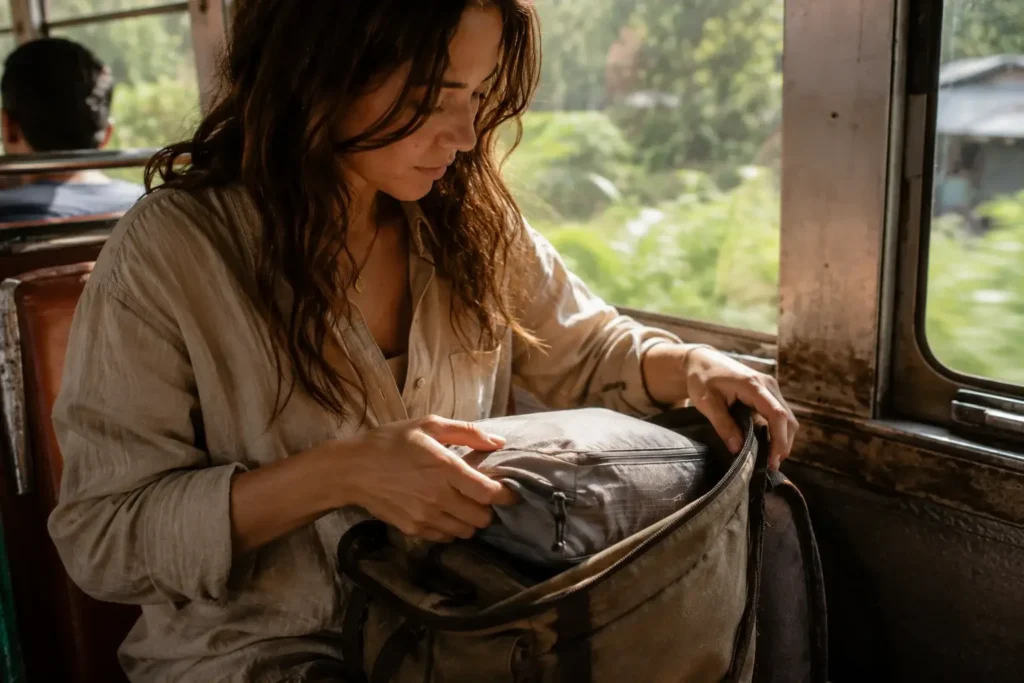
These fabrics are paper-thin, incredibly strong, and they compress naturally under pressure.
How to choose the right material and structure
Look for cubes that feel completely floppy when they are empty. You want materials like silnylon, which is slick and slides into tight spaces easily. Mesh panels are also fantastic because they let the fabric breathe, preventing that musty smell from building up when you travel through humid tropical climates. Mesh also allows you to see exactly what is inside each cube without unzipping it.
Packing advice for regional bus travel
If you are navigating the chaotic northern mountain roads of Thailand from Chiang Mai to Pai, your bag will be tossed onto the roof of a public passenger van or crammed into a tiny metal storage hold. Rigid cubes will crack or tear under pressure. Soft, flexible cubes will cushion your clothes against the constant bumps and shaking of the road.
What to eat while you pack and travel
Before you head out on a long bus ride, grab some Khao Niew Bam (sweet sticky rice in bamboo) from a street vendor. It is cheap, filling, and won’t spill in your bag. It gives you long-lasting energy for a day of heavy travel.
2. Using compression bags incorrectly and overpacking your weight limit
Compression bags are travel organizers that use plastic zippers or vacuum valves to squeeze all the air out of your clothes. They promise to reduce the volume of your items by up to 80 percent. This sounds like magic, especially for a first-time solo traveler trying to fit a month of life into a carry-on bag. But it is a dangerous trap.
While compression bags shrink the physical size of your clothing stack, they do absolutely nothing to reduce the physical weight. When you realize you have extra space in your suitcase, your brain tells you to keep adding more items. Before you know it, you have a tiny, compact bag that weighs 45 pounds.
The airline weight trap and how to avoid it
Most international airlines have strict weight limits for carry-on luggage, often hovering around 15 pounds (7 kilograms). If you roll up to the ticket counter with an overweight bag, you will be forced to pay an expensive checked-bag fee, or worse, you will have to open your bag on the floor and discard personal belongings in front of a long line of impatient strangers.
To avoid this, use compression bags only for bulky winter items like heavy sweaters or a down jacket. For regular t-shirts, shorts, and undergarments, stick to standard nylon packing cubes.
Essential safety checking before you leave
Before you head out to explore a new country, it is critical to look up current entry rules and security updates. I always make sure to verify the latest entry requirements and safety ratings by checking the official US Department of State Travel advisories before booking any long-haul international flight. This keeps me informed about local laws and sudden customs changes that might affect what I am allowed to bring into the country.
3. Mixing clean clothes with dirty laundry in the same organizer
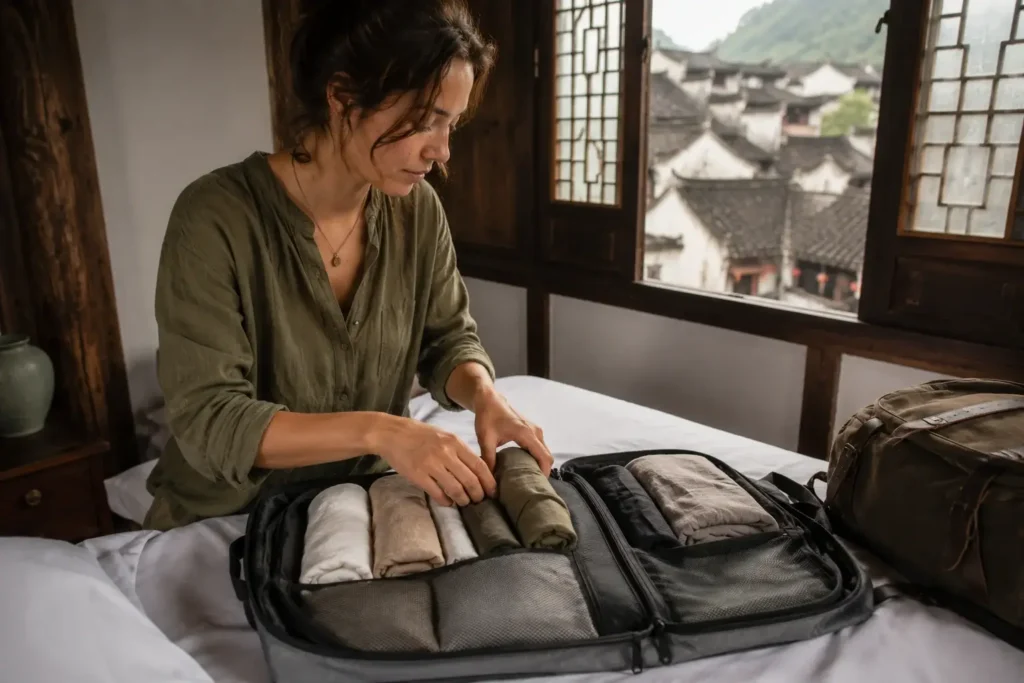
Imagine this: You have just spent a long, beautiful day hiking through the ancient, misty stone villages of China. You sweated through your favorite cotton t-shirt, and your socks are covered in yellow mountain dust. You get back to your hostel room, pull off your dirty clothes, and stuff them right back into the same packing cube where your clean, fresh clothes are waiting for tomorrow.
By the next morning, the dampness and odors from your dirty laundry will have seeped into every single clean garment you own. This is a massive mistake that turns a well-organized bag into a smelly mess within three days of travel.
The two-sided cube solution
To pack smarter, you need a clear system to separate the clean from the dirty. Some of the best travel organizers for packing smarter feature a “clean/dirty” double-sided design. These cubes have a moving internal wall made of waterproof material. As you wear your clothes, you put the dirty items into the back compartment. The internal wall shifts forward, keeping the dirty laundry completely sealed away from your remaining clean clothes.
If you do not want to buy special cubes, carry a lightweight, washable nylon laundry bag. Never use plastic grocery bags for dirty laundry; plastic traps moisture, which causes mold and bacteria to grow rapidly on your clothes.
Cultural etiquette and laundry in China
When traveling through rural areas like Yunnan province, keeping your clothes clean is a sign of respect when entering local family homes or historic temples. Local guesthouses often do not have electric dryers. You will need to wash your items by hand using eco-friendly soap sheets and hang them near an open window to air-dry.
Traditional meals to fuel your hikes
After a challenging day of walking, sit down at a local village eatery and order a steaming bowl of Crossing-the-Bridge Noodles (Guoqiao Mixian). It comes with a rich, hot broth, fresh rice noodles, and small plates of pork, quail eggs, and fresh herbs that you cook right at your table. It is incredibly comforting and restores your energy instantly.
4. Packing liquid toiletries without a dedicated, transparent wet-bag
Nothing ruins a travel journey faster than opening your main backpack at a hostel to find that your shampoo bottle exploded under cabin pressure, coating your clean underwear, electronics, and travel journal in a sticky, scented goo.
Many people use generic, opaque canvas makeup bags or cheap zip-top kitchen bags to hold their bathroom items. Canvas bags absorb leaks and stain your other clothes, while kitchen bags tear open easily along the seams when jammed into the corners of a suitcase.
Standard Canvas Bag vs. Premium Clear TPU Wet-Bag
——————- ————————–
• Heavy and opaque • Transparent for quick security checks
• Absorbs leaks into luggage • 100% waterproof heat-sealed walls
• Easily rips or stains • High durability, wipes clean instantly
Why TPU clear organizers are superior
The smartest way to organize your toiletries is with a dedicated, heavy-duty wet-bag made of thermoplastic polyurethane (TPU).
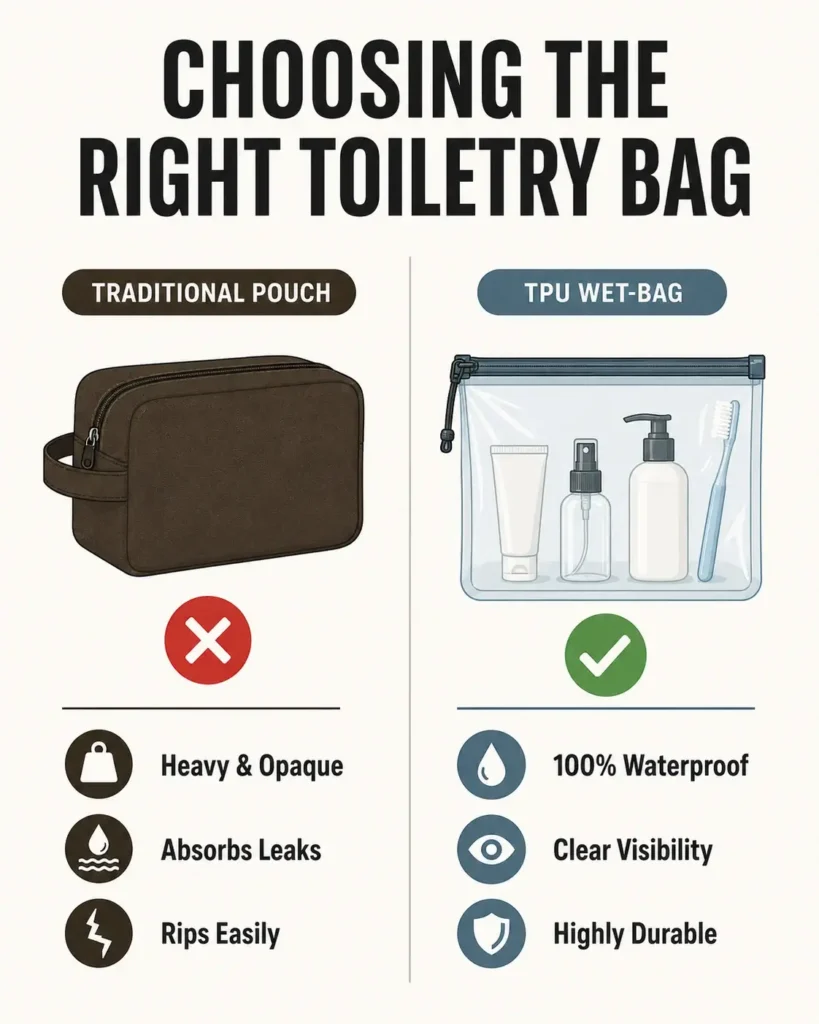
This material is completely waterproof, clear, and has heat-sealed seams that prevent liquids from escaping if a bottle leaks.
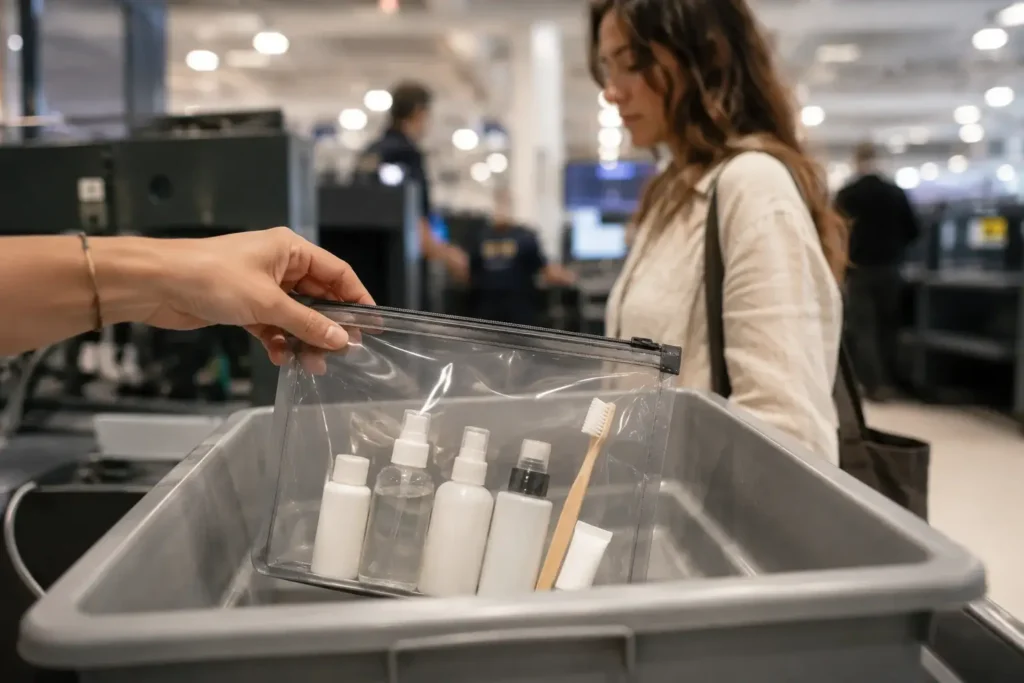
The transparent plastic is also a lifesaver when passing through airport security checkpoints. You can leave your liquids inside the clear pouch and place it directly into the plastic bin without fumbling around and delaying the security line.
Health and medical packing preparation
Beyond your shampoo and toothbrush, your toiletry organizer should always hold a compact first-aid kit with essential medicines. To ensure you have the correct vaccinations and preventative medications for tropical destinations, it is wise to review the medical recommendations on the CDC Travelers’ Health destination pages at least two months before your departure date. I always pack a small supply of rehydration salts, anti-diarrhea tablets, and high-strength mosquito repellent containing DEET to stay safe on the road.
5. Over-organizing with too many small pouches and cases
It is possible to have too much of a good thing. When people discover the world of travel organizers, they often go overboard. They buy a tiny pouch for cords, a hard case for sunglasses, a separate sleeve for pens, a wallet for coins, a pouch for lip balms, and individual small cubes for every day of the week.
This results in a bag filled with fifteen different small cases. When you need to find an item as simple as a nail clipper or a charging cable, you have to play a frustrating game of memory, unzipping five different pouches before finding the right one. This adds unnecessary steps to your daily routine and actually wastes time.
The “Rule of Four” for balanced packing
To maintain your solo travel confidence and keep things simple, follow the rule of four. You generally only need four primary organizers inside your main travel bag:
- One large or medium cube for your main clothing items (pants, shirts).
- One small cube for undergarments and socks.
- One clear, waterproof wet-bag for your toiletries.
- One flat tech pouch for all your essential cords, chargers, and memory cards.
Everything else should fit into the built-in pockets of your actual backpack or suitcase. This keeps your gear streamlined and easy to manage.
Strategic packing layouts for different travel styles
Depending on how you move from place to place, how you arrange your travel organizers inside your bag will change. Let’s look at the two most common luggage setups for independent travelers.
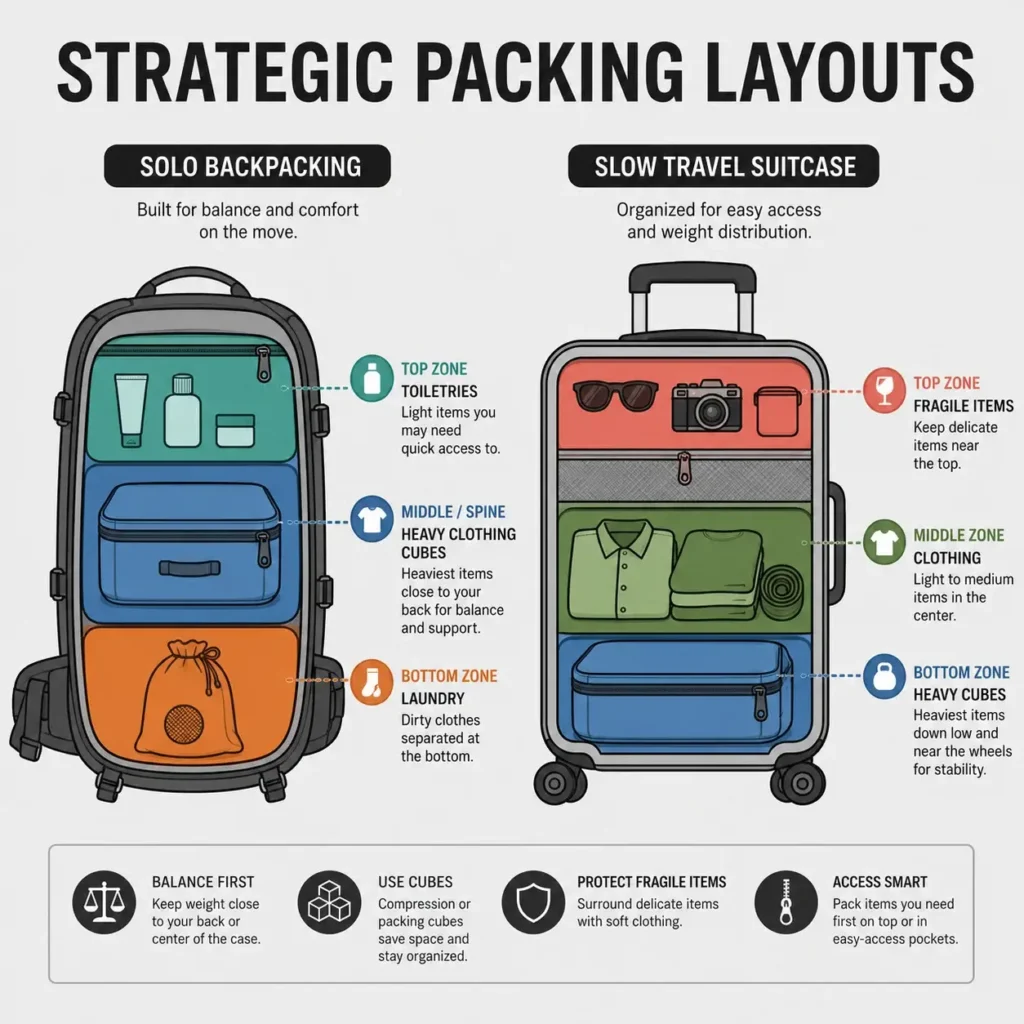
The Solo Backpacking Layout (Panel-Loading Backpack)
If you use a backpack designed for long-term travel, place your heaviest items in the middle of the bag, close to your spine. This keeps your center of gravity stable so you do not fall backward while walking down cobblestone streets or climbing stairs.
- Bottom Zone: Place your lightweight laundry bag and extra shoes here. These are things you won’t need until you arrive at your accommodation for the night.
- Middle Zone (Closest to Spine): Slide your large clothing cube and heavy tech pouch here.
- Top Zone: Place your clear toiletry wet-bag and a light rain jacket here for quick access at security checks or during sudden downpours.
The Slow Travel Suitcase Layout (Two-Wheeled Carry-On)
If you prefer a rolling suitcase for slow travel journeys where you stay in one town for several weeks, organize by weight from the wheels upward.
- Bottom Zone (Near Wheels): Place heavy cubes and shoe bags here so the suitcase doesn’t tip over when stood upright.
- Middle Zone: Lay your medium clothing cubes flat side-by-side.
- Top Zone (Near Handle): Place fragile items and your toiletry pouch here to minimize crushing when the bag is being wheeled around.
Navigating local transport with your organized gear
Once your bag is packed perfectly using the best travel organizers for packing smarter, you need to know how to navigate local transit systems safely without making yourself a target for opportunistic theft.
Using ride-sharing apps safely in Southeast Asia
When arriving at a busy airport or train station in cities like Bangkok or Jakarta, the atmosphere can feel overwhelming for a first-time solo traveler. To avoid unlicensed transport scams, I highly recommend learning how the local transport grid works by reading the official Grab ride-sharing overview guide before landing. Using a tracked app means you can keep your organized luggage securely with you, and you don’t have to argue over fares with drivers on the street.
How to manage your bag on local trains
When boarding local trains, always keep your small tech pouch and important documents inside a daypack that stays on your chest. Never put your passport, money, or expensive electronics into the large backpack or suitcase that goes into the overhead luggage racks or the storage areas near the train doors.
Authentic cultural experiences made easier by smart packing
The biggest reward of using the best travel organizers for packing smarter is that it frees up your mental energy to fully connect with the places you visit. When you aren’t worrying about your luggage, you can appreciate the history and local traditions of incredible destinations.
Visiting historic world heritage sites
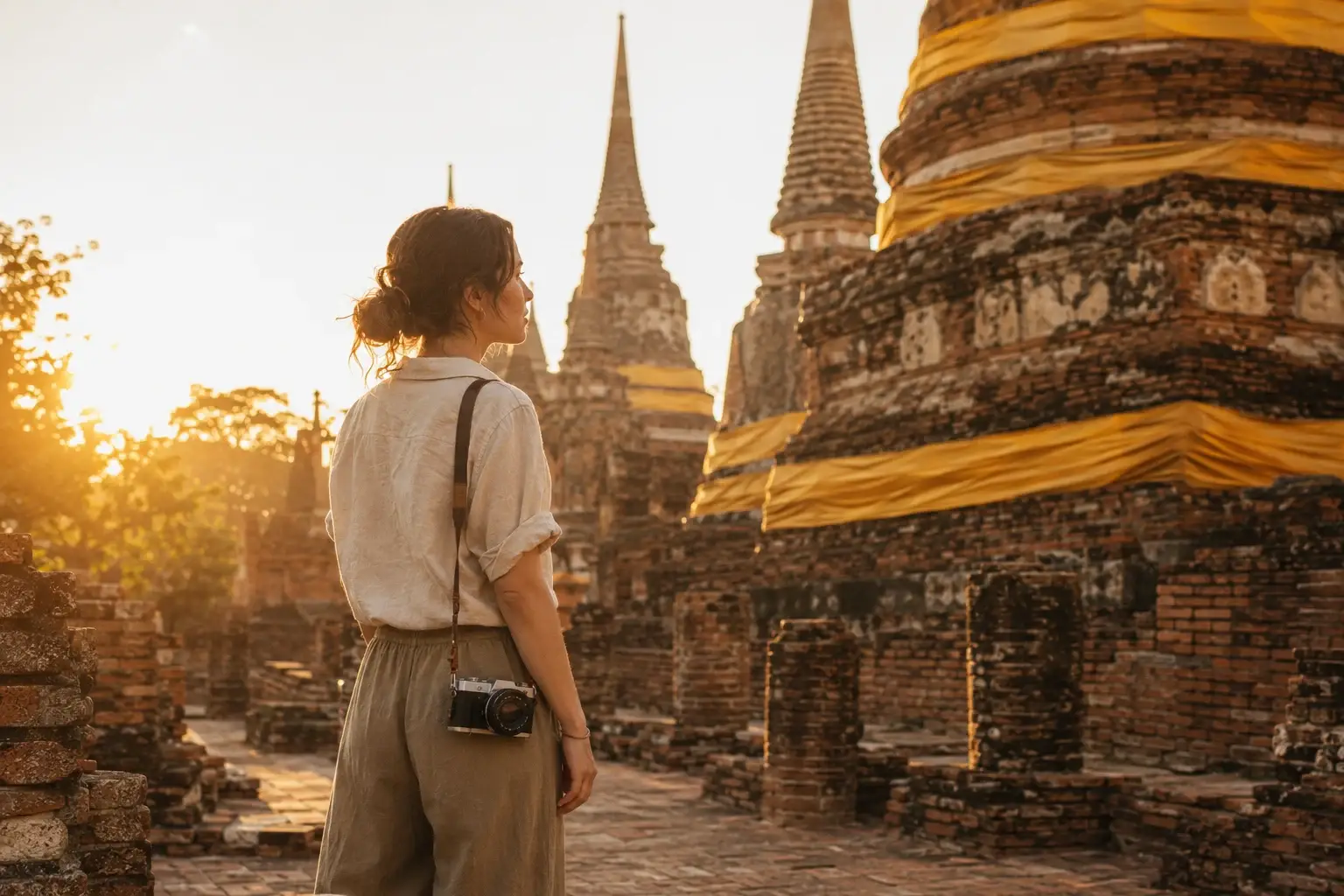
Think about walking through the magnificent, ancient ruins of Ayutthaya in Thailand. It is a deeply spiritual place filled with towering brick stupas and headless stone Buddha statues wrapped in golden cloth.
To plan a meaningful cultural itinerary, I love exploring the detailed historical backgrounds provided on the UNESCO World Heritage destination profiles before I arrive. Knowing the history of the temples beforehand helps me feel a profound connection to the local culture, rather than just treating the site as a quick photo backdrop.
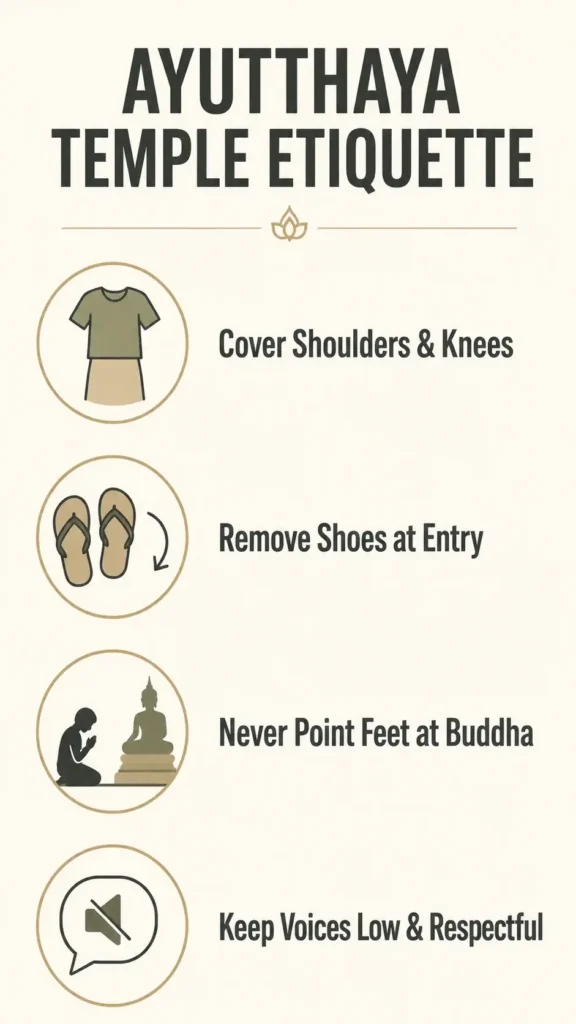
Ayutthaya Temple Etiquette Checklist:
□ Wear clothes that cover your shoulders and knees.
□ Remove your shoes before stepping inside any temple sanctuary.
□ Never point your feet directly at a Buddha image or a local monk.
□ Keep your voice low and respectful at all times.
What to eat near the ruins
After exploring the hot temple grounds, look for a small riverside restaurant and order a bowl of Kuay Tiew Ruea (Boat Noodles). This local specialty features a rich, spicy broth seasoned with cinnamon and star anise, thin rice noodles, tender slices of pork, and crispy pork cracklings. Pair it with a cold, sweet Thai iced tea to cool down from the midday sun.
Staying safe and protecting your gear on the road
Even with the best travel organizers for packing smarter, unexpected situations can happen when you travel. True solo travel confidence comes from being prepared for emergencies.
Choosing the right travel insurance
If your luggage gets lost by an airline or stolen from a transit station, having a reliable backup plan is essential. To protect your investment in high-quality gear and electronics, you can research coverage options and emergency assistance policies directly through the World Nomads Travel Insurance info center. Having active insurance ensures that a lost bag won’t completely ruin your hard-earned journey or empty your bank account.
Daily habits for bag safety
- Lock your zippers: Use small, TSA-approved combination padlocks to lock the zippers of your main backpack together while walking through crowded markets or riding public buses.
- Use a luggage tag: Always write your name, email address, and phone number on a durable luggage tag attached to the outside of your bag. Never write your home address on the tag, as this can alert dishonest people that your house is currently empty.
- Keep digital copies: Take photos of the contents of your packing cubes before you close your bag. If your luggage goes missing, these photos serve as clear proof for airline tracking or insurance claims.
Packing smarter is your ticket to meaningful adventures
Leaving my comfortable office job to explore the world was terrifying, but learning how to travel light and organized gave me the confidence to handle any challenge that came my way.
By avoiding these five common mistakes—saying no to heavy rigid cubes, managing your bag’s weight limit, separating your laundry, protecting against liquid leaks, and keeping your pouch system simple—you will transform your travel experience. You will move through the world with grace, courage, and curiosity.
Stop waiting for the perfect moment to see the world. Pack your bag, organize it smartly, and step out into your next great adventure. The world is waiting for you!