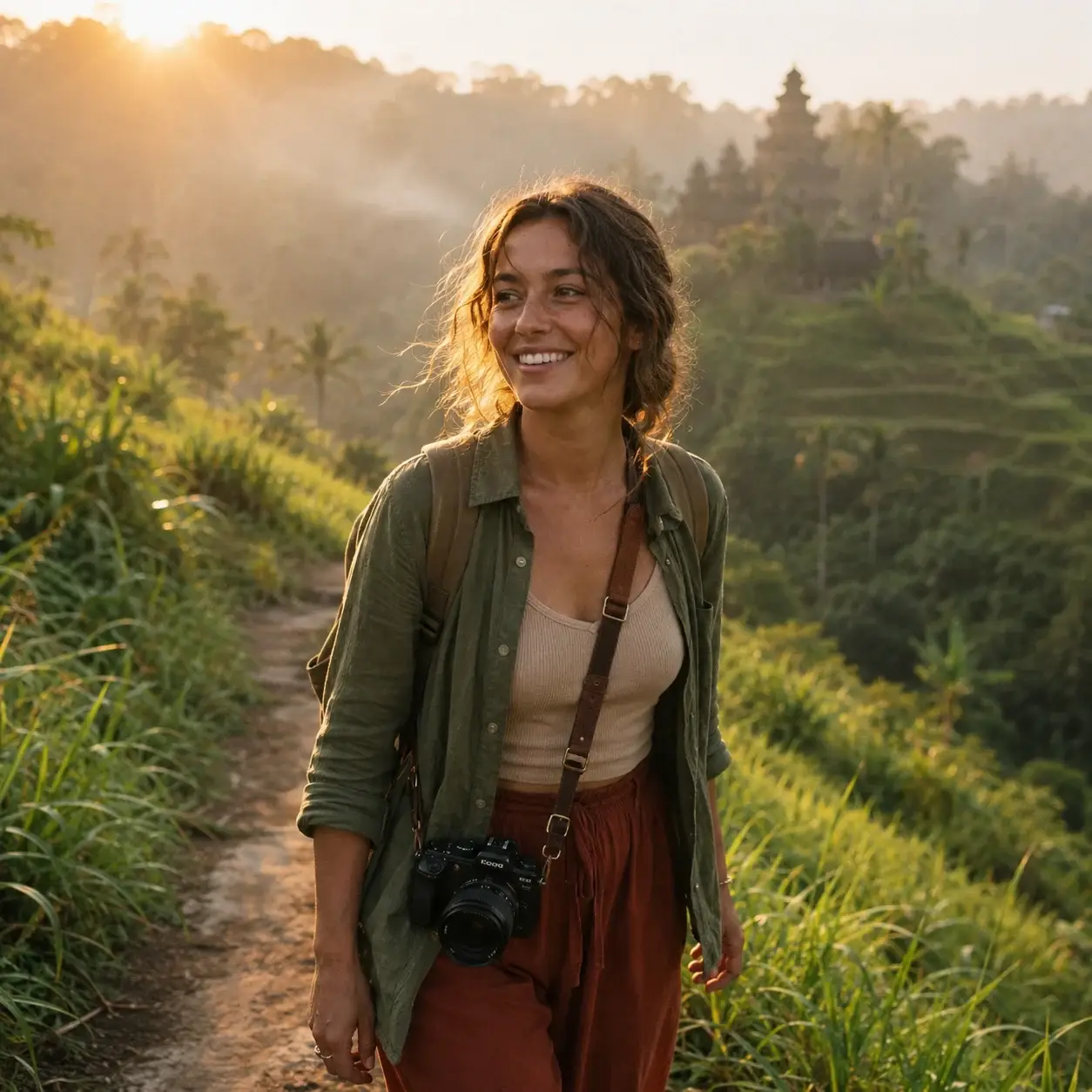
Have you ever sat at your office desk, staring at a dull spreadsheet, while your heart quietly broke?
I know that feeling intimately. Years ago, I was living in New York, trapped in a corporate job that felt like a cage. They told me I could only take two weeks of vacation a year. Two weeks! To me, that felt like breathing through a straw. I didn’t want a brief vacation; I wanted a lifestyle of slow, immersive travel. I wanted the world to be my classroom.
When I finally decided to leave that desk behind, my family thought I was losing my mind. To fund my dream, I took a job waitressing full-time, picking up every double shift and working crazy overtime just to pay off my bills and build a travel fund. It wasn’t glamorous. My feet ached every night, but every dollar I saved was a ticket to freedom.
If you are standing on the edge of possibility right now, weighed down by “what ifs” and fear, I am here to tell you that the perfect moment does not exist. You do not need a fortune, and you do not need a travel partner. Asia is the ultimate testing ground for solo travelers and budget backpackers. It is affordable, deeply welcoming, and wildly beautiful.
Let’s dive into the absolute best destinations in Asia for backpackers, packed with the raw, honest insider secrets I learned while navigating these paths myself.
1. Chiang Mai, Thailand: The Ultimate Backpacker Haven
When I first arrived in Chiang Mai after a stint teaching English abroad, I instantly felt the weight of the world lift off my shoulders. Nestled in the mountainous northern region of Thailand, this city is the undisputed capital for budget travelers. It offers a soft landing for beginners because it is incredibly safe, easy to navigate, and exceptionally cheap.
The Insider Secrets for Budget Living
To experience Chiang Mai without breaking the bank, skip the westernized hotels and look for a hostel or a small guesthouse within the Old City walls. The Old City is a square mile surrounded by a historic moat, and it is entirely walkable.
If you plan to stay for a month or more to find your footing, look for a “serviced apartment” in the trendy Nimman area or near Chang Phueak Gate. You can easily score a clean room with Wi-Fi and air conditioning for under $200 USD a month.
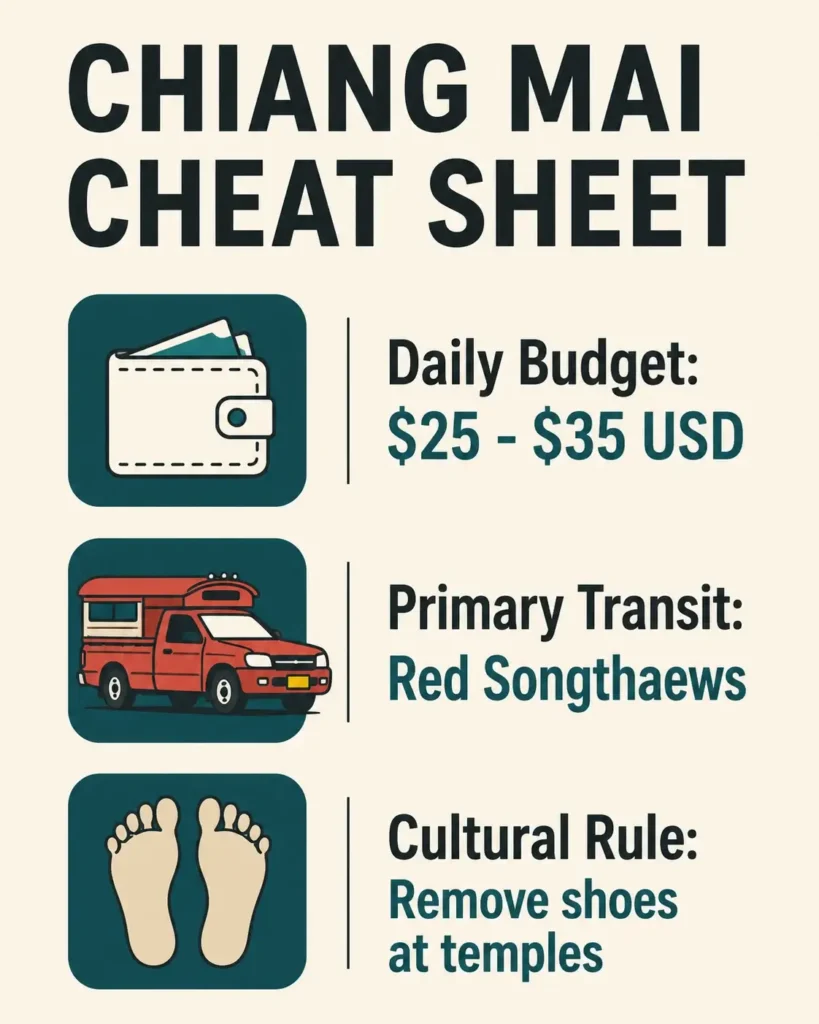
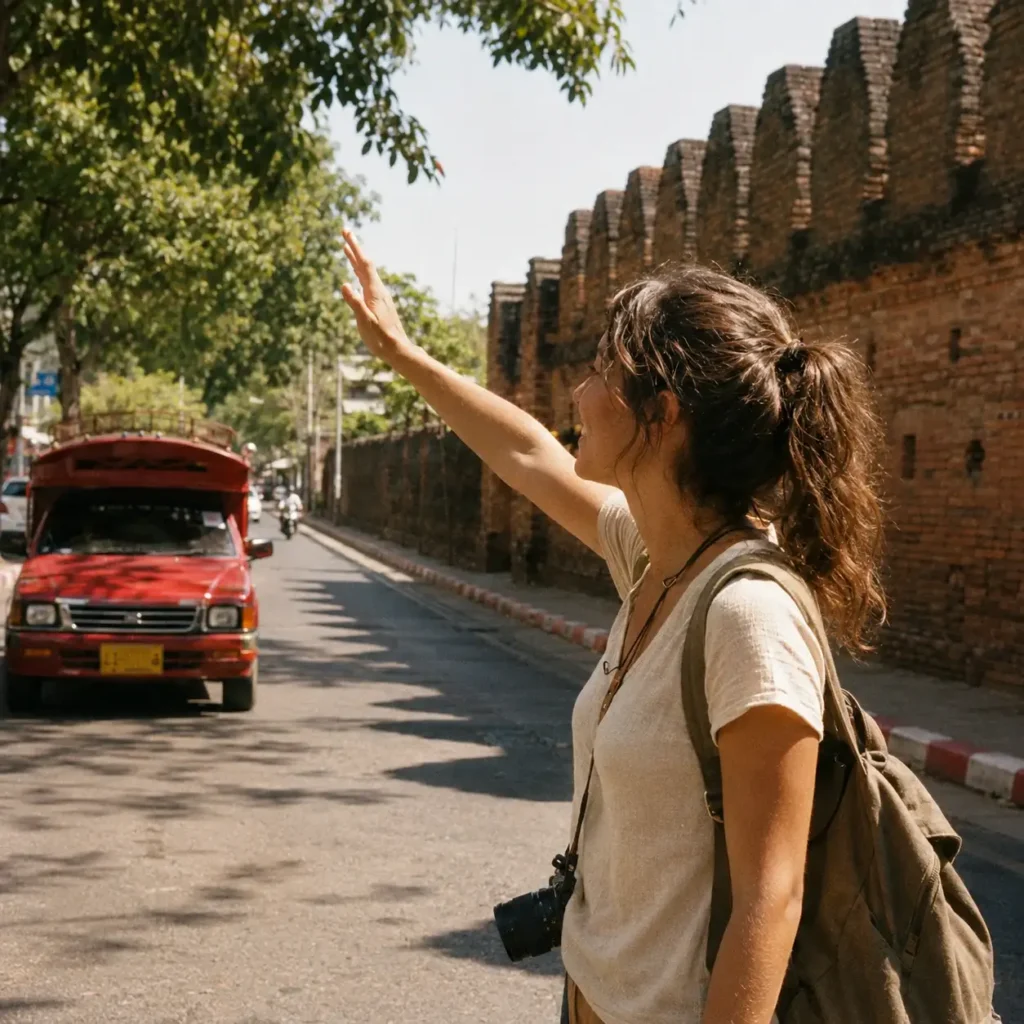
For daily navigation, skip private taxis. Instead, learn how to flag down a songthaew. These are bright red pickup trucks with two benches in the back. You just wave them down, tell the driver your general direction, and if it matches their route, you hop in. A standard ride within the city should only cost you about 30 to 40 Thai Baht (roughly $1 USD). It is cheap, highly efficient, and a great way to chat with locals.
What to Eat: A Culinary Adventure
Do not even think about stepping into an expensive tourist restaurant. The real magic of Chiang Mai happens on the plastic stools lining the street markets.
Your first culinary mission is to find a bowl of Khao Soi. This is a fragrant, creamy yellow coconut curry noodle soup, topped with crispy fried egg noodles, pickled mustard greens, shallots, and a squeeze of lime. The best bowl in the city is found at Khao Soi Mae Sai, a humble spot where a filling lunch costs less than $2 USD.
For dinner, head to the Chang Phueak Night Market. Look for the famous lady wearing a cowboy hat; she serves up legendary stewed pork leg (Khao Kha Moo) over rice with a soft-boiled egg that will make you emotional.
Navigating Culture and Safety Natively
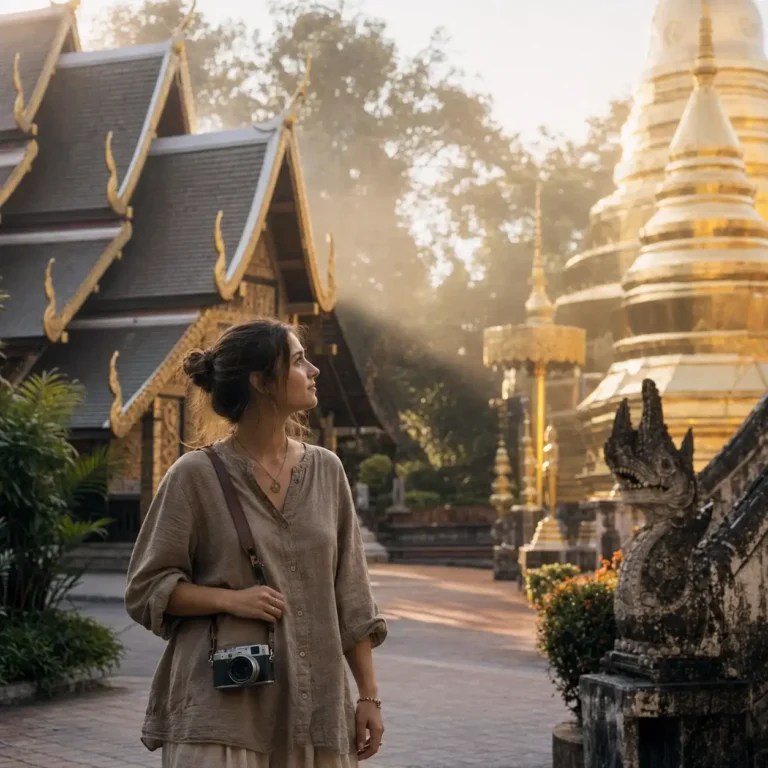
While Thailand is famously known as the Land of Smiles, respecting local traditions is key to a smooth journey. When you are exploring the breathtaking ancient temples like Wat Chedi Luang or Wat Phra Singh, your shoulders and knees must be covered. I always carry a lightweight sarong in my daypack to wrap around my waist or shoulders when entering sacred sites.
Before you pack your bags and head to the airport, here is where I always double-check the official entry requirements and tourist visa rules for Thailand before booking my flights so there are zero surprises at the border.
2. Hanoi, Vietnam: Chaos, Culture, and Coffee
If Chiang Mai is a gentle embrace, Hanoi is a jolt of pure electrical energy. The first time I tried to cross the street in Hanoi’s Old Quarter, I stood on the sidewalk for ten minutes, completely paralyzed by the sea of thousands of swirling motorbikes. But once you learn the secret to walking through the chaos, you will fall head over heels for this city.
The Insider Secrets for Budget Living
The Old Quarter is where every budget backpacker needs to base themselves. The narrow streets are organized by trade—one street sells shoes, another sells tin goods, and another sells herbs. Hostels here are world-class, often including free breakfast and a free social hour for under $10 USD a night.
To get around the city across longer distances, do not use regular street cabs, as drivers sometimes use rigged meters. Instead, download a ride-hailing app on your smartphone. I rely heavily on local transport apps to get around safely, and you can see exactly how Grab works for travelers to book cheap motorbike taxis securely without ever needing to haggle over prices.
What to Eat: The Street Food Capital
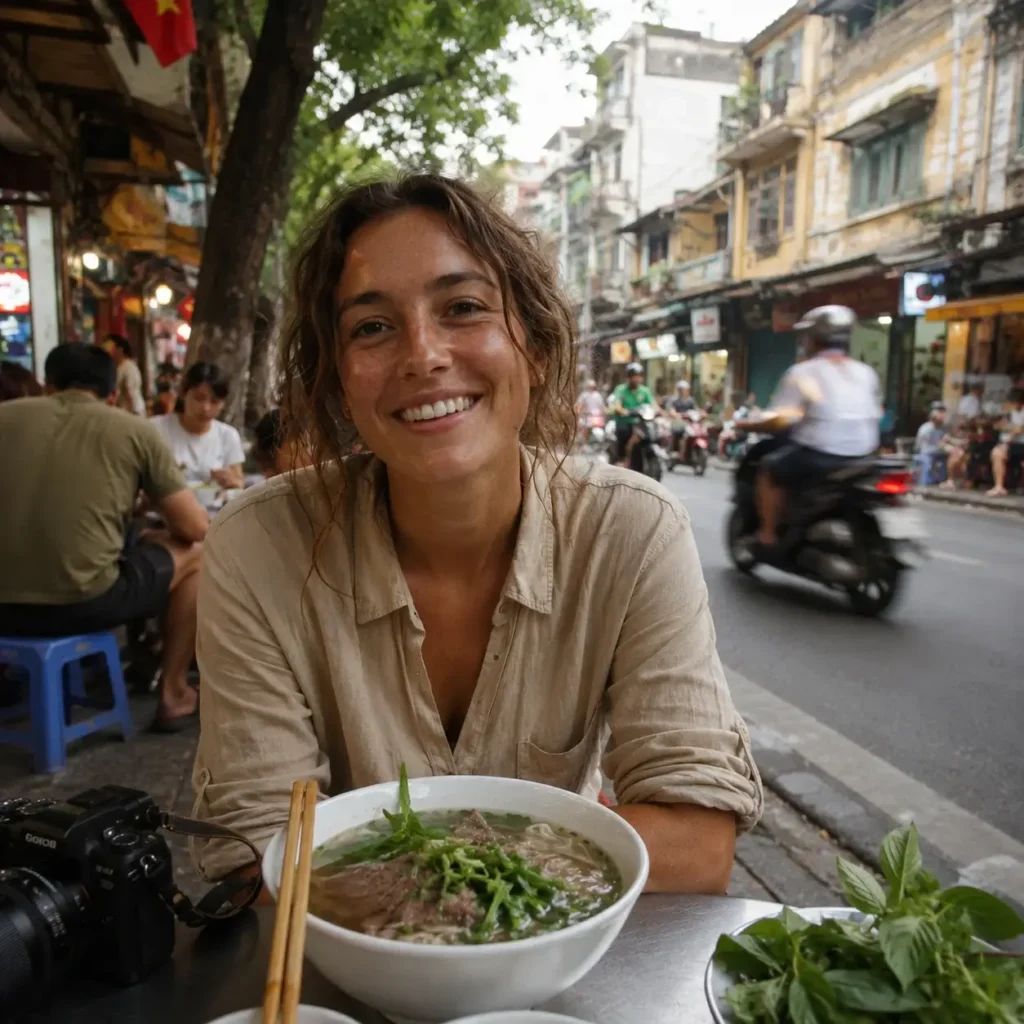
Hanoi is arguably the street food capital of the world. You must start your mornings with a bowl of authentic Pho Bo (beef noodle soup). In Hanoi, the broth is clearer and more delicate than the southern version, focusing heavily on the deep savory flavor of roasted bones and ginger. Head to Pho Thin on Lo Duc street for a legendary bowl.
Next, track down Bun Cha—grilled pork patties and pork belly swimming in a warm, tangy fish sauce broth, served with a mountain of fresh herbs and cold rice noodles. You might recognize this as the dish Barack Obama and Anthony Bourdain ate together on low plastic stools.
For a mid-day pick-me-up, try Ca Phe Trung (egg coffee). It sounds bizarre, but egg yolk is whipped with condensed milk into a thick, velvety meringue and poured over dark, robust Vietnamese robusta coffee. It tastes exactly like liquid tiramisu.
Immersive Day Trips
When the city energy gets too intense, take a cheap overnight bus down to Ninh Binh, often called “Ha Long Bay on land.” Here, you can rent a bicycle for $2 USD a day and pedal past emerald-green rice paddies flanked by massive, towering limestone cliffs.
For an unforgettable cultural trek, head north into the misty mountains of Sa Pa, where you can hike through cascading rice terraces carved directly into the mountainsides.
3. Ubud, Bali, Indonesia: Spiritual Evolution on a Budget
Many people assume Bali is only for luxury honeymooners or wealthy influencers. That is a massive misconception. While southern beach towns like Seminyak are packed with pricey beach clubs, the cultural heart of Bali—Ubud—remains an absolute paradise for budget backpackers who want to slow down, heal, and connect.
The Insider Secrets for Budget Living
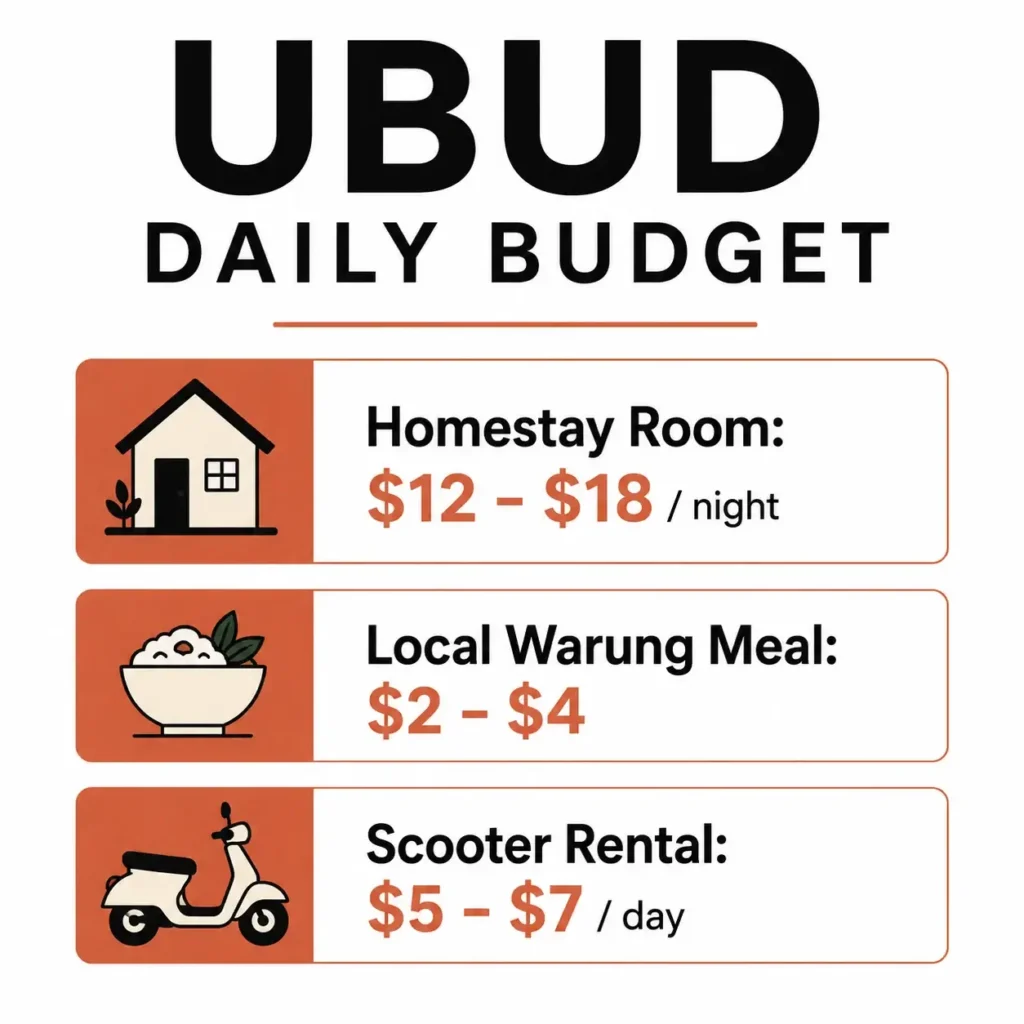
The best way to experience Ubud is by staying in a traditional Balinese family compound, known locally as a homestay. These rooms are built within the family’s beautiful stone courtyard temple. Not only are they incredibly cheap (often $12 to $18 USD a night, including a fresh banana pancake), but you also get to witness daily life up close. You will see the family place their handmade canang sari (small palm-leaf baskets filled with flowers and incense) on shrines every single morning.
To get around Ubud, renting a scooter is the norm. It costs about $5 to $7 USD a day. However, Balinese roads can be chaotic, narrow, and full of potholes. If you have never ridden a motorbike before, do not learn here. It is not worth the risk of a nasty spill.
Whether you are navigating crazy traffic or trying wild new street foods, unexpected incidents can happen. That is why I always protect my budget and health by ensuring I have comprehensive international medical coverage and travel protection through World Nomads before embarking on any extended solo trek through Asia.
What to Eat: Balinese Feast for Pennies
To eat cheaply, look for the word Warung. This means a small, family-owned local restaurant. Skip the flashy health cafes and head straight to places like Warung Makan Bu Rus.
Order Nasi Campur, which translates to “mixed rice.” You get a scoop of steaming white rice surrounded by small portions of spicy shredded chicken, roasted peanuts, stir-fried tempeh, vegetable lawar, and a dollop of fiery sambal matah (a raw lemongrass and chili relish). It is nutritional, incredibly filling, and costs less than a fancy latte back home.
Another must-try is Babi Guling (Balinese spit-roasted pig), which is famous for its rich spices and incredibly crispy crackling skin.
Exploring Sacred Wonders
Ubud is surrounded by deep green river valleys and sacred sites. Take an early morning walk along the Campuhan Ridge Walk to catch the mist rising off the jungle trees before the midday heat hits.
You can also use Ubud as a base to explore the rich cultural history of the island. For instance, you can easily arrange a budget day trip to visit the stunning architectural ruins of nearby sanctuaries; to learn about the deep history of these sacred places, you can explore the official UNESCO World Heritage profile detailing the cultural landscapes of Bali and the traditional Subak irrigation system that keeps the island’s rice fields thriving.
4. Luang Prabang, Laos: Slow Travel at its Absolute Finest
Laos is frequently skipped by backpackers rushing between Thailand and Vietnam, and that is a tragic mistake. If you want to experience what Southeast Asia felt like decades ago, Luang Prabang is where you need to go. This town is a dreamy blend of traditional Lao wooden houses and faded French colonial architecture, sitting quietly at the confluence of the Mekong and Nam Khan rivers.
The Insider Secrets for Budget Living
The entire town of Luang Prabang is a protected historic zone, meaning it feels like a living museum. Because of this, it is wonderfully quiet. There are no roaring neon signs or roaring party buses.
Hostels here are incredibly cozy, and many sit right along the riverbanks. The best way to explore is entirely on foot or by renting a simple single-speed bicycle for about $1.50 USD a day.
To save money on long-distance travel into Laos, utilize the high-speed railway that connects luxury hubs to northern towns, or take a classic, slow-moving wooden boat down the Mekong River from the Thai border. The two-day slow boat ride is a rite of passage for backpackers. You will drift past jungle-clad mountains, water buffalo cooling off in the mud, and tiny remote villages.
What to Eat: French Flares and Lao Spices
Because of its unique colonial past, Luang Prabang has an incredible bakery culture. You can start your morning with a perfectly crisp, buttery French baguette sandwich packed with local meats, fresh vegetables, and chili paste for just $1.50 USD from the stalls lining the main road.
For an authentic Lao dinner, head to the Night Market and look for Laap (sometimes spelled Larb). This is the national dish of Laos, consisting of finely chopped minced meat (chicken, beef, or fish) tossed with fresh mint, cilantro, lime juice, fish sauce, and toasted ground sticky rice, which gives it a beautiful nutty crunch. You eat it with your fingers, rolling up balls of warm Lao sticky rice to scoop up the meat.
To satisfy your sweet tooth, grab a bag of Khanom Krok—tiny, pillowy coconut milk pancakes cooked in a dimpled iron pan right on the street corner.
Cultural Etiquette and the Morning Alms
Every single morning at dawn, a silent ritual takes place in Luang Prabang. Hundreds of saffron-robed Buddhist monks walk silently through the streets to collect daily food offerings (Tak Bat) from the local residents. It is a deeply spiritual experience to witness.
If you choose to watch or participate, you must show absolute respect. Keep a respectful distance, dress modestly with your shoulders and knees fully covered, do not step in the path of the monks, and turn off your camera flash.
To make sure you are treating the local communities with care, you can read through the comprehensive cultural etiquette guides and seasonal advisory updates provided by Lonely Planet to help you travel mindfully through landlocked nations like Laos.
5. Pokhara, Nepal: The Gateway to the Himalayas
When I was working as a sightseeing guide in New York, I spent my days talking about skyscrapers. But my soul longed for real mountains—the kind that pierce the sky. If you want to conquer your fears and challenge your physical limits on a budget, Pokhara is your ultimate destination.
The Insider Secrets for Budget Living
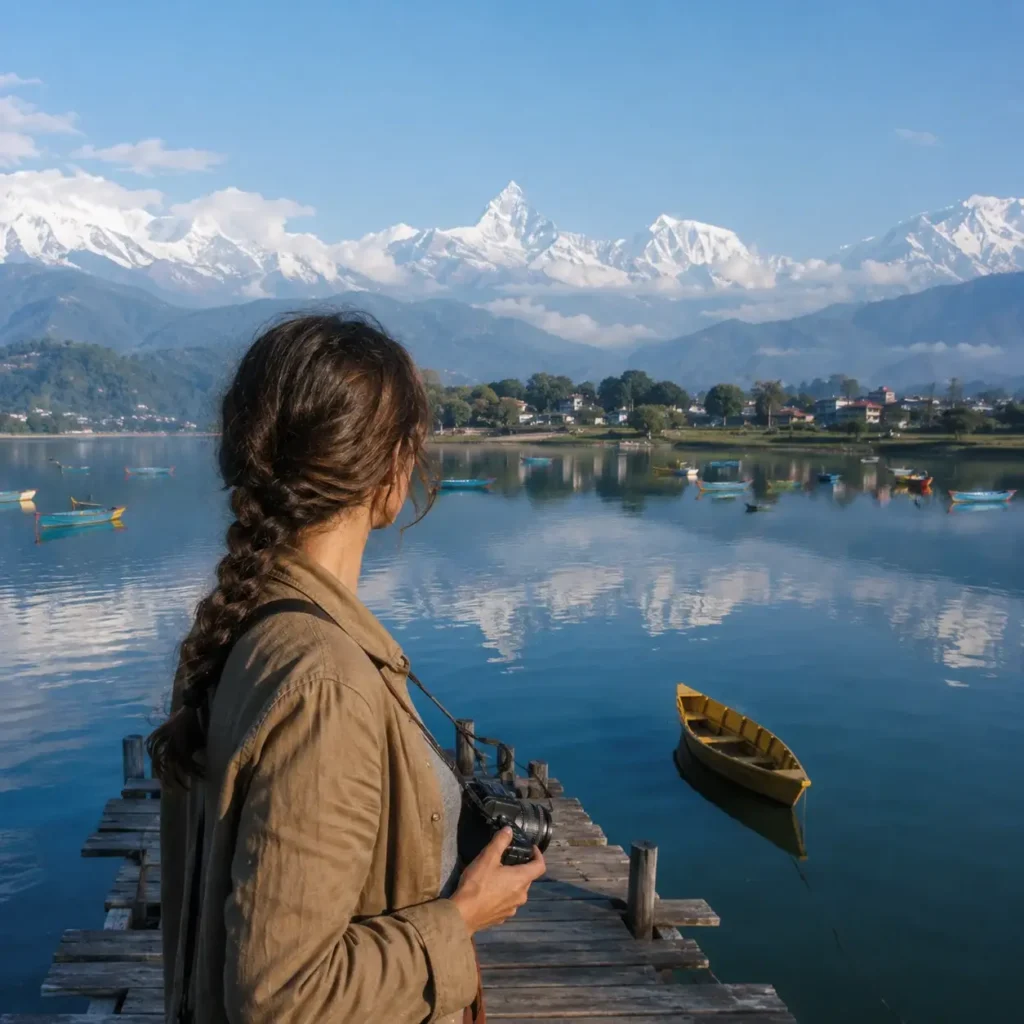
Pokhara is far more relaxed than the frantic capital of Kathmandu. The entire backpacker scene is centered around the gorgeous Phewa Lake, an area known appropriately as Lakeside. Here, you can find clean hostel beds for as little as $5 to $8 USD a night. The views here are surreal; on a clear day, the snow-capped peak of Machapuchare (Fishtail Mountain) reflects perfectly across the glassy water.
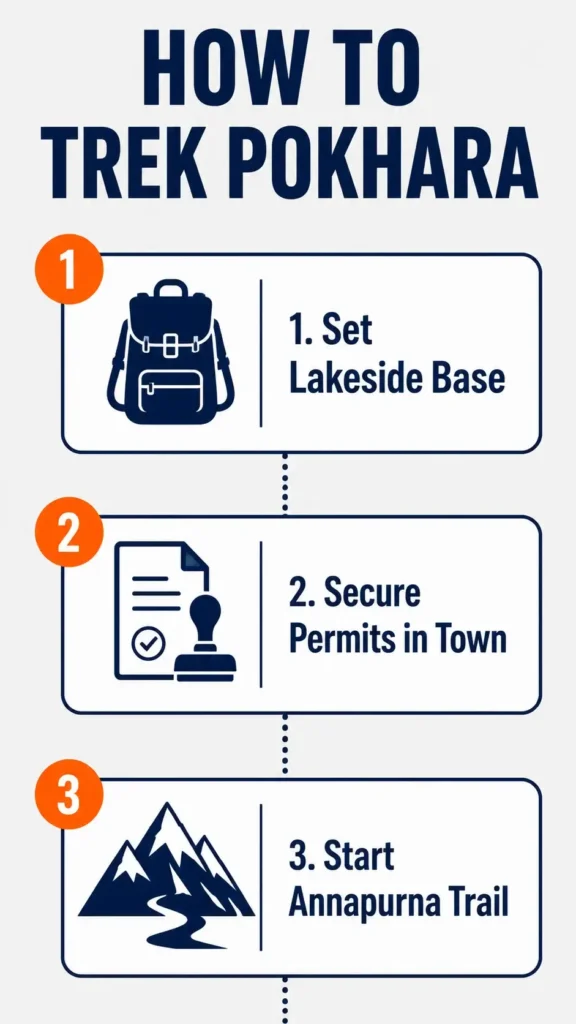
Pokhara is the launching pad for some of the most famous trekking routes in the world, including the Annapurna Circuit and the Poon Hill trek. You do not need an expensive pre-booked tour package from home to hike these trails.
You can easily arrange your own trekking permits (the TIMS card and ACAP permit) at the tourist office in Pokhara for around $40 USD total. You can hire an independent local guide or porter directly in town, which injects money straight into the local economy rather than global corporations.
What to Eat: High-Altitude Fuel
Trekking requires massive amounts of carbohydrates, and Nepalese food delivers perfectly. Your go-to meal will be Dal Bhat. This is a traditional platter featuring a mountain of steamed rice, a rich lentil soup (dal), spiced vegetable curry, and pickled greens.
The best part about Dal Bhat? In almost every local eatery, it is served with unlimited free refills! The staff will walk around with steaming pots, topping up your plate until you literally cannot eat another bite. It is the ultimate budget fuel for a long mountain trek.
When you are relaxing by the lake, grab a plate of Momos. These are Nepalese dumplings stuffed with spiced minced meat or vegetables, steamed or fried, and served with a rich, spicy tomato dipping sauce. A plate of ten momos rarely costs more than $2 USD.
Health and Altitude Safety
Before you lace up your hiking boots and head into high altitudes, you must prioritize your health. Altitude sickness is a serious risk that can affect anyone, regardless of fitness level.
To ensure you stay completely safe while exploring remote regions, here is where I always review the official medical warnings and vaccination recommendations from the CDC Travelers’ Health page before packing my medical kit for high-altitude mountain adventures.
6. Krabi Province, Thailand: Limestone Cliffs and Island Dreams
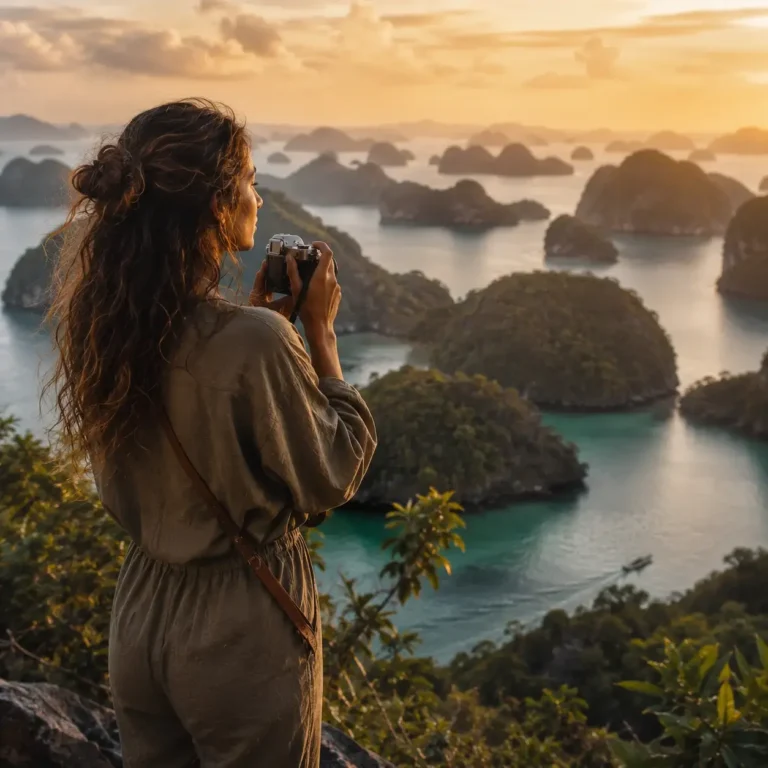
If your dream of backpacking involves turquoise oceans, tropical sea breezes, and white sand beaches, head straight down to Krabi Province in southern Thailand. While popular islands like Phuket have become heavily commercialized and expensive, Krabi still offers pockets of affordable paradise for travelers willing to look a little closer.
The Insider Secrets for Budget Living
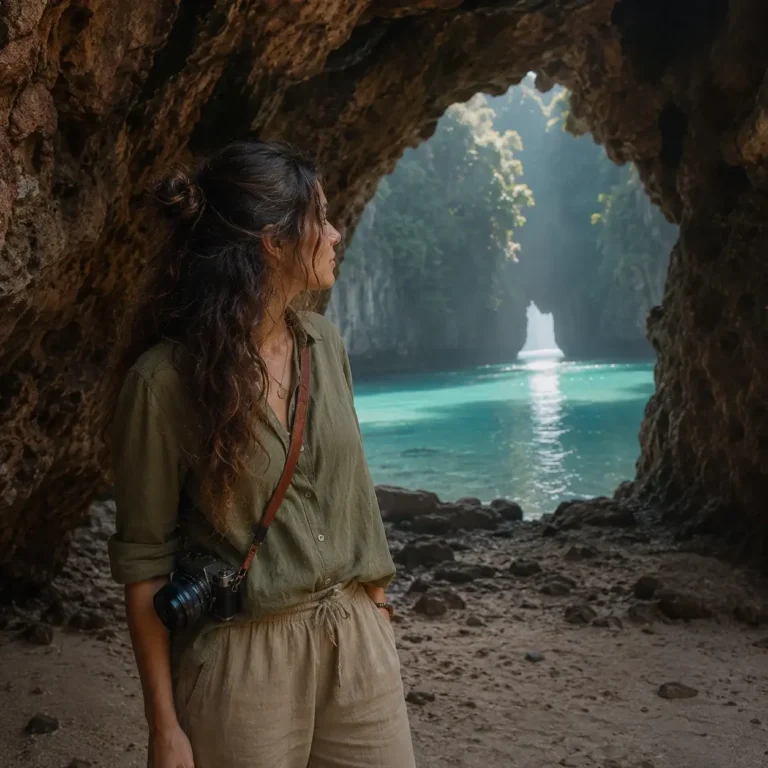
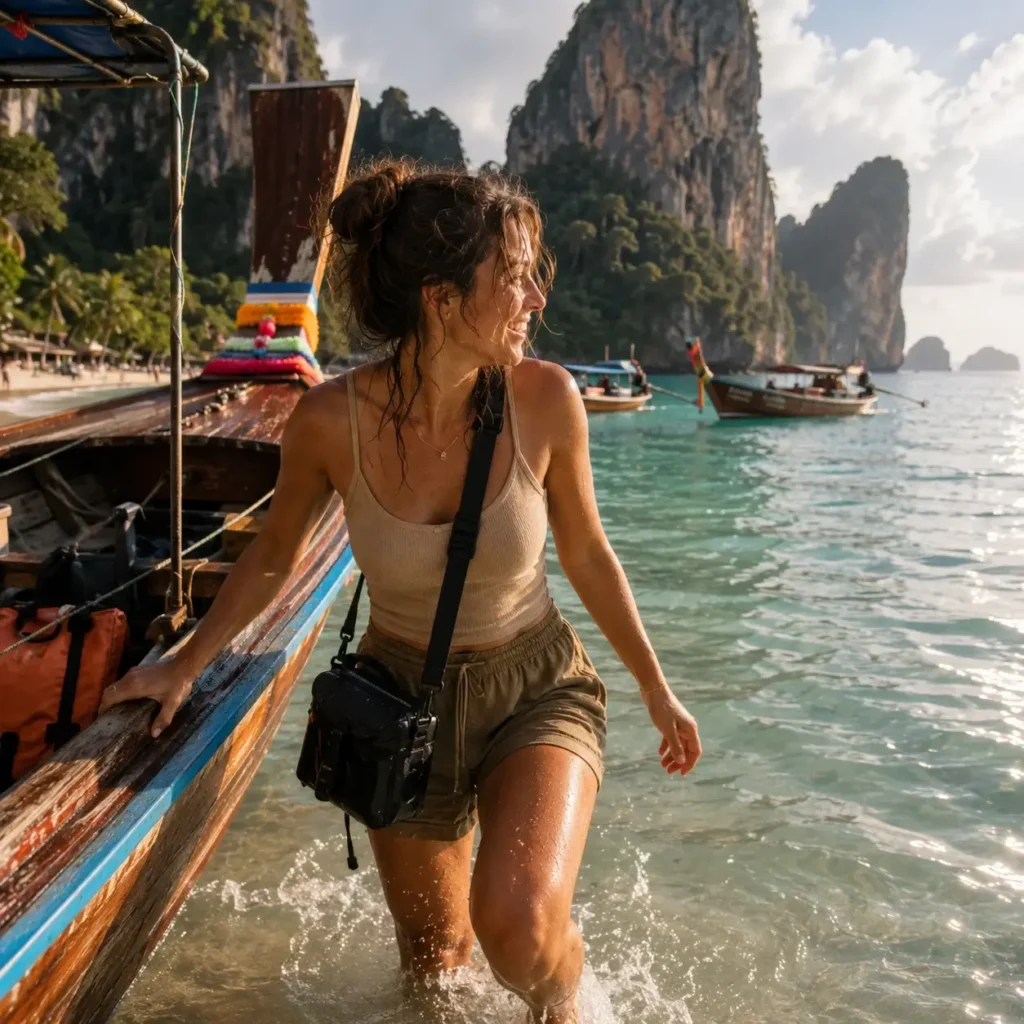
Skip the main tourist strip of Ao Nang beach and head straight to Railay Beach or the backpacker enclave of Tonsai. Tonsai is nestled in a valley flanked by massive, towering limestone cliffs, and it is only accessible by a cheap 15-minute longtail boat ride from Ao Nang.
Because it is cut off from the main roads, Tonsai has retained a rustic, alternative, old-school backpacker vibe. The accommodations here consist mostly of basic wooden jungle bungalows powered by generators, costing around $10 a night. It is a world-renowned hotspot for rock climbers, slackliners, and solo wanderers who want to unplug from reality.
To island-hop on a budget, never book a private speedboat tour. Instead, gather a group of fellow backpackers from your hostel and rent a traditional wooden longtail boat directly from the local fishermen’s cooperative for the day. Splitting the cost makes exploring iconic spots like Hong Island or the Four Islands incredibly cheap.
What to Eat: Southern Thai Spice
Southern Thai food is famous for being incredibly fiery, complex, and packed with fresh seafood. You must try Gaeng Som (Southern Thai Sour Fish Curry), a spicy, water-based curry loaded with turmeric, chili, and green papaya.
For something less fiery but intensely flavorful, try Massaman Curry, a rich, relatively mild Thai curry that features an aromatic blend of cardamom, cinnamon, cloves, and star anise, loaded with tender potatoes and peanuts.
When you are relaxing on the beach at sunset, grab a fresh Roti from a street cart. This is a thin, flaky, fried Muslim flatbread stretched thin, fried in butter, and drizzled with sweet condensed milk and sliced bananas. It is the ultimate seaside comfort food for less than $1.50 USD.
Ocean Safety and Cultural Awareness
The marine environments in Krabi are fragile ecosystems. When snorkeling or swimming, never step on the coral reefs, and always use reef-safe sunscreen that does not contain harmful chemicals like oxybenzone.
To plan your beach routes safely around local seasonal monsoons and discover traditional marine festivals, check out the official destination planning resources and regional travel alerts from the Tourism Authority of Thailand to ensure your beach hopping goes smoothly.
The Secret to Budget Backpacking: Stop Planning, Start Doing
When I was working double shifts at that New York restaurant, saving pennies in a jar, I used to obsess over travel forums. I spent months trying to map out every single detail, every bus route, and every hostel booking for my dream trip to Asia. I was terrified of making a mistake.
But do you want to know a secret? The best moments of my travels were the ones I never planned. They were the moments when I missed a bus and ended up sharing a meal with a local family, or when I got lost in a hidden alleyway and stumbled upon the best bowl of noodles of my life.
Asia has a beautiful way of taking care of travelers. The infrastructure for backpacking is already built; all you have to do is show up with an open mind, a curious heart, and a willingness to embrace the unknown.
Stop waiting for the “perfect” moment. The perfect moment will never come. The money can be remade, but your time cannot. Book the ticket, pack your bag, and step beyond the map. Your next extraordinary adventure is just a click away!