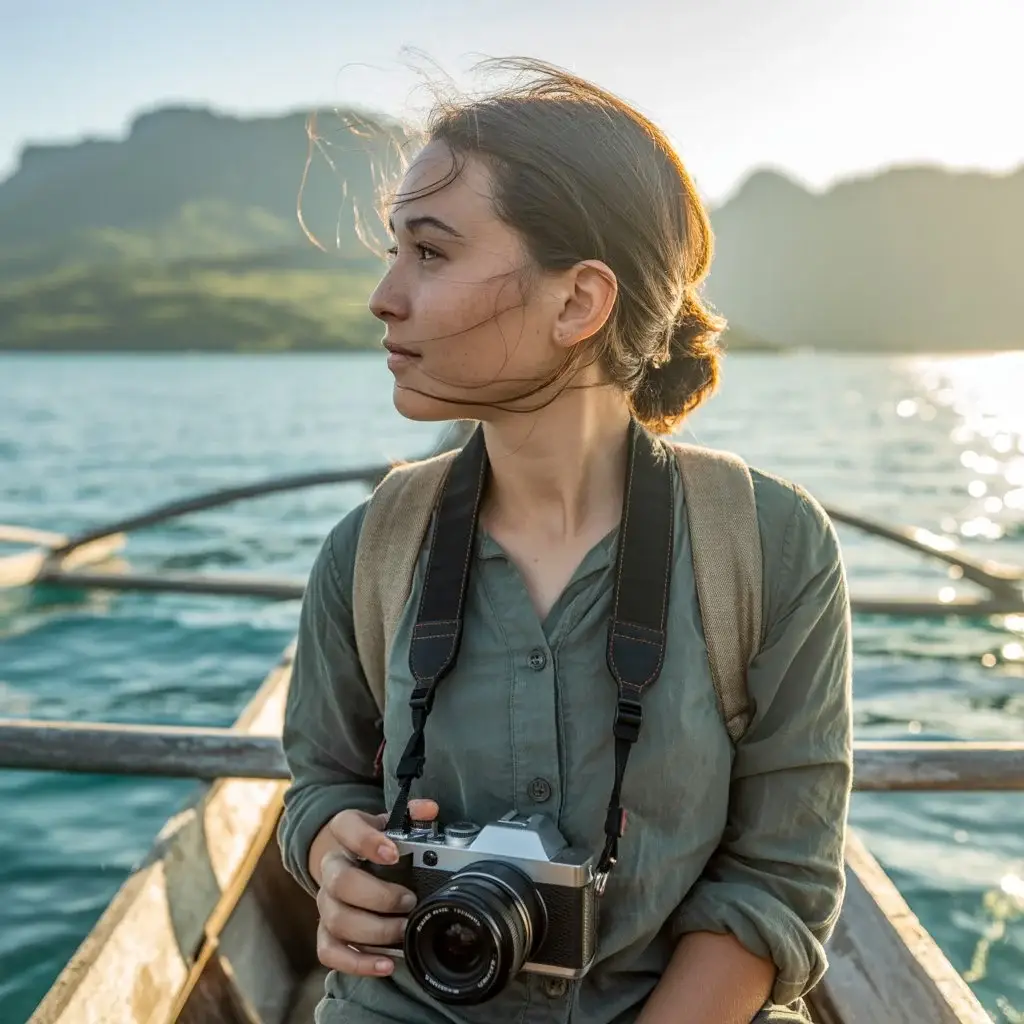
Standing at my corporate desk back in New York, staring at a screen full of endless spreadsheets, I used to daydream about places like this. I was told that staying in that 9-to-5 cage was the only way to be successful. But my heart was always somewhere else.
When I finally quit that job, worked double shifts waitressing to pay my bills, and took off to explore the world, people thought I was losing my mind. They told me travel was too expensive, especially for a solo woman. But I discovered a secret: you do not need a fortune to see the world. You just need a bit of grit, a spark of courage, and the right plan.
That brings us to one of the most beautiful island nations on earth. If you are waiting for the perfect moment to book your first solo trip, let this be your sign. Here is my completely honest, deeply practical, and real solo guide to epic budget travel in the Philippines.
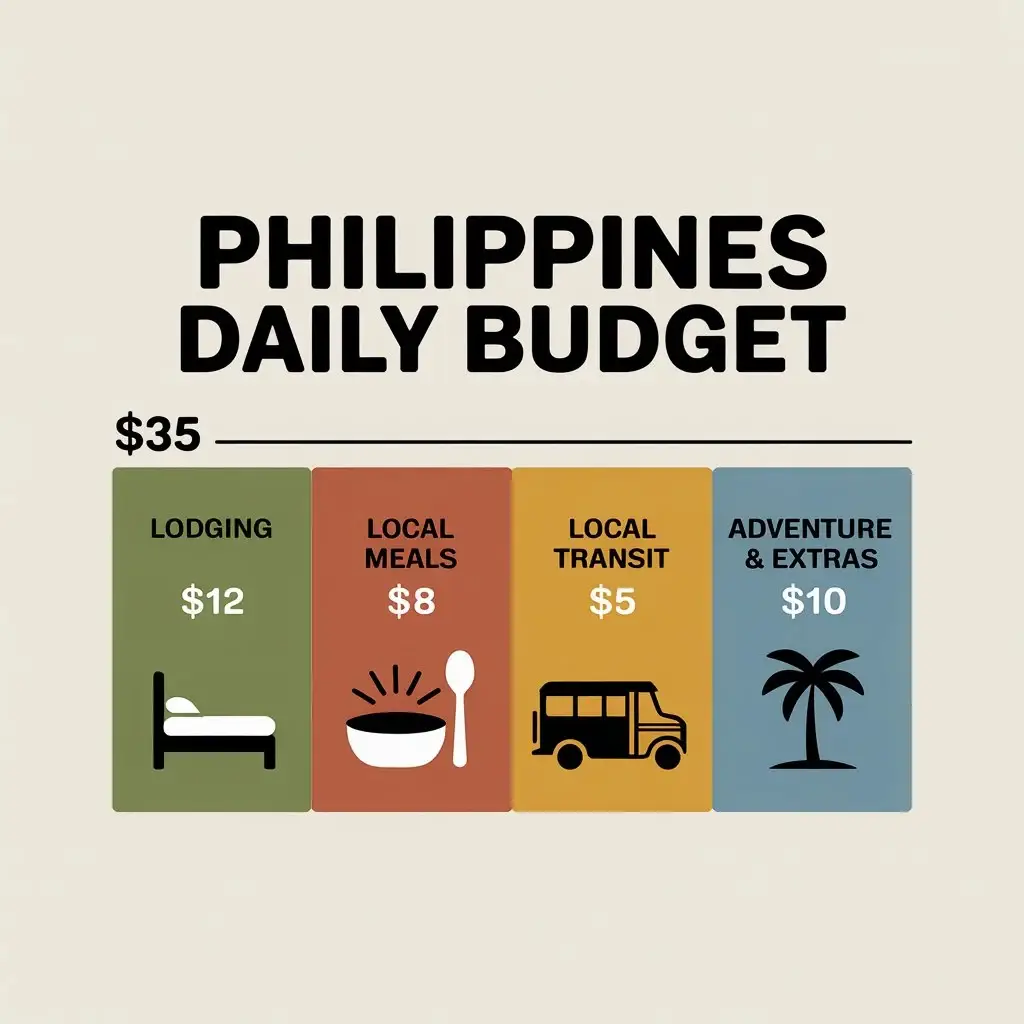
The Real Cost of Island Life: Daily Budget Breakdown
When I worked as a sightseeing guide in New York City, I watched people blow thousands of dollars in a single weekend. In the Philippines, your money goes so much further. You can easily travel here on a budget of $30 to $40 USD per day if you make smart choices. Let us look at where your money actually goes.
Where to Sleep Without Losing Your Savings
Skip the massive luxury resorts. They isolate you from the real culture anyway. Instead, look for hostels, guesthouses, or local homestays called pension houses.
- Hostel Dorm Bed: $8 to $12 USD per night. This is also the single best way to meet other solo travelers to split transport costs with.
- Private Room in a Guesthouse: $15 to $25 USD per night. Perfect for when you need a quiet night to recharge.
How to Eat Like a Local and Save Cash
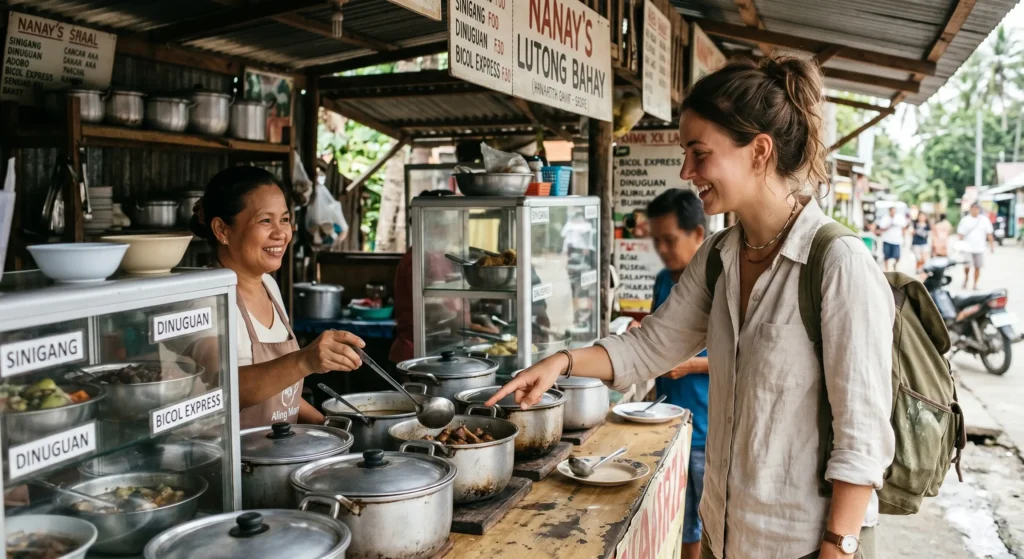
If you eat at western-style tourist restaurants, you will pay US prices. Instead, look for carinderias. These are small, family-run roadside food stalls with pots of fresh, home-cooked food sitting on display. You just point at what looks good.
- Local Carinderia Meal: $1.50 to $3 USD.
- Fresh Fruit from a Market: $1 USD for a massive bunch of local bananas or a ripe mango.
Mastering the Art of Local Transportation
Getting from island to island can get tricky and expensive if you do not plan ahead. When I taught English in Thailand, I learned that local transport is always an adventure in itself. The same is true here.
Riding the Famous Jeepneys
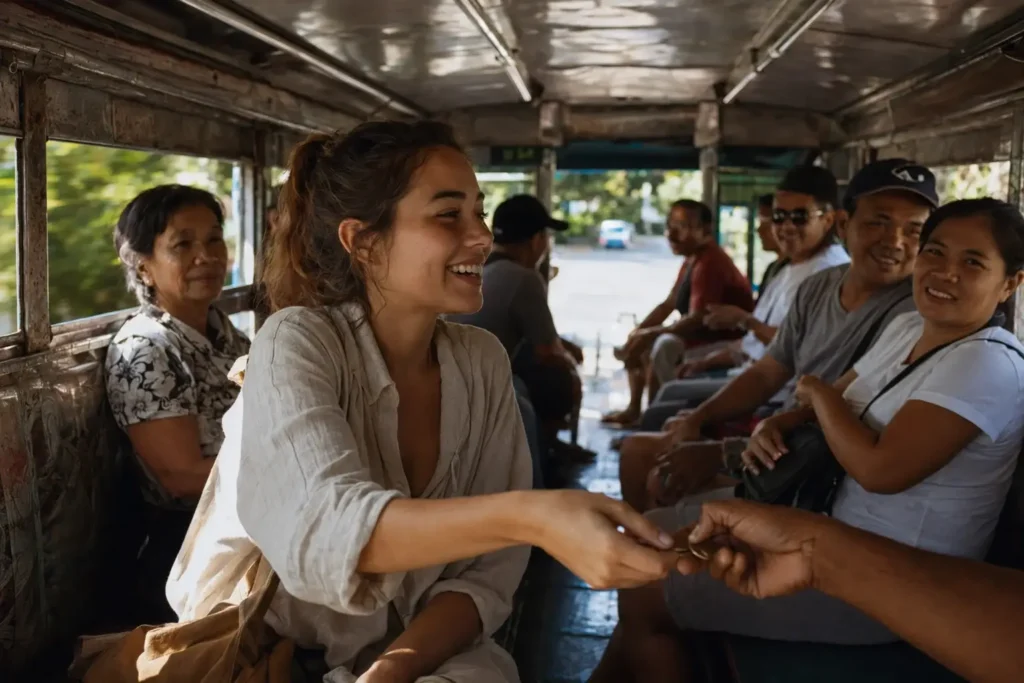
Jeepneys are long, brightly colored utility vehicles that run on fixed routes. They are the backbone of public transit in the Philippines.
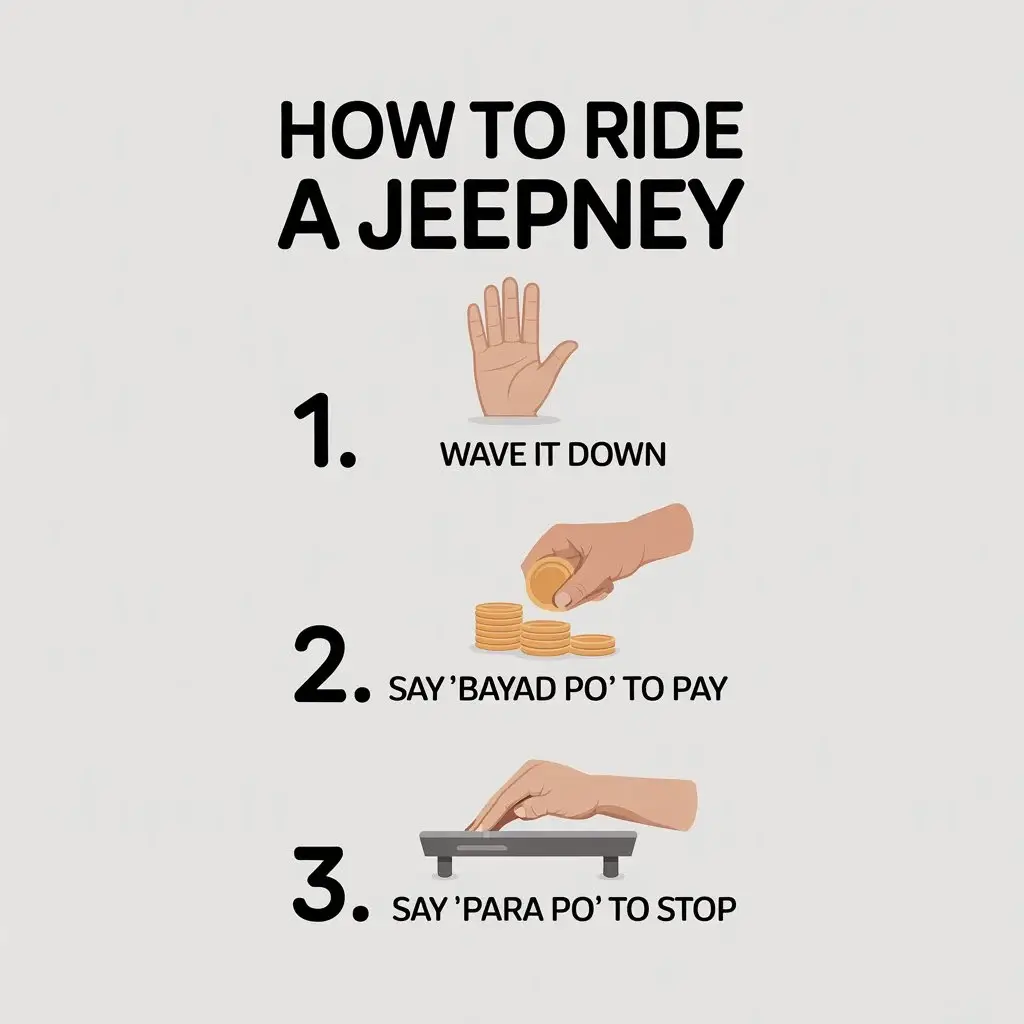
- How to use them: Stand on the side of the road and wave one down. Hop in the back and slide onto the bench.
- Paying the fare: Pass your coins forward to the passengers in front of you. Say “Bayad po,” which means “here is my payment.” The passengers will pass it all the way to the driver. It costs less than $0.30 USD for a ride. To stop, tap a coin on the ceiling metal roof or say “Para po.”
Tricycles for Short Distances
These are motorbikes with an attached passenger sidecar. They are loud, bumpy, and incredibly fun. Always ask a local or your hostel desk what the standard price should be before you get in. Never accept the first price a driver gives you at a ferry port or airport terminal—walk a block away from the crowd to get the normal local rate.
Ferries vs. Domestic Flights
Flying between islands saves time, but it drains your wallet. Large ferry companies like 2GO travel between major islands. Taking a night ferry saves you the cost of a hotel room for the night. For shorter hops, like going from Cebu to Bohol, the OceanJet fast ferry is your best budget option.
Epic Low-Cost Destinations You Cannot Miss
The Philippines has over 7,000 islands. You cannot see them all in one trip, so do not try to rush. Slow down and focus on a few spots.
Palawan: Port Barton Instead of El Nido
El Nido is famous for its massive limestone cliffs, but it has gotten crowded and pricey. If you want that same magic without the crowds, take a public bus from Puerto Princesa to a tiny beach town called Port Barton.
- How to get there: Skip the private tourist vans. Go to the San Jose Bus Terminal in Puerto Princesa and board the local non-aircon bus. It takes longer, but the open windows let you smell the sea air and talk to local farmers heading home.
- What to do for cheap: You can rent a kayak right off the main beach for about $7 USD for the entire day. Paddle yourself out to Starfish Island or White Beach. You get the whole ocean to yourself without paying for an organized group boat tour.
- What to eat: Find a small kitchen on the beach and order Kinilaw. It is raw, fresh fish cured in local vinegar, ginger, onions, and chili. It is light, healthy, and incredibly cheap.
Cebu: Moalboal for Underwater Magic
Moalboal is a small town on the southwest coast of Cebu island. It is a budget traveler’s paradise because you do not need an expensive boat to see world-class marine life.

- How to get there: From the South Bus Terminal in Cebu City, hop on a yellow Ceres liner bus heading to Bato via Barili. It costs around $4 USD and drops you right in the center of Moalboal town. From there, take a quick tricycle ride to Panagsama Beach.
- The Sardine Run for free: You do not need to book a tour to see the famous millions of sardines. Put on a mask and snorkel, walk right off the rocky shore of Panagsama Beach, and swim out about twenty meters. The ocean floor drops off into a deep blue wall, and you will be surrounded by massive, swirling clouds of sardines. Keep your eyes open for sea turtles eating sea grass along the shallow reef.
- What to eat: Head away from the dive shops and find a local bakery. Grab some hot pan de sal (local bread rolls) for just a few cents each. Pair it with a bowl of Chicken Adobe—chicken simmered in soy sauce, vinegar, and garlic—at a nearby stall.
Safety and Practical Tips for Solo Travelers
It is completely normal to feel scared before a solo trip. I remember sitting on my backpack on my very first solo journey, wondering if I had made a massive mistake. But the people in the Philippines are some of the friendliest, most hospitable humans you will ever meet. Most people speak excellent English, which makes it very easy to ask for help.
Managing Your Cash and ATMs
The biggest headache for budget travel in the Philippines is finding working ATMs in small beach towns. Many small islands do not have bank branches, and card machines go offline when the power cuts out.
- Always pull out extra cash when you are in big cities like Cebu City, Manila, or Puerto Princesa.
- Use BPI (Bank of the Philippine Islands) or BDO ATMs, as they are the most reliable and accept international cards.
- Keep your cash separated. Put some in your main wallet, some in a hidden pocket in your backpack, and a small emergency bill inside your phone case.
Staying Connected on a Budget
Do not pay for an expensive roaming plan from your home country. As soon as you land at the airport in Manila or Cebu, buy a local SIM card from Smart or Globe. You can get a data package with plenty of gigabytes for less than $10 USD that will last you a couple of weeks. This lets you use maps, check ferry schedules, and stay in touch with friends back home.
Your Next Adventure is Waiting
Stop waiting for that elusive “perfect” moment. It will never arrive. There will always be another bill to pay, another meeting to attend, or another excuse to stay inside your comfort zone. You have the power to break your routine and experience a life full of unforgettable moments. Pack your bags, trust your gut, and get ready to see the world on your own terms.
Now that we have covered the ultimate blueprint for this adventure, let us lock in the technical details to get this post ranking high on Google so other daydreamers can find it.