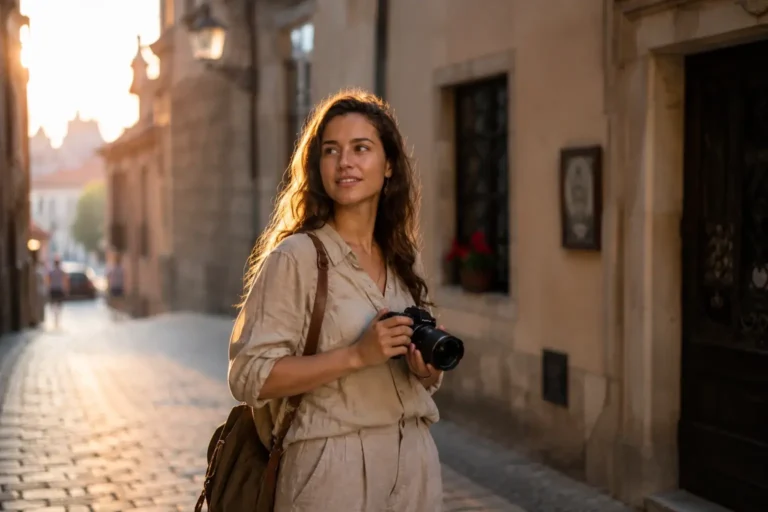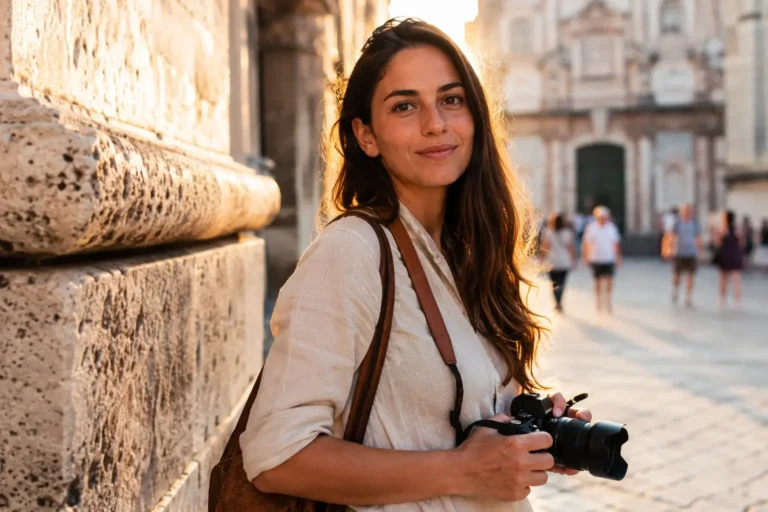
I still remember the exact moment I realized my massive 75-liter rolling suitcase was my enemy. I was standing at the base of the subway stairs in Paris, sweat dripping down my neck, staring up at three flights of steep, narrow stone steps. My shoulders ached from a lifetime of packing for “just-in-case” scenarios. As a former New York sightseeing guide, I used to tell tourists that the city would wear them out if they carried too much. Yet, there I was across the Atlantic, making the exact same mistake.
When I finally quit my conventional 9-to-5 corporate office job to pursue full-time travel, I made a promise to myself. I refused to let physical baggage dictate my experiences. I spent months waitressing and working odd, flexible jobs to save up every dollar for my adventures. During that time, I realized that true freedom on the road starts with minimalism.
Learning how to fit everything in a carry-on bag is not just about saving money on airline fees. It is about building confidence. It is about knowing that you can pick up your entire life, walk through a crowded local market, hop onto a moving train, and change your plans on a whim.
Whether you are planning your first solo trip or preparing to spend months slow-traveling through Southeast Asia, this exhaustive guide will show you exactly how to downsize your gear without sacrificing comfort.
The Ultimate Luggage Selection Guide
Before you can master how to fit everything in a carry-on bag, you must choose the right container. Your bag is your home on the road. If the bag itself is too heavy, poorly designed, or too large for overhead bins, your packing system will fail before you even start.
Understanding Airline Size Dimensions
Every major airline has its own rules for carry-on luggage. In the United States, standard domestic carry-on limits are usually 22 x 14 x 9 inches. However, budget carriers in Europe and Asia are much stricter. They often measure bags down to the millimeter and enforce a strict 7-kilogram weight limit.
To keep yourself safe from unexpected fees at the gate, I always suggest aiming for an international carry-on size. This usually means choosing a bag that is no larger than 40 liters. If you keep your bag under 40 liters, you can confidently fly on almost any budget airline worldwide without stress.
Travel Backpacks vs. Rolling Suitcases
I am a firm believer in the travel backpack for solo adventures. When I was teaching English in Thailand, I had to take local water taxis and walk across sandy beaches to reach my destination. A rolling suitcase would have been ruined within minutes.
- The Travel Backpack: A front-loading backpack opens like a clamshell suitcase. It allows you to see all your gear at once. Look for a pack with a thick, padded hip belt. A good hip belt transfers 80 percent of the bag’s weight from your shoulders to your hips. This keeps your back happy when walking through large transit stations.
- The Two-Wheel Roller: If you have back issues and prefer wheels, choose a durable two-wheel suitcase rather than a four-wheel spinner. Two-wheelers have larger, recessed wheels that can handle rough European cobblestones, cracked sidewalks, and dirt roads. Four-wheel spinners work well in clean airports, but their small, exposed wheels break easily on rugged streets.
Establishing the Core Wardrobe Capsule System
The biggest mistake travelers make is packing an outfit for every single day of their trip. If you are going away for three weeks, you do not need 21 shirts. You need a capsule wardrobe. This is a small collection of high-quality clothing items that all match each other.
[3 Tops] + [2 Bottoms] + [1 Outer Layer] = 6 Distinct Outfit Combinations
The Power of Merino Wool and Synthetics
When you are trying to figure out how to fit everything in a carry-on bag, material choices matter more than quantity. Cotton is soft, but it holds onto moisture, traps odors, and takes days to air-dry in humid climates.
I highly recommend investing in lightweight merino wool or high-quality synthetic blends. Merino wool is a natural fiber that regulates body temperature. It keeps you cool in hot weather and warm in cold weather. Best of all, it resists odors naturally. You can wear a merino wool t-shirt three or four times without it smelling bad. This allows you to pack significantly fewer shirts.
The 5-4-3-2-1 Packing Rule
To keep your clothing list manageable, follow my favorite countdown rule for a week-long trip. You can easily wash these items along the way using sink detergent.
- 5 pairs of underwear and socks: Choose lightweight materials that dry quickly.
- 4 tops: Mix of short-sleeve t-shirts and one button-down or long-sleeve layer.
- 3 bottoms: One pair of durable long pants, one pair of comfortable shorts, and one versatile skirt or activewear bottom.
- 2 pairs of shoes: One sturdy pair of walking shoes worn on the plane, and one pair of lightweight sandals or flat shoes packed in the bag.
- 1 jacket or outer layer: A lightweight rain jacket or windbreaker that rolls up tightly.
Strategic Packing Techniques That Maximize Space
Once you have selected your capsule wardrobe, the next step is getting it all into the bag. Simply folding your clothes and stacking them on top of each other will fill your carry-on quickly, leaving massive air pockets in the corners.
Master the Ranger Roll Method
Instead of flat folding, you should use the military-inspired “Ranger Roll” technique. This method creates tight, compact bundles of clothing that will not unroll or wrinkle easily.
Ranger Roll Method:
1. Lay shirt flat -> 2. Fold bottom 2 inches inside out -> 3. Fold sides inward -> 4. Roll tightly from collar down -> 5. Flip bottom cuff over the roll to secure
To roll a t-shirt, lay it completely flat. Fold the bottom two inches of the shirt inside out to create a cuff. Next, fold the sleeves and sides inward until the shirt forms a long, straight rectangle. Start at the collar and roll down as tightly as possible. Once you reach the bottom, grab the inside-out cuff and flip it over the entire roll to secure it. This creates a neat, firm burrito shape that fits perfectly into the tight corners of your luggage.
Compression Packing Cubes: A Game Changer
If you want to know how to fit everything in a carry-on bag, you must use compression packing cubes. Regular packing cubes keep your items organized, but compression cubes have a secondary outer zipper designed to squeeze out all excess air.
Assign a specific cube to each category of clothing. Put all your tops in one cube, your bottoms in another, and your underwear in the smallest one. Fill the cube, zip the main zipper closed, and then pull the compression zipper. You will watch your pile of clothes shrink by nearly 40 percent in volume. This frees up crucial space for your tech and toiletries.
Navigating the 3-1-1 Toiletries Dilemma
For carry-on travelers, liquid restrictions are the hardest part of packing. Most airport security checkpoints around the world enforce a strict limit: all liquids must be under 3.4 ounces (100 milliliters) and must fit inside a single, clear, quart-sized plastic bag.
Transitioning to Solid Toiletries
The easiest way to beat the liquid rule is to stop packing liquids. Today, you can find high-quality solid versions of almost every hygiene product.
I always travel with solid shampoo and conditioner bars. They look like small bars of soap, last for months, and never leak inside your luggage. You can also purchase solid toothpaste tablets, solid stick deodorants, and solid facial cleansing sticks. By switching to solids, you save your liquid bag space for items that must be liquid, like sunscreen, contact lens solution, or specialized skin serums.
First Aid and Medication Safety
Never skimp on health essentials just to save space. When packing your personal medical kit, remove medications from their bulky cardboard boxes and place the plastic blister packs into a small, labeled pouch.
Always carry a basic supply of pain relievers, anti-diarrhea tablets, rehydration salts, and adhesive bandages. If you are traveling solo to developing regions, it is smart to check the official CDC Travelers’ Health page before departing to see specific vaccine requirements and health advisories for your destination. Knowing what health risks exist helps you pack the exact preventative medications you need without over-preparing.
Streamlining Electronics and Photography Gear
As a digital nomad and travel writer, I carry a lot of tech. However, cords, chargers, and heavy cameras can easily cause your carry-on to exceed weight limits if you do not manage them correctly.
The Universal Charging System
Stop carrying a separate power brick for your phone, laptop, camera, and tablet. Instead, buy a single, high-wattage Gallium Nitride (GaN) wall charger with multiple USB-C ports. These chargers are incredibly small, lightweight, and powerful enough to charge a laptop and a smartphone at the same time.
Pair your GaN charger with a universal travel adapter that features built-in slider plugs for US, UK, EU, and AU outlets. Keep all your charging cables organized inside a small, flat tech pouch. Use velcro cable ties to wrap each cord tightly. This stops them from tangling into a chaotic mess at the bottom of your backpack.
Minimizing Camera Gear
While it is tempting to pack a DSLR camera, three lenses, and a heavy tripod, ask yourself if you truly need them. Modern smartphone cameras are incredibly powerful and capable of capturing beautiful travel memories for your blog or social media.
If you do bring a dedicated camera, choose a compact, mirrorless camera body and a single, versatile zoom lens (like a 24-70mm equivalent). This covers everything from wide-angle landscape shots to beautiful portraits without requiring you to switch gear or carry extra weight.
Destination Case Studies: Real-World Packing Examples
To show you how this packing system works in the real world, let us look at two completely different travel itineraries. Packing light is possible anywhere if you adapt your capsule wardrobe to the local culture and environment.
Case Study 1: Slow Travel in Chiang Mai, Thailand
Imagine you are landing in the bustling northern city of Chiang Mai. The weather is hot and humid, the streets are crowded, and you want to spend your days exploring ancient temples and eating incredible street food.
Chiang Mai Packing List:
– 3 Lightweight Linen/Synthetics Tops
– 2 Loose, Breathable Trousers (covers knees for temples)
– 1 Swimsuit
– 1 Pair of Sturdy Walking Sandals
– Solid Sunscreen and Bug Stick
When packing for Thailand, your focus should be on loose, breathable fabrics like linen or lightweight rayon. Culturally, it is important to dress respectfully. When visiting sacred sites like Wat Phra Singh, your shoulders and knees must be covered. Instead of packing heavy jeans, pack lightweight linen trousers or a long, airy skirt.
For navigation around town, you will likely use local red trucks (Songthaews) or call rides on your phone. If you want to get around cheaply and safely, you can learn how the system works by reading the Grab official app overview for travelers to see how to hail rides seamlessly in Southeast Asia. For food, do not miss a bowl of local Khao Soi—a rich, coconut curry noodle soup with crispy noodles on top. You can easily find this at street stalls for under two dollars. Carrying a light backpack makes navigating these crowded food markets a breeze.
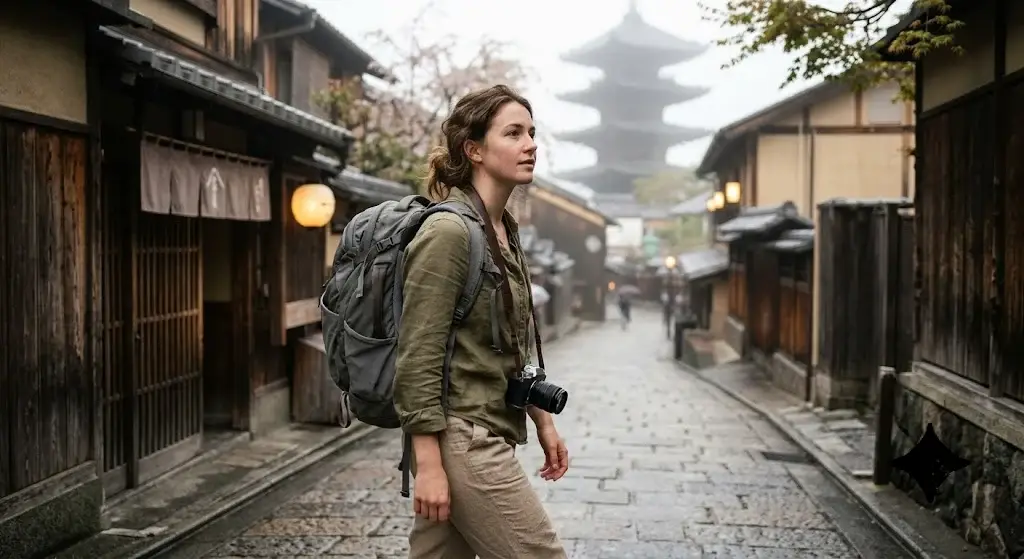
Case Study 2: Historical Exploration in Kyoto, Japan
Kyoto is a gorgeous city filled with wooden temples, bamboo forests, and traditional tea houses. It involves an incredible amount of walking, often on paved but hilly pathways.
Kyoto Packing List:
– 3 Merino Wool Layers (easy to mix and match)
– 2 Smart-Casual Pants
– 1 Lightweight Cardigan or Windbreaker
– 1 Pair of Slip-on Walking Shoes (crucial for temple entry)
– Small Travel Umbrella
Japan involves a lot of moving between heated trains and cool outdoor environments, so layering is key. You will also be taking your shoes off frequently to enter traditional temples, restaurants, and guesthouses. Pack comfortable walking shoes that are easy to slip on and off without tying laces every time.
To make sure you are fully prepared for entry requirements, passport validity rules, and safety alerts before booking your flights to Japan, I highly recommend checking the official US Department of State Travel page for real-time international travel advisories.
When you arrive in Kyoto, use the local bus system to reach the historic Higashiyama district early in the morning before the crowds arrive. Walk up the winding stone streets, look at the beautiful wooden architecture, and stop at a local shop to try authentic matcha green tea ice cream. Having just a carry-on bag means you can head straight from the train station to the temples without looking for a luggage locker first.
Step-by-Step Carry-On Packing Sequence
Now that you have gathered your gear, sorted your toiletries, and streamlined your electronics, it is time to put everything into the bag. Follow this exact sequence to ensure your backpack remains balanced, comfortable, and easy to organize.
1.Load Heavy and Non-Essential Items First:Bottom and Spine Placement.
Place your heaviest items—like your packed secondary shoes or a travel towel—at the very bottom of your backpack. Position your heavy compression cubes containing your clothing flat against the back panel of the bag. Keeping the heaviest weight close to your spine prevents the bag from pulling backward and straining your shoulders.
2.Slide in the Tech and Laptop:Dedicated Sleeve Check.
Slide your laptop and tablet into the dedicated padded tech compartment, which is usually located directly against your back. If your bag does not have a separate tech zipper, make sure your laptop is placed where you can pull it out easily without disturbing the rest of your packed gear.
3.Fill the Middle and Outer Pockets:Medium Weight Balance.
Place your tech pouch, universal adapter, and first aid kit in the middle section of the bag or in internal mesh pockets. Fill any empty spaces or gaps in the corners with small items like rolled-up socks or your lightweight rain jacket.
4.Position Liquids and Essentials at the Very Top:Quick Access Layout.
Place your clear quart-sized toiletries bag and your passport pouch at the very top of the main compartment or in an easily accessible exterior pocket. This ensures you can pull them out in three seconds flat when walking through busy airport security lines.
Overcoming the Fear of Packing Less
The hardest part of learning how to fit everything in a carry-on bag is not physical—it is mental. When I first sat on the floor of my studio apartment trying to downsize my life into a 40-liter backpack, I felt a deep wave of anxiety. I kept asking myself: What if I run out of clothes? What if it rains? What if I get sick?
The “Just-in-Case” Trap
We pack extra items because we want to control the future. We think that packing three extra shirts will protect us from the discomfort of an unexpected spill or a rainy day. But in reality, over-packing just creates a different kind of discomfort—physical exhaustion, expensive luggage fees, and constant worry about your belongings.
Remember this golden rule of travel: Almost every country you visit has stores. If you arrive in Thailand and realize you desperately need an extra t-shirt, you can buy a beautiful, locally made cotton shirt at a night market for three dollars. If it rains unexpectedly in Japan, you can walk into any convenience store and buy a high-quality clear umbrella for a few hundred yen. You are not traveling to the moon; you are traveling to vibrant, living communities where people live, shop, and meet their daily needs.
Embracing the Laundry Reality
Traveling with a carry-on bag means you will have to do laundry on the road, and that is completely okay. In fact, doing laundry abroad is one of my favorite slow travel activities. It forces you to step away from tourist attractions and interact with local life.
In Southeast Asia, you can drop your clothes off at a local laundry service where they will wash, dry, and fold everything for about one dollar per kilogram. In Europe, spending an hour at a local laundromat gives you a perfect opportunity to sit with a cup of coffee, write in your travel journal, and observe the neighborhood rhythm. If you are in a hurry, you can easily wash your underwear and socks in your hotel room sink using a travel sink stopper and a few drops of concentrated liquid laundry soap. Hang them up overnight, and they will be clean and dry by morning.
Protecting Your Journey
When you choose to travel light, you learn to trust your resourcefulness instead of your gear. That shift builds incredible self-reliance. However, being confident also means being smart about unexpected emergencies.
Whether you carry a giant suitcase or a tiny backpack, things can occasionally go wrong on the road. Luggage can get stolen, flights can get canceled, or you might twist an ankle on a remote hiking trail. To protect your peace of mind and ensure you are never stranded, it is always wise to look into independent coverage options by reviewing the World Nomads Travel Insurance safety guidance pages. Having reliable coverage gives you the confidence to move through the world with freedom, knowing you are protected if a real emergency happens.
Finding True Freedom on the Road
When you zip up your 40-liter carry-on bag and realize that everything you need to survive and thrive around the world is resting comfortably on your shoulders, something wonderful changes inside you.
You no longer have to arrive at the airport three hours early to stand in long check-in lines. You do not have to crowd around the baggage carousel, praying that your suitcase did not get lost on a layover. When you step out of the arrival terminal in a brand-new country, you can completely skip the expensive airport taxi lines. Instead, you can comfortably walk directly to the local bus, navigate the subway system, or explore a scenic neighborhood on foot.
Packing light is ultimately an act of respect. It respects your physical body by reducing strain, it respects your budget by avoiding useless fees, and it respects the local culture by allowing you to blend in easily rather than taking up massive space as a burdened tourist.
Stop waiting for the perfect moment, drop the heavy baggage that is holding you back, and step out into the world with curiosity and courage. The road is waiting for you, and you already have everything you need to explore it.