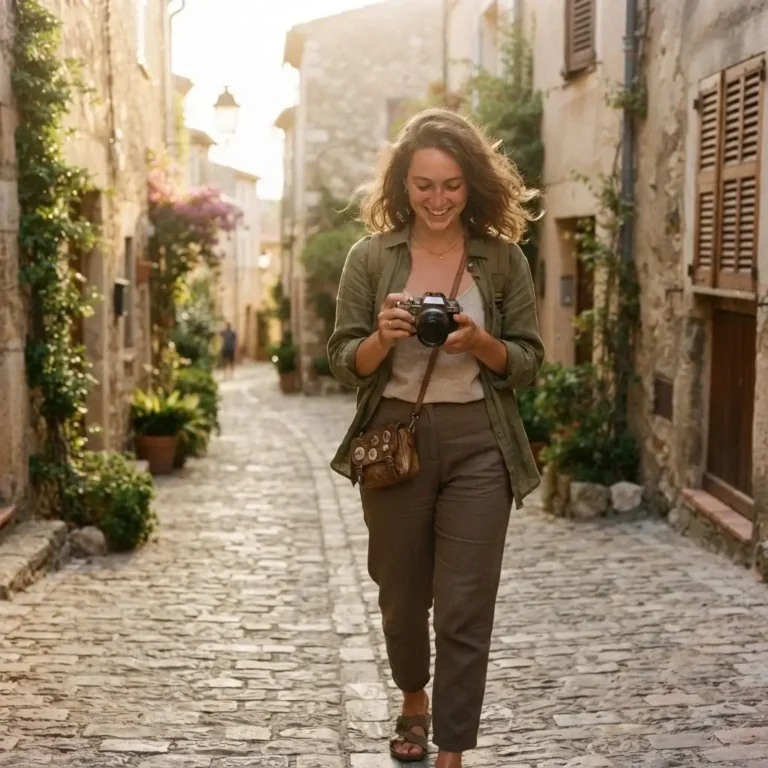
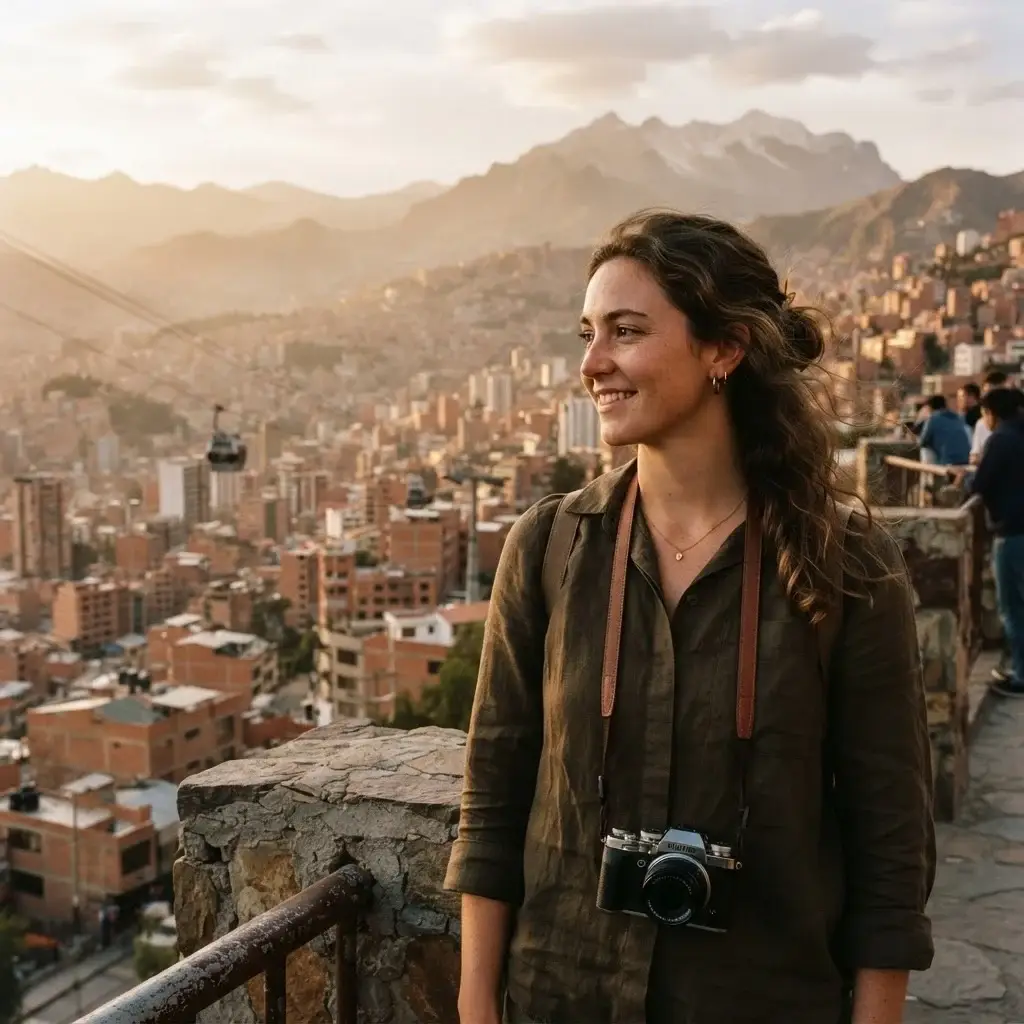
The first time I stepped out of the El Alto airport, I gasped—not just because of the altitude, but because of the sheer, breathtaking scale of the valley beneath me. La Paz is a city that doesn’t just sit on the earth; it spills down the mountainside like a giant, urban waterfall. When I left my corporate office in New York, I spent months daydreaming about places that would challenge me, and this city, perched high in the Andes, was exactly the kind of adventure I needed to find myself again.
Solo travel isn’t always about visiting the most famous landmarks or staying in the fanciest hotels. For me, it’s about the quiet moments when you are walking down a steep, cobblestone street, smelling the street food, and realizing that you are entirely capable of navigating a world that feels completely different from home. If you have been waiting for the “perfect moment” to take that first solo trip, let me tell you: that moment is today. Let’s look at a 6-day plan that helps you see the real heart of Bolivia’s capital.
Preparing for the Altitude
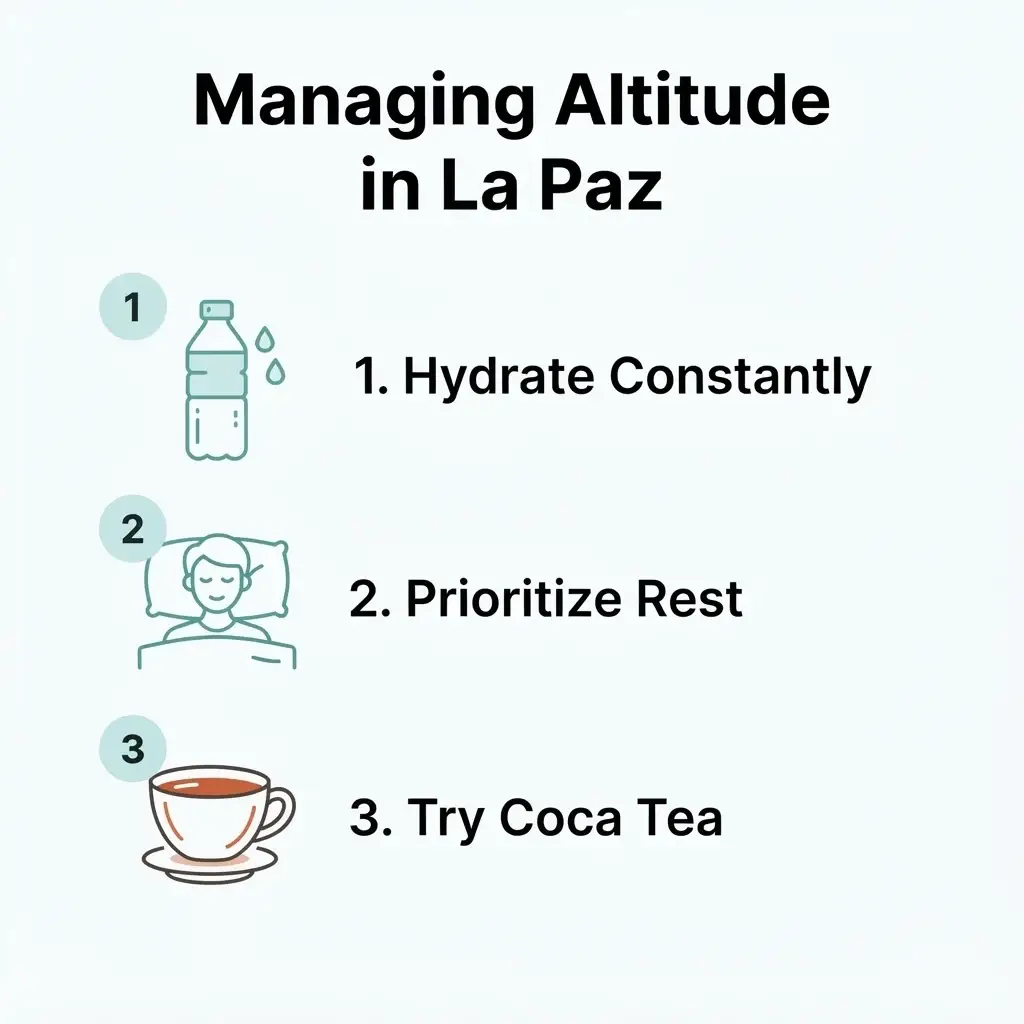
Before we dive into the daily plans, we need to talk about the air. La Paz sits at an average altitude of about 11,900 feet. When I arrived, I felt like I had run a marathon just walking to my hostel. It is not something to fear, but it is something to respect. Before you leave, I highly suggest you take a moment to look over the health recommendations for Bolivia provided by the CDC Travelers’ Health website to ensure you are packing the right supplies and know how to manage the change in air pressure.
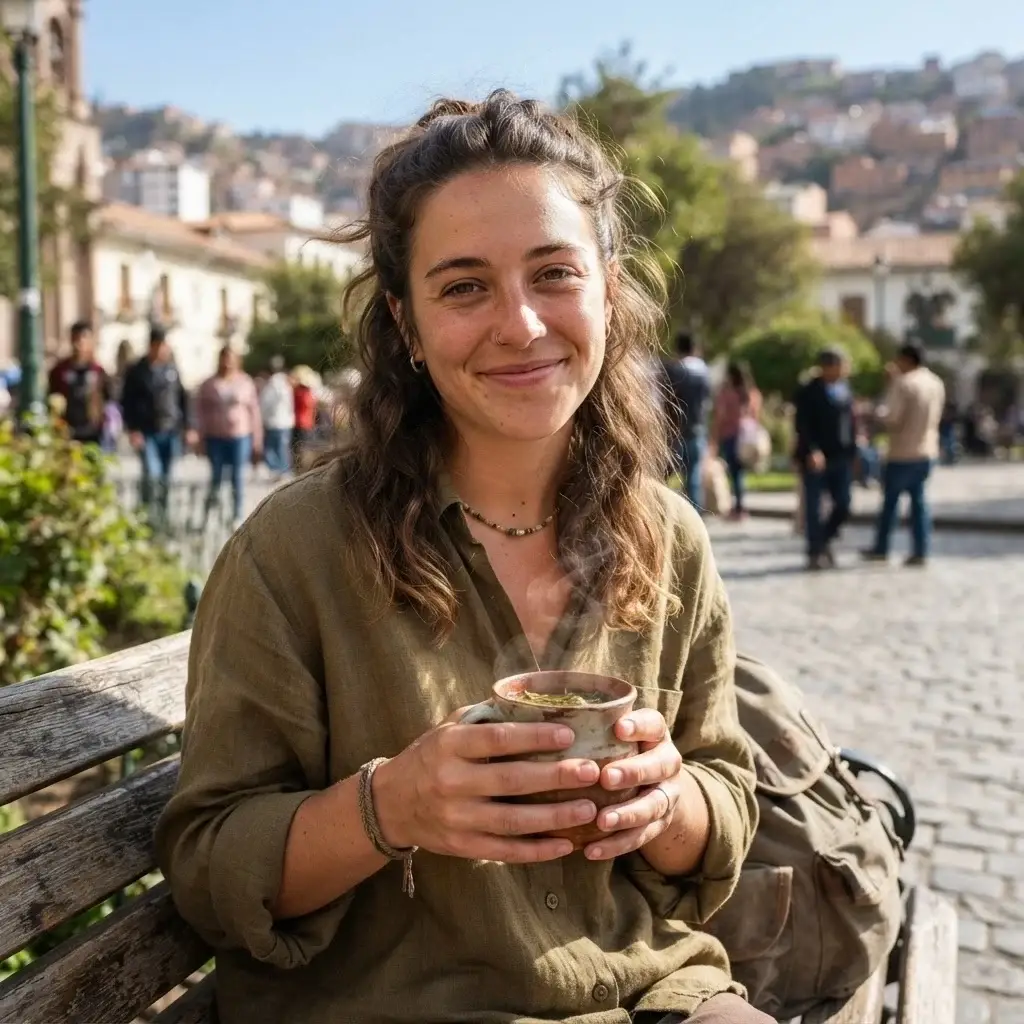
I spent my first day here doing almost nothing. I drank plenty of mate de coca (coca leaf tea), which the locals swear by, and I just sat in a park watching the world go by. Don’t try to climb a mountain on your first afternoon. Give your body a day to catch up with your ambition.
Day 1: Acclimatization and the Witches’ Market
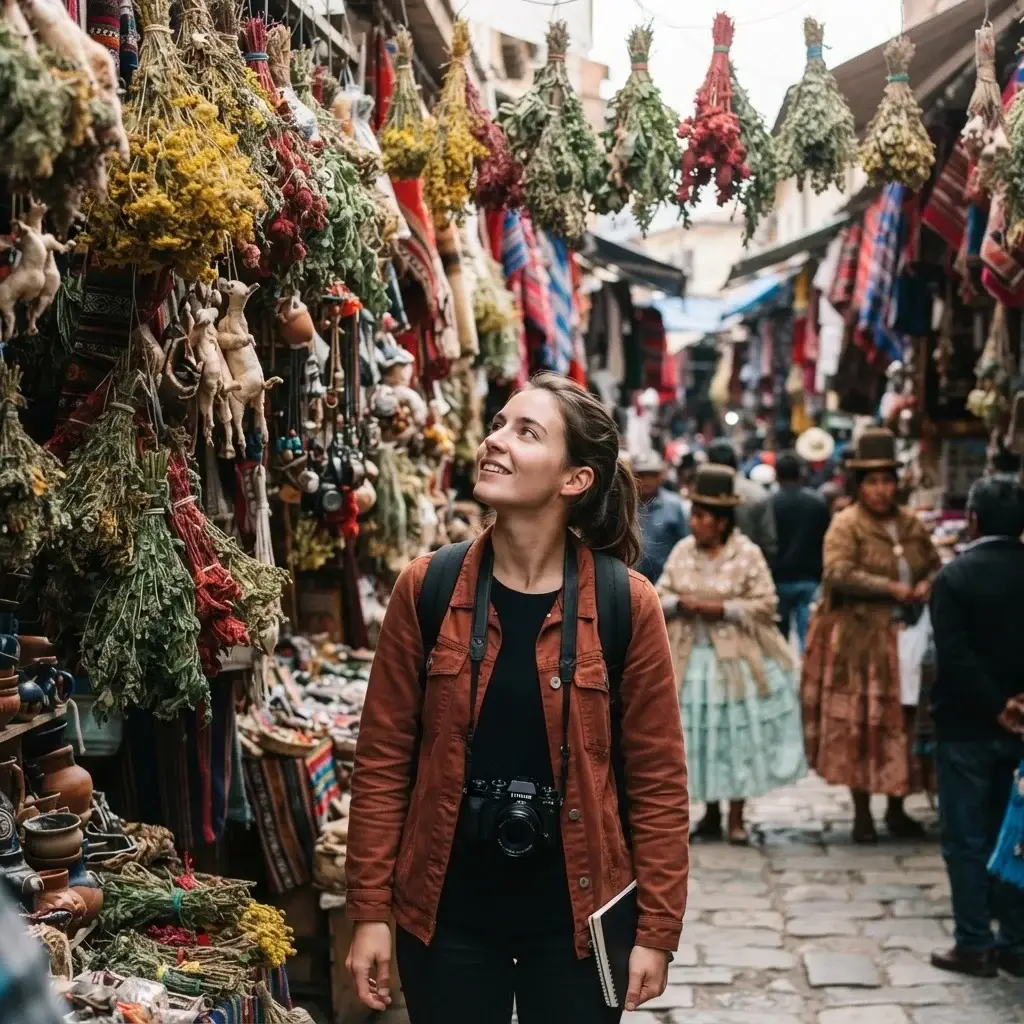
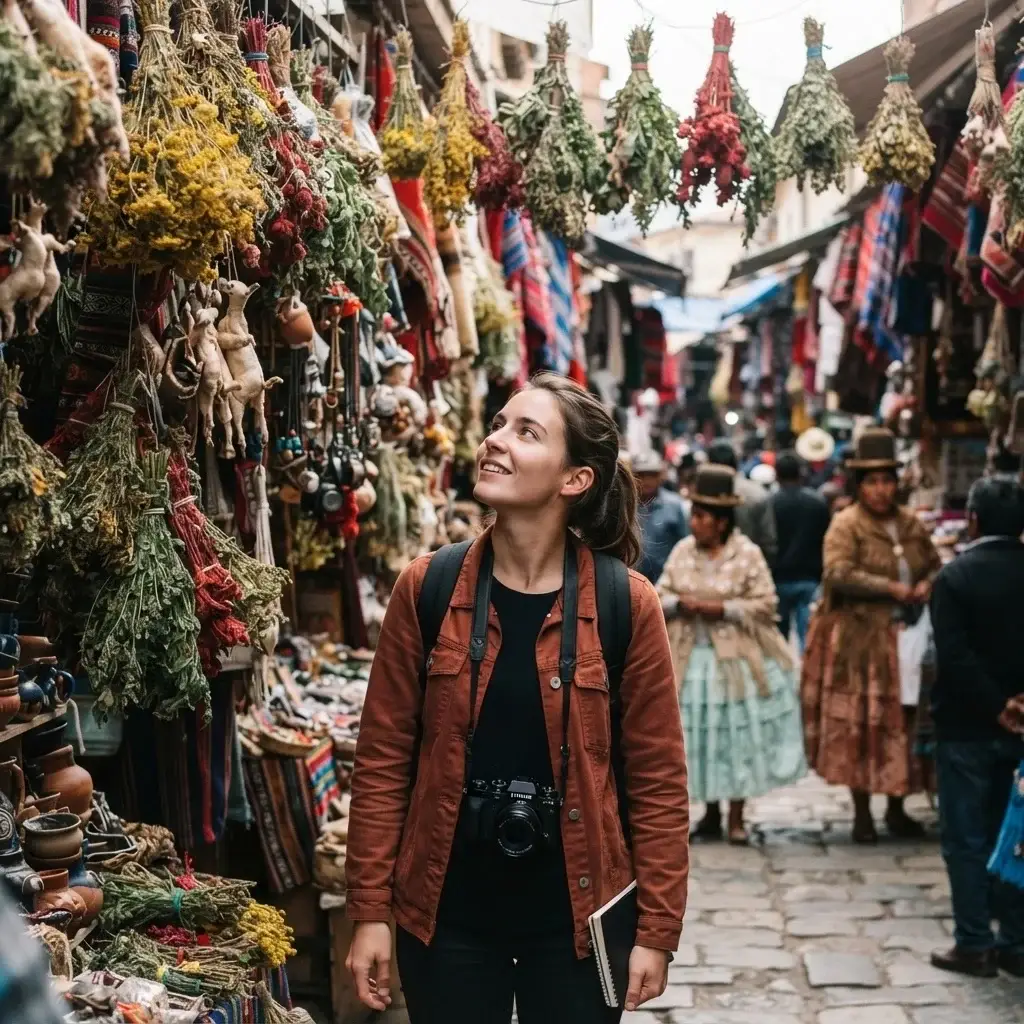
After your first night, you will wake up feeling a bit more human. Start your journey in the city center. This area is a maze of history and tradition. The most fascinating place to visit is the Mercado de las Brujas, or the Witches’ Market. It sounds a bit intense, but it is a deeply cultural spot where you can see the local Aymara traditions firsthand. You’ll find everything from dried llama fetuses used for offerings to herbal remedies for just about any ailment.
As you walk these streets, remember that Bolivia has specific entry and safety requirements for international visitors. I always make it a habit to check the latest travel advice on the US Department of State Travel page before heading out to a new neighborhood, just to stay informed about local happenings or changes in regulations. It keeps my mind at ease so I can focus on the experience rather than the “what-ifs.”
Day 2: The View from Above
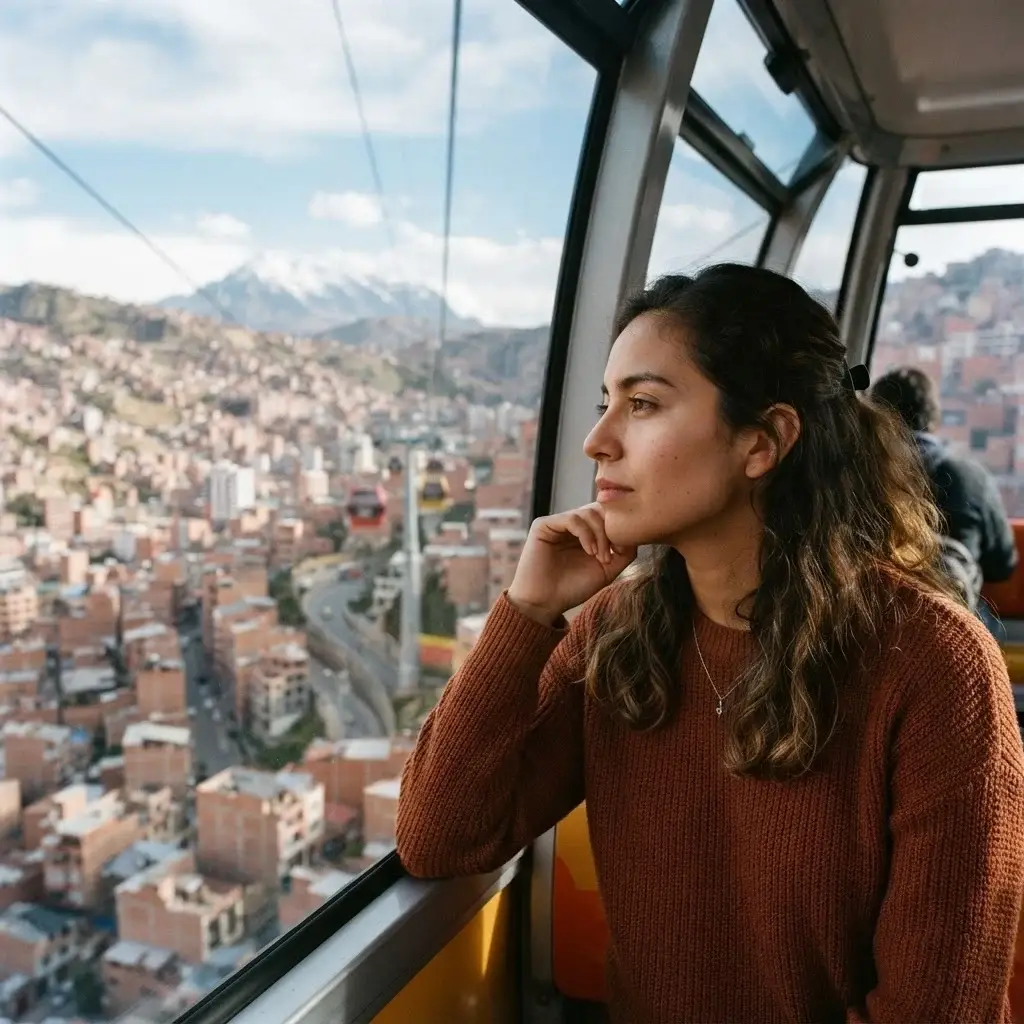
One of the best ways to get your bearings in La Paz is to stop thinking about the roads and start looking at the sky. The city’s Mi Teleférico (cable car) system is not just a way to commute; it is the most spectacular sightseeing tour you will ever take.
I spent my second day riding the lines. The Red Line takes you from the city center up to El Alto. As you rise, the city opens up beneath you. You see the colorful brick houses packed tightly against the hills and the snow-capped peak of Mount Illimani looming in the distance. It feels like flying. Once you reach the top, grab a fresh empanada from a street vendor.
The food in Bolivia is humble, delicious, and incredibly cheap. I once lived on a tight budget while working as a waitress back in New York to save for trips like this, so I know the value of a good, filling street meal.
Day 3: A Dive into History
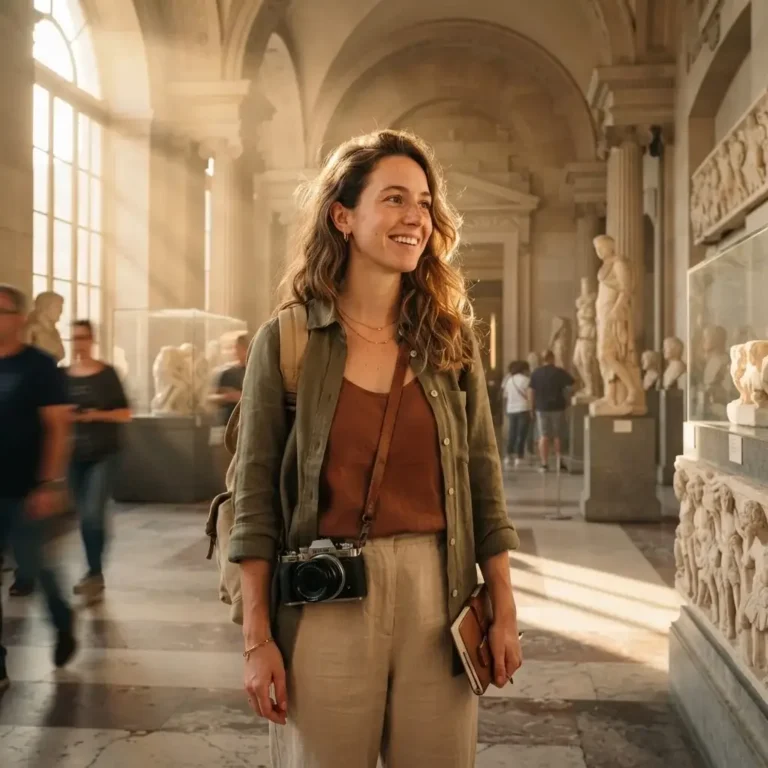
La Paz is a place where history feels alive. Spend your third day visiting the Plaza Murillo and the surrounding museums. I love walking through the Museo Nacional de Etnografía y Folklore. It gives you such a clear window into the many different indigenous cultures that make up this beautiful country.
While you are moving between museums, keep an eye on your surroundings. I’ve found that even in busy cities, taking a moment to look at the architecture—which ranges from Spanish colonial to very modern—tells you a story about how the city has changed over the centuries. UNESCO has recognized the profound cultural heritage of this region, and you can find extensive information on Bolivia’s heritage sites via the UNESCO World Heritage center if you want to understand the deeper historical significance of the buildings you are walking past.
Day 4: Valley of the Moon
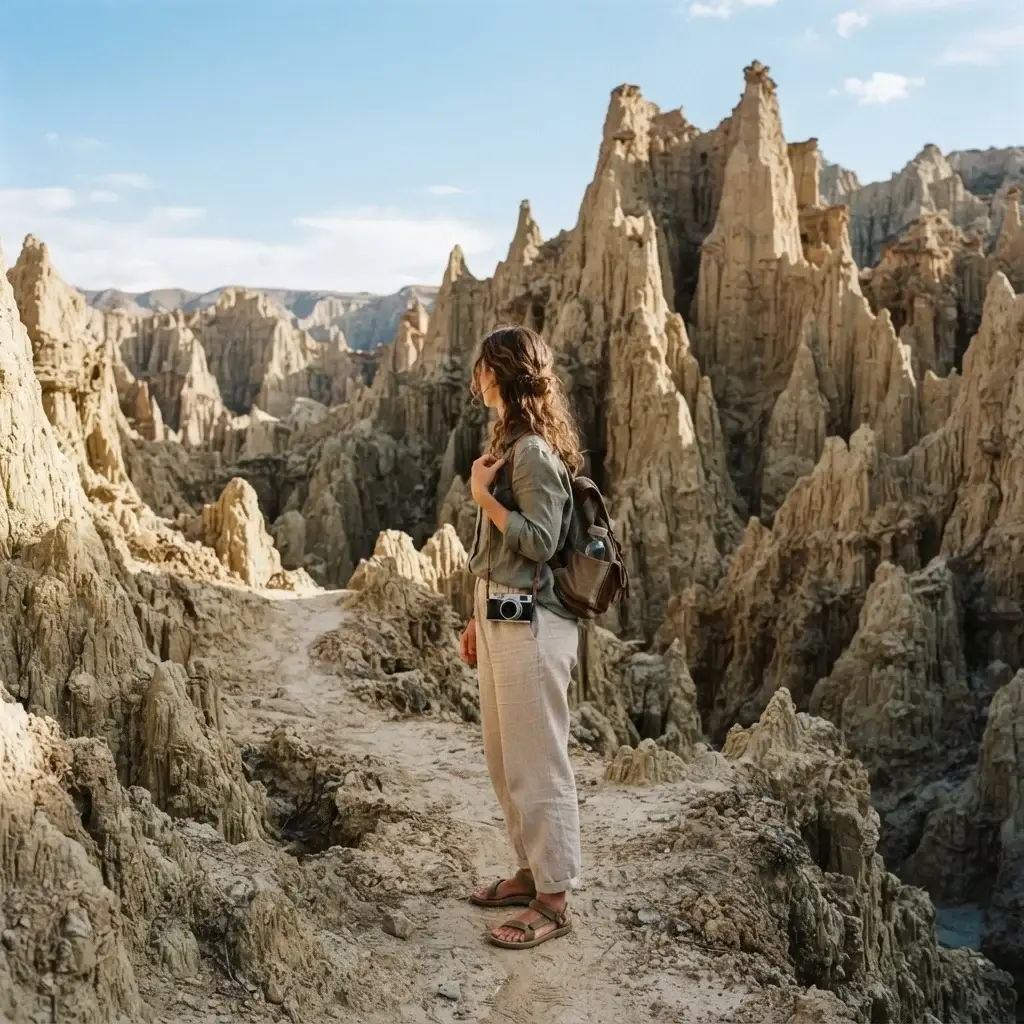
For a break from the urban energy, head out to the Valle de la Luna (Valley of the Moon). It’s about a 45-minute drive from the center. The landscape here is made of clay and sandstone, eroded over millions of years into jagged towers that look like something from a science fiction movie.
Walking through these narrow paths reminded me of my time hiking in China. It is quiet, dusty, and visually stunning. This is a great place to reflect on your journey so far.
I often find that when I am traveling solo, I need these quiet nature spots to process everything I am learning. If you are worried about your safety or your gear, it is always a smart idea to look into proper coverage with professional insurance guidance from World Nomads to make sure you have the support you need, no matter where your adventure takes you.
Day 5: Food and Local Life
You cannot understand a city until you eat its food. La Paz is famous for its markets. The Mercado Lanza is where I had some of the best meals of my life. Don’t be afraid to pull up a plastic stool next to a local and order a salteña (a sweet and spicy baked pastry) or a bowl of fricasé.
When I taught English in Thailand, I learned that sitting down with locals to share a meal is the fastest way to bridge cultural gaps. People are generally kind and happy to see travelers who are interested in their daily life. Try to learn a few words of Spanish, or even a greeting in Aymara. A simple “kamisaraki” (how are you?) goes a long way.
Day 6: Reflection and Preparation
On your final day, take it slow. Go back to your favorite street corner, sit with a coffee, and watch the pace of the city. You have navigated the altitude, the cable cars, the markets, and the winding streets. You are a different person than you were six days ago.
Before you pack up, remember that travel is a tool for growth. Whether you are heading back to a corporate office or preparing for your next destination, carry the confidence you gained here with you. The world is big, but it is also very accessible if you are willing to take that first step.