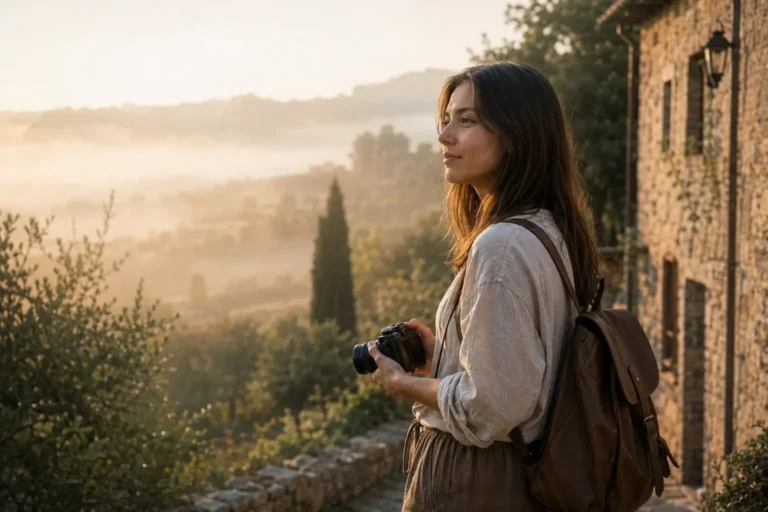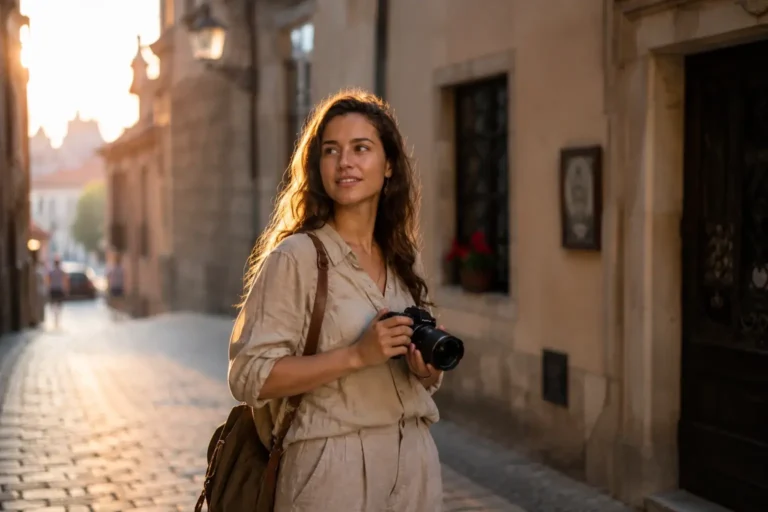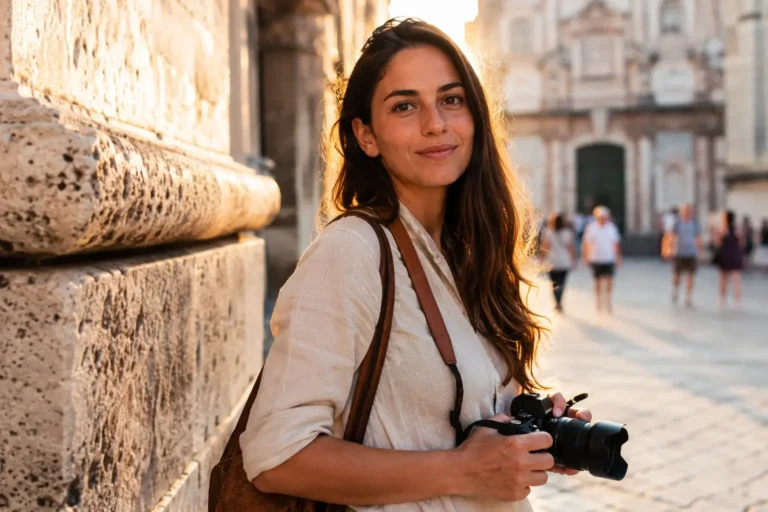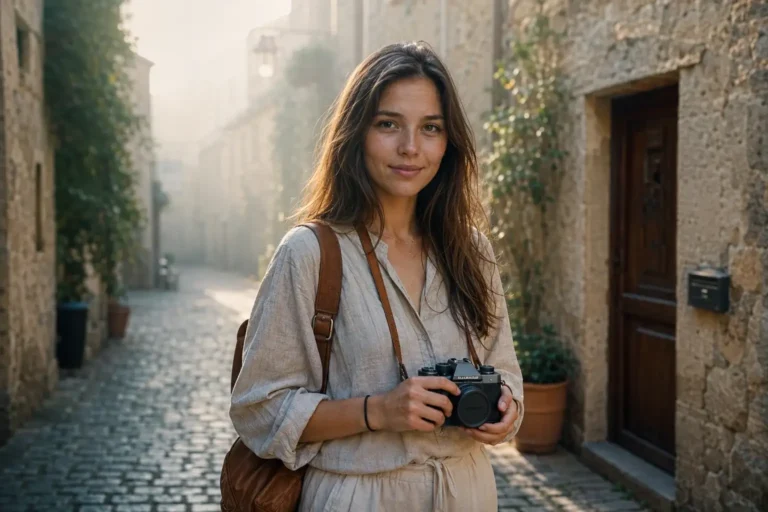
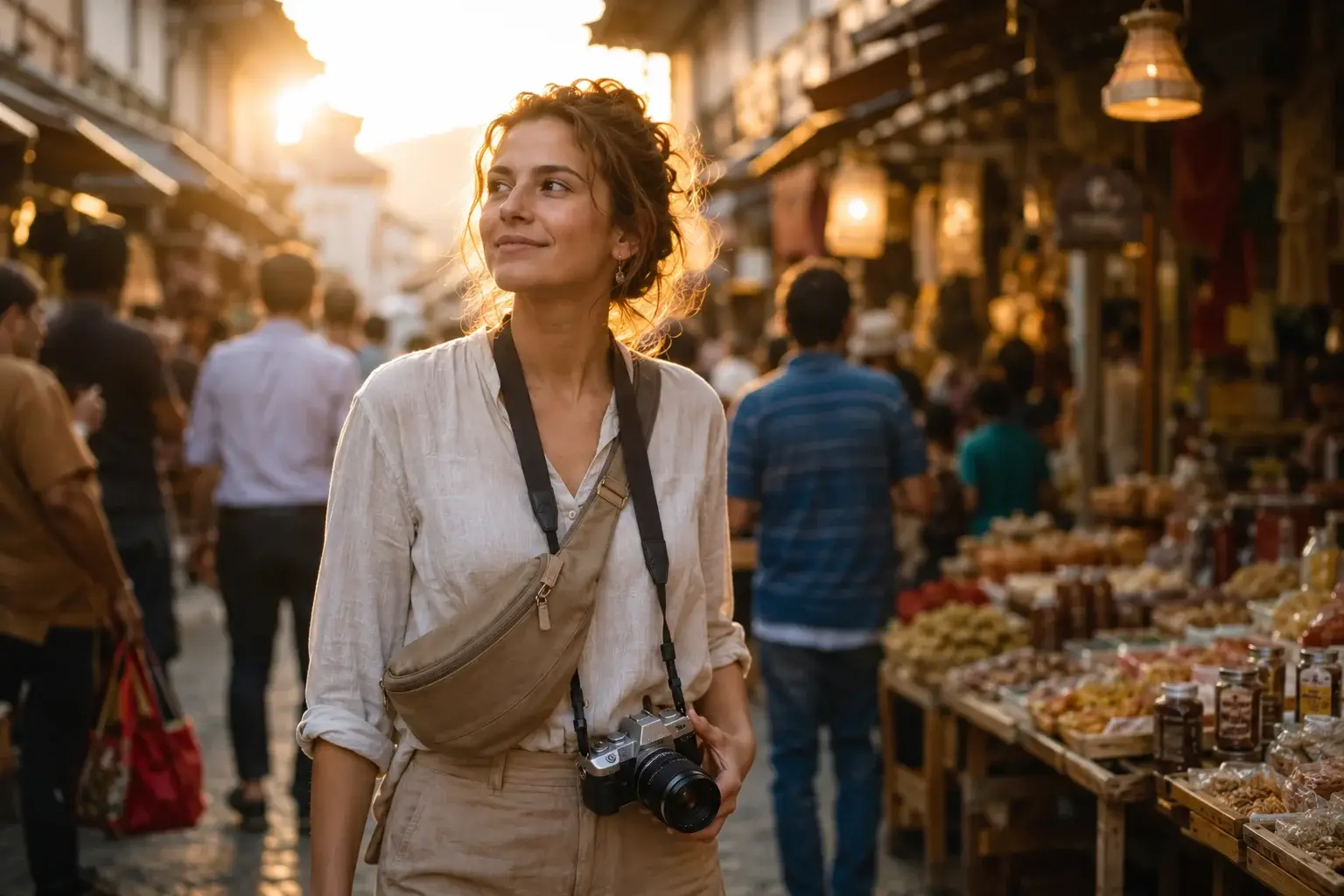
When I was living in New York and working as a sightseeing guide, I used to see travelers clutching their bags so tightly their knuckles turned white. I understood the fear. It’s hard to enjoy the magic of a new city when you’re constantly wondering if someone is eyeing your wallet. But here is the truth I learned through years of solo travel: you don’t have to live in fear.
The right gear doesn’t just protect your passport and cash; it gives you the mental freedom to actually be present. When you stop worrying about your pockets, you start noticing the smell of street food in Bangkok, the intricate tiles of a mosque in Morocco, or the friendly smile of a local shopkeeper. Picking the best anti-theft bags for travelers is about creating a buffer between your anxiety and your adventure.
Why I Stopped Fearing the “Pickpocket Scare”
Back when I was backpacking solo through Europe, I didn’t have much. I had a heavy pack, a beat-up camera, and a lot of nerves. I remember sitting in a crowded train station in Rome, watching people rush by, and feeling like a target. I spent the first few weeks of that trip with my hand glued to my zipper. It was exhausting. It wasn’t until I invested in gear designed to make things harder for opportunistic thieves that I finally took a deep breath.
You don’t need a vault on your back. You just need to make it not worth the effort for someone looking for an easy grab. When a bag has locking zippers, slash-resistant fabric, or hidden pockets, you aren’t just buying a piece of equipment. You are buying the ability to sit in a cafe with a book or get lost in a museum without feeling like your entire life is under threat.
The Anatomy of a Reliable Travel Bag
Not every bag marketed as “anti-theft” is actually useful. Some are bulky, ugly, or so obvious that they scream “I have expensive things in here!” To find the best options, I look for specific features.
First, look for locking zippers. A simple clip that holds two zipper pulls together can stop someone from opening your bag in a split second. Second, seek out slash-resistant material. Many bags now use lightweight wire mesh embedded in the fabric. If someone tries to run a knife across your bag in a crowd, they won’t get through.
Third, consider RFID-blocking pockets. While I don’t obsess over this, having one designated spot for your credit cards and passport is a smart, low-effort move. Most importantly, look for a comfortable strap that can be anchored to a chair or table leg when you are dining. If you are ever unsure about the safety situation of a new place you are heading to, it is always a smart move to check the latest travel alerts and security ratings from the U.S. Department of State before you board your flight.
Selecting the Right Style for Your Journey
My journey from a 9-to-5 corporate job to a life of travel taught me that “one size fits all” is a myth. If you are spending your days hiking, you need a different bag than if you are spending your time exploring urban markets in Southeast Asia.
For city exploration, a crossbody bag is my top choice. It keeps your belongings in front of you, where you can see them. When I taught English in Thailand, I found that a slim, water-resistant crossbody bag was the only way to survive the monsoon season and the busy night markets. It stayed tight against my body, and I could easily navigate through the crowds. If you are curious about local etiquette or the best times to visit cultural festivals there, the official Tourism Authority of Thailand is a fantastic place to read up on how to blend in more naturally.
How to Use Your Gear Without Looking Like a Tourist
The biggest mistake I see new travelers make is wearing an “anti-theft” bag that looks like a tactical piece of military equipment. You want to blend in. You want to look like you belong in the streets of Lisbon or the plazas of Mexico City.
When you pack, keep your most important items—like your backup credit card or a photocopy of your passport—deep inside a hidden compartment. Never keep your daily cash in the same place as your emergency funds. If you are heading out for a long day of walking, consider using a ride-sharing service to get between neighborhoods if you feel tired or uncertain. In many regions, learning how to use Grab for travel can be a total game changer for your peace of mind because the app tracks your route and provides a record of your trip.
Handling Mistakes and Unexpected Challenges
I have made plenty of mistakes. Once, in China, I got so excited about a street food stall that I set my bag down on a bench for a second. That split second is all it takes for a bag to go missing. Thankfully, I had my passport tucked in a money belt underneath my shirt, so I didn’t lose everything.
The lesson here is simple: even the best anti-theft bag is useless if you take it off. If you are prone to putting your bag down, get one with a strap that locks to your chair. And always, always have a backup plan. If you are trekking through remote areas, make sure to read up on essential travel health and safety tips to ensure you are prepared for minor illnesses or environmental risks that can happen when you least expect them.
Why Solo Travel Changes Your Relationship with Gear
Solo travel is not just about moving from point A to point B. It is about learning to trust yourself. When I was working as a sightseeing guide back in New York, I saw how much people relied on others to keep them safe. But when you are alone in a city where you don’t speak the language, you are the only one in charge.
This is why having gear you trust is so vital. It builds a foundation of confidence. You start to realize that you are capable of handling your own safety. You become more observant. You start to see the world not as a place to be afraid of, but as a place to be understood.
The “Hidden Pocket” Strategy
I love a bag with a hidden back panel pocket. This is usually where I keep my phone or my most-used credit card. It is pressed against my back, meaning nobody can touch it without me feeling it. When you are looking for the best anti-theft bags for travelers, always test how easy it is to get into that specific pocket while you are wearing the bag. If you have to take the whole bag off to get your phone, you probably won’t use it.
Keeping Your Tech Safe
These days, we all carry cameras, phones, and chargers. If you are a digital nomad or just someone who loves photography, your tech is your lifeline. A bag with padded compartments is a must. But more than that, try to carry as little as possible. If I am going to a cafe to write, I bring my laptop and my charger. I don’t bring my external hard drive unless I absolutely need it.
When you do have to leave your bag, even for a moment, use a portable cable lock. You can loop it through the handle of your bag and secure it to a sturdy pipe or a heavy table leg. It takes ten seconds, but it provides so much peace of mind.
Cultural Immersion and Your Gear
Travel is about cultural understanding. If you are walking through a UNESCO World Heritage site, you want to be focused on the history and the architecture, not your zippers. When you feel safe, you are more likely to talk to locals, try the weird-looking food, and say yes to an invitation to a local home.
For instance, when I was in Ghana, I lived with a family for a time. The local markets were vibrant and chaotic. I learned that by carrying a simple, modest bag that looked similar to what the local women carried, I felt less like a “tourist” and more like a neighbor. You don’t need high-tech gear that screams “I am a foreigner.” You need gear that is smart, functional, and quiet.
Preparing for the Unexpected
Travel insurance is just as important as your bag. I never leave home without a policy that covers my gear. It provides a safety net if the worst happens. If you are trying to figure out what type of coverage makes sense for your specific trip, I highly recommend checking the guidance from World Nomads to understand what is realistically covered when you travel abroad.
My Final Advice for Your Next Trip
You are going to have moments where you feel nervous. That is normal. That is part of the growth. Don’t let the fear of a lost wallet stop you from seeing the world. Use the tools available to you, invest in good gear, and then let it go. Focus on the reason you are traveling. Focus on the curiosity that pulled you out of your comfort zone in the first place.
You are capable. You are brave. And with a little bit of smart planning, your next adventure will be defined by the memories you make, not the things you lost. Go out there and explore. The world is waiting for you to see it.