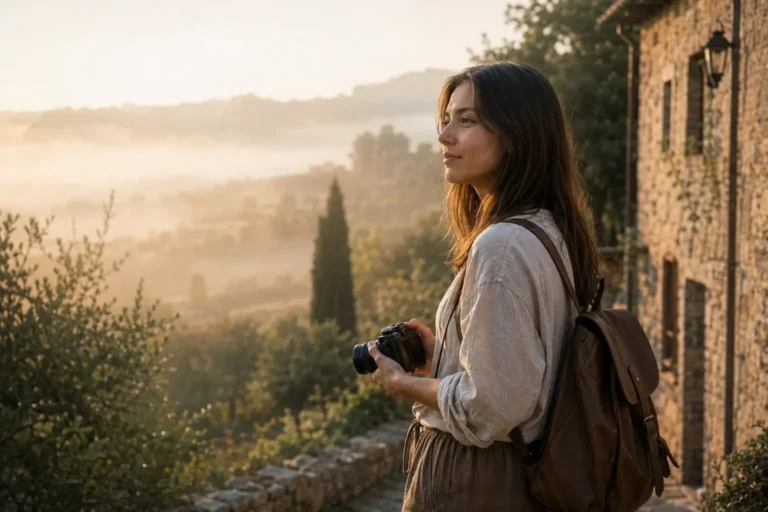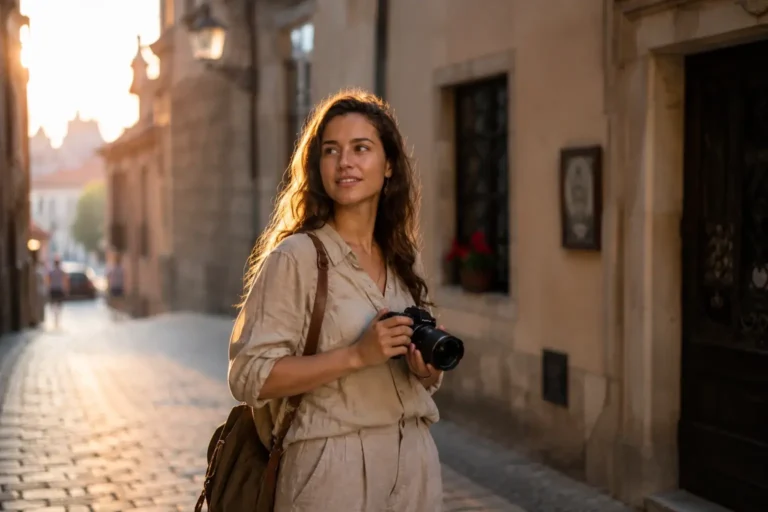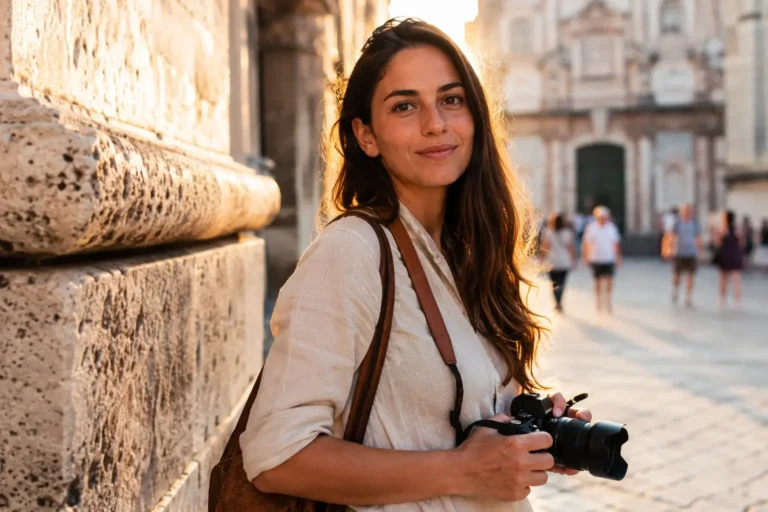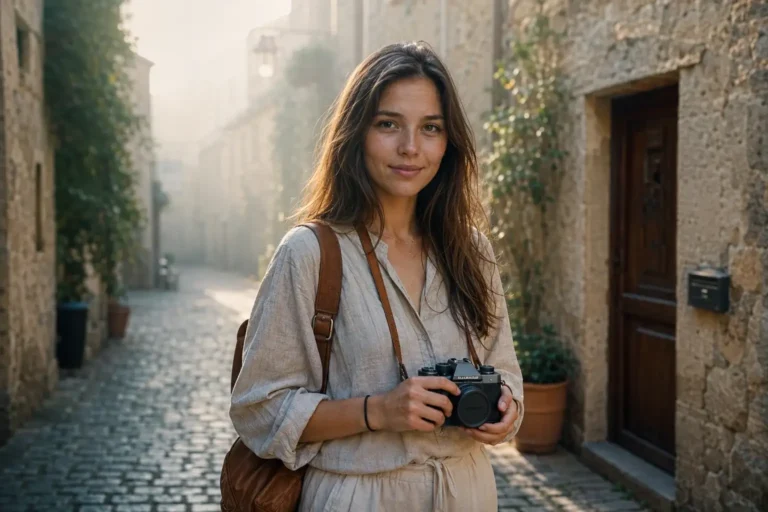
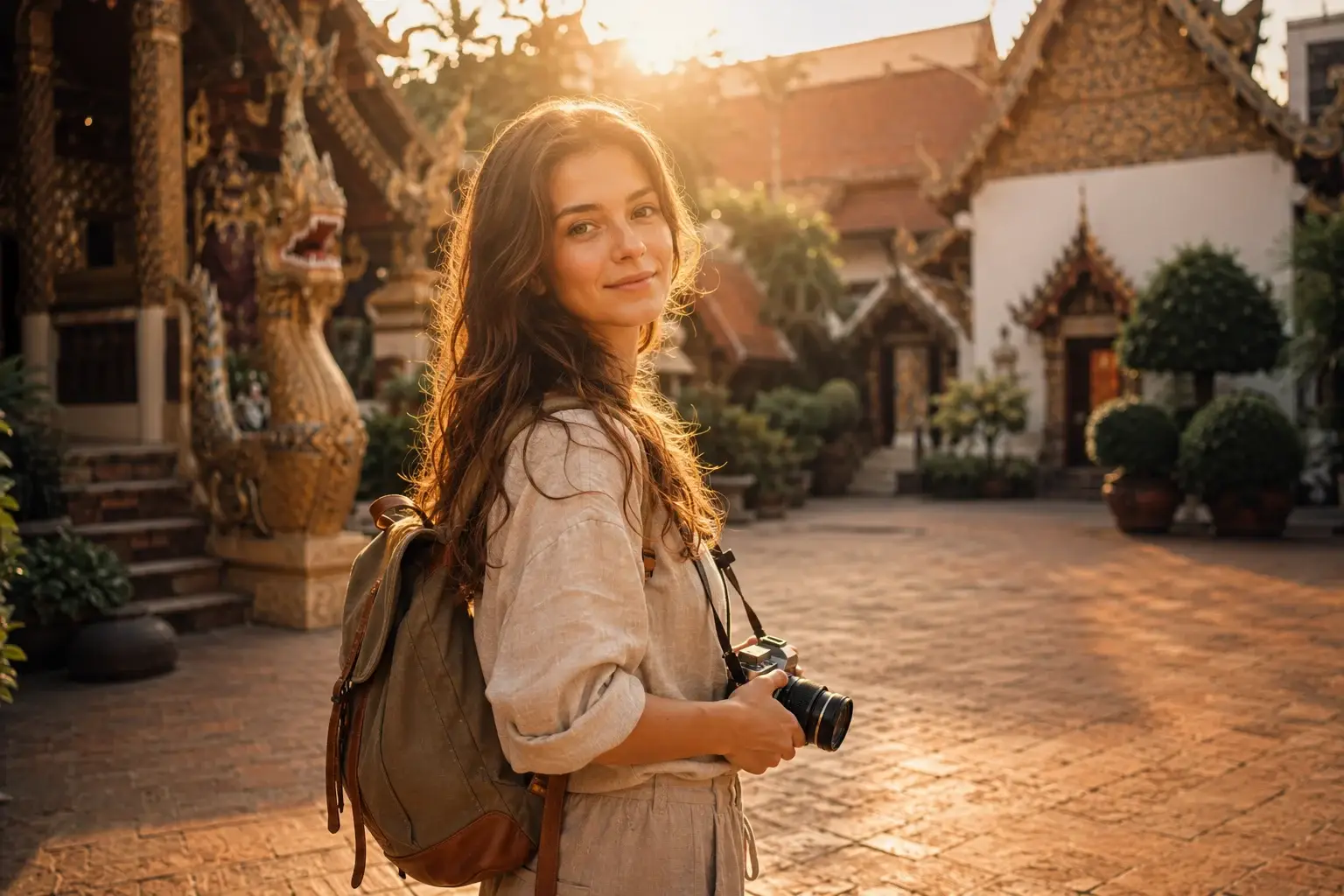
When I was living in New York and working as a sightseeing guide, I spent my days watching tourists drag massive, rolling suitcases over cobblestones and up subway stairs. They looked exhausted before their day had even really begun. I remember thinking that if they only knew how much freedom they were losing to those heavy bags, they would have left half of it at home.
Back then, I was still stuck in that “right path” mindset—the office job, the professional wardrobe, the fear of not having every single item I might possibly need. But when I finally quit that job and started my own life on the road, that fear began to melt away. I learned that travel isn’t about being prepared for every scenario; it’s about being prepared to handle whatever happens with a clear head and a light load.
Packing light is not about deprivation. It is not about wearing the same dirty shirt for three weeks or living like a monk. It is about removing the friction between you and the world you want to see. When your bag is light, you can jump on a last-minute train in Italy, walk three miles to that perfect local cafe in Thailand, or navigate a crowded market in Ghana without feeling like a pack mule.
This is my guide to packing light, not as a set of rigid rules, but as a philosophy for a freer, more authentic way to see the world.
The Mental Shift: Why Less Is Always More
The hardest part of packing light isn’t the physical act—it’s the mental battle. We are taught that being prepared means carrying a backup for our backups. But when you are traveling solo, every ounce counts. I remember my first solo trip to Europe; I packed three pairs of jeans. I wore one and carried two. I never wore the others. They were just dead weight that occupied space I could have used for a journal, a souvenir, or simply a bag that was easier to manage.
To pack light, you have to embrace the idea that you can buy what you need when you get there. Almost every country on earth has stores. People live there, they get dressed, they shower, they have rain. If you realize you forgot a specific type of sock or need a different jacket for an unexpected cold front, you have an excuse to step into a local shop and interact with the culture. It becomes a story instead of a mistake.
Before you start choosing items, ask yourself if that item is there to serve your trip or to serve your fear. If you are packing it because you are “afraid” you might need it, leave it behind. That fear is what keeps you anchored to your bag. Confidence, on the other hand, comes from knowing you are capable enough to solve a problem if it actually arises.
Building Your Capsule Wardrobe
The secret to packing light is the “capsule wardrobe.” This means choosing items that all coordinate with one another so that you can create multiple outfits from just a handful of pieces. I usually aim for a week’s worth of clothing, no matter how long the trip is. You can wash clothes in a sink or find a local laundry service.
Stick to neutral colors—black, white, grey, navy, or beige. These shades are easy to mix and match and don’t show dirt as easily as bright colors. When I was teaching English in Thailand, the humidity taught me everything I needed to know about fabrics. I ditched the heavy cottons and synthetic blends. Instead, I opted for breathable, quick-drying materials like linen or merino wool. These fabrics keep you cool in the heat, stay fresh longer, and dry in a few hours if you wash them in your hotel room.
One of my biggest pieces of advice is to layer. Instead of packing a giant, bulky winter coat, pack a lightweight down vest or a high-quality fleece that can fit under a rain shell. This combination will handle most climates. If you are heading to a place with extreme weather, check the CDC Travelers’ Health website to see what health precautions or climate-related issues you might need to prepare for, as this can sometimes dictate if you need specialized gear like bug-resistant clothing.
The Art of Footwear
Shoes are the single heaviest items in your bag. They take up the most space and are the hardest to pack effectively. I follow a strict three-pair rule: one pair on your feet, one pair packed, and one pair of sandals.
Your main pair should be your most comfortable walking shoes—something you can wear all day, whether you are walking through a bustling city or light hiking trails. The second pair should be slightly nicer, perhaps for dinner or a museum visit, but still comfortable enough to walk in. The third pair is for the beach, a hostel shower, or just letting your feet breathe after a long day.
If you are going to a place that requires specialized gear—like hiking boots—wear them on the plane. It looks a little funny, but it saves precious space and weight in your bag. If you are unsure about the terrain or the type of walking you will be doing in a specific region, reading the destination overview on Lonely Planet can give you a better idea of what the daily reality of walking in those areas is really like, helping you avoid over-packing specific, niche footwear you won’t use.
Managing Your Gear and Electronics
As a solo traveler, my gear is my lifeline. But it can also become a mountain of cables, chargers, and gadgets. I use a simple system: everything with a cord goes into one small, dedicated pouch. If it isn’t in that pouch, it isn’t coming.
Think about what you actually need. Do you need a laptop, a tablet, and a giant camera? Or can you handle your needs with a high-quality smartphone and a small point-and-shoot camera? I find that the less tech I bring, the more I actually interact with my surroundings. When I was in China, I barely touched my electronics because I was so busy trying to learn the language and find the best local dumplings.
If you do need to bring a lot of electronics, look for universal adapters. Don’t pack five different wall plugs; pack one that handles every country. Also, consider the security of your gear. Consulting the US Department of State Travel site before you leave will help you understand the current safety climate and entry requirements for your destination, ensuring that you aren’t bringing gear that might be restricted or attract unwanted attention in certain border regions.
Practicality in Transit: Getting Around
Once you are on the ground, the benefits of your light pack become obvious. When you arrive in a new city, you don’t need to hunt for a taxi or an expensive transfer service. You can hop on a bus, a metro, or even walk to your accommodation. This is the moment where you really start to experience a place as it actually is, not just as a tourist looking through a window.
In many parts of Southeast Asia, navigating local transit can be a bit daunting for the first-time solo traveler, but using modern tools makes it much easier. For instance, learning how Grab works for travelers by exploring their official app resources can save you from price gouging and help you navigate urban centers with confidence, allowing you to focus on where you are going rather than how you are getting there.
Always keep your essentials—passport, cards, phone, and a change of underwear—in your daypack, not your checked luggage. If your bag gets lost, you can still function for a few days. This simple habit has saved my peace of mind more times than I can count.
Cultural Sensitivity and Local Etiquette
Packing light also means packing respectfully. Depending on where you are going, local customs might require you to cover your shoulders, knees, or hair. This doesn’t mean you need separate outfits for every day. A light, versatile sarong or a large scarf is my favorite multi-purpose item. It can be a skirt, a shawl to cover your shoulders in a temple, a picnic blanket, or even a towel in an emergency.
If you are planning to visit a site that holds significant cultural value, check the official UNESCO World Heritage list for your specific destination to read about its history and, more importantly, its visitor guidelines. Understanding the significance of a place helps you pack appropriately for it—like bringing modest clothing for a holy site—which shows a level of respect that locals truly notice.
When you pack with local culture in mind, you stop looking like a tourist and start looking like a visitor who is making an effort. This opens doors. People are much more likely to strike up a conversation with you if they see that you are comfortable, respectful, and not struggling with a massive pile of gear.
Staying Safe and Healthy on the Road
Solo travel is incredibly rewarding, but it requires you to be your own advocate. Packing light also means being prepared for health and safety. My medical kit is small but effective: band-aids, antiseptic wipes, basic pain relievers, and any personal medications. I keep these in a clear, waterproof bag so I can see what I have at a glance.
Don’t let the fear of “what if” drive you to pack a pharmacy. If you are going to be in a remote area, do a bit of research on the local medical infrastructure. Reviewing the guidance on the World Nomads travel insurance page can give you a clear-eyed look at how to prepare for common travel mishaps and what kind of support you should have in place, which is often more useful than carrying a bag full of medicine you don’t know how to use.
Remember, the goal is to travel, not to build a survival camp. If you get sick or have a minor injury, the local pharmacy or a local doctor will be able to help you. Trust the system and trust yourself to find help if you need it.
The Joy of Slow Travel
Once you have mastered the art of the light pack, you can embrace “slow travel.” This is where the magic happens. Instead of moving from city to city every two days, you stay in one place for a week or more. You become a regular at the coffee shop. You learn the rhythm of the streets. You start to feel the pulse of the city rather than just checking it off a list.
When I lived in Thailand, I found a small spot that served the most incredible pad thai, but it was tucked down a side street I never would have found if I had been rushing to catch a train with a heavy bag. I had the time to sit, to eat, and to chat with the owner because my life was contained in one small, manageable bag sitting at my feet.
This is the freedom I want for you. It’s not about how many stamps you have in your passport; it’s about how much of the world you actually took the time to see, understand, and feel.
Final Thoughts on Your First Solo Journey
If you are feeling nervous about taking that first step, know that it’s completely normal. I was terrified before my first big solo trip. I kept checking my list, adding things I didn’t need, and stressing over every detail. But once I landed, the fear vanished. I realized I was capable, the world was kinder than I expected, and I had everything I needed right there in my bag.
Start small. Maybe take a weekend trip to a nearby city with just a carry-on. See how it feels to walk through a train station without needing a cart. Notice the lightness in your shoulders. Once you feel that, you won’t want to travel any other way.
Travel is a practice. You don’t get it perfect on the first try. You might overpack, you might forget something important, or you might realize you brought way too much of one thing. That is all part of the process. Every time you travel, you will get better at knowing what you truly need and what you can live without.
The world is waiting for you. It doesn’t need you to bring your entire life with you. It just needs you to show up, be curious, and be ready for whatever adventure comes your way. Pack light, leave the heavy expectations at home, and go find your own version of freedom. You are going to be just fine.