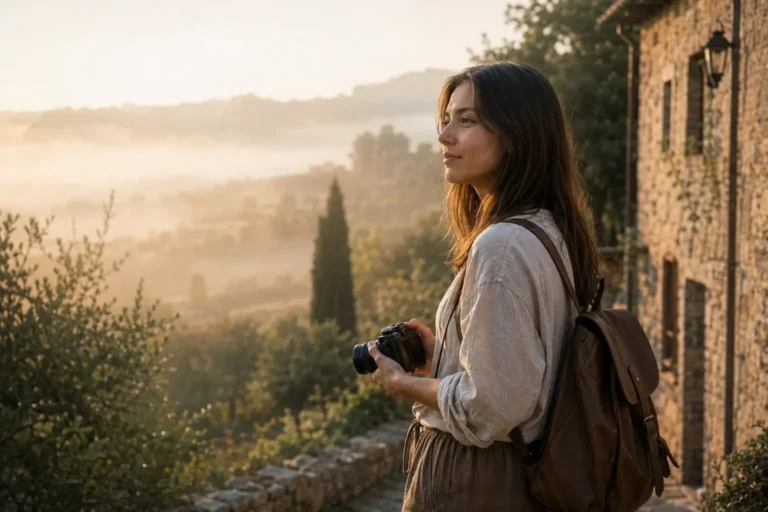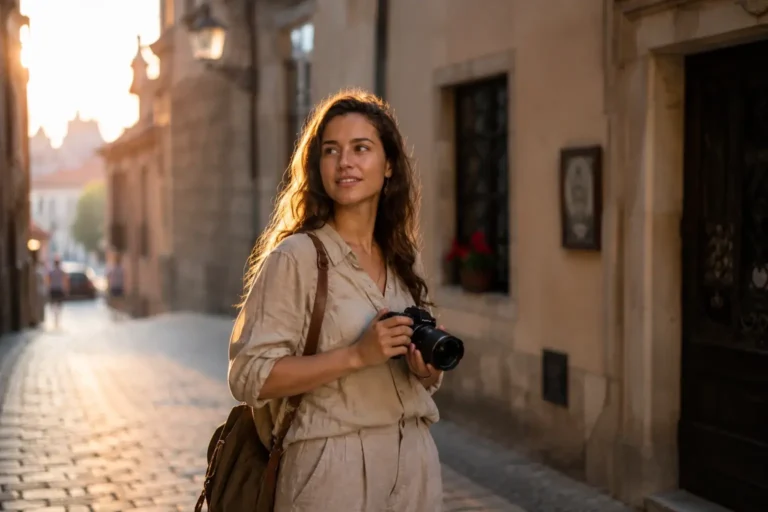
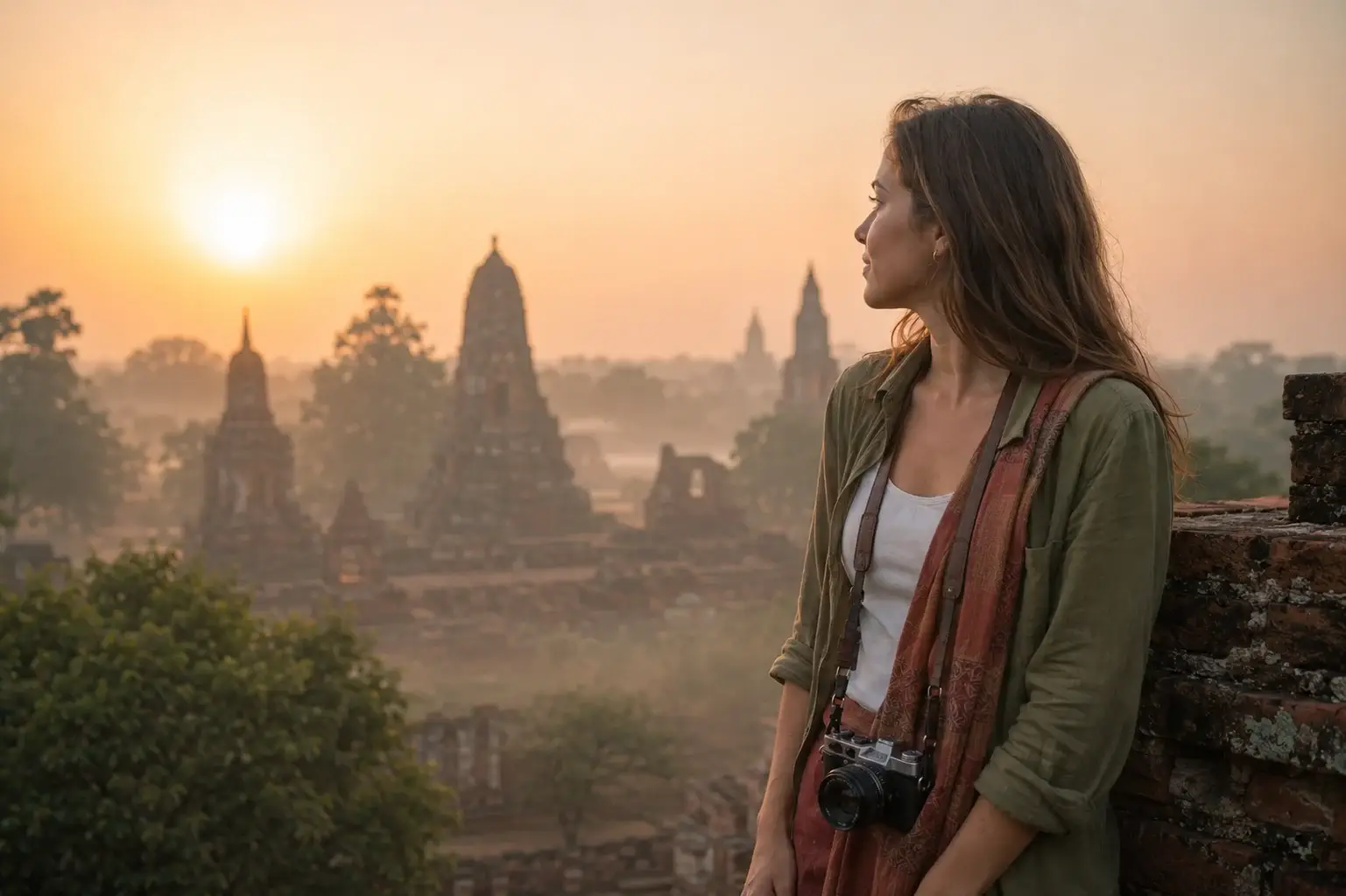
I still remember standing on the platform at the Roma Termini train station during my very first solo backpacking trip across Europe. My shoulder straps were digging deep into my skin, my lower back was throbbing, and I was sweating through a heavy cotton shirt. I had packed for every single hypothetical scenario: a rainy afternoon, a fancy dinner, an impromptu hike, and three different pairs of heavy shoes. As I watched seasoned travelers glide past me with tiny, sleek backpacks, looking completely relaxed and culturally integrated, it hit me. I wasn’t carrying a suitcase; I was carrying my anxieties.
Years later, after quitting my rigid 9-to-5 office job, working long shifts as a New York City sightseeing guide, and teaching English in rural Thailand, I finally cracked the code. The secret to freedom on the road isn’t buying a bigger bag. It is mastering the art of minimalism.
Building the best capsule wardrobe for travelers is the single most powerful step you can take to build your solo travel confidence. It moves you away from the stressful clutter of overpacking and pulls you into deep cultural immersion. When you are not worried about your luggage, you can focus on the taste of street-side pad thai, the architecture of ancient temples, and the rhythm of a new city.
But building a functional, light wardrobe is filled with hidden traps. Let’s break down the most common packing mistakes travelers make and look at exactly how to build a bulletproof capsule wardrobe that works anywhere in the world.
1. The “Just-in-Case” Trap: Overpacking for Imaginary Scenarios
The biggest enemy of a light backpack is the phrase: “But what if I need it?”
When I was transitioning from my predictable routine in New York to a life on the road, I used to pack outfits for events that simply never happened. I brought a formal dress to a beach town in Ghana. I packed heavy hiking boots for a city trip to Tokyo. This is the classic “just-in-case” trap, and it is the fastest way to turn your dream trip into a heavy, exhausting workout.
The Mistake: Packing for Your Fantasy Self
We often pack for the person we wish we were on vacation, not the person we actually are. If you do not wear stiff, uncomfortable linen shirts or tight designer jeans at home, you certainly will not wear them while navigating the humid, crowded night markets of Bangkok or boarding a long-distance sleeper train.
The Solution: The Rule of Three
To build the best capsule wardrobe for travelers, you must stick to a strict rule of three for every core clothing category:
- One to wear: The outfit you have on during travel days.
- One to wash: The outfit drying on the line in your hostel or guesthouse.
- One to spare: A clean, dry backup set ready for use.
This means three tops, three bottoms, and three pairs of socks or underwear. If you are traveling for a week, a month, or a year, this matrix does not change. You do not need more clothes for longer trips; you just need to do laundry more frequently. Sink-washing your clothes with a small bar of travel soap takes five minutes at night, and it saves you from hauling an extra twenty pounds of fabric across the globe.
2. Choosing Fabric Based on Fashion Instead of Function
When you are walking through the historic streets of Old Bangkok, stopping to admire the towering spires of Wat Pho, the last thing you want is a heavy, sweat-soaked cotton t-shirt sticking to your back. Many travelers focus purely on how an item looks in a mirror rather than how it performs under the hot sun or during a sudden tropical downpour.
The Mistake: Relying on Heavy Cotton and Denim
Cotton is a wonderful fabric for a climate-controlled office, but it is a nightmare for active travel. It holds onto moisture, takes days to dry in humid climates, and holds onto odors quickly. Heavy denim jeans are just as bad. They are bulky, restrictive, and if you get caught in a sudden storm, they stay damp for hours, causing painful chafing.
The Solution: High-Performance Technical Fabrics
The best capsule wardrobe for travelers relies heavily on materials that breathe, wick moisture away from your skin, and dry in a flash.
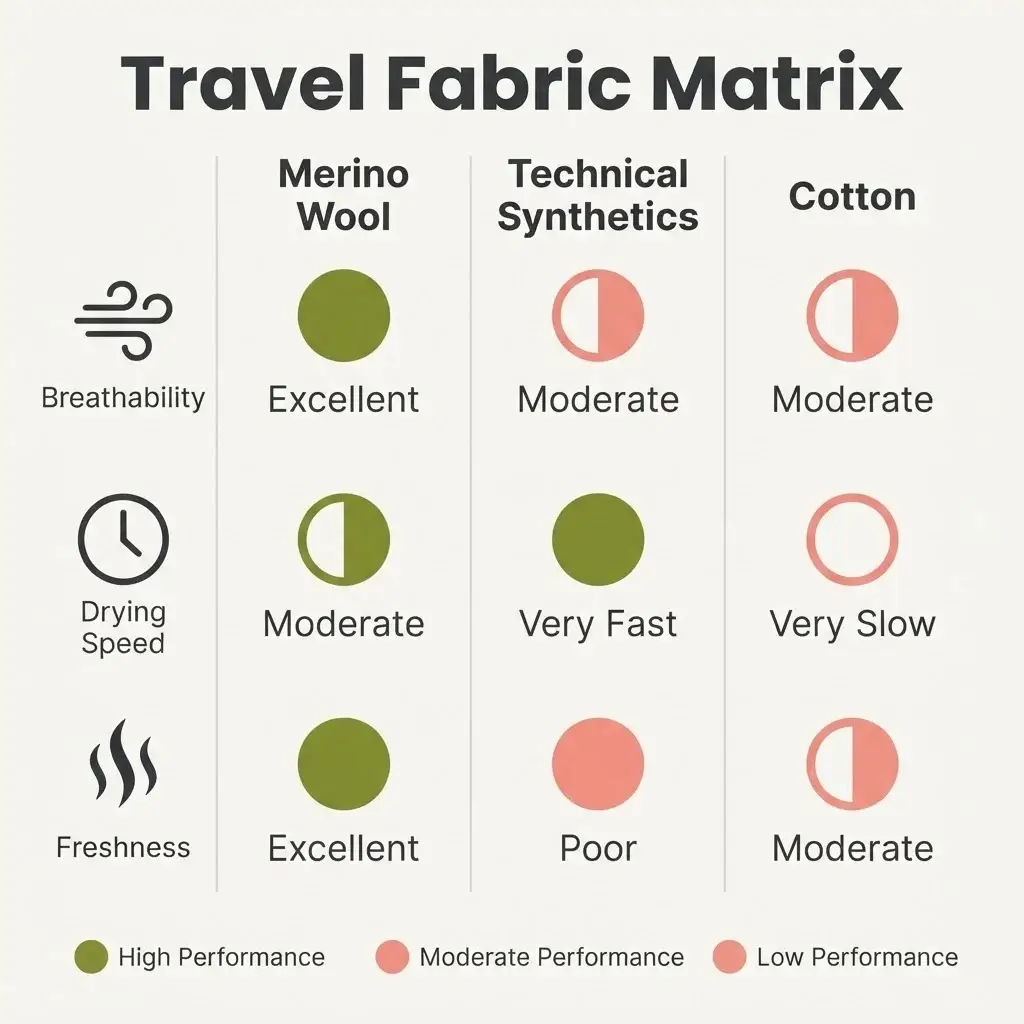
When I was prepping for my time teaching abroad, I swapped out all my cotton tees for lightweight merino wool shirts. Merino wool has natural antimicrobial properties, meaning you can wear it multiple times without it smelling. It keeps you cool in the heat of a Thai market and warm during an unexpected mountain breeze.
3. Ignoring Local Cultural Norms and Etiquette
Travel is an act of respect. One of the most uncomfortable mistakes you can make is packing a wardrobe that alienates you from the local community or bars you from entering historical and spiritual sites.
The Mistake: Packing Only Short Shorts, Tank Tops, and Crop Tops
While crop tops and mini-shorts might be comfortable for a summer day in New York, they are highly inappropriate for many destinations around the world. If you turn up to a sacred temple complex or a traditional rural village in revealing clothing, you risk causing deep offense to the locals who are welcoming you into their spaces.
For instance, when visiting magnificent global cultural treasures, you must ensure your shoulders and knees are completely covered.

If you plan to explore the stunning ruins of Ayutthaya, you can prepare by checking the Tourism Authority of Thailand guide for up-to-date entry rules, dress requirements, and local festival schedules to ensure your outfits are fully respectful.
The Solution: Modular, Modest, and Lightweight Layers
You do not have to sacrifice comfort to be culturally respectful. The key is choosing loose, flowing garments that allow maximum airflow while providing full coverage.
- The Linen or Tencel Midi-Skirt/Pant: Loose trousers or long skirts keep the sun off your skin and let the breeze through while keeping you completely covered.
- The Lightweight Scarf or Sarong: This is the ultimate multi-tool for a travel capsule wardrobe. You can keep it tucked into your daypack and drape it over your shoulders or wrap it around your waist whenever you approach a temple, mosque, or church.
- The Breathable Button-Down: A loose linen or lightweight synthetic button-down shirt can be worn open over a tank top during city walks, then buttoned up completely when you enter a modest space.
4. Packing Too Many Shoes (and the Wrong Kind)
Let’s talk about shoes. This is where almost every single capsule wardrobe falls apart. Shoes are heavy, they take up massive amounts of physical space in your bag, and they are incredibly difficult to pack efficiently.
The Mistake: Bringing Separate Pairs for Every Event
I have seen travelers pack running sneakers, casual city sneakers, sandals, hiking boots, and a pair of heels or dress shoes “just in case” they go to a fancy lounge. Carrying four or five pairs of shoes means you are automatically forced to check a massive piece of luggage. It ruins your agility when hopping on and off local buses or walking across rough cobblestone streets.
The Solution: The Two-Shoe System
For 95% of trips, you only need exactly two pairs of shoes. No more, no less.
Your anchor sneaker should be stylish enough to wear to a local cafe but supportive enough for an all-day walking tour. Your sandal should be durable and securely fastened to your foot. Flip-flops are fine for hostel showers, but they offer zero support for navigating a bustling city center or uneven paths.
5. Falling Into the Chaos Color Palette
When you lay your clothes out on your bed before a trip, do they look like a cohesive collection, or do they look like a random explosion of colors, patterns, and trends?
The Mistake: Packing Standalone Statement Pieces
A common mistake is packing an amazing patterned jacket or a bright neon shirt that only matches one specific pair of pants. If an item in your bag can only be worn in one specific combination, it is dead weight.
It restricts your options and forces you to carry more items to create new looks.
The Solution: The 80/20 Monochrome Base Strategy
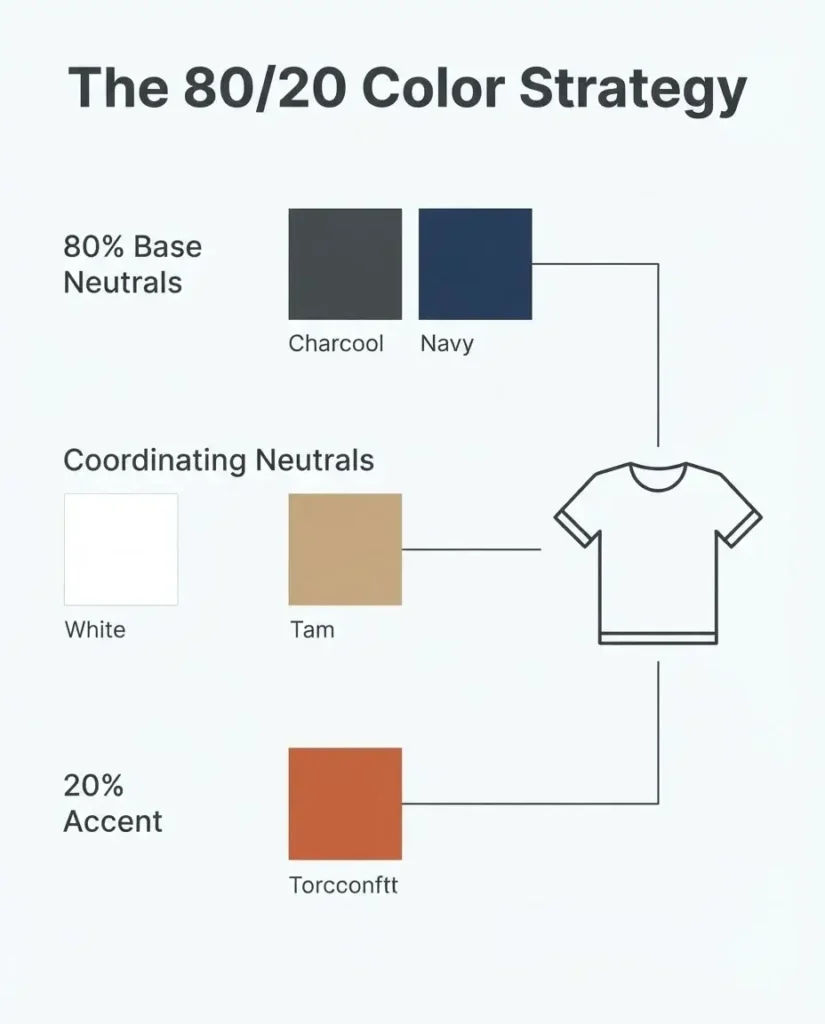
To maximize the power of the best capsule wardrobe for travelers, 80% of your wardrobe should consist of solid, neutral base colors that mix and match seamlessly. The remaining 20% can be your accent pieces or subtle patterns.
- Choose Your Base Color: Pick either black, navy blue, or deep charcoal gray. This will be the color of your primary shorts, pants, and jackets.
- Choose Your Coordinating Neutrals: Bring in whites, creams, grays, or tans. Every single top you pack must match every single bottom you pack.
- Add a Splash of Personality: Use your remaining 20% for a signature color—like an olive green shirt, a terracotta scarf, or a subtle striped top.
By keeping to a unified color scheme, three tops and three bottoms suddenly multiply into nine entirely distinct outfits. You can get dressed in the dark in a shared hostel room, pull out any top and any bottom, and know with absolute certainty that you look put-together, sharp, and ready for adventure.
6. Forgetting to Account for Microclimates and Layering
If you are planning a trip to a diverse region like Southeast Asia or Southern Europe, it is easy to assume that the weather will be uniform. But assuming it will always be hot and sunny is a major misstep that leaves many solo travelers freezing and uncomfortable.
The Mistake: Bulky Outermost Layers
When people think about staying warm, they often pack a single, massive, heavy jacket or a thick wool sweater. These items take up half your backpack space and are completely useless once the sun comes out and the temperature climbs.
The Solution: The Lightweight Layering System
Instead of packing for warmth through thickness, you pack for warmth through layers. This lets you adapt instantly to microclimates—like stepping from a blistering hot city street into a blast-chilled, air-conditioned subway car or an overnight mountain bus.
- The Base Layer: A sleek, sweat-wicking merino wool or synthetic t-shirt.
- The Mid-Layer: A lightweight fleece pullover or a ultra-packable down jacket that compresses into a pouch the size of an apple.
- The Outer Shell: A high-quality, breathable windproof and waterproof rain jacket.
When you pack these three pieces, you can handle a freezing morning mountain trek or a sunny afternoon beach walk simply by shedding or adding layers. It keeps your bag tiny while keeping you entirely prepared for any sudden shift in weather.
7. The Practical Packing Blueprint: Setting Up Your Capsule
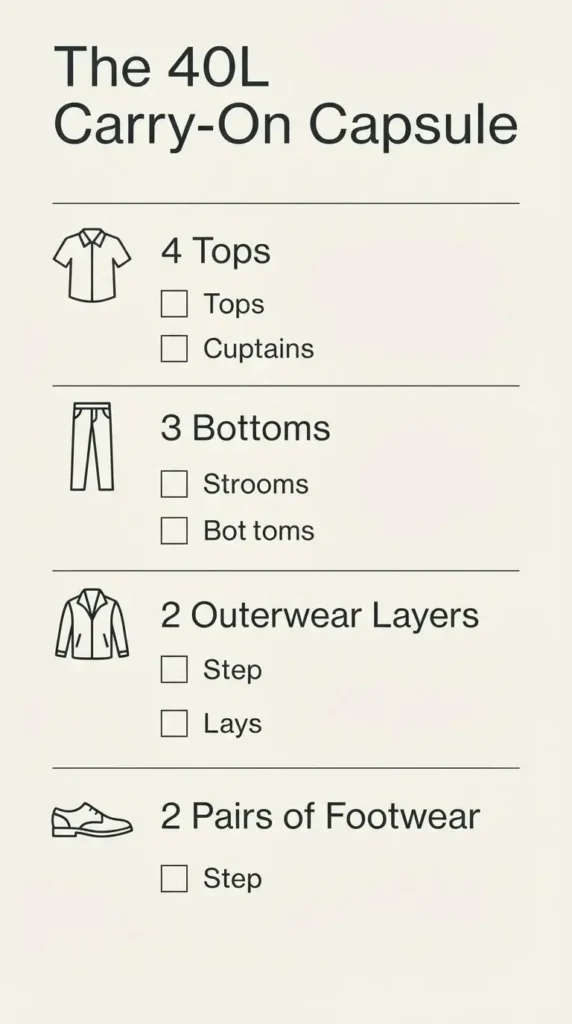
Now that we have uncovered the major traps, let’s look at exactly what a real-world, highly efficient travel capsule wardrobe looks like when it is packed inside a standard 40-liter carry-on backpack. This is the exact setup I used when I left my office job behind to travel long-term.
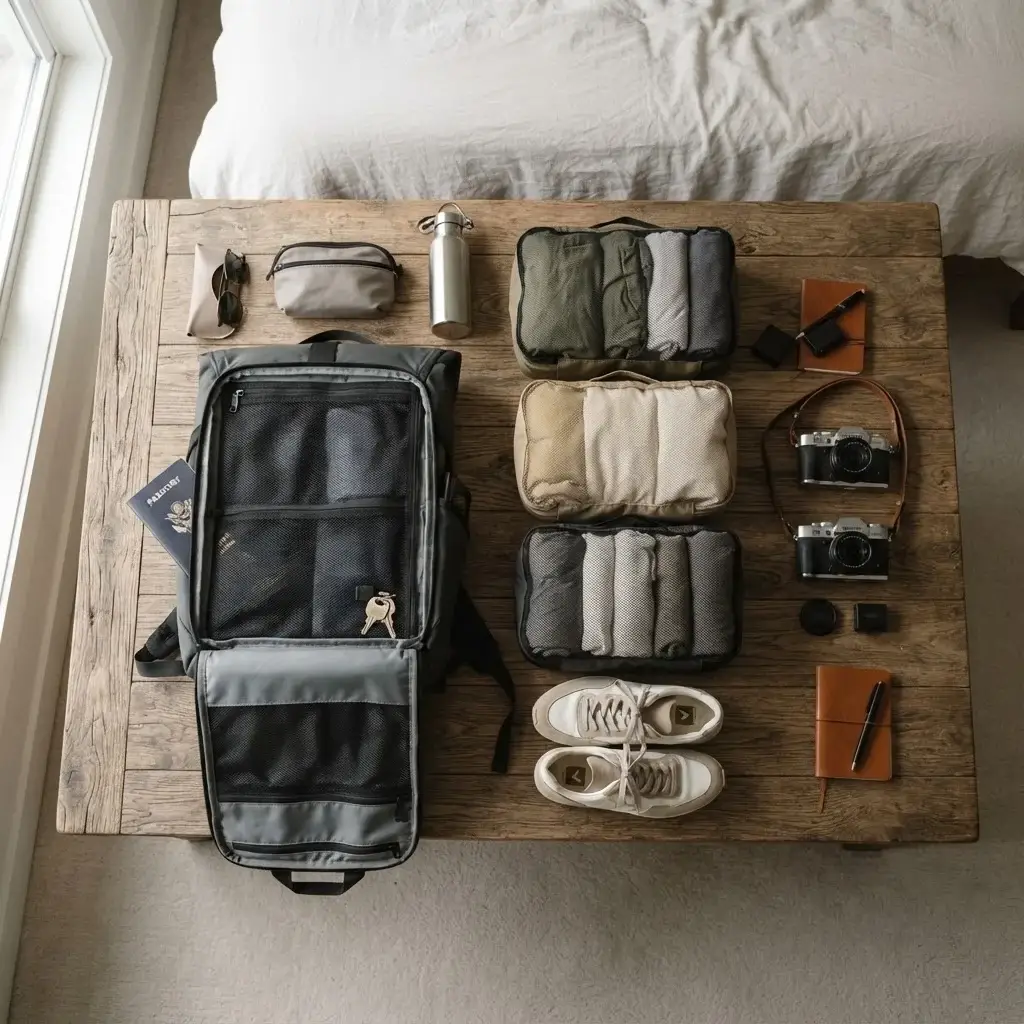
The Ideal Carry-On Wardrobe Checklist
- Tops: 2 Merino wool t-shirts (neutral colors), 1 long-sleeve linen button-down shirt, 1 lightweight active tank top.
- Bottoms: 1 Pair of technical, stretch-woven travel trousers, 1 pair of casual tailored shorts, 1 pair of active/running shorts.
- Outerwear: 1 Packable down jacket, 1 lightweight waterproof rain jacket.
- Footwear: 1 Pair of supportive city sneakers, 1 pair of premium walking sandals with ankle straps.
- Undergarments: 3 Pairs of moisture-wicking underwear, 3 pairs of merino wool ankle socks.
- Accessories: 1 Polarized pair of sunglasses, 1 lightweight multi-functional scarf or sarong.
How to Stay Safe and Prepared on the Road
When you are moving quickly between destinations with a minimal bag, your health and safety should always remain a top priority. Packing light leaves plenty of space for an essential travel medical kit. For absolute peace of mind before heading out into remote locations, it is always a smart idea to consult official health resources. I always check the latest vaccine requirements and food safety notices on the CDC Travelers’ Health portal so I know exactly what medical supplies, emergency items, and health precautions to carry for my specific route.
8. Navigating the Logistics of Light Travel
Once your wardrobe is perfectly streamlined, the way you pack it into your bag matters immensely. How you organize your capsule affects your speed, your security, and your overall confidence as you navigate local transit networks around the world.
Use Compression Packing Cubes
Do not simply throw your folded clothes directly into your backpack. This creates a messy, disorganized pit where you have to dump everything out just to find a clean pair of socks. Use lightweight compression packing cubes to separate your tops, bottoms, and undergarments. Compression cubes use a dual-zipper system to squeeze excess air out of your clothes, cutting the physical volume of your garments in half and keeping your backpack beautifully organized.
Master Local Transport with Your Light Bag
When you travel with a single carry-on capsule wardrobe, navigating transit hubs becomes an absolute breeze. Instead of waiting around stressful airport luggage carousels or worrying about a bus driver misplacing your suitcase, your bag stays securely with you at all times.
For instance, if you are arriving in a bustling metropolitan city like Kuala Lumpur or Manila, you can skip the confusing, unmetered airport taxi lines entirely.
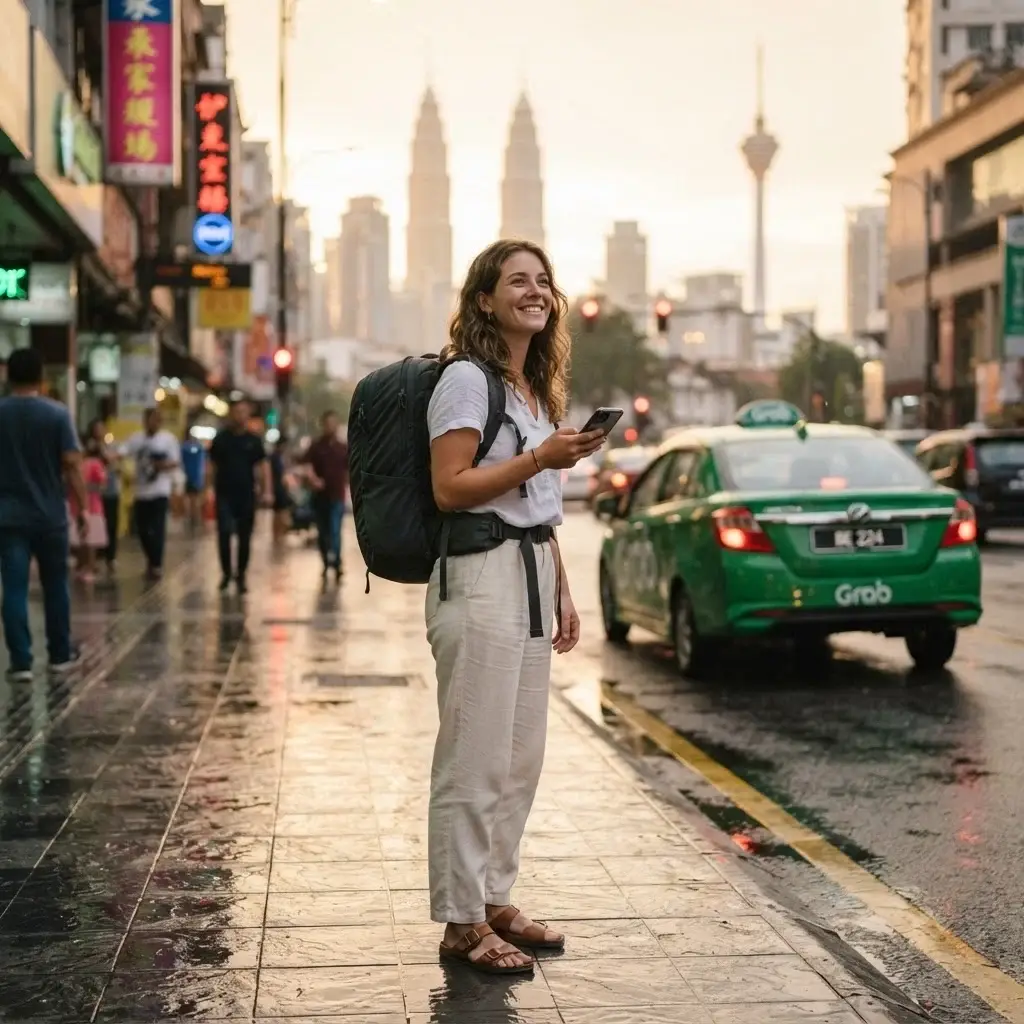
You can learn how to use regional ride-hailing services efficiently by visiting the official Grab overview for travelers, which explains app setups, cashless payment configurations, and safety protocols so you can secure a reliable, safe ride directly to your accommodation within seconds.
9. Overcoming the Emotional Hurdles of Minimalism
Choosing to travel with a minimal capsule wardrobe is as much a mental shift as it is a physical one. When you first start pulling items out of your suitcase and leaving them behind on your bed, you will likely feel a sudden wave of vulnerability. What if I look silly wearing the same shirt in multiple photos? What if someone notices I am repeating outfits?
Letting Go of the Fashion Show Mentality
The truth is, no one in the places you are visiting is paying attention to your wardrobe. The locals you interact with are focusing on your smile, your manners, and your respect for their culture. The fellow travelers you meet are far more interested in hearing about your journey, your stories, and your upcoming adventures than what brand of pants you are wearing.
Embracing the Freedom of Less
When I worked as a sightseeing guide in New York, I watched hundreds of tourists lug giant, heavy suitcases up and down subway stairs, looking exhausted, frustrated, and completely disconnected from the beauty of the city around them. They were prisoners to their belongings.
When you intentionally downsize your clothes to the absolute essentials, a profound shift happens. You stop being a passive observer weighed down by material things, and you become an active, agile explorer. You build a deep sense of confidence knowing that everything you need to survive, thrive, and enjoy the world fits securely on your back. You realize that the experiences you collect are infinitely more valuable than the things you carry.