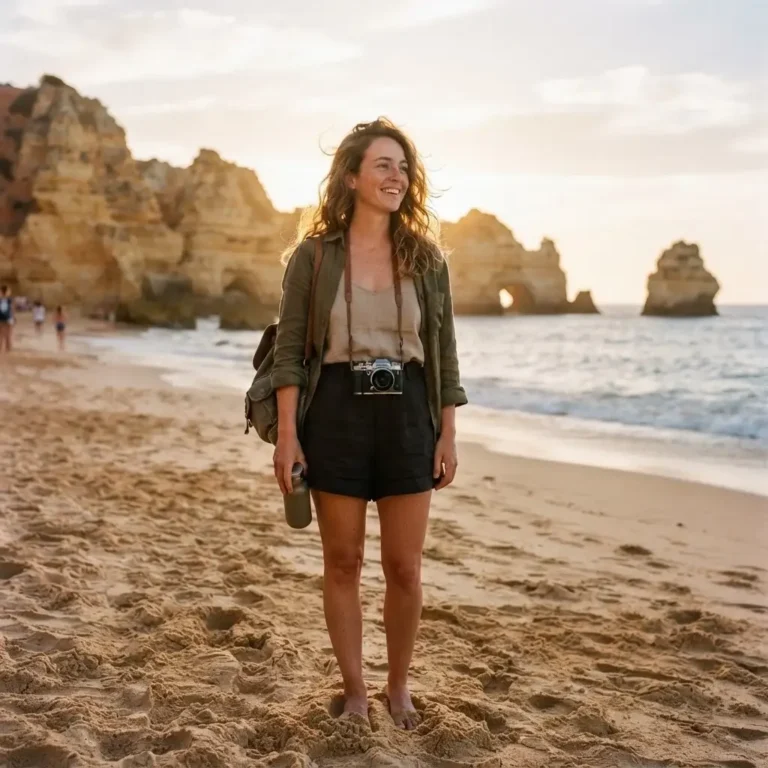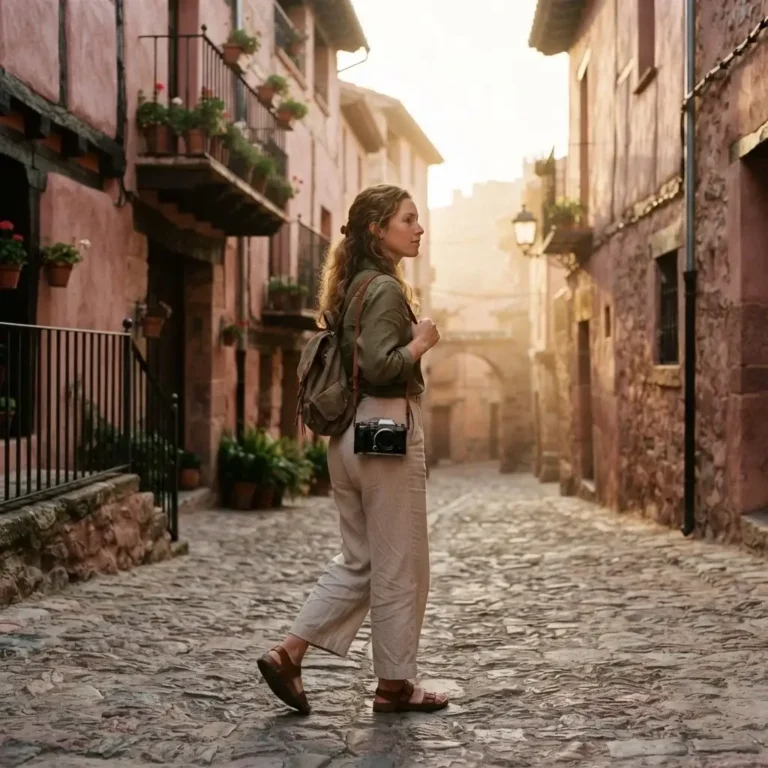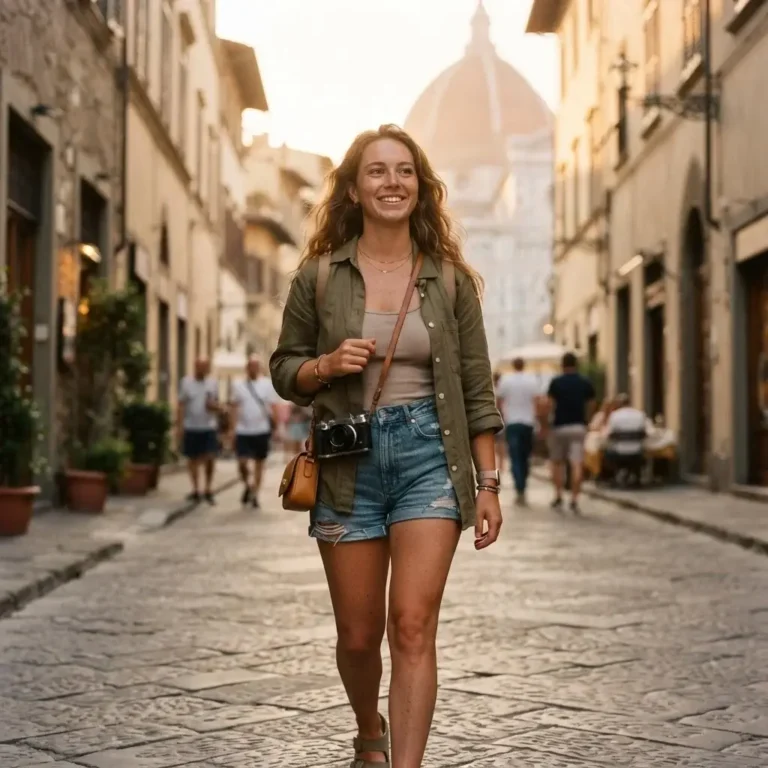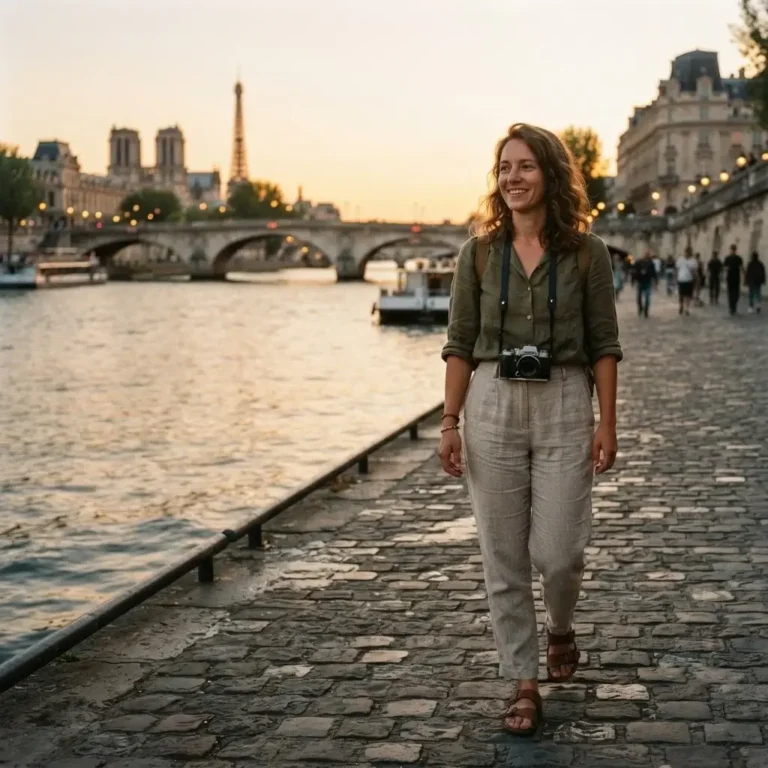
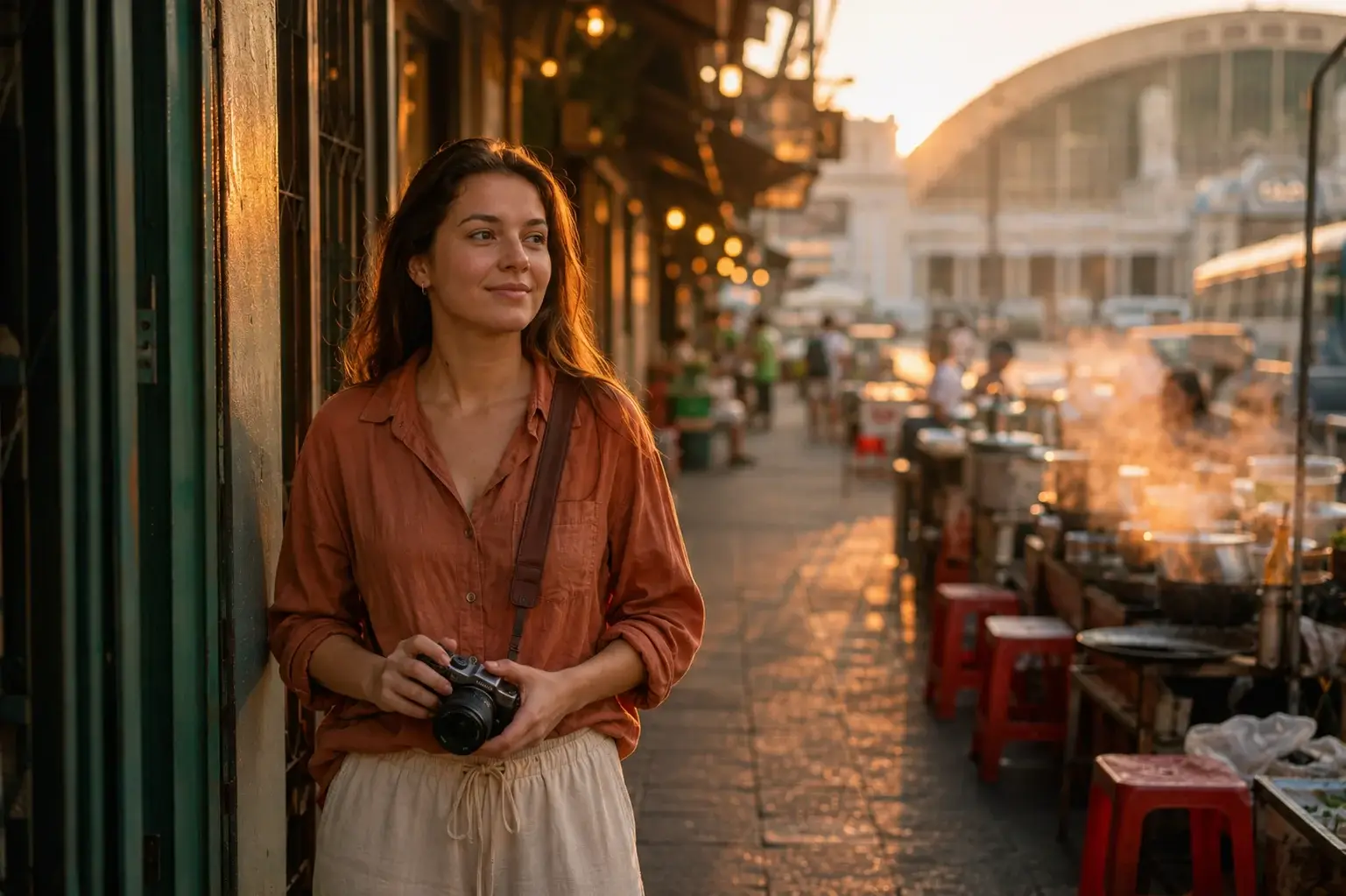
There is a specific moment that every solo traveler remembers. For me, it happened on a muggy afternoon outside the Hua Lamphong Train Station in Bangkok. I had just stepped off an overnight train. The air smelled of fried garlic, exhaust fumes, and sweet jasmine. My shoulders were aching from a massive, top-heavy backpack that I had stuffed with “just in case” clothing items. As I tried to navigate the crowded sidewalk, dodging street food carts and motorbikes, my oversized bag caught the edge of an awning. I stumbled, dropped a water bottle, and felt completely trapped by my own belongings.
Right then, I watched a local woman glide past me carrying nothing but a small, sleek bag. She looked free, relaxed, and entirely in control. I looked down at my giant bag and realized something important. Overpacking isn’t just a physical burden. It is a mental weight that keeps you stuck in a bubble of anxiety. It isolates you from the very places you traveled to see.
Before I became a full-time travel writer, I worked as a certified sightseeing guide in New York City. I spent hours walking the pavement of Manhattan, leading groups through subway stations, crowded plazas, and narrow historical alleys. I saw firsthand how heavy luggage turned excited tourists into exhausted, stressed-out people who were too busy wrestling with wheels to look up at the architecture. Later, when I saved up money by waitressing to fund my solo trips across Europe and Ghana, I learned that mobility is your greatest safety net and your best tool for discovery.
Learning the art of packing outfits for a week in one suitcase is not about depriving yourself. It is about choosing freedom over clutter. When you can fit everything you need into a single carry-on bag, you eliminate baggage fees, bypass the long lines at the airport carousel, and gain the ability to pivot your plans at a moment’s notice. You stop worrying about your gear and start focusing on the world around you.
Let’s dive deep into exactly how you can master this skill, build your own versatile travel wardrobe, and unlock true travel freedom.
The Psychology of Overpacking and How to Break It
To understand why we pack too much, we have to look at what those extra clothes represent. For most people, an overstuffed suitcase is a physical manifestation of fear. We pack for hypothetical scenarios because we are anxious about the unknown. We think, What if I get invited to a formal dinner? What if the weather suddenly drops twenty degrees? What if I spill coffee on my favorite shirt on day two?
When I was preparing to move to Thailand to teach English, I remember staring at my empty suitcase with a knot in my stomach. I was terrified of being unprepared, so I packed things I never used, like heavy boots and multiple formal jackets. I was trying to control my environment through my clothing.
Moving Past the “Just in Case” Mindset
The first step to packing light is realizing that you can handle unexpected situations on the road. If the weather changes, you can buy a cheap, locally made sweater that doubles as a unique souvenir. If you spill food on your shirt, you can wash it in your hotel sink with a small bar of soap.
When you stop packing for “just in case” moments, your suitcase opens up. You realize that you do not need a completely unique look for every single calendar day of your trip. Instead, you need clothes that work hard, layer well, and make you feel confident as you explore new streets.
The True Cost of Heavy Luggage
Heavy bags cost you more than just airline fees. They cost you energy and independence. If you are a solo traveler, a massive suitcase makes you a target for scams because you look overwhelmed. It prevents you from taking public transit easily, forcing you into expensive private taxis.
Imagine arriving in a beautiful historical city like Rome or Prague. If you have a single, lightweight suitcase, you can easily walk from the train station to your guesthouse, stopping along the way to grab a slice of pizza or admire a fountain. If you have a giant, heavy bag, that same walk becomes a grueling chore over historic cobblestones. Packing light keeps you nimble and open to spontaneous adventures.
Selecting Your Core Suitcase and Packing Tools
Before we even talk about shirts and pants, we need to look at the container itself. Not all suitcases are created equal. If your bag is too heavy when it is empty, you are already losing the battle.
Hard-Shell vs. Soft-Side Carry-Ons
I prefer a lightweight, soft-side carry-on bag with two sturdy wheels, or a high-quality travel backpack. Soft-side bags have a bit of stretch, which helps when you are trying to close the zipper on the last day of your trip.
Look for a bag that fits the standard international carry-on dimensions, which are typically 22 inches by 14 inches by 9 inches. If you want to make sure your bag meets official safety and transit standards before you head to the airport, it is always smart to check the latest guidelines on the US Department of State Travel webpage where they outline international transit rules and country-specific entry requirements.
The Magic of Packing Cubes
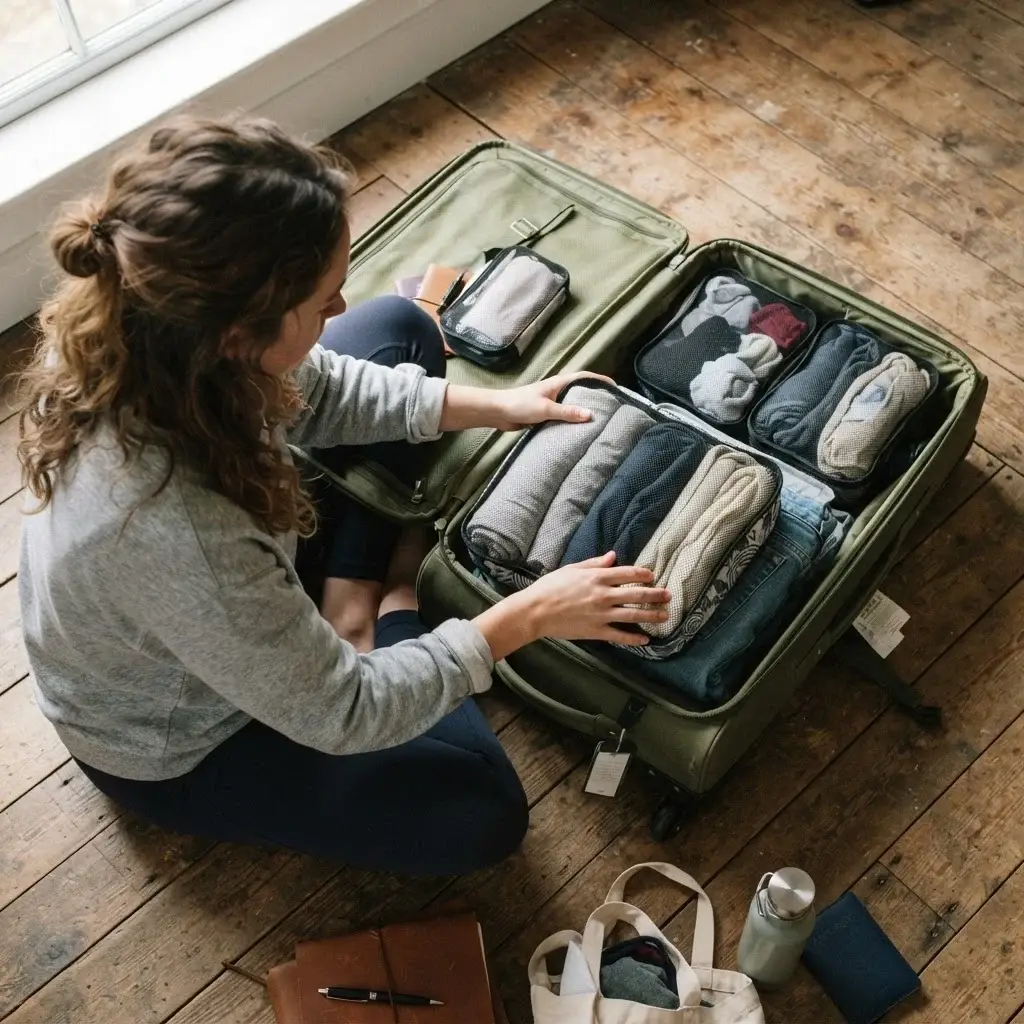
If you are not using packing cubes yet, they will completely change the way you travel. Packing cubes are lightweight fabric containers that act like drawers for your suitcase. They do not magically compress your clothes unless you buy specific compression styles, but they do something more important: they organize your gear and keep your outfits tightly rolled.
I use a simple three-cube system for a one-week trip:
- Large Cube: For all main bottoms, dresses, and outer layers.
- Medium Cube: For lightweight tops, shirts, and t-shirts.
- Small Cube: For underwear, socks, and swimwear.
By separating your items into distinct cubes, you can find exactly what you need without unpacking your entire suitcase. This is incredibly helpful when you are staying in small guesthouses or moving to a new location every few days.
The Anatomy of a One-Week Travel Capsule Wardrobe
The secret to packing outfits for a week in one suitcase is the travel capsule wardrobe. This is a small, curated collection of clothes that can all be mixed and matched together. Every single top you pack should match every single bottom. If a shirt only works with one specific pair of pants, leave it at home.
To make this system work, stick to a simple three-color palette. Choose two neutral base colors (like black, navy, grey, or khaki) and one accent color (like olive green, terracotta, or soft blue). This ensures that no matter what items you pull out of your bag in the dark, they will create a cohesive outfit.
The 5-4-3-2-1 Packing Rule
This is a classic formula that works perfectly for a seven-day trip. It gives you more than enough combinations without crowding your bag.
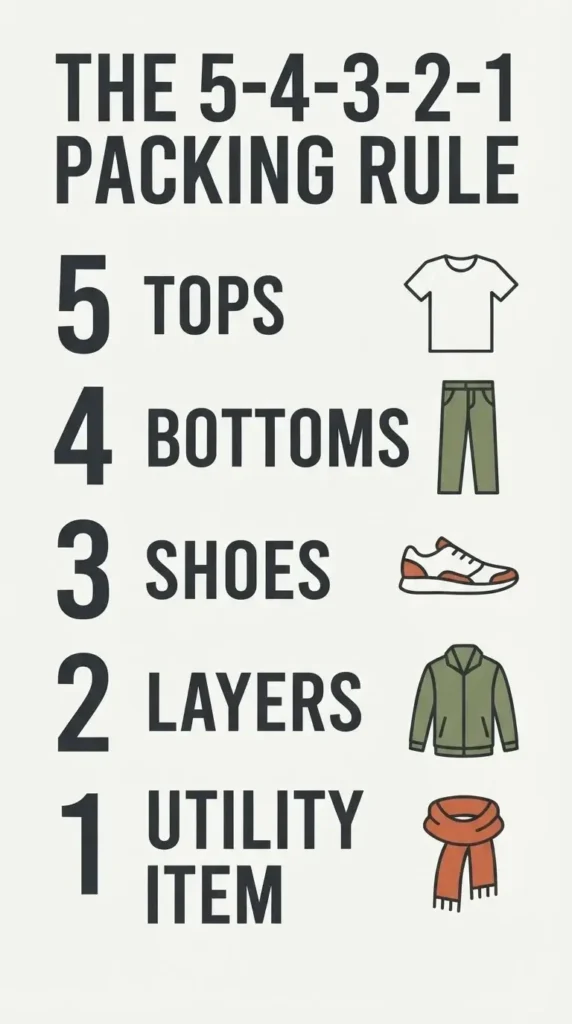
Let’s break down exactly what this look like in practice for a standard, multi-climate trip:
- 5 Versatile Tops: This includes two basic cotton t-shirts, one lightweight long-sleeve linen shirt, one smart blouse or button-down, and one casual tank top or v-neck.
- 4 Reliable Bottoms: One pair of durable dark-wash denim jeans, one pair of lightweight breathable linen pants, one pair of tailored shorts, and one casual skirt or an easy-to-pack day dress.
- 3 Pairs of Shoes: One pair of supportive, broken-in sneakers for heavy walking days, one pair of comfortable walking sandals, and one pair of low-profile flats or loafers for nicer dinners.
- 2 Outer Layers: One versatile cardigan or knit sweater, and one packable windproof rain jacket.
- 1 Multi-use Accessory: A large, soft scarf or sarong. This single item can be used as a beach towel, a blanket on a chilly train, or a shoulder covering when visiting historic religious sites.
Day-by-Day Outfit Blueprint for a 7-Day Journey
To show you how efficient this system is, let’s look at how these pieces come together day by day. We will design this itinerary for a mix of urban exploration, outdoor walking, and evening dining.
Day 1: The Travel Day
On your first day, you want to wear your heaviest items on the plane or train so they do not take up space inside your suitcase.
- What to wear: Your dark-wash jeans, a basic cotton t-shirt, your knit sweater, and your bulky walking sneakers.
- Activity: Navigating train stations, checking into your accommodation, and taking a light evening stroll to orient yourself.
- Navigation Tip: If you are arriving in a major hub like Bangkok, skip the chaotic airport taxi lines and use public transit options like the Airport Rail Link, or download a local ride-hailing app. To get a clear idea of how transport apps operate in Southeast Asia, you can read about transit setups on the official Grab website to see how cash-free rides can save you from currency exchange stress right at the arrivals gate.
Day 2: The Walking and Sightseeing Tour
This day is all about comfort and cultural respect. You will be visiting historic sites and walking long distances.
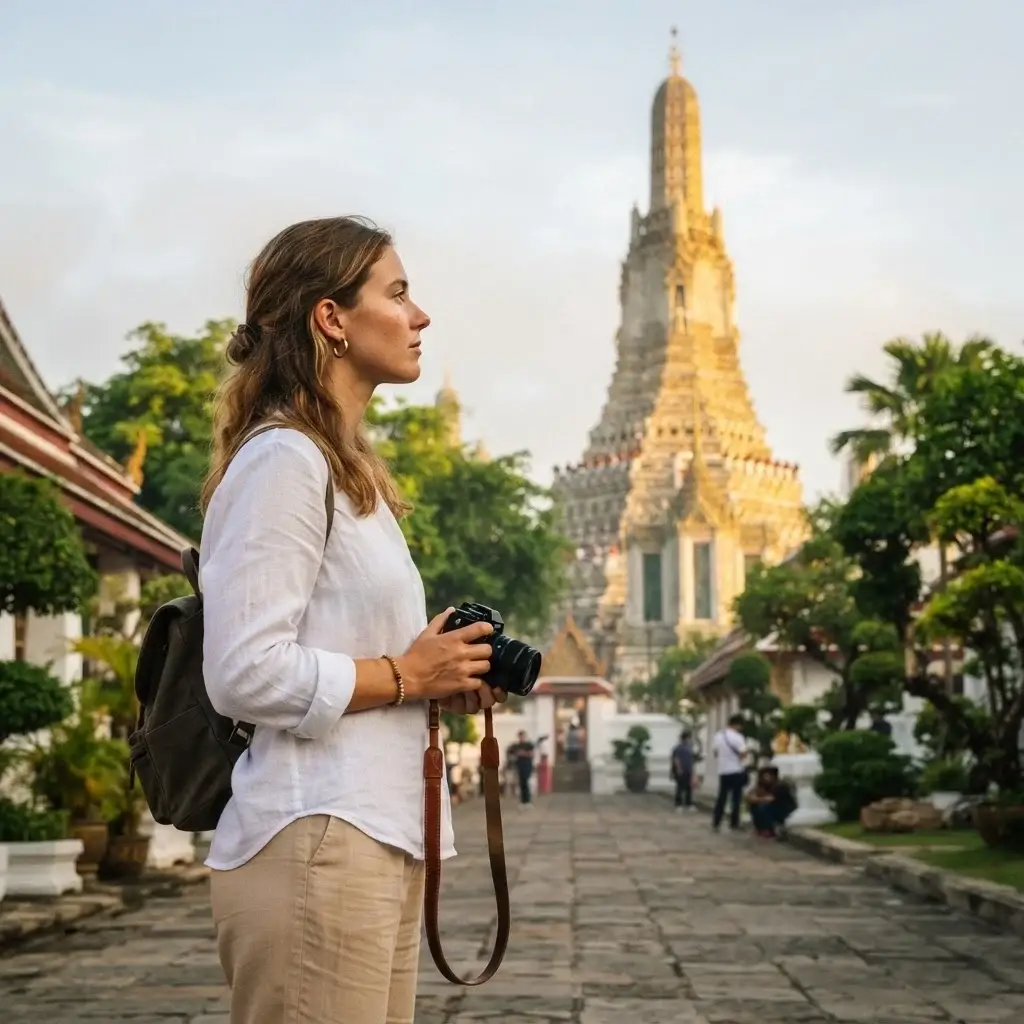
- What to wear: The lightweight linen pants, a breathable linen long-sleeve shirt (to protect your skin from the sun), and your walking sneakers. Bring your packable rain jacket in your daypack just in case of sudden showers.
- Activity: Walking through historic markets, visiting ancient temples or churches, and stopping at local cafes.
- Insider Secret: When visiting places of worship, keep your knees and shoulders covered. This outfit is perfect because the linen keeps you cool while remaining respectful of local traditions.
Day 3: Market Exploration and Local Food
- What to wear: Your tailored shorts (or casual skirt), a fresh cotton t-shirt, and your comfortable walking sandals.
- Activity: Exploring outdoor street food stalls, hunting for vintage items at local flea markets, and visiting community art spaces.
- Culinary Tip: When eating street food in bustling foreign markets, always choose the stalls with the longest lines of local residents. High turnover means the food is fresh and safe to eat. If you ever feel uncertain about regional water safety or dietary health prep before you go, you can check the CDC Travelers’ Health site for updated vaccine advisories and food hygiene tips tailored to your specific destination.
Day 4: Mid-Week Nature Hike or Park Day
- What to wear: Your durable jeans, the casual tank top or v-neck shirt, and your walking sneakers. Tie your knit sweater around your waist in case the temperature drops in shaded areas.
- Activity: Hiking to a scenic mountain viewpoint, walking through botanical gardens, or enjoying a picnic by a lake.
- Navigation Tip: Always download an offline map of the area using your phone’s GPS before you lose cellular signal on nature trails. Tell your guesthouse host where you are going before you head out.
Day 5: Cultural Immersion and Museum Visits
- What to wear: The casual day dress (or your favorite skirt paired with the smart blouse), your walking sandals, and the large scarf draped over your shoulders.
- Activity: Spending hours inside national museums, walking through contemporary art galleries, and attending a traditional music performance.
- Insider Secret: Many national museums offer discounted admission tickets on certain weekdays or late-evening hours. Check their local websites ahead of time to save money that you can reinvest into a great local meal.
Day 6: The Coastal or Riverside Adventure
- What to wear: Your shorts, the basic tank top, your sandals, and your multi-use scarf used as a sun wrap. Keep your swimsuit packed in your daypack.
- Activity: Taking a ferry ride down a historic river, spending an afternoon on a sandy beach, or exploring a coastal fishing village.
- Navigation Tip: When boarding local public ferries, buy your ticket from the official station ticket window rather than independent brokers on the pier to avoid inflated tourist prices.
Day 7: The Farewell Evening Dinner
- What to wear: The linen pants paired with your smart blouse or button-down shirt, and your low-profile flats or loafers. Add a touch of simple jewelry or a watch to elevate the look.
- Activity: Enjoying a long, slow multi-course meal at a traditional family-run restaurant to celebrate your final night.
- Culinary Tip: Skip the tourist-heavy restaurants with menus printed in five languages right outside major monuments. Walk three blocks away into residential neighborhoods to find authentic culinary gems where the locals actually eat.
Fabric Selection: The Secret to Longevity and Freshness
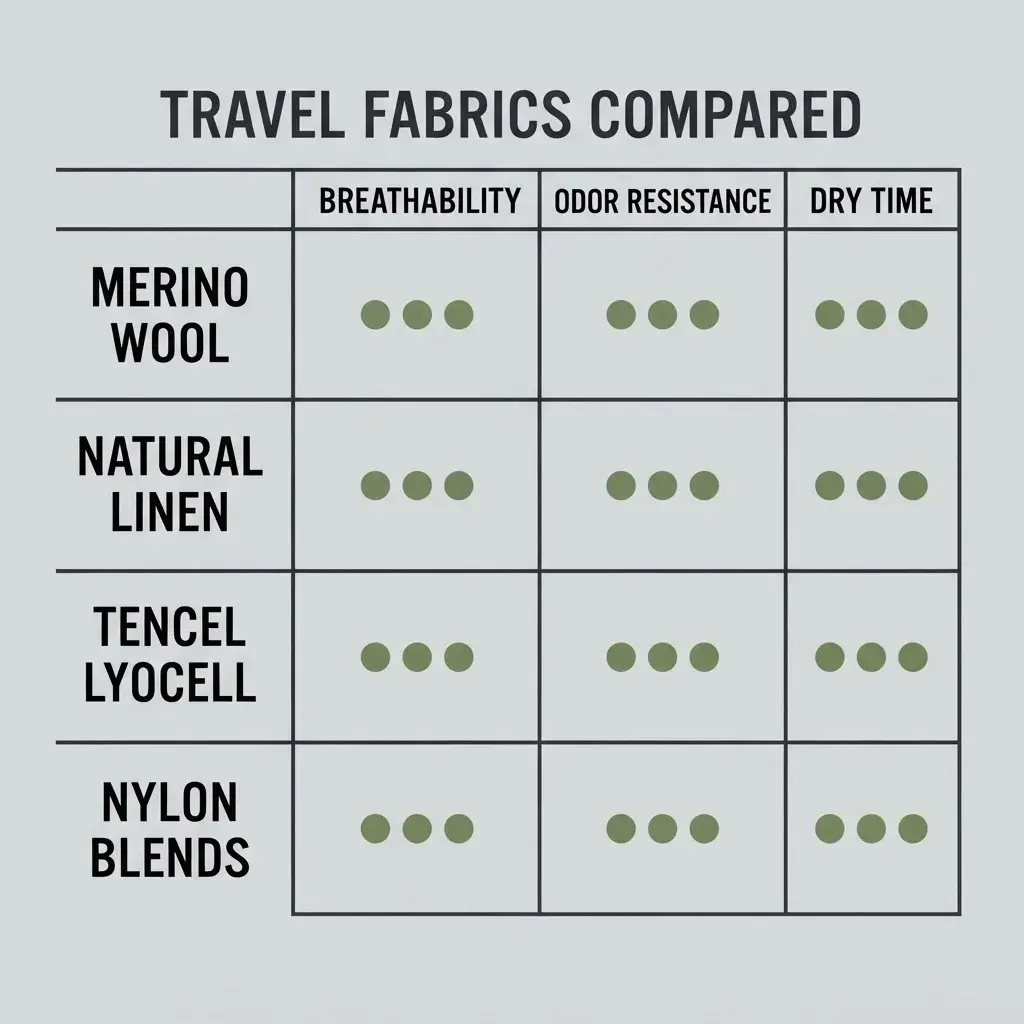
You can have the best packing plan in the world, but if your clothes are made of heavy, sweat-trapping synthetic materials, you will end up with a bag full of stinky, wrinkled laundry by day three. The real secret to packing outfits for a week in one suitcase is selecting the right performance fabrics.
Why Merino Wool is a Traveler’s Best Friend
Many people think wool is only for freezing winter weather, but ultra-fine lightweight merino wool is actually an incredible material for hot climates. Merino wool fibers are naturally breathable and regulate body temperature beautifully. Most importantly, they have natural antimicrobial properties that prevent odor-causing bacteria from building up. You can wear a high-quality merino wool t-shirt three times during a trip without it smelling bad. Just hang it up on a chair overnight to air it out, and it will be fresh and ready by morning.
Embracing the Wrinkles of Natural Linen
Linen is made from flax fibers and is incredibly effective at moving heat away from your skin. Yes, it wrinkles. But experienced travelers know that wrinkled linen is part of the classic, relaxed travel aesthetic. Do not waste energy looking for an iron in your hotel room. If a linen shirt is deeply creased, hang it up in the bathroom while you take a hot shower. The steam will naturally relax the deepest lines.
Mastering the Space-Saving Folding and Rolling Methods
How you physically place your clothing inside your suitcase makes a massive difference in how much room you have left over for toiletries and electronics. There are two primary schools of thought here: the Army Roll Method and the Ranger Rolling Technique.
The Army Roll Method for Tops
This technique creates tight, sausage-like bundles of clothing that will not unroll inside your packing cubes.
- Lay your t-shirt completely flat on a table.
- Flip the bottom hem of the shirt inside out, creating an upward cuff of about three inches all the way around the bottom.
- Fold the left side of the shirt inward over the center, tucking the sleeve back. Repeat with the right side so you have a long, narrow rectangle.
- Starting from the collar, roll the shirt down as tightly as possible toward the bottom hem.
- Once you reach the end, grab the inverted cuff you made in step two and fold it back over the entire rolled bundle, locking it into place.
The Ranger Rolling Technique for Pants
- Fold your trousers or jeans in half lengthwise so the two back pockets are touching.
- Invert the top waistband of the pants down about four inches, creating a pocket fold.
- Start rolling the pants tightly from the ankles all the way up toward the waist.
- Tuck the entire rolled cylinder into the waistband pouch you created at the top to seal the bundle.
Using these rolling methods instead of flat-folding ensures that your clothes use every square inch of available volume. It also prevents hard fabric creases, meaning you can pull your shirts out of your bag and wear them instantly.
Dealing with Toiletries, Footwear, and Electronics
Now that your travel capsule wardrobe is neatly rolled into your packing cubes, you need to navigate the remaining items: your shoes, your bathroom products, and your tech gear.
Shoe Placement: The Dirty Secret
Shoes take up the most physical volume in your suitcase. Always place your shoes along the wheeled spine or bottom base of your suitcase first. This keeps the heaviest weight at the bottom of the bag, which prevents your suitcase from tipping over when it is standing upright.
Always slide your socks, underwear bundles, or thin tech cables inside the cavities of your packed shoes. This uses hidden dead space and helps your shoes maintain their shape during transit. Wrap the outer soles of your shoes in clean plastic grocery bags or reusable shoe covers to prevent dirt from transferring onto your clothing packing cubes.
Streamlining Your Toiletries with Solid Products
Liquid restrictions can be a major headache at airport security screening lanes. The best way to beat this system is to transition your routine to solid travel products.
- Solid Shampoo and Conditioner Bars: These look like bars of soap, last for dozens of washes, and will never leak juice all over your clean shirts.
- Solid Deodorant Sticks and Toothpaste Tablets: These completely eliminate the need for those tiny, wasteful plastic travel tubes.
- Multi-use Oils: A small dropper bottle of pure argan or jojoba oil can serve as a face moisturizer, a body lotion, and a hair serum all in one.
If you must bring liquid products, place them in a single, clear, heavy-duty quart-sized silicone pouch. Keep this pouch in the front pocket or top section of your suitcase so you can pull it out quickly when passing through airport security counters.
Doing Laundry on the Road: The Five-Minute Sink Method
If you want to pack outfits for a week in one suitcase for an even longer trip—say, two weeks or a month—the secret is simply doing a small load of laundry every few days. You do not need to find a public laundromat or pay expensive hotel dry-cleaning rates. You can wash your clothes right in your room’s sink in less time than it takes to check your social media notifications.
The Towel Roll Trick for Fast Drying
The biggest mistake people make when washing clothes in a hotel sink is wringing out the wet items by twisting them tightly. This stretches out the fabric fibers and leaves the clothing soaking wet for days.
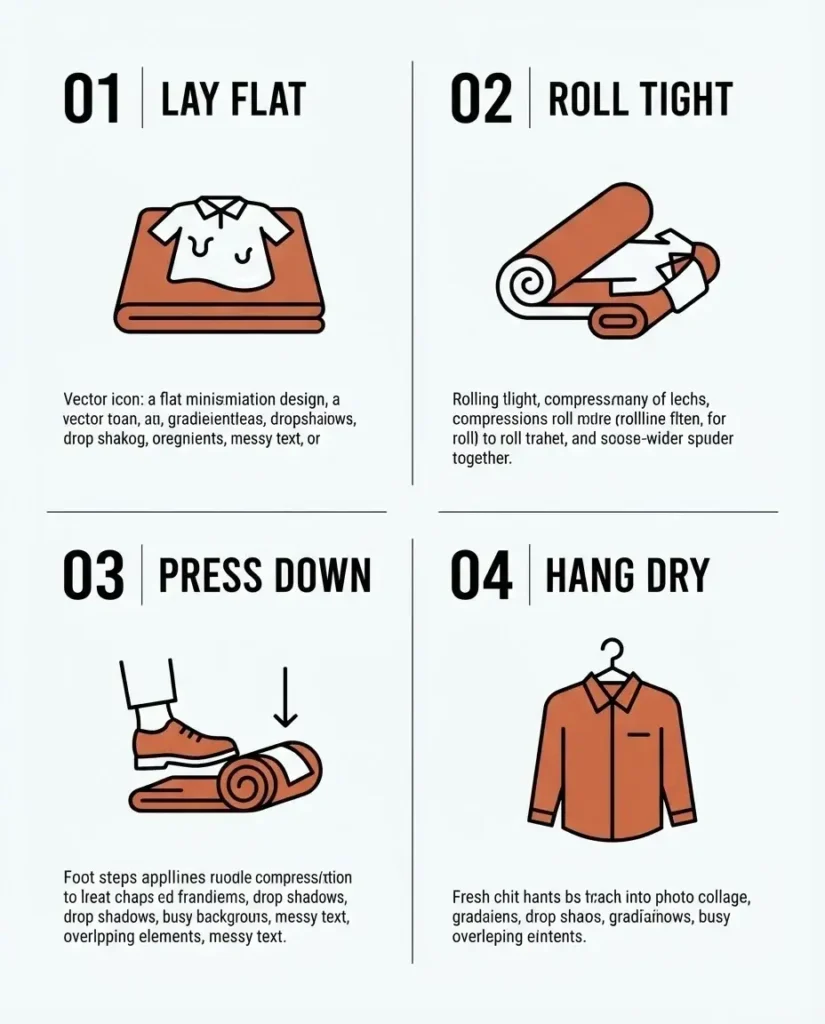
Instead, try the Towel Roll Trick:
- After rinsing your shirt, gently press the excess water out against the basin side.
- Lay a clean, dry hotel bath towel completely flat on the bed.
- Place your wet shirt flat on top of the towel.
- Roll the towel up tightly with the shirt inside, creating a long cylinder.
- Walk on top of the rolled towel for thirty seconds, using your body weight to press down.
When you unroll the towel, you will find that the dry towel fibers have absorbed the vast majority of the moisture from your clothing. Hang the shirt up on a hanger near an open window or an air conditioning vent, and it will be bone dry and ready to wear by morning.
Real Stories: How Packing Light Transformed My Journeys
When I look back at my travel history, the quality of my experiences is directly connected to the weight of my luggage.
When I was traveling across Europe on a tight budget, I met a fellow solo traveler who was struggling with a massive sixty-liter backpack and a secondary rolling suitcase. We arrived at a historic train station in a beautiful hill town, only to find that the local bus system was on strike for the afternoon. Our hostel was a mile away at the top of a steep, twisting cobblestone hill.
Because I had practiced packing outfits for a week in one suitcase, my gear was incredibly light. I zipped up my compact bag, threw it over my shoulder, and walked up the hill.
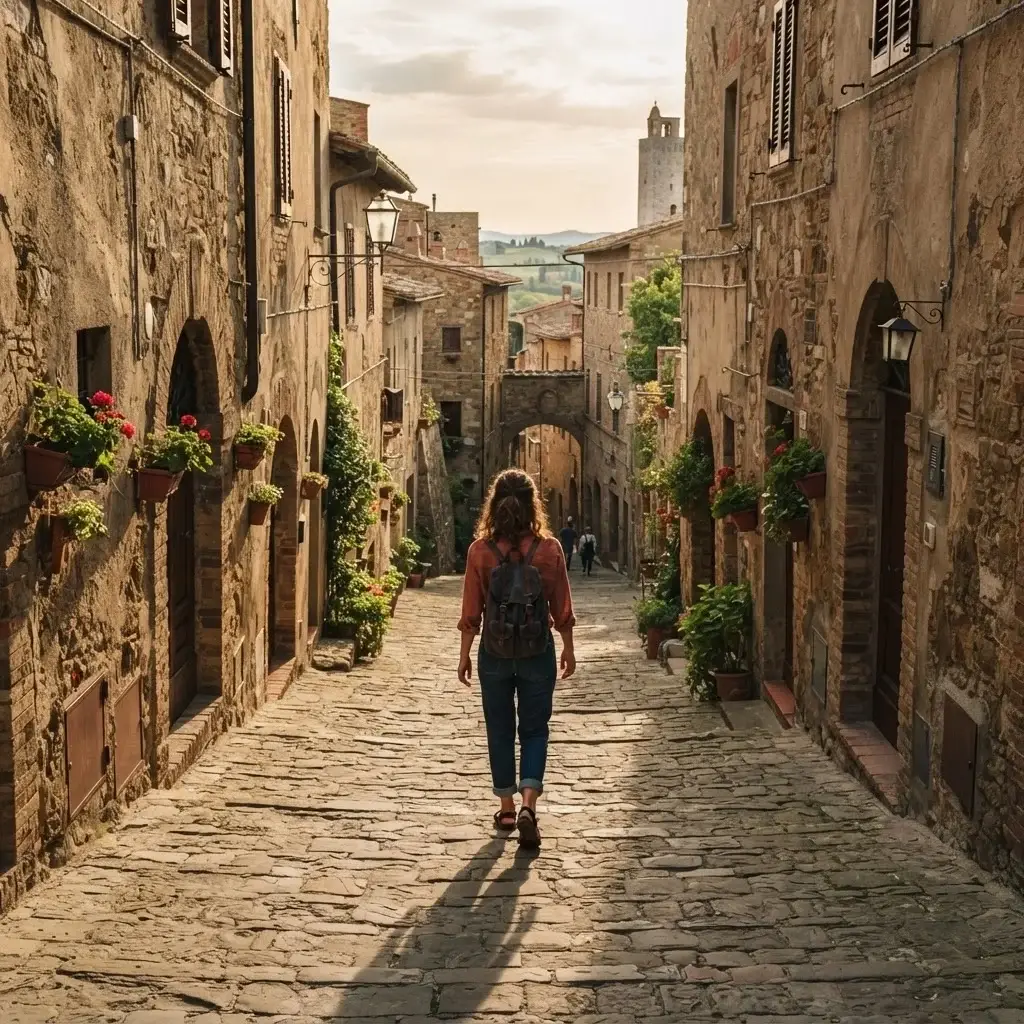
I stopped at a small local bakery along the way, practicing my basic language skills to order a fresh pastry and chat with the owner.
My friend, however, was miserable. She had to spend an hour trying to hail an expensive private car, crying out of sheer frustration and heat exhaustion. Her heavy luggage isolated her from the environment and turned a minor transit glitch into a stressful emergency.
Navigating Cultural Treasures Unburdened
When you have the freedom to move easily, you can say yes to unexpected opportunities. On a trip to a beautiful historic valley, I met a local family who invited me to join them for an impromptu home-cooked lunch up a winding trail. If I had been weighed down by heavy, valuable luggage, I would have had to say no so I could find a luggage locker or check into a hotel first. Because I had everything I needed in one small bag, I said yes on the spot. That afternoon remains one of the most meaningful cultural memories of my life.
To find places where you can fully immerse yourself in local heritage without rushing through crowded commercial zones, it is incredibly rewarding to look up listed cultural sites on the UNESCO World Heritage Centre platform. Planning your travel around protected cultural spaces allows you to slow down, explore on foot, and connect deeply with community history.
Overcoming Your Pack-Light Anxieties
It is completely natural to feel a wave of anxiety the first time you close a small carry-on suitcase for a week-long journey. You might feel exposed or worried that you missed something vital.
Remind yourself that people live everywhere you are going. If you truly lose an item or find yourself needing something specific, you can buy it locally. Shopping at an ordinary local grocery store or neighborhood market in a foreign country is not a chore—it is a fascinating cultural adventure in its own right. You get to see what products local families use, interact with shopkeepers, and learn about daily life in a way that standard sightseeing attractions can never provide.
Building Your Confidence Through Action
Confidence does not happen overnight. You build it by taking small actions and seeing that you can handle the results. Start by using this packing blueprint for a quick weekend trip close to home. Once you see how liberating it feels to walk out of your house with a light, simple bag, you will never want to go back to heavy suitcases again.
The world rewards curiosity, open-mindedness, and courage. When you let go of the excess physical items that weigh you down, you open up physical and mental space for the things that truly matter: deep conversations with strangers, quiet moments of beauty in nature, and the self-reliance that comes from knowing you have everything you need to thrive right by your side.