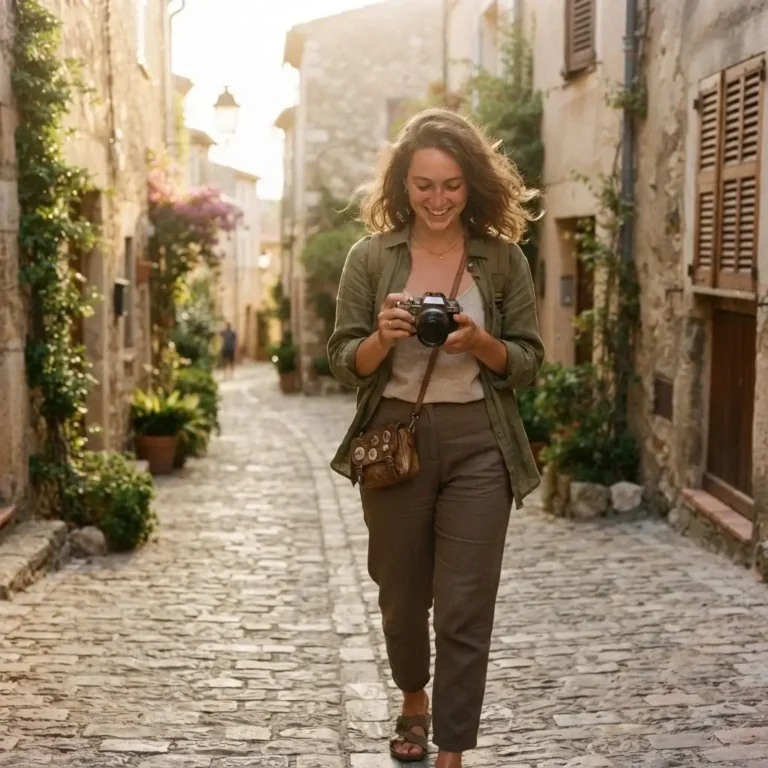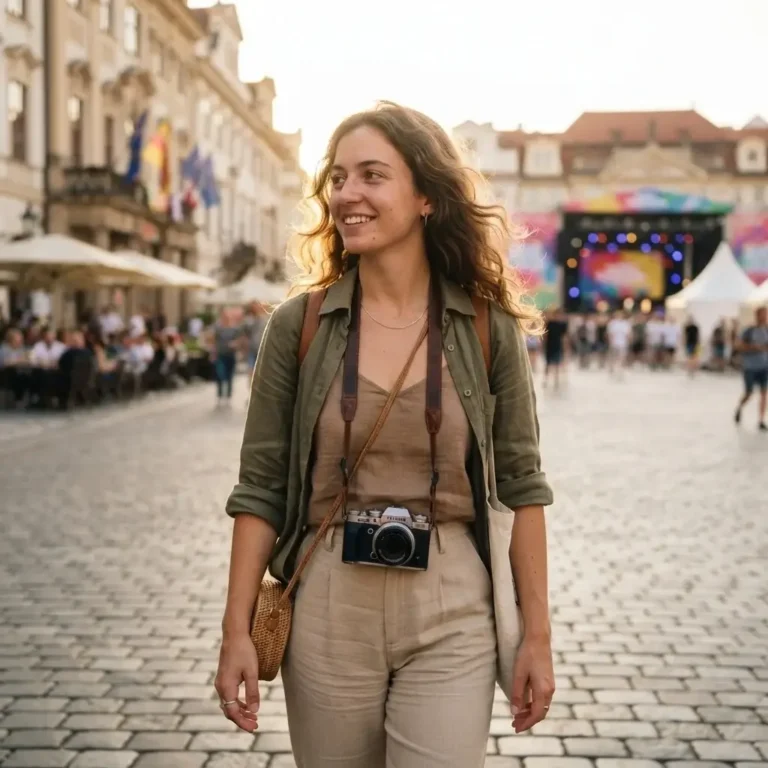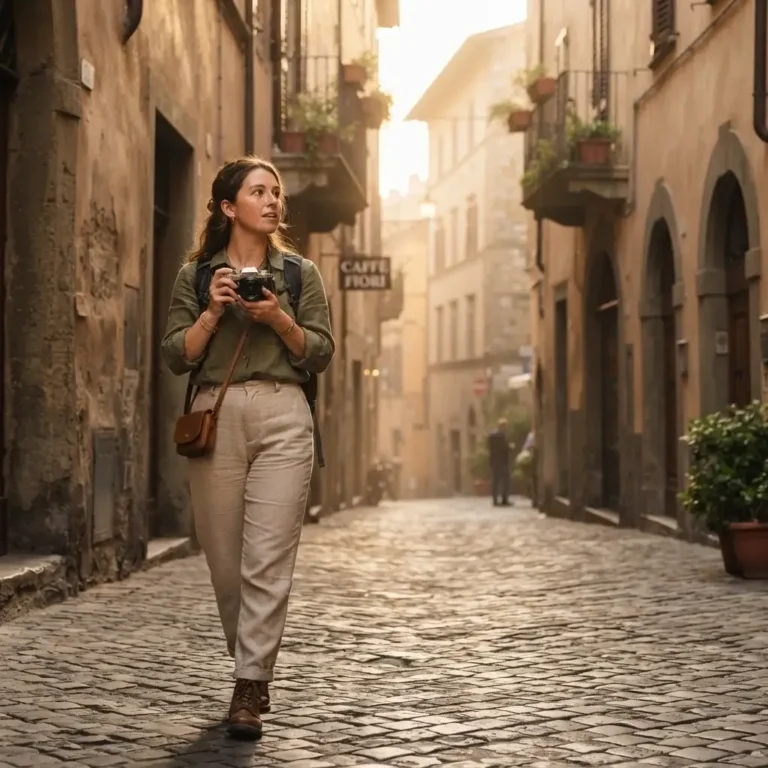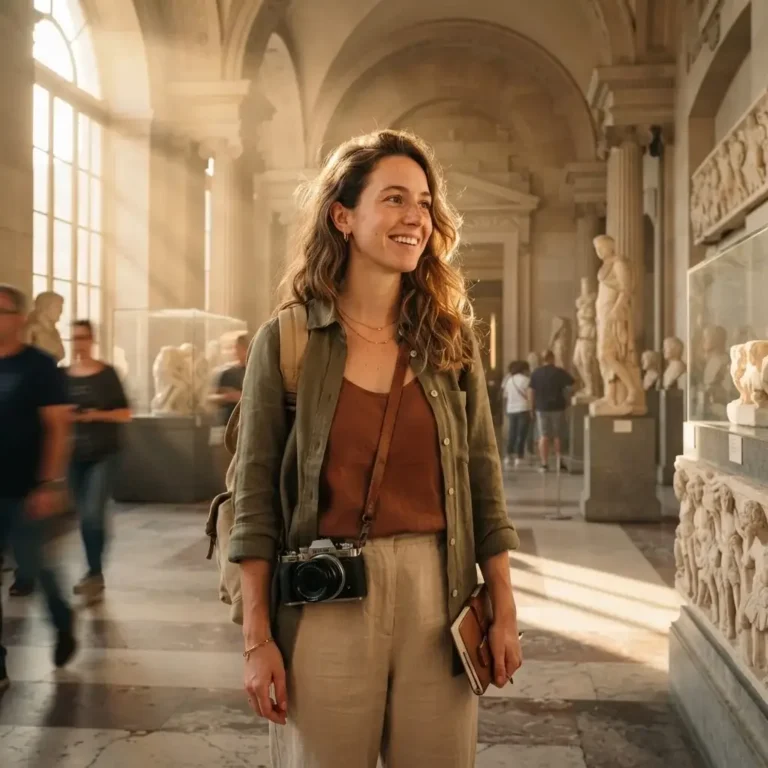
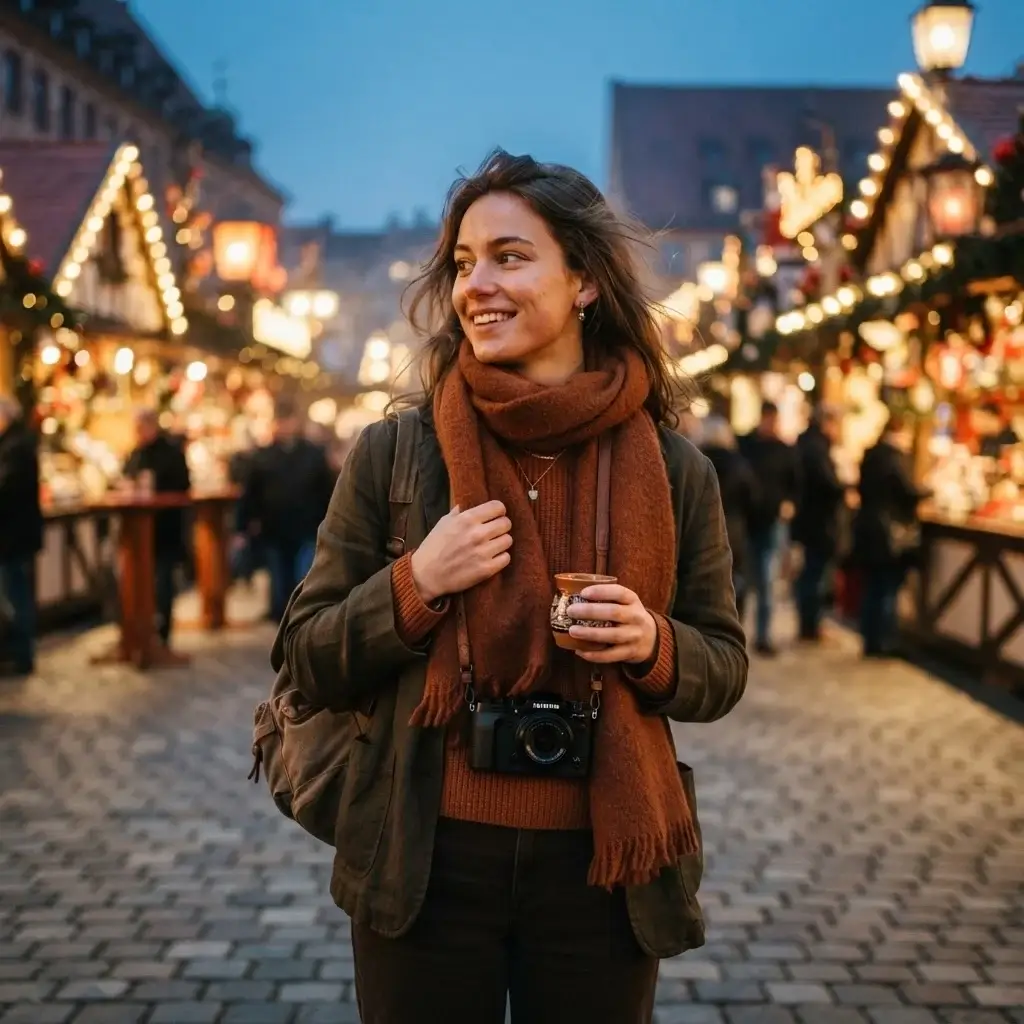
There was a time, back when I was sitting at a gray cubicle in a New York office, when the idea of spending the holidays alone felt like a failure. Society told me that Christmas was meant to be spent with a large family, huddled around a dinner table, surrounded by piles of wrapping paper. But after I quit that job and started trading my office routine for the rhythm of the road, my entire perspective shifted.
I remember my first solo winter in Europe. I was terrified. I thought I would stand out like a sore thumb, clutching a cup of glühwein while everyone else laughed with their partners or families. But what I found was the exact opposite. When you are on your own, you become a participant in the local culture rather than a spectator. You can stop at a stall for twenty minutes just to watch a craftsman carve a wooden ornament. You can linger in a square, listening to a brass band, without someone tugging at your sleeve because they’re bored.
If you are thinking about taking a solo trip this season, you are already ahead of the curve. You don’t need a companion to make the holidays meaningful. In fact, some of the most profound moments of growth I’ve experienced happened while I was wandering through a snow-dusted market in the heart of a foreign city, completely by myself.
The Art of the Solo Festive Itinerary
When people plan their first trip to see the holiday markets, they often make the mistake of trying to see every single stall in the city in a single day. That’s a fast track to burnout. As a solo traveler, your power lies in your flexibility.
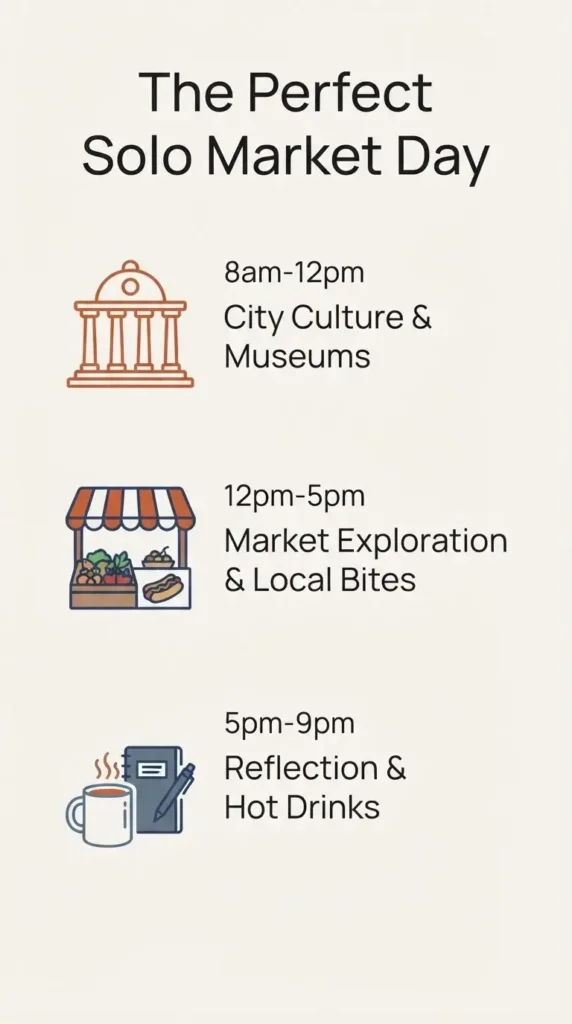
My approach is to treat the city like a neighborhood I’m getting to know, not a checklist I’m trying to conquer.
Before you book anything, it is always a smart move to check the US Department of State Travel website to look up the latest entry requirements and safety status for the countries you are considering. Knowing that you have your paperwork and safety logistics handled allows you to relax and actually enjoy the atmosphere.
When I plan my days, I aim for a mix of “Market Time” and “City Time.” I’ll spend the morning visiting a museum or a quiet neighborhood, and then I head to the markets in the late afternoon as the lights start to flicker on. This keeps the sensory overload at a manageable level.
Vienna: The Grand Dame of Festive Markets
Vienna feels like it was designed for solo travelers. It’s safe, it’s organized, and the public transit is so reliable you’ll never feel stranded. The Christmas markets here—known locally as Christkindlmarkts—are legendary, but don’t just stick to the massive one in front of the Rathaus.
My favorite ritual in Vienna is starting my day at the Spittelberg market. It’s tucked away in the narrow, cobblestone alleys of the seventh district.
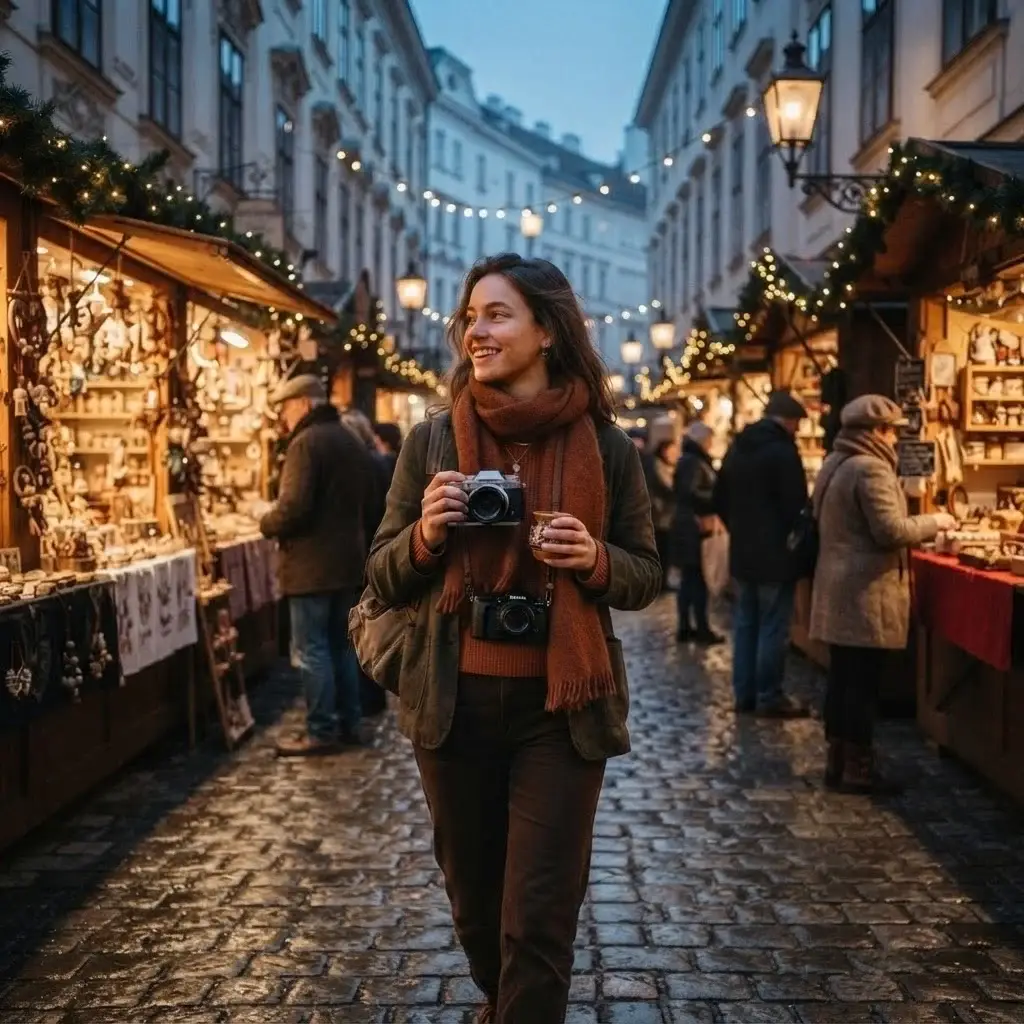
Because the streets are so tight, the market feels like an intimate party. You aren’t fighting through massive crowds; you’re just walking through history.
What to eat: Do not leave without trying Kaiserschmarrn. It’s a shredded, fluffy pancake served with plum sauce. It’s a generous portion, but since you’re traveling solo, nobody is there to tell you not to eat the whole thing.
Pro tip: Vienna is a perfect place to use the official city transit pass. You can hop between the Rathaus, the Belvedere, and the Schönbrunn Palace markets without thinking twice. Just remember that many of these locations are historical sites that are part of the UNESCO World Heritage list, so treat them with the respect that comes with centuries of tradition.
Nuremberg: Where Tradition Meets Reality
Nuremberg is where I learned that travel isn’t always about the “picture-perfect” moments. The Christkindlesmarkt here is one of the oldest in the world. It’s busy, it’s loud, and it’s deeply rooted in German tradition. It’s not a theme park; it’s a living, breathing part of the city’s identity.
When I visited solo, I made the mistake of staying too close to the main square. It’s beautiful, but it’s intense. My advice? Spend your first two hours in the main square to get the “big” experience, then move toward the sister-city market. It’s where different cultures from around the world set up their own stalls. It’s a brilliant place to strike up a conversation with vendors who are happy to explain the traditions of their home countries.
Traveler’s Safety Check: Even in a city as welcoming as Nuremberg, staying mindful is key. Before I travel, I always read through the World Nomads Travel Insurance guides on staying safe in busy environments. It’s not about being fearful; it’s about being informed so that you can focus on the experience rather than worrying about your belongings.
Strasbourg: The Capital of Christmas
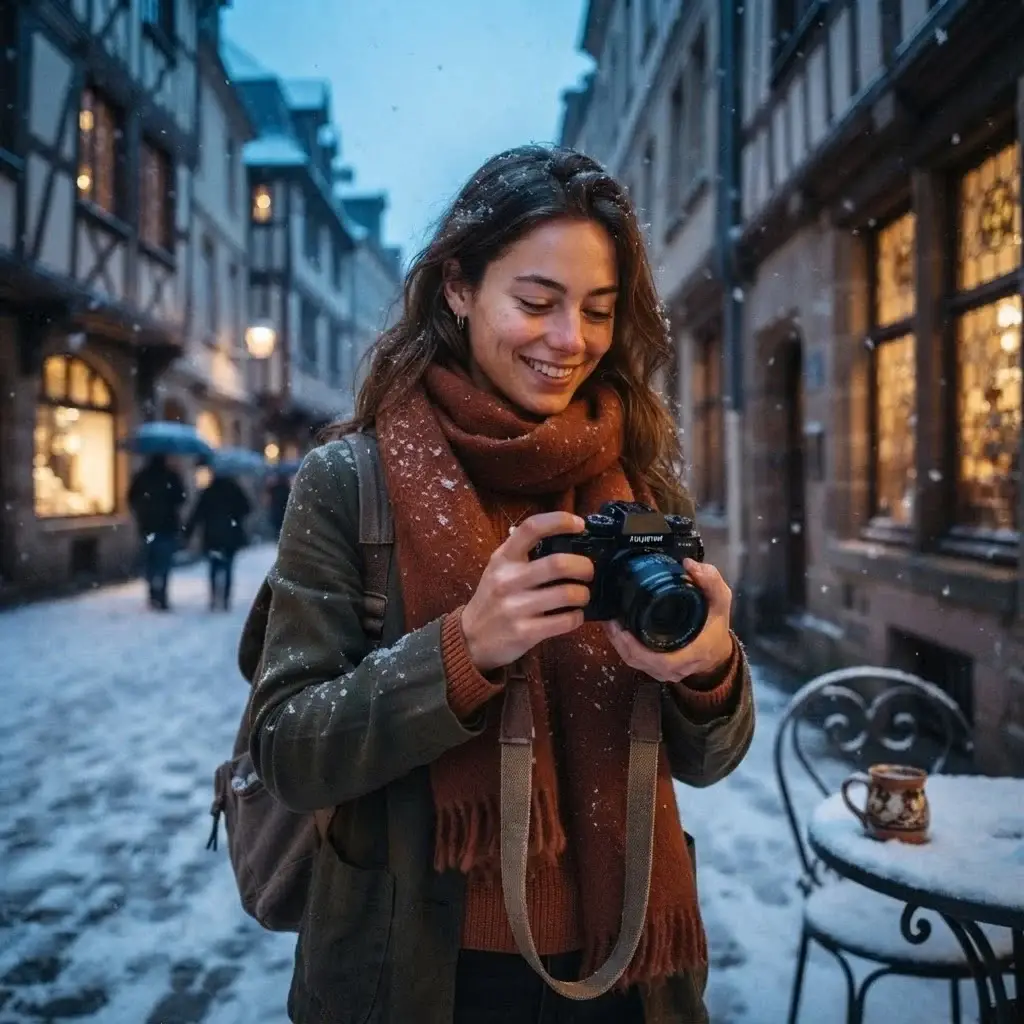
If you want a fairy tale, you go to Strasbourg. Located in the Alsace region of France, this city feels like it was plucked out of a storybook. The timber-framed houses, the canals, and the massive tree in the Place Kléber create an atmosphere that is hard to describe without using the word “magical.”
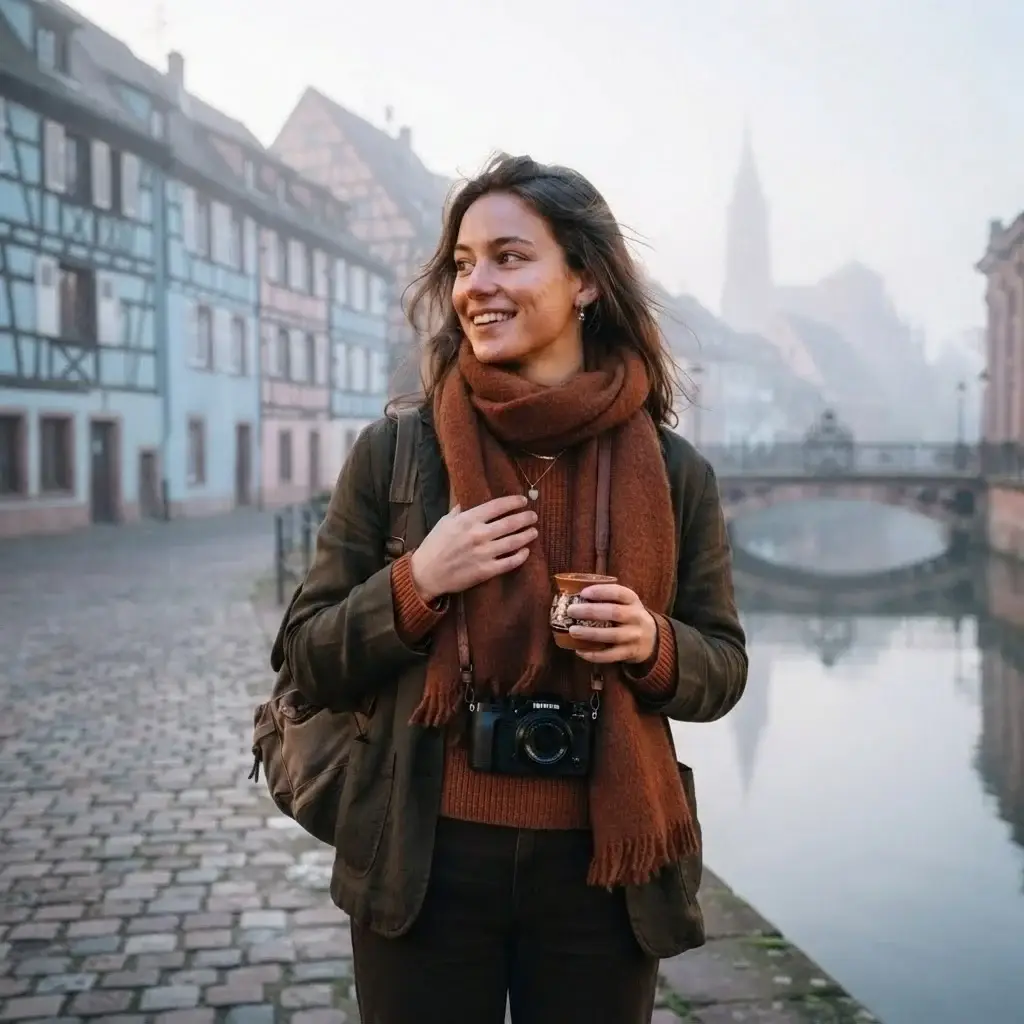
The challenge in Strasbourg is the crowd. Because it is so popular, it can feel a bit overwhelming if you try to do it all at once. My strategy is the “Early Bird” approach. The markets start to get busy around 2:00 PM. I get my coffee, find a bakery, and start my day at 9:00 AM while the vendors are still prepping their displays. The morning light on the canals is incredible, and you’ll have the streets almost entirely to yourself.
Cultural Curiosity: Alsace is a blend of French and German cultures, and the food shows it. Look for tarte flambée. It’s a thin dough covered in crème fraîche, onions, and bacon.
It’s the ultimate comfort food for a chilly afternoon.
Copenhagen: A Masterclass in ‘Hygge’
If you haven’t heard of the concept of hygge, Copenhagen is the best place to learn. It’s all about warmth, coziness, and simple pleasures. The Tivoli Gardens Christmas market is the heart of the city. While it’s an amusement park, it turns into a winter wonderland that feels more like a cozy village than a theme park.
Solo travel in Copenhagen is effortless because the locals are incredibly friendly. If you’re feeling lonely, find a small café near the Nyhavn harbor and just sit with a book.
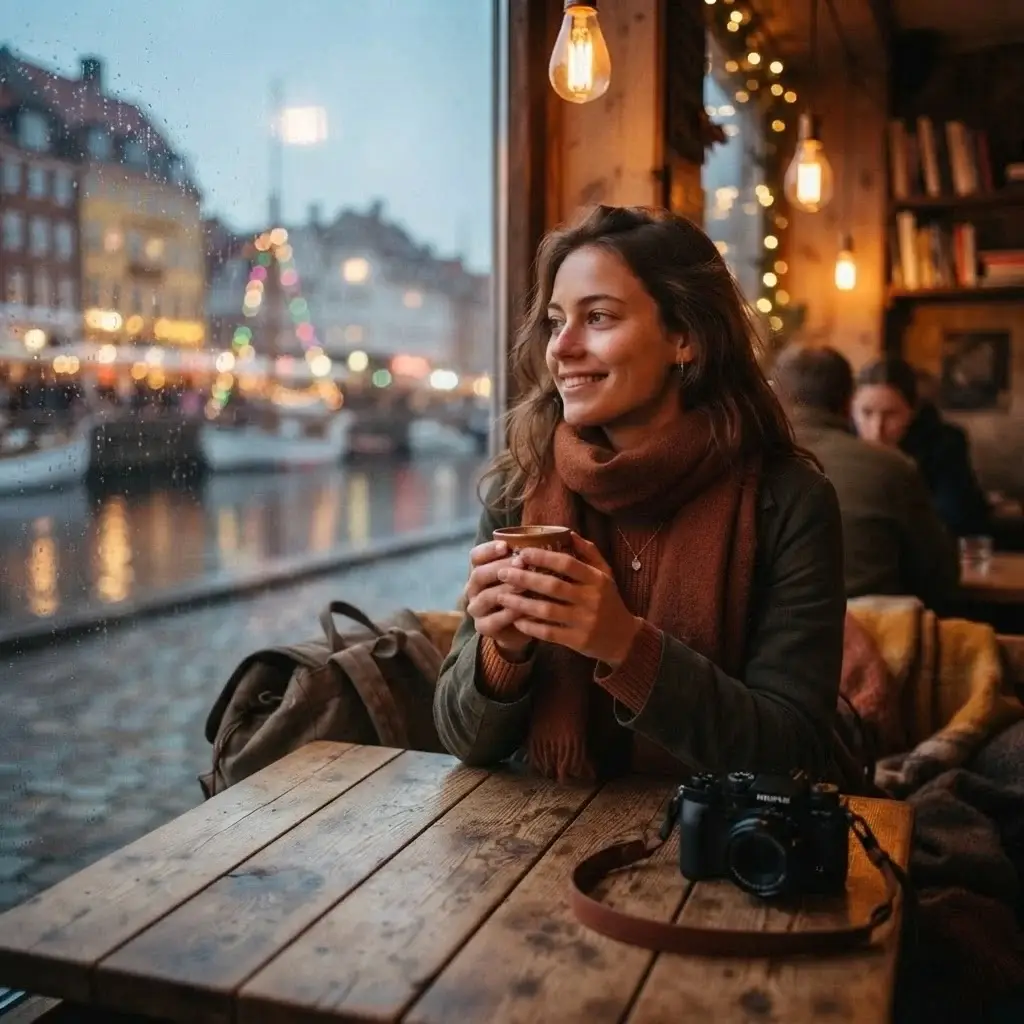
The Danes appreciate a quiet, contemplative atmosphere.
As you navigate the city, don’t worry about getting lost. The city is remarkably walkable, but if you do need to get across town quickly, you can check Lonely Planet for their city-wide overviews to understand the transit layout before you even arrive. Having a sense of the geography makes a solo traveler feel ten times more confident.
Navigating the Food and Health Scene
One of the biggest concerns for solo travelers—especially those who are new to it—is health and food safety. It’s easy to get excited by the smell of roasting almonds and grilled sausages, but keep a mindful eye on where you eat.
I make it a habit to check the CDC Travelers’ Health portal whenever I head to a new region. Even within Europe, it’s good to have a grasp on basic food safety practices. If a market stall looks clean, the staff are wearing gloves, and there’s a high turnover of customers, you’re almost certainly in good hands.
Eating alone is actually a hidden superpower. You don’t have to debate where to go, and you don’t have to wait for someone else to be ready. If you see a stall serving something you’ve never tried, you just go get it. You aren’t tethered to anyone else’s palate.
Common Mistakes to Avoid
- The “One-City” Trap: Don’t feel like you have to stay in one place. If you’re in a region like Alsace or Bavaria, you can easily hop on a train and visit two or three different towns in a few days. It keeps the trip dynamic.
- Over-scheduling: If you have an itinerary that maps out every hour, you’re setting yourself up for failure. Leave room for the unexpected. Maybe you’ll meet someone, or maybe you’ll find a small shop that you want to spend the entire afternoon in.
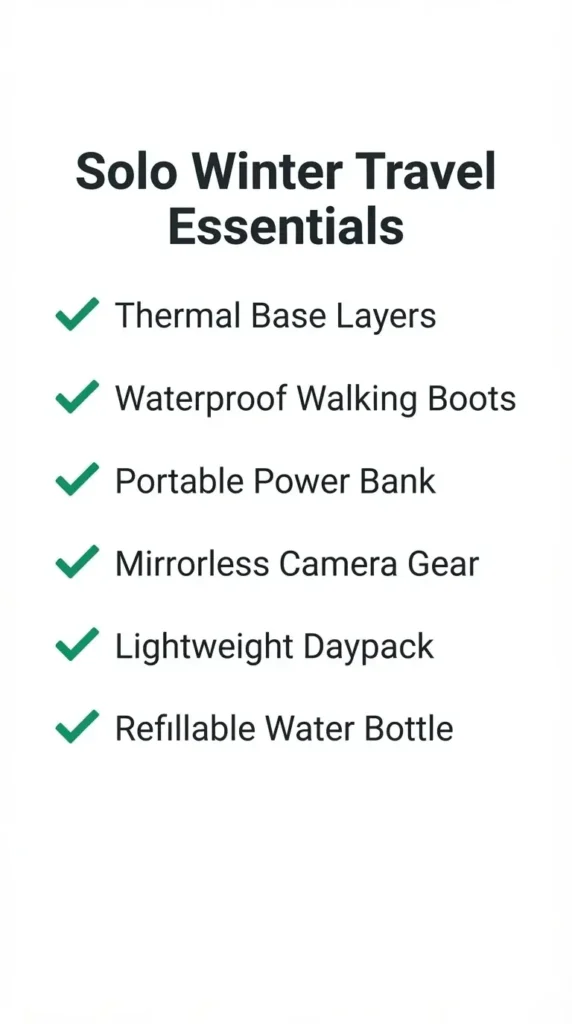
- Ignoring the Weather: It gets cold. Really cold. If you don’t have the right boots and a quality coat, you will spend your trip focused on how miserable you are rather than how beautiful the market is. Pack for the cold, not for fashion.
- Forgetting to Connect: It’s okay to be alone, but don’t isolate yourself. If you’re in a hostel or a shared accommodation, say hello to people in the common room. Even a five-minute chat can change the energy of your entire day.
Cultivating Your Own Adventure
When I left my office job, I was terrified that I wouldn’t be able to provide for myself. I worked as a sightseeing guide in New York to save for my first big solo trips, and those days taught me that I am capable of far more than I realized. Whether it’s navigating a new subway system or figuring out how to buy a ticket for a local train in a language I don’t speak, these small wins add up to a much bigger sense of self-awareness.
Solo travel is not just about visiting places; it’s about the person you become while you’re there. You will realize that you can handle loneliness, that you can solve problems on the fly, and that you are perfectly capable of enjoying your own company in the middle of a bustling, festive city.
So, if you’re sitting at home and feeling that pull to go, don’t wait for the “perfect” time. The perfect time is simply when you decide to buy the ticket. Start small if you have to, choose one of these cities, and give yourself the gift of an experience that is entirely, wonderfully your own.
The world is waiting for you, and it’s a lot kinder and more interesting than your fears might lead you to believe. Wrap up warm, keep your curiosity front and center, and get ready to create your own memories.