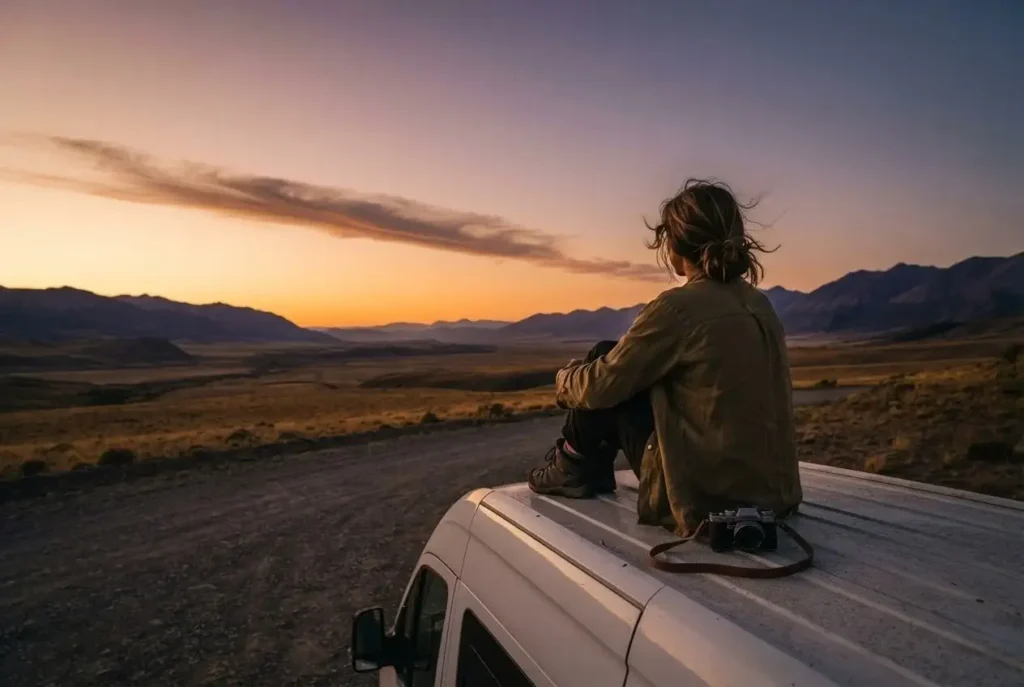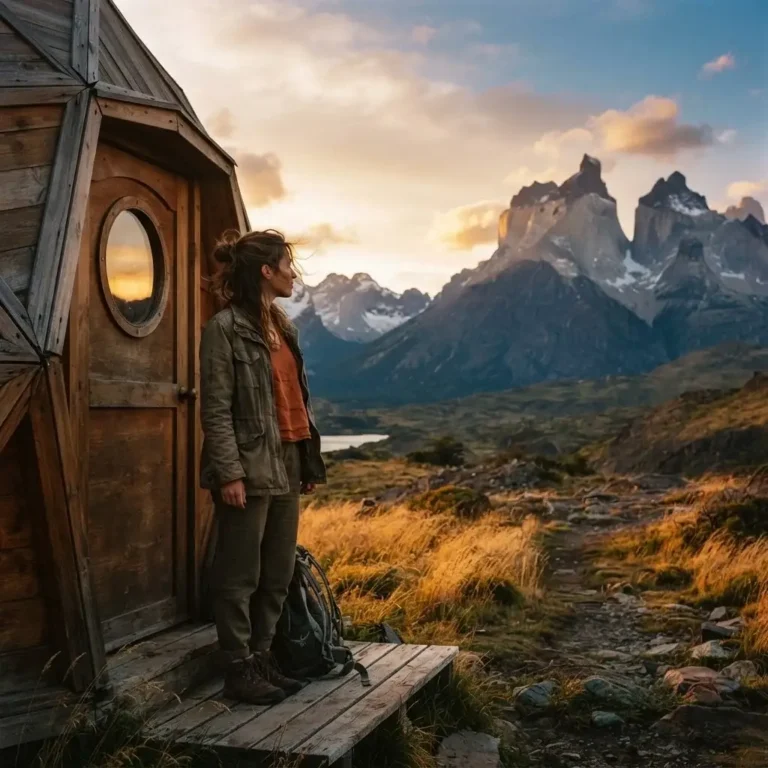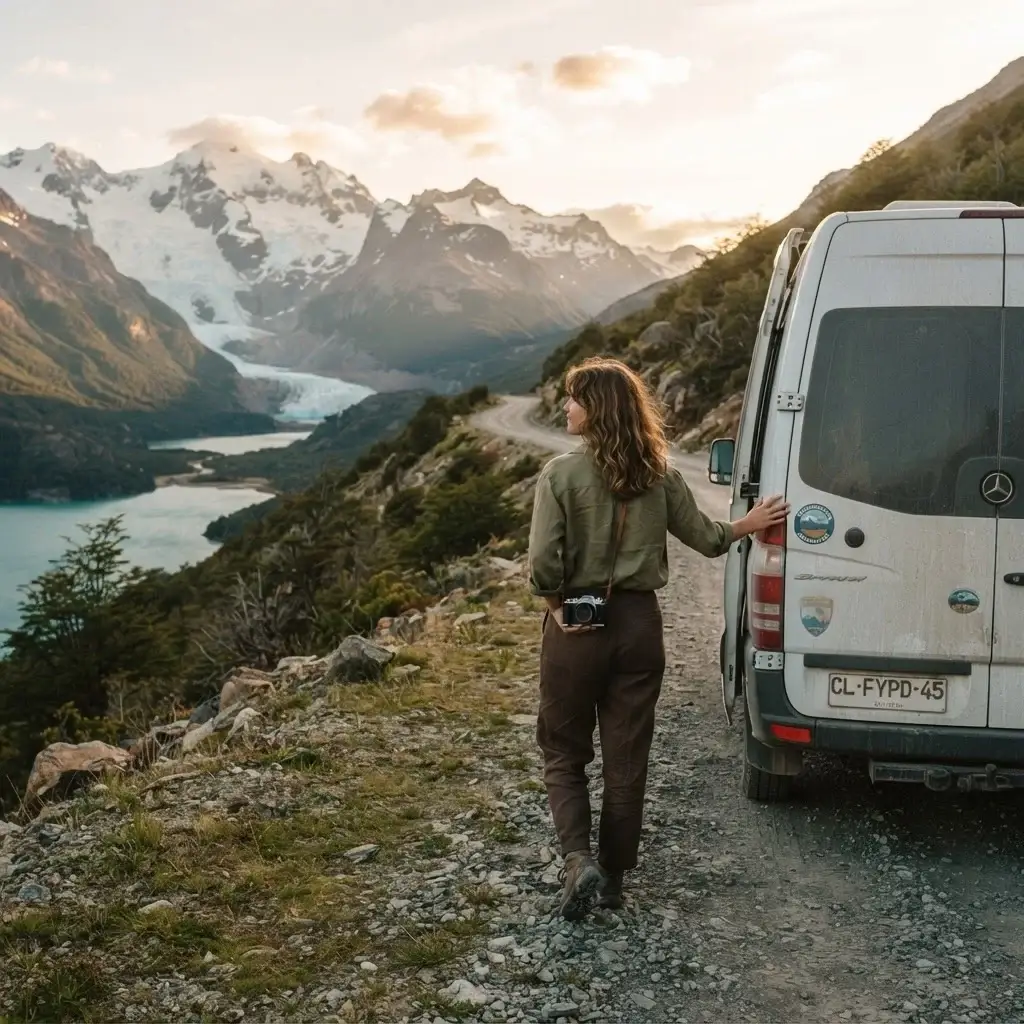
I remember the exact feeling of looking at a map of South America and thinking, how do you even begin to choose where to go? The continent is enormous. The landscapes shift from desert to glacier to rainforest within a few hundred kilometers. The roads range from smooth highways to bone-rattling gravel tracks. And somewhere in the middle of all of that, there is an entire community of travelers who have figured out that the best way to experience it all is from the driver’s seat of a campervan.
If you have been researching this trip and feeling like you are drowning in contradictory information, you are not alone. Campervan travel in South America is genuinely incredible, but it also comes with real logistics that most articles gloss over. This guide is my attempt to cut through all of that. We are going to cover the main rental companies, what things actually cost, which routes make sense, what paperwork you need, and what no one tells you before you book.
Let’s start from the beginning.
Why South America by Campervan at All?
The honest answer is that some of the most spectacular scenery on this continent is in places that are hard or expensive to reach any other way. The Carretera Austral in Chilean Patagonia, for example, is a 1,240-kilometer stretch of largely unpaved road running through mountains, fjords, and forests. There are no airports along most of it. Bus schedules are sparse. But in a campervan, you stop whenever you want, sleep next to rivers, and wake up to views that cost nothing.
Then there is the freedom. South America runs on a different rhythm from most places. Markets appear at odd hours. A local asado might go until midnight. A hidden lake might not have a name on Google Maps. When you have your kitchen and your bed on wheels, you get to say yes to all of it without scrambling for accommodation or rushing to catch a bus.
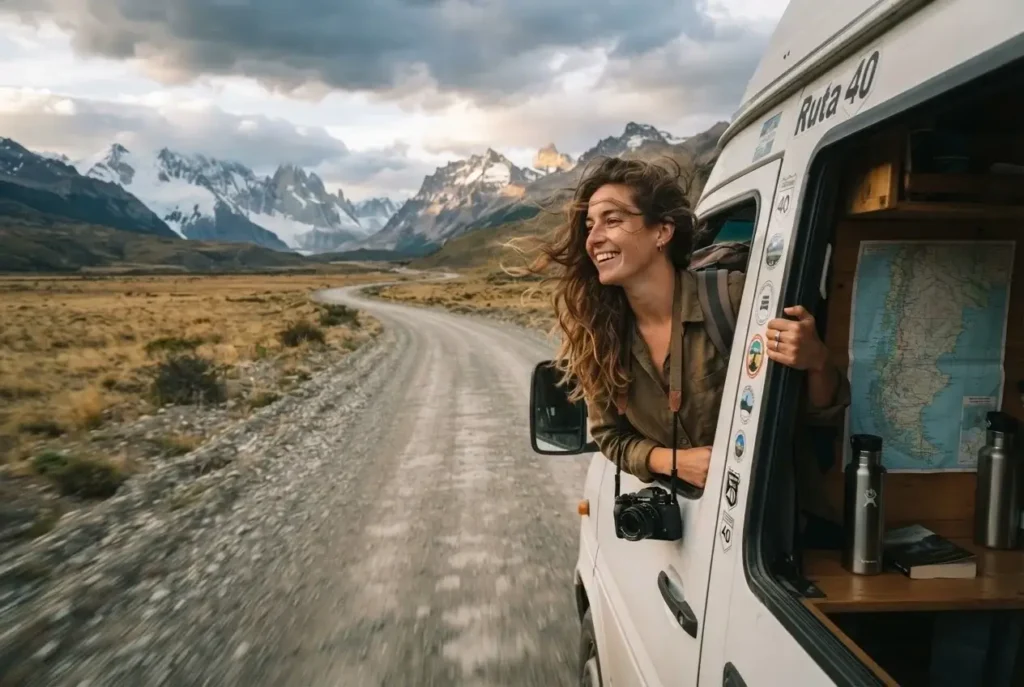
That said, campervan travel here is not a passive experience. You are going to navigate unfamiliar roads, deal with border crossings, and probably spend a night somewhere where the wind shakes the van hard enough to wake you up. That is part of the deal. And in my experience, those are often the stories you tell for years.
Where Does Campervan Rental Actually Work in South America?
This is the first thing to understand: campervan rental infrastructure is not equal across the continent. The most developed markets by far are Chile and Argentina. These two countries have the most rental companies, the best road networks relative to the terrain, the most established campsite culture, and the clearest legal framework for rented vehicles crossing borders.
If your dream is Patagonia, Torres del Paine, the Lake District, the Atacama, or the Carretera Austral, you will be choosing between Chile and Argentina as your base of operations, and almost certainly crossing between both at some point.
Colombia is a smaller but growing market. WorldWide Campers operates in Colombia through a local supplier called Karakoles, which gives you a starting point if you want to explore the coffee region, the Caribbean coast, or the Andes from the north. Roads in Colombia are generally decent on the main routes, and the country rewards slow, exploratory travel.
Peru has some rental options, primarily in Lima and Cusco, but the infrastructure is thinner, prices tend to run USD $150-$200 per day, and the high altitude of regions like the Sacred Valley adds an element of mechanical stress on vehicles. Bolivia is extremely limited for rental options, and crossing rental vehicles across the Bolivian border from Chile is typically not permitted.
For a first campervan trip in South America, Chile and Argentina are where to start.
The Main Rental Companies: Who They Are and What You Need to Know
There is no single “best” company for every traveler. The right choice depends on your route, your budget, your comfort level with older vehicles, and whether you need 4WD capability.
Wicked South America
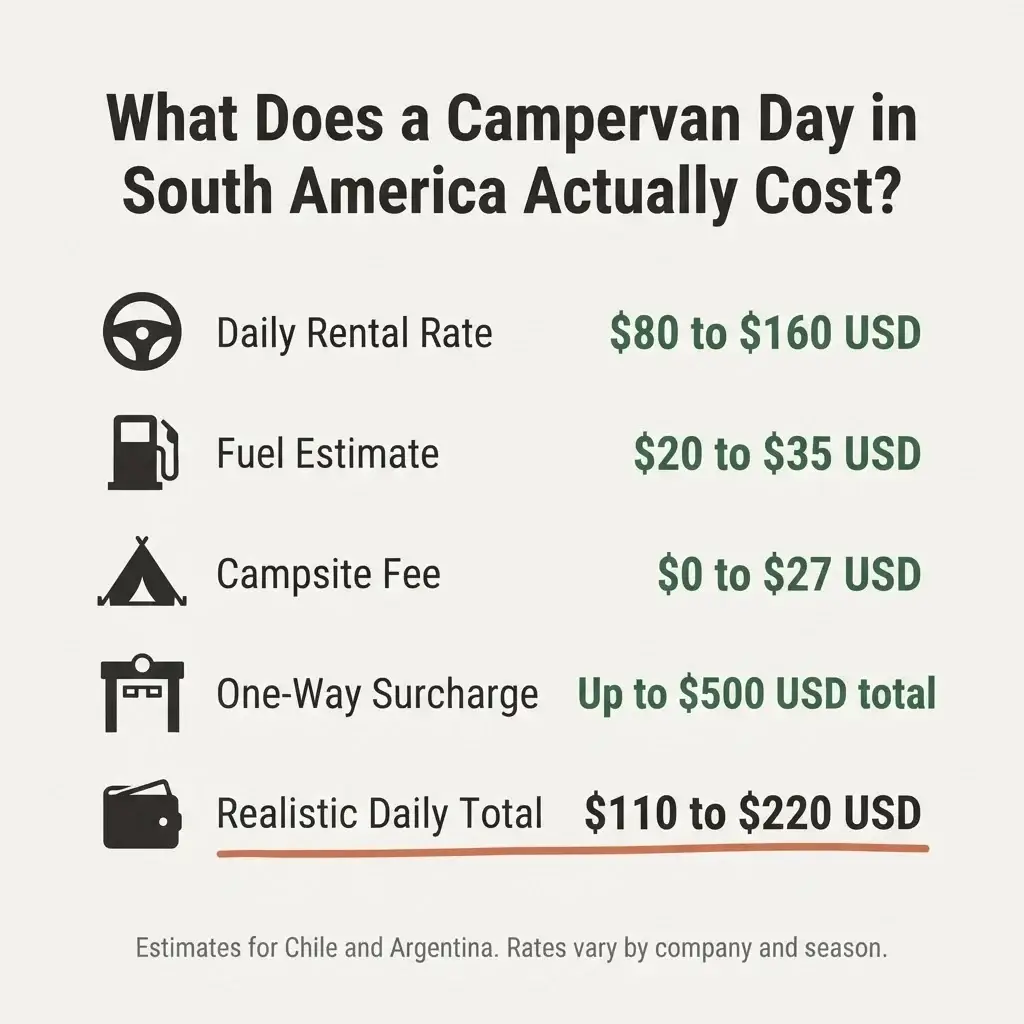
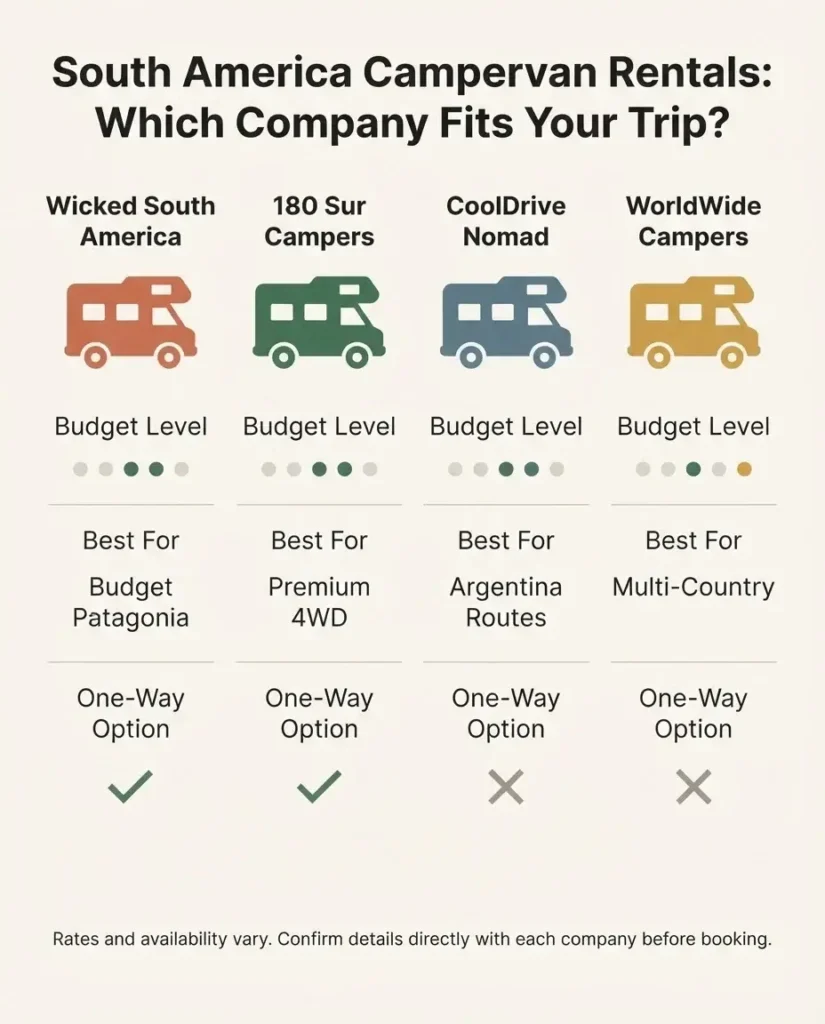
Wicked South America is probably the most recognizable name on this list. They operate in Chile with pickup and drop-off locations in Santiago and Punta Arenas, which makes them a natural fit for a one-way Patagonia route. Their vans are budget-oriented, decorated with the colorful Wicked Campers branding, and priced to appeal to backpacker-style travelers. Daily rates run roughly USD $80-$100 including basic insurance, and one-way trips (Santiago pickup, Punta Arenas drop-off, or vice versa) come with a one-way surcharge in the range of USD $500.
The honest picture from traveler reviews is mixed. The vehicles are older, and opinions on their condition vary. Some travelers have had fantastic trips. Others have run into issues with mechanical reliability or unclear insurance terms. If you go with Wicked, read your contract carefully, specifically the insurance excess and what counts as “damage.” Their value proposition is budget access to Patagonia, not premium quality.
180 Sur Campers
180 Sur Campers operates at the other end of the quality spectrum. Based in Santiago and Puerto Varas, they specialize in purpose-built overlanding vehicles with genuine Patagonian capability. Their Mylodon model is a 4WD Mercedes Sprinter with an integrated cabin and living area, solar charging, heating, a full kitchen, and fresh water tank. Their flagship Mammoth is a Mercedes Benz 818D with a full bathroom, shower, dual fridges, diesel air heating, and a roof rack. If you are planning to drive the Carretera Austral or explore remote national parks, this is the kind of vehicle that gives you real confidence on rough roads. Pricing reflects the quality, so this is not the budget option, but for the capability you get, serious overlanders consistently find it worth it.
CoolDrive Nomad in Argentina
If Argentina is your focus, CoolDrive Nomad offers campervan and 4×4 rentals based in Buenos Aires, with daily rates that generally include around 200 km of mileage. Their fleet includes converted vans and pickup trucks with rooftop tents. Reviews from verified customers are mostly positive, particularly around customer communication and responsiveness. The general consensus is that their vehicles are functional and their service is professional, which matters a lot when you are navigating a foreign country. Argentina is a natural base if your route focuses on Bariloche, the Argentine Lake District, El Chaltén, or El Calafate.
Andes Campers and WorldWide Campers
Andes Campers is a Chilean operation that also reaches into Peru. Reviews are divided, ranging from very positive (long-term renters who had no problems over two months) to critical (concerns about vehicle maintenance on some units). As with most companies in this space, your experience can vary by the specific vehicle and the timing of your rental. WorldWide Campers is an aggregator that works with local suppliers across South America, including both Chile and Colombia, and can be a useful way to compare options and get quotes in one place.
What Does It Actually Cost? An Honest Breakdown
The daily rental rate is only one part of the equation. Here is a more complete picture of what campervan travel in South America actually costs.
Daily rental rate: Budget vehicles like Wicked’s basic models run USD $80-$100/day. Mid-range and well-equipped conversions typically fall in the USD $120-$160/day range. Premium 4WD units like 180 Sur’s fleet will be higher.
Fuel: Chile and Argentina both have fuel readily available along main routes, though you should never let the tank drop below half on gravel roads or in remote areas. Diesel is cheaper than gasoline in both countries.
Campsites: Designated campsites range from free (municipal or wild spots in areas where permitted) to around USD $20-$27 per night at organized campgrounds with showers and facilities.
One-way fees: If you pick up in one city and drop off in another, expect a surcharge. Wicked’s one-way Santiago to Punta Arenas fee is approximately USD $500.
Border crossing documents: Most reputable companies provide a notarized authorization letter for crossing from Chile to Argentina. Some allow 5-6 crossings per rental period. Confirm this before booking if crossing borders is part of your plan.
Budget for the rental rate plus at least USD $30-$50 per day in fuel and campsite costs, and you have a realistic daily total.
The Documents You Absolutely Need
This section matters, so pay attention.
Your home driver’s license is not necessarily enough. If you hold a US license, you need an International Driving Permit (IDP). The AAA issues IDPs for $20 at any branch office, and you must apply before you leave home because the IDP cannot be issued outside the United States. It translates your license information into 10 languages and is valid throughout South America except in Brazil, where stays longer than 180 days require an Inter-American Driving Permit instead. Even if the country itself might technically accept your US license, rental companies in Chile and Argentina often require the IDP specifically. Getting one takes 20 minutes and costs $20. Just do it.
Beyond the IDP, your rental company will provide the vehicle’s registration, insurance documentation, and (if applicable) a notarized border crossing authorization. Keep all of these in the van, along with your passport, at all times. Border crossings between Chile and Argentina are common and generally straightforward for rental vehicles, but a ranger or border official can and will ask for everything.
The Routes That Make the Most Sense
Here is where things get exciting. Rather than overwhelming you with every possible itinerary, I want to highlight the routes that solo travelers and first-timers consistently find most rewarding for a campervan trip.
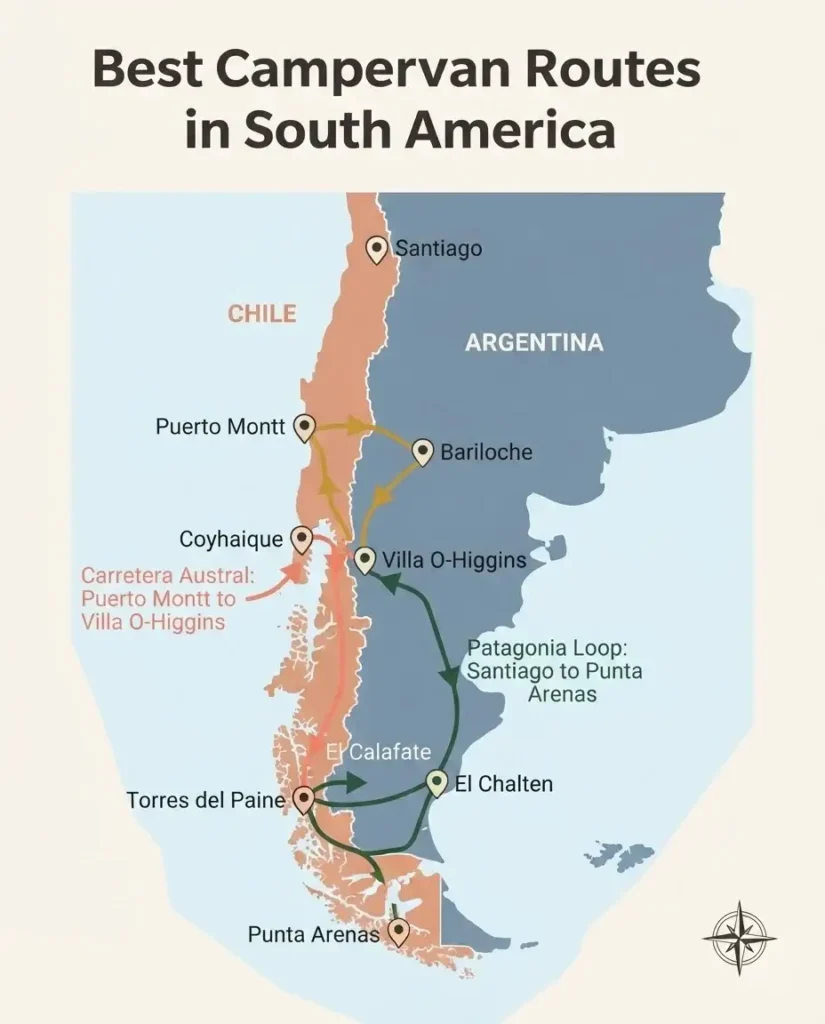
The Patagonia Loop: Santiago to Punta Arenas (or Reverse)
This is the classic, and for good reason. You collect your van in Santiago, head south through the Lake District, take the ferry crossing at Hornopirén or Chaitén into the Carretera Austral section, continue through dramatic fjord country, cross into Argentina to visit El Chaltén and El Calafate (and the Perito Moreno Glacier), and eventually reach Punta Arenas for the Torres del Paine circuit. This route takes three to six weeks depending on pace. It covers desert, forests, mountains, glaciers, and some of the most surreal road scenery on earth.
A note on the Carretera Austral specifically: the road is a mix of paved and unpaved (ripio) gravel sections. Some stretches are well-maintained; others are rough with deep potholes, particularly after rain. A standard 2WD van can handle most of it in dry summer conditions, but if you plan to take any of the side roads into national parks or into more remote terrain, a 4WD is worth the extra cost.
The Lake District Loop: Bariloche to Puerto Montt
If you have two to three weeks and want something slightly less extreme as a first trip, the Lake District loop between Bariloche in Argentina and Puerto Montt in Chile is a beautiful, relatively accessible route. The roads are better, the scenery is genuinely stunning (think lakes, volcanoes, and beech forests), and the campsite infrastructure is more developed. This is a great starter route before committing to the full Patagonia run.
Torres del Paine: Know the Rules Before You Arrive
Torres del Paine is one of the most visited national parks in South America, and if you are bringing a campervan, there are specific rules you need to know before you arrive. According to the official Torres del Paine campervan guidelines, overnight stays are only permitted in authorized areas. The designated campervan sites are at Laguna Azul, Pehoe, Serrano, and the CONAF Administration area. Wild camping inside the park is strictly prohibited. There are no fuel stations inside the park, so fill up before you enter. No pets are allowed inside the park, even if kept inside the vehicle. Rangers enforce these rules actively, and fines are real.
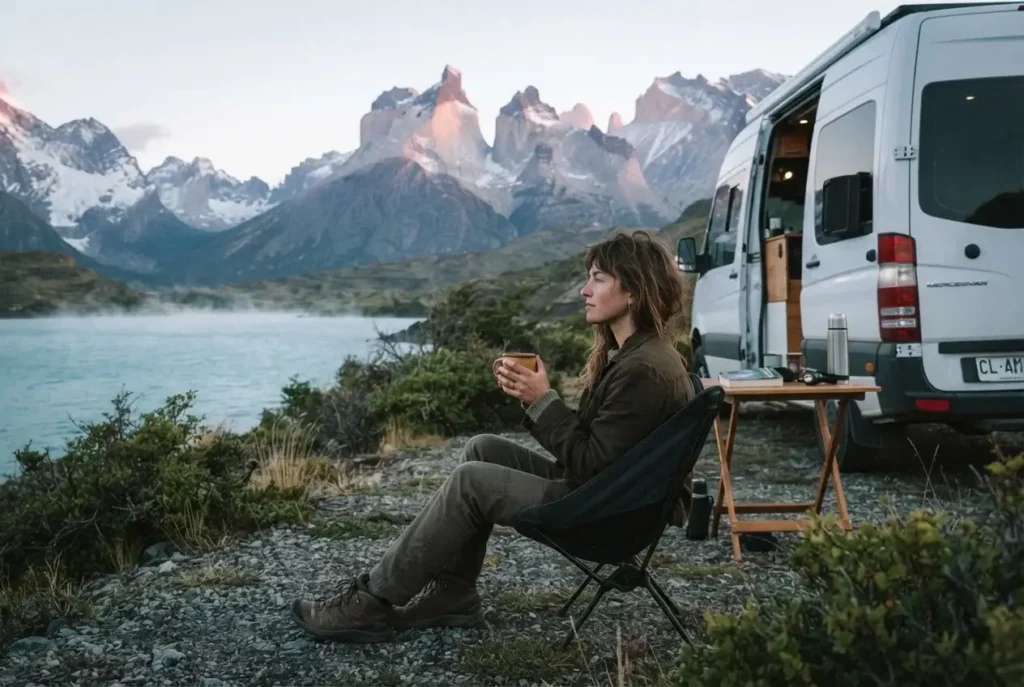
The campsites at Laguna Azul and Serrano have outdoor showers with hot and cold water, sinks, and kitchen facilities. Pehoe has a general store and restaurant. These are genuinely good facilities for a national park setting.
What to Eat Along the Way
Food is one of the best parts of driving through these regions, and having a campervan kitchen means you can shop local markets and cook your own version of what you have tasted.
In Chilean Patagonia, mariscos (seafood) is everywhere. Centolla (king crab), merluza (hake), and erizos (sea urchins) are staples in coastal towns. Stop at any small market in Puerto Montt or Castro on Chiloé island and you will find incredibly fresh shellfish at prices that will genuinely surprise you.
In Argentina, the food culture revolves around asado. If you are camping near locals, do not be surprised if someone invites you to join a grill session. Say yes every time. Empanadas are the perfect road food, cheap and sold everywhere. Mate is the social drink of the entire southern cone, and accepting a gourd offered by a stranger is one of the warmest cultural gestures you will encounter on this trip.
In the Lake District, look for local trout and wild mushrooms at roadside stands, and pick up artisan jams and smoked cheeses from small producers near Bariloche and Villa La Angostura.
A Note on Wild Camping and Safety
Wild camping (camping outside designated sites) is one of the great appeals of campervan travel, but the rules vary by location and you need to pay attention. Inside national parks like Torres del Paine, it is completely prohibited. In most rural areas of Argentina and Chile outside protected zones, camping on the roadside or on open land is generally tolerated if you are discreet, leave no trace, and ask permission where a property owner is nearby. The overlanding community uses apps like iOverlander to share verified wild camping spots, and this is a genuinely useful resource once you are on the road.
For solo travelers, van security is a reasonable concern. Parking in well-lit areas when in towns, keeping valuables out of sight, and using designated campgrounds in cities rather than street parking all reduce risk significantly. From what solo travelers on this route consistently report, Patagonia and the Lake District are among the safer regions for van travel in the continent, particularly in summer when the roads are active with other overlanders.
When to Go
The Patagonian summer runs from November through March, and this is when the roads are accessible, the parks are fully open, and the days are long enough to drive well into the evening. December and January are the busiest months, which means more competition for campsites and slightly higher prices. October and April are the shoulder months and offer a genuinely good balance: cheaper, quieter, and still largely accessible, though weather in Patagonia can turn quickly in April.
If your route is the northern end of Chile (Atacama Desert) or the Colombian highlands, timing is less critical and dry season planning matters more than summer vs. winter.
Before You Book: The Questions to Ask Every Company
Not every rental company is transparent about the details that matter most. Before confirming any booking, ask these specific questions in writing:
Is cross-border travel (Chile to Argentina) permitted, and how many crossings does the contract allow? What is the insurance excess if the vehicle is damaged? Is roadside assistance included and what happens if the van breaks down on a remote road? What is provided in the standard kit (bedding, kitchen utensils, gas canisters, sleeping bags)? What is the cancellation policy? Are there mileage limits per day and what do you charge for excess kilometers?
Getting written answers to these before you hand over your card protects you far more than any review you will read online.
The Part That No Article Usually Says Out Loud
A campervan trip in South America is not a stress-free holiday. There will be a day when you take a wrong turn onto a road that is worse than anything on the map. There will be a night when the wind is so strong you genuinely wonder if the van is going to tip. There will be a moment at a border crossing where something in your paperwork is questioned and your heart rate goes up.
These are also the moments you remember most. The confidence that comes from navigating something genuinely hard is different from the confidence that comes from a smooth trip. I know this from everything that pushed me out of my comfort zone, from teaching English in a country I had never lived in before, to hiking routes in China where I did not speak a word of the language, to the slow, humbling process of learning how to be alone in a new place without panic. The discomfort is the point. The road handles the rest.