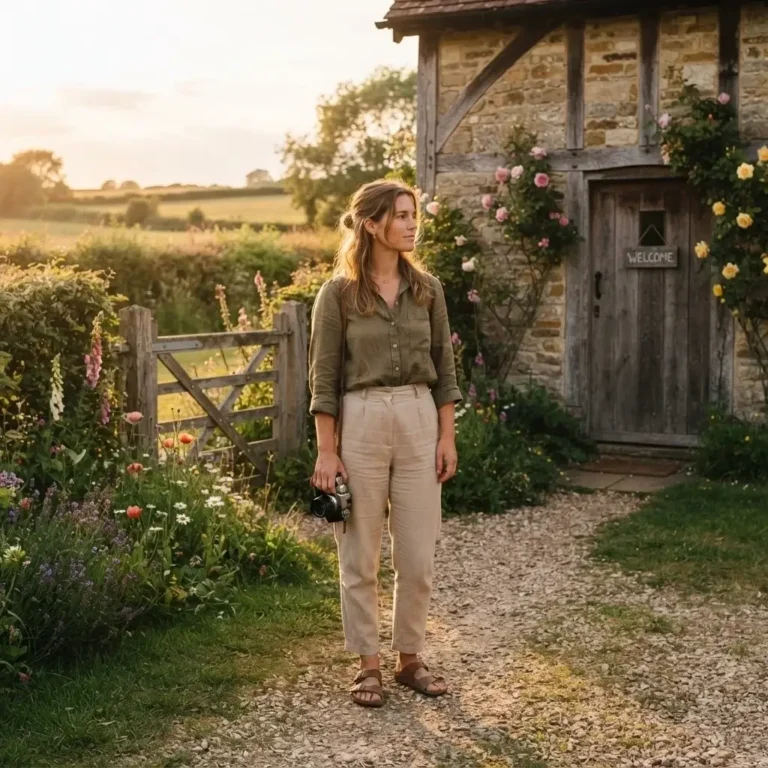
House Sitting 101: Free Stays, Real Expectations, Big Wins

I remember the first time I heard someone casually mention that they’d spent three months in Portugal and paid nothing for accommodation. Not a hostel, not a couch surf, not a friend’s spare room. They’d stayed in a proper home, with a kitchen, a garden, and two cats who needed feeding. In exchange, they looked after the house while the owners traveled. They called it house sitting, and they made it sound almost embarrassingly simple.
I was skeptical. I’ve met enough people who make travel sound easy in ways that quietly skip over the expensive, complicated, or stressful parts. But the more I looked into house sitting, the more I realized this one was different. It’s not a loophole or a hack. It’s a real exchange, built on mutual trust, that has been running as a legitimate global community for decades.
If you’re someone who loves the idea of slow travel, staying in actual neighborhoods instead of tourist zones, and cutting your biggest travel expense down to almost nothing, this is worth understanding properly. So let me walk you through it.
What House Sitting Actually Is (And What It Is Not)
House sitting is a straightforward exchange: a homeowner needs someone to look after their home and usually their pets while they travel. You, the sitter, stay in the home for free. No rent, no hotel fees. Just an honest trade of presence and care for accommodation.
That second word matters. It’s an exchange, not a freebie. You are not a guest. You are a trusted person taking on real responsibilities. Most sits involve pets, which means feeding schedules, walks, medication administration, and the kind of attentive care that a good pet owner genuinely needs. You’ll also be expected to keep the home tidy, water plants, bring in mail, and generally make the place look lived-in as a security deterrent.
What house sitting is NOT: it’s not free travel in the complete sense. You still pay for flights, food, and local transportation. It does not eliminate your travel budget. It replaces accommodation, which for most people is 30 to 50 percent of total trip cost. That’s a meaningful number, and it’s the reason people build entire travel lifestyles around it.
Sits can run anywhere from a single weekend to several months. Most first-time sitters start with shorter sits of one to two weeks to get comfortable with the rhythm before committing to longer assignments.
The Platforms: Where House Sitting Actually Happens
The house sitting world runs almost entirely through dedicated membership platforms. These sites connect homeowners with sitters, host profiles and reviews, and provide the infrastructure that makes strangers trust each other enough to hand over house keys.
Here are the main ones worth knowing:
TrustedHousesitters is the largest and most globally active platform. With over 200,000 members and consistently more than 10,000 active listings at any given time, it’s the first place most people go. You can explore the full range of house and pet sitting assignments on TrustedHousesitters to get a realistic sense of what sits look like, where they are, and what’s involved before you even sign up. Sitter membership starts around $169/year at standard pricing, though the platform regularly runs promotions that bring that down meaningfully. It has a full mobile app, which matters because popular listings fill up fast and applying quickly gives you a real competitive advantage.
HouseCarers has been around since 2000, making it one of the quietest pioneers in this space. It costs around $50 USD/year for sitters, which is one of the better prices in the market, and homeowners can list for free. The interface is basic and the listing volume is smaller than TrustedHousesitters, but it’s a genuinely useful platform for international sits, especially for budget-conscious travelers who don’t want to pay a premium just to access listings.
Nomador runs at approximately 89 EUR/year for sitters (around $97 USD) and has a distinct community feel. You can actually submit three applications before subscribing, which is a clever way to test the waters. It’s particularly strong in France and Europe, and it emphasizes cultural exchange in a way that appeals to the kind of traveler who wants to really settle into a place rather than pass through. You can explore the platform directly at Nomador’s website to get a sense of the listings and philosophy.
MindMyHouse is the most affordable entry point at just $29 USD/year for sitters. The community is smaller and the site is basic, but for someone who wants to try house sitting without a major financial commitment, MindMyHouse gives you access to a real pool of global listings for less than the cost of two hostel nights.
For a thorough side-by-side breakdown of all the major platforms, including pricing, geographic coverage, app availability, and honest pros and cons, House Sitting Magazine’s comparison guide is one of the most reliable resources out there.
Which platform should you start with? Most new sitters join TrustedHousesitters because the listing volume is highest and the learning curve is lowest. If budget is tight, MindMyHouse or HouseCarers let you test the concept without a big upfront cost. Many experienced house sitters eventually join two or three platforms to maximize their options.

The Part Nobody Tells You: Getting Your First Sit
This is where most beginners get stuck. You create a profile, browse the listings, and feel ready. Then you realize: every listing asks for reviews, and you have zero reviews. It feels like a job application that requires five years of experience for an entry-level role.
Here’s how to break the loop.
Build references before you apply. Think about whether anyone in your life needs help with a home or pets while they travel. A friend’s apartment, a family member’s cat, a neighbor’s house during a long weekend. These informal sits can generate your first written references. Ask people to write you a short paragraph describing your reliability, how you care for animals, and what you’re like to trust with a home. Even two or three personal references from real people add meaningful weight to a blank profile.
Your profile needs to sound like a person, not a form. The homeowners reviewing your application are about to hand keys to their home and the care of their animals to you. They are not looking for a list of qualifications. They want to feel a connection. Write your profile the way you’d introduce yourself to a neighbor, not a hiring manager. Use a real, clear, friendly photo. Mention specific animals you’ve cared for, specific experiences that show you’re responsible and calm, and genuine reasons why you want to house sit rather than just a vague love of travel.
Apply to sits that are slightly less competitive. Rural areas, off-peak dates, longer durations, and sits in countries that attract fewer applicants are all places where your zero-review profile has a better shot. Don’t start by applying to a beachside house in southern France in July. Start with a quieter listing and focus all your energy on writing a personal, specific application that makes the homeowner feel like you actually read their listing and care about their specific situation.

The video call is your ally. Most homeowners will want to meet you virtually before confirming. Treat this seriously. Show up on time, be prepared, ask thoughtful questions about their pets and routines, and let your genuine personality come through. This is often where the real decision gets made.
What a Real Sit Looks Like: Day to Day
From what solo travelers and experienced sitters consistently report, the reality of a house sit is quieter and more domestic than the Instagram version suggests, and that’s not a bad thing.
Your mornings usually start with the animals. If there’s a dog, that means an early walk. If there are cats, it’s feeding and a check-in. After that, your day is largely your own. You explore the area, work from the kitchen table if you’re a remote worker, visit local markets, cook meals in a proper kitchen instead of eating out every day. You come home in the evenings, feed the pets again, spend time with them, and settle in.
It has a rhythm that feels remarkably like actually living somewhere, which for slow travelers is exactly the point. You’re not moving every two nights and repacking your bag at 6am. You’re sleeping in the same bed, learning which grocery store has the best bread, getting a wave from the neighbor. That kind of rootedness is something most hotels and hostels simply can’t offer.

The responsibilities are real but manageable. Most sits are designed around a homeowner who trusts you to use good judgment. If a pipe leaks, you contact the homeowner. If the dog is unwell, you take them to the vet using the contact the homeowner has provided. You don’t need to be a handyperson or a veterinarian. You need to be attentive, communicative, and willing to ask for help when something is outside your ability to handle.
Beyond House Sitting: Other Ways to Stay for Free
House sitting is one route. It’s worth knowing about the others, because depending on what you want from your travel, one of these might fit better.
Workaway connects travelers with hosts who offer free accommodation and often meals in exchange for 4 to 5 hours of help per day. The help varies wildly: cooking, gardening, teaching English, hostel reception work, helping with a guesthouse. Visit Workaway’s platform to see the sheer variety of opportunities. If you like structure, community, and learning skills alongside your travel, Workaway can be deeply rewarding.
HelpX operates on a similar model, connecting volunteers with hosts on farms, backpacker hostels, lodges, and sailing boats in exchange for accommodation and food.
WWOOF (World Wide Opportunities on Organic Farms) is specifically for people interested in farm work and sustainable agriculture. You work on organic farms, typically 4 to 6 hours a day, in exchange for food and accommodation. It’s one of the most immersive cultural experiences available, and it’s one I know from personal conversations with travelers who have come back from it with a completely changed relationship with food and community.
The difference between these and house sitting is significant. House sitting gives you much more freedom and independence. You set your own daily schedule, you’re usually alone in the home, and there’s no “work” required beyond caring for the property and pets. Work exchange programs involve being around other people, having a schedule, and contributing labor in a more structured way. Neither is better. They suit different travelers and different travel goals.
Safety, Trust, and the Solo Traveler Reality
Let me address this directly, because if you’re a solo traveler, especially a solo woman, this question deserves a real answer rather than a reassuring brush-off.
House sitting is generally considered safe, and the platforms do a meaningful amount of work to make it that way. TrustedHousesitters conducts background checks on US-based sitters and ID verification on all international sitters. Homeowners have verified profiles, reviews from previous sitters, and a real stake in protecting their home and reputation. The relationship is mutual and transparent in a way that random accommodation arrangements are not.
That said, smart caution is always appropriate. Before accepting any sit, do a video call with the homeowners. Ask specific questions about the neighborhood, the nearest medical facilities, and emergency contacts. Check their reviews from previous sitters carefully and look for patterns in what people say. Trust your instincts. If something feels off in the communication, it’s okay to decline.

For resources specifically on navigating house sitting as a solo traveler, Solo Traveler World’s guide to solo house sitting is one of the more grounded and practical reads available.
On the insurance front: house sitting does not replace travel insurance, and you should not skip it. The platforms provide some coverage for the property and pets, but for your personal medical emergencies, travel disruptions, and personal belongings, a separate travel insurance policy is essential. SafetyWing’s Nomad Insurance is a popular option among long-term travelers and digital nomads, starting around $177/month for ages 18-39, covering medical emergencies and travel disruptions across 180+ countries. It’s worth comparing a few options before your first sit to make sure you’re genuinely covered.
The Real Costs: What House Sitting Doesn’t Eliminate
I want to be honest with you here because I think some content about house sitting glosses over this part.
House sitting eliminates your accommodation cost. It does not make travel free. You still pay for: your membership fee to the platform (between $29 and $169/year depending on which you choose), flights to and from the sit location, food for the duration of the sit, local transportation, activities, and travel insurance.
For most people, accommodation represents somewhere between 30 and 50 percent of their total travel budget. Eliminating that cost is genuinely significant. A trip that might have cost $3,000 over a month could cost $1,500 to $2,000 once accommodation disappears. Over the course of a year of regular travel, that difference compounds into something that fundamentally changes what’s possible.

The membership fees pay for themselves after one or two sits. Even MindMyHouse at $29/year covers its cost the moment you stay a single night in a home that would have otherwise cost $100 at a modest hotel.
Stacking Sits: How People Build Longer Travel Lives
Once you’ve completed a few sits and built a review profile, the real potential of house sitting opens up. Experienced sitters plan their travel around back-to-back assignments, effectively building itineraries where accommodation is covered for weeks or months at a stretch.
The strategy usually involves: picking a region or country where you want to spend extended time, applying to multiple sits in that area for consecutive periods, and using any gaps between sits to explore with a hostel or short rental stay. Some sitters run parallel searches across two or three platforms to reduce the chance of gaps.
This approach suits slow travelers almost perfectly. Instead of rushing through twelve countries in three weeks, you spend two months in Portugal, three weeks in one home and three weeks in another, learning the rhythms of real neighborhoods, eating at the same market stall every Saturday, and building the kind of genuine cultural familiarity that you simply can’t get from a hotel.
That’s the version of travel I believe in. Not covering ground for its own sake, but actually knowing where you are.
A Few Honest Reminders Before You Start
House sitting is not for everyone, and knowing that upfront saves you from a bad first experience.
If you are not genuinely comfortable with animals or are strongly allergic to pets, most sits will be a difficult fit since the vast majority involve at least one animal. If you need absolute social freedom and resent any sense of responsibility, the domestic commitment of a sit may feel like a constraint rather than a gift. If you’re hoping to go out every night until 3am and sleep until noon, a dog who needs a 7am walk will adjust that plan fairly quickly.
If you are someone who loves having a home base, who finds cooking your own meals more satisfying than eating out every night, who enjoys the company of animals, and who wants to experience a destination the way a local might, house sitting is close to ideal.
The first sit will feel unfamiliar. That’s normal. The second will feel more natural. By the third, you’ll have developed your own rhythm, your own way of settling into a new home, and a clearer sense of what kind of sits work best for you.
Start with a short one. Write a careful, personal application. Show up as exactly who you are. The rest tends to follow.
Have questions about getting started with house sitting? Drop them in the comments below. I read every single one.