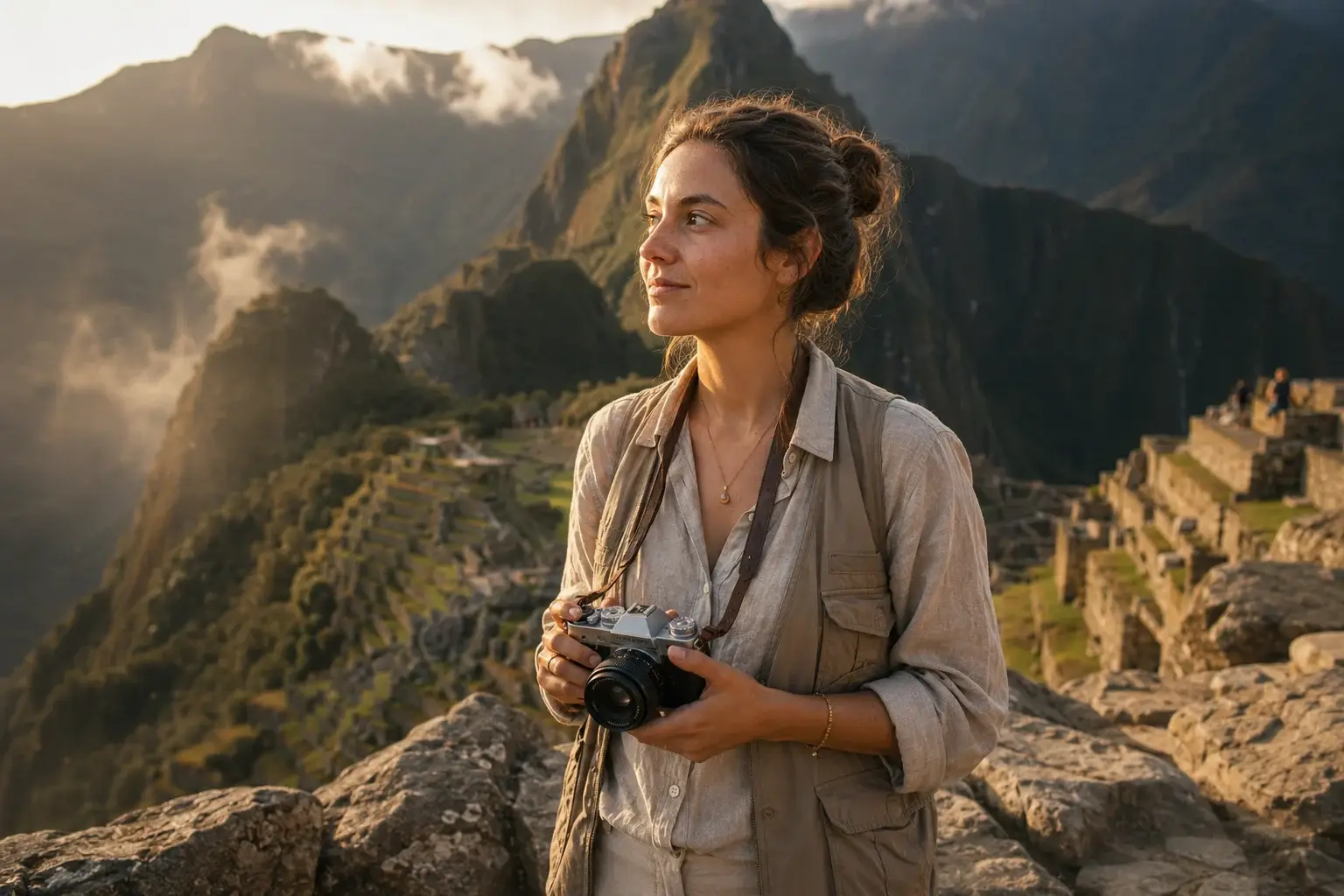
When I left my office job in New York, the hardest part wasn’t quitting; it was figuring out how to fit my entire life—and my future—into a single backpack. I remember sitting on my living room floor, surrounded by a mountain of gear, wondering if I was bringing too much or, worse, not enough. I felt like an imposter. I was a girl from the city, and suddenly, I was planning to navigate the Andes and the tropical jungles of Central America.
That initial fear of the unknown is natural. It’s what keeps you human. But after years of living out of a bag—from teaching English in Thailand to backpacking across Europe and hiking through China—I’ve learned that the secret to a great trip isn’t having the most gear. It’s having the right gear.
This packing checklist for Central & South America is designed for the solo traveler who wants to move with ease. We aren’t going for luxury; we are going for freedom. Let’s get you ready.
The Philosophy of the “One-Bag” Solo Traveler
Before we talk about clothes, let’s talk about mindset. When you are traveling solo, your backpack is your only companion and your greatest burden. If you have to struggle to pull a heavy suitcase over cobblestone streets in Antigua or drag it onto a crowded bus in Peru, you lose the joy of the journey.
I’ve learned that everything you bring must earn its place. If it doesn’t serve a specific purpose, it stays home. Think about the climates you’ll face. Central and South America are massive. You could be sweating in the humidity of the Amazon one day and shivering in the high altitudes of the Andes the next. We need to be clever.
Choosing the Right Pack
Your bag is your home. For solo trips, I swear by a 40-liter to 45-liter carry-on sized backpack. It forces you to pack light and saves you from the stress of lost luggage. Look for a pack with a good hip belt. When you are walking from a bus terminal to your hostel, that weight should be on your hips, not your shoulders.
You also need a smaller daypack—something light and secure. This is where your valuables, camera, and passport go. If you are ever worried about your safety or local conditions, it is a good idea to check the official guidance at the U.S. Department of State Travel website for the latest alerts and country-specific entry requirements before you depart.
The Clothing Strategy: Layers, Not Volume
The biggest mistake I made on my first trip was packing five different outfits for different “events.” In Central and South America, you aren’t going to a gala. You are going to explore, hike, and meet people.
Stick to a “capsule” wardrobe. Everything should match everything else. I pack for one week, regardless of how long the trip is, and I wash my clothes as I go.
- Base Layers: Moisture-wicking t-shirts (synthetic or merino wool). They dry fast and don’t hold odors.
- The “Must-Have” Fleece: Even in the tropics, evenings get cold in the mountains. A lightweight fleece or down jacket is non-negotiable.
- Rain Shell: You will get rained on. Whether you are in Costa Rica or Colombia, a high-quality, breathable rain jacket is your best friend.
- Convertible Pants: Yes, they look a bit nerdy, but having shorts and long pants in one piece of fabric is a lifesaver when you are trying to cut weight.
- Footwear: Bring one pair of sturdy trail runners (not heavy hiking boots) and one pair of lightweight sandals. You don’t need three pairs of shoes.
Keeping Healthy on the Road
Travel health is where many people stumble. When I lived in Ghana and later traveled through South America, I learned that water and food safety are your first line of defense. I always carry a filtered water bottle. It saves you from buying hundreds of plastic bottles and keeps you from getting sick.
Before you go, make sure you look up the specific vaccine and health recommendations for the countries on your itinerary by visiting the CDC Travelers’ Health portal. It provides incredibly detailed notes on what to watch out for, from mosquito-borne illnesses to food-borne bacteria.
- First Aid Kit: Keep it simple. Band-aids, blister pads (you will walk a lot), antiseptic wipes, and anti-diarrheal medication.
- Sun and Bug Protection: High-SPF sunscreen and DEET-based bug spray are often more expensive or harder to find in remote areas. Bring them with you.
The Technical Side: Electronics and Security
As a digital nomad, my laptop and phone are my lifelines. But they are also targets. Keep your electronics in a padded sleeve inside your main pack.
- Universal Adapter: Buy one good one. Don’t buy the cheap, flimsy ones that break after two weeks.
- Power Bank: When you are on an eight-hour bus ride through the Andes, a power bank is the difference between having a map and being lost.
- Money Management: Never carry all your cash in one place. I use a money belt for my passport and primary emergency cash, and a small wallet for daily spending.
Travel insurance is not a suggestion—it is a requirement. I always tell my readers to look into plans through World Nomads to understand the level of coverage they need for medical emergencies and gear theft. It gives you the peace of mind to actually enjoy the scenery rather than worrying about the “what-ifs.”
Culinary Exploration and Dining Advice
Part of the joy of traveling here is the food, but you need to be smart. In Mexico or Ecuador, the best food is often at a local stall where there is a long line of locals. If the place is empty, keep walking.
In cities like Medellín or Lima, I love using local transport apps or ride-sharing services to move between neighborhoods. If you aren’t sure how a city handles local taxis, check out an overview of how Grab or similar services work in the region—though note that in Latin America, apps like Uber or Didi are more common.
- Always try the local markets: They are the best way to see the culture. Buy local fruits you don’t recognize.
- Hydration: Stick to bottled or filtered water. Even if a local tells you the tap water is fine, your gut might disagree.
Respecting the Culture and History
Many of the places you will visit are protected sites. When you head to places like Machu Picchu or Tikal, remember that you are a guest. Check out the UNESCO World Heritage listings for the sites you plan to visit. It’s not just about getting a cool photo; it’s about understanding the deep, complex history of the civilizations that came before us.
When you pack, leave room for a small journal. You will have moments of incredible clarity and inspiration. Writing them down is a way to process the growth you are experiencing. Solo travel changes your brain. It forces you to solve problems you didn’t know you had.
Overcoming the “First-Trip” Hesitations
If you are reading this and feeling nervous, let me tell you: I was terrified before my first solo flight. I thought I would be lonely. Instead, I found that being alone is the fastest way to make friends. People are much more likely to approach you when you aren’t hidden behind a group of friends.
You don’t need the “perfect” gear to start. You don’t need the “perfect” amount of money. You just need to show up. Use this checklist as a guide, but don’t let it become another chore. If you forget your favorite pair of socks, you can buy them there. If you forget your shampoo, you can buy it there. The only thing you can’t replace is your courage.
Pack your bag, double-check your documents, and step out the door. The world is much friendlier than the news makes it seem, and it is waiting to teach you things you never even knew you needed to learn.