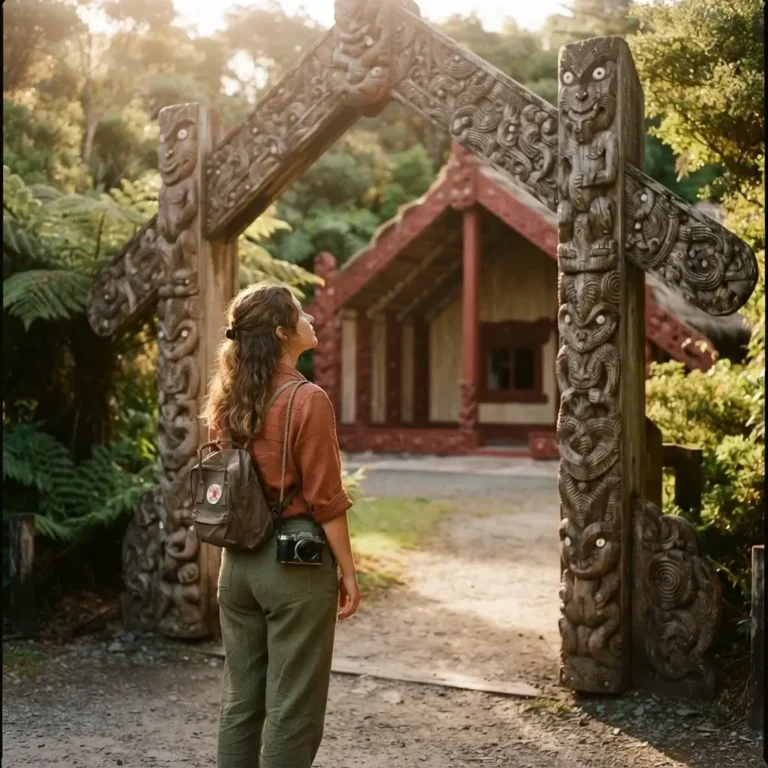
Remote Airbnbs With Stunning Views and What to Know First

I have a vivid memory of standing at the edge of a viewpoint in New York City, pointing out the skyline to tourists, watching people’s faces change as the scale of it hit them. That moment, when a view rewires something in your brain, is addictive. It is one of the reasons I left that job and started chasing views of a very different kind.
A few years ago, the idea of booking a genuinely remote Airbnb felt almost niche, something adventurous travelers did in hushed, knowing tones. Now it is one of the fastest-growing search categories on the platform. Solo travel on Airbnb has surged globally, and remote stays with views have become one of the most coveted experiences in travel. Which means there is also a lot more noise to cut through when you are trying to find something real.
This guide is my honest attempt to help you do exactly that. Not just to hand you a pretty list, but to help you understand how to find these stays, what to ask before you book, how to vet the photos, which regions of the world consistently deliver on the promise, and how to feel genuinely confident going into it solo if that is how you travel.
What “Remote” Actually Means on Airbnb (And Why It Matters)
The word remote gets used loosely on Airbnb. Some listings describe themselves as remote when they are fifteen minutes from a grocery store. Others are genuinely off-grid, requiring a dirt road, a ferry, or a hike to reach. Neither is wrong, but knowing which one you are booking changes your preparation completely.
When I talk about remote Airbnbs with stunning views in this guide, I mean stays where the natural setting is the main event. The property exists because of the landscape surrounding it, not despite it. Think a glass-walled cabin facing a fjord. A stone farmhouse perched on a Tuscan hillside. A cliffside bungalow where the ocean is the only thing between you and the horizon. These are places where you wake up and the view is not a bonus feature. It is the reason you are there.
If you want to explore just how far Airbnb’s remote listings go worldwide, Airbnb’s own editorial on their most remote listings is genuinely worth a read. It includes a transparent mountain pod hanging off a cliff in Peru’s Sacred Valley, a cargo-ship-only homestay on Pitcairn Island in the Pacific, and a yurt in the Altai mountains of Mongolia. They are extraordinary, but they also illustrate something important: remote is a spectrum, and you need to decide where on that spectrum you are comfortable.
How to Actually Search for Remote Airbnbs With Views
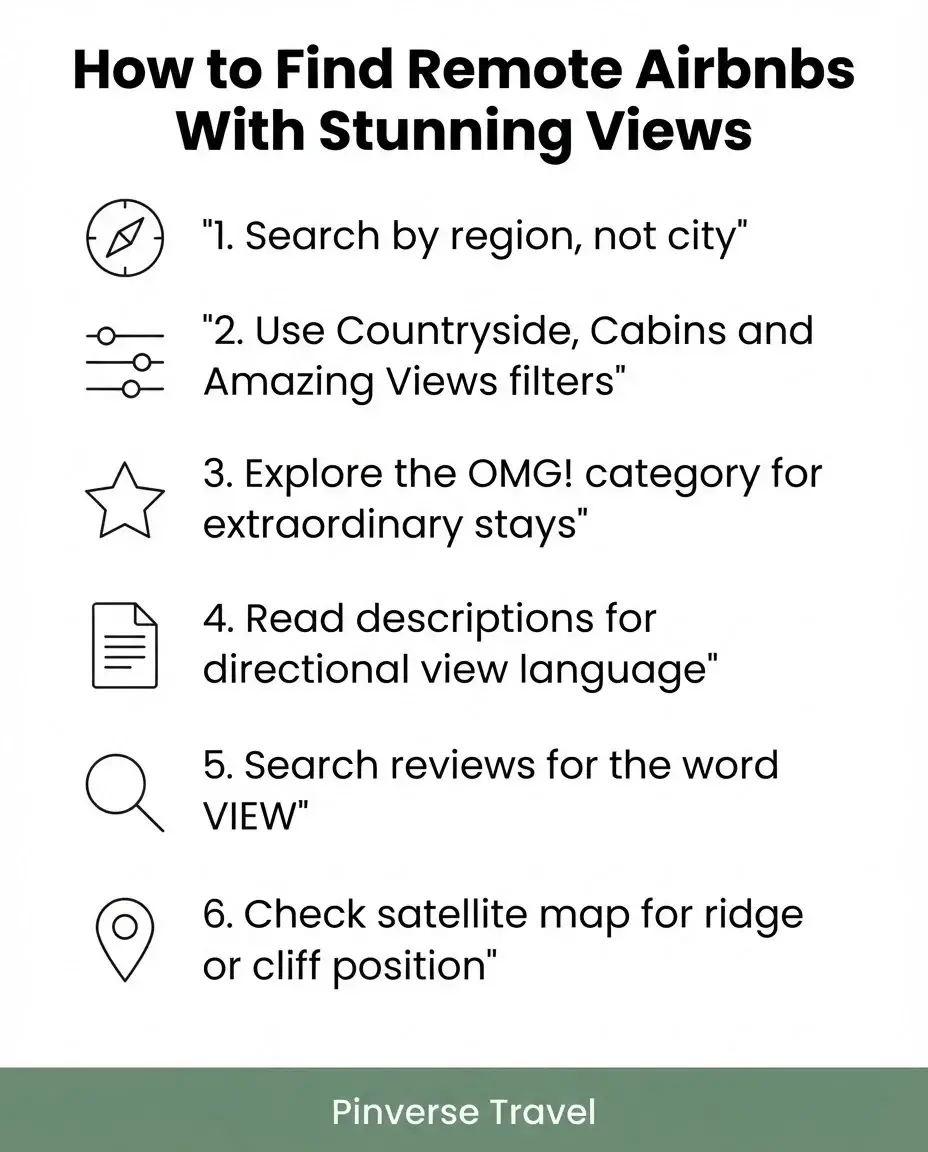
This is the part most guides skip, and it is where most people get frustrated. The Airbnb search bar is built around destinations, not vibes, and “stunning view” is not a filter. So here is how to approach it strategically.
Start by thinking in regions rather than cities. Instead of searching “Tuscany,” try searching “Dolomite Mountains” or “Lofoten, Norway” directly. Airbnb’s flexible search function allows you to search regions, which pulls in results from a much wider geographic area and surfaces more rural and remote properties than city-specific searches do.
Use the filter categories thoughtfully. The “Countryside,” “Lakefront,” “Cabins,” and “Amazing Views” category filters (accessible from the main search bar on the homepage) narrow results significantly. Airbnb also maintains an OMG! category featuring over 500 of the most extraordinary and unconventional listings worldwide, ranging from transparent pods to volcanic crater edge cottages. Not all of them have great views, but it is a rich starting point for anyone willing to scroll with intention.
Once you have a shortlist, read the listing description word by word. Hosts who genuinely have a spectacular view will talk about it in specific, directional terms. “The deck faces south over the valley” is much more reliable than “beautiful mountain scenery nearby.” Then go to the reviews and search for the word “view.” Real guests will tell you whether it delivers.
Check the satellite image view on the map for any listing you are seriously considering. If the property is surrounded by dense trees on all sides with no obvious clearing, the view is likely limited. If it sits on a ridge edge or a cliff line, that is a much better sign.
The Regions That Consistently Deliver
Not all regions are created equal when it comes to truly jaw-dropping Airbnb stays. Here are the areas that solo travelers and remote-stay hunters consistently return to because the views match the promise.
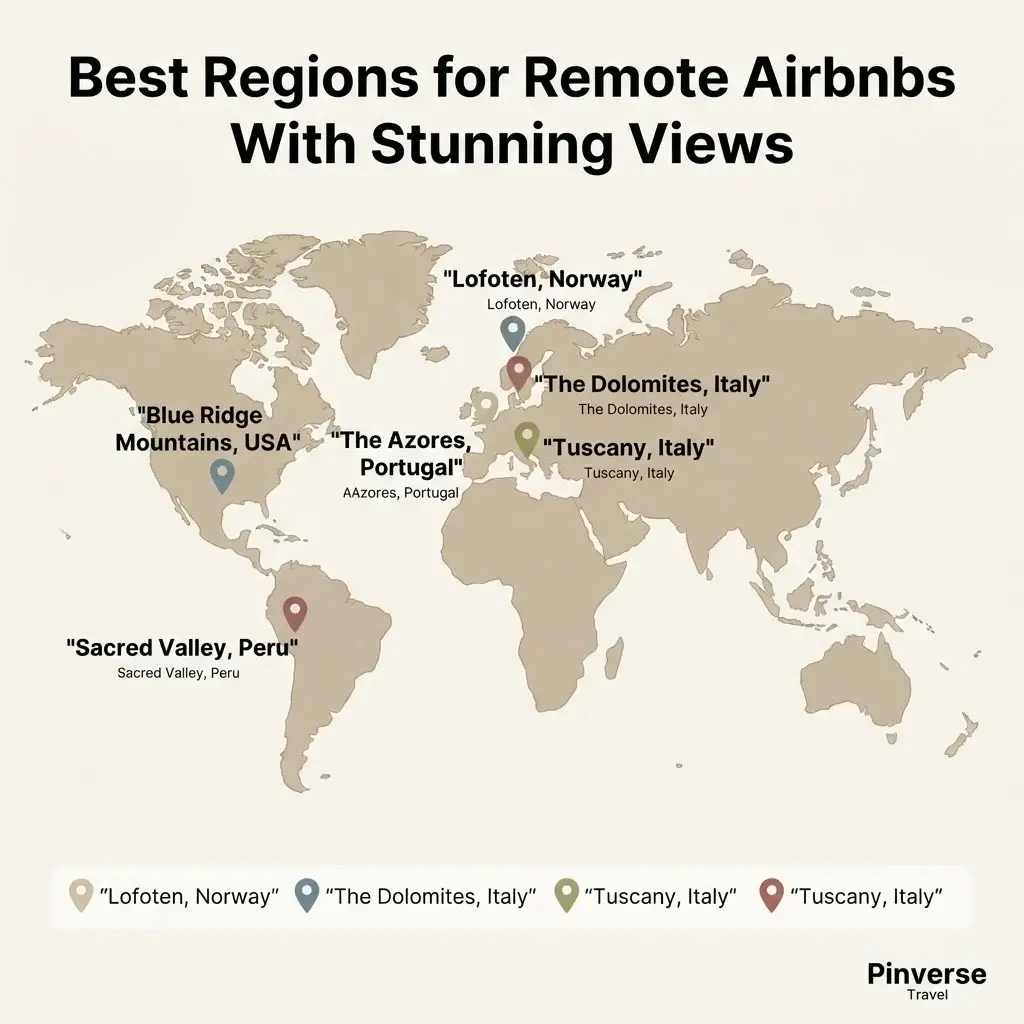
Lofoten Islands, Norway: Mountains Meeting the Sea
From what travelers consistently report, few places on Earth look the way Lofoten does in person. The islands sit just above the Arctic Circle, and the landscape is almost theatrical: jagged mountain peaks rising directly out of the ocean, red and yellow fishing cabins reflected in still water, and skies that shift from arctic blue to aurora green depending on the season. According to the official Lofoten Islands travel guide, the Northern Lights are visible from September through April, while summer brings the Midnight Sun, meaning continuous daylight well past midnight.
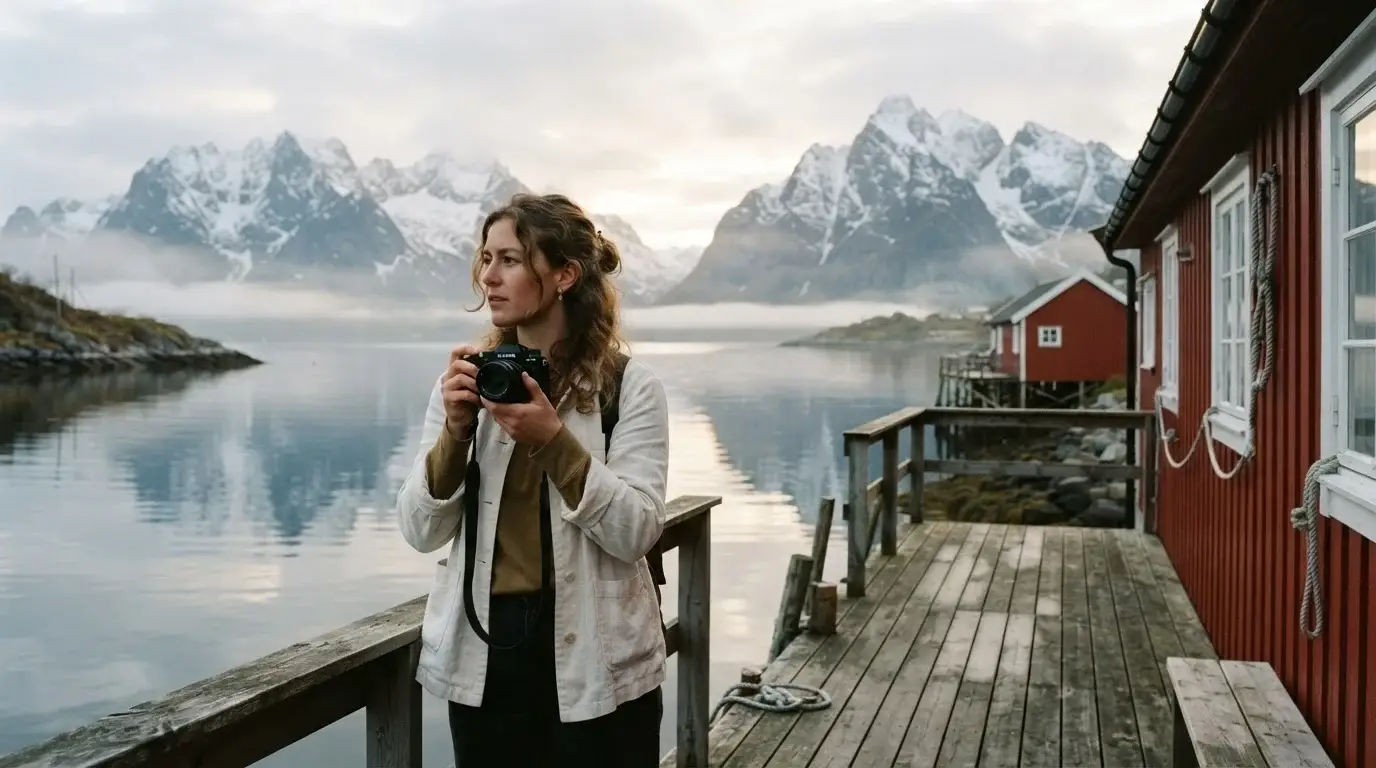
Airbnb listings here range from traditional rorbuer (fishermen’s cabins) converted into cozy holiday rentals right on the water’s edge, to modern builds with floor-to-ceiling windows facing the peaks. For solo travelers, a single-bedroom rorbu with a direct water view is one of the most atmospheric stays available anywhere on the platform. The challenge is logistics: most of Lofoten is accessible by road via the E10 highway, which makes a rental car essential. Smaller villages like Nusfjord, Henningsvaer, and Reine tend to have the most dramatic settings.
Best time to book: June and July for Midnight Sun stays; late September through February for Northern Lights. Book three to four months ahead for summer.
The Dolomites, Italy: UNESCO Peaks Above Farmhouse Porches
The Dolomites are recognized by UNESCO as one of the most beautiful mountain landscapes in the world, a designation they have held since 2009. As noted in the UNESCO World Heritage listing for the Dolomites, the range comprises 18 peaks rising above 3,000 metres across 141,903 hectares, with vertical limestone walls that rise more than 1,500 metres in places, among the highest in the world. All of this is to say: the backdrop for your morning coffee is genuinely extraordinary.
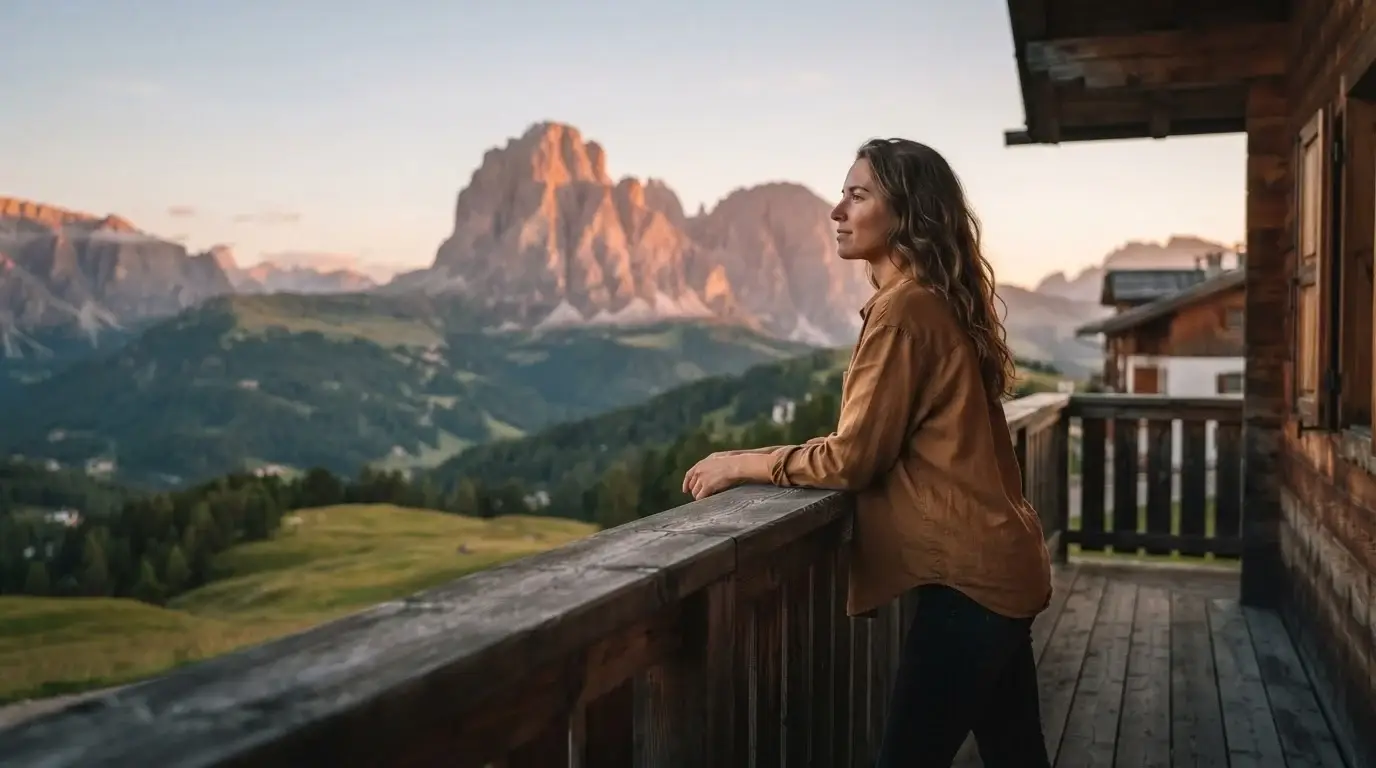
Airbnb stays in the Dolomites range from alpine chalets in Val Gardena with terrace views of the Seceda peaks, to converted farmhouses in the Alpe di Siusi (the largest high-altitude Alpine meadow in Europe) where the peaks rise orange at sunrise in a phenomenon locals call Enrosadira. Many listings include balconies specifically oriented toward the sunset, which in this region is spectacular enough to plan your whole evening around. If you are traveling solo, look for properties in smaller villages like Ortisei, Santa Cristina, or Badia. They are less crowded than Cortina d’Ampezzo and tend to have better value for single occupancy.
Food-wise: in the South Tyrol part of the Dolomites, the cuisine blends Austrian and Italian in the most satisfying way. Canederli (bread dumplings in broth), speck with rye bread, and apple strudel are the regional staples. Most villages have at least one osteria or mountain hut restaurant worth sitting at for a long lunch.
The Azores, Portugal: Volcanic Craters and Atlantic Edges
The Azores archipelago sits roughly 1,500 kilometres off the coast of Portugal in the middle of the North Atlantic, and the remote-feeling factor is real the moment your plane descends. The islands are volcanic, which means the landscape is unlike anything in continental Europe. You are dealing with emerald crater lakes, black lava coastlines, hot springs steaming out of the ground, and ocean views on every side because there is nothing between you and the horizon for hundreds of miles.
On the island of Sao Miguel, Airbnb listings near Sete Cidades often sit right on the edge of the twin crater lakes, with views that look lifted from a fantasy novel. The main town of Ponta Delgada is connected to the rest of the island by good roads, but the more remote listings in the interior highlands require a car. For solo travelers, the Azores are considered one of the safer destinations in southern Europe, with a small-island feel where communities are tight and people tend to notice strangers in a welcoming, not unsettling, way.
Best time: May through October for clearer skies and calmer seas. The islands are rainy in winter, which can make the volcanic lakes even more atmospheric but limits outdoor time.
Tuscany, Italy: Rolling Hills and Vineyard Mornings
If the Lofoten Islands are about drama, Tuscany is about warmth. Airbnb listings in the Chianti Classico wine region, between Florence and Siena, often sit on hillsides with panoramic views over vineyards, cypress-lined roads, and terracotta-roofed farmhouses. This is slow travel territory in the best possible sense.
The key to finding a genuine view property here is to look in the municipalities of Greve in Chianti, Radda in Chianti, and Gaiole in Chianti rather than in the main towns. Smaller communes in these areas have farmhouses and agriturismo properties (farm stays) where the morning view from the stone terrace across the valley is the centerpiece of the entire experience. Many hosts include access to a garden or private vineyard, and local wine is often part of the welcome. For solo travelers, agriturismo properties often include breakfast and the chance to interact with the host family, which adds a warm human layer to the stay without sacrificing solitude.
What to eat: in this part of Tuscany, you want bistecca alla Fiorentina (the real thing, not a tourist approximation), ribollita (hearty bread and vegetable soup), and pappardelle with wild boar ragu. Most village restaurants do not take reservations, so arriving at 12:30 for lunch is your best move.
The Blue Ridge Mountains, USA: Accessible and Quietly Spectacular
For North American readers, or anyone starting their remote Airbnb habit closer to home, the Blue Ridge Mountains stretching through Virginia, North Carolina, and Tennessee offer some of the most accessible spectacular view stays on the entire Airbnb platform. The geography here is gentler than the Dolomites but no less beautiful: layered ridgelines in every shade of blue and green, unobstructed sunrise views, and a density of well-reviewed cabin listings that makes finding something reliable much easier than in more obscure destinations.
The area around Asheville, North Carolina, in particular has a strong inventory of solo-friendly cabin stays with covered porches facing mountain ridges. Many are within 20 to 30 minutes of Asheville’s vibrant food scene, which means you can have a genuinely remote morning view and still walk into a James Beard-recognized restaurant for dinner. The Blue Ridge Parkway itself runs for 469 miles and provides access to dozens of overlooks. If you are driving it, factoring in a two or three night Airbnb stay near Milepost 355 (the area around Asheville) is worth serious planning.
What to Ask a Host Before You Book a Remote Stay
This is the section most people skip and most regret skipping. For a standard city Airbnb, a host conversation before booking is nice but optional. For a remote property with a stunning view, it is essential.
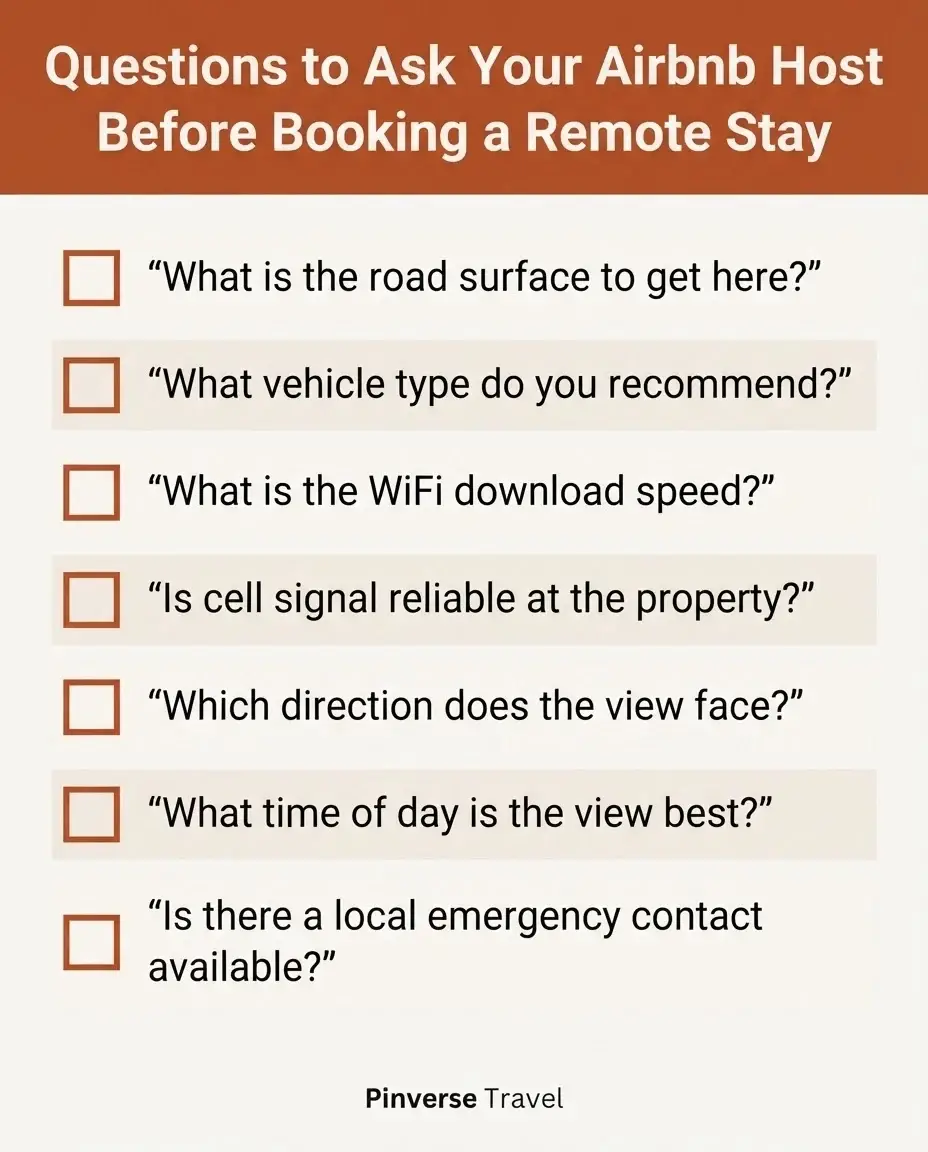
Ask about road access specifically. What is the surface of the road leading to the property? Is it paved, gravel, or unmaintained? What kind of vehicle is needed? Are there any access issues during rain or snow? A picturesque mountain cabin that requires a four-wheel drive on an unmarked road is not a problem if you know that in advance and plan for it. It becomes a very stressful problem if you discover it on arrival in a regular sedan.
Ask about connectivity honestly. “WiFi available” on a listing can mean a 50 Mbps fiber connection or a satellite dish that works well on clear days. If you are working remotely or rely on being reachable, ask the host directly what the download speed is and whether the cell signal is reliable. Many honest hosts will tell you the truth, and that truth is often “you will have intermittent service, which is part of the appeal.” If that works for you, great. If not, filter for listings closer to a town center.
Ask what the view specifically faces and at what time of day it is best. A west-facing mountain view is spectacular at sunset. An east-facing one rewards early risers. A listing that faces a valley may be extraordinary in morning mist. These are things worth knowing so the experience matches your expectations.
The Solo Traveler and the Remote Stay: What to Know
Going remote solo is one of the most freeing travel experiences I know of, and also the one that benefits most from a small amount of planning. Airbnb has expanded its dedicated Solo Traveler Safety feature to over 50 languages. When you book a private room as a solo guest, the feature activates automatically in-app and gives you access to expert safety tips, an easy way to share your full itinerary with someone you trust, and a prompt to ask your host specific questions about the neighborhood and property.
Beyond the app, the practices that make remote solo stays feel genuinely comfortable are simple. Share your full address, host name, and planned stay dates with at least one person back home before you leave. Download offline maps for the area, especially if cell signal is uncertain. Know where the nearest town or emergency service is. Bring a portable charger and a small first aid kit. None of this is dramatic. It is the same low-key preparation that makes any independent trip run smoothly.
One thing that genuinely helps: read the host profile, not just the reviews. Hosts who are engaged, responsive, and specific in their listing descriptions tend to be exactly that way when something unexpected comes up. A host who says “I check messages every morning and evening and have a local contact available for emergencies” is telling you something important. So is a host who hasn’t updated their listing in two years.
Reading Reviews Like a Pro for View Properties
Photo editing has gotten very good. Reviews have not. Before booking any remote Airbnb promising a view, search the reviews for specific words: “view,” “sunset,” “morning,” “window,” “deck,” “balcony,” “see from.” The guests who use those words in their reviews are the ones who tested the claim. If multiple reviews mention the view unprompted, that is a very good sign. If the reviews focus entirely on the interior and host but never mention what is outside, start asking questions.
Also pay attention to low-star reviews and what specifically triggered them. A one-star review saying “the road was terrible and the WiFi did not work” is useful information that may not affect your decision at all if you are going car-equipped and screen-free. A one-star review saying “the view was completely blocked by construction next door” is a different matter entirely.
Packing Specifically for a Remote View Stay
This is short because it does not need to be complicated. The three things most people forget and wish they had for a remote Airbnb with views are a good tripod or travel-size phone mount for golden hour shots, a pair of lightweight binoculars for mountain or ocean wildlife watching, and something warm to wear on the deck in the early morning. Remote properties at elevation get cold before sunrise even in summer. The view is always worth getting up for. Being underprepared for it is never a good feeling.
The Part Nobody Talks About
Here is the honest thing about remote Airbnbs with stunning views that does not make it into most articles: the view is not the point. Or rather, it is the door, not the room.
The thing that actually happens when you spend two or three days somewhere genuinely quiet, somewhere where the landscape is the whole context of your day, is that your mind starts to settle. You stop reaching for your phone every ten minutes. You start noticing smaller things, the light changing on a ridge, the sound the wind makes before it gets to you, the particular silence of early morning in the mountains. That is the actual gift these stays offer. The view is what gets you there. What happens once you are there is harder to describe but much more lasting.
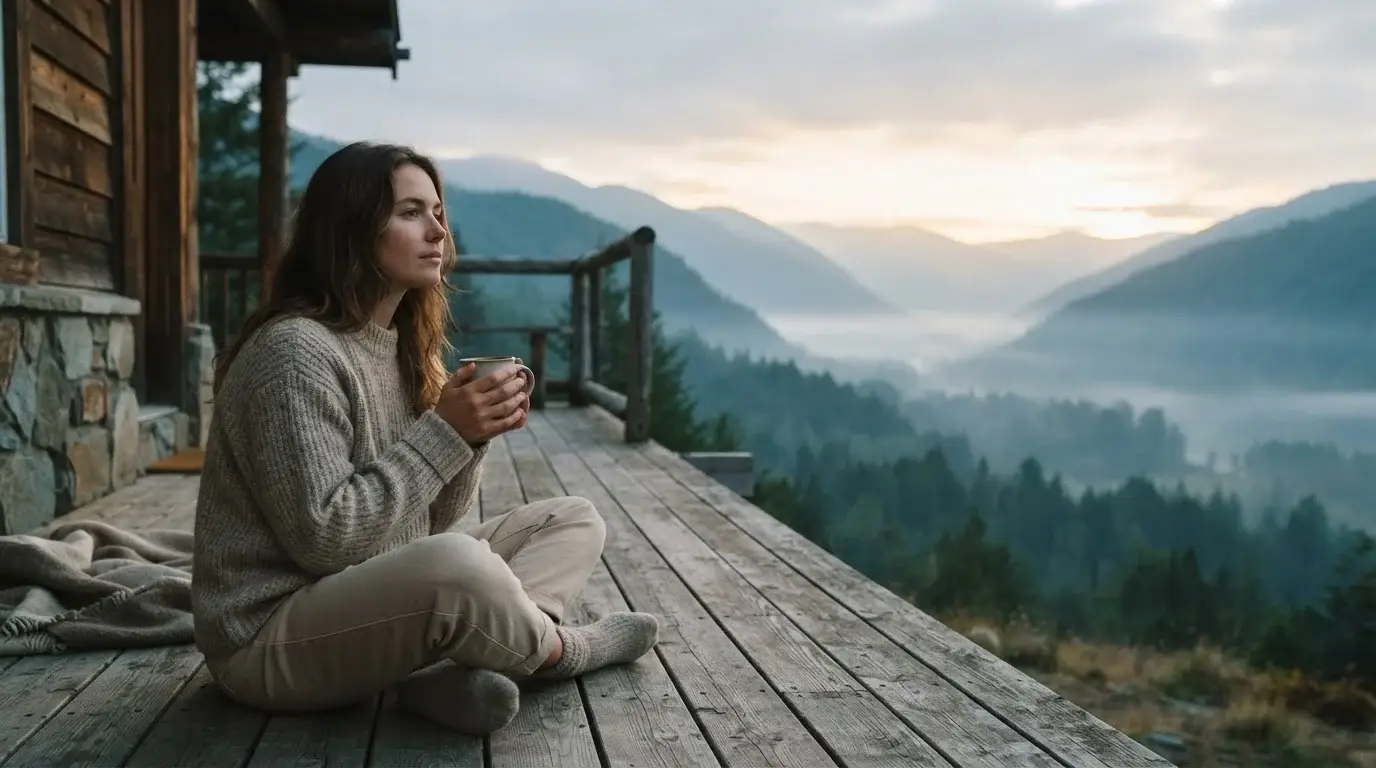
That is the part worth planning for. Not just the photo, but the space around the photo.