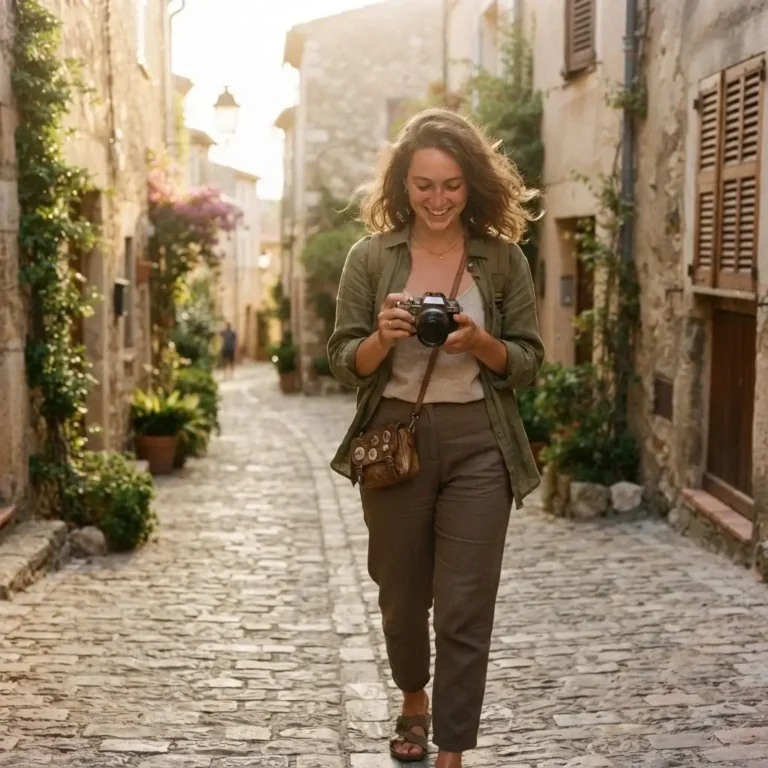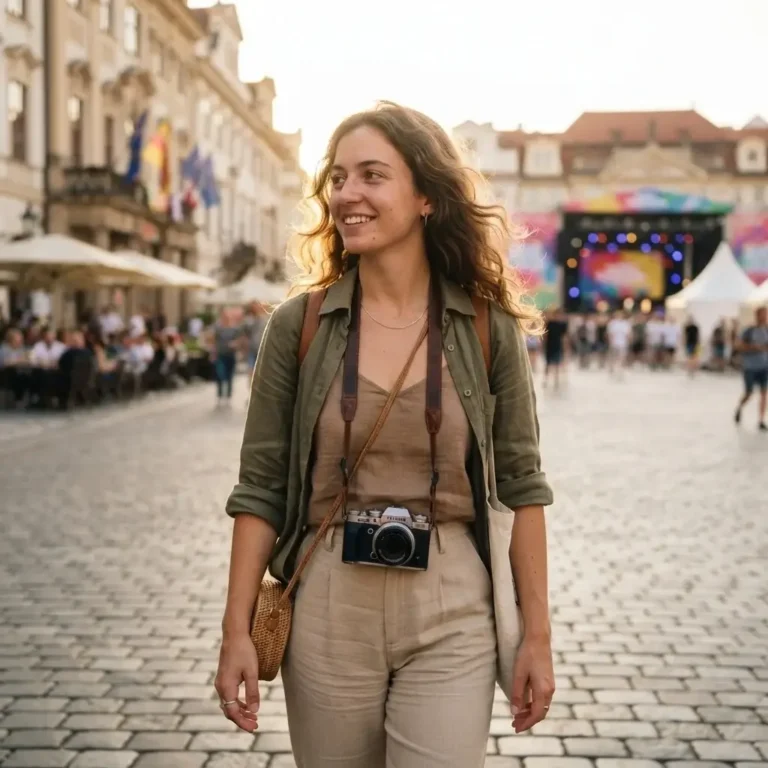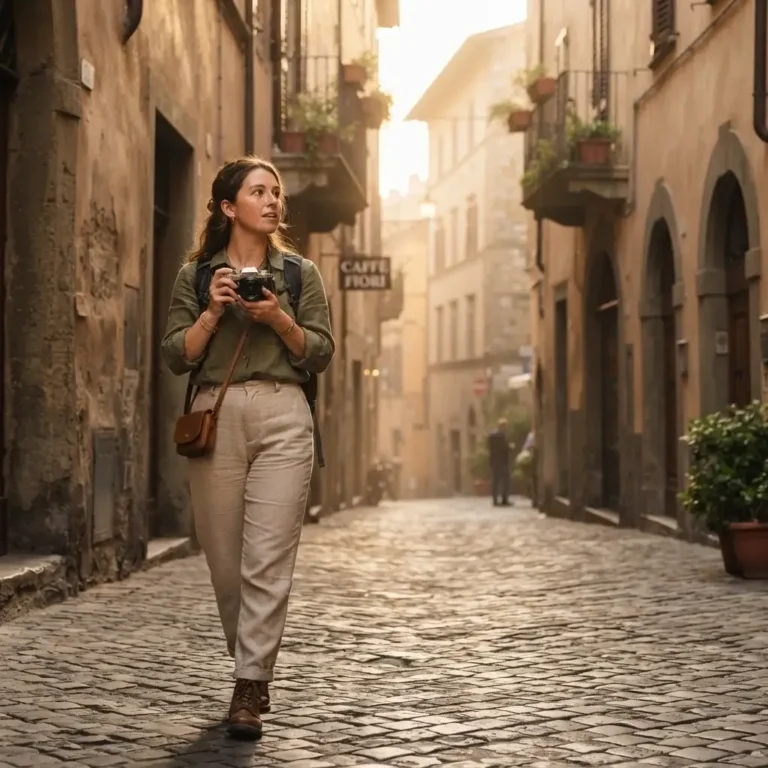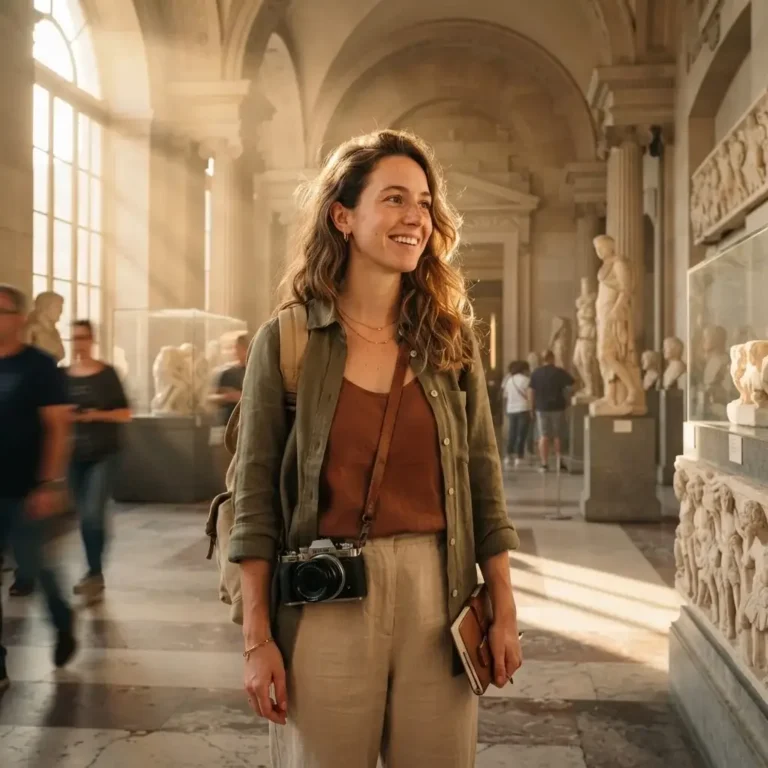
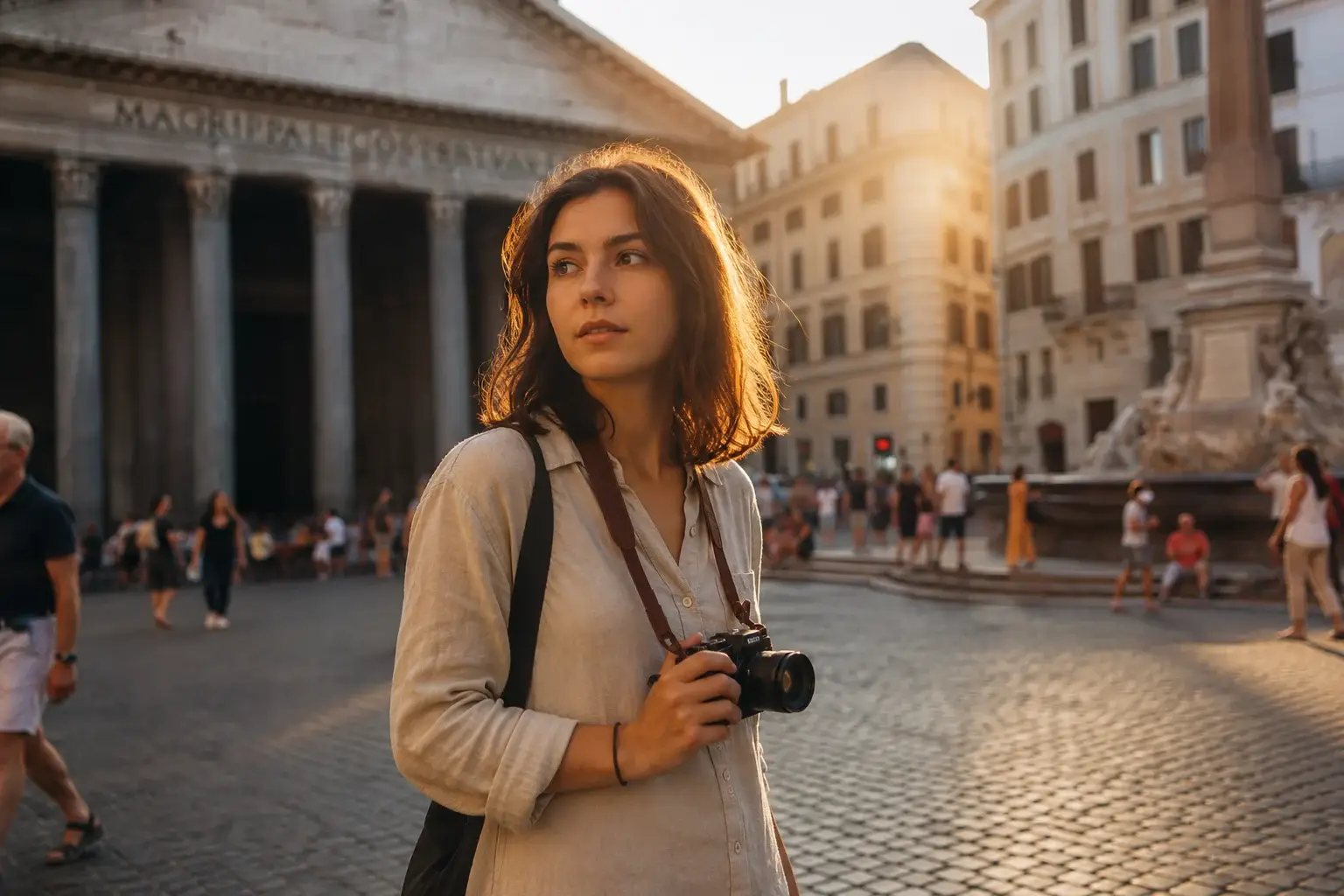
Standing in the middle of a Roman piazza, coffee in hand, watching the sunlight hit centuries-old stone, I remember exactly how I felt when I first arrived in Europe as a solo traveler. I was terrified. I was holding a map—this was pre-smartphone dominance—and I worried that everyone knew I was lost, alone, and completely out of my element.
But Rome has a way of turning that fear into excitement. It is a city that demands your attention but rewards your curiosity. After years of guiding tours in New York and navigating the globe on my own, I have learned that the “perfect” trip to Rome isn’t about rushing from the Colosseum to the Vatican in a frantic blur. It is about slowing down, eating well, and finding your own rhythm.
If you are looking for the best 7-day itinerary for Rome, you have come to the right place. We are going to build your confidence, one cobblestone street at a time.
Why One Week in Rome?
Most people give Rome two or three days. They treat it like a checkbox. They run to the big sites, get heatstroke, eat bad pasta near a tourist trap, and leave exhausted.
By staying for seven days, you have the luxury of “slow travel.” You can wake up, grab a cornetto and a cappuccino at a local bar, and spend your morning wandering. You can go back to your room for a mid-day rest—a very Italian habit I highly recommend—and head back out when the golden light hits the buildings in the evening. This isn’t just a trip; it is an education in how to live.
Day 1: Finding Your Feet in the Center
Your first day is all about orientation. Don’t plan to do anything heavy. Just walk. Head to the Pantheon. It is arguably the most impressive structure in the city because it has been in continuous use for nearly 2,000 years.
After the Pantheon, walk to Piazza Navona. It is grand, beautiful, and the perfect place to sit and people-watch. Since it is your first day, take a moment to look at the US Department of State Travel website to ensure you have saved the contact info for the nearest embassy and understand the current safety environment for American travelers in Italy. It is a simple administrative step that helps me sleep better whenever I land in a new country.
Day 2: The Heart of the Empire
You cannot skip the Colosseum, but you can approach it differently. The UNESCO World Heritage center lists the entire Historic Centre of Rome as a protected site, and when you stand at the base of the Flavian Amphitheatre, you understand why.
Instead of just staring at the wall, walk over to the Roman Forum. This was the marketplace, the courthouse, and the political center of the ancient world. If you walk quietly through the ruins, you can almost hear the ghosts of history. Afterward, walk up Palatine Hill. It offers the best view of the city and is much quieter than the valley floor.
Day 3: The Vatican and the Quiet Side
The Vatican is massive. It is easy to feel small here. St. Peter’s Basilica is a marvel, but my favorite part of the Vatican City area is actually the walk back toward the Tiber River.
Many travelers forget that their health is just as important as their itinerary. Before you head into crowded museums, it is always a smart idea to check the CDC Travelers’ Health page for Italy. They provide great tips on staying healthy while traveling, whether it is staying hydrated or knowing how to handle local food safety, which keeps your energy levels high for all the walking you’ll be doing.
Day 4: Trastevere and Roman Culinary Roots
If you want to know the “real” Rome, head to Trastevere. Across the river from the main tourist hubs, this neighborhood feels like a village that happens to be inside a capital city.
The streets are narrow, the ivy hangs from the windows, and the food is better here. This is where you find the best Cacio e Pepe. Don’t look for a place with pictures of food on a menu board. If a place has a long line of locals and a handwritten menu that changes daily, that is where you want to be. Eat slowly. Sip your wine. This is what travel is about.
Day 5: Art, Gardens, and the Villa Borghese
Rome can be loud. By day five, you might be tired of the traffic and the crowds. The Villa Borghese is the city’s green lung. It is a massive park where you can rent a bike, read a book under a pine tree, or just walk.
The Galleria Borghese is located inside the park. It houses some of the most beautiful sculptures by Bernini. You will need to book tickets in advance, but it is worth every cent. Afterward, walk toward the Pincio Terrace for the best sunset view in the city. It is a moment of pure peace, and as a solo traveler, it is the perfect time to reflect on how far you have come in just a few days.
Day 6: The Appian Way and Ancient Echoes
Most travelers never leave the city walls. That is a mistake. Rent a bike and head out to the Appian Way (Via Appia Antica). This was the original “highway” of the Roman Empire.
It is lined with ancient catacombs and crumbling tombs. It is quiet, peaceful, and feels like you have stepped out of time. It is a stark contrast to the hectic energy of the city center, and it shows you a different side of the Roman landscape. You will see ancient basalt stones that have been there for millennia. It is humbling.
Day 7: The Sunday Market and Final Reflection
Spend your final day at the Campo de’ Fiori. It is a market during the day and a social hub at night. Buy some local pecorino cheese, some fresh fruit, and just sit by the fountain.
Take a look at the Lonely Planet Rome guide to see if there are any small exhibitions or street events happening that you might have missed during your week. It is a great way to close out your trip by finding one last “local” thing to experience before you pack your bags.
Practical Tips for Your Solo Adventure
- Transport: Rome is a walking city, but the metro exists for longer trips. Do not stress about learning the bus system immediately. It is notoriously unpredictable.
- Dining Alone: This is the biggest hurdle for new solo travelers. Bring a journal or a book. If you feel awkward, sit at the bar or a small outdoor table. Once you do it a few times, you realize that nobody is watching you—they are all too busy eating their own pasta.
- Water: Carry a reusable bottle. Rome is filled with nasoni (little water fountains) that provide free, ice-cold, high-quality drinking water. It is a small thing, but it saves you money and reduces plastic waste.
- Confidence: If you get lost, just stop and find a café. Order a coffee. Take ten minutes to breathe. The city isn’t going anywhere. You are doing great.
Traveling alone in Rome is not about being fearless. It is about being scared and doing it anyway. You will make mistakes—you might take the wrong bus, you might accidentally order a tourist-priced meal, you might get a little lonely on a Tuesday night. All of those moments are just as important as the beautiful photos you take. They are the moments that build your resilience.
When you get home, you won’t just remember the sights. You will remember the version of yourself who navigated a foreign city, fed yourself, found your way, and realized that you are capable of handling whatever comes your way. That is the true souvenir.