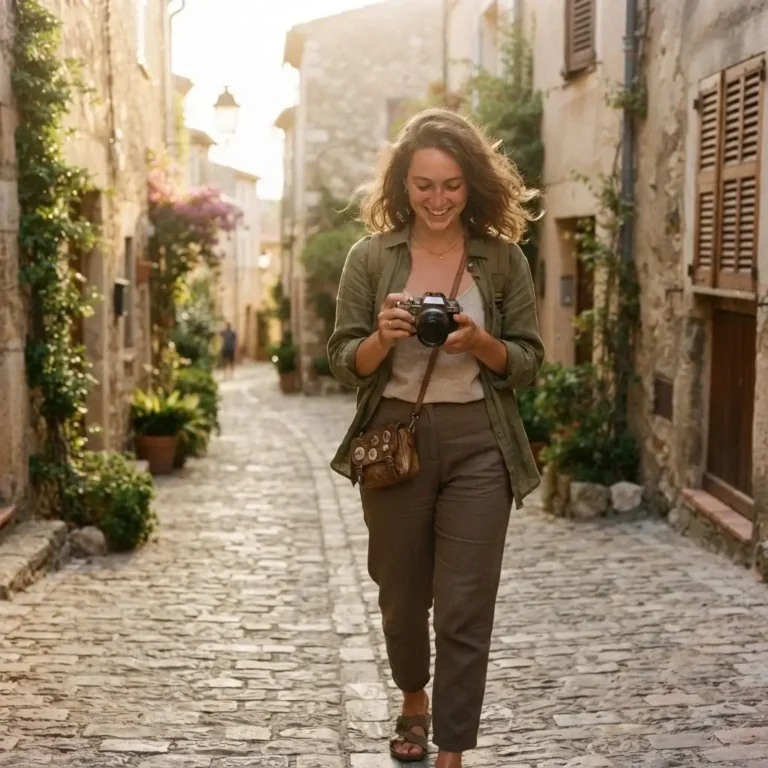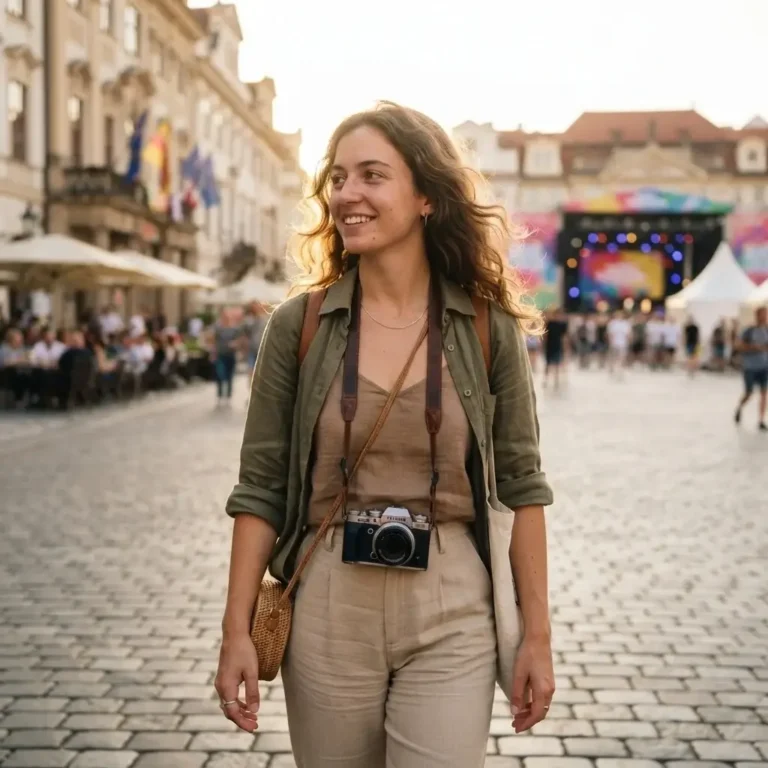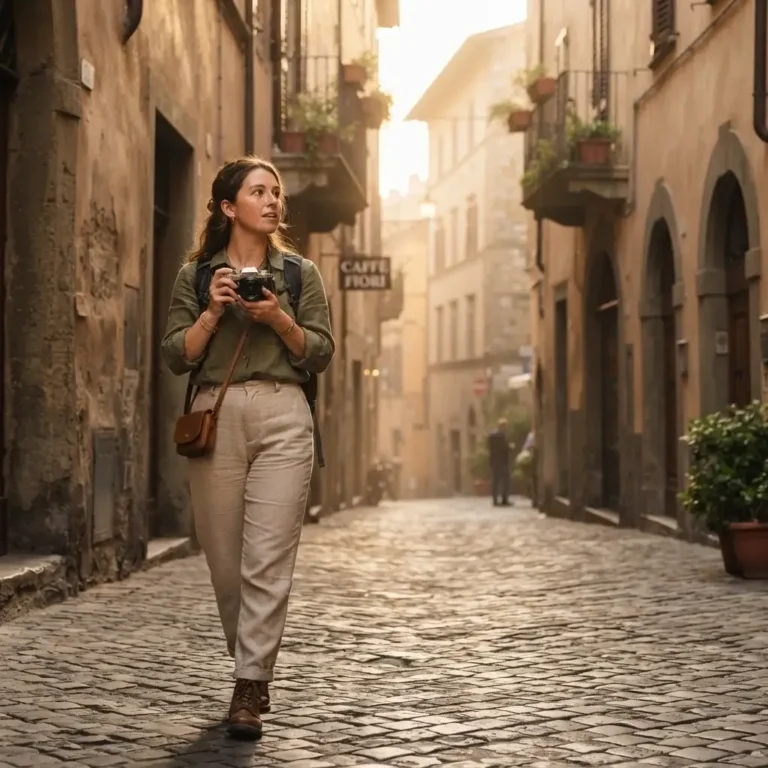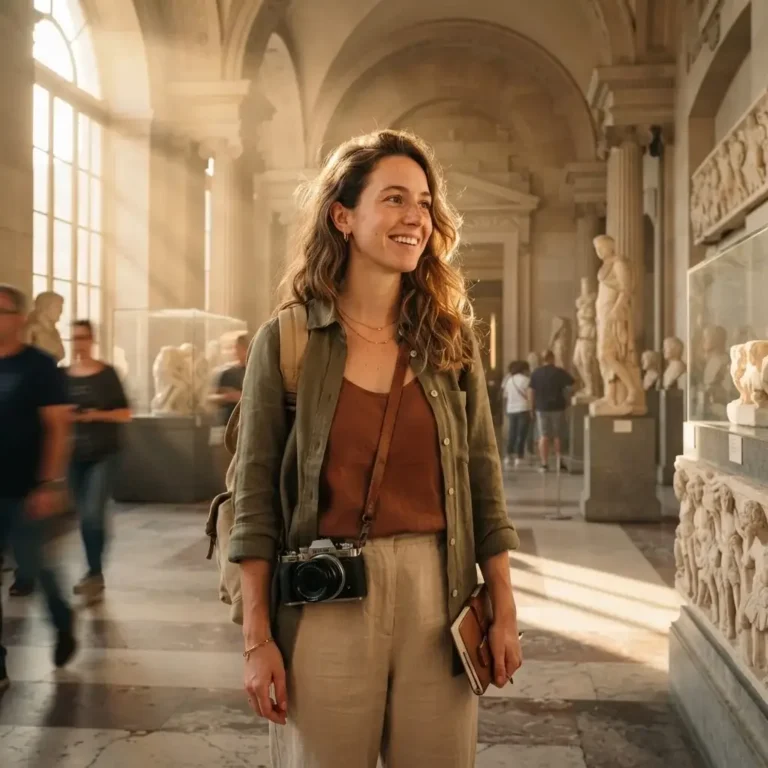
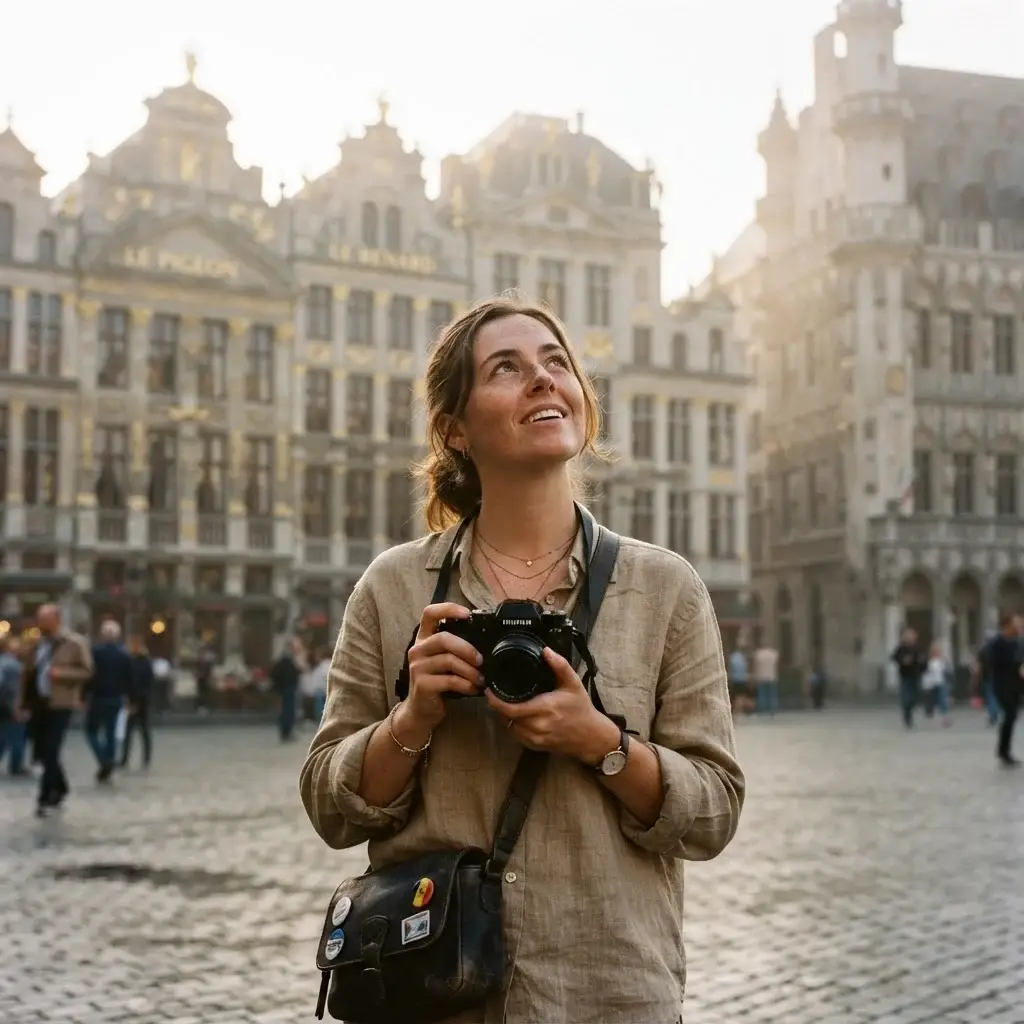
Have you ever stood at a crossroads in your life, looking at a map, and felt a tiny spark of pure terror mixed with absolute excitement? That was me years ago. I was working a rigid, 9-to-5 corporate job in New York, staring at a computer screen, tracking my tiny pool of vacation days, and realizing my soul was slowly draining away. I wanted slow travel, true cultural immersion, and the freedom to explore our massive world. So, I did something crazy. I quit that stable office job. I worked flexible jobs, waitressed late nights to save every single penny, and decided to turn travel into my full-time lifestyle.
When I first planned my trip to Turkey, I had people tell me that managing a massive mega-city spanning two continents would be too hard, too overwhelming, and too chaotic for a solo traveler. But let me tell you a secret: the world rewards curiosity and courage. Istanbul is not a city you simply look at through a bus window; it is an experience that wraps around you, smells of roasted chestnuts, and sings with the deep echo of the morning call to prayer.
Planning out the perfect timeline can feel like a giant puzzle. You want to see the heavy hitters, but you also want to sit in a quiet neighborhood cafe, watch the stray cats, and sip hot tea from a tulip-shaped glass. Through my own trial and error on the ground, I have put together a thoughtful, deeply realistic layout of the very best stops on a 5-day itinerary in Istanbul. This guide will help you step out of your comfort zone, feel completely capable, and fall in love with this beautiful place.
Day 1: The Historic Heart of Sultanahmet
To kick off your trip, we are starting in the oldest part of the city. Sultanahmet is an open-air museum where the cobblestone streets whisper stories of Roman emperors and Ottoman sultans. It is easy to navigate on foot, making it the perfect spot to build your neighborhood confidence on your very first day.
Hagia Sophia (Ayasofya)
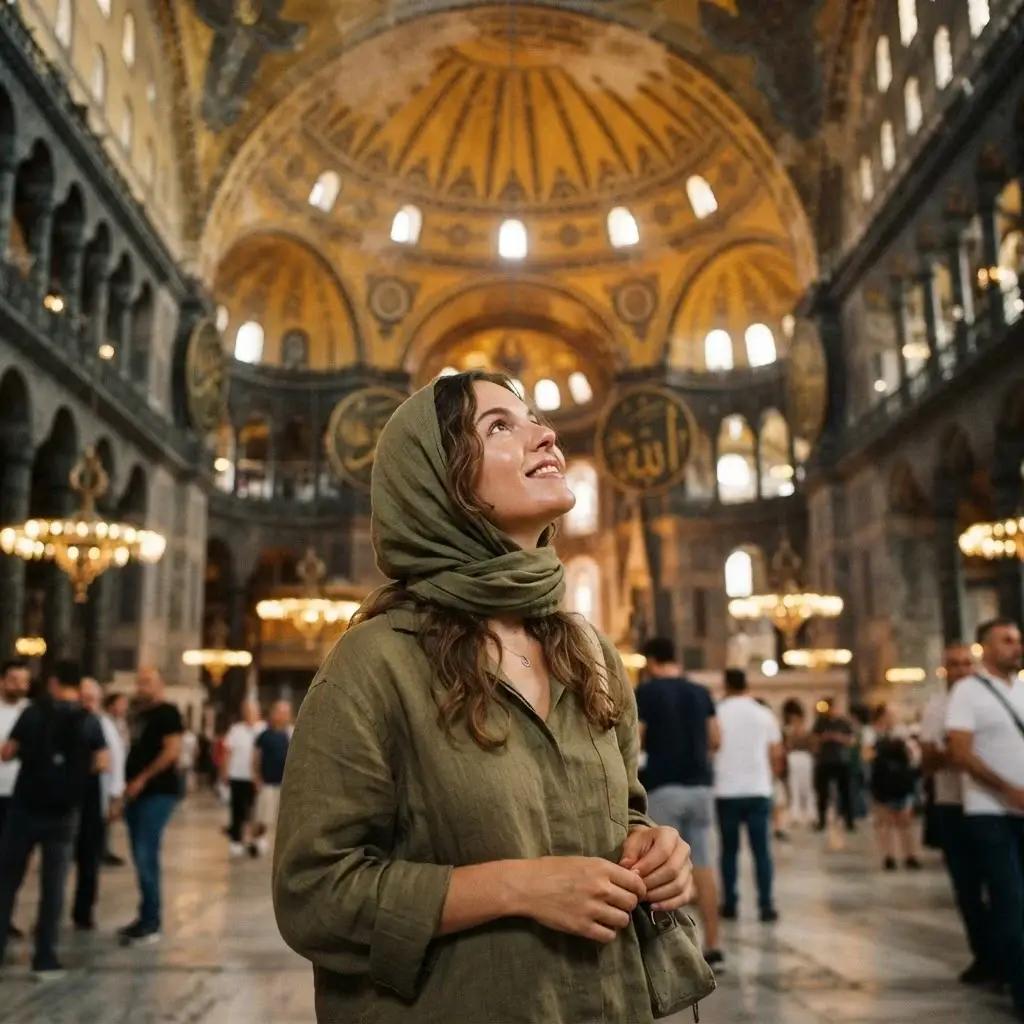
This building is a architectural marvel that completely blew me away. It started as a massive Christian cathedral in the year 537, turned into an Ottoman mosque, became a museum, and is now an active mosque again. Walking inside and looking up at the giant golden dome is a spiritual experience.
- Culinary Tip: Right outside the main exit, you will see street carts selling simit, a circular bread encrusted with sesame seeds.
- It costs just a few liras. Grab a fresh, warm one to fuel your morning walk.
- Navigation Advice: Take the T1 Tram line and get off at the Sultanahmet station. From there, it is a two-minute walk. Because it is an active house of worship, women must cover their hair, shoulders, and knees. Bring your own lightweight scarf in your daypack so you do not have to buy a disposable one at the door. Try to arrive by 8:30 AM to beat the massive tour groups.
The Blue Mosque (Sultan Ahmed Mosque)
Sitting directly across a beautiful green courtyard from the Hagia Sophia is the famous Blue Mosque. It gets its name from the thousands of hand-painted blue Iznik tiles that line the interior walls. Standing in the central courtyard and looking up at the six towering minarets will make you realize just how far you have traveled from home.
- Culinary Tip: Walk a block south into the Arasta Bazaar behind the mosque. Find a small cafe and order a cup of traditional Turkish coffee (Türk kahvesi). Let the thick mud-like grounds settle to the bottom of the little cup before you take a sip.
- Navigation Advice: There is no admission fee, but the mosque closes to visitors during the five daily prayer times. Check the daily prayer schedule online before you walk up to the entrance.
The Basilica Cistern (Yerebatan Sarnıcı)
Step away from the bright sun and head underground into this ancient subterranean water reservoir built by Emperor Justinian in the 6th century. It feels like an underground palace with hundreds of carved marble columns rising from the shallow water. Keep an eye out for the two famous carved Medusa heads used as column bases at the very back.
- Culinary Tip: After climbing back up to street level, walk toward the nearby tram stop and look for a local spot serving Tarihi Sultanahmet Köftecisi. They serve simple, perfectly grilled beef meatballs with a spicy pepper condiment.
- Navigation Advice: The entrance is a small building across the street from the Hagia Sophia. The line here moves fast, but buying your ticket online beforehand saves you precious time. The wooden walkways inside can be slippery from the underground humidity, so wear sturdy walking shoes with good grip.
Day 2: Markets, Mosques, and Moving Water
On your second day, we are diving straight into the deep energy of Istanbul’s legendary trading culture. Today is all about embracing the crowds, practicing your friendly bargaining skills, and seeing how the city connects along its famous waterways.
The Grand Bazaar (Kapalıçarşı)
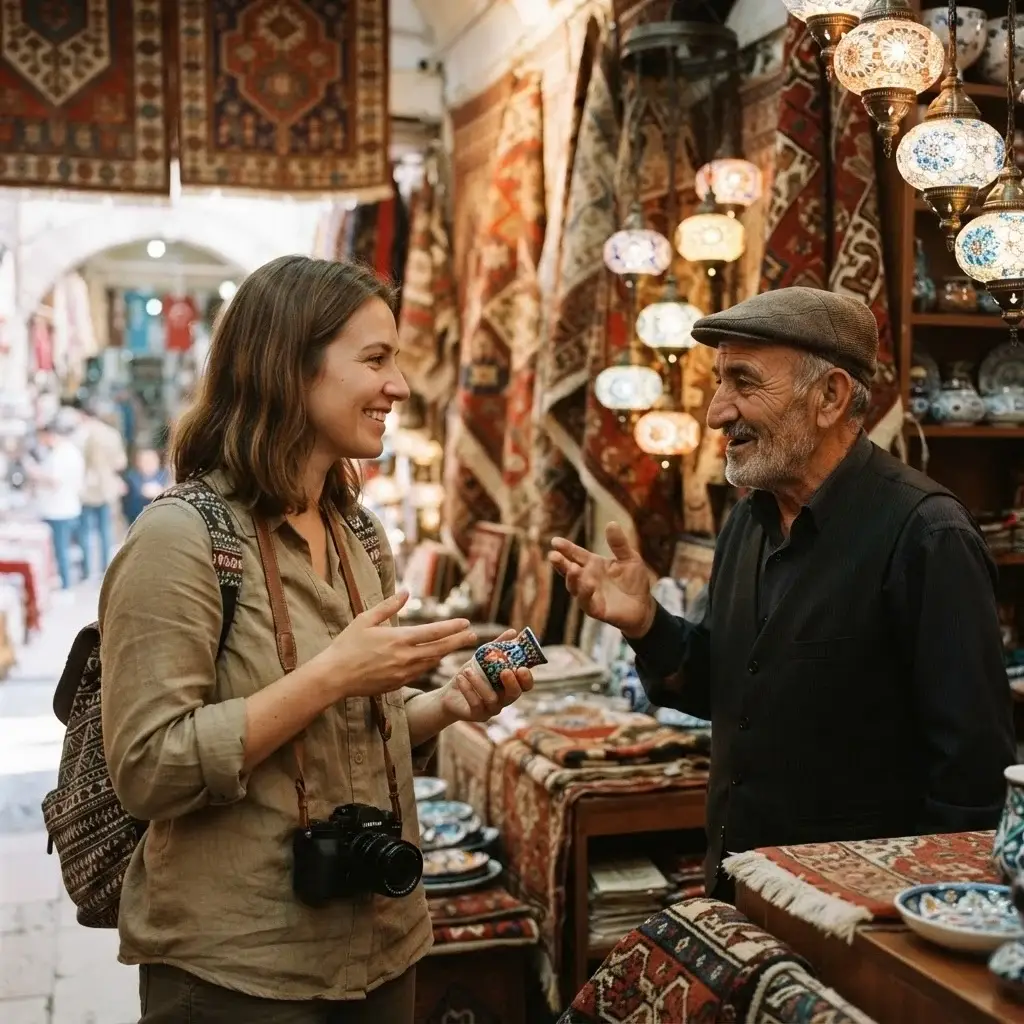
This is one of the biggest and oldest covered markets on the planet, featuring over 60 separate streets and thousands of shops. It is loud, vibrant, and incredibly easy to get lost in—and that is exactly the point! When I worked as a sightseeing guide back in New York, I thought I knew busy streets, but nothing prepares you for the beautiful chaos of the Grand Bazaar. Do not view the shopkeepers as intimidating; view them as potential conversation partners.
- Culinary Tip: Look for an old-school spot called Gaziantep Burç Ocakbaşı inside the bazaar. Order a plate of spicy Adana kebab wrapped in thin flatbread.
- Navigation Advice: Take the T1 Tram to the Beyazıt-Kapalıçarşı stop. To explore without anxiety, realize that the bazaar is shaped like a giant grid with numbered gates. Write down or take a photo of the gate number you entered through (like Gate 1 or Gate 7) so you can easily find your way out. If a seller offers you apple tea, it is a sign of hospitality, not an obligation to buy anything!
The Spice Bazaar (Mısır Çarşısı)
A short, downhill walk from the Grand Bazaar brings you toward the waterfront and into the Spice Bazaar. The air here smells incredible—a rich mix of cumin, dried mint, cinnamon, and sweet roasted nuts. Sacks of brightly colored spices line the narrow walkways alongside towers of sweet Turkish delight (lokum).
- Culinary Tip: Do not buy the generic pre-packaged boxes of Turkish delight. Instead, ask a vendor for a fresh slice from the long logs behind the glass. My personal favorite is the pomegranate flavor rolled in crunchy pistachios.
- Navigation Advice: Located in the bustling Eminönü neighborhood, this market is right next to the Galata Bridge. It is very crowded in the afternoons, so heading here right after lunch is your best bet for a manageable stroll.
Eminönü Pier & The Galata Bridge
Walk out of the Spice Bazaar and you will be at the edge of the Golden Horn, the historic inlet that splits the European side of the city. The Galata Bridge is lined with local fishermen dropping their long lines into the gray-blue water below. Walk along the lower level of the bridge to watch the boats pass by while sea gulls wheel through the sky.
- Culinary Tip: At the Eminönü pier, look for the rocking, brightly painted traditional boats cooking fresh fish right on deck. Order a balık ekmek—a simple, delicious sandwich of grilled mackerel, crisp onions, and a squeeze of fresh lemon juice on a crusty white roll. Eat it while standing at a tall communal table on the pier.
- Navigation Advice: This area is a massive public transit hub. Be mindful of your personal belongings in the dense crowds around the ferry docks, just as you would when using common safety steps in any massive international city. If you feel any pre-trip health anxieties about eating street food abroad, you can review standard guidelines via the official CDC Travelers’ Health destination advice to keep your body feeling strong and secure on the road.
Day 3: Modern Energy and Golden Horizons
Today we cross over the Golden Horn into the modern, creative, and bohemian areas of the city. This area shows you a completely different side of local life, filled with art galleries, historic towers, and lively pedestrian boulevards.
Galata Tower (Galata Kulesi)
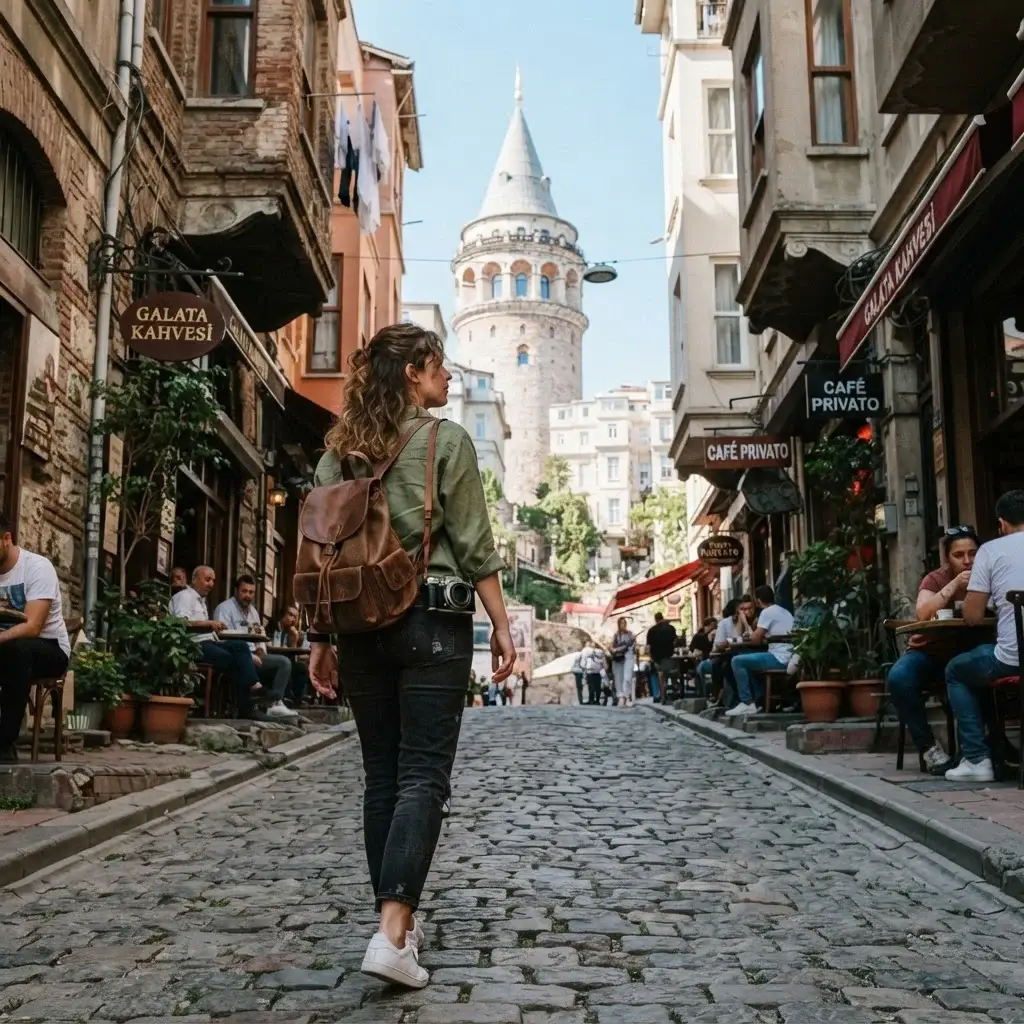
This medieval stone tower dominates the skyline of the Beyoğlu district. Built by the Genoese in the 14th century, it was used as a lookout tower to spot fires in the wooden city below. Today, the open-air observation deck at the top provides a stunning panoramic view of the entire city.
- Culinary Tip: After taking in the views, walk down the steep cobblestone street to a local bakery and get a slice of San Sebastian Cheesecake drenched in rich, warm milk chocolate. It is a modern local favorite.
- Navigation Advice: To avoid walking up the incredibly steep hill from the waterfront, take the historic Tünel funicular railway from Karaköy up to the start of Istiklal Street. It is the second-oldest underground urban rail line in the world! From the top station, it is an easy downhill stroll to the tower base.
Istiklal Street & Taksim Square
Istiklal Street is a wide pedestrian boulevard lined with beautiful old buildings, international shops, and historic embassies. A vintage red tram rattles down the center of the street, ringing its bell to clear a path through the sea of locals. The street ends at Taksim Square, the symbolic heart of modern Istanbul.
- Culinary Tip: Keep an eye out for street carts selling hot, freshly roasted chestnuts (kestane) or grilled corn on the cob. For a hearty meal, step into a side street and try ıslak burger (the famous “wet burger”), a garlic-heavy beef slider steamed in a rich, warm tomato sauce.
- Navigation Advice: Istiklal Street is nearly a mile long. It is completely safe to explore alone, but it remains incredibly busy late into the evening. Keep your hands in your pockets or your daypack zipped shut when moving through the thickest crowds near the street performers.
Day 4: Crossing Continents to Kadıköy
One of my absolute favorite things about travel is how it stretches your perspective. Today, we are leaving Europe completely behind and heading to Asia for the afternoon. It sounds like a massive trek, but in Istanbul, it is just a normal twenty-minute commute for thousands of locals.
The Bosphorus Public Ferry
Forget about expensive private cruise boats! The best way to experience the Bosphorus Strait is by jumping on a standard public passenger ferry from the European side over to the Asian neighborhood of Kadıköy. Sitting on the open outdoor deck with the wind in your face while watching the city pass by is pure magic.
- Culinary Tip: As soon as you board the ferry, look for the small indoor snack counter. Order a small hot glass of Turkish tea (çay) and a packet of biscuits. It is the ultimate local ferry ritual.
- Navigation Advice: You do not need a special tour ticket for this ride. Simply scan your standard Istanbulkart transit card at the turnstiles at either the Eminönü or Karaköy ferry piers. Look for the signs pointing toward “Kadıköy.” Ferries run roughly every twenty minutes throughout the day.
Kadıköy Market & Moda Neighborhood
When you step off the boat in Kadıköy, you will instantly feel a completely different vibe. It is relaxed, youthful, creative, and far less touristy than Sultanahmet. The open-air market streets are lined with fresh fish stalls, pickle shops, fruit vendors, and cozy third-wave coffee shops.
- Culinary Tip: This area is a paradise for food lovers. Find a cozy seat at the famous Çiya Sofrası. The chef here works hard to preserve historic, regional recipes from across Anatolia. Try a bowl of their slow-cooked lamb stew with sour cherries or their stuffed eggplant dishes.
- Navigation Advice: The market area starts right across the main street from the ferry terminal. After exploring the market, follow the old streetcar tracks up the hill toward the green, peaceful neighborhood of Moda.
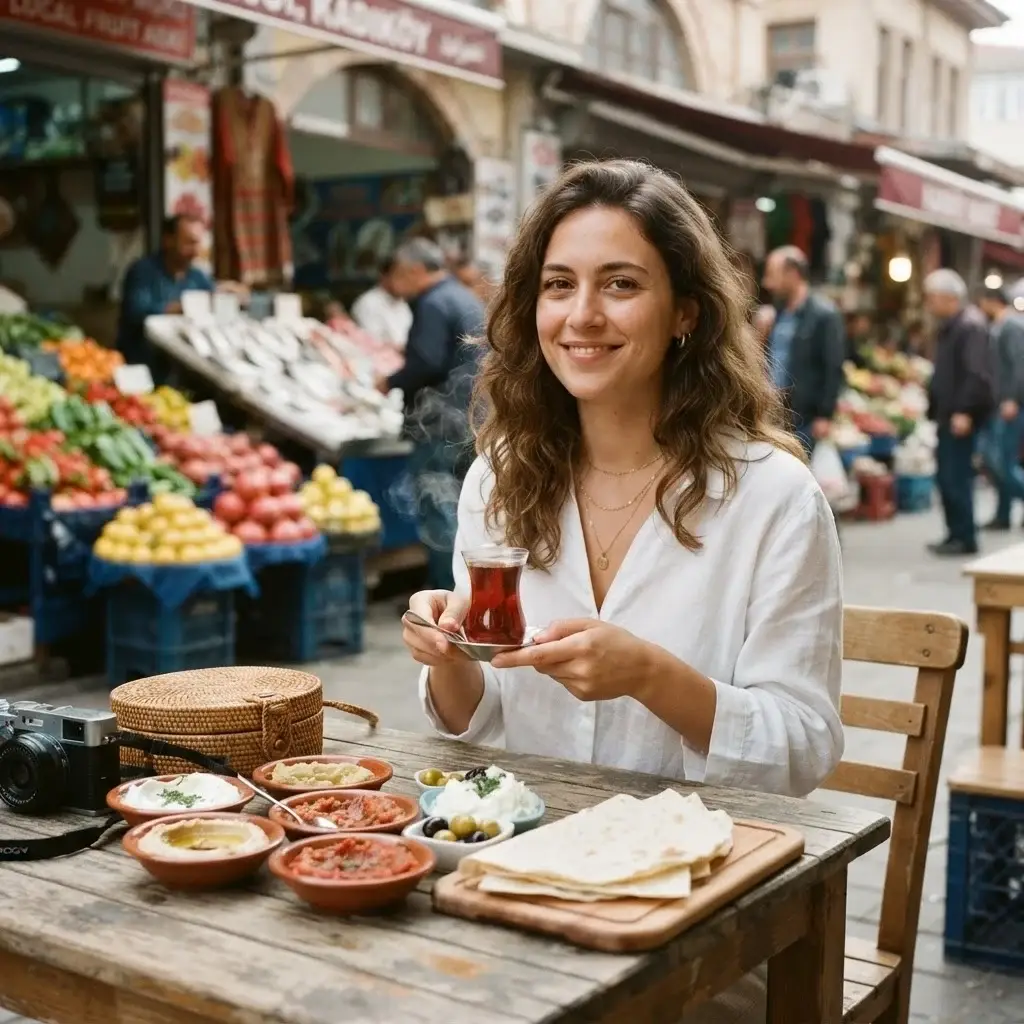
- It is a fantastic place to sit on the rocks by the seaside, watch the sunset over the Sea of Marmara, and realize that you are safely navigating the world on your own two feet.
Day 5: Palace Elegance and Colorful Neighborhoods
On your final day, we are exploring the deep opulence of the Ottoman Empire before winding down in two of the most vibrant, historic neighborhoods along the shores of the Golden Horn.
Dolmabahçe Palace
Moving into the 19th century, the Ottoman sultans decided to leave the old Topkapı Palace behind and build a new home right on the edge of the Bosphorus water. Dolmabahçe Palace is an incredibly lavish European-style palace filled with tons of gold leaf, massive crystal chandeliers, and beautiful marble staircases.
- Culinary Tip: After your palace tour, walk out to the edge of the water and visit the palace cafe. It is a bit pricier than a neighborhood spot, but sipping a hot tea right at the water’s edge is a beautiful experience.
- Navigation Advice: Take the T1 Tram to its very last stop at Kabataş. From there, it is a flat, easy ten-minute walk north along the water. No large bags or backpacks are allowed inside the historic rooms, so leave your large luggage at your hotel. You will be given plastic shoe covers at the door to protect the delicate antique carpets.
Balat and Fener Neighborhoods
To wrap up your five days, catch a short bus or ferry ride up the Golden Horn to the historic Greek Orthodox and Jewish quarters of Fener and Balat. These neighborhoods are famous for their steep cobblestone streets lined with historic wooden houses painted in bright shades of yellow, pink, blue, and green.
- Culinary Tip: This area is full of vintage antique shops and trendy cafes. Stop into a local bakery for a warm pastry or try a plate of traditional home-cooked Turkish meze plates at a neighborhood kitchen.
- Navigation Advice: The easiest way to get here is by taking the small T5 Tram line along the Golden Horn and getting off at the Balat station. Be ready for a serious leg workout! The most famous photo locations, like the historic Phanar Greek Orthodox College or the iconic sloping colorful houses, require walking up some very steep stone hills.
Essential Survival Tips for Solo Travelers in Istanbul
When I first started traveling solo, I used to worry about every single tiny detail. But over time, I learned that packing the right practical information is exactly what gives you the confidence to enjoy the journey.
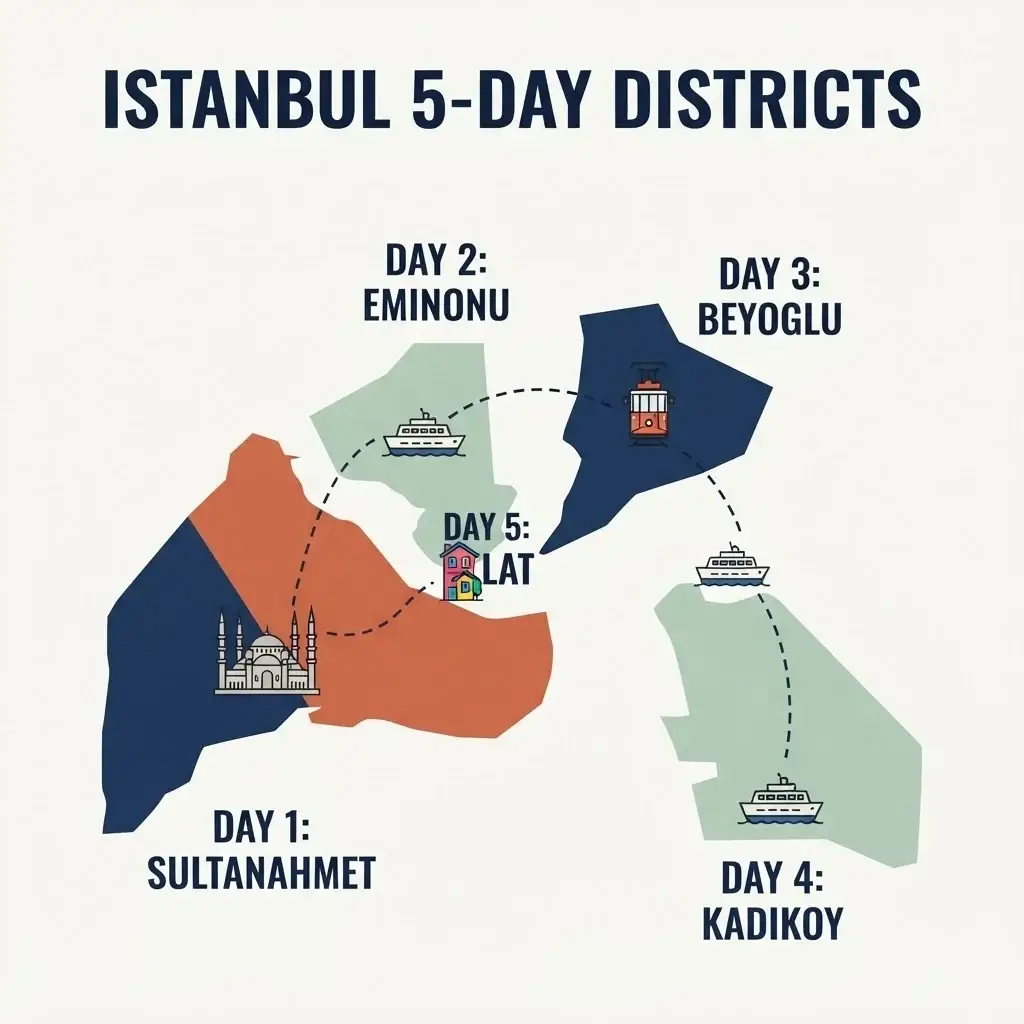
Istanbul is a very welcoming city, but staying smart helps you focus on the beautiful experiences around you.
Getting Around Like a Local Pro
The public transportation network here is incredible. You can jump from a tram to a funicular, a metro line, or a trans-continental ferry using a single transit card called the Istanbulkart.
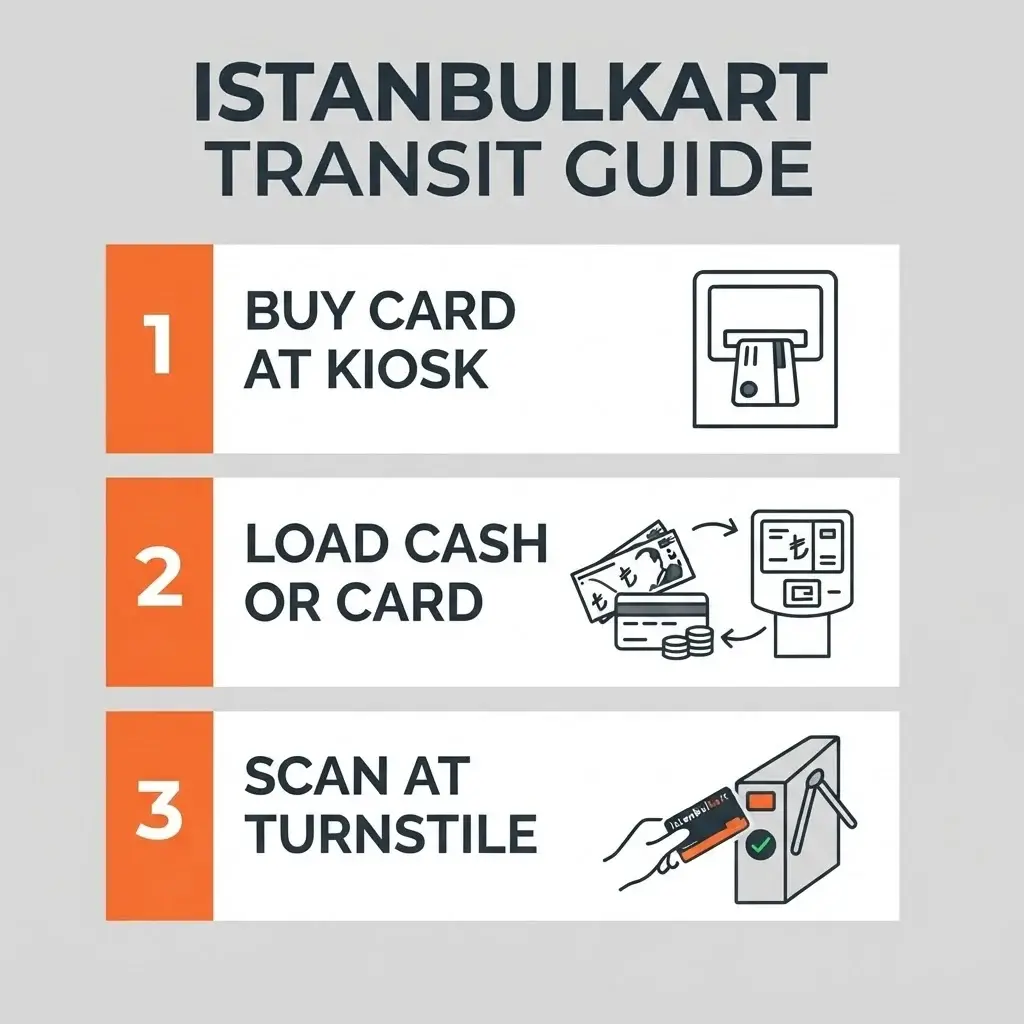
You can purchase one easily from the big yellow vending machines at any major transit station. Load it up with cash, and you are ready to explore. Avoid using standard street taxis if you can; the city traffic is legendary, and some drivers like to take the long, expensive scenic route with unsuspecting tourists.
Cultural Etiquette to Keep in Mind
Istanbul is a beautiful mix of modern secular lifestyles and deeply traditional religious roots. When you are visiting historic neighborhoods or active religious structures, it is respectful to dress modestly. For women, this simply means keeping a light scarf in your daypack to loop around your head, and choosing long skirts or pants over shorts. Always take off your shoes before stepping onto the plush carpets inside a mosque.
Staying Healthy, Safe, and Insured
The tap water in the city is fine for brushing your teeth, but it is best to stick to bottled water for daily drinking to avoid any temporary stomach issues. When you are preparing for your trip, it is always a smart move to look at official administrative rules. You can double-check current entry requirements or safety ratings by visiting the US Department of State Travel advisory page to ensure your paperwork is completely in order before booking your flight.
Additionally, managing the unexpected turns of travel is much easier when you have a solid safety net in place. If you are looking for reliable coverage that understands the unique needs of independent adventurers, you can explore comprehensive options through the World Nomads Travel Insurance plans to cover your gear, transit delays, or medical needs while exploring overseas.
Final Thoughts from Emma
As your five days come to an end, you will realize that Istanbul is a place that stays in your heart long after you unpack your bags. It is a city that teaches you to be patient, to trust your instincts, and to embrace the beautiful, unpredictable rhythm of the road.
Do not wait for the “perfect moment” or for a group of friends to finally clear their calendars. Pack your bags, book that ticket, and step out into the world with curiosity and courage. You are entirely capable of navigating this incredible journey on your own, and the streets of Istanbul are waiting to welcome you.