
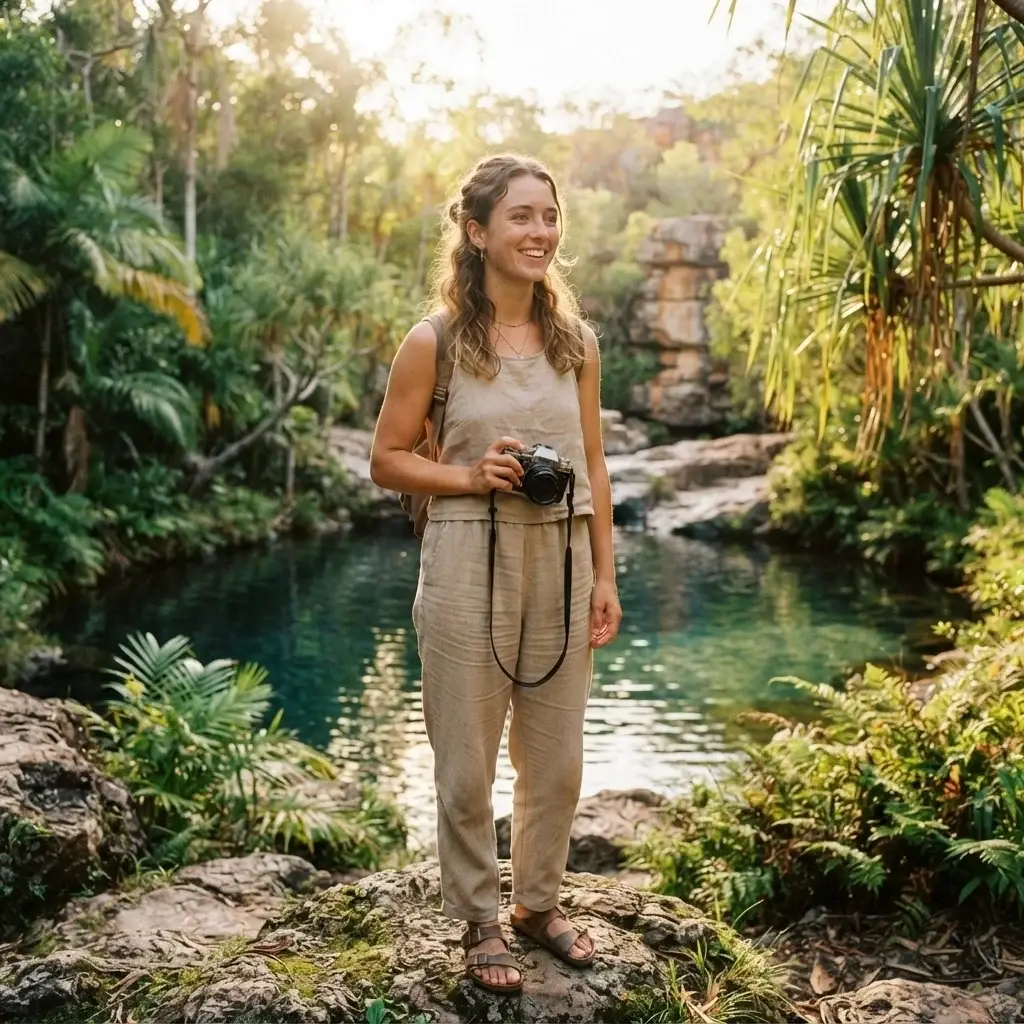
I remember the exact moment I realized I wasn’t cut out for the office life. I was sitting at my desk in New York, staring at a spreadsheet, when I caught a glimpse of a travel documentary playing on a screen across the room. It showed the rugged, red earth of Australia’s Northern Territory. I didn’t want to be in that chair. I wanted to be standing on that soil, breathing in air that felt like it had never touched a city street.
That desire for something wilder led me to Darwin. Most people head to Sydney or Melbourne, but Darwin? It’s a different world. It’s the gateway to the “Top End,” a place where the heat is real, the crocodiles are ancient, and the culture is deep. If you are feeling stuck in your routine, this is the place to break free. Here is my honest guide on how to explore Darwin, Australia in 3 days.
Why Darwin? Finding space to breathe
Darwin is not a polished, shiny metropolis. It is raw. It is a city that grows on you, much like the humidity. When I first landed, I felt overwhelmed by the heat, but that quickly turned into a sense of liberation. When you travel solo to a place like this, you realize that the world is much bigger than your day-to-day worries.
Before you go, you should check the latest official entry requirements and safety ratings to ensure you have your paperwork and health precautions sorted. Darwin requires a bit of planning because of its climate and geography. Don’t worry about it being “too much.” The goal here isn’t to see everything; it’s to see what matters.
Day 1: City pulse and coastal stories
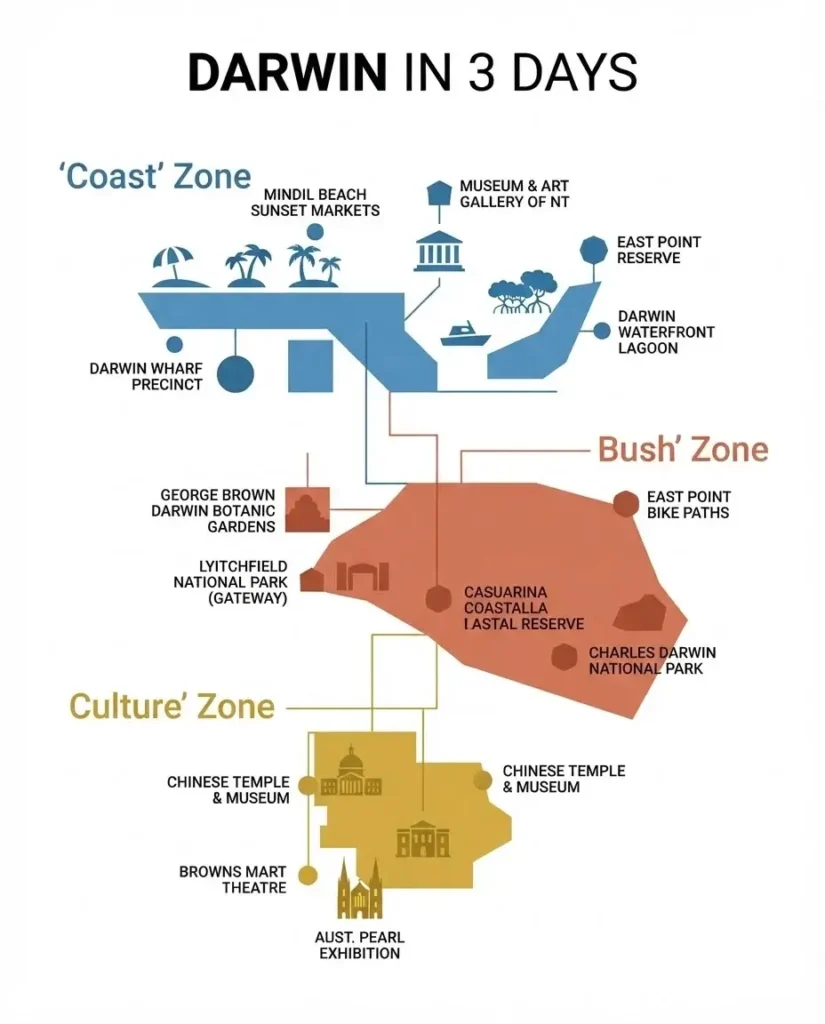
Your first day should be about getting your feet under you. Darwin is compact, which makes it perfect for walking or cycling.
Start your morning at the Mindil Beach area. Even if you aren’t there for the famous sunset markets, the coastal walk is a beautiful way to understand the city’s relationship with the Timor Sea.

I love walking these paths early because the light is soft, and you get to see the local joggers and dog walkers starting their day. It’s a reminder that people actually live here.
For lunch, head toward the Waterfront Precinct. It’s man-made, yes, but it’s a great spot to grab a bite and watch the tide change. While you are researching your local movements, remember that staying healthy is part of the travel experience; I always check the CDC’s travel health notices whenever I land in a tropical climate to make sure I’m being smart about water and general wellness.
In the afternoon, visit the Museum and Art Gallery of the Northern Territory. This isn’t your stuffy museum. It’s where you’ll learn about the intense history of Cyclone Tracy, which leveled the city in 1974. Seeing the photos and hearing the recordings changed how I saw the locals. They are tough, resilient, and incredibly kind. That resilience is part of the Darwin spirit.
Day 2: The deep dive into the Top End
You cannot understand Darwin without stepping into the bush. For your second day, you need to head out of the city.
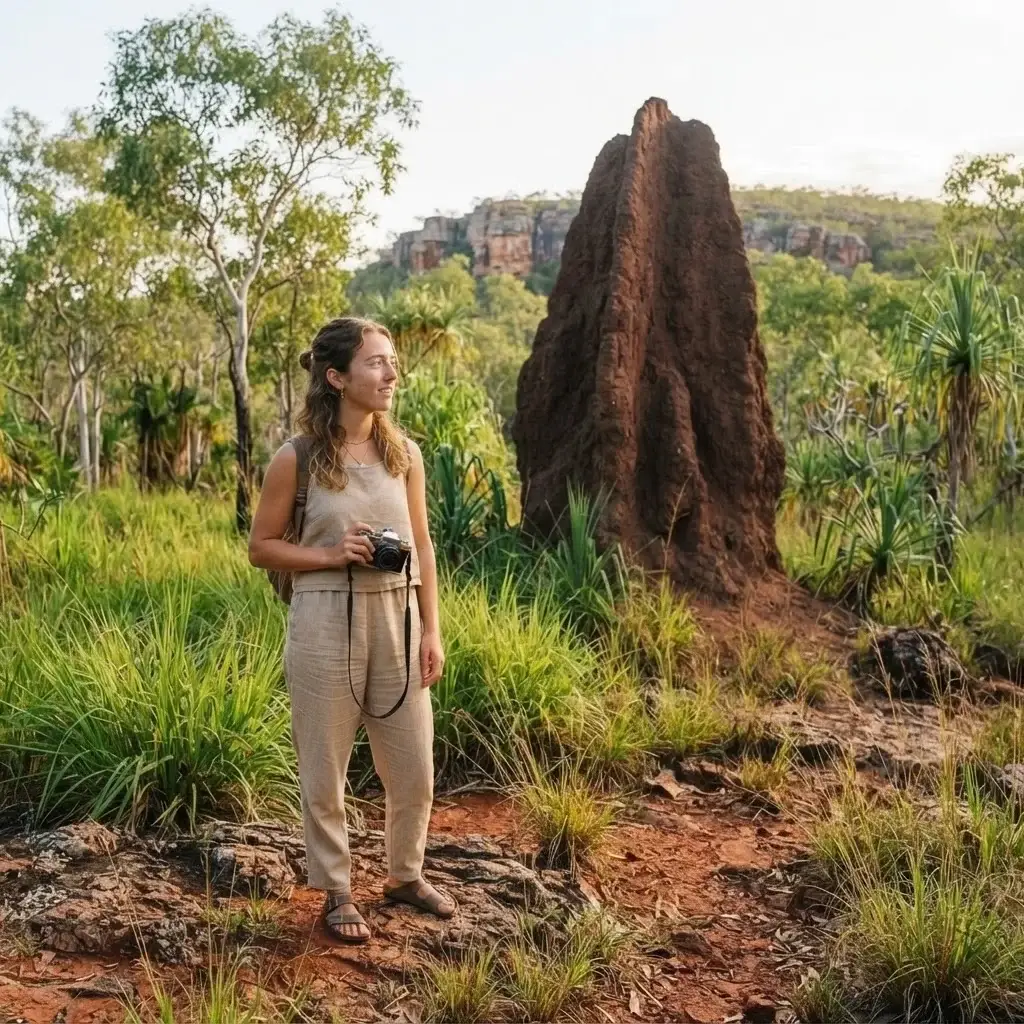
You don’t need a luxury tour; you just need to get to Litchfield National Park.
Litchfield is a place of magic. It is home to massive magnetic termite mounds that look like gravestones from an alien planet. You can swim in rock pools like Buley Rockhole—just be sure to check the signs, as the locals are very serious about safety and saltwater crocodiles.
If you are looking for a broader overview of the Australian landscape to understand why these parks are so significant, I often look at the official travel guides from Lonely Planet to get a sense of the geological and social history of the region before I arrive. It makes the hike so much more rewarding when you know what you are looking at.
When you pack for this day, bring more water than you think you need. The heat here is not a joke. And, because you are exploring on your own, consider the benefits of good travel insurance just to give yourself that extra layer of peace of mind. It allows you to focus on the waterfalls and the birdsong rather than worrying about the “what ifs.”
Day 3: Markets, food, and reflection
On your final day, slow down. Darwin is famous for its multicultural influence. You’ll find incredible Southeast Asian food here—the best laksa I’ve ever had was at a humble market stall.
Start at the Parap Village Markets if it’s a Saturday, or just explore the CBD’s local eateries. The mix of cultures in Darwin is incredible.
Because of its proximity to Asia, the food scene is vibrant, cheap, and honest.

Eat the satay. Drink the iced coffee. Sit on a bench and just watch the people go by.
As a former sightseeing guide, I can tell you that the secret to travel is observation. Don’t rush. If you find a park bench under a massive Banyan tree, sit there for an hour. Write in your journal. Think about what you’ve seen over the last 48 hours.
This is the “why” behind the trip. It’s not about the photos you take for Instagram; it’s about the feeling of being in a place that operates on its own timeline. When you finally head to the airport, you won’t just be tired; you’ll be different. You’ll have navigated a new city, dealt with the heat, and experienced a culture that feels worlds away from the daily grind.
Practical tips for your Darwin journey
Traveling solo in Darwin is safe, but it requires common sense.
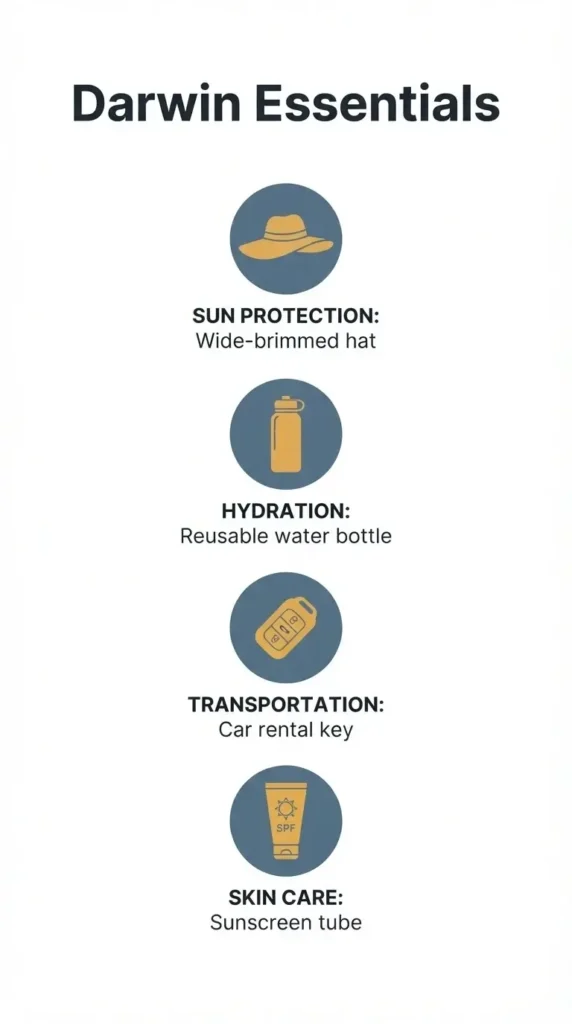
- The Heat: It is always hot. Wear light, breathable clothing. Don’t be the tourist wearing jeans in the midday sun.
- Getting Around: While you can walk the city, renting a car for at least one day is the best way to see the national parks.
- Sun Safety: The sun in the Northern Territory is intense. I carry a wide-brimmed hat and sunscreen everywhere.
- Hydration: Carry a reusable water bottle. Darwin has plenty of refill stations.
Taking that first step into the unknown is the hardest part. Whether you are coming from a corporate office or you’re just starting your journey, Darwin provides a beautiful, challenging, and rewarding environment to test your confidence. You are capable of much more than you think. Now, stop waiting for the “right time.” The right time is the time you take for yourself.