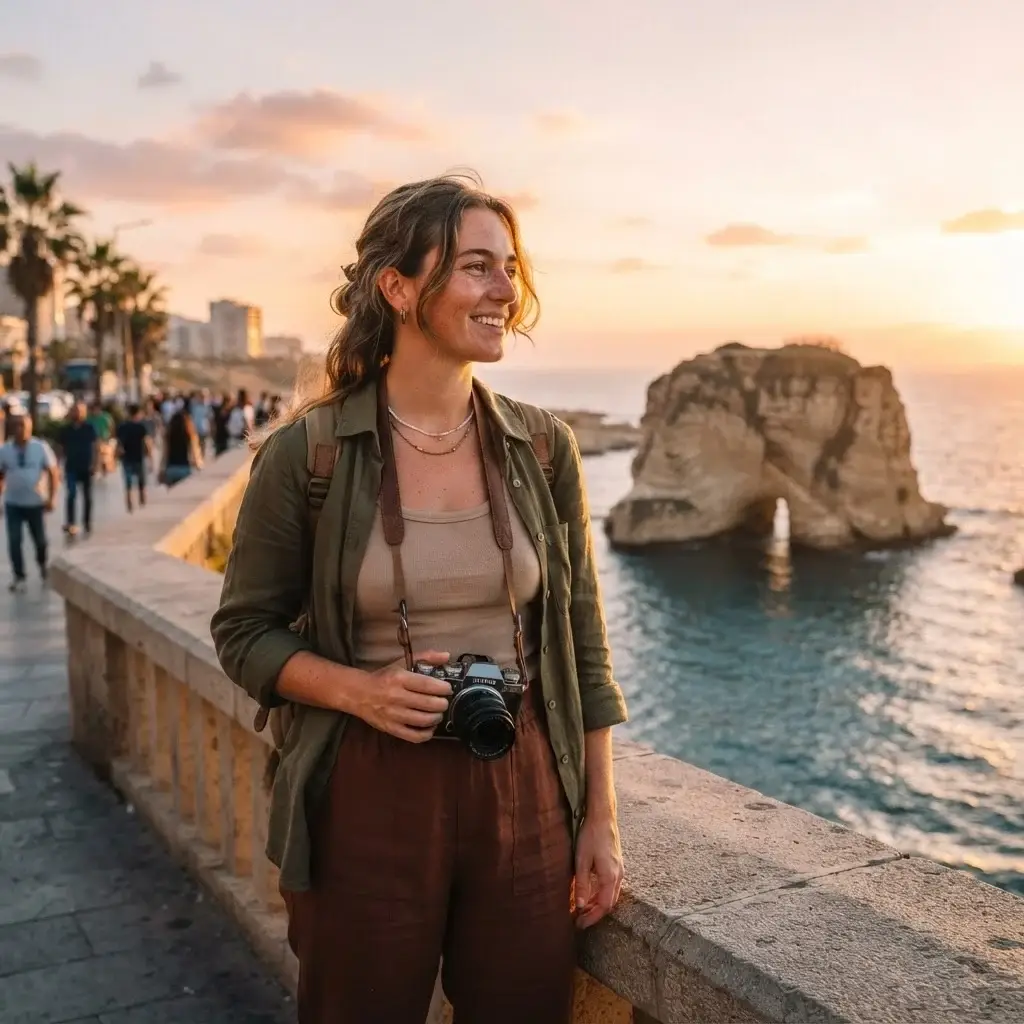
I still remember the day I walked away from my traditional office job. I was sitting at a gray desk in a gray room, staring at a spreadsheet, thinking about all the places I was not. I was tired of living a life where travel was just a two-week escape from reality.
Years ago, back when I was working as a certified sightseeing guide in New York City, I spent my days showing people the beauty of my hometown. I loved the energy of a crowded city. I loved the chaos, the history, and the loud, beating heart of a metropolis. Later, when I was teaching English in Thailand, I learned how to embrace the unknown and find peace in places that felt completely foreign to me.
All of these past experiences came rushing back to me when I finally made it to Lebanon.
Beirut is not a quiet city. It is a loud, proud, scarred, and stunning place. It is a city of deep contrasts, where bullet-pocked walls stand right next to shiny new luxury apartments. If you are sitting at home right now, daydreaming about a trip that will actually challenge you and change you, this is the place.
I know the idea of visiting Lebanon can feel scary. You might have friends and family telling you it is not safe. But I am here to tell you that solo travel is accessible to more people than they realize. You do not need to wait for the perfect time to go. The perfect time is right now.
If you are short on time, you might be wondering if a quick trip is even worth it. The answer is yes. Exploring Beirut in 2 days is a fast-paced cultural dive that will leave you hungry for more.
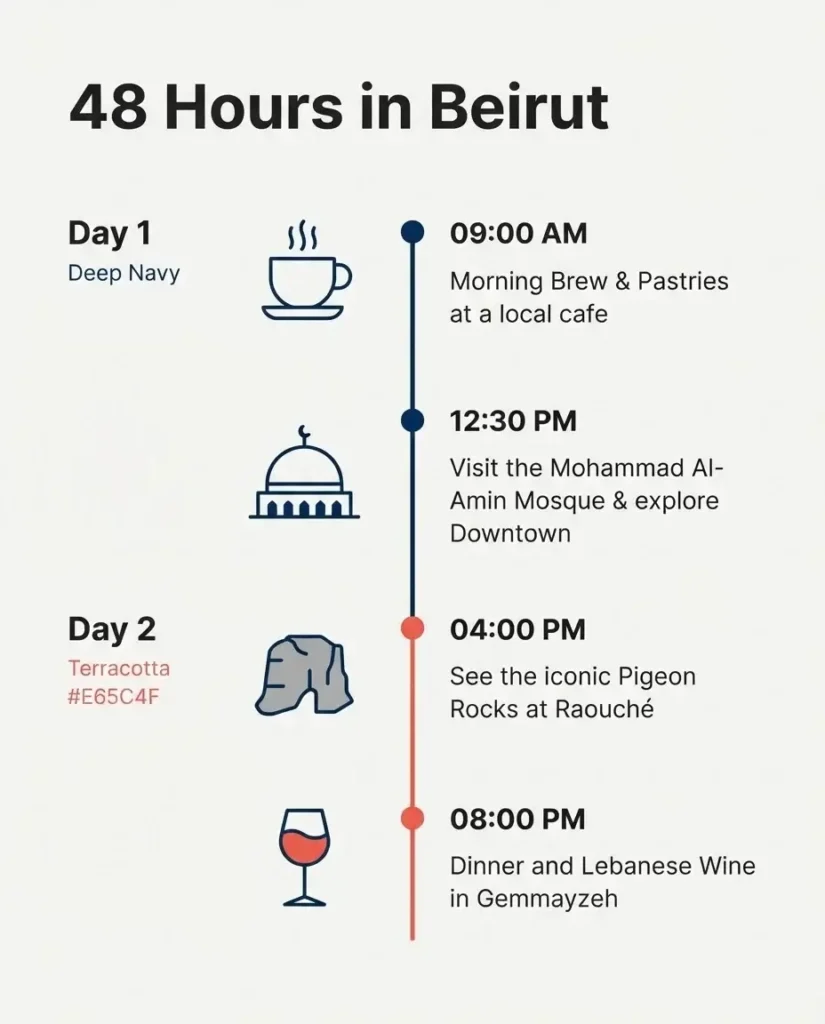
It is enough time to eat incredible food, see deep history, and meet some of the warmest people on earth.
Here is my completely honest, deeply practical, and step-by-step guide to making the most of your 48 hours in this magical city.
Things You Must Know Before You Arrive
Let us get the serious stuff out of the way first. Travel should enrich your life, not stress you out. To make sure your trip goes smoothly, you need to understand how Beirut works right now. The rules here are a little different than in Europe or North America.
The Cash Crisis and Bringing Money
This is the most important thing you need to know. Lebanon has been going through a severe economic crisis for a few years. Because of this, the banking system is mostly broken for everyday use.
You cannot rely on your credit card. You cannot rely on ATMs.
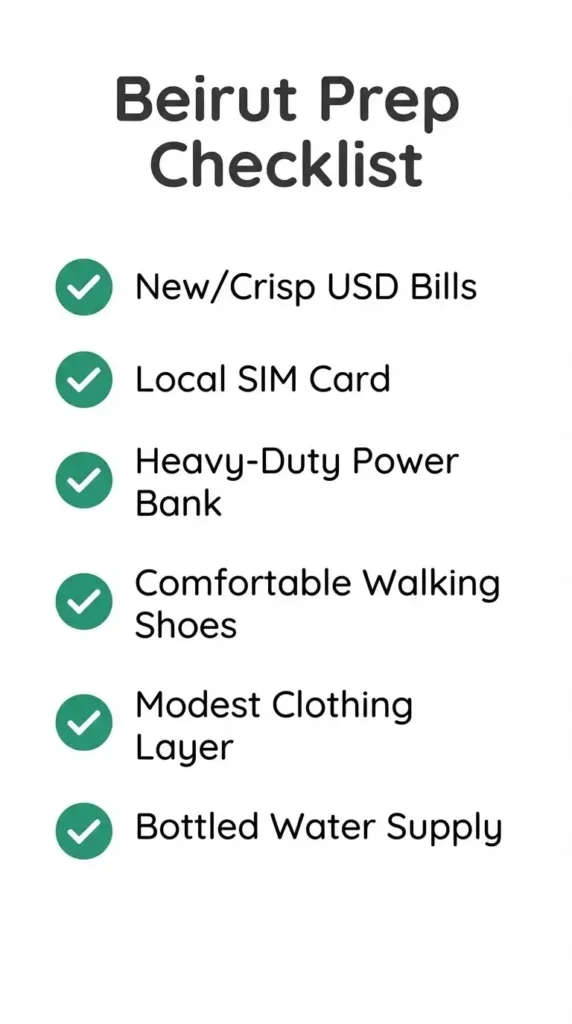
You must bring crisp, new, perfect United States Dollar (USD) bills with you. When I say perfect, I mean no tears, no ink marks, and no heavy folds. Many shops and exchange places will reject a dollar bill if it looks old or damaged.
You will use these dollars to pay for big things, like your hotel. For smaller things, like a cup of coffee or a taxi ride, you will exchange your dollars for Lebanese Lira (also called the Lebanese Pound). Do not exchange all your money at the airport. The rates there are terrible. Instead, ask your hotel front desk where the closest safe exchange shop is.
Staying Connected
When you land at Beirut-Rafic Hariri International Airport, buy a local SIM card before you leave the arrivals hall. There are two main companies: Alfa and Touch. Both are fine.
Having data on your phone is highly important. You will need it to call Ubers, check maps, and translate Arabic words. Do not rely on public Wi-Fi in Beirut. Because of power cuts (which I will explain next), Wi-Fi can drop randomly. A local SIM card keeps you connected and confident.
Understanding Power Cuts
Beirut has scheduled power outages every single day. The government grid does not provide 24/7 electricity. Most hotels, hostels, and nice restaurants have their own private generators, so you might only notice a quick flicker before the lights come back on.
However, if you are renting an Airbnb or walking down a quiet street at night, you might find yourself in the dark. Always pack a heavy-duty power bank to keep your phone charged. I also highly recommend carrying a small flashlight, or just making sure your phone flashlight is easy to access.
Health and Safety
Safety is always a big question. As a solo female traveler, I felt incredibly welcomed in Beirut. The hospitality of the Lebanese people is unmatched. However, regional politics can shift quickly. Before booking any flights, I always make it a habit to check the current advisories on the US Department of State Travel website just so I know exactly what to expect.
When it comes to your stomach, you should be careful with the tap water. Do not drink it. Use bottled water for drinking and for brushing your teeth. You can get more details on specific health and water safety advice from the CDC Travelers’ Health page, but the main rule is simply to stick to sealed bottles.
Day 1: The Heart of the City and Deep History
Your first day is all about seeing the major contrasts of the city. We are going to walk a lot, so wear your most comfortable shoes. We will start in a bustling university district, move through the historic downtown, watch the sunset by the sea, and end in a lively neighborhood for dinner.
Morning: Coffee in Hamra and the AUB Campus
Wake up early and head to the Hamra neighborhood. Hamra used to be known as the intellectual center of Beirut. It is busy, loud, and full of life.
Start your morning at a local bakery (called a furun). You are looking for a classic Lebanese breakfast: the manousheh.
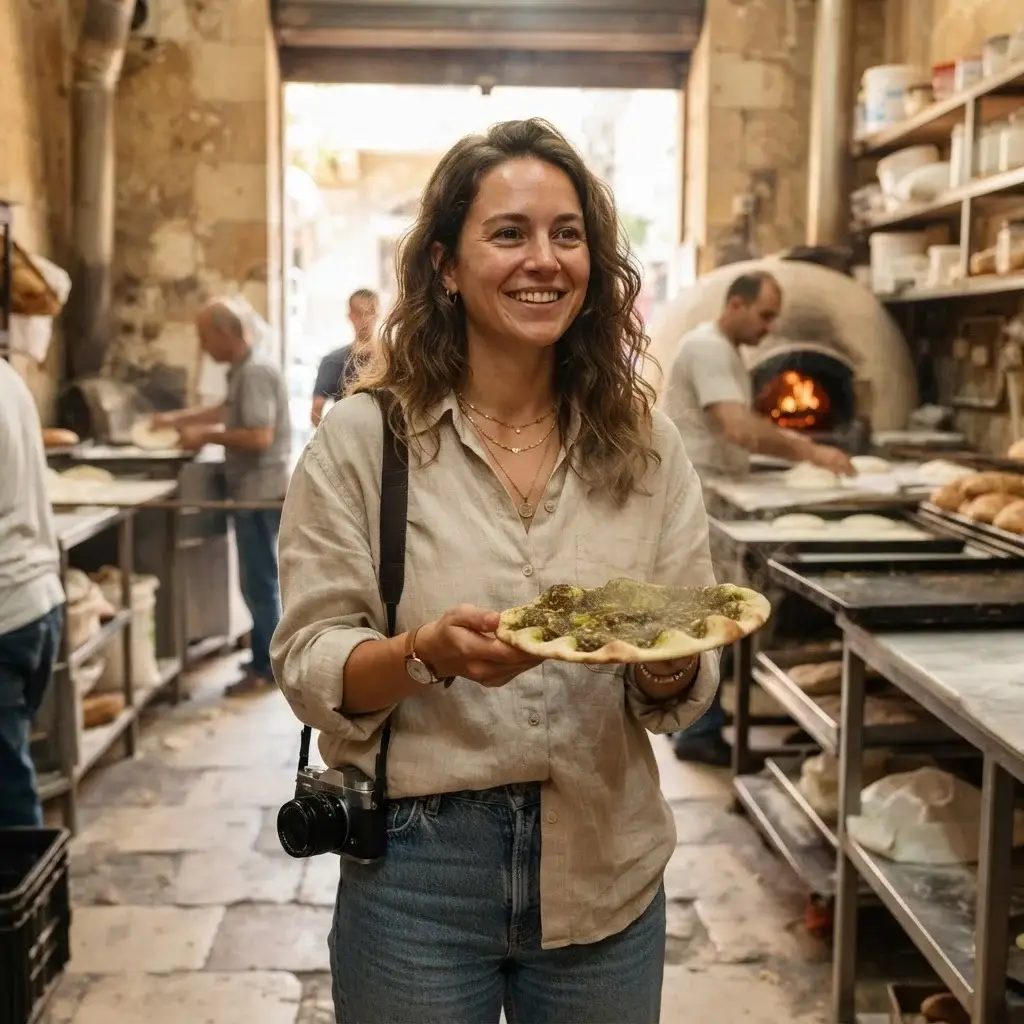
This is a flatbread baked in a brick oven, usually topped with za’atar (a mix of wild thyme, sesame seeds, and olive oil) or soft white cheese. It is cheap, warm, and deeply comforting. Grab a fresh juice or a strong Arabic coffee to go with it.
Once you have your breakfast, walk toward the American University of Beirut (AUB). This campus is a lush, green oasis in the middle of a very concrete city. You can enter through the main gate on Bliss Street. You might have to show your passport to the guard to walk around, so keep it handy.
The campus is built on a hill that slopes down toward the Mediterranean Sea. Stroll under the massive banyan trees, look at the historic stone buildings, and pet the friendly campus cats. It is a quiet, peaceful way to start your busy day.
Mid-Day: Downtown Beirut and Martyrs’ Square
Leave Hamra and take an Uber to Martyrs’ Square in Downtown Beirut.
Downtown Beirut (often called Solidere, after the company that rebuilt it) is stunning. After the long civil war, this area was completely reconstructed. The buildings look like they belong in Paris, with beautiful yellow stone and wrought-iron balconies.
Stand in the center of Martyrs’ Square. Look for the famous bronze statue in the middle. You will see that it is covered in bullet holes. The city left the statue this way on purpose, as a reminder of what the country survived.
Right next to the square, you will see the massive, stunning blue domes of the Mohammad Al-Amin Mosque. You can go inside, but you must dress modestly.
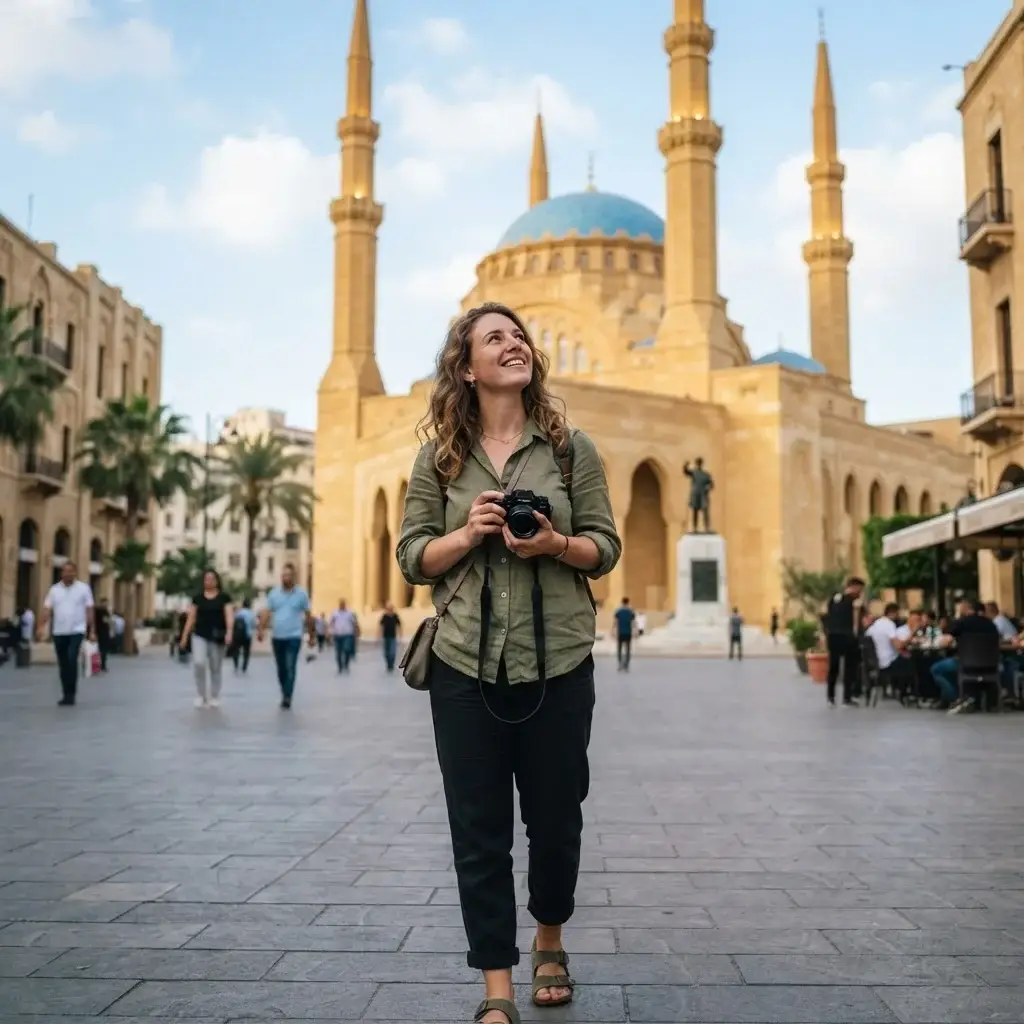
Women will be asked to wear a loose robe and cover their hair (they provide these at the door for free). The inside is grand, quiet, and beautiful.
Walk outside the mosque, and look right next door. You will see the St. George Maronite Cathedral. In Beirut, churches and mosques share the exact same walls. It is a powerful symbol of coexistence. Take your time walking through the empty streets here. Grab a quick lunch at a local spot—try a shawarma sandwich with extra garlic paste (toum).
Late Afternoon: The Pigeon Rocks at Raouche
Around 4:00 PM, you want to head to the coast. Take an Uber to the Raouche neighborhood to see the famous Pigeon Rocks.
These are two massive natural rock formations standing proudly in the sea just off the coast. This is the classic postcard image of Beirut. There is a wide sidewalk along the coast called the Corniche.
Walk along the Corniche. You will see local families drinking coffee, older men fishing off the rocks, and teenagers riding bikes. Find a spot at the Bay Rock Cafe. Order a mint lemonade, sit by the glass window, and watch the sun go down right behind the massive rocks. It is one of those perfect travel moments where you realize just how beautiful the world is.
Evening: Dinner and Drinks in Mar Mikhael
When it gets dark, it is time to eat. Beirut has some of the best food on the planet. Take a car to Mar Mikhael. This is the trendy, artistic, and vibrant nightlife district of the city.
The main street, Rue Gouraud, is packed with restaurants, art galleries, and small bars. For dinner, I highly suggest going to a place called Loris or Enab. You want to order traditional Lebanese mezze.
Do not just order a main dish. Mezze is all about sharing small plates. Order creamy hummus, bright and lemony tabbouleh salad, batata harra (spicy potatoes fried with garlic and cilantro), and warm pita bread. Eat slowly. Soak in the music, the chatter, and the warm evening air.
Exploring Beirut in 2 days means packing your schedule, but dinner in Lebanon is never rushed. Take your time.
Day 2: Culture, Art, and Coastal Vibes
Your second day is focused on understanding the soul of the city. We are going to dive into the art scene, learn about the ancient history of the region, and end with a beautiful coastal walk.
Morning: Sursock Museum and Gemmayzeh
Start your day in the Gemmayzeh neighborhood, which is right next to Mar Mikhael. This area is famous for its narrow streets and traditional Lebanese architecture. Look up, and you will see old homes with triple-arched windows and beautiful balconies.
Walk up the Nicolas Sursock stairs. These are a famous set of painted stairs that lead up a steep hill to the Sursock Museum.
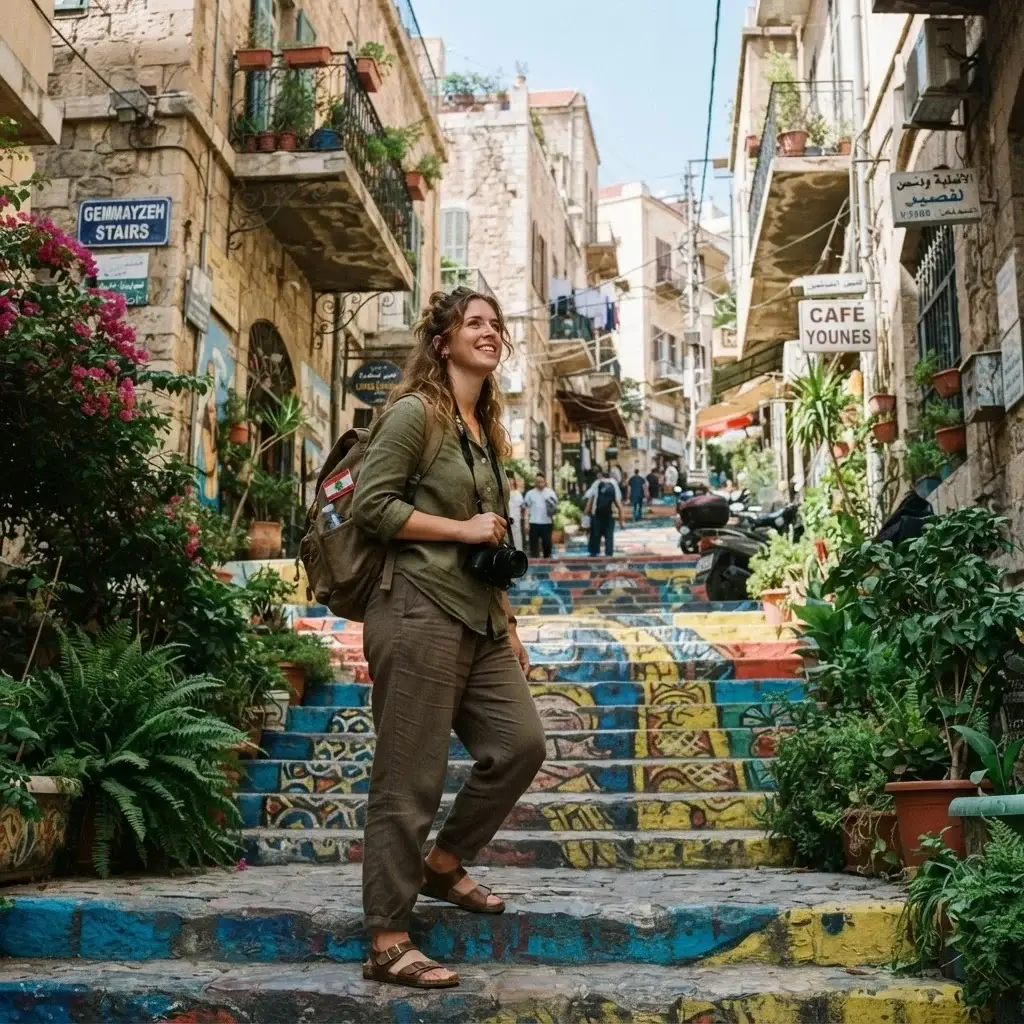
The Sursock Museum is a modern art museum housed in a breathtaking 19th-century mansion. The architecture alone is worth the trip. The building has bright white walls, intricate stained glass windows, and a grand staircase. The museum focuses on Lebanese and international contemporary art. It is a quiet, reflective place to spend your morning. Admission is usually free, but donations are greatly appreciated.
After the museum, walk back down into Gemmayzeh. Stop at a local cafe for a strong cup of coffee. If you want a broad overview of the country’s different regions, you can read the general destination guide over at Lonely Planet, but I promise this itinerary has your two days fully covered for the city itself.
Mid-Day: The National Museum of Beirut
It is time to dive deep into history. Take a short taxi ride to the National Museum of Beirut.
I have been to many museums around the world, but this one is truly special. The museum sits on what used to be the “Green Line,” the road that divided the city during the civil war.
Inside, you will find thousands of years of history. Lebanon is one of the oldest inhabited places on earth. You will see ancient Phoenician statues, Roman mosaics, and bronze figures.
But the most moving part of the museum is learning how the staff saved the artifacts during the war. They built thick concrete walls around the heavy statues to protect them from bombs and sniper fire. Some artifacts still show signs of fire damage. It is a beautiful, emotional reminder of how much the Lebanese people care about protecting their heritage. Take at least two hours here. Read the plaques. Let the history sink in.
Lunch: A Taste of Local Life
After the museum, you will be hungry. Head back toward the Gemmayzeh area and eat at Le Chef.
This is a legendary local restaurant. It is not fancy. It is not a luxury dining experience. It is simple, home-cooked Lebanese food served in a bright, loud, happy room. The late Anthony Bourdain ate here and loved it.
The staff will greet you with a loud “Welcome!” when you walk in. Order whatever the daily special is. It might be a rich lamb stew with rice, or stuffed zucchini in a tomato broth. This is authentic, working-class food that fills your stomach and your soul.
Late Afternoon: Zaitunay Bay and the Marina
After a heavy lunch, it is time for a slow walk. Head over to Zaitunay Bay.
This is the upscale marina area of Beirut. It feels completely different from the chaotic, historic streets of Gemmayzeh. Here, you will find a wide wooden boardwalk wrapped around a harbor filled with massive, shiny luxury yachts.
While I am not a luxury traveler, I love walking through this area to see the contrast. It shows the incredible resilience of a city that constantly rebuilds itself. Grab an ice cream from one of the small stands on the boardwalk. Sit on a bench, watch the water, and let your feet rest.
Evening: A Farewell Feast in Badaro
For your final night in Beirut, I want you to skip the heavy tourist areas and head to the Badaro neighborhood.
Badaro is a leafy, relaxed neighborhood loved by locals, expats, and students. The main street is lined with huge trees and dotted with cozy bars and great restaurants. It feels safe, welcoming, and very laid-back.
Find a table outside. Order a glass of local Lebanese wine. Lebanon actually has a massive wine region in the Bekaa Valley, and their red wines are fantastic.
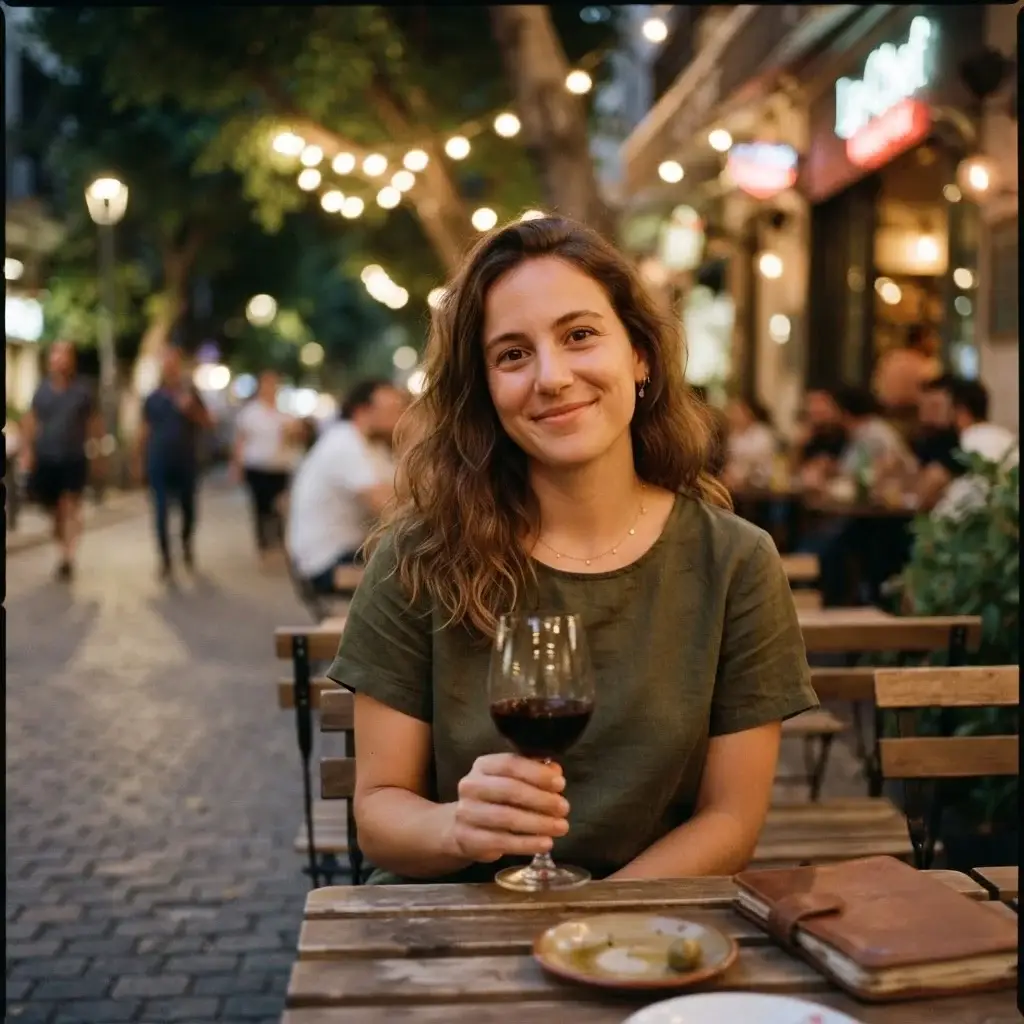
Order some grilled meats (tawouk) or a halloumi salad. Reflect on how much you have seen. Exploring Beirut in 2 days is a whirlwind, but sitting in Badaro on a warm evening makes you realize how quickly this city feels like a friend.
Practical Tips for Navigating Beirut
To make sure your trip is a success, you need to know how to move around and how to pack. Confidence grows through action, and having the right practical knowledge makes taking that action much easier.
How to Get Around Safely
Do not try to rent a car and drive in Beirut. The traffic is chaotic, the rules of the road are mostly suggestions, and parking is impossible.
As a solo traveler, your best friend is Uber. Uber works very well in Beirut. The cars are usually clean, and you do not have to negotiate the price in Arabic because it is set in the app. Always choose the option to pay in cash (using Lebanese Lira) because paying with an international credit card on the app will often charge you the wrong bank rate, which will cost you way more money.
You will also see shared taxis driving around honking at people. These are called “Service” (pronounced ser-vees). You flag them down, tell them your neighborhood, and if they are going that way, you hop in with other strangers for a cheap flat fee. As a first-time visitor on a short trip, I suggest sticking to Uber. It is safer, easier, and less stressful.
Because traffic can be highly unpredictable, I always make sure I have proper coverage before any trip to a complex city. I highly suggest reading up on coverage options from World Nomads Travel Insurance because peace of mind is worth every penny when you are navigating unfamiliar streets or dealing with delayed flights.
What to Pack for Beirut
Packing for Beirut means packing for different types of experiences. The city is very fashion-forward. People dress well here. You do not need to cover up completely, but you should dress respectfully.
Here is what you absolutely need:
- Comfortable walking shoes: The sidewalks are uneven, and you will be walking for miles.
- A scarf or light cardigan: You need this to cover your shoulders if you decide to go inside a mosque or a church.
- A heavy-duty power bank: As I mentioned earlier, power cuts happen. Keep your phone alive.
- A cross-body bag: This keeps your cash and passport secure against your body while you walk through crowded markets.
- An open mind: This is the most important thing to pack. Beirut will surprise you. Things will not go exactly to plan. A street might be blocked off, a museum might close early, or a sudden rainstorm might hit. Embrace it. Mistakes, surprises, and challenges are often the most memorable parts of a journey.
Where to Stay
If you only have two days, location is everything. Do not stay far outside the city to save a few dollars. You will waste all your time in traffic.
- Hamra: Best for budget travelers and people who want to be right in the middle of the loud, busy, traditional action.
- Mar Mikhael / Gemmayzeh: Best for art lovers, foodies, and people who want to walk out of their hotel and instantly be surrounded by great restaurants and cafes.
- Achrafieh: Best for solo travelers who want a quieter, slightly more upscale and residential feel. It is very safe and beautiful to walk around.
Final Thoughts on Exploring Beirut in 2 Days
When I left my office job to build a life centered around travel, people told me I was crazy. They told me that going to places like the Middle East alone was too risky, too hard, and too confusing.
They were wrong.
Travel is not about checking destinations off a list in a perfect, problem-free way. Travel is about personal growth. It is about stepping beyond your comfort zone and realizing that you are capable of navigating a chaotic, beautiful, ancient city all by yourself.
Exploring Beirut in 2 days will not make you an expert on Lebanon. But it will give you a taste of a culture that is warm, resilient, and deeply hospitable. It will show you that the world is so much bigger, kinder, and more complicated than we see on the news.
Stop waiting for the perfect moment. The perfect time to travel rarely exists. Book the ticket, pack your comfortable shoes, bring some cash, and go discover the magic of Beirut for yourself. You can do this.