
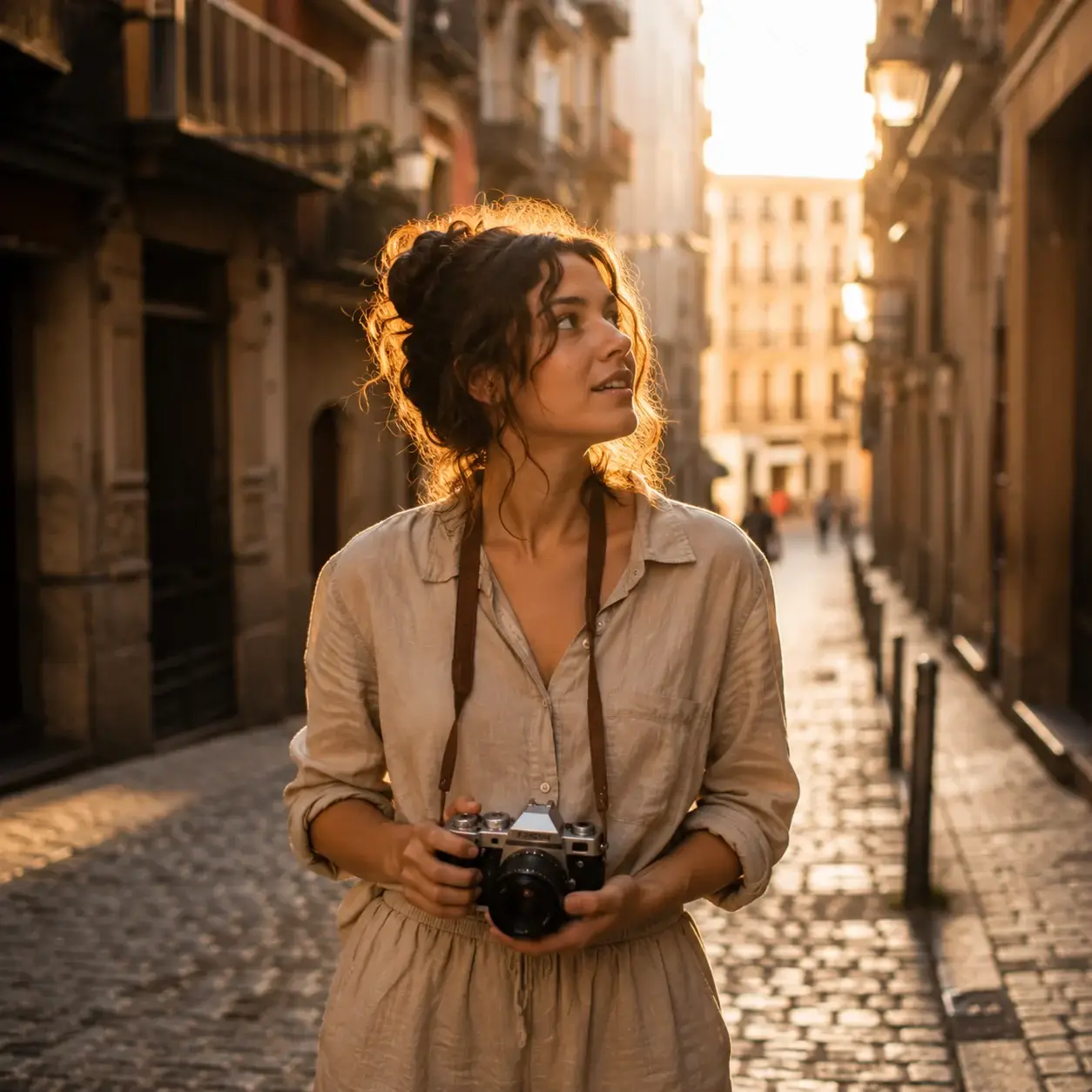
I still remember the gray fabric walls of my old office cubicle in New York. Every morning, I would sit down with my lukewarm coffee, open up a spreadsheet, and stare out the window at the brick walls across the alley. I was following the path everyone told me to take. I had a stable job, a predictable routine, and a steady paycheck.
But I was completely miserable.
My mind was always somewhere else. I dreamed of crowded night markets in Bangkok, quiet stone alleys in European villages, and the crisp morning air of the Andes mountains. Whenever I looked at my bank account, though, panic set in. I was drowning in student loans and living in one of the most expensive cities in the world. How could a normal person like me afford to see the world without going broke?
To make my travel dreams happen, I had to change everything. I left that traditional office job and started working flexible hours as a certified New York sightseeing guide. I spent nights waitressing until my feet ached, putting every single dollar bill into a separate travel savings account. I learned exactly how to stretch a dollar until it snapped. Later, I moved halfway across the world to teach English in Thailand, which taught me the beautiful art of slow, local living.
Through years of trial and error, I discovered a massive secret: building city itineraries for budget travelers isn’t about skipping the best parts of a destination. It is about changing how you see them. You do not need a massive bank account to experience the beating heart of a great city. You just need a smart, realistic plan.
In this deep-dive guide, we are going to break down how to build highly immersive, affordable city itineraries from scratch. I am going to share the exact strategies I use to explore major urban centers around the world without losing my peace of mind or my savings.
The Core Framework of an Affordable Urban Adventure
Most people plan trips backward. They open up social media, find ten expensive tourist attractions, and try to build a timeline around them. By day three, they are exhausted, frustrated, and completely out of money.
When you are putting together city itineraries for budget travelers, you have to shift your mindset. A great itinerary is built like a house. Accommodation is your foundation, public transit is your frame, and local food is what makes it feel alive. The sightseeing attractions are just the paint on the walls.
The Power of One Geographic Zone Per Day
The biggest budget killer in any major city is transport. If you spend your morning on the north side of Paris and your afternoon on the south side, you will waste hours of time and a small fortune on transit fares.
I use the “Hub and Spoke” cluster method. Grab a map and divide the city into clear geographic zones. Group your activities so that everything you do on a Tuesday stays within a twenty-minute walk of that day’s central hub. Not only does this save your wallet, but it also allows you to slow down and actually notice the neighborhoods you are walking through. You cross paths with local school kids, discover tiny neighborhood bakeries, and experience the real rhythm of the city.
Embracing the “Slow Travel” Pace
When I first backpacked solo across Europe, I tried to see four cities in ten days. I was constantly packing my bag, running for trains, and checking things off a checklist. I didn’t actually experience Europe; I just experienced European transit hubs.
True budget travel thrives on slow movement. When you stay in a city for five to seven days instead of two, your costs drop dramatically. You can book weekly transit passes, get discounts on accommodation, and find the affordable grocery stores where locals actually shop. Most importantly, your travel anxiety melts away. You give yourself permission to sit on a park bench for an hour and just watch the world go by.
Navigating the Big Pillars: Sleeping, Transit, and Eating
Let’s look at the three major expenses that can make or break your trip budget. If you handle these three areas with a bit of strategy, you can easily cut your daily spending in half.
Accommodation Beyond the Main Tourist Strip
When I worked as a sightseeing guide in Manhattan, travelers always asked me where to find cheap hotels near Times Square. My answer was always the same: You don’t.
If you want affordable accommodation that still feels safe and welcoming, look for neighborhoods that sit two to three subway stops outside the primary tourist core. These areas are where the people who actually live in the city reside.
- Hostels and Guesthouses: If you are traveling solo, a bed in a highly rated hostel dorm is an absolute goldmine. It isn’t just about a cheap place to sleep; it is an instant community. You meet people from every corner of the earth, share cooking tips in the communal kitchen, and find partners to split food costs with. Look for family-run guesthouses if you prefer private rooms.
- The Neighborhood Check: Before you book, check the proximity to public transport. A cheap room isn’t actually cheap if you have to take an expensive taxi ride home every single night because the local trains stop running early.
Mastering Local Public Transit
Taxi cabs and rideshare apps are the easiest ways to drain your travel fund. True budget itineraries rely entirely on the transit systems used by the locals.
When you arrive at a new airport, avoid the long taxi lines. Look for the airport rail link or the express public bus. For daily exploration, always check for multi-day transit passes at the station kiosk. Many major cities offer unlimited three-day or seven-day transit cards that pay for themselves after just a few rides.
If you are traveling in Southeast Asia, using local transport is part of the cultural experience. While public buses and trains are incredibly affordable, sometimes you need a direct point-to-point ride. Instead of hailing a random taxi on the street where prices can be unpredictable, I highly recommend downloading the region’s top transit app. You can look at the official Grab app overview to see how upfront pricing and motorbike taxis can keep your transit budget completely safe and transparent.
Eating Like a Local, Not a Tourist
Food is one of the greatest joys of travel, but eating three meals a day at sit-down restaurants along major tourist boulevards will quickly break your budget.
My golden rule for food is simple: Walk three blocks away from the main tourist attractions before looking for a place to eat. If a restaurant has menus translated into four different languages with pictures on the front, move on. Look for the tiny places packed with locals, students, and office workers.
- The Lunch Special: In many parts of Europe and Latin America, restaurants offer a fixed-price lunch menu called a menú del día or formule. You get a starter, a main course, and often a drink or dessert for a fraction of the evening price. Make lunch your main meal of the day, and eat a lighter, simpler dinner.
- Street Food Markets: Night markets and open-air food stalls are where you find the most authentic, vibrant flavors on earth. From pad thai in Bangkok to tacos in Mexico City, street food is fast, delicious, and incredibly cheap.
- The Grocery Store Picnic: Don’t underestimate the power of a local supermarket. One of my favorite travel traditions is going to a neighborhood grocery store, picking up a fresh loaf of bread, some local cheese, fruit, and a bottle of water, and finding a beautiful public park or riverbank for an afternoon picnic. It costs just a few dollars and gives you a front-row seat to local daily life.
3 Deep-Dive Global Itinerary Models
To show you exactly how these principles work in the real world, let’s explore three distinct, deeply detailed itinerary models across three completely different regions. These frameworks show how you can structure city itineraries for budget travelers in a way that prioritizes depth, safety, and authentic experiences.
Model 1: The Cultural Slow-Burn in Bangkok, Thailand
Bangkok is a sensory wonderland. It is a city where ancient glittering temples stand shoulder-to-shoulder with massive modern shopping malls and winding canal communities. It is one of the absolute best destinations on earth for budget travelers because your money goes incredibly far if you know how to navigate the city like a local.
Day 1: The Historic Riverside (Phra Nakhon District)
Start your day early to beat the intense midday tropical heat. Skip the expensive tuk-tuks outside your hostel and take the local Chao Phraya Express Boat with the orange flag. It costs less than a dollar and gives you an incredible view of the river life.
- What to See: Head straight to Wat Pho, the Temple of the Reclining Buddha. While the Grand Palace next door has a very expensive entry fee, Wat Pho is much more affordable and houses a breathtaking forty-six-meter-long golden Buddha. Walk through the courtyard and admire the intricate porcelain stupas. After the temple, wander through the nearby Tha Phra Chan Amulet Market, where local collectors use magnifying glasses to study tiny clay amulets.
- Culinary Tip: For lunch, find a small riverside stall serving Pad Kra Prow (holy basil stir-fry with minced pork or tofu) topped with a crispy fried egg. It should cost very little and give you an authentic kick of local spice.
- Navigation Advice: To cross the river to see Wat Arun (The Temple of Dawn), do not accept rides from private longtail boat operators who charge high prices. Use the official cross-river ferry that costs pennies per ride.
Day 2: Market Culture and Green Spaces
Get ready to experience the pure, chaotic energy of local commerce.
- What to See: If you are here over the weekend, make your way to the Chatuchak Weekend Market. It is one of the largest open-air markets in the world. The secret to surviving Chatuchak is to go around 9:00 AM just as the stalls open. Wander through the sections filled with local handicrafts, vintage clothing, and traditional ceramics. In the afternoon, take the underground MRT train to Lumphini Park. It is a massive green oasis in the middle of skyscrapers where you can watch older locals practicing Tai Chi and spot giant water monitor lizards sunning themselves by the lakes.
- Culinary Tip: Inside Chatuchak Market, look for stalls selling Khao Man Gai (Hainan-style chicken rice). The chicken is perfectly poached, and the rice is cooked in rich broth, served with a pungent chili and ginger dipping sauce.
- Navigation Advice: Utilize the elevated BTS Skytrain and the underground MRT system. They are clean, air-conditioned, and have clear English signage, making them the perfect escape from Bangkok’s famous traffic jams.
Day 3: Hidden Canals and Modern Contrast
Today is all about seeing the Bangkok that most tourists miss by traveling along the historic water highways.
- What to See: Board a commuter boat on the Khlong Saen Saep canal. This is a thrilling, fast-paced transit system used by local commuters. The boats move quickly down narrow canals, and deckhands hang onto the outside of the boat to collect fares. Take it to the Hua Chang pier. From there, you can walk to the historic wooden houses of the Baan Krua silk-weaving community.
- Culinary Tip: As night falls, head to the Wang Lang Market or the streets of Chinatown (Yaowarat Road). Look for a stall with a long line of locals and order a bowl of Kuay Teow Boat Noodles. These small, rich bowls of noodle soup are packed with flavor and cost almost nothing per bowl, allowing you to try several different varieties.
- Cultural Safety Note: When exploring these busy food hubs, it is always wise to keep your health in mind. Before your trip, you can check the official safety guidelines on the CDC Travelers’ Health destination pages to stay informed on recommended vaccines, water safety, and healthy travel habits for Thailand.
Model 2: The Art and Neighborhood Walk in Madrid, Spain
Madrid is a city of incredible light, grand stone plazas, and neighborhoods that feel like self-contained villages. Unlike other major European hubs that can feel like living museums, Madrid feels vibrantly alive. It is a city built for walking, making it an exceptional playground for affordable exploration.
Day 1: The Historic Heart and Free Art Hours
Madrid is home to some of the world’s greatest art collections, and if you plan your days correctly, you can see them without spending a single euro.
- What to See: Spend your morning on a self-guided walking tour starting at the Puerto del Sol, the central point of Spain’s radial roads. Walk down the grand Calle Mayor toward the Plaza Mayor, a stunning seventeenth-century arcaded square. Instead of eating in the square, admire the architecture and move along. In the evening, take advantage of the free entry hours at the world-famous Prado Museum. You can stand face-to-face with masterpieces by Velázquez and Goya for free during the last two hours of every operating day.
- Culinary Tip: For a classic, cheap Madrid lunch, head to a tiny bar near the Plaza Mayor like La Campana and order a Bocadillo de Calamares (a crusty bread roll stuffed with crispy, tender fried squid), washed down with a small glass of local draft beer.
- Navigation Advice: Madrid’s city center is highly compact. Skip the metro for this day and walk. The city’s topography is gentle, and walking is the only way to stumble upon the ancient stone fountains and hidden courtyards of the historic Austrias neighborhood.
Day 2: The Neighborhood Infiltration (Malasaña and Chueca)
To truly understand Madrid, you have to spend time in its diverse, energetic neighborhoods.
- What to See: Spend your day exploring the winding streets of Malasaña and Chueca. Malasaña was the heart of the Movida Madrileña counter-culture movement in the 1980s. Today, it is filled with independent bookstores, vintage thrift shops, and small plazas where neighbors gather to chat. Walk over to Chueca, the city’s vibrant LGBTQ+ neighborhood, to see beautifully restored apartments with iron balconies and bustling local markets.
- Culinary Tip: Skip the tourist-heavy San Miguel market and head to the Mercado de San Fernando in the Lavapiés neighborhood. Sit at a wooden counter and enjoy artisanal local cheeses, olives, and a glass of vermouth on tap at local prices.
- Navigation Advice: If you do need to use transit, purchase a 10-ride ticket (Multi Card) for the Madrid Metro. It can be shared between multiple travelers and is significantly cheaper than buying individual single tickets for every journey.
Day 3: Royal Gardens and Hidden Traditions
End your time in Madrid by connecting with its grand public spaces and centuries-old architectural heritage.
- What to See: Spend your morning walking through El Retiro Park, a massive, lush UNESCO World Heritage site that once belonged to the Spanish monarchy. Visit the breathtaking Palacio de Cristal, a conservatory made almost entirely of glass and iron that hosts free contemporary art installations. If you want to learn more about the deep cultural history of these grand spaces, you can browse the official UNESCO World Heritage listing for Madrid to read about the fascinating historic landscape of the Paseo del Prado and Buen Retiro.
- Culinary Tip: In the late afternoon, experience the traditional Merienda (afternoon snack). Find a historic, unassuming cafe like Chocolatería San Ginés or a smaller neighborhood alternative and order Churros con Chocolate. The churros are freshly fried, crispy, and served with a cup of warm chocolate so thick you can almost stand a spoon up in it.
- Navigation Advice: Take the Metro to the Moncloa station and head up to the Faro de Moncloa transmission tower, or find the steps near the Temple of Debod (an ancient Egyptian temple rebuilt in a Madrid park) for a stunning, completely free panoramic view of the Royal Palace and the vast Casa de Campo park at sunset.
Model 3: The Historic Footsteps in Cusco, Peru
Perched high in the Andes mountains, Cusco was once the capital of the mighty Inca Empire. Today, it is a mesmerizing blend of massive Inca stone foundations and whitewashed Spanish colonial buildings. It is a mandatory stop for anyone heading toward Machu Picchu, but the city itself holds incredible value for budget travelers who want to immerse themselves in indigenous culture, mountain landscapes, and ancient history.
Day 1: Acclimatization and Inca Foundations
Cusco sits at an altitude of over 3,400 meters (11,150 feet). The first rule of any budget itinerary here is to slow down completely on your first day so your body can adjust without expensive medical interventions.
- What to See: Start your day at the Plaza de Armas, the historic central square. Sit on a stone bench, admire the massive stone cathedrals, and look up at the green mountains surrounding the city. Take a slow, gentle walk down Calle Loreto. This narrow alleyway features some of the finest surviving Inca stonework in the city. The massive, interlocking granite stones were carved so perfectly that you cannot slide a single piece of paper between them, and they have survived massive earthquakes that toppled colonial structures.
- Culinary Tip: Find a local cafe and order a hot pot of Mate de Coca (traditional tea made from coca leaves). It is an ancient, natural remedy that helps soothe altitude sickness and keeps you hydrated.
- Navigation Advice: Cusco’s historic center is highly pedestrianized, but the cobblestones can be uneven and slick. Wear sturdy walking shoes with good grip, and take frequent breaks as you climb the steep, narrow stairways.
Day 2: Market Immersions and the Artisan Ridge
Today we climb up into the creative heart of the city to witness living Andean traditions.
- What to See: Head to the bustling San Pedro Market in the morning. This is a massive, covered sensory explosion where local families shop for everything from colorful Andean potatoes to traditional textiles. Walk past the fruit juice stalls, the rows of artisanal cheeses, and the stalls selling vibrant alpaca wool blankets. In the afternoon, slowly make your way up the steep hills to the San Blas neighborhood. This is the artisan quarter of Cusco, filled with whitewashed walls, blue doors, and tiny workshops where woodcarvers and weavers practice ancient techniques.
- Culinary Tip: Head to the back section of San Pedro Market where the food counters are located. Find a stall crowded with locals and order a steaming bowl of Sopa de Pollo (chicken vegetable soup) or a plate of Lomo Saltado (a delicious stir-fry of beef, onions, tomatoes, and french fries served over rice). It is incredibly filling, fresh, and costs a tiny fraction of what tourist restaurants charge just two blocks away.
- Navigation Advice: Avoid the expensive private taxis within the historic center. If you want to visit attractions slightly further out, look for the local mini-buses known as combis. They have their destinations written on the front windshield and cost a very small, flat fare.
Day 3: The High Ridges and Ancient Overlooks
Spend your final day in Cusco exploring the dramatic ridges that overlook the ancient valley.
- What to See: While many of the massive fortresses around Cusco require an expensive multi-site tourist ticket (Boleto Turístico), you can enjoy incredible ancient history for free if you know where to look. Hike up the ancient path past the San Cristobal church toward the white statue of Christ (Cristo Blanco) that stands on the hill overlooking the city. The panoramic view from the base of the statue is absolutely spectacular, showing the red tiled roofs of Cusco stretching out across the valley floor. Right next to the statue are the paths leading to the free, lesser-known archaeological remains of Inkilltambo.
- Culinary Tip: For a unique snack, look for local street vendors selling Choclo con Queso. This is giant-kernel Andean mountain corn boiled fresh and served warm with a thick slice of salty local cheese. It is incredibly satisfying, portable, and a staple of mountain life.
- International Travel Planning Note: When venturing into high-altitude mountain environments like Peru, your entry documentation and safety paperwork must be completely sorted. To check the most accurate up-to-date entry rules, visa fees, and official travel advisories, always consult the US Department of State travel requirements before you book your flights.
4 Crucial Pillars of Solo Travel Safety
When you are exploring major cities on a budget, you are often relying on your own feet, public transit, and neighborhood navigation. Safety should never be sacrificed to save a dollar. True confidence on the road comes from being prepared, aware, and proactive.
1. Situational Awareness and the “Sightseeing Guide” Mindset
When I worked as a sightseeing guide in New York, I could spot a vulnerable tourist from a block away. They were usually standing in the middle of a busy sidewalk, staring straight down at their phones, completely unaware of the crowded environment around them.
When you need to check your maps or directions, do not stop in the middle of a busy walkway. Step inside a local cafe, a hotel lobby, or a shop. Look around you, keep your head up, and walk with a clear, confident purpose, even if you are completely lost. If you look like you know exactly where you are going, you become a much less appealing target for pickpockets and opportunistic scammers.
2. Securing Your Cash and Tech
Budget travel means managing your own physical assets carefully.
- The Split-Cash Method: Never keep all your money, credit cards, and identification in a single wallet. Split them up. Keep a small amount of daily spending cash in an easily accessible pocket or a simple wallet. Keep your primary backup credit card, passport, and large emergency cash reserves hidden away in a secure travel pouch underneath your clothing or in a locked safety box inside your hostel.
- The ATM Check: When you need to withdraw local currency, never use independent ATMs sitting on random street corners or inside convenience stores, as they often have high fees and can be targets for card-skimming devices. Always use official ATMs located deep inside the secure lobbies of major, well-lit local banks during their formal operating hours.
3. Digital Connectivity and Emergency Preparedness
Your phone is your ultimate safety line when traveling independently.
- Offline Maps: Before you arrive in a new city, download the complete digital map of the entire urban area using Google Maps or Maps.me so you can navigate perfectly via GPS even if you lose cellular data or Wi-Fi.
- Local eSIMs: Buying a local SIM card or an affordable digital eSIM allows you to have constant access to transit apps, translation tools, and emergency contact numbers without risking massive roaming fees from your home carrier.
4. Protecting Your Journey
No matter how carefully you plan your city itineraries for budget travelers, the unexpected can always happen. Flights get delayed, luggage goes missing, or you might twist an ankle on an ancient stone staircase in Cusco. I never leave home without securing proper travel protection. If you want to understand what options are available to protect your gear, your health, and your travel funds while staying independent on the road, you can read the comprehensive World Nomads insurance guidance to find a flexible plan that matches your specific adventurous lifestyle.
Overcoming the Frugal Fear: Your Invitation to Adventure
I know how terrifying it can feel to look at a small bank account and a big world map. I remember sitting in that office chair years ago, listening to the hum of the fluorescent lights, thinking that travel was a luxury reserved exclusively for the wealthy, the privileged, or the lucky.
But the world does not require you to be rich to welcome you. It simply requires you to be curious, courageous, and willing to step outside the curated bubble of luxury tourism.
When you build thoughtful city itineraries for budget travelers, you aren’t missing out on anything. In fact, you are getting closer to the real magic of a destination. By riding the local buses, sharing conversations in hostel kitchens, eating street food at bustling market counters, and walking through vibrant neighborhood squares, you experience a city’s authentic pulse. You build a deep, unshakeable confidence in your own ability to navigate the world.
Stop waiting for the perfect financial moment or a massive lottery win. The world is out there, waiting for you to discover it. Grab a map, choose a city, build a realistic plan, and take that very first step. You are entirely capable of creating an unforgettable adventure on terms that work for you.



