
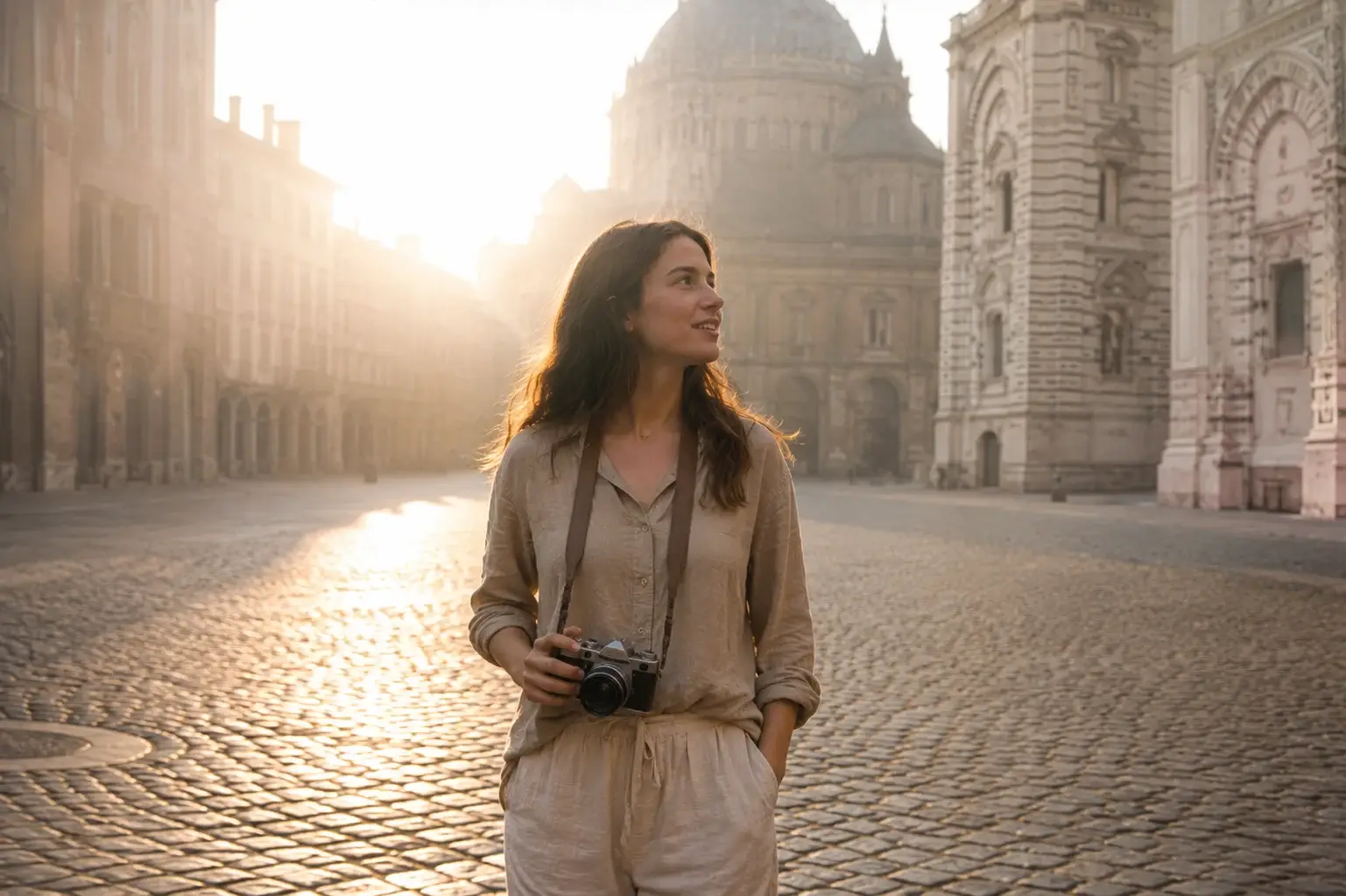
For years, I sat at a gray laminate desk in a corporate New York office, staring at walls that felt closer every day. I spent my mornings shuffling paper and my afternoons staring at stunning photos of historic European plazas, glittering Asian skylines, and beautiful stone palaces. Back then, I believed a massive lie. I thought experiencing the grand, historic, and beautiful side of world-class cities was a privilege reserved only for the wealthy. I thought that because I was scraping together pennies from occasional waitressing shifts and putting extra money aside while teaching English abroad, I was locked out of high-end travel forever.
When I finally gathered the courage to pack a single backpack and leave that 9-to-5 grind behind, I learned the truth. You do not need a massive bank account to experience the elegant side of a legendary city. The secret does not lie in how much cash you drop at the front desk of a resort. It lies in how smartly you design your days.
Today, we are diving deep into how to build the best luxury city itineraries for budget travelers. More importantly, we are going to look at the classic mistakes that drain your wallet and ruin your confidence. If you have ever felt worried that budget travel means staying in unsafe areas, eating terrible food, or missing out on the magic of a grand city, this guide is for you. Let’s pull back the curtain on how to travel beautifully without spending a fortune.
Mistake 1: Choosing High-Cost Neighborhoods for Your Stay
When people begin planning their trips, their first instinct is to book a room right next to the most famous monument in the city. If you look for a room two blocks from the Eiffel Tower in Paris or right on the grand plazas of Rome, you will pay a massive premium. You get a tiny, loud room, and you pay three times what it is actually worth.
Years ago, when I worked as a licensed sightseeing guide in New York City, I watched visitors do this constantly. They would spend their entire vacation fund on a bland hotel room in the middle of Times Square. They thought they were buying luxury, but they were actually buying noise, crowds, and overpriced tourist traps.
The Insider Alternative
Look for residential neighborhoods that sit just three to five metro stops away from the historic center. These areas are where local professionals, artists, and families actually live. The streets are cleaner, the buildings have authentic architectural character, and the prices drop by half.
In Paris, skip the tourist-heavy first arrondissement and look toward the leafy, quiet streets of the 11th or 12th arrondissements. In Rome, step away from the Spanish Steps and consider the residential charm of Garbatella or the tree-lined avenues of Testaccio. You still get beautiful stone buildings, local markets, and gorgeous neighborhood views, but you keep your budget intact.
How to Navigate It Safely
When you choose a neighborhood further from the center, your lifeline is the local transit system. Before you book any room, open a map and locate the nearest subway station or tram stop. If the walk is under seven minutes, you are in a perfect position.
Make sure the metro line connects directly to the central historic line without requiring three different train transfers. Walk the neighborhood via digital street views before you arrive. Look for active storefronts, local grocery shops, and well-lit sidewalks. This ensures you feel completely safe and autonomous when walking home alone after dark.
Mistake 2: Paying Full Price for Top-Tier Cultural Sites
Nothing destroys a smart travel budget faster than buying full-price walk-up tickets at major historic landmarks. If you show up at the Colosseum in Rome or the Grand Palace in Bangkok without a strategy, you will face two things: massive, exhausting ticket lines and peak seasonal pricing.
Many travelers assume that high entry fees are an unavoidable part of seeing the world’s finest art and architecture. That is completely false. You can walk through the most spectacular spaces on earth for next to nothing if you understand how cultural funding works.
The Insider Alternative
Almost every world-class cultural institution has designated free days, heavily discounted evening hours, or hidden entry passes. For example, many of the most spectacular, historic spots in Europe open their doors completely free on the first Sunday of the month.
If you are exploring historic cities, you can use the official resource pages provided by the UNESCO World Heritage Convention to build a list of globally significant cultural sites that offer open-access areas or public entry days. By structuring your daily schedule around these specific windows, you can walk through breathtaking stone halls and historic ruins without opening your wallet once.
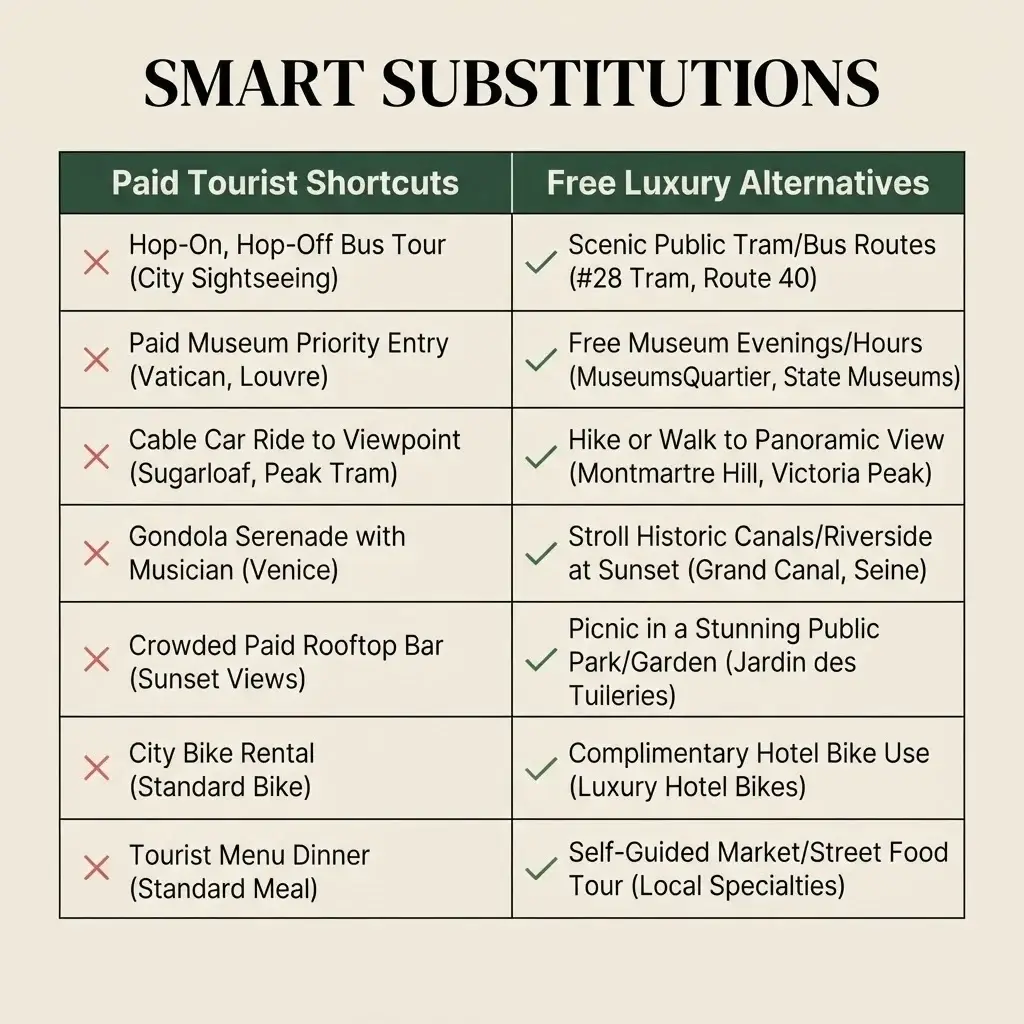
Additionally, do not ignore the power of grand public architecture. You do not need to pay to enter a private museum to see incredible design. Some of the most stunning spaces in the world are active train terminals, historic library reading rooms, and old university courtyards.
Walk into the stunning Grand Central Terminal in New York or the majestic public libraries of Boston and Dublin. These spaces cost nothing to enter, yet they offer an architectural experience that rivals any paid palace tour.

Cultural Insight: The Art of the Free Church Walk
In cities like Rome, Seville, and Florence, some of the absolute finest art on the planet is not hidden away in modern museums. It is sitting inside active, historic churches.
You can walk past a heavy leather curtain into an old neighborhood parish and find yourself standing directly in front of an original painting by Caravaggio or a sculpture by Michelangelo. These holy spaces are completely free to enter.
Always carry a light scarf or shawl in your daypack to cover your shoulders, maintain absolute silence out of respect for local worshippers, and bring a few small coins to drop into the light boxes that illuminate the altars. This gives you an intimate, deeply moving cultural experience that no crowded group tour can ever replicate.
Mistake 3: Relying on Taxis and Ride-Hailing Apps
When you land in a brand-new city after a long, exhausting flight, you feel vulnerable. Your bags are heavy, you do not know the language, and the temptation to walk outside and hop into a private taxi is incredibly strong.
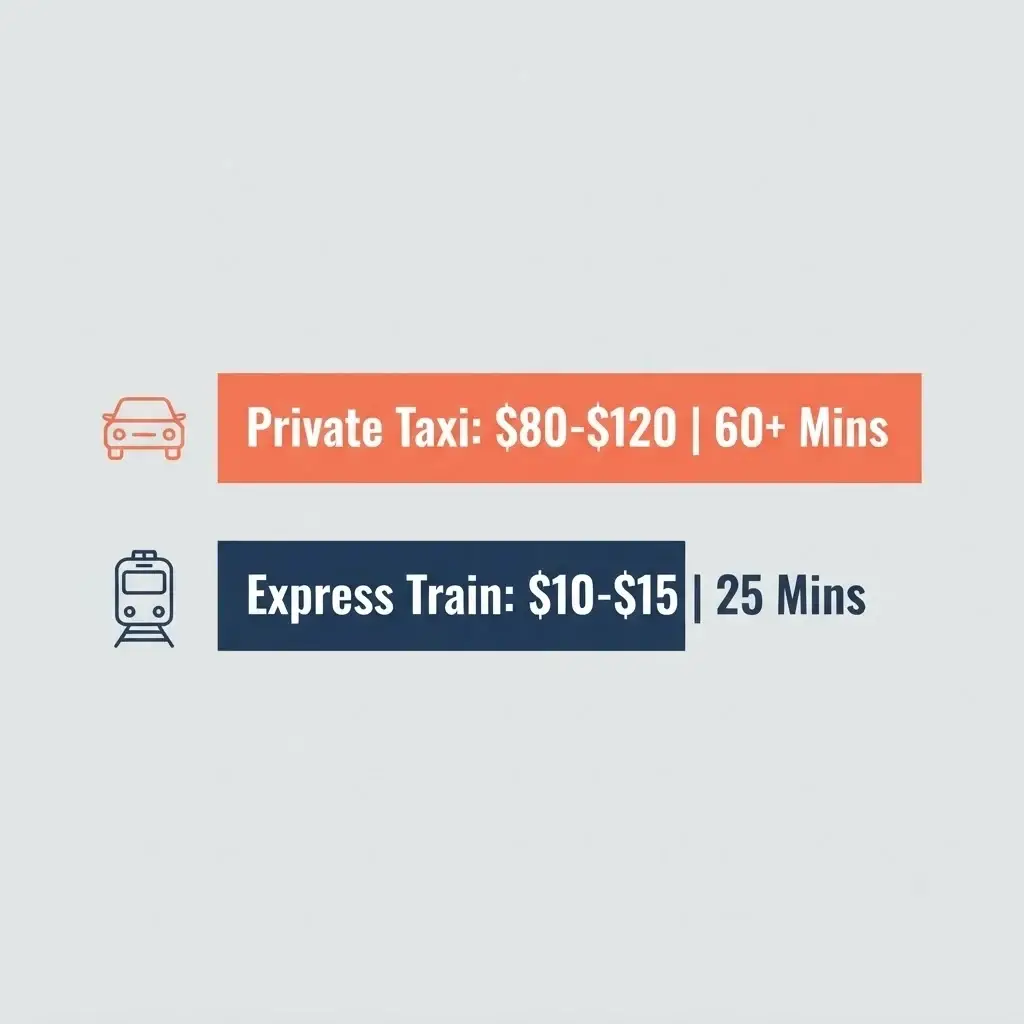
This is the exact moment many budget travelers make a mistake that costs them a massive chunk of their funds. Taking private cars from airports into major city centers can easily cost anywhere from $50 to $150. Furthermore, once you are in the city, relying on rideshare apps means you spend your days stuck in gridlocked traffic, watching a digital meter run up your bill while staring at the back of a driver’s head.
The Insider Alternative
The best luxury city itineraries for budget travelers rely entirely on high-speed rail links and modern public transit systems. Cities like Tokyo, Seoul, London, and Munich have spent decades building pristine, highly efficient train networks that connect airport terminals directly to the urban core.
These trains are not just cheap; they are often much faster than cars because they zip right underneath the congested highway traffic. You get clean seats, clear digital signage in multiple languages, and a smooth ride for a fraction of the cost of a private car.
Navigating Local Transit Apps
To travel with total peace of mind, download the local transit map and payment apps before you leave your house. If you are exploring cities across Southeast Asia, you should download the regional transport tools; you can read how the system functions on the Grab official app platform overview to understand local transport rates, safe booking practices, and digital payment connections.
For European and American cities, download apps like Citymapper or Google Maps. These tools show you exactly which train car to board, which exit to use when you leave the station, and how many minutes the journey will take.
Instead of buying single paper tickets every time you ride, look for rechargeable transit smartcards or multi-day visitor passes at the station kiosks. In many modern cities, you can simply tap your own contactless bank card or smartphone right at the turnstile to pass through instantly.
Mistake 4: Missing the Strategy Behind Fine Dining
When people think of luxury food, they usually picture formal dining rooms, crisp white tablecloths, and massive dinner bills that make their stomach drop. Because of this, many budget travelers completely avoid high-end culinary experiences. They spend their vacation eating bland, generic food from fast-food chains or cheap tourist cafes right next to major monuments. This is a massive loss. Food is the heartbeat of local culture, and you can experience world-class gastronomy without breaking your budget if you flip your schedule upside down.
The Insider Alternative: The Power Lunch
The absolute best trick for food-loving budget travelers is to target high-end, Michelin-starred, or historic restaurants during their midday lunch service. Almost every upscale restaurant in major world capitals offers a special set menu for lunch.
These midday menus often feature the exact same signature dishes created by the master chef, using the same top-tier ingredients as the dinner menu. However, because restaurants want to fill their tables during the day, the lunch menu is often priced 40% to 60% lower than the evening menu.
Emma’s Kitchen Secret: When I was backpacking across Europe on a tiny budget saved from long waitressing shifts, I used the lunch strategy to dine at an iconic, historic restaurant in San Sebastian. The evening dinner menu was completely out of my price range. But by showing up at 1:30 PM for their three-course lunch special, I experienced an incredible meal for the price of a standard neighborhood pizza.
High-End Restaurant Pricing Split:
[Lunch Set Menu] ===> $$$ (40-60% off, same kitchen, relaxed dress code)
[Dinner A La Carte] ===> $$$$$$$$$$ (Full price, formal expectations)
What to Eat: Savoring Authentic Street Food
True luxury is not about how expensive the plate is; it is about how authentic and well-prepared the food is. The most vibrant, delicious flavors in a city are found in its historic food markets and street stalls.
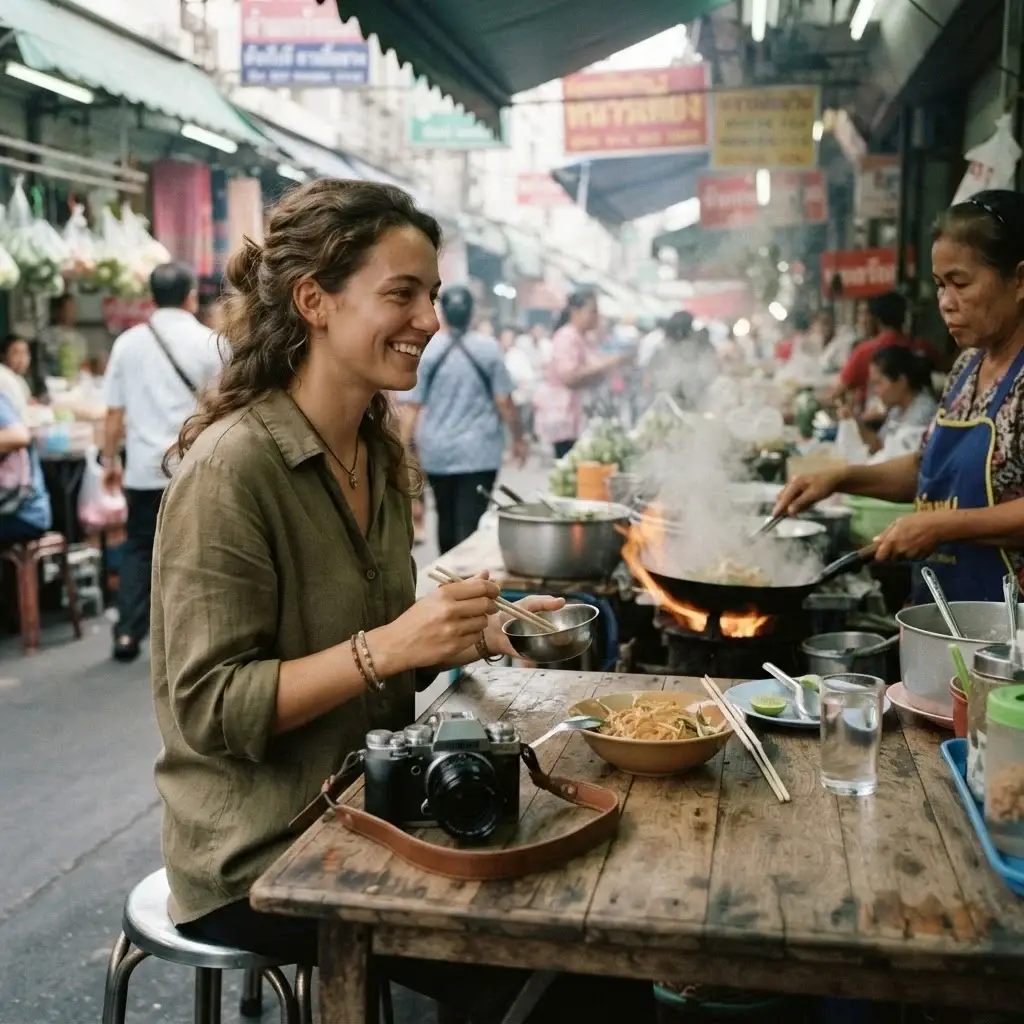
If you are planning a trip to Southeast Asia, you can find incredible culinary inspiration by browsing the official Tourism Authority of Thailand destination guides, which detail regional food specialties, legendary night markets, and local dining etiquette.
Look for the stalls that have long, fast-moving lines of local workers, students, and families. If the locals are willing to stand in line for it on their lunch break, the food is guaranteed to be fresh, intensely flavorful, and incredibly cheap.
Mistake 5: Booking Structured Group Tours Instead of Exploring Solo
It is completely normal to feel a little bit nervous when you step out into a massive, unfamiliar international city for the very first time. To combat this anxiety, many travelers immediately log online and book expensive, fully structured group day tours. They pay hundreds of dollars to be loaded onto a big tour bus with forty other strangers.
You spend your day being hurried from one crowded photo spot to the next, following a strict schedule that leaves zero room for spontaneous discovery. You view the city through a thick glass window, completely cut off from the real life happening on the sidewalks.
The Insider Alternative
You can build incredible solo travel confidence by designing your own self-guided walking routes. Walking through a city on your own two feet costs absolutely nothing, and it allows you to interact with the environment on a deep, personal level. You can stop to listen to a street musician, spend an extra hour sitting in a beautiful historic courtyard, or take a random turn down a quiet, cobblestone alleyway just because it looks interesting.
To structure your day without spending money, check the official website of the local city tourism board before you arrive. Most major cities offer free, high-quality downloadable audio walking guides.
You can simply download the audio tracks to your smartphone, plug in your headphones, and listen to expert local historians guide you through the city’s architecture at your own exact pace. You get the same deep historical context as a private tour guide, but you maintain complete freedom and save your money for things that matter to you.
Mistake 6: Ignoring Simple Health and Entry Safety Rules
When we think about designing the best luxury city itineraries for budget travelers, we often spend all our time focusing on hotels, food, and trains. We forget the boring, practical details that can completely derail a trip before it even starts.
There is nothing luxurious about being denied boarding at the airport gate because your passport does not have enough blank pages, or spending three days of your hard-earned vacation sick in a hotel room because you drank unsafe tap water. These administrative and health mistakes are incredibly costly to fix under pressure.
Administrative Safety Actions
Before you book a single flight, check your passport expiration date. Many countries will not let you cross their borders if your passport expires within six months of your arrival date.
To ensure you have all the correct paperwork and safety ratings, you should review the entry requirements and security notices on the US Department of State Travel advisory site for your specific destination. Make sure you know exactly whether you need to apply for a digital visa ahead of time, how many blank passport pages are required for entry stamps, and if there are any specific local laws you need to be aware of.
Health Maintenance Actions
Staying healthy on the road is the ultimate way to protect your travel budget. Medical bills in foreign countries can climb into thousands of dollars instantly if you are unprotected.
To prepare your body for the trip, read the destination health advisories and vaccine schedules listed on the CDC Travelers’ Health portal well before your departure date. This tells you exactly what vaccines you need, how to avoid bug bites, and whether the local tap water is safe for brushing your teeth.
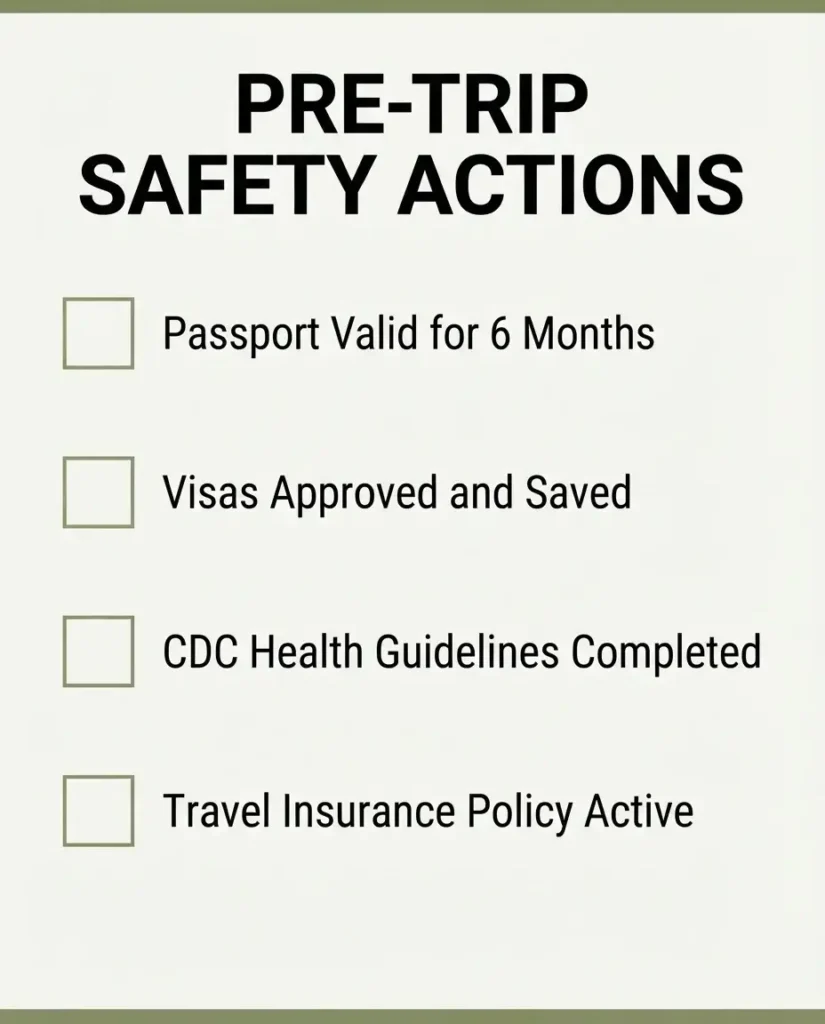
Pre-Trip Safety Checklist:
[ ] Passport valid for at least 6 months past arrival date
[ ] Visas approved and digital copies saved on phone
[ ] CDC vaccine recommendations reviewed and completed
[ ] Comprehensive travel insurance policy activated
Always pack a small, basic health kit in your luggage containing rehydration salts, pain relievers, and any personal prescriptions in their original bottles.
Finally, never leave your home country without a solid safety net. You can read through the comprehensive medical coverage and emergency flight options detailed on the World Nomads Travel Insurance advice pages to find a flexible plan that protects your health, your gear, and your peace of mind while exploring the world independently.
Mistake 7: Trying to See Everything in a Single Trip
The final, and perhaps biggest, mistake travelers make when designing their city itineraries is trying to pack far too many activities into a single day. People look at their limited vacation time and feel an overwhelming pressure to run from museum to monument to viewpoint without stopping to breathe.
They turn their vacation into an exhausting, high-stress corporate project. By day three, their feet are covered in blisters, their energy is completely drained, and all the historic sites start to blur together into a confusing cloud of old stone and paint.
The Philosophy of Slow Travel
True luxury travel is not a competitive sport. It is not about how many monuments you can cross off a checklist so you can show them off on social media.
The most beautiful, memorable moments of travel happen when you slow down and allow the city to unfold around you. The real magic is found in the quiet spaces between the famous landmarks.

It is the hour you spend sitting on a stone bench in a historic public park, watching local families feed the birds. It is the morning you spend nursing a single cup of rich espresso at a sidewalk cafe, watching the neighborhood wake up and come to life.
High-Stress Travel vs. Slow Luxury Travel:
[High-Stress] Run to 6 monuments -> Eat fast food -> Stuck in traffic -> Exhausted
[Slow Luxury] Visit 1 grand site -> Long park stroll -> Insider lunch -> Inspired
When you design your itinerary, pick just one major cultural site to explore deeply during the morning hours when your energy is high and the crowds are light. Once you finish that visit, leave the rest of your afternoon completely blank.
Give yourself permission to wander without a map, follow your curiosity, and let the destination surprise you. That freedom is the ultimate luxury, and it does not cost a single cent.
Emma’s Actionable Itinerary Blueprints
To show you exactly how these principles work in the real world, let’s look at three practical, high-value day plans for some of the world’s most vibrant historic cities. These outlines show you how to blend grand architecture, deep culture, and incredible local food without breaking your budget.
The Historic European Track (Rome or Madrid)
- 08:30 AM — The Architectural Awakening: Skip the paid indoor viewing platforms. Walk straight to a historic public square, like the Piazza Navona in Rome or the Plaza Mayor in Madrid, just as the sun is coming up. The light hitting the old stone walls is magnificent, the air is cool, and the heavy tourist crowds have not arrived yet. It costs nothing to sit on the stone steps and take in the view.
- 10:00 AM — The Free Art Exploration: Walk into a major historic church or public cathedral nearby. Look closely at the side altars to find original Renaissance or Baroque paintings hanging in the space they were originally created for.
- 12:30 PM — The Insider Power Lunch: Step away from the main square and find a local tavern offering a fixed lunch menu. Savor a traditional, slow-cooked local dish—like a rich plate of Cacio e Pepe pasta or a traditional Spanish potato tortilla—paired with fresh crusty bread. You get top-tier kitchen quality for a fraction of the dinner price.
- 03:00 PM — The Green Oasis Stroll: Spend your afternoon walking through a historic grand park, like the Villa Borghese or Retiro Park. Walk under the old shade trees, look at the public marble sculptures, and sit by the central lakes.
- 06:00 PM — The Neighborhood Sunset: Head up to a natural high point in the city, like the Janiculum Hill or a public park terrace, to watch the sun sink below the historic rooftops. Bring along a simple snack of fresh fruit and local cheese purchased from a neighborhood grocery store for a perfect evening.
The Vibrant Asian Track (Bangkok or Seoul)
- 07:00 AM — The Morning River Movement: Avoid expensive private tourist boat charters. Head down to the central public pier and board the local commuter water bus or public river ferry. For less than a dollar, you can ride along the historic waterways right alongside local residents heading to work, taking in stunning views of beautiful riverside temples and old wooden stilt houses.
- 09:00 AM — The Sacred Spaces: Visit a historic local neighborhood temple or shrine. Walk quietly through the courtyard, smell the fresh incense, and admire the intricate gold wood carvings and bright ceramic roof tiles.
- 12:00 PM — The Covered Market Feast: Head inside a historic neighborhood indoor market. Follow the local office workers to find a stall serving a single specialized dish, like a steaming bowl of authentic noodle soup or fresh clay-pot rice. The food is cooked right in front of you, the flavors are intensely vibrant, and the price is incredibly low.
- 03:00 PM — The Modern Cultural Oasis: Step inside a public contemporary art center or local community design museum. Many of these sleek, modern spaces offer free public galleries showcasing incredible regional art, providing a cool, air-conditioned escape from the intense afternoon heat.
- 07:00 PM — The Night Market Energy: Finish your day by walking through a bustling night market. Skip the expensive sit-down tourist restaurants and graze your way through the local stalls, picking up small, inexpensive skewers of grilled meats, fresh tropical fruits, and traditional sweet sticky rice.
The Grand American Track (New York or Boston)
- 08:00 AM — The Historic Bridge Walk: Avoid paid harbor cruises. Walk across an iconic historic suspension bridge, like the Brooklyn Bridge, early in the morning. You get sweeping, panoramic views of the city skyline and the water completely free, with plenty of space to breathe and take photos.
- 10:30 AM — The Public Palace Halls: Spend your morning inside a grand public institution, like the main branch of the public library. Walk through massive reading rooms featuring towering ceilings, historic carved wood paneling, and massive arched windows that flood the space with natural light.
- 01:00 PM — The Neighborhood Food Hall: Head to a historic converted warehouse or local neighborhood market hall. Instead of an expensive sit-down lunch, visit the local bakery counters, cheese shops, and artisanal stalls to assemble a custom picnic lunch.
- 03:00 PM — The Urban Elevated Greenery: Spend your afternoon exploring an innovative public park space, like an elevated rail trail or a converted historic shipping pier. These beautifully landscaped public spaces offer unique perspectives on the surrounding architecture and cost absolutely nothing to enter.
- 06:30 PM — The Free Cultural Evening: Many world-class city museums offer special public entry windows on specific weekday evenings. Check the museum schedules ahead of time to walk through legendary galleries of modern art and historic artifacts without paying the standard entry fee.
Final Thoughts
When I finally took the leap and left my corporate office desk behind, I worried that traveling on a tight budget would make me feel limited or excluded. Instead, I discovered that stepping away from the glossy, expensive tourist bubbles forced me to interact with the world in a far more meaningful, authentic way.
When you avoid the common mistakes outlined in this guide, you don’t just protect your hard-earned bank account. You build deep, lasting solo travel confidence. You learn how to read a foreign transit map, how to find the absolute best local food markets, and how to navigate unfamiliar streets with ease. You discover that the most memorable, luxurious aspects of travel—the warmth of a local community, the history carved into an old stone wall, and the beauty of a sunset over an unfamiliar horizon—can never be bought with a credit card.
Stop waiting for the “perfect moment” or a massive windfall of cash to explore the world’s great historic cities. Pack a light bag, download your transit maps, and take that first bold step. The world rewards curiosity, courage, and an open mind. Your next great adventure is waiting just around the corner, and you are entirely capable of making it happen today.



