
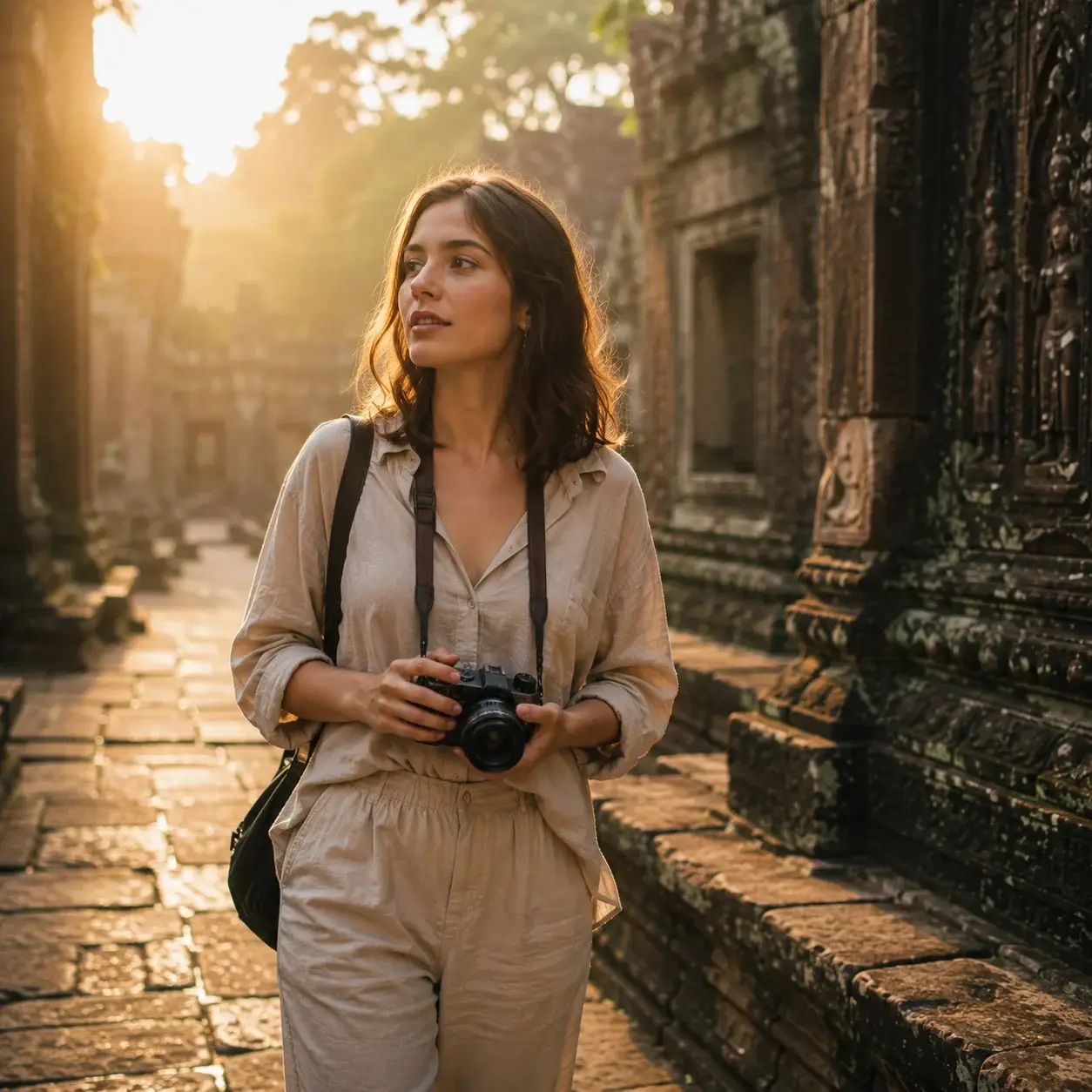
The first time I stood at JFK airport with a one-way ticket, my stomach was in knots. I had a backpack that felt too heavy, a passport that looked brand new, and absolutely no idea what I was doing. I had spent years working a desk job in New York, staring at spreadsheets and dreaming of something more. When I finally quit, I thought freedom would feel like magic. Instead, it felt like being lost without a map.
I learned the hard way that the difference between a trip that leaves you frazzled and a trip that changes your life is simply in the planning. You don’t need a massive budget or a lifetime of experience. You just need a framework.
If you are currently sitting in an office or at home, feeling that familiar itch to see the world but terrified of making a mistake, this is for you. I’ve put together the best step-by-step itineraries for first-time visitors to help you break down the “what,” “where,” and “how” of travel into manageable, bite-sized pieces.
Step One: Designing Your Rhythm, Not Your List
Most people make a rookie mistake: they treat their itinerary like a scavenger hunt. They try to cram five cities into seven days. When I started traveling, I did this too. I spent more time in bus stations than I did actually seeing the places I was visiting.
To plan a successful first trip, shift your mindset from “seeing” to “experiencing.” If you are heading to a place like Thailand, don’t try to see every temple in the country. Instead, start with a focused loop. When I lived there, I realized that the Tourism Authority of Thailand has some of the best resources for understanding cultural etiquette, which is truly the secret to a smooth, stress-free arrival.
Start by picking one major hub. Spend at least three to four days there. This allows you to get over your jet lag, learn the local layout, and actually breathe. A good itinerary for a beginner looks like this:
- Days 1–2: Arrival, finding your base, and walking the neighborhood.
- Days 3–4: One “big” activity mixed with downtime.
- Days 5–6: A short day trip to a nearby village or nature spot.
- Day 7: Reflection and preparation for the next move.
Navigating Safety and Health Without the Panic
Fear is usually the biggest thing holding back first-time travelers. I get it. I’ve been there. You worry about getting sick, getting lost, or being scammed. While it’s smart to be cautious, you don’t need to let fear paralyze you.
Before you leave, spend some time on the CDC Travelers’ Health website. They have incredible information about staying healthy, which vaccines you might actually need, and how to handle food safety in different climates. I used to think I needed to be paranoid about every street food stall, but I eventually learned that if a stall is busy with locals, it’s usually the safest and tastiest spot in town.
Safety is just common sense wrapped in preparation. When you arrive in a new country, always check the US Department of State Travel portal for entry requirements and safety ratings. Knowing the visa rules before you get to the immigration desk saves you hours of stress. It’s the difference between a smooth entry and a headache.
Practical Transportation Secrets for the Nervous Traveler
One of the most intimidating parts of travel is getting from the airport to your accommodation. In my early days, I would pay for expensive tourist taxis because I was afraid of the bus system.
If you are traveling in Southeast Asia or many parts of the developing world, technology has made this much easier. For instance, knowing how the Grab app works for travelers is a total game-changer. It gives you a clear price upfront and tracks your ride, which takes the negotiation—and the anxiety—out of the equation.
If you aren’t in a region where those apps exist, look for official airport shuttle desks. Never go with the first person who shouts “Taxi!” at you in the arrivals hall. Walk to the official stand inside the airport. It’s these small, practical steps that build your confidence. You aren’t just a tourist; you are someone who knows how to navigate the world.
The Art of the “Slow” Itinerary
I spent a year backpacking across Europe, and I found that my favorite memories weren’t the famous museums. They were the mornings spent at a small neighborhood café, watching the world go by.
When planning your trip, don’t schedule something for every hour. Leave “white space” in your calendar. If you find a UNESCO World Heritage site that catches your eye, that should be your anchor for the day. Everything else should be optional. If you wake up tired, it’s okay to skip the museum and just sit in a park.
First-time travelers often feel they have to do “everything.” But if you go to Paris and you don’t climb the Eiffel Tower, you haven’t failed. If you spent that time talking to a local baker or reading a book by the Seine, you’ve actually succeeded. You’ve had a real moment.
Managing Your Budget Without Giving Up Comfort
I worked as a waitress for years to save up for my first big trips. I know exactly what it’s like to count every dollar. You don’t need to live in hostels if they make you uncomfortable, but you do need to be smart about your spending.
My secret? Always prioritize your “base.” Spend a little more on a clean, safe, and well-located room. You can save money on food by eating local street food or grocery shopping, but if your hotel is miserable or in a scary part of town, your whole trip will feel like a chore.
When you look for your next destination, use a tool like the Lonely Planet destination overviews to get a sense of what the local cost of living is like. If you know what a local lunch should cost, you’ll never feel like you’re being ripped off. This knowledge is your best defense against travel stress.
Protecting Your Trip and Your Peace of Mind
It sounds boring, but insurance is the backbone of a stress-free trip. I never travel without it. Think of it as a safety net that lets you take risks. If you get sick, lose your bag, or have an emergency, you need to know you are covered. Sites like World Nomads have great resources for understanding exactly what you need as a traveler.
When you have your logistics sorted—insurance, visas, and a general plan—your brain finally turns off the “what if” alarm. That is when the real magic of travel happens. You go from being a nervous planner to an active explorer.
The First-Time Traveler’s Mindset
I remember teaching English in Thailand. I was thousands of miles from home, I didn’t speak the language well, and my classroom was chaotic. I felt like an imposter. But day by day, I realized that I wasn’t just surviving; I was thriving.
That is what these itineraries are for. They aren’t meant to be chains that bind you to a schedule. They are meant to be a training ground. Once you follow a step-by-step plan for your first trip, you’ll realize that the world isn’t as scary as it seems. You’ll stop needing a plan for everything, and you’ll start trusting your gut.
Start with one week. Go somewhere that pushes you just a little bit out of your comfort zone. Book the flight. Get the insurance. Use these steps to anchor yourself. And then, when you’re there, dare to go off the path. That is where you’ll find the version of yourself you’ve been looking for.
Making Your Itinerary Truly Yours
Once you have the basics—the flights, the accommodation, and the transport—you need to inject your own personality into the trip. If you love coffee, make “finding the best morning brew” your primary goal in every city. If you love history, look for the oldest neighborhoods rather than the biggest landmarks.
My best advice for first-time visitors is to keep a journal. Not a blog, not a social media feed, but a private journal. Write down the small things: what the air smelled like, how the local bread tasted, the face of the person who helped you find the bus. These details are the heartbeat of your trip.
Travel is not about the miles you cover. It’s about the things you learn about yourself when you are forced to be your own advocate, your own navigator, and your own best friend. The best step-by-step itineraries for first-time visitors aren’t just about travel; they are about proving to yourself that you are capable of anything.



